
Wax perfume is a solid, balm-like fragrance made by blending essential oils, botanical extracts, or fragrance materials with natural waxes such as beeswax, candelilla, or carnauba. Unlike liquid perfumes that use alcohol as a carrier, wax-based formulations remain stable at room temperature and deliver scent through skin contact and body heat. These compact, spill-proof products offer a practical alternative for travelers, minimalist routines, and anyone seeking a more controlled application of fragrance.
The practice of wearing solid scent dates back thousands of years, when ancient Egyptians and Greeks combined aromatic resins and oils with animal fats and plant waxes. Modern wax perfume builds on that tradition with refined formulations, vegan ingredients, and safety standards that align with contemporary cosmetic regulations. Today's offerings range from artisanal botanical blends handmade in small batches to mass-produced synthetic formulas sold in department stores.
What is wax perfume made from?
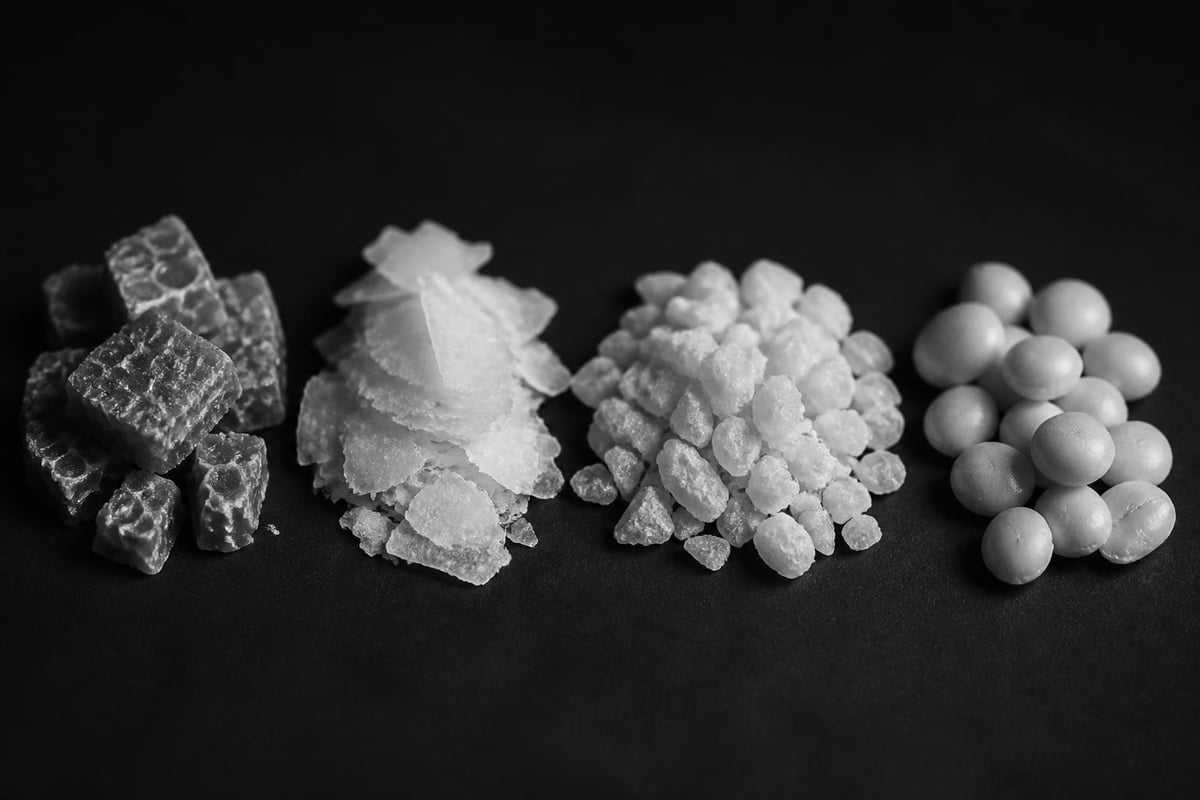
Wax perfume is made from a base of natural waxes combined with fragrance materials and sometimes skin-conditioning oils. The wax component typically includes beeswax, candelilla wax, carnauba wax, or soy wax, each offering different melting points and textures. Fragrance comes from essential oils, absolutes, CO2 extracts, or synthetic aroma chemicals, depending on the brand's formulation philosophy. Many makers also add carrier oils such as jojoba, sweet almond, or fractionated coconut oil to improve skin feel and scent diffusion.
Base wax selection
The choice of wax affects both performance and ethics. Beeswax provides excellent scent retention and a smooth glide but is not vegan. Candelilla wax, derived from a Mexican desert shrub, offers a plant-based alternative with a slightly higher melting point. Carnauba wax, harvested from Brazilian palm leaves, creates a firmer texture ideal for stick formats. Soy wax remains soft and spreadable, making it suitable for tin or jar packaging.
Key wax characteristics:
- Melting point: determines how easily the product softens on skin
- Hardness: affects portability and application method
- Vegan status: critical for plant-based and cruelty-free branding
- Scent throw: influences how fragrance molecules are released from the matrix
Fragrance materials and concentration
Fragrance concentration in wax perfume typically ranges from 10% to 30% by weight, compared to 15-20% in eau de parfum or 20-30% in pure perfume oils. The wax matrix protects volatile compounds from evaporating too quickly, which can extend wear time despite the lower concentration. Botanical formulations rely exclusively on plant-derived materials, while conventional products may use a blend of natural and synthetic ingredients to achieve specific scent profiles or meet cost targets.
The International Fragrance Association (IFRA) provides safety standards that apply to wax-based products just as they do to sprays and lotions. These guidelines establish maximum usage levels for certain ingredients based on product category and exposure patterns. Solid perfumes fall under categories that account for direct skin contact and leave-on application, requiring careful attention to allergen thresholds and sensitization risk.
How do you apply wax perfume?
You apply wax perfume by warming the surface with your fingertip, then transferring the melted product to pulse points or other areas where body heat helps diffuse the scent. Typical application sites include wrists, behind the ears, the base of the throat, inner elbows, and behind the knees. The warmth of your skin activates the fragrance and allows it to develop over several hours as the wax slowly releases aromatic molecules.
Application technique
Start with clean, dry skin for best adherence and scent development. Swipe your finger across the wax surface once or twice to pick up a small amount of product. Rub your fingertips together briefly to warm and distribute the balm evenly. Press gently onto your chosen pulse point and allow the product to settle for 30 seconds before dressing or moving on to the next area.
Step-by-step application:
- Open the container and expose the wax surface
- Warm the product with your fingertip using gentle circular motions
- Transfer a small amount to one or two pulse points
- Press and hold for a few seconds to allow absorption
- Close the container immediately to prevent scent loss
- Reapply every 4-6 hours as needed
You can layer wax perfume with unscented moisturizer to extend longevity. Apply the moisturizer first, wait 60 seconds for absorption, then apply the wax perfume on top. The occlusive layer helps trap fragrance molecules close to the skin. Avoid applying over freshly applied sunscreen or other heavily fragranced products, as this can create competing scent profiles or interfere with skin absorption.
What are the benefits of wax perfume compared to liquid fragrance?
Wax perfume offers portability, spill-proof packaging, and controlled scent intensity that liquid fragrances cannot match. A solid balm tin fits easily in a pocket, handbag, or carry-on luggage without triggering TSA liquid restrictions or risking leakage during travel. The application method allows precise dosing, making it ideal for shared workspaces, scent-sensitive environments, or anyone who prefers subtle fragrance.
| Feature | Wax Perfume | Liquid Perfume |
|---|---|---|
| Portability | Compact, TSA-friendly, no leaks | Bottle breakage risk, liquid limits apply |
| Application control | Targeted, adjustable intensity | Spray dispersion, harder to control |
| Longevity on skin | 4-6 hours typical | 6-8 hours typical (varies by concentration) |
| Price point | Often lower per ounce | Wide range, designer brands expensive |
| Ingredient transparency | Easier to formulate simply | Often proprietary blends |
| Skin compatibility | Moisturizing wax base | Alcohol can dry skin |
Environmental and health considerations
Alcohol-free formulations eliminate the drying effect some users experience with traditional perfumes. The wax base can also serve as an emollient, adding moisture to dry patches on wrists or behind ears. For individuals with alcohol sensitivities or those avoiding volatile organic compounds, wax perfume provides a gentler alternative. The Research Institute for Fragrance Materials (RIFM) conducts safety assessments on thousands of ingredients used in both solid and liquid fragrances, supporting evidence-based formulation decisions.
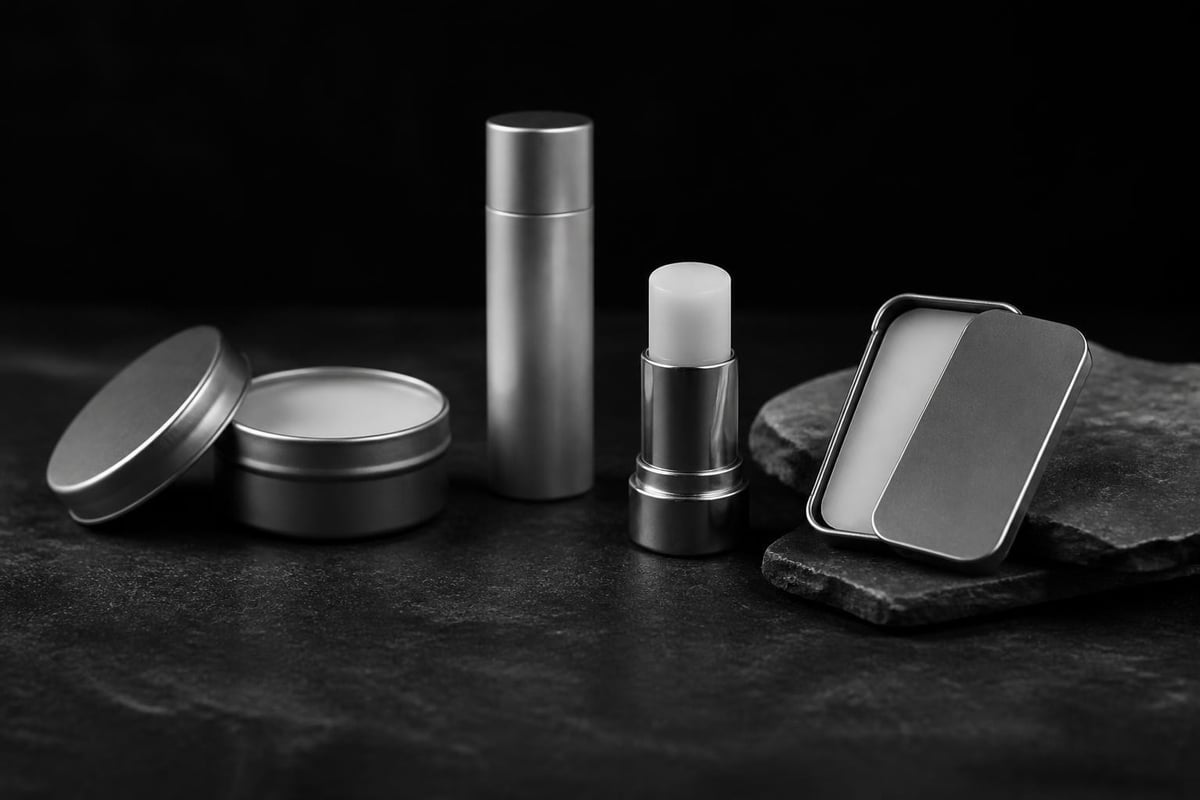
Packaging for wax perfume typically uses less material than glass bottles with spray mechanisms. Small metal tins, recyclable plastic jars, or compostable paperboard tubes reduce waste and shipping weight. Some artisanal makers in Manhattan's NoMad neighborhood have built reputations around zero-waste refill programs, where customers return empty containers for discounted refills of their favorite botanical blends.
How long does wax perfume last on skin and in storage?
Wax perfume typically lasts 4-6 hours on skin before requiring reapplication, though longevity varies based on wax type, fragrance concentration, skin chemistry, and environmental conditions. In storage, a properly sealed wax perfume can maintain quality for 12-24 months when kept away from direct sunlight, heat sources, and extreme temperature fluctuations. The absence of alcohol means there is no evaporation issue, but the wax matrix can oxidize over time if exposed to air or light.
Factors affecting wear time
Body temperature significantly impacts how quickly fragrance molecules release from the wax. Warmer skin accelerates diffusion, while cooler conditions slow scent development. Physical activity that raises body temperature or causes perspiration can shorten wear time by altering skin pH and moisture levels. Dry skin tends to hold scent less effectively than well-hydrated skin, which is why some users apply a thin layer of unscented oil or lotion before wax perfume.
Variables that influence longevity:
- Skin type: oily skin holds scent longer than dry
- Climate: humidity enhances diffusion, dry air inhibits it
- Activity level: exercise accelerates scent release
- Application amount: more product extends wear time but risks overpowering
- Wax hardness: firmer waxes release fragrance more slowly
Storage best practices
Store wax perfume in a cool, dark location such as a drawer or cabinet away from windows and heating vents. Avoid leaving containers in cars, bathrooms, or other areas subject to temperature swings. The ideal storage temperature ranges from 60-75°F. If the product melts due to heat exposure, allow it to resolidify at room temperature rather than refrigerating, which can cause uneven texture or condensation issues.
Oxidation occurs when fragrance oils react with oxygen, leading to color changes, off-notes, or reduced scent intensity. Natural botanical ingredients are especially susceptible. Keep containers tightly closed between uses and consider transferring product to smaller vessels as you use it down to minimize air exposure. Some makers include antioxidants like vitamin E to slow degradation, though this is more common in oil-based perfumes than wax formulations.
Where can you buy quality wax perfume in New York?
You can buy quality wax perfume at independent perfumeries, botanical apothecaries, craft markets, and specialty boutiques throughout New York, particularly in Manhattan neighborhoods known for artisanal goods. Areas like NoMad, Flatiron, and the Lower East Side host shops that curate small-batch, botanical fragrance products made by local and independent makers. Online retailers also offer extensive selections, though in-person shopping allows you to test scents before purchasing.
For those seeking handmade botanical formulations, Haus of Smell offers alcohol-free, vegan wax-based products crafted in Manhattan using only plant and resin extracts. Their commitment to synthetic-free ingredients aligns with the growing demand for transparent, ingredient-focused fragrance options that don't compromise on complexity or performance.
Manhattan shopping districts
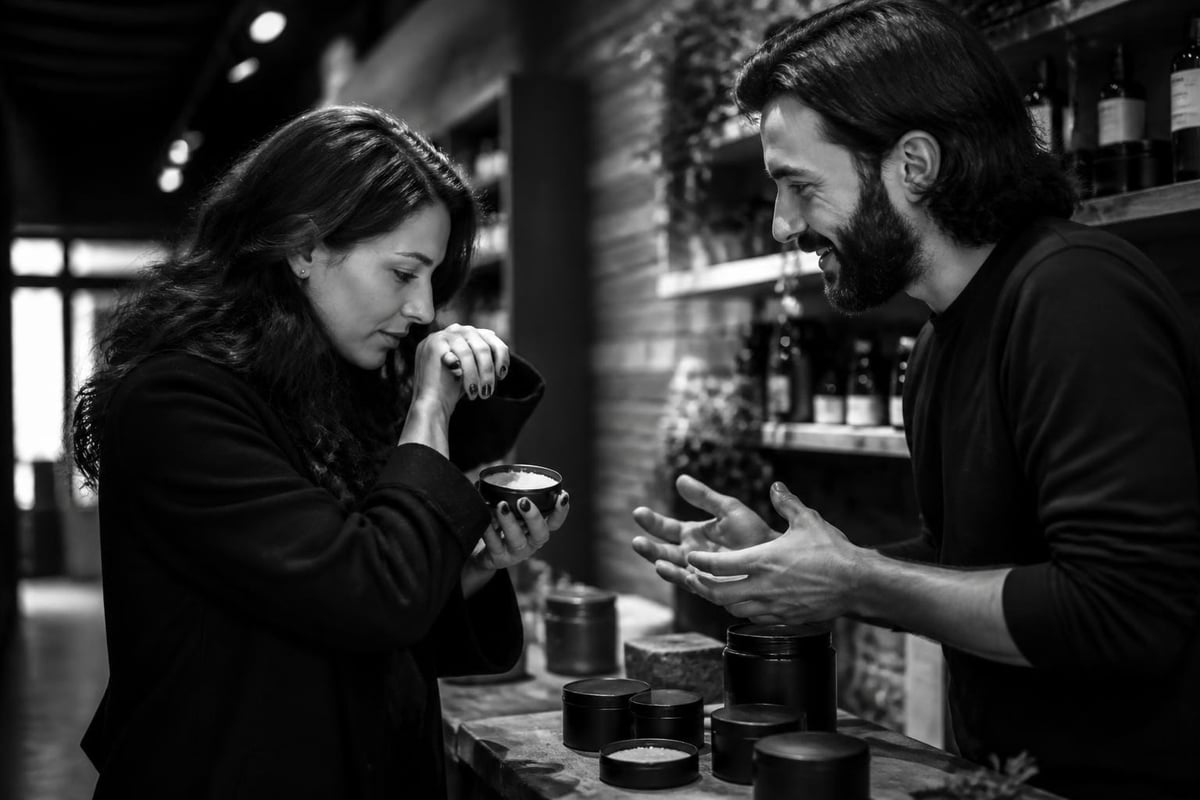
The Flatiron District and NoMad areas feature a concentration of independent beauty and fragrance retailers. These neighborhoods attract makers who value craftsmanship and direct customer relationships. Visiting a physical location lets you experience how wax perfume feels on skin, assess the texture and scent throw, and ask questions about ingredient sourcing and production methods. Many boutiques offer samples or allow wrist tests, which is critical when selecting a signature scent.
Notable shopping areas:
- NoMad: artisanal perfumeries and botanical apothecaries
- Flatiron: independent beauty boutiques and craft vendors
- SoHo: high-end niche fragrance specialists
- Lower East Side: maker markets and weekend pop-ups
- Williamsburg: Brooklyn-based botanical brands with Manhattan retail
Evaluating quality and transparency
Look for brands that disclose full ingredient lists, sourcing practices, and production locations. Quality wax perfume should list the wax type, carrier oils if used, and either specific fragrance components or a clear statement about natural versus synthetic materials. The National Candle Association provides safety guidance for wax-based products that responsible makers reference when formulating solid perfumes, even though the primary focus is candles.
Regulations affecting wax perfume vary by market. In the European Union, Commission Regulation 2023/1545 amended labeling requirements for fragrance allergens in cosmetic products, including solid perfumes. While U.S. requirements differ, many New York-based makers adopt EU-compliant labeling to serve international customers and demonstrate commitment to transparency. The Cosmetics Europe guidance offers practical implementation advice that benefits consumers seeking allergen information.
What are common issues with wax perfume and how do you solve them?
Common issues with wax perfume include hard texture that resists application, weak scent throw, product melting during warm weather, and staining on clothing or surfaces. Most problems stem from formulation choices, storage conditions, or application technique rather than inherent flaws in the solid perfume format. Understanding the cause of each issue allows for simple solutions that restore performance and user experience.
Texture and application problems
If wax perfume feels too hard to apply comfortably, the formulation may contain excessive carnauba or candelilla wax without enough softening oils. Warming the tin in your hands for 30-60 seconds before opening can help. Alternatively, use the edge of your fingernail to scrape a small amount onto your fingertip, then warm it between your fingers before applying. Avoid digging aggressively into the surface, which can disturb the entire product and create an uneven texture.
Troubleshooting guide:
| Problem | Likely Cause | Solution |
|---|---|---|
| Too hard to pick up | High-melting-point wax, cold storage | Warm tin in hands 30-60 seconds |
| Weak scent | Low fragrance load, old product | Apply more liberally, check expiration |
| Melted consistency | Heat exposure, soft wax base | Store in cool location, refrigerate briefly |
| Grainy texture | Temperature cycling, poor mixing | Remix by melting slightly and cooling slowly |
| Stains on fabric | Excessive application, colored wax | Apply sparingly, blot excess, avoid dyed products |
Scent performance challenges
Weak scent throw often results from insufficient fragrance concentration or degraded ingredients. If a product smells strong in the container but fades quickly on skin, your skin chemistry may not support that particular blend. Try applying to slightly moistened skin or layering over a matching unscented oil to enhance diffusion. Some botanical materials naturally offer less projection than synthetic molecules, so realistic expectations help avoid disappointment.
Conversely, if the scent feels overwhelming, reduce the application amount or choose different pulse points. The neck and wrists provide strong scent projection due to warmth and air exposure, while applying behind the knees or inside the elbow offers more subtle diffusion. Remember that olfactory adaptation causes you to stop noticing a scent after 15-20 minutes, even though others can still detect it.
How do you make wax perfume at home?
You make wax perfume at home by melting a wax base, blending in fragrance materials and optional carrier oils, then pouring the mixture into small containers to cool and solidify. Basic formulations require only three components: wax, fragrance, and optionally a skin-conditioning oil. The process takes 30-45 minutes plus cooling time, and requires careful temperature control to preserve delicate botanical ingredients while achieving a smooth, stable final product.
Essential equipment and ingredients
Gather heat-safe measuring containers, a double boiler or makeshift bain-marie, small storage tins or jars, and stirring tools before beginning. For ingredients, select a wax that matches your desired texture and ethics. Beeswax creates a classic balm consistency, while candelilla or soy wax offers vegan alternatives. Choose fragrance materials based on your scent preference and safety knowledge. Essential oils are widely available and relatively straightforward to use, though absolutes and CO2 extracts provide more complex profiles.
Required materials:
- Base wax (1 ounce for small batch)
- Fragrance materials (0.1-0.3 ounces for 10-30% concentration)
- Carrier oil optional (0.1-0.2 ounces for smoother texture)
- Double boiler or heat-safe glass bowl over saucepan
- Small containers with lids (0.25-0.5 ounce capacity)
- Stirring utensil (glass or stainless steel)
- Digital scale for precise measuring
- Thermometer to monitor temperature
Production process
Measure your wax accurately using a digital scale, as volume measurements can be imprecise. Place the wax in the top portion of a double boiler over low heat. Monitor the temperature and remove from heat once the wax reaches 160-170°F, just above its melting point. If using carrier oil, add it to the melted wax and stir gently to combine. Allow the mixture to cool to 140-150°F before adding fragrance materials, as excessive heat can damage delicate botanical compounds.
Add your measured fragrance and stir thoroughly for 30-60 seconds to ensure even distribution. Pour immediately into prepared containers, filling to within 1/8 inch of the rim to allow for slight contraction during cooling. Let the containers sit undisturbed at room temperature for 2-4 hours until fully solidified. Avoid moving or capping them during this period, as vibration can create air bubbles or uneven surfaces. Label with ingredients and production date for safety and inventory tracking.
Recent research on scented wax products has examined emission profiles and indoor air quality impacts. A 2024 study published in PubMed Central measured nanoparticle emissions from wax melts, finding that flame-free scented products still release measurable compounds. While this research focused on wax melts rather than wax perfume, it underscores the importance of ingredient selection and appropriate ventilation when working with any scented wax product during production or use.
Frequently Asked Questions
Does wax perfume work as well as spray perfume?
Wax perfume delivers scent effectively but with different characteristics than spray perfume. It offers 4-6 hours of wear time compared to 6-8 hours for most spray formulations, and provides more targeted application with less projection. The wax base moisturizes skin while releasing fragrance gradually, making it suitable for close-contact situations where subtle scent is preferred over broad diffusion.
Can you travel with wax perfume on airplanes?
You can travel with wax perfume on airplanes without restriction because it is a solid product exempt from TSA liquid limits. Pack it in your carry-on bag, personal item, or checked luggage without concern for the 3.4-ounce liquid rule. The compact size and spill-proof format make wax perfume ideal for business trips, vacations, or any travel situation where convenience and security matter.
Is wax perfume suitable for sensitive skin?
Wax perfume is often suitable for sensitive skin, especially alcohol-free botanical formulations that avoid common irritants. The wax base provides emollient properties that can benefit dry or reactive skin. However, individual sensitivities vary, and fragrance materials themselves may trigger reactions regardless of the carrier. Patch-test any new product on your inner forearm for 24 hours before applying to pulse points or other visible areas.
How much wax perfume should you apply at once?
You should apply a thin layer of wax perfume to one or two pulse points per application, which typically requires picking up product equivalent to one or two fingertip swipes. This amount provides noticeable scent without overwhelming yourself or others. You can always add more after 30 minutes if the intensity seems insufficient, but removing excess is difficult and wasteful once applied.
Can you layer wax perfume with other scented products?
You can layer wax perfume with other scented products if the fragrances complement each other and you avoid overwhelming combinations. Apply lightly scented or unscented body lotion first to create a hydrating base, wait 60 seconds for absorption, then apply wax perfume. Avoid layering with heavily fragranced deodorants, hair products, or laundry detergents that compete for olfactory attention and create confusing scent profiles.
Where should you store wax perfume in summer heat?
You should store wax perfume in a cool, dark drawer or cabinet during summer heat, avoiding windowsills, cars, bathrooms, or other areas that exceed 75°F regularly. If your home lacks air conditioning and temperatures rise above 80°F, consider storing wax perfume in a basement, north-facing closet, or even a refrigerator during extreme heat waves. Allow refrigerated products to return to room temperature before opening to prevent condensation issues.
Wax perfume provides a practical, portable alternative to liquid fragrance that suits modern lifestyles prioritizing convenience, transparency, and mindful consumption. The solid format eliminates spill risk while delivering hours of subtle scent through simple application and body heat activation. For those seeking handcrafted botanical options made with integrity in New York, explore the collection at Haus of Smell, where every product reflects a commitment to natural ingredients and Manhattan craftsmanship.