
The top smelling candles combine quality wax, proper wick placement, and well-composed fragrances that balance intensity with subtlety. The best options feature strong scent throw, natural ingredients, and layered fragrance profiles that evolve as they burn. These characteristics separate exceptional candles from ordinary ones, creating memorable olfactory experiences that enhance any room.
Finding a candle that truly elevates a space requires understanding what makes certain scents more appealing than others. The fragrance industry has evolved significantly, with botanical formulations now competing against traditional synthetic blends. Natural ingredients offer complexity and depth that synthetic compounds often lack, though both approaches have devoted followers.
What Makes Candles Smell Better Than Others?
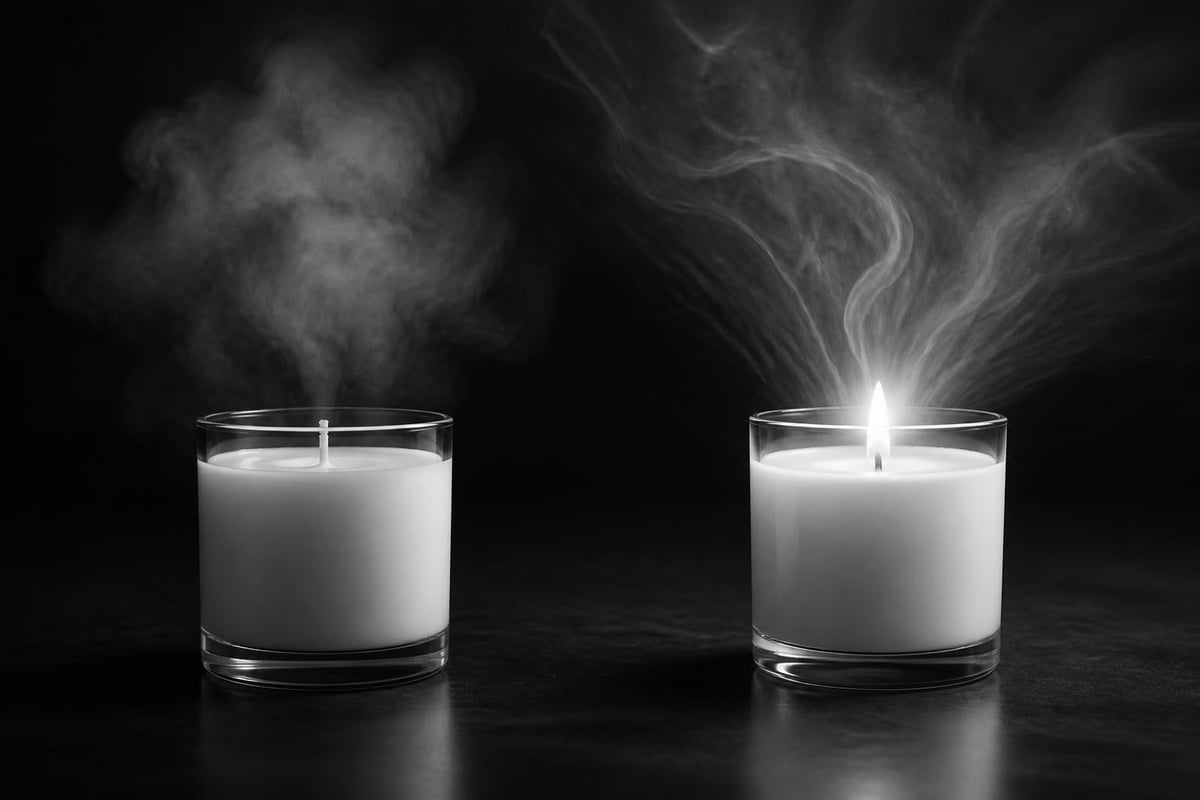
Candles smell better when they achieve optimal scent throw, use quality fragrance materials, and maintain proper wax-to-fragrance ratios. Scent throw refers to how well a candle disperses fragrance, with cold throw describing the unlit scent and hot throw measuring the aroma while burning. Premium candles balance both aspects through careful formulation.
The wax base plays a crucial role in fragrance delivery. Soy wax, coconut wax, and beeswax each hold and release scent differently. Soy wax typically provides excellent cold throw but may have weaker hot throw compared to paraffin. Coconut wax blends offer superior scent distribution but cost more to produce.
Key factors in superior candle scent:
- Fragrance concentration (typically 6-12% of total wax weight)
- Wax type and quality
- Wick size and material
- Curing time before sale
- Container design affecting heat distribution
The vessel itself influences perception. Wide containers allow more wax surface to melt, releasing more fragrance molecules into the air. Narrow vessels concentrate heat, creating deeper wax pools that can intensify scent but may reduce overall throw.
| Factor | Impact on Scent | Optimal Range |
|---|---|---|
| Fragrance Load | Direct correlation to strength | 8-10% for natural wax |
| Wick Diameter | Controls melt pool size | Matches container width |
| Cure Time | Allows scent to bind with wax | 14-21 days minimum |
| Burn Time | Affects scent evolution | 3+ hours per session |
Which Fragrance Families Provide the Strongest Appeal?
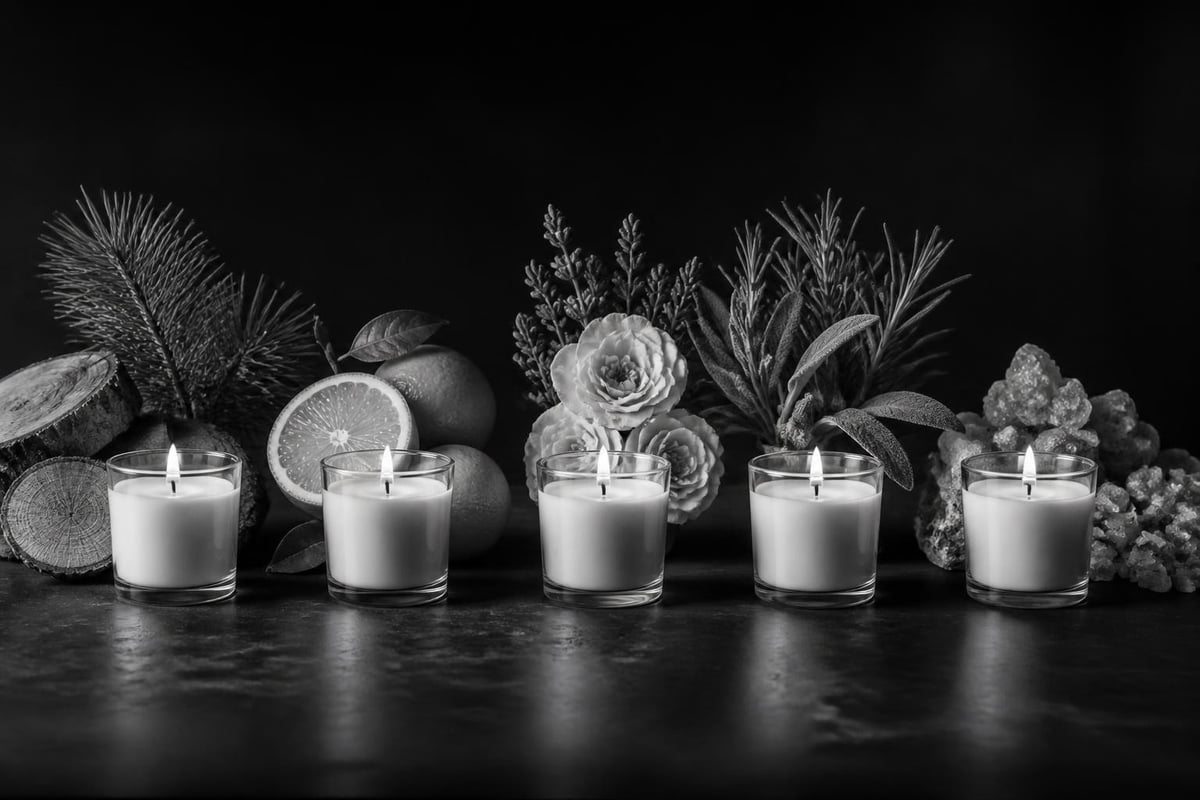
The most universally appealing fragrance families include woody, citrus, floral, and herbaceous categories, each offering distinct emotional responses. Fragrance notes layer top, heart, and base elements to create complexity that unfolds during burning. Woody scents provide grounding warmth, while citrus offers energizing freshness.
Consumer preference studies consistently rank certain categories among top smelling candles. Floral scents remain popular for living spaces, though modern consumers increasingly seek greener, less powdery interpretations. Herbal fragrances have gained traction as wellness culture emphasizes natural aromatherapy benefits.
Popular fragrance categories:
- Woody (warming, meditative)
- Citrus (uplifting, clean)
- Floral (romantic, traditional)
- Herbaceous (fresh, grounding)
- Resinous (complex, ceremonial)
The shift toward botanical ingredients reflects broader consumer awareness about indoor air quality concerns. Synthetic fragrances can release volatile organic compounds when burned, while plant-derived alternatives typically produce cleaner combustion. This distinction matters for those spending significant time in enclosed spaces.
For Manhattan residents particularly, where apartments may have limited ventilation, choosing candles with natural ingredients becomes more important. Haus of Smell crafts their botanical candles using real plant and resin extracts rather than synthetic fragrance oils, setting each wick by hand in their NoMad workshop to ensure quality control.
How Do Natural Ingredients Compare to Synthetic Fragrances?
Natural ingredients offer greater complexity and evolve more during burning, while synthetic fragrances provide consistency and intensity at lower cost. Plant extracts contain hundreds of aromatic compounds that create nuanced scent profiles, whereas lab-created molecules deliver targeted, predictable results. Both approaches serve different priorities depending on desired outcomes.
The distinction affects not just scent character but also burning properties. Natural scented oils integrate differently with wax bases, sometimes requiring adjusted formulation to achieve proper throw. Synthetic compounds often bind more predictably, allowing manufacturers to guarantee specific performance metrics.
Botanical extracts bring authenticity that synthetic versions struggle to replicate. A synthetic lavender smells like a single chemical compound, while genuine lavender absolute contains over 100 aromatic molecules creating depth and variation. This complexity prevents olfactory fatigue, the phenomenon where constant exposure diminishes scent perception.
Natural vs. synthetic comparison:
| Aspect | Natural Ingredients | Synthetic Fragrances |
|---|---|---|
| Complexity | High (100+ compounds) | Limited (5-15 compounds) |
| Consistency | Varies by harvest | Identical batch to batch |
| Cost | Higher | Lower |
| Environmental Impact | Generally lower | Varies widely |
| Scent Evolution | Changes as it burns | Remains static |
Those seeking non-toxic candle options prioritize natural formulations to avoid potential irritants. Synthetic musks and certain aldehydes can trigger sensitivities in susceptible individuals. Plant-based alternatives typically present fewer allergen concerns, though natural compounds like linalool can still affect sensitive populations.
What Wax Types Deliver the Best Scent Performance?
Coconut wax blends deliver the strongest scent throw, followed by soy-coconut hybrids and pure soy wax formulations. The molecular structure of each wax affects how fragrance oils bind and release during combustion. Coconut wax's low melting point creates larger melt pools, exposing more scented wax to air and increasing fragrance dispersion throughout a room.
Professional candle makers test multiple wax combinations before settling on final formulations. Pure soy wax offers clean burning and good cold throw but may disappoint those expecting intense hot throw. Paraffin provides excellent scent delivery but derives from petroleum, conflicting with sustainability preferences many consumers now prioritize.
Beeswax naturally smells honey-sweet, limiting fragrance compatibility. It works best for unscented applications or simple honey-forward blends. The wax burns slowly and cleanly but costs significantly more than plant-based alternatives.
Wax performance hierarchy:
- Coconut-soy blend (optimal throw, clean burn)
- Pure coconut wax (strongest throw, higher cost)
- Soy wax (good cold throw, moderate hot throw)
- Beeswax (slow burn, limited fragrance compatibility)
- Paraffin (excellent throw, sustainability concerns)
Wick selection must match wax type and container size. Cotton wicks suit most natural waxes, while wood wicks create ambiance through crackling sounds but may produce inconsistent melt pools. The wick diameter determines burn temperature, directly affecting how much fragrance volatilizes.
How Does Container Design Influence Scent Distribution?
Wide-mouth containers maximize scent throw by increasing the wax surface area exposed to air, while narrow vessels concentrate fragrance intensity. Container material affects heat retention, with glass providing neutral performance, ceramic holding warmth longer, and metal conducting heat efficiently. These design elements interact with wax formulation to determine overall performance.
Open vessels allow maximum fragrance escape but burn faster and present safety concerns. Covered containers with lids preserve scent when not in use, extending shelf life by preventing fragrance oxidation. The lid material matters less than achieving an airtight seal when stored.
Container characteristics affecting scent:
- Diameter (wider creates larger melt pools)
- Material (affects heat distribution)
- Wall thickness (influences burn temperature)
- Color (dark absorbs heat, light reflects)
Room size determines appropriate candle scale. A single-wick candle suffices for spaces under 200 square feet, while larger rooms benefit from multi-wick designs or multiple candles. Ceiling height also matters, as scent rises with warm air, potentially escaping before filling a space with high ceilings.
Strategic placement enhances performance. Candles positioned in central locations distribute fragrance more evenly than those placed in corners. Avoid drafty areas where air movement disperses scent too quickly, preventing proper accumulation.
Where Can You Experience Top Smelling Candles in Person?
Boutique candle shops and specialty fragrance retailers offer the best in-person experiences for evaluating top smelling candles. These locations provide proper testing conditions, knowledgeable staff, and curated selections that mass retailers cannot match. Physical evaluation remains essential despite online convenience, as fragrance perception varies significantly between individuals.
Manhattan hosts numerous boutique options, particularly in neighborhoods like NoMad and SoHo where independent retailers cluster. These shops often feature locally made products alongside international brands, allowing direct comparison between different approaches to candle making. Testing multiple options before purchasing prevents disappointment and reduces waste from unwanted products.
Department store fragrance sections stock mainstream brands but rarely feature botanical or artisan options. Their fluorescent lighting and synthetic air fresheners interfere with accurate scent evaluation. Dedicated candle boutiques control their environment to showcase products properly, often limiting competing scents and providing fresh air between samples.
Benefits of in-person candle shopping:
- Evaluate cold and hot throw directly
- Compare multiple options simultaneously
- Receive personalized recommendations
- Support local artisans and businesses
- Avoid shipping damage to delicate vessels
Some retailers offer burning demonstrations, allowing customers to experience hot throw before committing. This practice particularly benefits those new to premium candles who may not understand how dramatically scent evolves between cold and burning states. The experience educates consumers while building confidence in purchase decisions.
How Long Should Quality Candles Maintain Their Scent?
Quality candles should maintain consistent scent throw for their entire burn life, typically 40-60 hours for standard containers. Proper storage and burning practices significantly impact longevity, with covered candles in cool, dark locations preserving fragrance better than those exposed to heat and light. Scent fade indicates poor formulation, inadequate curing, or improper storage conditions.
The first burn establishes performance for all subsequent uses. Burning until the entire surface melts creates a memory ring that prevents tunneling, ensuring even wax consumption and consistent fragrance release. This initial burn should last at least three hours for most container candles.
Between uses, trimming wicks to one-quarter inch prevents smoking and maintains proper flame size. Oversized flames burn too hot, consuming fragrance faster than it can disperse and potentially overheating containers. Undersized flames may not generate sufficient heat to fully melt the wax surface.
Burn time expectations by size:
| Container Size | Expected Burn Time | Optimal Session Length |
|---|---|---|
| 4 oz | 20-25 hours | 2-3 hours |
| 8 oz | 40-50 hours | 3-4 hours |
| 12 oz | 60-75 hours | 3-4 hours |
| 16 oz | 80-100 hours | 4+ hours |
Fragrance quality degrades over time even in unburned candles. Natural ingredients typically maintain character for 12-18 months when properly stored, while synthetic fragrances may last longer but can develop off-notes. Manufacturers should provide production dates to help consumers make informed decisions.
What Role Does Wick Quality Play in Scent Experience?
Wick quality determines burn temperature, flame size, and melt pool formation, all directly affecting fragrance distribution. Premium wicks made from braided cotton or wood burn consistently without mushrooming, creating optimal conditions for scent release. Poor quality wicks cause tunneling, smoking, or drowning, preventing candles from performing as formulated.
The wick must match both wax type and container diameter. Too small creates insufficient melt pools, wasting outer wax and limiting fragrance throw. Too large generates excessive heat, burning fragrance too quickly and potentially cracking containers. Professional candle makers conduct extensive testing to identify proper wick sizing for each product.
Wick selection criteria:
- Fiber type (cotton, wood, paper)
- Braid pattern (affects burn rate)
- Core material (some use wire or paper)
- Diameter (matches container width)
- Treatment (some pre-waxed for easier lighting)
Wood wicks offer aesthetic appeal through crackling sounds but require specific wax formulations to perform properly. They work best in softer waxes like soy and coconut blends. Cotton wicks suit most applications and provide reliable performance across various wax types.
Lead-core wicks were banned in 2003 due to health concerns, yet some imported candles still contain them. Quality manufacturers use only approved wick materials and provide transparency about their components. Consumers should verify manufacturers follow current safety standards, particularly when purchasing from unfamiliar brands.
How Do Seasonal Preferences Affect Top Smelling Candles?
Seasonal preferences shift toward warmer, spicier scents in autumn and winter, while spring and summer favor lighter, fresher fragrances. This pattern reflects both cultural conditioning and physiological responses to temperature changes. Cooler months inspire desire for comforting, grounding aromas, while warm weather calls for uplifting, energizing scents.
Curated selections from fragrance experts often organize recommendations by season, acknowledging these preference patterns. However, individual taste varies significantly, and some consumers maintain year-round favorites regardless of external conditions. Personal associations with specific scents often override seasonal conventions.
Seasonal scent patterns:
- Winter: warming resins, rich woods
- Spring: green florals, fresh herbs
- Summer: bright citrus, aquatic notes
- Autumn: spiced woods, dried fruits
Urban environments may influence seasonal preferences differently than rural settings. Manhattan residents might seek grounding botanical scents year-round to counter concrete and steel surroundings, while suburban dwellers may align more closely with traditional seasonal patterns. Understanding personal environment helps identify appropriate fragrance choices.
Climate control affects candle performance and preference. Heated apartments in winter may benefit from lighter scents that would feel overwhelming in summer, while air-conditioned spaces allow heavier fragrances without oppression. Adjusting candle intensity to environmental conditions optimizes experience.
What Makes Botanical Candles Stand Out?
Botanical candles stand out through authentic plant-derived fragrances, cleaner burning properties, and alignment with wellness-focused lifestyles. Unlike synthetic alternatives, botanical formulations capture the full aromatic complexity of their source materials, creating scents that evolve naturally as they burn. This authenticity appeals to consumers seeking genuine sensory experiences rather than artificial approximations.
The production process for botanical candles requires more expertise and time than conventional methods. Plant extracts must be carefully sourced, properly preserved, and skillfully blended to achieve desired profiles. Curing periods extend longer to allow natural materials to fully integrate with wax bases.
Quality botanical candles avoid filler ingredients and unnecessary additives. Pure formulations contain only wax, plant extracts, and cotton or wood wicks. This simplicity reduces potential irritants while showcasing the natural ingredients' inherent qualities.
Botanical candle advantages:
- Authentic, complex fragrances
- Typically vegan and cruelty-free
- Lower environmental impact
- Cleaner combustion
- Alignment with wellness values
Consumer education remains essential in the botanical candle market. Many products claim natural status while containing primarily synthetic components with token botanical additions. Transparency about ingredient sourcing and percentages helps consumers make informed choices aligned with their values and preferences.
How Do Burn Practices Affect Scent Quality?
Proper burn practices maintain scent quality by ensuring complete wax consumption, preventing fragrance degradation, and optimizing air circulation. The science behind candle burning reveals that incomplete combustion creates soot and wastes fragrance, while optimal burning conditions maximize scent dispersion. Following manufacturer guidelines protects both product performance and safety.
Never burn candles longer than four hours continuously. Extended burning overheats containers and can degrade fragrance compounds through excessive heat exposure. Allow candles to cool completely between uses, giving wax time to resolidify evenly and preventing structural issues.
Room ventilation affects scent perception without requiring drafts. Gentle air circulation helps distribute fragrance throughout a space, while stagnant air allows scent to accumulate unevenly. Opening a door to adjacent rooms creates subtle movement that enhances distribution.
Essential burning practices:
- Trim wick to 1/4 inch before each use
- Burn until full surface melts (minimum 3 hours first time)
- Never exceed 4-hour continuous burn
- Keep away from drafts and vents
- Place on heat-resistant surface
- Extinguish with lid or snuffer, not blowing
Those committed to transforming daily rituals might explore resources like DoReset, which helps build consistent habits around self-care practices including aromatherapy routines. Establishing regular candle burning times creates structure while enhancing living spaces through intentional fragrance.
What Should You Consider for Multi-Room Scenting?
Multi-room scenting requires coordinating fragrance families, managing intensity levels, and creating intentional transitions between spaces. Using identical scents throughout feels monotonous, while completely unrelated fragrances create jarring shifts. Strategic selection within complementary families provides variety without discord, enhancing overall home ambiance.
Common areas like living rooms benefit from universally appealing fragrances that guests appreciate. Bedrooms allow more personal preferences since only residents experience those spaces regularly. Kitchens present challenges due to cooking aromas, making them better suited to fresh, clean scents or remaining fragrance-free.
Room-specific scent considerations:
| Room Type | Fragrance Approach | Intensity Level |
|---|---|---|
| Living Areas | Universally appealing | Medium |
| Bedrooms | Personal preference | Light to medium |
| Bathrooms | Clean, fresh | Medium |
| Home Offices | Focus-enhancing | Light |
| Entryways | Welcoming, signature | Medium to strong |
Professional scent designers for residential spaces often recommend establishing a signature fragrance for main living areas while varying bedrooms and private spaces. This approach creates cohesive identity without overwhelming repetition. The signature scent becomes associated with the home itself, creating olfactory memory for residents and visitors.
For those seeking comprehensive home scenting solutions, resources like HealthGreenList provide reviews of wellness brands, helping consumers identify trustworthy companies committed to healthy, transparent formulations. This matters particularly for products burned regularly in enclosed spaces.
Can Candle Scent Influence Mood and Productivity?
Candle scent significantly influences mood and productivity through direct effects on the limbic system, the brain region processing emotion and memory. Specific botanical compounds trigger measurable physiological responses, from relaxation to increased alertness. This relationship between scent and psychology explains why certain fragrances consistently appear in wellness recommendations and workspace design.
Citrus fragrances demonstrate documented energizing effects, making them appropriate for morning routines or afternoon productivity slumps. Conversely, grounding botanical scents promote relaxation, supporting evening wind-down rituals or meditation practices. These effects vary by individual based on personal associations and genetic factors affecting olfactory receptors.
Research continues exploring connections between specific aromatic compounds and neurological responses. While definitive causation remains debated, observational evidence strongly suggests environmental scent affects behavior and emotional state. Controlled workplace studies show modest productivity improvements in pleasantly scented environments compared to neutral conditions.
Scent categories and associated effects:
- Citrus: alertness, energy, optimism
- Herbaceous: focus, clarity, grounding
- Woody: calm, stability, meditation
- Floral: comfort, nostalgia, openness
- Resinous: contemplation, ceremony, depth
Personal experimentation reveals individual responses better than generalized recommendations. Keeping a scent journal documenting fragrances used and subsequent mood changes helps identify patterns. This mindful approach transforms candle burning from passive consumption to intentional wellness practice.
How Do Top Smelling Candles Perform in Small Spaces?
Top smelling candles in small spaces require lower fragrance loads and careful intensity management to avoid overwhelming confined areas. Studio apartments and compact Manhattan residences benefit from candles formulated for nuanced throw rather than maximum projection. Over-scenting small spaces causes headaches and olfactory fatigue, defeating the purpose of pleasant ambiance.
Container size should scale appropriately to room dimensions. A 4-6 oz candle suffices for most bedrooms and bathrooms, while larger containers risk overpowering the environment. Burning for shorter periods in small spaces prevents excessive fragrance accumulation.
Small space candle guidelines:
- Choose 4-6 oz containers maximum
- Burn 1-2 hours at a time
- Select lighter fragrance families
- Ensure adequate ventilation
- Use only one candle per room
Window placement affects performance in compact spaces. Positioning candles away from windows prevents drafts from dispersing scent before it fills the room. However, slight air movement from a cracked window can prevent overwhelming concentration, finding balance between distribution and dispersion.
Those living in smaller Manhattan apartments might appreciate experiencing candles in proper retail settings before committing to purchases. Testing in environments similar to home conditions prevents expensive mistakes. Some boutique retailers recreate small-space scenarios specifically for this evaluation purpose.
What Maintenance Extends Candle Lifespan and Scent?
Regular wick trimming, proper storage, and consistent burning practices extend both candle lifespan and scent quality significantly. Covered storage in cool, dark locations prevents fragrance oxidation and dust accumulation that interfere with performance. These simple maintenance steps protect the investment premium candles represent while ensuring optimal experience throughout the product's life.
Dust accumulation on wax surfaces before burning introduces impurities that affect combustion and scent purity. Gently wiping the surface with a soft cloth before lighting removes particles without disturbing the wax. This small step maintains fragrance integrity, particularly important for botanical formulations where purity matters.
Between uses, replacing lids immediately after extinguishing traps residual scent and prevents airborne particles from settling into warm wax. This practice proves especially valuable in urban environments where air quality fluctuates and outdoor pollutants may infiltrate living spaces.
Maintenance checklist:
- Trim wick to 1/4 inch before each burn
- Remove dust from wax surface before lighting
- Replace lid immediately after extinguishing
- Store in cool, dark location between uses
- Keep away from direct sunlight and heat sources
- Avoid placing near vents or fans
Premium candles deserve premium care. The initial investment in quality products yields poor returns if improper handling degrades performance. Treating candles as intentional purchases rather than disposable commodities shifts perspective toward maintenance as obvious rather than burdensome.
Why Do Some Candles Smell Different When Burning?
Candles smell different when burning because heat volatilizes fragrance compounds at different rates, revealing layered compositions designed to evolve over time. Understanding fragrance architecture explains this phenomenon, with lighter top elements evaporating first, followed by medium-weight heart compounds, then heavy base materials. This intentional structure creates dynamic rather than static scent experiences.
Cold throw represents only the most volatile components detectable at room temperature. Burning releases the full fragrance pyramid, including elements that remain dormant until heat activates them. This explains why promising cold throw sometimes disappoints when lit, or conversely, why subtle unlit candles bloom beautifully during burning.
Wax temperature affects which compounds volatilize at any moment. The initial lighting phase releases top elements, creating first impressions that may differ dramatically from the steady-state burn scent emerging after 30-60 minutes. Patience allows full fragrance development before judging overall character.
Scent evolution stages:
| Burn Phase | Duration | Dominant Elements | Character Shift |
|---|---|---|---|
| Initial light | 0-15 min | Lightest volatiles | Fresh, bright |
| Early burn | 15-45 min | Top and heart blend | Developing complexity |
| Steady state | 45+ min | Full pyramid present | Complete profile |
| Late burn | Final hour | Base-heavy | Deeper, warmer |
Professional perfumers and candle makers structure these evolutions intentionally, creating narratives that unfold during burning. The best examples maintain interest throughout their lifespan, rewarding extended engagement rather than offering one-dimensional experiences that quickly bore.
How Does Price Correlate With Candle Quality?
Price correlates moderately with candle quality, reflecting ingredient costs, production methods, and brand positioning rather than guaranteeing superior scent. Premium botanical ingredients cost significantly more than synthetic alternatives, justifying higher retail prices for natural formulations. However, expensive candles using synthetic fragrances primarily fund marketing and luxury packaging rather than superior olfactory experiences.
Mass-market candles typically contain 3-6% fragrance load using synthetic compounds in paraffin wax, producing strong initial throw that fades quickly. Mid-range candles increase fragrance loads to 6-8% and may use soy wax with fragrance blends combining natural and synthetic elements. Premium candles feature 8-12% loads using carefully sourced ingredients in optimized wax blends.
Price tier characteristics:
- Budget ($10-20): Synthetic fragrances, paraffin wax, basic vessels
- Mid-range ($20-40): Soy or blended wax, fragrance combinations, better vessels
- Premium ($40-70): Natural ingredients, specialty wax, artisan production
- Luxury ($70+): Rare botanicals, designer vessels, prestige branding
Brand recognition significantly inflates pricing beyond material costs. Established luxury houses charge premium prices leveraging their reputation, while artisan producers offer comparable quality at lower costs due to smaller marketing budgets. Educated consumers focus on ingredient lists and production methods rather than brand names alone.
Manhattan shoppers benefit from direct access to makers selling without retail markup. Purchasing directly from small-batch producers in neighborhoods like NoMad provides premium quality at mid-range prices, supporting local artisans while accessing superior products.
What Environmental Considerations Apply to Candles?
Environmental considerations for candles include wax sourcing, packaging materials, burning emissions, and end-of-life disposal. Sustainable choices prioritize renewable wax sources like soy and coconut over petroleum-derived paraffin, recyclable or reusable containers over disposable packaging, and clean-burning formulations producing minimal soot. These factors increasingly influence purchase decisions as environmental awareness grows.
Paraffin wax, while offering excellent performance, derives from petroleum refining. Its production carries environmental costs similar to other fossil fuel products. Plant-based alternatives represent renewable resources, though agricultural impacts vary by crop and farming practices. Responsible sourcing considers pesticide use, land conversion, and labor conditions.
Container reusability extends product life beyond initial candle consumption. Glass vessels accept new wax pours, transform into storage containers, or serve decorative purposes. Ceramic and metal options similarly offer post-candle utility. Disposable containers create waste regardless of material, though recyclability mitigates impact.
Environmental impact factors:
- Wax source (renewable vs. petroleum)
- Agricultural practices (conventional vs. organic)
- Container material (glass, ceramic, metal, disposable)
- Packaging (minimal vs. excessive)
- Shipping distance (local vs. international)
- Production methods (small-batch vs. industrial)
For those creating outdoor entertaining spaces, resources like Cotswold Cooking Company provide sustainable outdoor living solutions that complement natural candle selections. Coordinating environmentally conscious choices across home elements creates cohesive, values-aligned living environments.
How Can You Identify Quality Before Purchasing?
Identifying quality before purchasing requires examining ingredient transparency, assessing cold throw, evaluating vessel construction, and researching manufacturer reputation. Reputable makers provide complete ingredient lists rather than vague "fragrance" designations that hide synthetic compounds. This transparency signals confidence in formulation and respect for consumer health concerns.
Physical inspection reveals construction quality through wick centering, wax surface smoothness, and secure container attachment. Off-center wicks cause uneven burning and potential safety hazards. Rough or pitted wax surfaces indicate improper cooling or low-grade materials. Loose wicks may detach during burning, creating dangerous situations.
Quality indicators checklist:
- Detailed ingredient disclosure
- Centered, properly sized wick
- Smooth, even wax surface
- Substantial, appropriate vessel
- Clear burn time and care instructions
- Production or batch date
Online purchases require different evaluation approaches since physical inspection proves impossible. Customer reviews mentioning specific performance characteristics (throw strength, burn time, scent accuracy) provide more value than generic praise. Photos showing actual products rather than only professional shots reveal real-world appearance.
Expert curation from professional perfumers and fragrance specialists offers reliable guidance for those new to premium candles. These authorities test extensively before recommending products, filtering options to highlight truly exceptional examples worth consideration.
FAQ
What makes a candle one of the top smelling candles?
Top smelling candles achieve strong scent throw through optimal fragrance loads (8-12%), quality wax bases like coconut or soy blends, and properly sized wicks that create ideal melt pools. They use well-composed fragrances balancing complexity with accessibility, maintain consistent performance throughout their burn life, and employ natural ingredients when possible for authentic, evolving scent profiles that resist olfactory fatigue.
How long should I burn a candle for best scent?
Burn candles for minimum three hours during the first use to establish proper melt pools preventing tunneling, then maintain 3-4 hour sessions for subsequent uses. Never exceed four continuous hours as excessive heat degrades fragrance compounds and overheats containers. Allow complete cooling between sessions, and trim wicks to one-quarter inch before relighting to maintain optimal flame size and clean burning.
Do natural candles smell weaker than synthetic ones?
Natural candles often present more nuanced scent that evolves during burning rather than delivering immediate intensity like synthetic formulations. Botanical ingredients contain complex aromatic compounds creating depth that unfolds gradually, while synthetics provide concentrated single-note impact. Quality natural candles achieve comparable throw strength to synthetics when properly formulated, though the character differs significantly between approaches reflecting ingredient complexity versus simplicity.
What size candle works best for small apartments?
Small apartments perform best with 4-6 ounce candles providing adequate fragrance without overwhelming confined spaces. Burn these smaller candles for 1-2 hours at a time, monitor scent accumulation, and ensure slight ventilation prevents excessive concentration. Choose lighter fragrance families and avoid multiple candles burning simultaneously in compact spaces. Scale container size to room dimensions prevents olfactory fatigue and headaches.
How can I tell if a candle uses real botanical ingredients?
Examine ingredient lists for specific plant names (like "lavender absolute" or "vetiver essential oil") rather than generic "fragrance" or "parfum" designations hiding synthetic compounds. Reputable botanical candle makers provide complete transparency about sourcing and extraction methods. Natural formulations typically cost more due to ingredient expenses and often specify vegan, synthetic-free status. Request third-party testing documentation if claims seem questionable or manufacturing details remain vague.
Why do some expensive candles not smell strong?
Expensive candles may prioritize subtlety over intensity, appealing to refined preferences for nuanced scent rather than bold projection. Some luxury brands invest heavily in packaging and marketing rather than fragrance quality, creating price-premium without performance justification. Poor formulation, inadequate curing time, or wax-fragrance incompatibility also diminish throw regardless of price. Evaluate based on ingredient quality and production methods rather than cost alone when assessing potential performance.
The top smelling candles blend quality ingredients, proper formulation, and thoughtful composition to create memorable scent experiences that enhance living spaces. Whether prioritizing botanical purity, maximum throw, or specific fragrance families, understanding what distinguishes exceptional candles from ordinary options empowers better purchasing decisions. For those in Manhattan seeking handcrafted botanical candles made with real plant extracts and set by hand in NoMad, explore the collection at Haus of Smell where natural ingredients and traditional methods create scents built to fill a room without smelling like a mall.