
Scent and perfume represent the art and science of capturing aromatic molecules from natural or synthetic sources, blending them into compositions that evoke emotion, memory, and identity. Modern formulations range from alcohol-based sprays to oil-concentrated botanicals, each employing distinct carrier systems and extraction techniques. The industry has evolved significantly, with botanical and vegan alternatives gaining prominence alongside traditional methods as consumers demand transparency in ingredient sourcing and formulation practices.
The relationship between scent and perfume has deepened over the past century, shifting from purely aesthetic applications to wellness-focused approaches. Understanding how these aromatic compositions work, how they're made, and what distinguishes quality formulations helps consumers make informed decisions about the products they wear daily.
What is the difference between scent and perfume?
Scent refers to any aromatic quality detected through olfaction, while perfume describes a specific formulation designed to project fragrance on skin or fabric. Scent exists everywhere in nature, emitted by flowers, resins, woods, and even human skin. Perfume captures and concentrates those scents through extraction, blending them with carriers like alcohol or oil to create wearable compositions.
The distinction becomes clearer when examining application contexts. A rose emits scent naturally through volatile compounds released by its petals. A rose perfume extracts those compounds through methods like enfleurage or distillation, then combines them with other materials and a carrier base. The perfume recreates the rose scent but adds longevity, projection, and complexity that natural emission alone cannot provide.
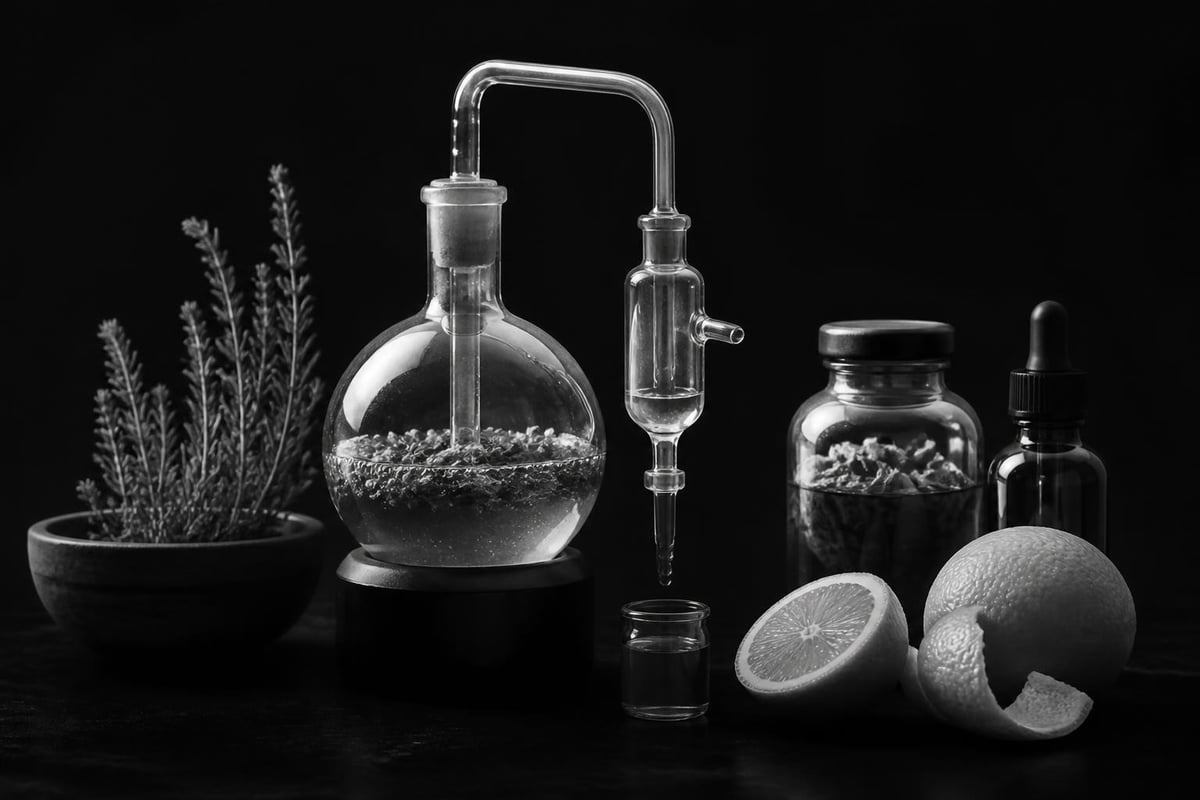
How do botanical extractions create perfume bases?
Botanical extractions transform raw plant materials into concentrated aromatic oils through mechanical and thermal processes. Steam distillation passes vapor through plant matter, carrying volatile oils into condensation chambers where they separate from water. Cold-pressing crushes citrus peels to release oils mechanically, preserving delicate compounds that heat would destroy. Maceration soaks flowers or resins in carrier oils, allowing aromatic molecules to transfer through prolonged contact.
These extraction methods determine the final character of perfume ingredients. Understanding how scented oils for candles are prepared reveals similar principles: heat sensitivity, molecular weight, and solubility all affect which compounds survive the process. Steam-distilled materials yield lighter, more volatile top notes. Resin extractions produce heavier, longer-lasting base materials. The extraction method selected shapes the perfume's structure from the beginning.
Oil-based botanical perfumes eliminate alcohol entirely, relying on jojoba, fractionated coconut, or other neutral carriers. This approach preserves heat-sensitive botanical compounds and creates slower, skin-level projection rather than the immediate diffusion alcohol provides. The trade-off involves reduced throw but increased longevity as oils evaporate more gradually than alcohol.
How are scent and perfume formulated differently?
Scent formulation encompasses broader applications including candles, room sprays, and personal care products, while perfume formulation specifically targets skin application with concentration hierarchies. Perfume follows the traditional pyramid structure: top notes provide immediate impact, heart notes develop over hours, and base notes anchor the composition for six to twelve hours. Scent formulations for other applications may ignore this structure entirely, focusing instead on consistent diffusion or cold-throw properties.
Concentration levels distinguish perfume categories formally:
| Category | Aromatic Oil % | Typical Longevity | Primary Carrier |
|---|---|---|---|
| Parfum | 20-30% | 8-12 hours | Oil or minimal alcohol |
| Eau de Parfum | 15-20% | 6-8 hours | Alcohol base |
| Eau de Toilette | 5-15% | 4-6 hours | Alcohol base |
| Eau de Cologne | 2-5% | 2-4 hours | Alcohol base |
These distinctions matter less in botanical formulations where oil carriers replace alcohol entirely. A botanical perfume at 100% concentration delivers aromatics directly without dilution, changing how the wearer experiences development over time.
Safety assessment protocols differ between synthetic and natural materials, though both require rigorous testing. The Research Institute for Fragrance Materials conducts ongoing safety research evaluating dermal absorption, systemic toxicity, and environmental impact. Natural materials are not inherently safer than synthetics, as many botanical compounds cause sensitization or photosensitivity. Transparency in ingredient sourcing and third-party testing provides more reliable safety indicators than natural versus synthetic classifications alone.
What role does carrier selection play in scent delivery?
Carrier selection fundamentally alters how scent and perfume behave on skin and in air. Alcohol evaporates rapidly, creating immediate projection but requiring higher aromatic concentrations to maintain presence. Oil carriers evaporate slowly, keeping fragrances closer to skin while extending wear time. Water-based carriers suit certain applications but struggle to dissolve many aromatic compounds without synthetic solubilizers.
The carrier also affects how aromatic molecules interact with skin chemistry. Alcohol-based perfumes smell more uniform across wearers because alcohol overwhelms individual skin variations. Oil-based formulations blend with natural skin oils, creating more personalized scent profiles that shift subtly between individuals. This explains why the same botanical perfume smells noticeably different on two people, while an alcohol-based eau de parfum maintains more consistency.
For those exploring custom botanical perfume creation, carrier selection determines whether the final product suits tropical humidity or dry winter conditions. Oil carriers perform reliably across temperature ranges, while alcohol formulations may project more aggressively in heat but fade faster in cold.
How has scent and perfume evolved culturally?
Cultural evolution of scent and perfume reflects changing values around luxury, identity, and wellness since 1900. Early twentieth-century perfumes emphasized opulence and complexity, with formulations growing increasingly intricate as perfumers competed to create novel combinations. Post-war periods saw simplification and the rise of single-note fragrances as minimalism gained cultural traction. The twenty-first century has brought renewed interest in complexity alongside transparency demands regarding ingredient sourcing and environmental impact.
The historical trajectory of perfume shows periods where fragrance served religious, medicinal, and social signaling functions before becoming primarily aesthetic. Ancient Egyptian priests used frankincense and myrrh in temple ceremonies. Renaissance Europeans believed aromatic pomanders prevented plague. Eighteenth-century French aristocrats employed perfume to mask poor hygiene. Each era assigned different meanings to scent and perfume based on prevailing beliefs and available technology.
Contemporary shifts prioritize wellness and sustainability over pure luxury signaling. Consumers increasingly question synthetic musks, phthalates, and undisclosed fragrance compounds. This has accelerated botanical perfumery's growth as makers emphasize traceable ingredients and transparent formulation methods. The cultural narrative has shifted from "what does this perfume say about my status" to "what does this perfume say about my values."
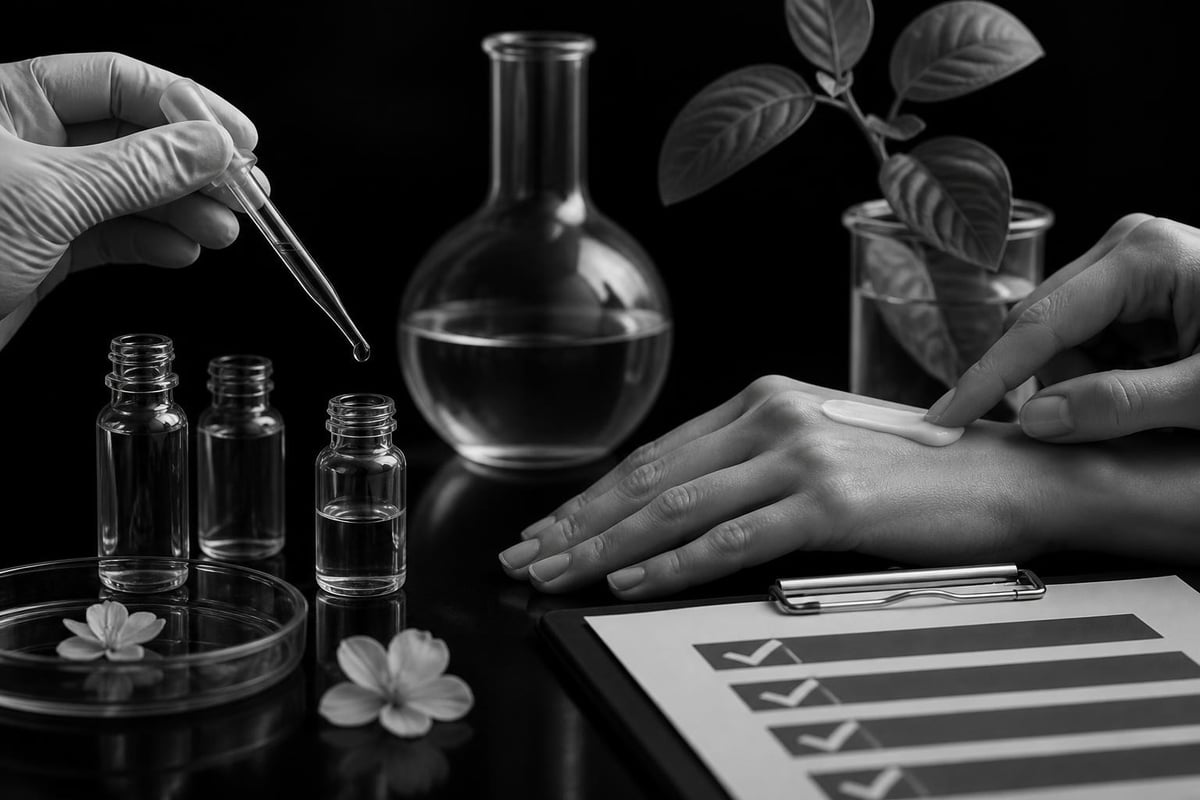
What defines quality in modern perfumery?
Quality in scent and perfume stems from ingredient purity, formulation stability, and olfactory coherence rather than price alone. High-quality materials smell clean without harsh chemical edges or muddy undertones. They maintain character over months of storage without separating, oxidizing, or developing off-notes. The composition itself should demonstrate intentional structure where each element supports the whole rather than competing for attention.
Testing protocols verify quality through accelerated aging studies, skin sensitivity panels, and chemical analysis. Materials are exposed to heat, light, and air to simulate months of shelf life in compressed timeframes. Any instability, discoloration, or scent degradation indicates formulation weaknesses. Reputable producers implement these tests before releasing products, though consumers rarely see the data.
Botanical formulations face unique quality challenges since natural materials vary between harvests. A vetiver oil from 2025 may smell noticeably different from 2026 stock due to rainfall, soil conditions, or harvest timing. Quality botanical perfumers maintain consistency through careful blending and lot testing, accepting subtle variations as part of working with agricultural materials rather than standardized synthetics.
The question of how different perfume smell categories are defined reveals another quality dimension: does the perfume deliver what its category promises? A chypre should present oakmoss and labdanum clearly. A green fragrance should evoke crushed stems and leaves. Quality means executing the intended category with precision.
What are the practical considerations for scent and perfume application?
Practical application of scent and perfume depends on formulation type, climate conditions, and intended wear duration. Oil-based perfumes perform best when applied to pulse points where body heat assists diffusion: wrists, neck, behind ears, and inner elbows. A small amount spreads far because concentrated oils require less volume than alcohol dilutions. Alcohol-based formulations benefit from broader application including clothing and hair, though fabrics may stain and alcohol can dry hair strands.
Climate dramatically affects performance. Humid environments amplify projection as moisture particles carry scent molecules farther. Dry climates cause faster evaporation, shortening wear time for both oil and alcohol carriers. Cold weather subdues projection while heat intensifies it, sometimes to overwhelming degrees. Adjusting application quantity and location based on weather conditions prevents both disappearance and overpowering others in confined spaces.
How do storage conditions preserve perfume integrity?
Storage conditions determine whether scent and perfume maintain quality or degrade within months. Light exposure breaks down aromatic compounds through photochemical reactions, particularly affecting citrus oils and delicate florals. Heat accelerates oxidation, turning fresh scents stale or rancid. Air contact allows volatile top notes to escape while heavier molecules oxidize, shifting the balance away from the perfumer's original intention.
Optimal storage involves:
- Dark glass bottles that block UV radiation
- Cool temperatures between 50-70°F, avoiding bathroom heat and humidity
- Tight seals that prevent air infiltration
- Upright positioning that minimizes liquid contact with closure materials
- Original packaging that provides additional light protection
Botanical perfumes in oil carriers generally resist degradation better than alcohol formulations because oils oxidize more slowly than alcohol evaporates. However, certain botanical materials like citrus oils remain highly vulnerable to oxidation regardless of carrier. Refrigeration extends shelf life for particularly delicate formulations, though returning to room temperature before application prevents shocking the skin with cold oil.
The question often arises whether perfumes expire definitively. While they lack the microbial growth risks that plague water-based products, all perfumes eventually degrade. A well-stored alcohol perfume might last five to ten years. Oil-based botanical perfumes often maintain quality for three to five years if protected from heat and light. Once oxidation begins, no storage method reverses the damage.
What makes botanical scent and perfume distinct?
Botanical scent and perfume derive exclusively from plant and resin sources, excluding animal ingredients and synthetic aroma chemicals entirely. This limitation paradoxically creates greater formulation challenges since hundreds of common perfume ingredients become unavailable. Synthetic musks, aldehydes, and certain fruit notes cannot be replicated botanically, forcing perfumers to work within nature's actual aromatic palette rather than the expanded range chemistry provides.
The distinction carries practical implications beyond philosophical purity. Botanical materials interact differently with skin, often requiring oil carriers since many plant extracts dissolve poorly in alcohol without synthetic solubilizers. The wear experience changes as botanical top notes tend to fade faster than synthetic alternatives while botanical bases last longer. A fully botanical composition smells more dynamic, shifting noticeably as hours pass rather than maintaining static projection.
Made-to-order botanical Eau de Parfum demonstrates how plant-based formulations can achieve complexity and longevity without synthetics. Combinations of resins like labdanum and benzoin provide lasting base structures. Distilled florals and leaves offer complexity in heart positions. Citrus and herb oils create opening freshness. The resulting compositions smell distinctly different from synthetic perfumes but deliver complete olfactory experiences.
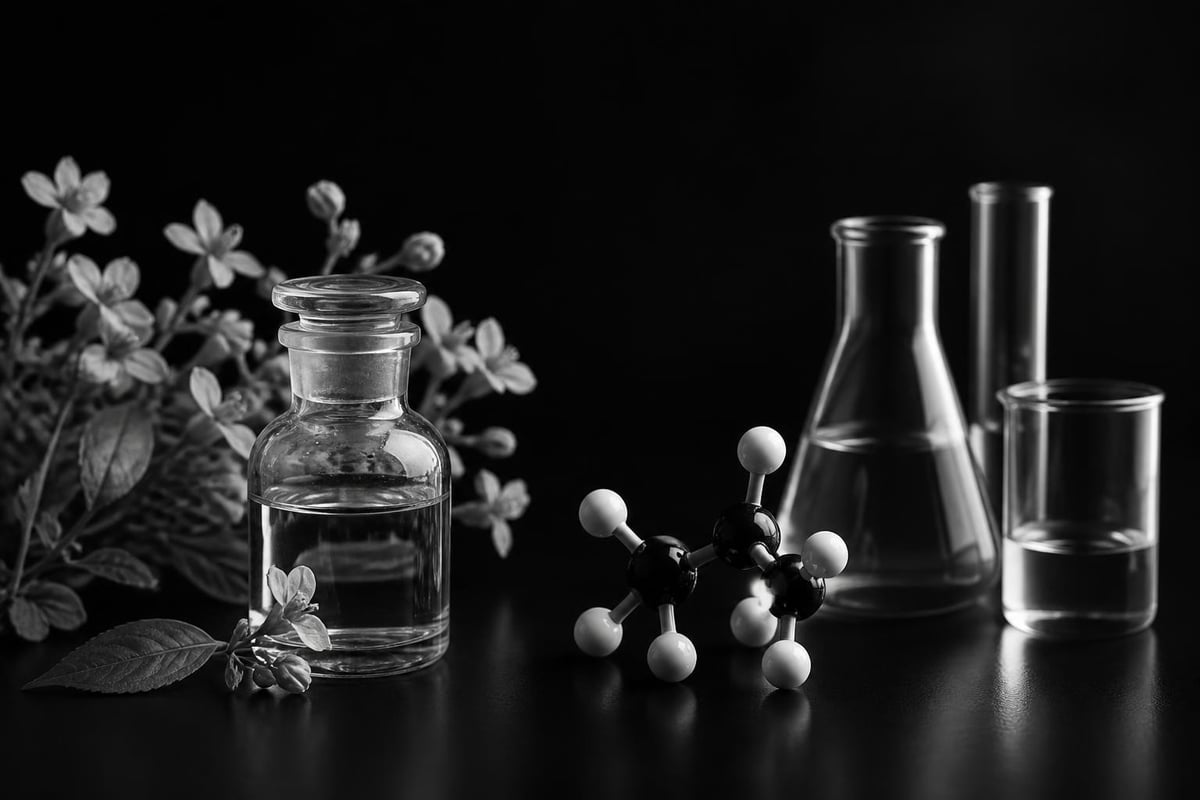
How do vegan formulations affect scent development?
Vegan formulations eliminate traditional animal-derived ingredients like musk, ambergris, castoreum, and civet, requiring botanical or synthetic alternatives. Historical perfumery relied heavily on these materials for depth and fixative properties that kept lighter notes from fading too quickly. Modern vegan perfumery substitutes plant resins and certain essential oils to approximate those functions, though the results smell different rather than identical.
Ambrette seed provides a botanical alternative to musk, offering earthy warmth without animal extraction. Labdanum resin can suggest the marine quality of ambergris when properly diluted and blended. However, these botanical substitutes bring their own character rather than perfectly replicating animal scents. Vegan perfumery thus becomes an opportunity to explore different olfactory territories rather than merely replacing prohibited ingredients.
The ethics extend beyond ingredient sourcing to production methods and environmental impact. Vegan botanical perfumes typically avoid testing on animals, use recyclable packaging, and source materials from sustainable harvests. The comprehensive safety assessment process applies equally to botanical and synthetic ingredients, ensuring vegan formulations meet the same safety standards as conventional perfumes.
What should consumers know about scent and perfume marketing claims?
Marketing claims around scent and perfume often conflate unrelated concepts or imply benefits without substantiation. Terms like "clean," "non-toxic," and "chemical-free" lack regulatory definitions in fragrance contexts, allowing brands to apply them inconsistently. Every substance consists of chemicals, including water and botanical oils, making "chemical-free" literally impossible. "Non-toxic" requires context since toxicity depends on dose, application method, and individual sensitivity rather than ingredient identity alone.
More meaningful evaluation focuses on specific, verifiable claims:
- Ingredient transparency: Does the brand disclose all components or hide behind "fragrance" listings?
- Third-party testing: Are safety and purity claims verified by independent laboratories?
- Sourcing details: Can the brand trace materials to specific farms or suppliers?
- Concentration data: Does the product specify aromatic oil percentage or remain vague about strength?
"Natural" and "botanical" require equal scrutiny since natural materials can cause allergies, sensitization, and environmental harm when over-harvested. Sandalwood and rosewood face sustainability concerns despite being natural. Some individuals react severely to lavender or cinnamon oils. The natural versus synthetic debate distracts from more important questions about transparency, testing, and responsible sourcing.
Understanding how to make perfume from botanical materials reveals the complexity that marketing simplifications often obscure. Quality botanical perfumery requires extensive knowledge of extraction methods, material stability, and blending ratios. When brands claim "simple" or "pure" formulations, they may be oversimplifying technical challenges that serious botanical perfumers navigate through years of experience.
How does projection differ from longevity in perfume performance?
Projection and longevity measure distinct performance aspects that consumers frequently confuse. Projection describes how far scent molecules travel from the skin into surrounding air, creating the "sillage" or scent trail others detect. Longevity indicates how many hours the perfume remains detectable on skin, regardless of projection distance. A fragrance can project strongly for one hour then become a skin scent for eight more, combining brief projection with extended longevity.
Alcohol carriers generally provide stronger initial projection because rapid evaporation launches molecules into air quickly. Oil carriers keep molecules closer to skin, creating subtle projection that lasts longer as oils evaporate gradually. Neither approach is superior; the choice depends on whether the wearer prioritizes making a statement in social settings or maintaining personal scent throughout the day.
Testing both qualities requires patience. Apply perfume in the morning and note when others first comment on it for projection data. Check periodically through the day to determine when you can no longer detect the scent on your own skin for longevity measurement. Remember that olfactory fatigue makes you stop noticing your own perfume long before it actually disappears, so asking trusted others provides more reliable longevity feedback.
How do seasonal changes affect scent and perfume choices?
Seasonal changes influence both how scent and perfume perform and which aromatic profiles feel appropriate. Summer heat amplifies projection, making lighter compositions preferable to avoid overwhelming confined spaces like offices or public transit. Winter cold subdues projection while also making heavier, warming aromatics more comfortable psychologically. Spring and fall transitions allow moderate compositions that balance freshness with substance.
Humidity plays a larger role than temperature alone. Dry winter air causes faster evaporation and shorter longevity, requiring more frequent application or switching to oil-based formulations that resist dryness better. Humid summer air extends longevity naturally while also intensifying projection, sometimes making familiar scents smell stronger than intended. Adjusting application quantity based on humidity prevents both disappearance and overpowering.
Aromatic preferences shift seasonally for psychological and cultural reasons. Fresh citrus and green notes feel appropriate in spring and summer when corresponding plants bloom and ripen. Resinous, woody, and spiced profiles align with fall and winter when those materials are traditionally harvested and used. While these associations are culturally constructed rather than absolute, working with them creates harmony between scent and environmental context.
Exploring different scented products across seasons reveals how formulation purpose affects seasonal suitability. Candles that feel perfect in December may seem heavy in July. Room sprays that refresh in summer might feel too sharp in winter. Personal perfumes follow similar patterns, though individual preferences override seasonal guidelines when scent carries personal significance regardless of weather.
Frequently Asked Questions
What makes scent and perfume last longer on skin?
Scent and perfume longevity depends on aromatic oil concentration, carrier type, and skin condition. Higher concentrations (15-30% aromatic oils) last longer than diluted formulations. Oil carriers evaporate more slowly than alcohol, extending wear time. Well-moisturized skin holds fragrance better than dry skin because aromatic molecules bind to lipids. Applying unscented lotion before perfume creates a better base for fragrance adherence than bare, dry skin.
Can scent and perfume go bad or expire?
Scent and perfume degrade over time through oxidation, evaporation, and photochemical breakdown. Citrus notes oxidize fastest, developing harsh or metallic qualities. Alcohol evaporates, increasing concentration of heavier materials and shifting balance. Light exposure breaks down delicate compounds, changing color and scent. Proper storage in cool, dark locations extends usable life to three to ten years depending on formulation type and ingredient stability.
How much scent and perfume should be applied?
Application quantity for scent and perfume varies by concentration and formulation type. Alcohol-based eau de parfum typically requires two to four sprays on pulse points. Oil-based botanical perfumes need only a small dab since concentration runs higher. Over-application causes olfactory fatigue, making wearers unable to smell their own fragrance while overwhelming others. Start with minimal application and increase only if projection proves insufficient after thirty minutes.
Why does scent and perfume smell different on different people?
Scent and perfume interacts with individual skin chemistry, creating personalized variations. Skin pH affects how aromatic molecules develop: acidic skin emphasizes certain notes while alkaline skin suppresses others. Natural skin oils blend with perfume oils, particularly in botanical formulations, adding personal undertones. Diet, medications, and hormones also influence skin chemistry. These factors explain why the same perfume smells noticeably different on two people despite identical application.
Are botanical scent and perfume safer than synthetic versions?
Botanical scent and perfume are not inherently safer than synthetic formulations since both can cause allergic reactions or sensitization. Many common allergens are natural materials: lavender, cinnamon, citrus oils. Safety depends on testing protocols, ingredient purity, and individual sensitivity rather than natural versus synthetic origin. Reputable brands test both botanical and synthetic materials for dermal safety, systemic toxicity, and environmental impact before release, making testing transparency more important than ingredient source.
What is the best way to test scent and perfume before purchasing?
Testing scent and perfume requires applying to skin and observing development over several hours. Spray or dab a small amount on one wrist and avoid rubbing, which crushes molecules and accelerates evaporation. Wait thirty minutes for top notes to settle and heart notes to emerge. Check again after two hours and four hours to assess longevity and base character. Testing on paper strips shows initial impression only since skin chemistry significantly affects development.
Understanding scent and perfume equips you to navigate formulation choices, evaluate quality claims, and select fragrances that align with your values and preferences. The shift toward botanical, vegan alternatives reflects broader cultural movements toward transparency and sustainability in personal care products. For those seeking handmade botanical perfumes crafted in Manhattan with complete ingredient transparency, Haus of Smell offers oil-based formulations made from real plant and resin extracts without synthetics or alcohol. Whether you're exploring ready-made compositions or building a custom scent, botanical perfumery provides an alternative approach rooted in natural materials and traditional extraction methods.