
Safe perfume means fragrance made without synthetic chemicals, phthalates, or undisclosed compounds that can trigger allergies or disrupt hormones. The safest options use 100% botanical ingredients derived from plants and resins, avoid alcohol-based carriers that dry skin, and disclose every component. These formulations prioritize transparency and minimize health risks while delivering genuine scent experiences.
The conversation around fragrance safety has shifted dramatically over the past decade. What once seemed like a niche concern for sensitive individuals has become a mainstream priority as consumers demand clarity about what they apply to their skin. The fragrance industry's traditional reliance on proprietary blends and undisclosed ingredients no longer satisfies an audience educated about chemical exposure and long-term health effects.
What ingredients make perfume unsafe?
Unsafe perfume ingredients include phthalates used as fixatives, synthetic musks that accumulate in body tissue, parabens that act as preservatives, and unlabeled compounds hidden under the term "fragrance" on ingredient lists. These substances have been linked to allergic reactions and respiratory issues in multiple studies. The lack of regulatory oversight in the fragrance industry allows manufacturers to protect formulations as trade secrets, leaving consumers unaware of potential irritants.
Phthalates deserve particular attention. These chemicals help scents last longer but have raised concerns about endocrine disruption. Research continues to examine their effects, yet many conventional perfumes still incorporate them without disclosure.
Synthetic musks present another concern. Unlike natural plant musks, these laboratory-created compounds can persist in the environment and bioaccumulate. Studies have detected them in human breast milk and fatty tissue, raising questions about long-term exposure.
The term "fragrance" itself masks complexity. Under current regulations, this single word can represent dozens or even hundreds of individual chemicals. Potentially toxic ingredients may include allergens like limonene or linalool when synthetically produced, though these same compounds occur naturally in plants.
How synthetic compounds differ from botanical sources
Synthetic versions of naturally-occurring molecules may share chemical structures with their plant-derived counterparts, but production methods and purity levels differ. Industrial synthesis often introduces trace contaminants or isomers not found in nature. Botanical extraction captures complex aromatic profiles that single molecules cannot replicate.
The body's response to identical molecules from different sources can vary based on these subtle differences. Natural extracts contain supporting compounds that may influence absorption and metabolism in ways that isolated synthetics do not.
Why do people experience reactions to conventional perfumes?
People experience reactions to conventional perfumes because synthetic fragrance chemicals can trigger immune responses, irritate mucous membranes, or cause allergic contact dermatitis in sensitive individuals. Common symptoms include headaches, sneezing, skin rashes, and difficulty breathing. The concentration of volatile organic compounds in conventional formulations contributes to these responses, particularly in enclosed spaces with poor ventilation.
Individual sensitivity varies widely. What causes severe reactions in one person may produce no noticeable effect in another. This variability makes it difficult to predict who will react to specific ingredients without direct exposure.
Alcohol-based perfumes compound the problem. The alcohol carrier increases volatility, dispersing fragrance molecules rapidly into the air and onto skin. This delivery method can intensify reactions in people with chemical sensitivities or respiratory conditions.
| Reaction Type | Common Triggers | Typical Symptoms |
|---|---|---|
| Respiratory | Synthetic musks, aldehydes, benzyl compounds | Sneezing, congestion, shortness of breath |
| Dermatological | Preservatives, stabilizers, alcohol | Redness, itching, rash, dry patches |
| Neurological | VOCs, concentrated synthetics | Headaches, dizziness, nausea |
| Systemic | Phthalates, hormone disruptors | Fatigue, mood changes (long-term exposure) |
Environmental factors play a role too. Modern buildings with reduced air exchange concentrate airborne fragrance compounds. This creates higher exposure levels than occurred historically when natural ventilation was standard.
What should you look for in a safe perfume?
Safe perfume should feature complete ingredient disclosure, 100% botanical sourcing, and oil-based carriers instead of alcohol. Look for certifications or clear statements about vegan formulations and synthetic-free production. The ingredient list should name specific plant and resin extracts rather than hiding behind generic terms. Transparency indicates a manufacturer's confidence in their formulation and respect for consumer awareness.
Verification matters. Claims mean little without supporting evidence. Research the brand's production methods and sourcing practices. Companies committed to safety typically provide detailed information about their ingredients and processes.
Key indicators of safe formulation
- Full ingredient disclosure with botanical names and extraction methods
- Absence of phthalates, parabens, synthetic musks, and unlabeled fragrance compounds
- Oil-based carriers such as jojoba or fractionated coconut oil
- Vegan certification ensuring no animal-derived ingredients or testing
- Small-batch production allowing quality control and freshness
Alcohol-free formulations offer specific advantages. Oil-based perfumes maintain scent integrity longer, moisturize rather than dry skin, and create a more intimate scent experience that stays close to the body. The absence of alcohol eliminates a common irritant and reduces the volatile dispersal that can affect nearby individuals.
For those seeking botanical eau de parfum options, understanding the difference between oil-based and alcohol-based delivery systems becomes essential. Oil suspends botanical extracts in a format that evolves with body chemistry and temperature, creating a personalized scent signature.
Third-party testing provides additional assurance. Independent verification of claims about synthetic-free or allergen-free status offers more credibility than self-certification alone.
How do botanical perfumes differ from conventional options?
Botanical perfumes differ from conventional options by using only plant and resin extracts without synthetic compounds, creating complex scent profiles that evolve naturally with body chemistry. Conventional perfumes rely on synthetic aroma chemicals designed for consistency and projection, while botanical formulations embrace variation and subtlety. This fundamental difference affects longevity, sillage, and the sensory experience of wearing fragrance.
The extraction process matters significantly. Steam distillation, cold pressing, and solvent extraction each capture different aromatic aspects of botanical materials. These methods preserve the full complexity of plant essences, including trace compounds that contribute to depth and character.
Conventional perfumery uses synthetic molecules for predictability and cost efficiency. A single synthetic compound can replace expensive natural extracts, and laboratory production ensures batch-to-batch consistency. However, this approach sacrifices the nuanced interplay of compounds found in botanical sources.
Performance characteristics differ noticeably. Botanical perfumes typically wear closer to the skin with moderate sillage, while synthetic formulations often project more aggressively. Longevity depends on the base materials used, with resinous botanicals like labdanum offering excellent staying power without synthetic fixatives.
Price reflects production complexity. Botanical ingredients require careful sourcing, proper extraction, and skilled blending. Small-batch production in places like Manhattan ensures quality but increases costs compared to mass-manufactured synthetic perfumes.
Are natural ingredients always safer than synthetic ones?
Natural ingredients are not automatically safer than synthetic ones, as some plants contain potent allergens or irritants in their pure form, but botanical perfumery uses extraction and dilution methods that reduce concentrated compounds. The safety advantage of botanical ingredients comes from their complex molecular profiles and traditional use history, not from natural origin alone. Responsible botanical perfumers understand which plant materials require careful handling and appropriate concentrations.
Common natural allergens include components found in many plants. Certain botanical families produce more reactive compounds than others. Citrus oils can cause photosensitivity. Some floral absolutes contain high levels of naturally-occurring allergens.
The difference lies in formulation approach. Botanical perfumers work with traditional knowledge about plant combinations and safe usage levels. They dilute potent extracts in carrier oils and avoid problematic materials entirely. Synthetic perfumery may include isolated allergens at higher concentrations for scent impact.
Comparing safety profiles
| Aspect | Botanical Approach | Synthetic Approach |
|---|---|---|
| Ingredient transparency | Full disclosure of plant sources | Often proprietary/undisclosed |
| Allergen presence | Natural compounds in complex matrices | Isolated allergens at controlled levels |
| Long-term effects | Extensive traditional use history | Limited long-term human exposure data |
| Environmental impact | Renewable plant sources, biodegradable | Petroleum derivatives, persistent compounds |
Context determines safety. A naturally-derived compound in an appropriately formulated product differs from the same compound in concentrated form. Environmental agencies have noted that both natural and synthetic fragrances can impact indoor air quality when used excessively.
The botanical advantage extends beyond immediate safety to environmental concerns. Plant-based ingredients biodegrade more readily than many synthetic compounds. Sustainable harvesting practices ensure renewable sourcing, though this requires careful supplier selection.
What role does alcohol play in perfume safety?
Alcohol serves as a solvent and dispersal agent in conventional perfumes, but it dries skin, increases volatility, and can irritate sensitive individuals or those with certain skin conditions. The rapid evaporation that makes alcohol-based perfumes project strongly also means fragrance molecules disperse quickly into surrounding air, potentially affecting others nearby. Alcohol concentrations in traditional perfumes range from 70% to 90%, making it the dominant ingredient rather than the fragrance itself.
Dermatological effects require consideration. Repeated alcohol application disrupts the skin's moisture barrier, leading to dryness and potential sensitivity over time. People with eczema, rosacea, or compromised skin barriers often cannot tolerate alcohol-based formulations.
The volatility issue extends beyond personal comfort. In shared spaces, alcohol-based perfumes contribute to indoor air quality concerns as fragrance molecules become airborne rapidly. This makes them particularly problematic in workplaces, transportation, or healthcare settings where fragrance-free policies increasingly apply.
Oil-based alternatives eliminate these concerns while offering different benefits:
- Moisturizing properties from carrier oils like jojoba or sweet almond
- Reduced sillage keeping scent closer to the wearer
- Extended longevity as oils evaporate more slowly than alcohol
- Layering compatibility allowing gradual scent building without overwhelming
- Temperature responsiveness warming with body heat to release fragrance gradually
The learning curve for oil-based perfumes involves adjusting expectations. These formulations do not create the immediate scent cloud that alcohol-based versions produce. Instead, they develop slowly and intimately, evolving throughout the day.
Storage requirements differ slightly. Oil-based perfumes remain stable without the preservative effects of alcohol, but benefit from cool, dark storage to prevent oxidation of botanical oils. Properly stored, they maintain integrity for extended periods.
Where can you find safe perfume options in 2026?
You can find safe perfume options through specialized botanical perfumeries, artisan makers with transparent sourcing practices, and boutiques that prioritize natural ingredients and disclose full formulations. In Manhattan, neighborhoods like NoMad host makers who handcraft perfumes on-site using botanical ingredients. Online retailers focusing on clean beauty have expanded their fragrance selections, though in-person testing remains valuable for assessing personal reactions before purchasing.
The market has matured significantly. What began as a fringe category now includes established brands with proven track records. Consumer demand has pushed even mainstream retailers to stock cleaner fragrance options, though quality and commitment vary.
Direct relationships with makers offer advantages. Visiting production facilities or retail locations allows conversation about ingredients, methods, and customization options. Small-batch producers can often adjust formulations for individual sensitivities or preferences.
Finding reliable sources
When evaluating potential sources, consider their approach to transparency and education. Makers invested in consumer safety typically provide extensive information about their practices. They welcome questions about sourcing and willingly discuss their production methods.
Geographic considerations matter for some shoppers. Supporting local makers reduces shipping impacts and allows ongoing dialogue about products. In urban centers like New York, the concentration of artisan perfumers creates opportunities for direct engagement.
Online research complements in-person exploration. Reading detailed ingredient lists, understanding extraction methods, and verifying claims about synthetic-free production all contribute to informed decisions. Independent reviews from users with similar sensitivities provide practical insights.
The custom perfume trend addresses individual needs directly. Services that let you select from botanical ingredients and create personalized blends ensure complete control over what touches your skin. These experiences also educate about how different plant extracts smell and interact.
What questions should you ask before buying perfume?
Before buying perfume, ask about complete ingredient lists, extraction methods, carrier oil types, and whether any synthetic compounds or preservatives appear in the formulation. Request information about allergen testing, batch tracking, and storage recommendations. Understanding the maker's sourcing practices and production location provides context about quality control and freshness. These questions reveal whether a brand prioritizes transparency and consumer safety.
Documentation matters. Reputable makers provide detailed answers without defensiveness. They understand that informed consumers make better long-term customers who appreciate and properly use their products.
Manufacturing location influences both quality and environmental impact. Perfumes made in small batches near point of sale typically offer superior freshness compared to products shipped long distances after extended storage.
Essential questions for sellers:
- What specific botanical ingredients does this contain?
- How were these ingredients extracted and processed?
- What carrier oil base do you use and why?
- Do you include any preservatives, stabilizers, or synthetics?
- How should I store this to maintain quality?
- What is the expected shelf life?
- Can I see allergen testing or sensitivity data?
- Where and how is this produced?
Return policies indicate confidence. Brands willing to accept returns or exchanges recognize that fragrance remains highly personal and individual reactions vary. This flexibility reduces purchase risk.
Testing protocols vary by maker. Some conduct stability testing, microbial analysis, or allergen screening. Others rely on traditional formulation knowledge and ingredient quality. Understanding a brand's approach helps assess their thoroughness.
How has the safe perfume movement evolved?
The safe perfume movement has evolved from niche concern to mainstream market segment as consumers gained awareness about fragrance ingredients and their health impacts, pushing brands toward transparency and cleaner formulations. Early adopters who sought botanical alternatives in the 1990s faced limited options, but growing demand has created a robust market for synthetic-free, fully-disclosed perfumes. Regulatory pressure, though still limited, has increased alongside consumer activism and independent testing.
Cultural shifts accelerated this evolution. Social media enabled information sharing about problematic ingredients and brand practices. Influencers and advocates educated audiences about reading labels and questioning marketing claims.
The wellness movement's expansion into personal care created receptive audiences for safe perfume messaging. Consumers already avoiding synthetic ingredients in food and skincare naturally extended these principles to fragrance. This holistic approach to chemical exposure normalized questions about perfume safety.
Industry response has been mixed. Some established brands introduced cleaner lines while maintaining conventional offerings. Others resisted change, relying on customer loyalty and brand heritage. Meanwhile, new companies built their identities entirely around botanical and transparent practices.
Education levels rose dramatically. Ten years ago, few consumers understood phthalates or synthetic musks. Today, these terms appear regularly in mainstream conversations about fragrance. This knowledge shift empowers purchasing decisions and holds brands accountable.
Geographic variations persist. European regulations impose stricter allergen labeling than American standards. This creates different transparency expectations depending on market. However, global commerce and information access gradually align consumer expectations worldwide.
FAQ
What makes a perfume truly safe to use daily?
A truly safe perfume for daily use contains only botanical ingredients with full disclosure, uses oil-based carriers instead of alcohol, and avoids all synthetic compounds including phthalates and undisclosed fragrance chemicals. It should be produced in small batches to ensure freshness and quality control. Daily safety also depends on proper application amounts and individual sensitivity levels.
Can safe perfume cause allergic reactions?
Safe perfume can still cause allergic reactions in highly sensitive individuals because natural botanical ingredients contain compounds that some people react to, though these reactions differ from synthetic chemical sensitivities. Common natural allergens include certain citrus oils or floral absolutes. Responsible botanical perfumers dilute potent ingredients appropriately and provide ingredient lists so users can avoid known personal triggers. Patch testing remains advisable for anyone with fragrance sensitivities.
How long does botanical perfume last compared to synthetic versions?
Botanical perfume typically lasts four to eight hours depending on the resin and oil content, which compares favorably to many synthetic perfumes despite different performance characteristics. Resinous botanical bases like labdanum provide excellent longevity without synthetic fixatives. The scent evolves throughout wear rather than maintaining static intensity. Oil-based formulations extend duration by slowing evaporation compared to alcohol delivery systems.
Why do oil-based perfumes feel different on skin?
Oil-based perfumes feel different because they moisturize while scenting, warm with body heat to release fragrance gradually, and create a closer-to-skin experience than alcohol-based versions. The carrier oils condition skin rather than drying it. This format allows fragrance to meld with individual body chemistry more intimately. The absence of alcohol eliminates the initial cold evaporation sensation familiar from conventional perfumes.
Are botanical perfumes better for the environment?
Botanical perfumes are generally better for the environment because plant ingredients are renewable and biodegradable, unlike petroleum-derived synthetic compounds that persist in ecosystems. Sustainable botanical sourcing supports agricultural communities and preserves plant diversity. However, environmental impact depends on specific harvesting practices, production methods, and packaging choices. Responsible botanical perfumers prioritize ethical sourcing and minimal environmental footprint throughout their supply chain.
How do you test if a perfume is safe for your skin?
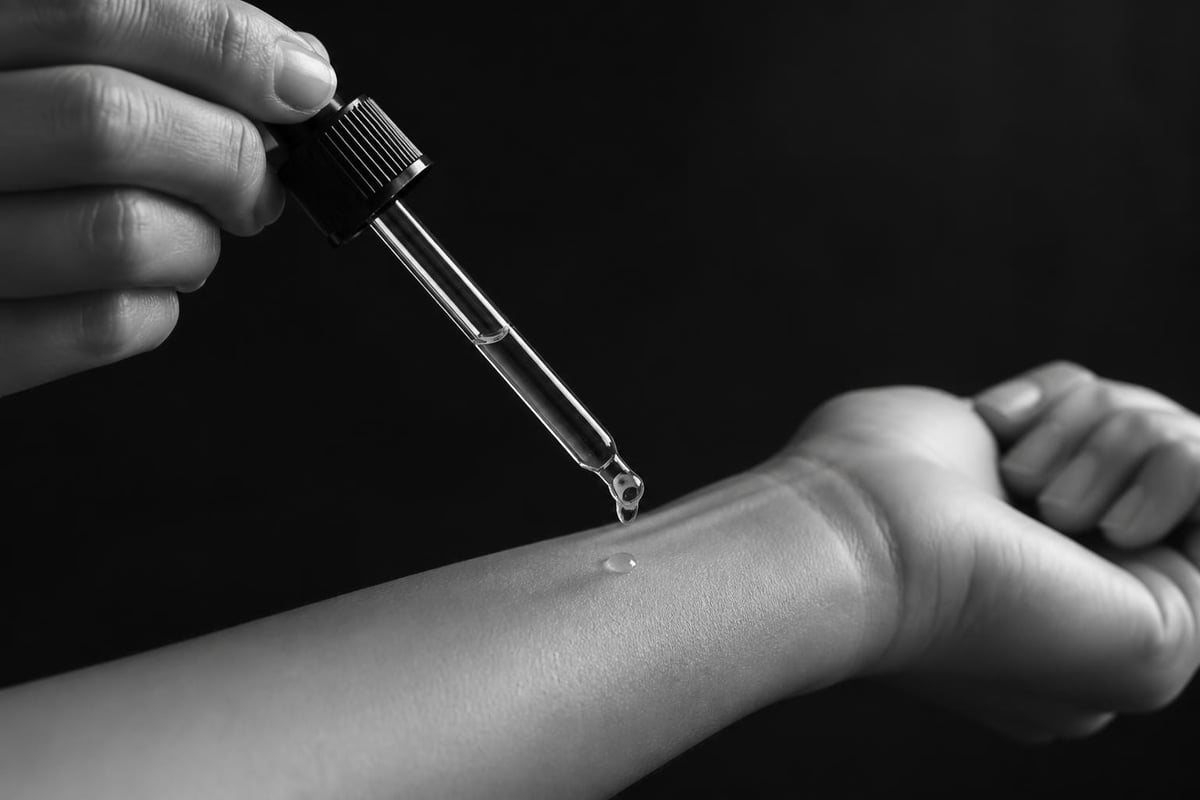
Test perfume safety by applying a small amount to your inner wrist or elbow crease and monitoring for 24 to 48 hours for redness, itching, or irritation. This patch test reveals individual reactions before full application. Review the complete ingredient list for known personal allergens. Start with minimal application even after successful testing. Discontinue use immediately if any adverse reaction develops and consult a dermatologist if symptoms persist.
Understanding what makes perfume safe empowers you to choose fragrances that align with your health priorities and values. Transparency, botanical ingredients, and alcohol-free formulations create products that respect both your body and the environment. If you are in Manhattan and want to experience genuinely safe, handcrafted botanical scents made in NoMad with complete ingredient disclosure, explore the vegan, synthetic-free collection at Haus of Smell.