
Resin perfume relies on concentrated tree and plant saps that harden into aromatic compounds prized for their warmth, depth, and longevity. These botanical materials-including frankincense, myrrh, benzoin, and labdanum-have anchored fragrance traditions for millennia, offering base notes that evolve slowly on skin and create lasting scent memories without synthetic fixatives or alcohol carriers.
The use of resins in perfumery predates written history. Ancient civilizations burned frankincense and myrrh in temples, applied labdanum-infused oils to skin, and traded these materials along routes that shaped economies. Today, modern perfumers return to these same botanicals, seeking alternatives to synthetic bases and alcohol formulations that can irritate skin or fade quickly.
What makes resin different from other perfume ingredients?
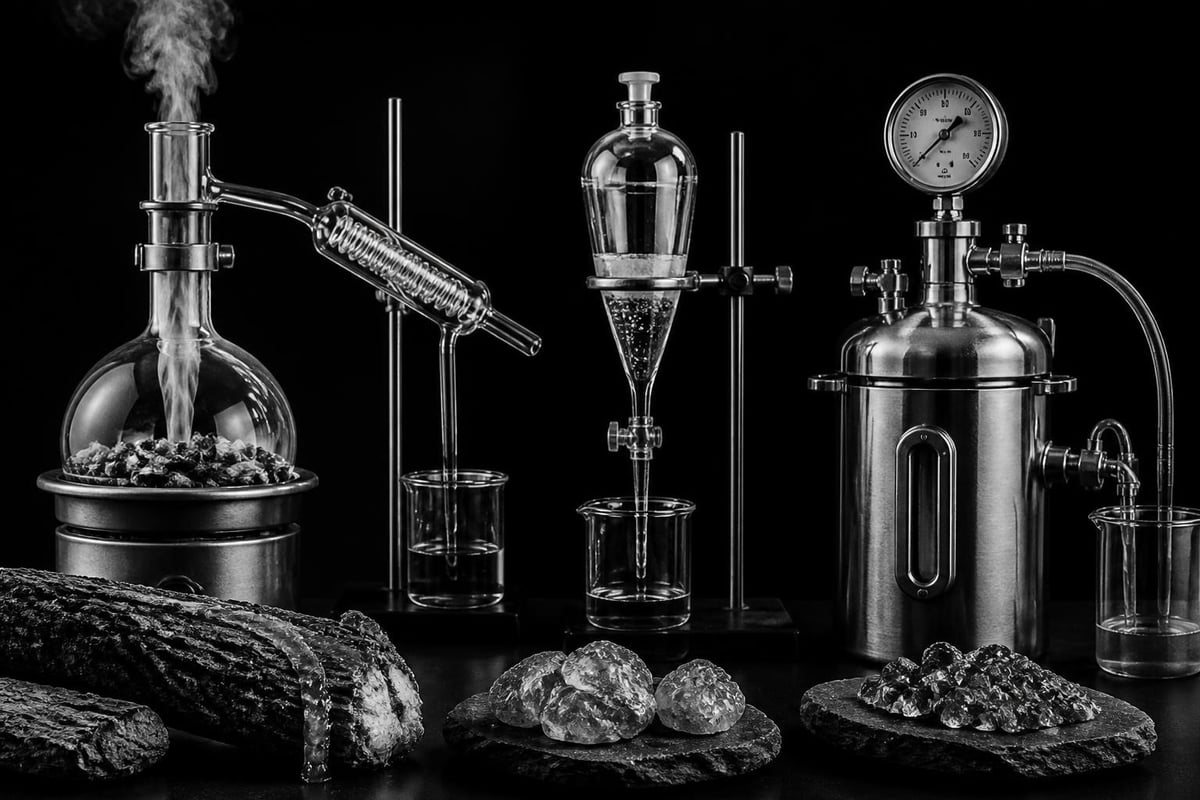
Resins differ from essential oils and absolutes through their physical form, molecular weight, and extraction requirements. While essential oils are volatile liquids distilled from plant material, resins are solid or semi-solid exudates that trees produce as wound responses. These secretions harden when exposed to air, concentrating aromatic compounds that require solvents or CO₂ extraction to release their fragrance molecules.
The molecular structure of resinous materials contains heavier compounds that evaporate slowly. This chemical composition explains why resin-based perfume oils maintain their presence for hours or days rather than minutes. Frankincense contains boswellic acids and monoterpenes that anchor lighter top notes. Myrrh brings sesquiterpenes that deepen over time. Labdanum offers labdane diterpenes that persist on fabric and skin long after application.
How resins bond with skin chemistry
Natural resins interact with skin oils in ways synthetic materials cannot replicate. The lipophilic nature of resinous compounds means they dissolve into sebum rather than evaporating immediately. This creates a gradual release pattern where the fragrance unfolds across hours, shifting as body heat activates different molecular fractions.
Temperature plays a crucial role in this evolution. Warm skin accelerates the volatilization of lighter terpenes while keeping heavier compounds stable. Cool environments slow the entire process, preserving the scent's intensity. This variability makes resin perfume highly personal-the same formula smells distinct on different wearers based on skin pH, moisture levels, and ambient conditions.
Which resins appear most often in botanical perfumery?
Five primary resins dominate natural perfume formulation, each contributing distinct characteristics to the finished composition. Understanding these materials helps explain why resin perfume maintains its complexity without relying on synthetic extenders or petroleum-derived bases.
| Resin Type | Source Plant | Primary Compounds | Scent Character | Extraction Method |
|---|---|---|---|---|
| Frankincense | Boswellia species | α-pinene, limonene | Citrus-pine clarity | Steam or CO₂ |
| Myrrh | Commiphora myrrha | Furanoeudesma-1,3-diene | Warm, slightly bitter | Solvent or CO₂ |
| Labdanum | Cistus ladaniferus | Labdane diterpenes | Amber, leathery richness | Solvent absolute |
| Benzoin | Styrax benzoin | Coniferyl benzoate | Vanilla-balsamic sweetness | Resinoid extraction |
| Copal | Protium copal | Cadinene, caryophyllene | Fresh, woody-green | Steam distillation |
Research on frankincense composition reveals how different Boswellia species produce varying terpene profiles. Boswellia sacra from Oman delivers higher α-pinene content than Boswellia carterii from Somalia, demonstrating how terroir affects resinous materials just as it influences wine grapes or coffee beans.
The economic and ecological dimensions
Global resin harvesting supports communities across Africa, the Middle East, and the Mediterranean. Sustainable management practices ensure trees survive tapping cycles that can span decades. Frankincense trees in Yemen and Oman face pressure from climate change and overharvesting, making responsible sourcing critical for long-term availability.
Labdanum production in Spain and Morocco follows seasonal patterns tied to summer heat, when Cistus shrubs exude the most resinous material. Collectors traditionally use specialized rakes dragged through the plants, though modern perfumery materials increasingly rely on solvent extraction from harvested stems and leaves. This shift improves yield consistency but changes the aromatic profile compared to historical methods.
How do perfumers work with resinous materials?
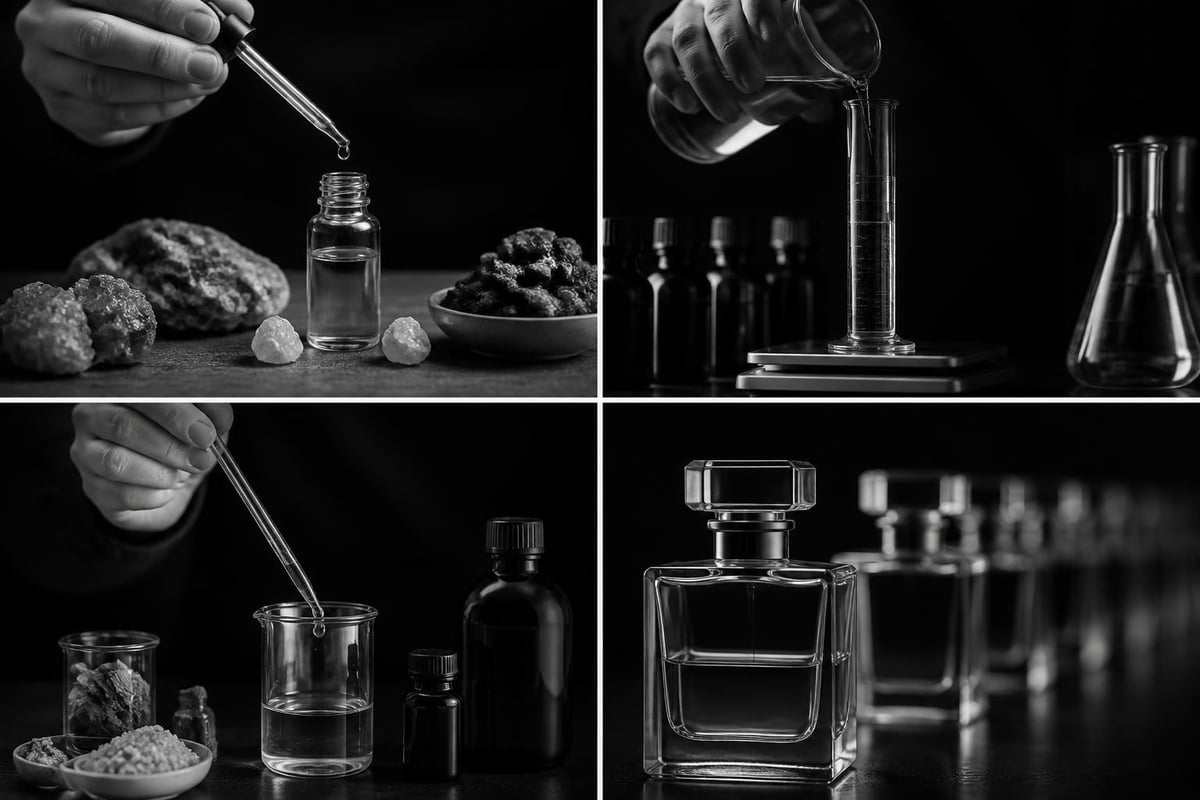
Working with resins requires different techniques than formulating with essential oils or aroma chemicals. These materials arrive as hard chunks, thick liquids, or waxy solids that must be diluted before blending. Perfumers typically create tinctures by dissolving resin in alcohol or oil, then aging the mixture for weeks to allow full extraction and mellowing.
The dilution ratio affects both scent character and longevity. A 10% frankincense tincture in organic alcohol produces a sharp, penetrating quality suitable for room sprays. A 30% myrrh solution in jojoba oil creates the dense, skin-friendly base needed for roll-on perfume applications. Oil-based carriers preserve more of the resin's heavier molecules, while alcohol highlights volatile top fractions.
Blending resin perfume without synthetic extenders
Natural perfumers face challenges when building complexity without synthetic musks, fixatives, or aromachemicals. Resins solve multiple formulation problems simultaneously. They anchor volatile citrus and herbal notes. They add body to compositions that might otherwise feel thin or linear. They create bridges between disparate scent families, linking fresh and warm elements into cohesive wholes.
A formula built on labdanum and benzoin can support bright grapefruit and green leaf notes that would normally vanish within minutes. The resinous base slows evaporation and adds harmonic richness that makes the entire composition smell fuller. This layering approach mirrors historical perfume traditions documented in ancient Egypt, where temple perfumers combined frankincense and myrrh with florals and spices to create ceremonial unguents.
Why choose oil-based resin perfume over alcohol formulas?
Oil carriers preserve the full aromatic spectrum of resinous materials while eliminating the drying effect of alcohol on skin. Ethanol evaporates quickly, taking volatile compounds with it and leaving only the heaviest base notes. Oils like jojoba, fractionated coconut, or sweet almond suspend all molecular weights equally, allowing gradual release without preferential evaporation.
The absence of alcohol also prevents oxidation damage to sensitive resin components. Frankincense contains monoterpenes that degrade when exposed to air and alcohol simultaneously. An oil base protects these compounds, extending shelf life and maintaining scent fidelity for years rather than months. This stability matters particularly for botanical perfumes that lack synthetic preservatives.
Practical advantages for daily wear
Resin perfume in oil form offers application benefits beyond scent longevity. The formula moisturizes as it scents, making it suitable for pulse points, hair ends, or even as a subtle body oil. There is no stinging sensation on freshly shaved skin. No risk of staining light fabrics with alcohol-based dyes. No abrupt alcohol spike that announces your entrance before the actual fragrance emerges.
Temperature sensitivity means oil-based formulas warm with body heat, releasing scent in waves rather than a single burst. This creates intimacy-the perfume exists primarily for the wearer and those in immediate proximity. The scent trail remains subtle, building only when someone moves close enough to appreciate the composition's full complexity.
What does historical resin use tell us about modern formulations?
Archaeological evidence from ancient resin trade routes shows that frankincense traveled from southern Arabia to Egypt, Greece, and Rome in quantities measured in tons. The economic value of these materials exceeded gold by weight during certain periods, demonstrating their cultural importance beyond mere pleasant smell.
Temple records describe specific resin combinations used for different ceremonies and seasons. Summer formulas emphasized myrrh and benzoin for cooling psychological effects. Winter blends favored frankincense and copal for their perceived warming properties. These associations persist in modern perfumery not through chemical necessity but through millennia of cultural reinforcement.
Continuity in extraction and application
The methods used to harvest and process resins have changed remarkably little across centuries. Boswellia trees still receive careful incisions that allow sap to harden on the bark before collection. Cistus bushes still exude labdanum in Mediterranean heat. Modern CO₂ extraction offers higher purity than historical steam distillation, but many perfumers prefer traditional solvent methods that capture a fuller aromatic profile even if yields are lower.
Application patterns show similar continuity. Ancient Egyptians applied resin-based unguents to pulse points, hair, and clothing-exactly where modern users place essential oil perfumes today. The practice of warming solid resin between palms before applying to skin appears in texts from multiple ancient cultures, a technique that enhances absorption and scent release.
How can you identify quality resin perfume?
Quality assessment begins with ingredient transparency. Reputable makers list the specific resin used (Boswellia sacra rather than generic "frankincense"), the extraction method (CO₂ extract versus steam distilled), and the carrier oil type. Vague labeling-"natural fragrance" or "botanical blend"-often indicates synthetic extenders or dilution with cheap carriers.
Visual inspection reveals texture clues. Pure resin tinctures may appear slightly cloudy or develop sediment, signs that heavy aromatic compounds remain suspended in the formula. Crystal-clear formulas suggest aggressive filtering that removes desirable waxes and lipids, or indicate synthetic clarifying agents. Natural separation in the bottle is normal and corrects with gentle shaking.
Scent evolution as a quality marker
High-quality resin perfume develops across three distinct phases on skin. The opening minutes reveal volatile terpenes-the bright, sharp notes that capture attention. The heart phase emerges after 15–30 minutes as mid-weight compounds warm and expand. The base phase settles after an hour, showing the true resinous character that will persist for hours.
Poor formulations skip the middle phase, jumping directly from sharp opening to flat base. This happens when resins are over-processed or diluted excessively with odorless carriers. The scent may last long but lacks the harmonic complexity that makes resin perfume worth wearing. Testing on skin rather than paper strips is essential, as paper cannot replicate the heat and oils that activate resinous materials properly.
Where can you experience resin perfume in New York?
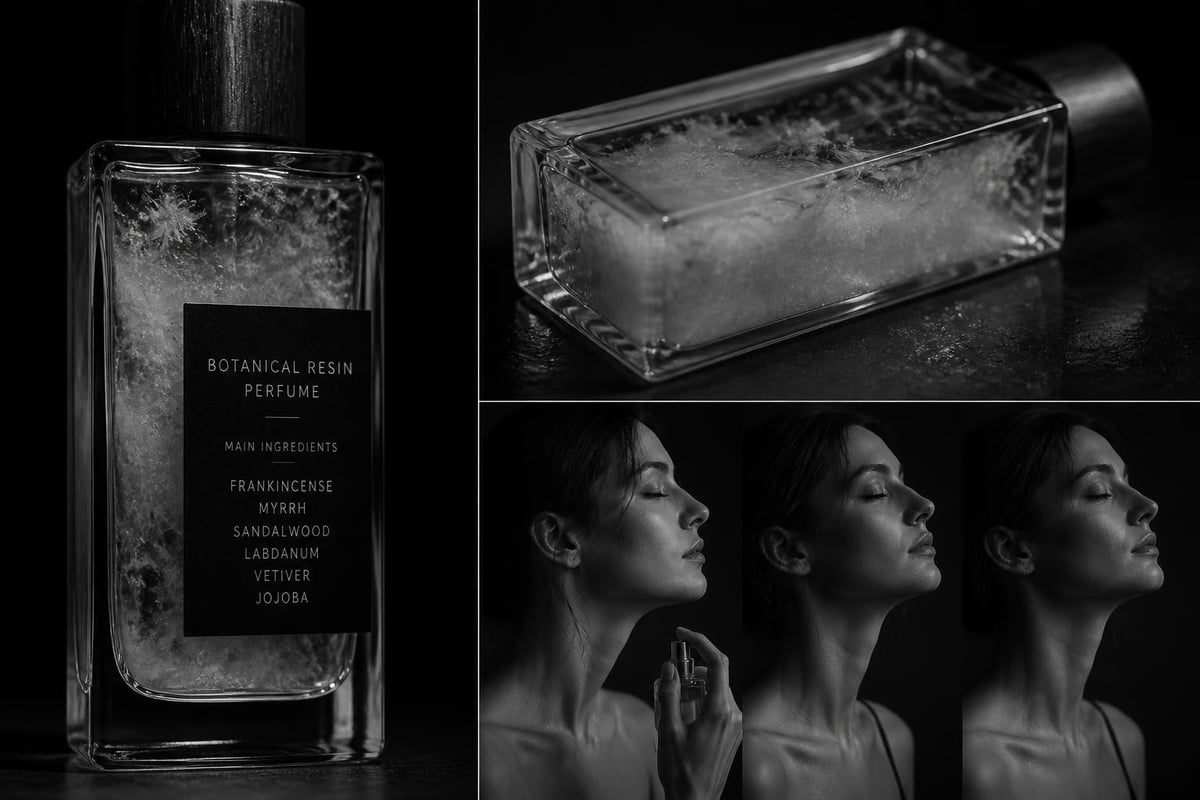
Manhattan offers several venues for exploring botanical fragrances built on resinous bases. Specialty boutiques in NoMad and surrounding neighborhoods stock artisan lines that prioritize natural ingredients over synthetic convenience. These locations allow you to test formulas on skin, observe how they develop across hours, and speak with staff who understand the materials rather than simply reading marketing descriptions.
The advantage of in-person shopping for resin perfume lies in immediate scent assessment. Online descriptions struggle to convey how frankincense shifts from citrus-sharp to woody-warm, or how labdanum's leather notes soften with body heat. Testing multiple formulas side-by-side reveals which resins complement your skin chemistry and which clash with your natural scent profile.
Workshop experiences for deeper understanding
Some Manhattan perfumeries offer hands-on sessions where participants create custom formulas under guidance. These workshops demonstrate dilution techniques, blending ratios, and aging requirements specific to resinous materials. Working directly with raw frankincense tears or labdanum paste provides sensory education that no amount of reading can replicate.
The tactile experience of handling solid resins-feeling their texture, observing how they soften with warmth, smelling the difference between fresh and aged tinctures-builds practical knowledge. Participants leave with both a custom formula and the skills to adjust it at home, adding more base resin for longevity or diluting for subtlety based on preference and occasion.
What role do resins play in vegan perfumery?
Vegan fragrance creation eliminates animal-derived materials like ambergris, castoreum, civet, and musk. These ingredients historically provided fixative properties and warm, animalic depth. Resins fill this functional gap while maintaining strict plant-based sourcing. Labdanum offers leathery richness once associated with castoreum. Benzoin provides vanilla-sweet warmth without using animal glands.
The fixative function matters particularly in alcohol-free formulas. Traditional perfumes use animal musks to slow evaporation and extend wear time. Botanical alternatives must rely on the natural molecular weight of resinous compounds to achieve similar longevity. A well-formulated resin base can anchor a vegan perfume for 8–12 hours, matching the performance of conventional formulas without ethical compromise.
Certification and transparency challenges
The term "vegan" requires verification beyond simply avoiding obvious animal ingredients. Some resin extraction processes use animal-derived solvents or filtering agents. Ethical producers provide detailed sourcing documentation showing plant-only materials throughout the supply chain, from harvest through final bottling.
Transparency extends to sustainability practices. Wild frankincense faces habitat pressure and climate stress. Responsible perfumers source from managed groves with replanting programs or choose more abundant alternatives like benzoin or copal. This consideration ensures that choosing botanical resin perfume supports both animal welfare and long-term ecological health.
How should you store and apply resin perfume?
Storage conditions dramatically affect longevity and scent stability. Resinous materials remain stable for years when protected from heat, light, and air exposure. Dark glass bottles prevent UV degradation. Cool storage (60–70°F) slows oxidation without causing wax precipitation. Tight caps minimize air exchange that can harden resins or volatilize lighter compounds.
Application technique influences both scent development and wear time. Pulse points-wrists, neck, behind ears-provide warmth that activates resinous molecules. Applying to moisturized skin improves absorption and prevents the perfume from sitting on the surface where it evaporates faster. Layering on clothing extends longevity but prevents the interactive chemistry that makes resin perfume evolve with body heat.
Seasonal and contextual considerations
Resin perfume performs differently across temperature ranges. Summer heat amplifies intensity, making lighter dilutions preferable for hot weather. Winter cold mutes projection, calling for stronger concentrations or pulse point layering to maintain presence. Humidity affects oil-based formulas less than alcohol perfumes, providing consistent performance across New York's variable climate.
Context also guides application choices. Professional settings may call for minimal application-a single wrist dab that creates subtle presence. Evening occasions allow fuller application across multiple pulse points for more pronounced scent trails. The slow development of resin perfume suits long events where the fragrance unfolds gradually rather than announcing itself immediately and fading by mid-evening.
FAQ
What is resin perfume made from?
Resin perfume contains concentrated tree and plant saps including frankincense, myrrh, benzoin, labdanum, and copal. These materials are extracted through steam distillation, solvent processing, or CO₂ methods, then diluted in carrier oils or alcohol. The resins provide warm, long-lasting base notes without synthetic fixatives or petroleum derivatives in botanical formulations.
How long does resin perfume last on skin?
Oil-based resin perfume typically lasts 8–12 hours on skin due to the slow evaporation rate of heavy aromatic compounds. Alcohol formulas last 4–6 hours as the carrier evaporates quickly. Longevity varies with skin type, application amount, and environmental conditions. Resinous materials bond with skin oils, releasing scent gradually as body heat activates different molecular fractions throughout wear.
Can resin perfume cause skin reactions?
Pure botanical resin perfume rarely causes reactions, though individual sensitivity to specific materials exists. Frankincense and benzoin pose minimal irritation risk for most users. Labdanum may trigger responses in people sensitive to Cistus plants. Patch testing on inner wrist before full application identifies potential issues. Alcohol-free oil formulas eliminate the drying irritation common with conventional perfumes.
Why does resin perfume smell different on different people?
Skin chemistry-pH levels, moisture content, natural oils, diet, medications-interacts with resinous compounds to create unique scent profiles. Warm skin amplifies certain molecules while muting others. Sebum production affects how quickly the perfume absorbs versus sitting on surface. Hormonal fluctuations shift skin chemistry cyclically, making the same formula smell slightly different week to week on the same person.
Where can you buy authentic resin perfume in Manhattan?
Specialty botanical perfume boutiques in NoMad and surrounding neighborhoods offer artisan resin formulas with ingredient transparency and in-person testing. Haus of Smell creates handmade botanical perfumes in Manhattan using real plant and resin extracts without synthetics or alcohol. Custom formulation services allow personalized resin blends based on individual scent preferences and skin chemistry responses.
What is the difference between resin and essential oil perfume?
Resins are solid or semi-solid tree exudates containing heavy aromatic compounds that evaporate slowly, while essential oils are volatile liquids distilled from plant material that evaporate quickly. Resin perfume emphasizes base notes and longevity, creating formulas that develop across hours. Essential oil perfume highlights top and middle notes with brighter, fresher character but shorter wear time unless anchored with resinous materials.
Resin perfume offers a direct connection to botanical fragrance traditions spanning millennia, delivering complexity and longevity through plant materials rather than synthetic alternatives. The slow evolution of frankincense, myrrh, labdanum, and benzoin on skin creates intimate scent experiences that shift with body chemistry and environmental conditions. Whether you seek vegan formulations, alcohol-free options, or simply fragrances with historical depth, resinous bases provide the foundation for memorable botanical compositions. Explore these ancient materials in modern formulations at Haus of Smell, where handmade botanical perfumes capture the warmth and persistence of natural resins in every bottle crafted in Manhattan.