
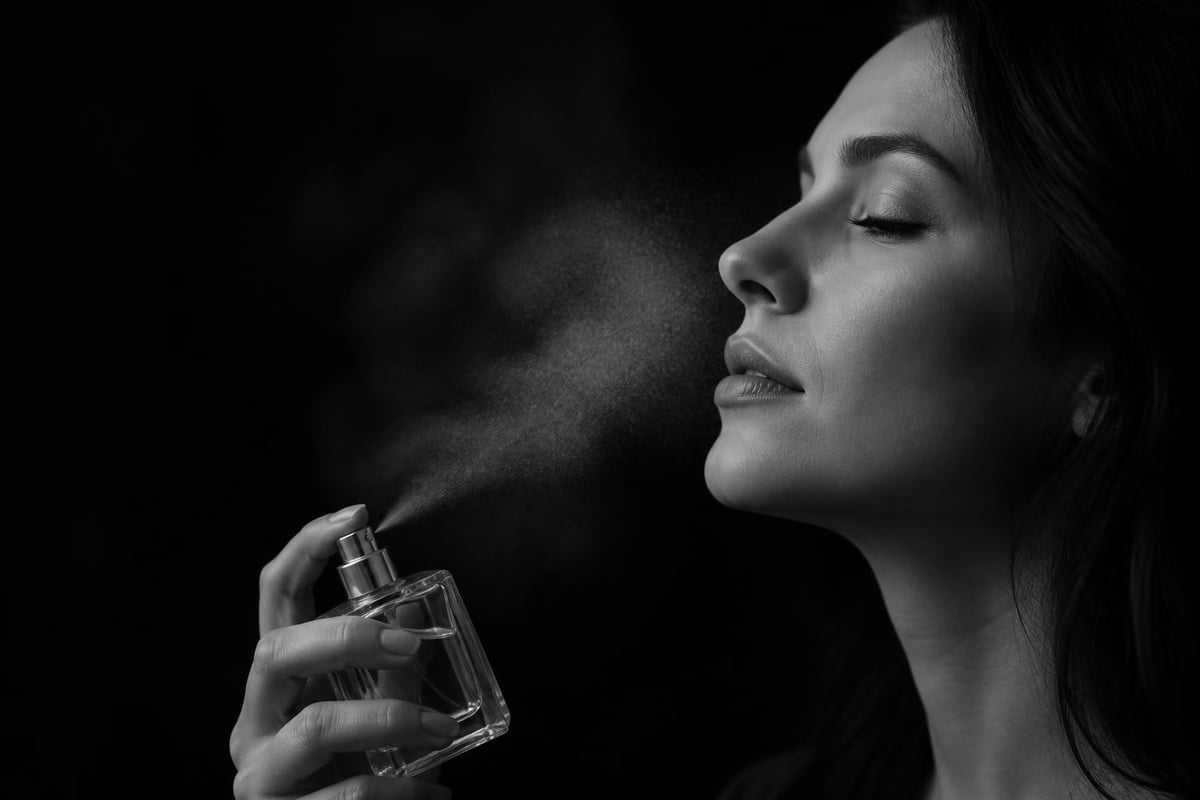
Product scent is the deliberate fragrance added to consumer goods to enhance sensory experience, strengthen brand identity, and influence purchasing behavior. Whether subtle or pronounced, this olfactory element shapes how customers perceive quality, authenticity, and value. For businesses committed to botanical ingredients, product scent becomes a statement of craft and transparency.
The olfactory system connects directly to the limbic brain, where memory and emotion reside. This neurological pathway makes scent one of the most powerful tools in product design. Unlike visual or auditory cues, fragrance bypasses rational processing and triggers immediate emotional response.
What Makes Product Scent Different From Ambient Fragrance?
Product scent refers specifically to the fragrance integrated into or applied to goods themselves, while ambient fragrance fills a space. This distinction matters for brands building lasting customer relationships. When scent becomes part of the product, it travels home with the consumer, creating repeated exposures that reinforce brand memory.
The longevity of product scent varies based on formulation. Oil-based botanical compositions offer sustained release without the sharp alcohol evaporation that characterizes conventional perfumes. This slower diffusion creates intimacy rather than projection.
The Technical Components of Product Scent
Every product scent operates through a structure of volatility and molecular weight. Top notes evaporate within minutes, middle notes unfold over hours, and base notes persist for days or weeks. This architecture determines how customers experience a product over time.
Natural plant extracts behave differently than synthetic molecules. Botanical materials contain hundreds of aromatic compounds that shift and evolve, while synthetic isolates remain static. This complexity gives natural product scent a living quality that synthetic formulations cannot replicate.
| Scent Component | Duration | Molecular Weight | Perception |
|---|---|---|---|
| Top Notes | 5-15 minutes | Light (volatile) | Immediate impression |
| Heart Notes | 2-4 hours | Medium | Character development |
| Base Notes | 6+ hours | Heavy (fixed) | Lasting memory |
The ratio between these layers determines whether a product scent feels balanced or disjointed. Too much emphasis on top notes creates initial appeal that fades to disappointment. Overloading base notes can make products smell heavy or cloying.
Why Do Consumers Respond to Product Scent?
Research from the American Marketing Association demonstrates that scented products generate higher willingness to pay and stronger purchase intent than unscented alternatives. This effect crosses categories, from personal care to home goods.
The psychological mechanism behind this response involves associative learning. When product scent consistently appears alongside positive experiences, the brain creates shortcuts that link fragrance to satisfaction. Future exposures trigger those associations automatically.
Authenticity Signals Through Natural Ingredients
Consumers increasingly scrutinize ingredient transparency. Synthetic fragrances appear on labels as "parfum" or "fragrance," terms that legally obscure hundreds of undisclosed chemicals. Botanical product scent, by contrast, derives from identifiable plant sources that customers can research and understand.
This transparency builds trust. When brands commit to botanical ingredients, they signal values alignment with health-conscious consumers. The decision to avoid synthetics becomes part of the brand story.
Vegan formulations eliminate animal-derived ingredients like musk or ambergris, addressing ethical concerns without sacrificing olfactory complexity. Plant resins and absolutes offer depth and tenacity that meet performance expectations.
How Does Product Scent Influence Purchase Decisions?
Studies on fragrance psychology reveal that scent impacts purchase decisions through three pathways: emotional resonance, quality perception, and memory formation. Each pathway operates below conscious awareness.
Emotional resonance occurs when product scent triggers pleasant associations or nostalgic memories. A customer encountering botanical candles might recall forest walks or herb gardens, creating positive affect that transfers to the product itself.
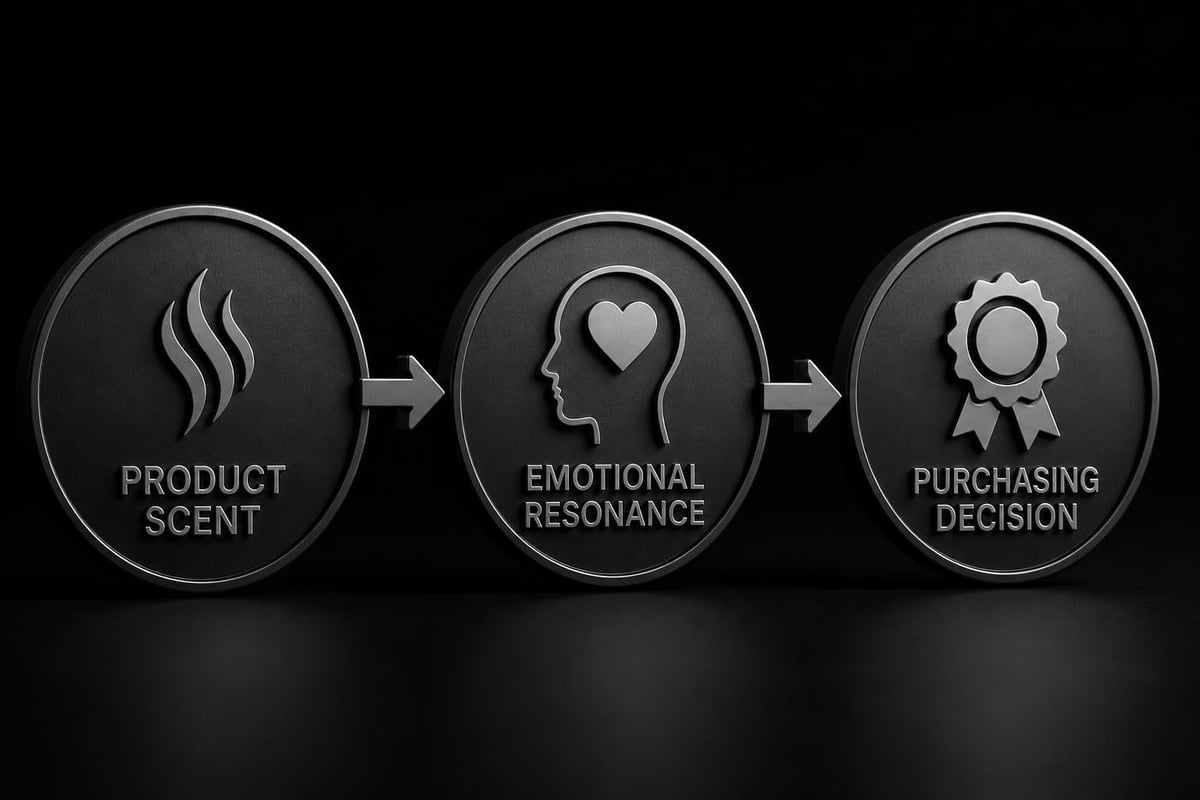
Quality perception links directly to scent complexity. Products with layered, evolving fragrances signal craftsmanship and attention to detail. Flat, one-dimensional scents suggest mass production or cost-cutting.
The Role of Consistency in Brand Building
Maintaining consistent product scent across product lines creates olfactory branding. Customers begin associating specific fragrance profiles with particular companies, even without visual cues. This recognition strengthens loyalty and drives repeat purchases.
For botanical perfume makers, consistency presents unique challenges. Natural materials vary by harvest, terroir, and extraction method. Skilled perfumers adjust formulations to maintain olfactory signatures despite ingredient variations.
- Seasonal adjustments account for raw material potency changes
- Batch testing ensures signature scent remains recognizable
- Documentation systems track formulation modifications over time
- Sensory panels verify consistency across production runs
What Product Categories Benefit Most From Intentional Scent?
Personal care products show the strongest consumer response to product scent, but the influence extends across unexpected categories. Textiles, paper goods, and even electronics manufacturers add fragrance to enhance perceived value.
The effectiveness of scent depends on category expectations. Consumers expect candles and perfumes to smell pleasant, but product scent in cleaning supplies or office materials can differentiate commoditized goods.
Natural Versus Synthetic Formulation Trade-offs
The choice between botanical and synthetic product scent involves performance considerations beyond philosophical preferences. Natural materials offer complexity and evolution but may have lower tenacity or higher costs. Synthetics provide consistency and strength but lack the dimensional quality of plant extracts.
| Formulation Type | Advantages | Limitations | Best Applications |
|---|---|---|---|
| Botanical/Natural | Complex, evolving, transparent | Variable, potentially lower projection | Premium personal care, home fragrance |
| Synthetic | Consistent, strong, cost-effective | Static, potential sensitivity concerns | Mass-market products, industrial applications |
| Hybrid | Balanced performance and naturalness | Requires disclosure clarity | Mid-tier consumer goods |
Brands must align formulation choices with customer values. Markets demanding clean ingredients will reject synthetic product scent regardless of performance advantages. Conversely, some applications require synthetic stability that natural materials cannot provide.
How Can Brands Develop Effective Product Scent Strategies?
Developing product scent begins with customer research. Understanding target audience preferences, sensitivities, and expectations prevents costly reformulations. Focus groups and A/B testing reveal which fragrances resonate with specific demographics.
The development process follows structured stages. Initial brief defines olfactory goals and technical requirements. Trials explore ingredient combinations and ratios. Refinement adjusts balance based on feedback. Stability testing ensures fragrance performs across shelf life and usage conditions.
Steps for Creating Custom Product Scent
- Define olfactory identity by establishing brand personality and emotional targets
- Select base ingredients appropriate to formulation constraints and values
- Build fragrance architecture with balanced top, middle, and base note proportions
- Test across applications to verify performance in final product formats
- Gather consumer feedback through blind comparisons and preference surveys
- Adjust for stability to maintain scent integrity throughout product lifecycle
- Document final formula with batch codes and ingredient sourcing details
For brands committed to botanical materials, custom creation services like Haus of Smell's 212 system offer frameworks for developing signature scents while maintaining natural ingredient standards. These approaches balance creative exploration with formulation expertise.
What Role Does Packaging Play in Product Scent Perception?
Packaging mediates the first scent experience. Container materials, seal designs, and opening mechanisms control fragrance release. Poor packaging choices can degrade product scent before customers experience it properly.
Glass vessels preserve fragrance integrity better than plastics, which can absorb or leach aromatic compounds. Metal tins provide excellent barriers but may interact with certain botanical ingredients. The choice depends on product type and target market.
Communicating Scent Through Visual Design
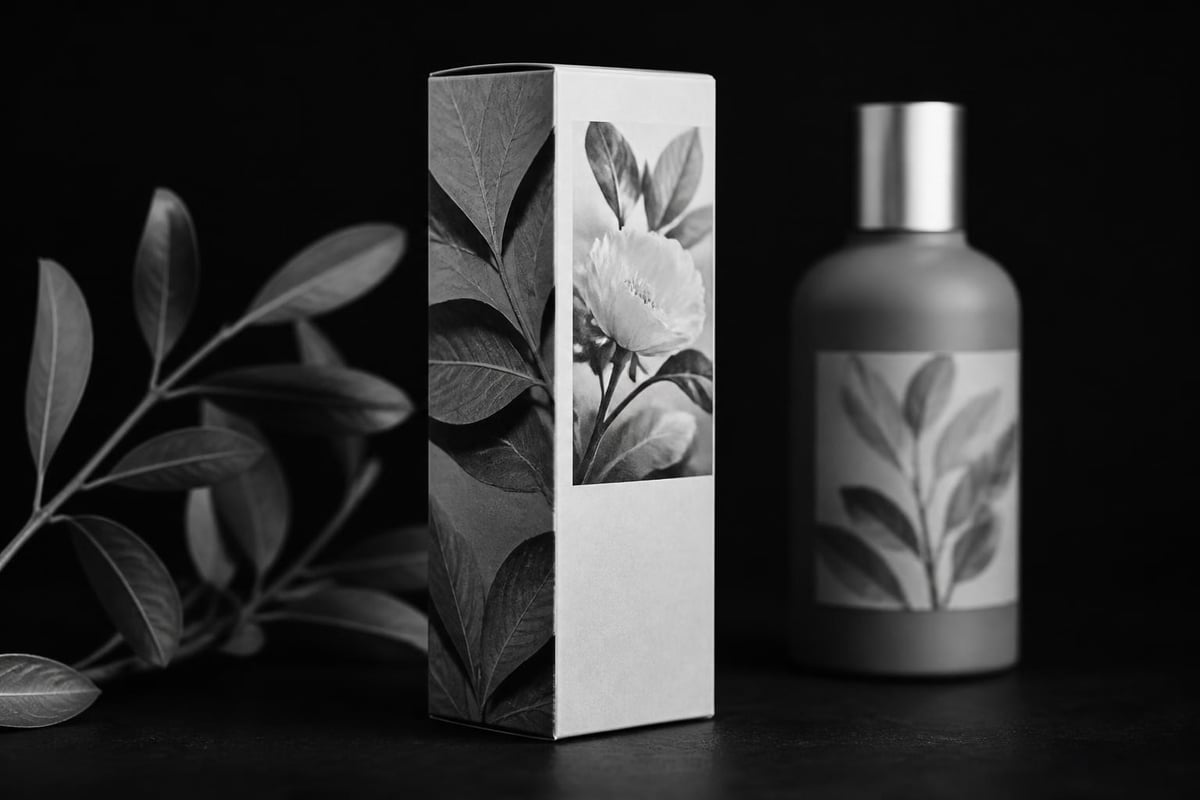
Since customers cannot smell products online, packaging design must suggest olfactory qualities visually. Color psychology, botanical imagery, and descriptive copy help bridge the sensory gap. Earth tones suggest natural product scent, while bright colors imply synthetic intensity.
Transparency in communication builds trust. Listing actual plant materials rather than poetic fragrance names educates customers and sets accurate expectations. This approach particularly resonates with consumers seeking clean candles and personal care products.
How Do Cultural Differences Affect Product Scent Preferences?
Fragrance preferences vary significantly across cultures and geographies. Scents considered pleasant in one market may register as offensive or strange elsewhere. Understanding these differences prevents product scent mismatches in global markets.
Western markets generally prefer lighter, fresher fragrances with citrus or floral elements. Asian consumers often gravitate toward sweeter, more intense scents. Middle Eastern customers appreciate rich, resinous compositions with lasting power.
Regional Ingredient Availability and Preferences
Climate influences both ingredient availability and scent preferences. Hot, humid regions favor product scent that cuts through heat without becoming oppressive. Temperate climates allow heavier, more complex fragrances that develop slowly.
Local botanical traditions shape expectations. Markets with strong herbal medicine traditions respond positively to product scent featuring familiar medicinal plants. Regions with floral abundance expect sophisticated flower-based fragrances.
What Sustainability Considerations Impact Product Scent Development?
Sustainable product scent development addresses environmental impact across the supply chain. Ingredient sourcing, extraction methods, packaging materials, and waste streams all factor into ecological footprint.
Wild-harvested botanicals risk overharvesting and habitat destruction. Responsible brands source from cultivated supplies or verify sustainable wild collection practices. Certifications like organic or fair trade provide third-party verification of ethical sourcing.
Biodegradability and Environmental Persistence
Synthetic fragrance molecules can persist in waterways and bioaccumulate in ecosystems. Research on scent marketing effectiveness rarely addresses environmental consequences, but consumers increasingly demand products that degrade safely.
Botanical product scent ingredients generally biodegrade readily, breaking down into harmless compounds. This environmental advantage appeals to eco-conscious customers willing to pay premiums for reduced ecological impact.
- Plant-based ingredients decompose naturally without toxic residues
- Alcohol-free formulations eliminate volatile organic compound emissions
- Minimal processing reduces energy consumption in production
- Compostable packaging completes the sustainability story
How Is Technology Changing Product Scent Development?
Analytical chemistry tools now identify individual aromatic compounds within complex botanical extracts. Gas chromatography and mass spectrometry create detailed molecular profiles that perfumers use to understand and recreate scent signatures.
Machine learning algorithms analyze fragrance preferences and predict successful combinations based on consumer data. These tools supplement rather than replace human expertise, offering starting points for creative exploration.
Digital Scent Communication Challenges
E-commerce requires communicating product scent without physical samples. Brands employ detailed written descriptions, comparison frameworks, and customer reviews to bridge the digital gap. Some companies offer sample programs or discovery sets to reduce purchase risk.
Virtual reality experiments explore digital scent delivery, but current technology cannot replicate the complexity of natural fragrances. For now, product scent remains fundamentally analog, requiring physical experience for full appreciation.
What Legal and Safety Requirements Govern Product Scent?
Fragrance regulations vary by jurisdiction but generally require allergen disclosure and safety testing. The International Fragrance Association maintains standards for safe use levels of common aromatic materials.
Natural does not mean safe by default. Some botanical materials cause sensitivities or allergic reactions. Responsible brands conduct patch testing and provide clear allergen information even when not legally required.
Labeling Transparency and Consumer Trust
Clear labeling builds consumer confidence. Rather than hiding behind generic "fragrance" declarations, brands committed to transparency list actual botanical ingredients. This practice aligns with clean beauty movement expectations.
Vegan and cruelty-free certifications require third-party verification of claims. These credentials matter increasingly to consumers who view product scent choices as ethical statements rather than mere preferences.
Frequently Asked Questions
What is product scent and why does it matter for brands?
Product scent is the intentional fragrance added to goods to enhance customer experience and influence perception. It matters because scent connects directly to emotion and memory, creating powerful brand associations that drive loyalty. Well-designed product scent differentiates commodities, justifies premium pricing, and strengthens customer relationships through repeated positive exposures.
How does botanical product scent differ from synthetic fragrance?
Botanical product scent derives from plant extracts and resins, offering complex, evolving aromas with hundreds of natural compounds. Synthetic fragrance uses laboratory-created molecules for consistency and strength. Botanical options provide transparency and align with clean ingredient values, while synthetics offer predictable performance. Natural materials change subtly over time, creating living scents rather than static impressions.
Can product scent actually influence purchasing decisions?
Yes, extensive research confirms product scent significantly impacts purchase intent and willingness to pay. Scent triggers emotional responses and quality perceptions below conscious awareness. Customers associate pleasant fragrances with superior products, even when actual quality remains constant. This effect crosses categories from personal care to home goods, making scent a powerful competitive advantage.
What should brands consider when developing custom product scent?
Brands should research target audience preferences, define clear olfactory goals, and select ingredients aligned with company values. Consider performance requirements like longevity and projection, then test extensively across real-world conditions. Gather consumer feedback through blind trials, adjust for stability, and document formulations carefully. Balance creative vision with technical constraints and market expectations.
How do you maintain consistent product scent with natural ingredients?
Maintaining consistency with botanical materials requires skilled adjustments for ingredient variations. Perfumers test each batch, modify ratios to compensate for potency differences, and maintain detailed records of formulation changes. Sensory panels verify that signature scent remains recognizable despite minor shifts. Working with reliable suppliers who provide consistent quality raw materials also helps maintain product scent stability.
Is natural product scent more sustainable than synthetic alternatives?
Generally yes, as botanical ingredients biodegrade more readily and avoid petroleum-derived chemicals. However, sustainability depends on sourcing practices, extraction methods, and packaging choices. Responsibly cultivated or ethically wild-harvested botanicals minimize environmental impact, while some synthetic production can be surprisingly efficient. True sustainability requires evaluating the complete lifecycle, from ingredient sourcing through disposal.
Product scent shapes customer perception, drives purchase decisions, and builds lasting brand relationships through the powerful connection between fragrance and emotion. Whether you prioritize botanical purity, sustainable sourcing, or custom olfactory identity, strategic scent development distinguishes your products in competitive markets. Haus of Smell crafts botanical product scent solutions in Manhattan, offering handmade perfumes and candles built from real plant extracts without synthetics or alcohol. Explore how vegan, oil-based formulations create authentic sensory experiences that align with your values.