
Perfumed wax is a scent delivery system where natural or synthetic fragrances are suspended within wax carriers like soy, beeswax, or paraffin. When warmed, the wax releases volatile aromatic compounds into surrounding air without combustion. This flameless method offers controlled fragrance diffusion for homes, workspaces, and personal care applications across multiple product formats.
The mechanics behind perfumed wax involve understanding how plant-derived volatile compounds interact with lipid-based carriers. Unlike alcohol-based perfumes that evaporate quickly, wax matrices hold fragrance molecules in a semi-solid state until heat energy breaks molecular bonds. This controlled release makes wax an efficient vehicle for botanical extracts and essential oils in candles, melts, and solid perfumes.
What Makes Perfumed Wax Different from Other Scent Delivery Methods?
Perfumed wax differs from traditional fragrance formats through its phase-transition delivery system and extended scent duration. Where sprays disperse immediately and diffusers require constant evaporation, wax holds aromatic compounds stable until activated by heat. This creates a slow, steady release that can last hours or even days depending on formulation and heat source.
The molecular structure of wax creates pockets where fragrance oils nestle between hydrocarbon chains. Research on wax ester composition shows these lipid matrices form stable bonds with volatile compounds. When temperature rises, the wax softens and fragrance molecules gain mobility, drifting into air currents.
Key distinctions include:
- No alcohol evaporation or skin contact concerns
- Adjustable intensity through heat source control
- Reusability in formats like wax melts
- Lower fragrance concentration needed for impact
- Compatibility with heat-sensitive botanical extracts
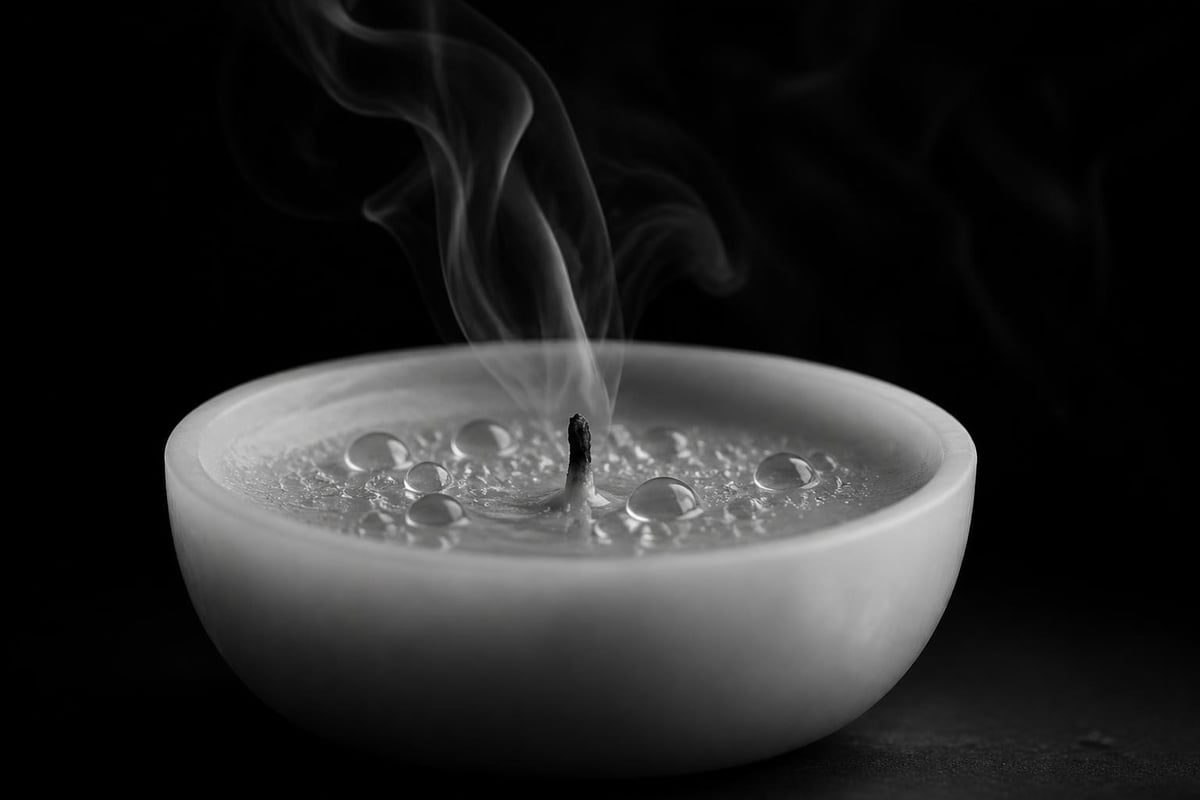
Natural wax options like soy or coconut offer different melting points and scent throw characteristics. Soy wax melts between 120-180°F, releasing fragrance gradually. Beeswax requires higher temperatures but holds complex botanical profiles well. The choice affects both performance and compatibility with natural versus synthetic fragrance components.
How Do You Use Perfumed Wax in Your Home?
Perfumed wax requires a heat source to activate fragrance release, with methods ranging from electric warmers to traditional candle burning. Place wax melts in a warmer dish, light candles on heat-safe surfaces, or apply solid perfume balms to pulse points. Each application method controls scent intensity through temperature management and surface area exposure.
For wax melts, electric warmers provide the safest option with adjustable settings. Place one to three cubes in the warmer dish depending on room size and desired intensity. The gentle heat liquefies wax without combustion, releasing fragrance for 6-12 hours per melt. When scent fades, cool the warmer and pop out solidified wax for disposal or composting if using natural formulations.
Step-by-Step Wax Melt Usage
- Choose warmer type: electric plate, light bulb, or tealight powered
- Place warmer on stable, heat-resistant surface away from drafts
- Add wax melts to dish without overfilling
- Power on and allow 10-15 minutes for full liquification
- Adjust settings if available to control scent intensity
- Turn off after 4-6 hours to prevent scent fatigue
- Replace wax when fragrance no longer releases
Candles require more attention but offer ambient light alongside fragrance. Trim wicks to 1/4 inch before each use to prevent smoking. Burn long enough for wax to pool completely across the surface, typically 2-3 hours for standard containers. This prevents tunneling and ensures even fragrance distribution. Quality candles made with natural wax and botanical extracts burn cleaner than synthetic alternatives.
Solid perfume balms use body heat for activation. Warm a small amount between fingers and apply to wrists, neck, or behind ears. The friction and skin temperature melt the wax slightly, releasing fragrance that mingles with natural body chemistry. This portable format works well for those seeking scented products without aerosol sprays.
What Types of Wax Work Best for Holding Fragrance?
Natural waxes derived from plants and insects offer superior compatibility with botanical fragrance profiles compared to petroleum-based alternatives. Soy wax leads in popularity for its clean burn, renewable sourcing, and excellent scent throw. Coconut wax provides similar benefits with slightly better cold and hot throw characteristics. Beeswax, while pricier, holds complex natural scents beautifully and releases negative ions when burned.
| Wax Type | Melting Point | Scent Throw | Burn Time | Best Use |
|---|---|---|---|---|
| Soy | 120-180°F | Good | 40-50 hrs | Container candles, melts |
| Coconut | 100-107°F | Excellent | 45-55 hrs | Premium candles, blends |
| Beeswax | 144-147°F | Moderate | 50-60 hrs | Pillars, natural formulas |
| Palm | 130-145°F | Good | 35-45 hrs | Votives, pillars |
| Paraffin | 130-150°F | Excellent | 30-40 hrs | Mass market candles |
The molecular composition affects how well wax accepts and releases fragrance oils. Studies on plant cuticle wax production reveal natural waxes contain esters, alcohols, and fatty acids that create affinity for botanical volatile compounds. This chemical similarity means plant-based waxes integrate essential oils more thoroughly than mineral waxes.
Temperature stability matters for fragrance preservation. Waxes with lower melting points like coconut can suffer scent degradation during shipping or storage in warm climates. Higher-melt waxes protect fragrance integrity but require more heat to release scent. Blending different waxes balances these properties, creating custom profiles for specific applications.
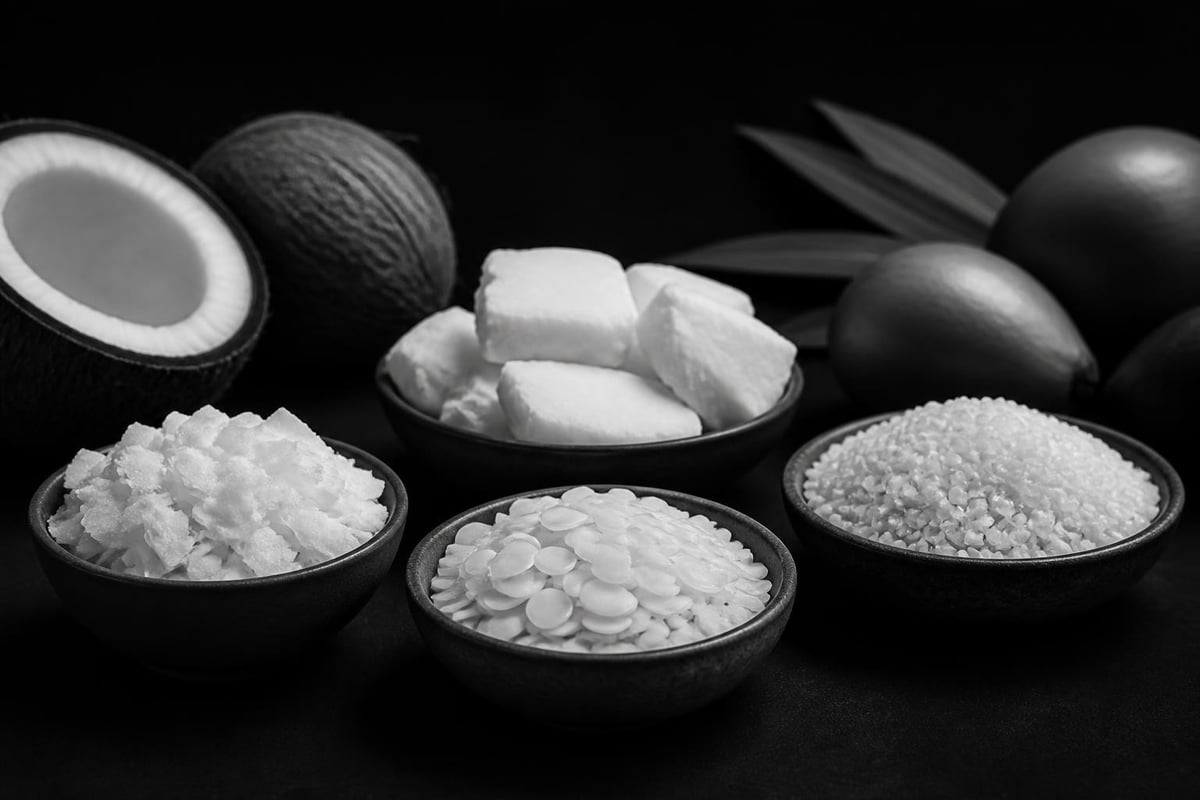
Hardness affects burn quality and scent distribution. Softer waxes like soy create larger melt pools that distribute fragrance quickly. Harder waxes like beeswax burn slower with concentrated scent closer to the flame. For wax melts, softer formulations release fragrance faster but require more frequent replacement compared to harder blends.
How Is Fragrance Added to Wax Products?
Fragrance integration occurs during wax's liquid phase when heat has fully melted the carrier medium. Manufacturers heat wax to 10-15°F above its melting point, then add fragrance oils at precisely measured percentages, typically 6-12% by weight. Thorough stirring for 2-3 minutes ensures even distribution before pouring into containers or molds.
Temperature control prevents fragrance degradation:
- Heat wax to recommended pouring temperature only
- Add fragrance below 185°F for most natural oils
- Stir gently to avoid introducing air bubbles
- Pour at optimal temperature for wax type
- Allow proper cure time for scent stabilization
The chemical bonding between wax molecules and fragrance compounds determines scent longevity. Heat-sensitive botanical extracts require careful temperature management to preserve aromatic complexity. Overheating can damage delicate volatile compounds, particularly in essential oils containing terpenes and aldehydes. Research on volatile emission dynamics shows temperature directly impacts how aromatic molecules release from plant-based matrices.
For those interested in creating scented oils for candles, understanding load capacity proves essential. Each wax type accepts different maximum fragrance percentages before performance degrades. Soy typically handles 10-12%, while paraffin can hold up to 15%. Exceeding these limits causes poor burn quality, fragrance seepage, and reduced scent throw.
Natural botanical extracts behave differently than synthetic fragrances in wax. Plant-derived volatiles contain hundreds of compounds with varying molecular weights and evaporation rates. This complexity creates layered scent experiences as different compounds release at different temperatures. Synthetic fragrances offer consistency but lack the depth found in natural compositions.
Where Can You Find Quality Perfumed Wax Products?
Quality perfumed wax products emerge from makers prioritizing natural ingredients, proper formulation ratios, and transparent sourcing. Look for brands specifying wax type, fragrance source (botanical versus synthetic), and production location. Artisan producers often craft small batches with attention to scent complexity and clean burning characteristics unavailable in mass-market options.
Manhattan's NoMad neighborhood hosts boutique scent studios where botanical candles and wax melts are hand-poured using plant extracts rather than synthetic compounds. These local operations allow customers to experience fragrances before purchasing and often offer customization options. The direct connection between maker and buyer ensures product quality and answers questions about ingredients or usage.
Criteria for Evaluating Perfumed Wax
| Factor | What to Look For | Why It Matters |
|---|---|---|
| Wax Source | Soy, coconut, beeswax listed | Natural burn, renewable sourcing |
| Fragrance Type | Botanical extracts, essential oils | Authentic scent, fewer synthetics |
| Production Method | Hand-poured, small batch | Quality control, artisan care |
| Ingredient Transparency | Full disclosure on labels | Informed purchasing decisions |
| Certifications | Vegan, cruelty-free verified | Ethical production standards |
Online specialty retailers curate collections from verified natural perfumers and candle makers. These platforms typically require detailed ingredient disclosure and maintain quality standards for listed products. Reading reviews reveals performance characteristics like scent throw strength, burn evenness, and fragrance longevity that marketing descriptions may exaggerate.
Farmers markets and craft fairs in urban areas provide opportunities to meet makers directly. This face-to-face interaction allows scent testing and conversations about production methods. Many artisans explain their botanical sourcing, wax selection rationale, and fragrance development process, building trust through transparency.
Subscription services for wax melts and candles offer curated seasonal selections from various makers. These introduce customers to new scent profiles and production styles while supporting diverse artisan communities. Monthly deliveries maintain fresh fragrance rotation without overwhelming storage or budget.
What Makes Botanical Perfumed Wax Different?
Botanical perfumed wax derives fragrance exclusively from plant and resin sources rather than laboratory-synthesized compounds. This means essential oils, absolutes, and CO2 extracts provide aromatic profiles instead of aroma chemicals. The resulting scents carry complexity and variation that mirror natural plant characteristics, shifting subtly with temperature and time.
The extraction methods for botanical materials preserve volatile compound diversity that single molecules cannot replicate. Steam distillation, solvent extraction, and cold pressing each capture different aromatic fractions from flowers, leaves, roots, and resins. When these natural extracts integrate with wax carriers, they create multidimensional scent experiences that evolve during burning or melting.
Advantages of botanical formulations:
- No phthalates or synthetic musks
- Compatible with sensitive respiratory systems
- Biodegradable fragrance components
- Supports sustainable agriculture
- Authentic plant scent profiles
Vegan formulations exclude beeswax and animal-derived fixatives like musk or ambergris. Plant-based alternatives include candelilla wax from desert shrubs or carnauba from Brazilian palms. These waxes perform similarly to beeswax while maintaining complete botanical sourcing from root to fragrance.
Production location affects ingredient freshness and quality control. Locally made products reduce transportation time between harvesting botanical materials and incorporating them into wax. Manhattan-based artisans can source certain plants regionally and complete production within days rather than months, preserving volatile compound integrity.
The absence of synthetic fragrance carriers means botanical wax products may smell different batch to batch. Natural plant variation based on growing conditions, harvest timing, and extraction methods creates subtle differences. This authenticity appeals to those seeking genuine plant experiences rather than standardized scent profiles.
How Does Perfumed Wax Impact Indoor Air Quality?
Perfumed wax affects indoor air through both combustion byproducts (in candles) and fragrance compound volatilization. Natural waxes like soy and coconut burn cleaner than paraffin, releasing primarily carbon dioxide and water vapor. The fragrance components themselves become airborne particles that interact with respiratory systems and settle on surfaces.
Choosing botanical fragrances over synthetic ones reduces exposure to potentially irritating compounds. Many synthetic fragrances contain phthalates as stabilizers and fixatives, chemicals linked to endocrine disruption in high concentrations. Natural essential oils and plant extracts eliminate these additives while providing aromatherapeutic benefits when properly diluted in wax.
Air quality considerations:
- Wick material affects particulate emissions
- Natural wax reduces soot production
- Botanical fragrances minimize volatile organic compounds
- Proper ventilation prevents scent accumulation
- Burn duration impacts air composition
Cotton or wood wicks produce less smoke than metal-core alternatives. Trimming wicks regularly prevents mushrooming that causes incomplete combustion and black smoke. For wax melts, electric warmers eliminate combustion entirely, making them ideal for making small apartments smell luxurious without air quality concerns.
Room size relative to wax amount determines fragrance concentration. A single candle in a large open space creates subtle ambient scent, while the same candle in a small bedroom may overwhelm. Starting with less perfumed wax and increasing based on preference prevents olfactory fatigue and headaches from excessive fragrance exposure.
Seasonal considerations affect how perfumed wax performs indoors. Winter's closed windows trap fragrance longer, requiring less product for desired effect. Summer ventilation disperses scent faster, necessitating stronger formulations or multiple sources. Adjusting usage patterns with seasons maintains pleasant fragrance levels without waste.
Can You Make Your Own Perfumed Wax at Home?
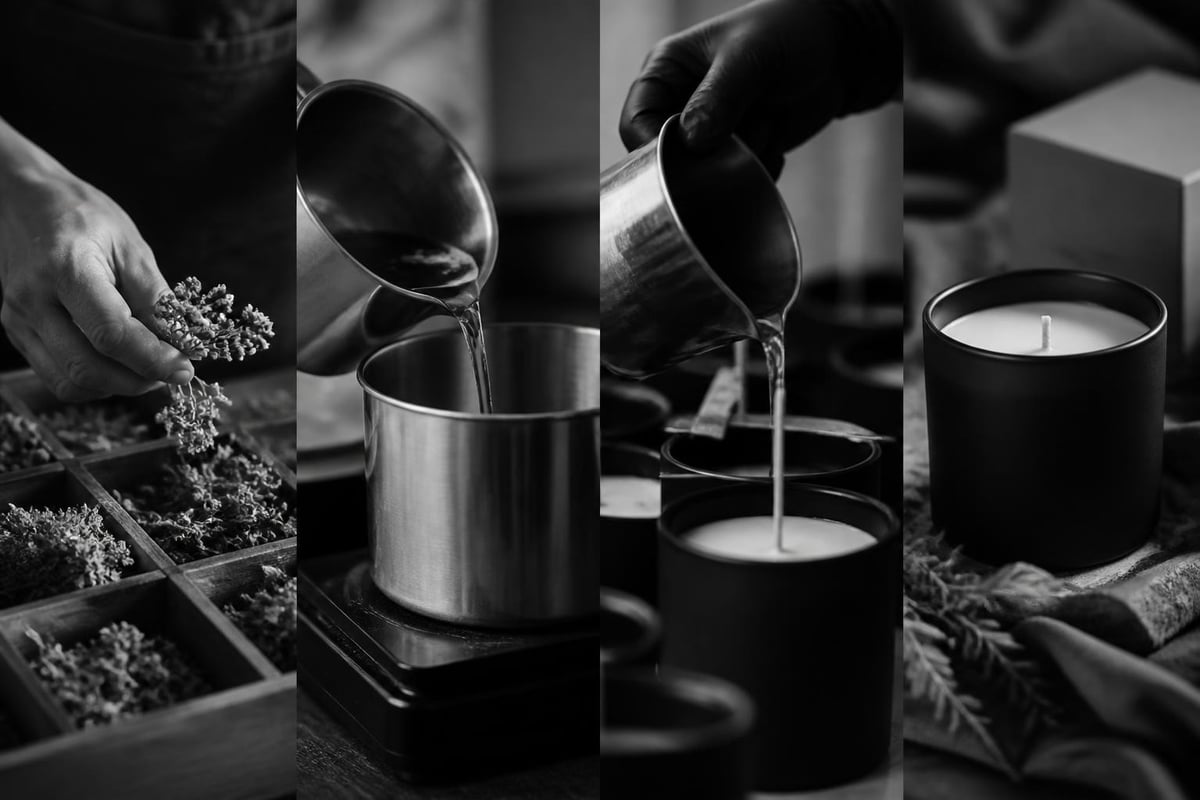
Creating perfumed wax at home requires basic equipment, quality ingredients, and careful temperature management. Purchase food-grade wax, fragrance oils or essential oils, wicks, and containers from craft suppliers. Melt wax using a double boiler setup, add fragrance at appropriate temperature, pour into prepared containers, and cure for 24-48 hours before use.
Safety precautions include never heating wax over direct flame, maintaining proper ventilation, and keeping flammable materials away from heat sources. Use a thermometer to monitor temperatures precisely, as overheating causes fire risk and fragrance degradation. Protect surfaces with newspaper or wax paper since spills solidify quickly and damage finishes.
Required Equipment and Supplies
- Double boiler or dedicated wax melting pot
- Thermometer reading up to 200°F
- Stirring utensils (wood or silicone)
- Scale for measuring wax and fragrance
- Containers or molds for finished products
- Wicks with tabs and centering devices
- Natural wax (soy, coconut, or beeswax)
- Botanical essential oils or fragrance oils
Fragrance load calculation determines how much scent to add. For beginners, starting at 6% by weight provides noticeable scent without overwhelming. Measure wax weight, multiply by 0.06, and add that weight in fragrance oil. Increase to 8-10% after testing initial batches to understand how different botanicals perform in your chosen wax.
Botanical extracts require more careful sourcing than synthetic fragrances. Pure essential oils cost significantly more but deliver authentic plant scents without additives. Purchasing from reputable suppliers ensures proper extraction methods and prevents adulterated oils. Some plants like jasmine and rose produce expensive absolutes, making them impractical for large-batch home production.
Curing time allows wax and fragrance to fully integrate. Rushing this process results in weak scent throw and uneven burning. Cover finished candles or melts loosely and store at room temperature away from sunlight for at least one day. Some makers cure for up to two weeks for optimal performance, particularly with complex botanical blends.
FAQ
What is perfumed wax made from?
Perfumed wax combines a wax base (soy, coconut, beeswax, or paraffin) with fragrance compounds (botanical extracts or synthetic oils). The wax provides structure and controlled release properties while fragrance adds aromatic characteristics. Natural versions use plant-derived ingredients exclusively, while conventional products may incorporate petroleum-based waxes and laboratory-created scents for consistency and cost efficiency.
How long does perfumed wax retain its scent?
Properly stored perfumed wax maintains fragrance potency for 12-24 months depending on formulation and storage conditions. Natural botanical fragrances may fade faster than synthetic compounds due to volatile compound evaporation. Keep unused wax in sealed containers away from heat, light, and humidity to maximize scent longevity. Once melted or burned, fragrance releases over 4-12 hours per use.
Is perfumed wax safe for homes with pets?
Most perfumed wax products are safe around pets when used properly, though individual sensitivities vary. Avoid placing warmers or candles where pets can knock them over or contact hot wax. Certain essential oils like tea tree, eucalyptus, and citrus can irritate cats and birds in high concentrations. Choose milder botanical scents and ensure adequate ventilation when using perfumed wax around animals.
Can you reuse wax melts after the scent fades?
Wax melts cannot effectively be re-scented once fragrance depletes since the carrier wax becomes saturated. Remove used wax from warmers and dispose responsibly. Natural wax melts made from soy or coconut can be composted if free from synthetic additives. Some crafters repurpose spent wax by melting it down and adding fresh fragrance, though results vary based on wax condition.
What is the difference between scented candles and wax melts?
Scented candles combine perfumed wax with a wick for combustion-based fragrance release and ambient lighting. Wax melts use external heat sources like electric warmers to liquify wax without flame, providing fragrance only. Melts offer more control over scent intensity and eliminate fire risk, while candles create atmosphere through flickering light. Both deliver similar scent experiences with different usage requirements and safety considerations.
How much perfumed wax should you use in a room?
Room size and ventilation determine appropriate perfumed wax quantity. For spaces under 150 square feet, one standard candle or 1-2 wax melt cubes provides adequate fragrance. Larger rooms up to 400 square feet may require 2-3 candles or 3-4 melt cubes for noticeable scent. Start conservatively and increase gradually to avoid overwhelming intensity. Open floor plans need strategic placement of multiple smaller sources rather than single large ones.
Understanding how perfumed wax functions as a scent delivery system helps you choose products that align with your preferences for natural ingredients and performance characteristics. Whether selecting ready-made options or creating custom formulations, prioritizing botanical sources and quality waxes ensures cleaner burning and authentic aromatic experiences. For those in Manhattan seeking handcrafted botanical candles and wax melts made without synthetics, Haus of Smell offers vegan formulations hand-poured in NoMad from real plant and resin extracts.