
Perfume that smells like rain recreates petrichor, the earthy scent released when raindrops hit dry soil, using botanical extracts like vetiver and oakmoss combined with ozonic accords. These fragrances capture the fresh, mineral quality of atmospheric ozone and the musty richness of geosmin, a compound produced by soil bacteria. The result is a clean, grounding aroma that evokes the first drops of a summer storm.
The desire to bottle rain's scent connects us to something primal. That moment when clouds break and the air transforms carries an emotional weight that perfumers have pursued for decades. Understanding how rain actually smells, and how that translates into wearable fragrance, requires examining both natural chemistry and artisan craft.
What makes perfume that smells like rain different from other fragrances?
Rain-inspired perfume differs from conventional scents by prioritizing atmospheric freshness and earthy minerals over floral or sweet compositions. These fragrances focus on capturing the clean, wet quality of air before and after precipitation, combined with the rich, organic aroma of damp earth. The emphasis falls on transparency and natural elements rather than heavy base notes.
Most traditional perfumes build around recognizable flower extracts or warm resins. Rain scents intentionally avoid this structure. They pursue something more abstract and elemental.
The scientific basis for petrichor's distinctive character was first documented in 1964 when researchers Isabel Joy Bear and Richard Thomas coined the term from Greek petra (stone) and ichor (the fluid in the veins of gods). Their work identified that the smell originates from oils secreted by plants during dry periods, which accumulate on soil and rocks.
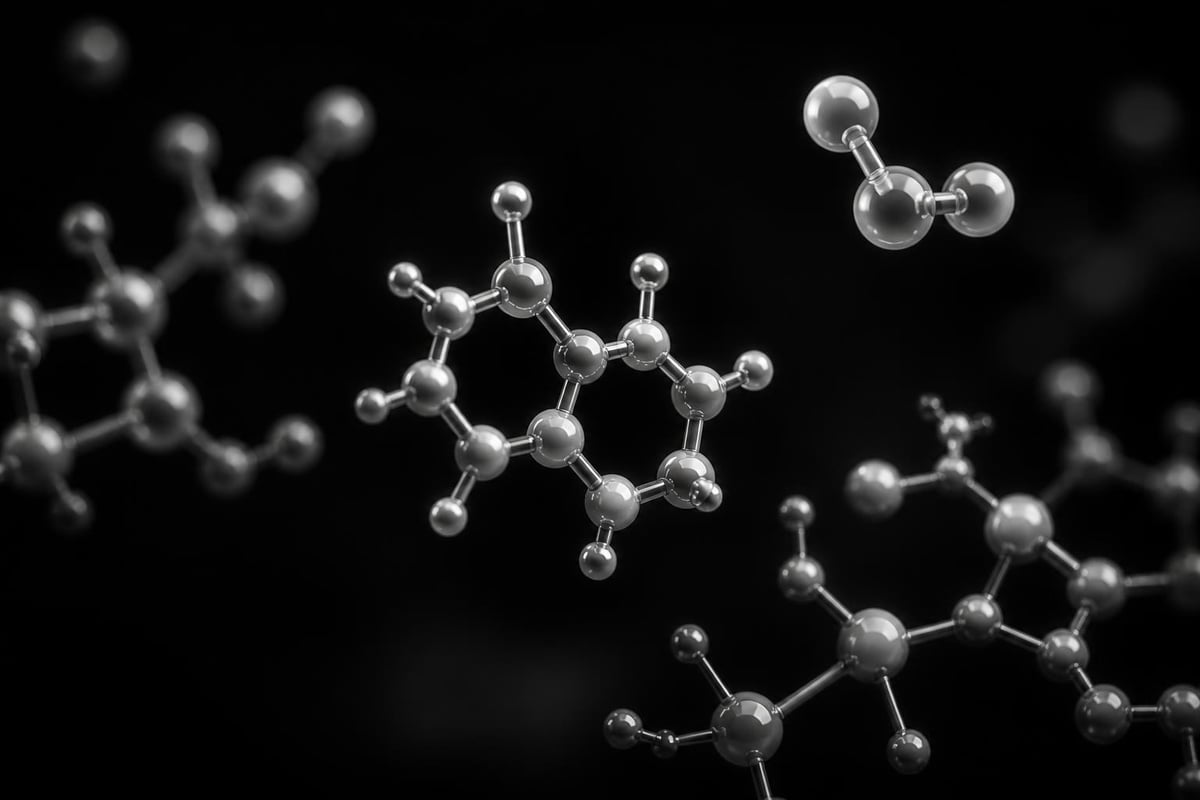
When rain arrives, these compounds are released into the air through a specific mechanism. Water droplets trap tiny air bubbles as they hit porous surfaces, which then burst and release aerosols carrying these aromatic molecules. This natural diffusion system explains why the scent intensifies immediately after the first drops fall.
The role of geosmin in rain fragrances
Geosmin serves as the primary chemical signature in petrichor, produced by soil-dwelling actinobacteria. Humans detect this compound at extremely low concentrations, as little as five parts per trillion. This extraordinary sensitivity suggests an evolutionary importance, possibly signaling water sources to our ancestors.
The molecule's earthy, musty character forms the heart of any perfume that smells like rain. Perfumers source geosmin-rich materials or recreate its effect through botanical combinations. Vetiver root oil, for instance, naturally contains geosmin and related compounds that provide that distinctive wet-soil quality.
How do perfumers recreate the smell of rain in bottles?
Perfumers recreate rain's scent through careful layering of natural botanical extracts and strategic molecular composition. The construction typically involves three distinct olfactory phases: the bright, metallic quality of ozone in the top notes, the mineral-earth character in the heart, and grounding woody or mossy elements in the base. Each layer must balance transparency with depth.
The process begins with identifying which aspect of rain to emphasize. Some formulations focus on the pre-storm atmosphere with its charged, ozonic quality. Others concentrate on the wet earth phase. Many attempt to capture both transitions within a single composition.
Traditional perfumery techniques for constructing petrichor accords rely on specific raw materials:
- Vetiver oil for earthy, rooty depth
- Oakmoss absolute for forest floor dampness
- Violet leaf absolute for green, dewy freshness
- Galbanum resin for sharp, clean greenness
- Cypress oil for atmospheric moisture
Natural perfumers working without synthetic materials face particular challenges. The bright, airy quality often associated with ozone cannot be replicated exactly through botanicals alone. Instead, artisans combine sharp green notes with mineral-like elements to suggest that atmospheric freshness.
| Scent Component | Natural Source | Olfactory Contribution |
|---|---|---|
| Ozone/Air | Green leaf absolutes, citrus oils | Bright, clean, metallic top |
| Wet Earth | Vetiver, patchouli, oakmoss | Earthy, mineral heart |
| Stone/Mineral | Violet leaf, certain musks | Cool, smooth background |
| Atmospheric Moisture | Cypress, juniper, fir | Fresh, forest-like dampness |
The bio-enfleurage method represents an emerging technique where microbial cultures produce specific aromatic compounds including geosmin. This approach allows perfumers to capture the exact molecules responsible for petrichor without relying on synthetic chemistry or extensive plant harvesting.
For those seeking perfume that smells like rain made entirely from botanical sources, options like Botanical Eau de Parfum demonstrate how plant and resin extracts can evoke atmospheric freshness without synthetic molecules. These oil-based formulations layer green, woody, and earthy materials to suggest the multi-dimensional quality of actual precipitation.
Why does the smell of rain evoke such strong emotions and memories?
Rain's scent triggers powerful emotional responses because it connects directly to survival instincts and formative experiences. The human ability to detect geosmin at incredibly low thresholds likely evolved as a mechanism for locating water, making the smell fundamentally tied to life-sustaining resources. This deep biological programming translates into contemporary emotional reactions.
Beyond survival mechanisms, rain often accompanies significant moments. The smell marks seasonal transitions, breaks heat waves, enables growth. These associations embed themselves in memory through repeated pairing of scent with relief, renewal, or change.
Neuroscience research shows that olfactory information travels directly to the limbic system, the brain region governing emotion and memory, without first passing through the thalamus like other sensory data. This direct pathway explains why smells trigger memories more vividly than visual or auditory cues.
Regional variations in rain's character
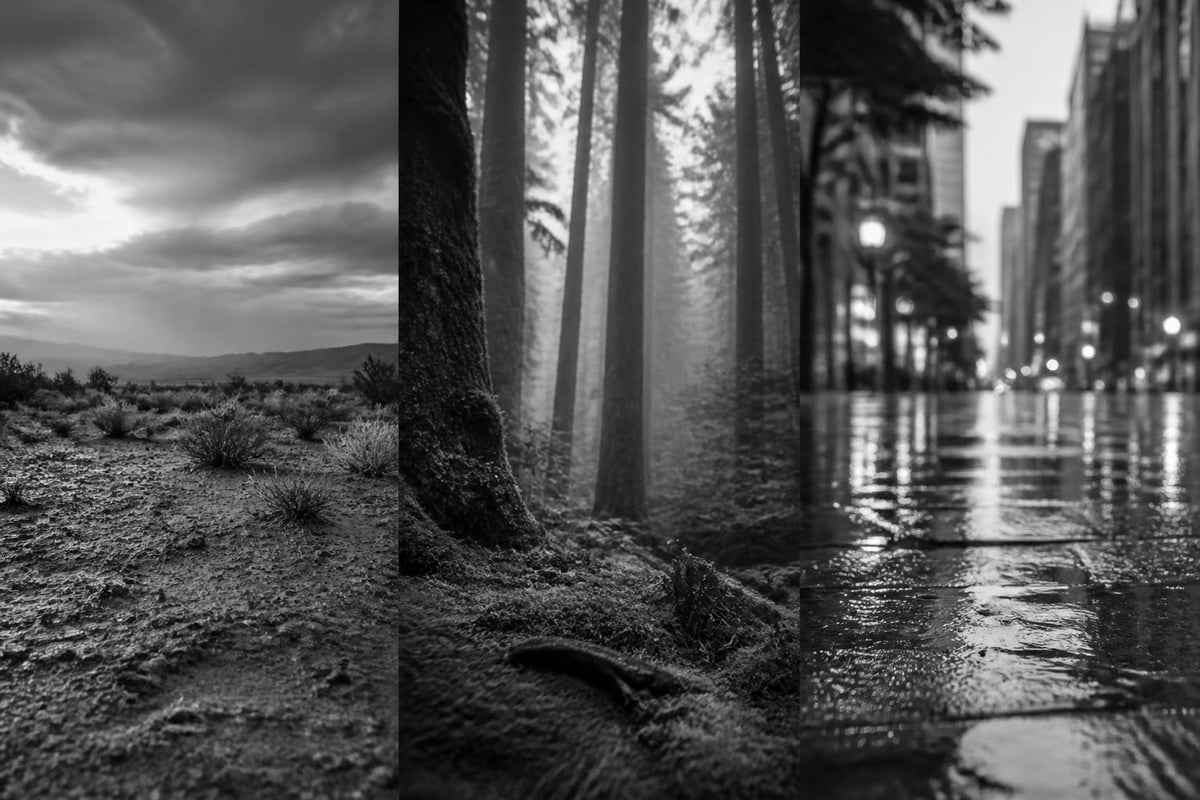
Not all rain smells identical. Desert precipitation releases different compounds than forest rain. Urban storms carry asphalt and concrete notes distinct from rural downpours. These variations create distinct scent memories tied to specific places.
Someone raised in the American Southwest experiences rain as a dramatic event releasing creosote bush oils and hot sand aromatics. A person from the Pacific Northwest knows rain as a constant companion smelling of Douglas fir and wet cedar. These regional signatures make perfume that smells like rain deeply personal.
Perfumers acknowledge these differences by creating variations. Some formulations emphasize dry, desert characteristics. Others pursue the green dampness of temperate forests. The most effective rain perfumes often reflect specific geographical experiences rather than attempting universal representation.
What ingredients should you look for in quality rain-scented perfumes?
Quality rain-scented perfumes prioritize natural earth and green materials over synthetic aquatic compounds. Look for formulations listing vetiver, oakmoss, cypress, violet leaf, or galbanum among their primary ingredients. These botanicals provide authentic earthy and atmospheric qualities that synthetic molecules can only approximate.
Transparency matters when evaluating ingredients. Reputable perfumers disclose their material sources and extraction methods. Perfume oil formulations often provide more concentrated botanical content than alcohol-based versions, allowing earthy notes to develop fully on skin.
The ingredient list reveals construction philosophy. A rain perfume built on genuine plant extracts will typically include:
- Multiple green leaf materials for fresh, dewy top notes
- Root or wood oils providing earthy mineral depth
- Moss or lichen extracts adding forest floor dampness
- Resinous elements offering subtle sweet-earth balance
Avoid formulations relying heavily on ingredients labeled as "fragrance" or "parfum" without further specification. These umbrella terms often conceal synthetic compounds that may not align with botanical perfumery principles. While ozonic molecules like Calone effectively create marine freshness in conventional perfumery, they cannot match the complexity of layered natural materials.
When shopping for perfume that smells like rain, consider the base composition. Oil-based formulations allow botanical materials to develop and evolve on skin differently than alcohol carriers. The oils provide a stable environment where earthy notes can maintain their character throughout the wearing period.
How should you wear and layer rain-inspired perfumes?
Wear rain-inspired perfumes by applying them to pulse points where body warmth releases the scent gradually throughout the day. These fragrances work best when applied sparingly, as their fresh, earthy character should suggest atmosphere rather than announce presence. The goal is creating a personal scent cloud that evokes natural phenomena.
Layering rain scents with other fragrances requires restraint. Their clean, mineral quality can clash with heavy florals or sweet gourmands. Instead, consider pairing them with woody or herbal compositions that share their natural character.
Application technique affects how perfume that smells like rain develops:
- Apply to wrists and behind ears for close, personal scent
- Lightly mist hair or clothing for ambient diffusion
- Layer over unscented oil or lotion to extend wear time
- Apply after showering when skin is slightly damp
The atmospheric quality of rain perfumes makes them particularly suitable for warm weather or indoor environments where heavier scents feel oppressive. They provide olfactory relief similar to actual precipitation, creating a cooling psychological effect even without temperature change.
Optimal wearing conditions and contexts
Rain-scented perfumes excel in specific contexts. They work beautifully during summer months when their fresh character provides relief from heat. Office environments benefit from their subtle, non-intrusive presence. Creative work sessions pair well with their grounding, meditative qualities.
Consider the psychological effect you want to achieve. Rain scents promote focus and calm better than they create excitement or sensuality. They work for contemplative moments, outdoor activities, or times when you want to feel connected to natural elements while navigating urban spaces.
For those in Manhattan neighborhoods like NoMad, wearing a rain-inspired scent offers an olfactory escape from concrete and crowds. The fragrance creates a personal atmosphere that recalls green spaces and weather patterns even in the densest urban corridors.
Where can you find authentic botanical rain perfumes in New York?
New York offers limited but growing options for authentic botanical rain perfumes, with specialty boutiques focusing on natural ingredients providing the most reliable sources. Manhattan's fragrance landscape includes artisan perfumers committed to vegan, alcohol-free formulations that capture atmospheric scents through plant and resin extracts alone. These makers prioritize transparency about sourcing and production methods.
Seeking perfume that smells like rain in New York requires knowing which retailers emphasize botanical composition over synthetic convenience. Chain stores and department counters typically stock conventional fragrances built on synthetic bases. Boutique makers offer alternatives crafted from genuine plant materials.
The advantage of shopping locally in Manhattan includes the ability to test fragrances on skin before purchasing. Rain scents develop differently on each person, and what smells fresh and earthy on a test strip may evolve quite differently when warmed by body chemistry. In-person consultation allows discussion of specific preferences and wearing contexts.
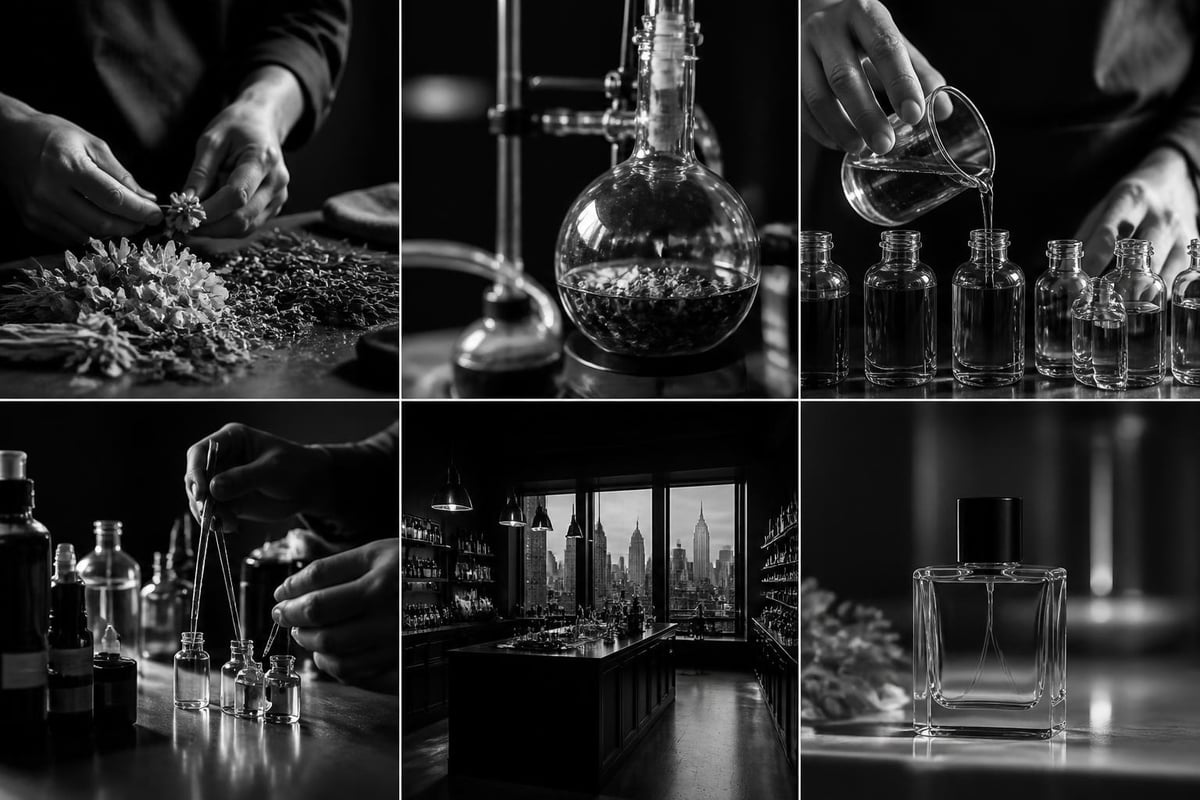
Custom fragrance services provide another avenue for obtaining personalized rain scents. The 212 Build Your Own Botanical Perfume program allows selection from botanical New York scents, creating made-to-order compositions in oil-based, vegan formulations. This approach ensures the final product matches individual preferences while maintaining natural ingredient standards.
Local shopping supports artisan production methods that would not survive in mass-market contexts. Small-batch perfumery allows experimentation with unusual botanical combinations and attention to material quality that factory production cannot replicate. The result is fragrances with depth and complexity reflecting their handmade origins.
What is the difference between rain perfumes and aquatic fragrances?
Rain perfumes and aquatic fragrances pursue fundamentally different olfactory goals despite both referencing water. Rain scents emphasize earthy, mineral, and atmospheric qualities associated with precipitation and damp soil, while aquatic fragrances focus on marine freshness, salt air, and oceanic elements. The distinction lies in whether the composition evokes land or sea.
Aquatic fragrances emerged in the 1990s as a category built primarily on synthetic molecules creating impressions of sea spray and beach environments. These scents typically feature bright, almost metallic top notes suggesting ocean breeze and salt water. They aim for clean, sporty, and energizing effects.
Rain perfumes root themselves in terrestrial experience. They reference storms, wet earth, and forest floors rather than beaches or boats. The emotional territory differs as well: rain scents tend toward contemplative and grounding, while aquatics project active and refreshing.
| Characteristic | Rain Perfumes | Aquatic Fragrances |
|---|---|---|
| Primary Reference | Precipitation, wet earth, storms | Ocean, sea spray, beaches |
| Key Materials | Vetiver, oakmoss, green leaves | Synthetic ozonic molecules, citrus |
| Emotional Effect | Grounding, contemplative, earthy | Energizing, clean, sporty |
| Natural vs. Synthetic | Often botanical-based | Predominantly synthetic |
| Complexity | Layered, evolving, subtle | Direct, transparent, linear |
Understanding this distinction helps when searching for perfume that smells like rain specifically. Requesting "aquatic" fragrances at a counter will typically yield oceanic scents rather than petrichor interpretations. The vocabulary matters when communicating preferences to perfumers or sales staff.
Both categories can incorporate fresh, clean elements, but their foundations differ substantially. Rain perfumes build on earth and atmosphere, while aquatics build on water and salt. The overlap exists in their shared rejection of heavy, sweet, or overtly floral compositions in favor of transparent freshness.
How long do botanical rain perfumes typically last on skin?
Botanical rain perfumes typically last four to eight hours on skin, with longevity depending on oil concentration, individual skin chemistry, and application method. Oil-based formulations generally provide longer wear than alcohol-based versions because they evaporate more slowly and allow botanical materials to develop gradually. The ephemeral quality of rain scents means they transform and fade rather than maintaining constant intensity.
Natural perfumes behave differently than synthetic fragrances regarding longevity. They lack fixatives that lock scent molecules in place for extended periods. Instead, they evolve through distinct phases as different botanical components release and recede. This evolution mirrors how actual rain smells change from pre-storm ozone to wet earth to clearing air.
Factors affecting how long perfume that smells like rain persists include:
- Skin hydration levels (moisturized skin holds scent longer)
- Application location (pulse points extend duration)
- Climate conditions (heat accelerates evaporation)
- Layering with complementary unscented products
- Individual metabolic rates and body chemistry
Some wearers find that rain perfumes fade faster than heavier oriental or woody fragrances. This reflects their composition. Earthy and green notes naturally possess less tenacity than resins or musks. The tradeoff comes in their fresh, breathable quality during active wear.
Reapplication throughout the day offers one solution for extending the experience. Roll-on perfume oil formats make this practical, allowing discrete touch-ups without carrying large bottles. The portability factor matters particularly for those who want consistent scent presence through long workdays or evening transitions.
FAQ
Can you make perfume that smells like rain at home?
Yes, you can create simplified rain-inspired perfume at home using essential oils like vetiver, cypress, and violet leaf combined with a carrier oil. Mix these botanical materials in small quantities, testing proportions until achieving desired earthy and fresh balance. However, authentic petrichor complexity requires professional blending skills and access to specialized extracts not readily available for home use.
Does petrichor perfume smell the same on everyone?
No, petrichor perfume smells different on each person due to individual skin chemistry, pH levels, and natural body oils. These variables interact with botanical materials, emphasizing certain aspects while muting others. Testing on your own skin before purchasing reveals how specific formulations develop with your unique chemistry, which may differ substantially from how they smell on test strips or other people.
Why do some rain perfumes smell synthetic or chemical?
Some rain perfumes smell synthetic because they rely on ozonic aroma chemicals rather than botanical extracts to create atmospheric freshness. While these molecules effectively suggest ozone and air, they lack the complex, layered character of natural materials. Quality botanical rain scents avoid these compounds, using plant extracts exclusively to build earthy and green profiles that develop more naturally on skin over time.
Are rain-scented perfumes suitable for professional environments?
Rain-scented perfumes work excellently in professional environments because they project subtly and avoid the polarizing qualities of heavy florals or sweet fragrances. Their fresh, earthy character reads as clean and grounded rather than decorative or attention-seeking. Applied with restraint, they create a personal atmosphere that suggests mindfulness and connection to natural elements without overwhelming shared spaces or violating scent-free policies.
How should you store botanical rain perfumes to maintain freshness?
Store botanical rain perfumes in cool, dark locations away from direct sunlight and temperature fluctuations to preserve their fresh, earthy qualities. Keep bottles tightly sealed when not in use to prevent oxidation of volatile green notes. Avoid bathroom storage where humidity and temperature changes accelerate degradation. Properly stored natural perfumes maintain their character for one to two years, though some earthy base notes actually improve with moderate aging.
What makes vetiver important in rain-inspired fragrances?
Vetiver serves as essential foundation in rain-inspired fragrances because its roots naturally contain geosmin and related compounds responsible for wet-earth aroma. The oil provides authentic soil-like depth that grounds brighter green and ozonic elements. Its complex profile includes both fresh and dried-earth facets, allowing perfumers to suggest various stages of rainfall from initial drops through drying afterward without relying on synthetic petrichor molecules.
Perfume that smells like rain offers an opportunity to carry atmospheric freshness and earthy grounding into daily life, connecting urban routines to natural weather patterns through carefully crafted botanical compositions. Whether seeking the bright ozone of pre-storm air or the rich minerals of wet earth, understanding the ingredients and construction behind these fragrances helps identify authentic petrichor interpretations. For those in New York interested in exploring handmade botanical rain scents crafted from vegan, alcohol-free plant extracts, Haus of Smell offers both ready-made compositions and custom fragrance experiences in Manhattan.