
Manhattan hosts over two dozen independent perfume retailers specializing in botanical and natural fragrances, concentrated in neighborhoods like NoMad, SoHo, and the Lower East Side. These shops emphasize plant-derived ingredients, vegan formulations, and handmade production methods that distinguish them from department store counters selling synthetic mass-market brands.
The fragrance retail landscape in Manhattan has shifted dramatically toward experiential boutiques and artisanal makers. Shoppers now seek transparency in ingredient sourcing, small-batch production, and personalized consultation. This evolution reflects broader consumer trends favoring authenticity and craftsmanship over celebrity endorsements and conventional marketing. A perfume shop Manhattan visit today often involves scent education, custom blending sessions, and direct conversations with perfumers.
Where Are Manhattan's Botanical Perfume Shops Located?
Botanical perfume shops in Manhattan cluster in NoMad, SoHo, the Lower East Side, and the West Village, with a few emerging in Williamsburg just across the river. These neighborhoods offer storefront accessibility, pedestrian traffic, and cultural alignment with consumers who prioritize natural products. Manhattan retail corridors have seen renewed interest from specialty retailers as foot traffic rebounds.
NoMad has become particularly attractive for botanical scent makers. The neighborhood sits between Madison Square Park and Herald Square, drawing both local residents and tourists exploring the Flatiron District. Rent levels remain more accessible than SoHo while maintaining strong visibility. Several perfume ateliers have established workshops here where customers can watch production and participate in scent creation sessions.
SoHo continues to attract luxury and niche perfume brands despite higher rental costs. The neighborhood's reputation for art galleries and design-forward retail creates an ideal context for fragrance houses emphasizing aesthetic presentation. SoHo's retail revival has brought renewed energy to the district, with perfume shops benefiting from increased browsing behavior among shoppers seeking discovery rather than just transactions.
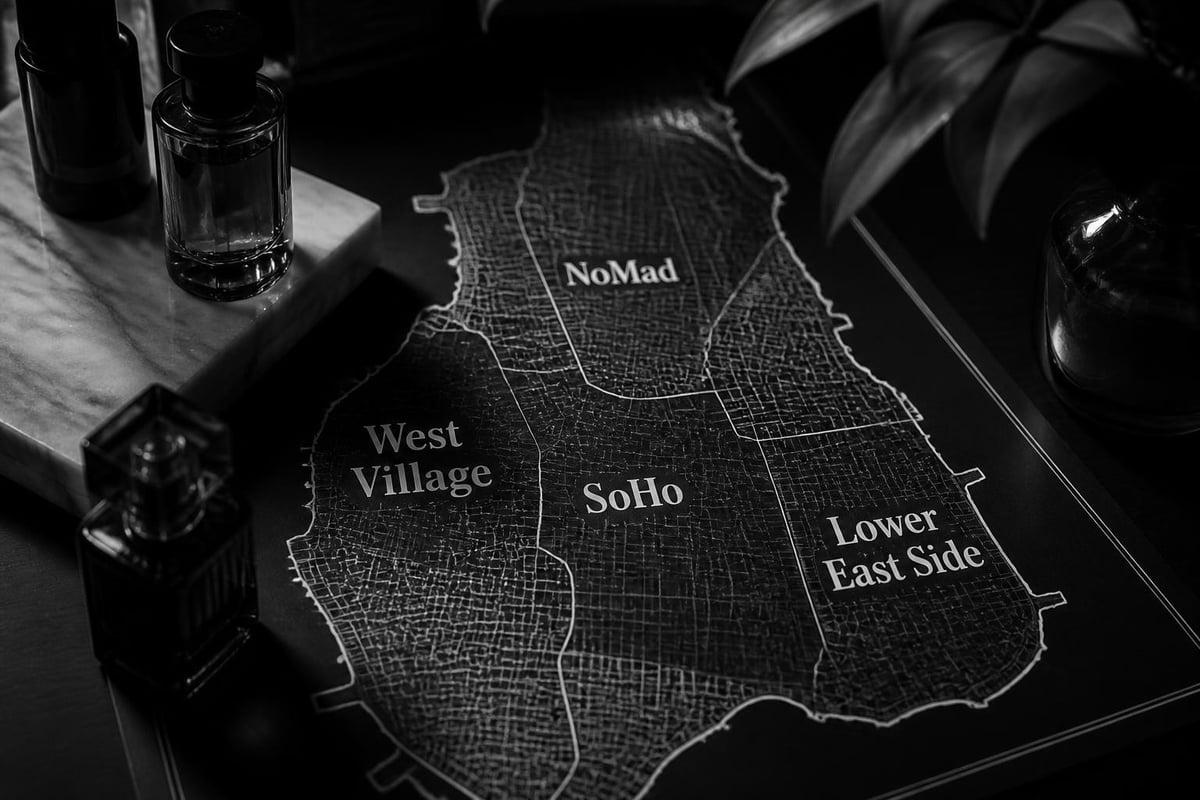
The Lower East Side offers a different character entirely. Shops here tend toward minimalist design and experimental approaches to scent. Nonfiction's boutique design exemplifies how this neighborhood embraces natural light and neutral palettes that let fragrances speak for themselves. Rental rates allow for larger workshop spaces where production happens on-site.
What Makes a Good Perfume Shop Manhattan Location?
A successful perfume shop Manhattan location requires high foot traffic, alignment with target customer demographics, and sufficient space for both retail display and consultation areas. The best locations balance visibility with rent affordability, allowing for sustainable operations without compromising on customer experience. Corner spaces with large windows perform exceptionally well because passersby can observe the interior atmosphere and product displays.
Proximity to complementary businesses matters significantly. Perfume shops thrive near bookstores, coffee roasters, home goods stores, and wellness centers. These adjacencies create natural customer flow from shoppers already primed to appreciate craft and quality. Being too close to department stores or mass-market beauty retailers can dilute brand positioning.
The physical space itself must accommodate multiple functions. Successful shops dedicate areas for browsing, private consultations, scent testing stations with proper ventilation, and often a small production or blending area visible to customers. Natural ventilation is essential because synthetic air fresheners interfere with fragrance evaluation.
What Should You Expect When Visiting a Perfume Shop Manhattan?
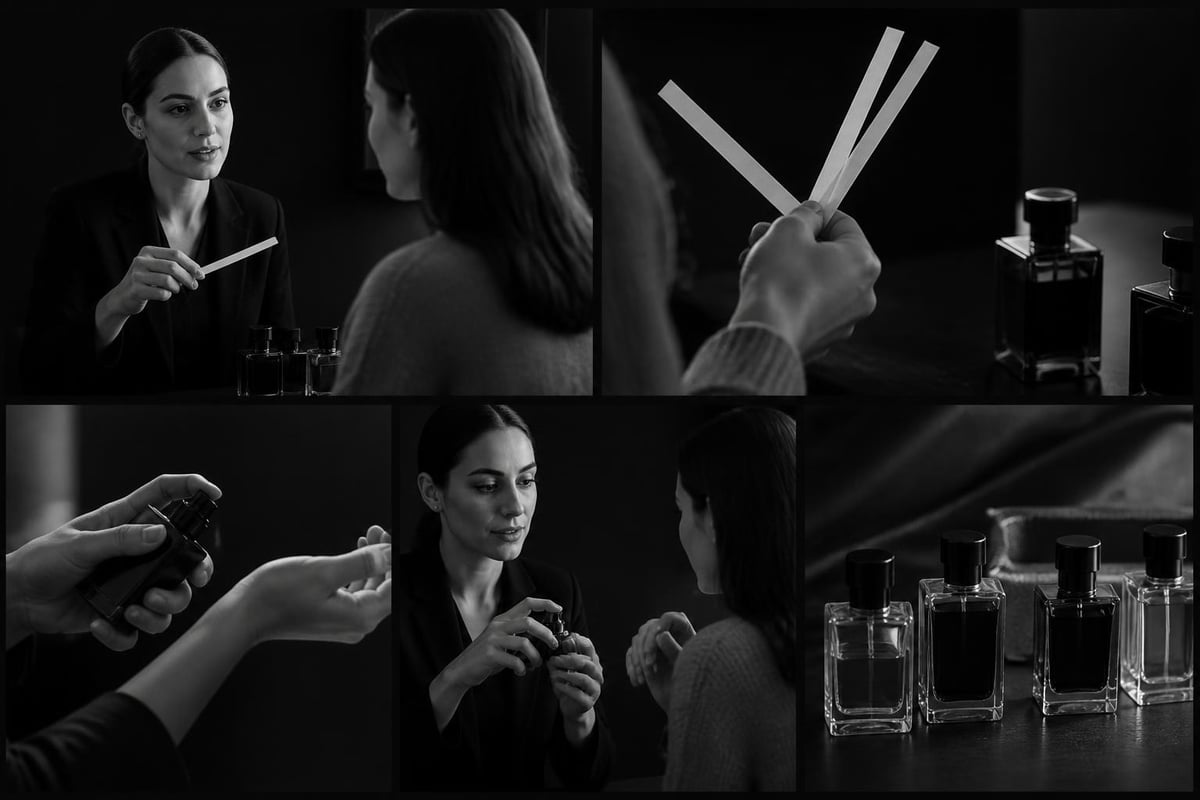
When visiting a perfume shop Manhattan, expect personalized consultation rather than self-service browsing, with staff trained to guide you through scent families and help identify preferences through conversation and testing. Most botanical perfume retailers limit the number of customers at once to maintain a calm sensory environment. Sessions typically last 20 to 45 minutes depending on whether you're purchasing ready-made fragrances or exploring custom options.
The consultation process begins with questions about your current fragrances, scent memories, and occasions for wearing perfume. Staff may ask about preferences for intensity, longevity, and whether you prefer florals, resins, woods, or green scents. This dialogue helps narrow options before testing begins.
Testing happens methodically. You'll smell fragrances on paper blotters first, then apply one or two to skin to experience how they develop over hours. Responsible shops discourage testing more than three scents in a single visit because olfactory fatigue prevents accurate assessment. Many provide samples to take home for extended evaluation.
How Do Botanical Perfume Shops Differ from Department Stores?
Botanical perfume shops differ from department stores by offering exclusively natural and plant-derived fragrances, providing extensive ingredient transparency, and emphasizing education over sales volume. Department store fragrance counters carry synthetic mass-market brands with aggressive sales tactics and limited ingredient disclosure. The experience, inventory, and underlying philosophy diverge completely.
| Aspect | Botanical Perfume Shop | Department Store Counter |
|---|---|---|
| Ingredients | 100% plant-derived, disclosed | Predominantly synthetic, proprietary |
| Consultation | Extended, educational | Brief, sales-focused |
| Production | Small-batch, often on-site | Mass-produced, factory-made |
| Testing Environment | Calm, limited customers | Crowded, competing scents |
| Customization | Often available | Rarely offered |
| Price Transparency | Ingredients justify cost | Marketing drives pricing |
Department stores prioritize turnover and brand partnerships with major fragrance houses. Sales associates work on commission and face pressure to move specific products. The environment features bright lighting, loud music, and competing scents from cosmetics and other fragrance counters, making thoughtful evaluation nearly impossible.
Botanical shops operate on different economics entirely. Higher ingredient costs and smaller production runs mean higher retail prices, but customers pay for quality materials rather than advertising budgets. The factors driving perfume purchases show that scent quality matters most to consumers, followed by price and willingness to experiment with new brands.
How Can You Start Shopping for Natural Perfume in Manhattan?
Start shopping for natural perfume in Manhattan by researching botanical perfume makers online, reading about their ingredient philosophies and production methods, then visiting shops during weekday afternoons when staff have more time for consultation. Avoid Saturdays when crowds limit individual attention. Most shops welcome appointment scheduling for dedicated consultation time.
Before visiting, consider what you want from a fragrance. Are you seeking an everyday scent, something for special occasions, or exploring perfume for the first time? Do you have sensitivities to alcohol or synthetic ingredients? Understanding your priorities helps staff provide relevant recommendations.
Preparation steps for your first visit:
- Research three to five botanical perfume shops in Manhattan
- Read their ingredient and production philosophies on their websites
- Note their hours and whether they accept walk-ins or prefer appointments
- Avoid wearing fragrance on the day of your visit
- Plan to visit only one or two shops per day to prevent olfactory fatigue
- Bring a notebook to record impressions and sample names
When you arrive, communicate openly about your budget. Quality botanical perfumes range from $85 to $250 for standard sizes, with custom options sometimes exceeding that range. Transparency about price limits helps staff guide you efficiently.
What Questions Should You Ask at a Perfume Shop Manhattan?
At a perfume shop Manhattan, ask about ingredient sourcing, production location, alcohol content, vegan certification, and how long fragrances typically last on skin. These questions reveal whether the shop truly specializes in botanical products or merely markets natural-sounding claims. Legitimate botanical perfumers eagerly discuss their supply chains and formulation choices.
Essential questions include:
- Where are your perfumes made and by whom?
- What carrier base do you use (alcohol, oil, or other)?
- Are all ingredients plant-derived and vegan?
- How do you source your botanical materials?
- What concentration are your perfumes (eau de parfum, perfume oil, etc.)?
- How should I store these fragrances at home?
Pay attention to how staff answer. Vague responses about "natural inspiration" or "botanical notes" often mask synthetic formulations. Shops genuinely committed to botanical perfumery provide specific information about extraction methods, sourcing regions, and why they chose particular materials.
Ask about their return or exchange policy. Reputable shops understand that fragrance is personal and may offer sample programs or satisfaction guarantees. Understanding how to make botanical scents work in your living space can enhance your overall appreciation for natural fragrances, as explored in guides about making small apartments smell luxurious.
Why Are More Perfume Shops Manhattan Emphasizing Botanical Ingredients?
More perfume shops Manhattan are emphasizing botanical ingredients because consumers increasingly demand transparency, sustainability, and products free from synthetic chemicals and animal-derived materials. This shift reflects broader wellness trends and growing awareness of how conventional fragrances affect indoor air quality and personal health. Economic trends in NYC retail show steady growth in the natural beauty and wellness sector.
Botanical perfumes align with values that Manhattan consumers prioritize. The same shoppers who seek organic food, sustainable fashion, and clean skincare naturally extend these preferences to fragrance. Synthetic musks, phthalates, and other common perfume ingredients face increasing scrutiny for potential health impacts.
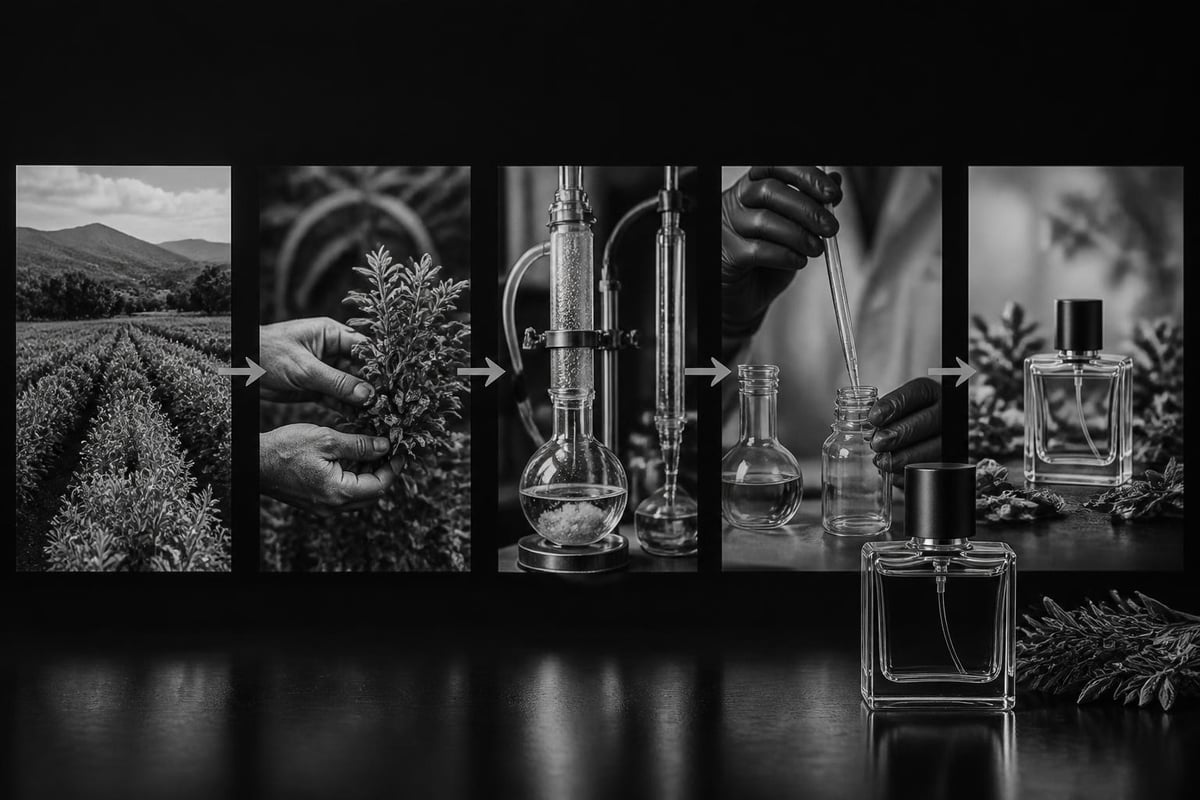
Environmental concerns also drive this movement. Plant-based perfumery supports agricultural biodiversity and avoids petrochemical derivatives that dominate conventional fragrance manufacturing. Many botanical perfume makers work directly with farms and distilleries, creating transparent supply chains that customers can verify.
How Do You Identify Authentic Botanical Perfume Shops?
You can identify authentic botanical perfume shops by verifying that they disclose full ingredient lists, produce fragrances on-site or in local workshops, and avoid marketing language that merely suggests naturalness without substantiation. Genuine botanical perfumers proudly detail their sourcing and methods. Shops that refuse to share ingredient information or use terms like "inspired by nature" without backing claims likely blend botanical and synthetic materials.
Authentication checklist:
- Complete ingredient disclosure on labels or website
- Specific information about extraction methods (steam distillation, cold pressing, etc.)
- Clear statements about alcohol-free or alcohol-based formulations
- Vegan certification or explicit confirmation of no animal-derived ingredients
- Production location identified (workshop, atelier, lab)
- Direct relationships with botanical suppliers mentioned
- No claims about "smelling like" specific designer fragrances
Be wary of shops that emphasize luxury packaging over ingredient quality. Authentic botanical perfumery invests in materials rather than elaborate bottles. The scent itself should justify the price, not the presentation.
Look for educational content. Shops committed to botanical perfumery teach customers about scent families, extraction processes, and how to evaluate quality. They view each sale as relationship-building rather than transaction completion. For those interested in understanding the deeper cultural significance of scent, exploring the meaning of perfume throughout history provides valuable context.
What Custom Perfume Experiences Are Available in Manhattan?
Custom perfume experiences in Manhattan range from guided blending sessions where you mix pre-extracted botanical materials to fully bespoke consultations that result in unique formulations made specifically for you. These experiences typically cost between $150 and $500 depending on complexity and whether you receive the formula for future reproduction. Most require appointments scheduled at least a week in advance.
The standard custom experience involves selecting from a curated palette of botanical extracts. A perfumer guides you through scent families, helping you understand how top notes, heart notes, and base notes interact. You build your fragrance layer by layer, adjusting proportions until achieving your desired result. The session produces a finished product you take home immediately.
More elaborate bespoke services involve multiple consultations over several weeks. The perfumer creates trial versions based on your initial preferences, you provide feedback, and they refine the formula. This process yields a truly unique fragrance and often includes rights to the formula. Some perfumers offer annual remake services so you can reorder your custom scent.
For those interested in hands-on fragrance creation, the 212 Build Your Own Botanical Perfume experience allows you to choose from 212 botanical New York scents, with the final product handmade in Manhattan's NoMad neighborhood and available for pickup on Lexington.
How Long Does It Take to Create a Custom Perfume?
Creating a custom perfume takes between 45 minutes for simple blending sessions using pre-made botanical extracts to eight weeks for fully bespoke formulations requiring ingredient sourcing and multiple refinement iterations. The timeframe depends on whether you're selecting from existing materials or requesting unique combinations that require special preparation. Most walk-in custom experiences complete in one or two hours.
Simple custom sessions work like this:
- Initial consultation about preferences (15-20 minutes)
- Scent family exploration and selection (20-30 minutes)
- Blending and proportion adjustment (15-20 minutes)
- Final mixing and bottling (10-15 minutes)
- Education about wearing and storing your perfume (5-10 minutes)
Bespoke projects follow a different timeline entirely. After the initial consultation, the perfumer needs one to two weeks to source specific botanicals and create trial blends. You return for a second session to evaluate options, provide feedback, and guide refinement. The perfumer then spends another week perfecting the formula. A third session confirms the final version. Total elapsed time runs six to eight weeks, though you're only physically present for three to four hours total.
What Are the Price Ranges at Manhattan Perfume Shops?
Manhattan perfume shops selling botanical fragrances typically charge $85 to $180 for standard eau de parfum bottles (30-50ml) and $120 to $250 for perfume oils or higher concentrations. Custom blending sessions start around $150 for basic experiences and reach $500 or more for bespoke formulations. These prices reflect quality botanical ingredients, small-batch production, and the expertise required to formulate natural perfumes.
Understanding the cost structure helps evaluate value. Botanical ingredients cost significantly more than synthetic alternatives. A small amount of pure rose absolute, jasmine, or sandalwood can cost more than entire bottles of synthetic fragrance oil. Add in handmade production, minimal batch sizes, and Manhattan real estate costs, and the pricing becomes justified.
| Product Type | Typical Price Range | Size/Duration | Notes |
|---|---|---|---|
| Ready-made botanical perfume | $85-$180 | 30-50ml | Standard retail inventory |
| Perfume oil (concentrated) | $120-$250 | 10-30ml | Alcohol-free, longer-lasting |
| Custom blending session | $150-$300 | 1-2 hours, take-home product | Guided creation experience |
| Bespoke perfume consultation | $400-$800 | Multiple sessions, unique formula | Exclusive formulation rights |
| Sample sets | $35-$75 | 3-6 samples, 2ml each | Discovery before commitment |
Many shops offer sample programs. For $35 to $75, you receive three to six samples of different fragrances to test at home over several days. Most apply this cost toward future full-bottle purchases. Samples prove especially valuable for botanical perfumes because they develop differently on each person's skin chemistry.
Consider cost per wear rather than bottle price. A quality botanical perfume worn three times weekly lasts six to nine months. That $150 bottle costs less than $1 per wear. The longevity and ingredient quality of botanical formulations often exceeds cheaper synthetic alternatives that require frequent reapplication.
How Do Manhattan Perfume Shops Support Local Makers?
Manhattan perfume shops support local makers by providing retail space for small-batch producers, hosting launch events and workshops, and maintaining consignment relationships that allow emerging perfumers to reach customers without major capital investment. Many shops function as incubators for the natural fragrance community, offering mentorship and shared production facilities. This ecosystem strengthens Manhattan's position as a center for artisanal perfumery.
The relationship benefits both parties. Established shops gain unique inventory unavailable elsewhere, differentiating themselves from competitors. Emerging perfumers access retail channels and customer feedback without opening their own storefronts. Consignment arrangements typically split revenue 60-40 or 70-30 in the maker's favor.
Several Manhattan perfume shops operate formal maker programs. They provide shelf space, handle sales transactions, and promote featured artisans through social media and email marketing. Some offer production space in back workshops where makers can create inventory while customers shop. This visibility helps new perfumers build recognition and establish their brands.
Workshop events create additional revenue and community engagement. Shops host perfume-making classes, scent appreciation sessions, and meet-the-maker events. These programs educate consumers about botanical perfumery while generating income that supports both the shop and participating artisans. Understanding what makes botanical scents unique can deepen appreciation for these handcrafted products, much like learning about top-quality scented candles enhances home fragrance choices.
Where Can You Learn Perfume Making in Manhattan?
You can learn perfume making in Manhattan through workshops offered by botanical perfume shops, continuing education programs at institutions like the Institute of Art and Olfaction, and private instruction from working perfumers. Workshop costs range from $95 for introductory two-hour sessions to $800 for comprehensive multi-week courses covering formulation theory and practice. Most programs emphasize natural ingredients and traditional extraction methods.
Introductory workshops teach basic scent families, blending principles, and safety considerations. You'll create a simple perfume to take home while learning about top, heart, and base note relationships. These sessions suit curious beginners and make excellent gifts.
Intermediate courses dive deeper into specific scent categories like florals, resins, or woods. You'll study extraction methods, learn to evaluate ingredient quality, and explore historical perfume formulations. These programs typically run four to six sessions over consecutive weeks.
Advanced instruction covers formulation chemistry, preservation methods, scaling from samples to production batches, and business considerations for selling perfumes. Some perfumers offer apprenticeships where you work in their studios, learning through direct participation in their production process.
Frequently Asked Questions
What is the best neighborhood for perfume shopping in Manhattan?
NoMad and SoHo offer the highest concentration of botanical perfume shops in Manhattan, with NoMad providing better accessibility and more maker-focused boutiques while SoHo features luxury presentation and design-forward retail experiences. Both neighborhoods support dedicated perfume shopping trips with complementary shops, cafes, and galleries nearby. The Lower East Side presents a third option for those seeking experimental and minimalist approaches.
How do I know if a perfume is truly botanical?
A truly botanical perfume lists all plant-derived ingredients explicitly on the label or website, specifies its production method (steam distillation, cold pressing, etc.), and clearly states whether it uses alcohol, oil, or another carrier base. Request full ingredient disclosure from the shop. Authentic botanical perfumers proudly share sourcing information and extraction processes. Vague terms like "natural inspiration" or "botanical notes" often indicate synthetic ingredients.
Can I return perfume if I don't like it?
Most Manhattan perfume shops allow returns or exchanges within 14 to 30 days if the bottle remains substantially unused (typically 90% full or more), though policies vary significantly by store. Botanical perfume shops often offer sample programs instead, allowing you to test fragrances at home before committing to full bottles. Always ask about return policies before purchasing, and request samples when available to avoid buyer's remorse.
Do botanical perfumes last as long as synthetic ones?
Botanical perfumes using oil bases often last longer on skin than alcohol-based formulations (synthetic or natural), typically persisting six to ten hours compared to three to five hours for conventional eau de parfums. However, projection (how far the scent extends from your body) tends to be softer and more intimate. Alcohol-based botanical perfumes perform similarly to synthetic ones in longevity but with different scent evolution patterns as natural materials develop uniquely.
What is a perfume consultation and do I need one?
A perfume consultation is a guided session where trained staff help you identify scent preferences, understand fragrance families, and select or create perfumes matching your needs through conversation, testing, and education. You don't strictly need one, but consultations dramatically improve your chances of finding fragrances you'll wear regularly rather than letting them sit unused. Most Manhattan botanical perfume shops include consultations as standard service at no additional charge.
Are custom perfumes more expensive than ready-made ones?
Custom perfumes cost $150 to $500 for the creation experience and initial bottle, making them more expensive upfront than ready-made botanical perfumes at $85 to $180 per bottle. However, if you reorder the same custom formula, subsequent bottles often cost similar to or less than ready-made premium options. The value proposition includes exclusivity and personal significance. For one-time experiences, ready-made perfumes offer better value. For signature scents you'll wear for years, custom formulations justify the investment.
Manhattan's botanical perfume shops offer an alternative to mass-market synthetic fragrances through transparent ingredient sourcing, small-batch production, and personalized customer experiences. These retailers concentrate in neighborhoods like NoMad and SoHo, where they support both established and emerging natural perfumers while educating consumers about plant-based scent creation. For those seeking handmade botanical fragrances crafted in Manhattan with 100% vegan and alcohol-free formulations, Haus of Smell offers both ready-made perfumes and custom scent experiences in the heart of NoMad.