
Perfume petrichor refers to fragrances that capture the distinctive earthy scent that arises when rain falls on dry soil. This unique aroma, caused by natural compounds like geosmin released from soil bacteria, has become increasingly sought after in botanical perfumery. These perfumes recreate the fresh, grounding sensation of a rainstorm using plant-based materials that evoke moisture, minerals, and soil without synthetic additives.
The practice of bottling this natural phenomenon represents a shift in how we think about fragrance. Rather than masking our environment, petrichor-based scents bring us closer to the elemental experiences we encounter in nature.
What Makes Petrichor Work as a Perfume
The success of perfume petrichor lies in its ability to trigger powerful sensory memories. When perfumers craft these fragrances, they're translating a complex natural event into wearable form. The challenge involves identifying botanical materials that evoke wetness, earth, and the ozone-like freshness that precedes a storm.
Understanding the science behind petrichor helps explain why this scent resonates so deeply. The compound geosmin, produced by soil-dwelling bacteria, reaches our noses at concentrations as low as five parts per trillion. Our heightened sensitivity to this molecule suggests an evolutionary advantage, possibly signaling water sources to our ancestors.
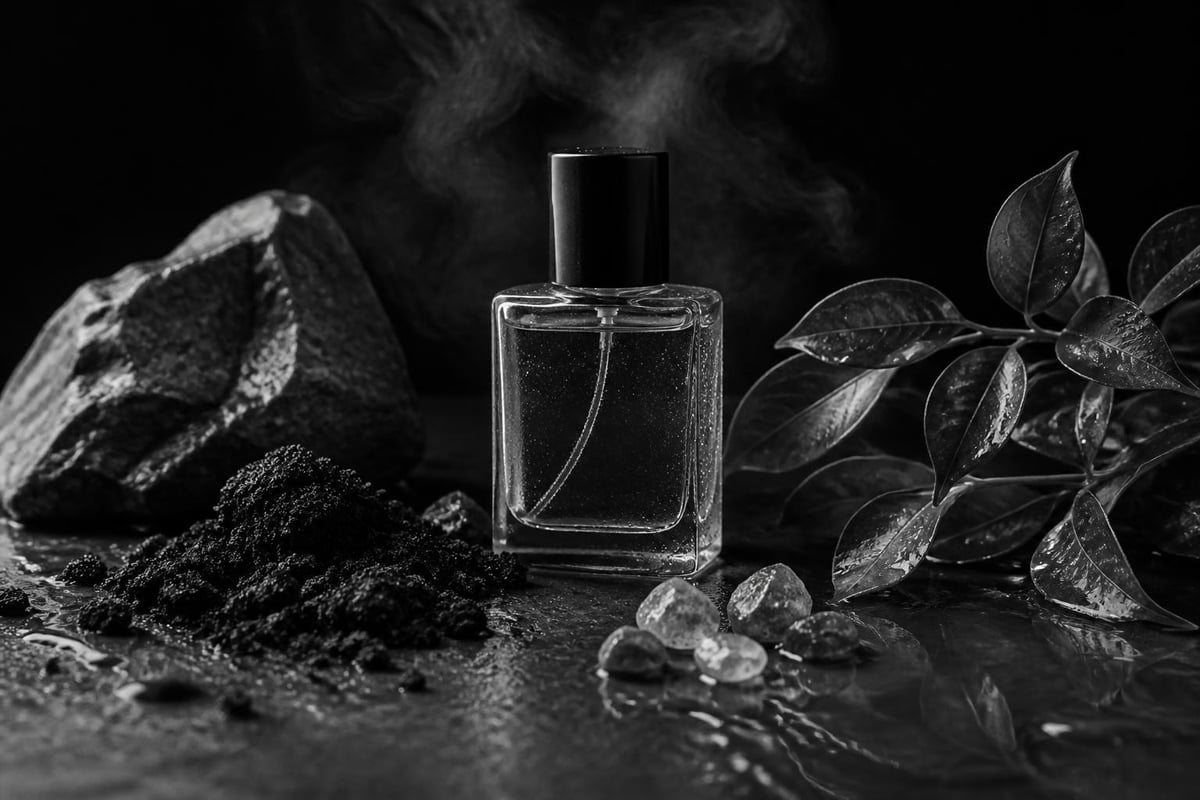
In botanical perfumery, recreating this scent requires layering materials that together suggest the complete experience. No single plant extract smells exactly like petrichor, but certain combinations evoke the sensation remarkably well. Perfumers work with earthy roots, green plant materials, and resins that carry mineral qualities.
Building Blocks of Rain-Inspired Fragrances
The construction of these perfumes involves understanding how different botanical families contribute to the overall impression:
- Earth-derived materials: Vetiver root, oakmoss, and certain tree barks provide the mineral, soil-like foundation
- Green plant extracts: Galbanum, violet leaf, and fig materials add the fresh, wet vegetation quality
- Resinous components: Labdanum and elemi contribute depth and the slightly sweet aspect of damp wood
- Atmospheric elements: Certain algae-derived materials and specific seed oils create an airy, ozone-like top note
The trend toward petrichor-scented fragrances has gained momentum as consumers seek connections to natural experiences. This represents a departure from traditionally sweet or floral perfumes toward something more grounding and contemplative.
Why Is Petrichor Becoming Popular in Perfumery
The rise of perfume petrichor reflects broader cultural shifts toward mindfulness and nature-based wellness. In 2026, urban dwellers particularly seek sensory experiences that counter the artificiality of built environments. A rain-scented perfume offers a portable reminder of natural cycles and seasonal change.
Market analysis shows that earthy fragrances have grown substantially. Recent research on perfume composition trends from 1900 to 2024 indicates a marked increase in novel scent combinations, with earthy notes becoming more prominent in contemporary formulations. This data-driven observation confirms what perfumers have witnessed firsthand.
| Traditional Fragrance Focus | Petrichor-Based Approach |
|---|---|
| Floral bouquets and sweet notes | Earthy minerals and green vegetation |
| Projection and longevity emphasis | Intimate, skin-close wearing |
| Seasonal rotation expectations | Year-round grounding presence |
| Aspiration and luxury signaling | Connection and authenticity seeking |
The appeal extends beyond simple novelty. Wearing a perfume petrichor creates a personal atmosphere that others perceive as calm and approachable. The scent lacks the aggressive sweetness or sharp synthetic edges found in many commercial fragrances, making it suitable for environments where strong perfumes feel inappropriate.
The Sensory Psychology Factor
Petrichor triggers what researchers call "olfactory nostalgia," the powerful connection between smell and memory. For many people, the scent of rain recalls childhood experiences, specific places, or moments of relief and renewal. A well-crafted petrichor perfume taps into these associations without overwhelming the wearer.
This psychological dimension explains why these fragrances work particularly well for daily wear. They provide comfort without drawing constant attention. The scent remains present enough to influence mood while subtle enough to avoid fragrance fatigue.
How Do You Wear Petrichor-Based Fragrances
Applying perfume petrichor requires a different mindset than traditional perfumes. These fragrances work best when treated as personal environments rather than projective statements. The goal is integration with your natural scent rather than coverage.
Application techniques for botanical rain scents:
- Pulse points sparingly: Apply to wrists and inner elbows, allowing body heat to gently release the scent
- Hair and fabric: A light mist on hair or clothing extends the experience throughout the day
- Layering consideration: Avoid combining with other fragrances; petrichor works best alone
- Seasonal adjustment: Use more generously in warm weather when the scent evaporates faster
- Timing matters: Morning application provides a grounding start, while evening use can aid relaxation
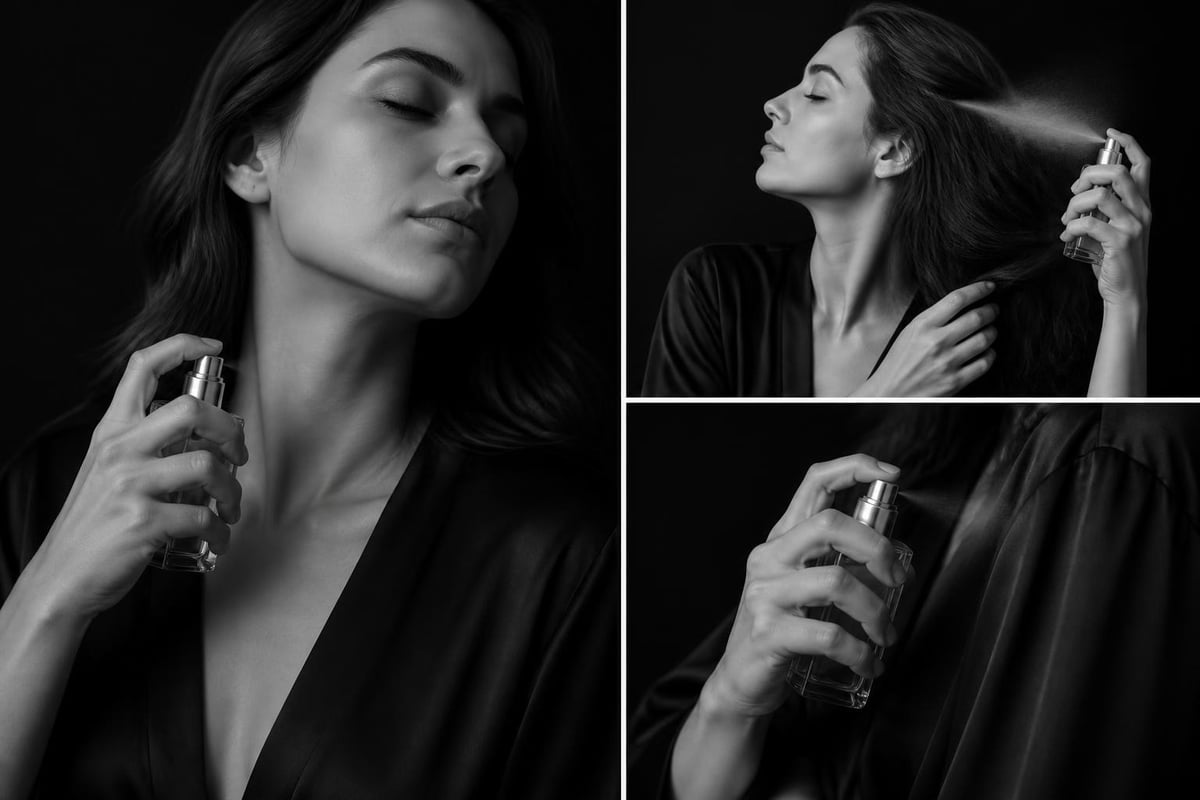
The wearing experience differs markedly from alcohol-based perfumes. Oil-based botanical formulations like those created by Haus of Smell sit closer to the skin and evolve more slowly, creating an intimate scent experience that unfolds over hours rather than minutes. This quality suits the contemplative nature of petrichor itself.
In Manhattan settings, from NoMad coffee shops to gallery openings, a rain-inspired scent provides olfactory breathing room. It signals presence without imposing on shared space, an increasingly valued quality in urban environments.
Where Can You Experience Authentic Petrichor Perfumes
Finding genuine perfume petrichor requires knowing where to look beyond mass-market offerings. The difference between synthetic approximations and botanical interpretations becomes immediately apparent upon comparison. Synthetic versions often smell harsh or artificially "clean," while botanical approaches capture the complexity and softness of the actual phenomenon.
Specialty boutiques focusing on natural perfumery offer the most authentic experiences. These spaces allow you to smell materials on your own skin over time, which reveals how petrichor fragrances develop. What smells green and sharp initially often settles into something warmer and more mineral after thirty minutes.
Evaluating Quality in Rain-Scented Perfumes
When exploring options, several factors indicate a well-crafted petrichor fragrance:
- Ingredient transparency: Reputable makers list actual botanical sources rather than vague "fragrance" labels
- Absence of synthetic musks: These interfere with the natural quality petrichor requires
- Oil-based formulation: Alcohol can distort earthy notes and reduces the intimate character
- Proper aging: Quality botanical perfumes often improve after several weeks as materials marry
- Realistic expectations: Authentic petrichor should evoke rain, not smell identical to it
The movement toward "snail girl" spring scents emphasizes exactly this kind of earthy authenticity. The term describes fragrances that embrace slower, more grounded aesthetics over loud, sweet compositions. Petrichor fits perfectly within this category, offering nostalgic connection to natural experiences.
For those seeking to understand botanical ingredients used in these formulations, educational resources help decode what creates specific effects. Learning which plant materials contribute earthy versus green versus mineral qualities allows more informed choices.
What Makes Botanical Petrichor Different From Synthetic Versions
The distinction between botanical and synthetic perfume petrichor is substantial. Synthetic fragrances can replicate individual molecules found in petrichor, but they miss the completeness that makes the natural phenomenon so compelling. A single isolated compound, no matter how accurate, cannot recreate an experience that involves dozens of volatile substances working together.
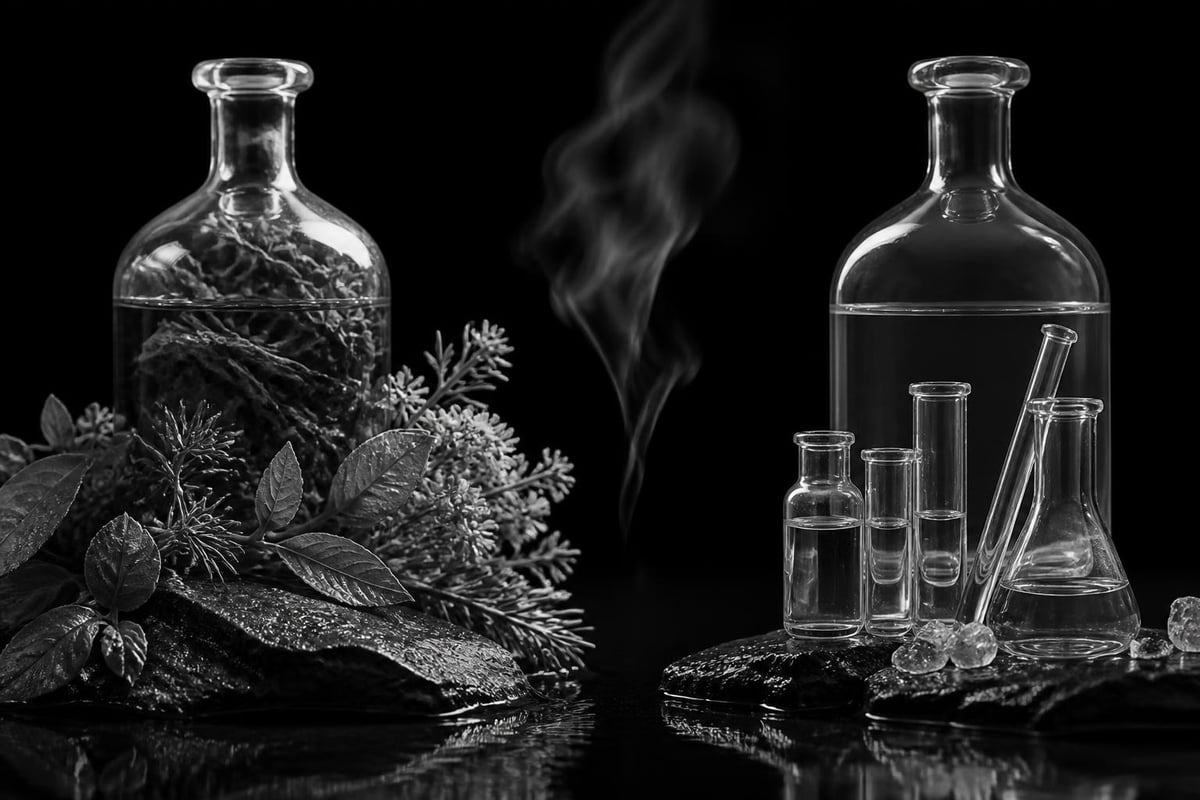
Botanical perfumers work with whole plant materials that contain hundreds of aromatic compounds. When vetiver root is extracted, for instance, the resulting oil includes the primary scent molecules plus supporting compounds that add depth and naturalness. This complexity creates a more convincing impression of rain-soaked earth.
| Aspect | Botanical Approach | Synthetic Approach |
|---|---|---|
| Scent complexity | Multi-layered with subtle variations | Often one-dimensional or sharp |
| Development on skin | Evolves gradually over hours | Changes rapidly or stays static |
| Allergenic potential | Lower with pure plant materials | Higher with certain synthetic musks |
| Environmental impact | Renewable plant sources | Petroleum-derived in many cases |
| Scent memory accuracy | Evokes actual rain experience | Smells "like perfume trying to smell like rain" |
The texture of botanical petrichor also differs. Synthetic versions often feel thin or harsh, while plant-based formulations have a rounder, softer quality. This textural difference affects how long you want to keep wearing the scent.
Vegan formulations eliminate animal-derived fixatives like ambergris or musk, which traditionally anchored perfumes. Modern botanical perfumers achieve similar effects through plant resins and roots, creating scent categories that align with ethical and environmental values.
How Does Petrichor Fit Into Your Fragrance Wardrobe
Incorporating perfume petrichor into regular rotation requires understanding its role relative to other scents. This fragrance type functions as a neutral base layer rather than a statement piece. It provides olfactory grounding that supports rather than competes with your presence.
Many fragrance enthusiasts build collections around occasion and mood. Petrichor-based perfumes occupy the "everyday mindfulness" category. They work for situations requiring focus, calm, or approachability. This makes them ideal for work environments, creative sessions, or simply days when you want to feel centered.
The relationship between petrichor and forest walk perfumes is worth noting. Both evoke natural environments, but petrichor emphasizes the moment of transformation when water meets earth, while forest scents focus on established woodland atmospheres. Understanding this distinction helps identify what you're actually seeking.
Pairing With Your Natural Scent
Everyone's skin chemistry affects how fragrances develop. Petrichor-based perfumes tend to work well across different skin types because their earthy character adapts rather than clashes. Drier skin may require more frequent application but often brings out mineral qualities beautifully. Oilier skin extends wear time and can emphasize the greener aspects.
Testing on your own skin over several hours remains essential. What works on a paper blotter may smell entirely different after interacting with your body chemistry for half a day. Quality botanical perfumers understand this and often encourage sampling before committing to full sizes.
The rise of petrichor in modern perfumery also connects to interest in complementary earthy materials. Understanding patchouli's evolution in contemporary fragrances provides context for how earthy notes have moved from countercultural associations to mainstream appreciation.
When Should You Choose Oil-Based Petrichor Formulations
Oil-based perfume petrichor offers specific advantages that align particularly well with this scent category. The carrier oil acts as a fixative, slowing evaporation and allowing the fragrance to unfold gradually. This matches the contemplative pace that petrichor suggests naturally.
Alcohol-based perfumes create an immediate cloud of scent that projects outward. This works well for bright florals or citrus but can make earthy notes smell harsh or overly green. Oil formulations keep petrichor close to the skin, where it develops more realistically.
Benefits of oil-based botanical petrichor:
- Longer-lasting scent evolution without reapplication
- Softer, more intimate projection suited to the scent concept
- No alcohol dryness that can distort earthy materials
- Better preservation of delicate green and mineral notes
- More sustainable packaging options in smaller vessels
The experience of applying oil differs from spraying alcohol perfume. Rolling or dabbing oil onto pulse points becomes a small ritual, a moment of intentional connection with the scent. This mindful application suits the grounding nature of petrichor itself.
For those exploring custom options, build-your-own botanical perfume services allow experimentation with petrichor elements alongside other natural materials. This hands-on approach reveals how individual components contribute to the complete rain impression.
FAQ
What exactly does perfume petrichor smell like?
Perfume petrichor recreates the earthy, fresh aroma that appears when rain falls on dry ground. The scent combines mineral soil notes with green plant materials and a subtle sweetness, evoking the complex natural phenomenon. Quality botanical versions capture this without smelling artificial or overly clean, instead providing a realistic interpretation of moisture meeting earth.
Can petrichor fragrances work in warm weather?
Petrichor-based perfumes excel in warm weather when the concept of cooling rain feels most relevant. The earthy, green character provides refreshment without the cloying sweetness of many summer fragrances. Oil-based formulations may require slightly more generous application in heat as natural evaporation increases, but the scent remains appropriate and grounding throughout warmer months.
How long does botanical petrichor perfume typically last?
Oil-based botanical petrichor formulations generally last six to ten hours on skin, developing gradually throughout wear. Unlike alcohol perfumes that project strongly then fade, these scents remain closer to the body and evolve more subtly. Longevity varies with individual skin chemistry, application amount, and environmental factors. Reapplication becomes part of a mindful daily ritual rather than a necessity.
Is petrichor considered masculine, feminine, or unisex?
Petrichor perfume exists outside traditional gender categories in fragrance. The earthy, mineral character appeals across all identities because it references a universal natural experience rather than cultural gender associations. Most botanical perfumers create petrichor scents as intentionally unisex, focusing on authentic recreation of the rain phenomenon. Personal preference matters more than any prescribed gender assignment.
Where on the body should you apply petrichor oil perfume?
Apply petrichor oil perfume to pulse points where blood flow brings warmth to the surface: inner wrists, inner elbows, behind ears, and base of throat. These areas gently release scent throughout the day. A small amount on hair or clothing extends the experience. Avoid rubbing wrists together after application, which breaks down the fragrance structure.
Do petrichor perfumes contain actual soil or rain water?
Botanical petrichor perfumes do not contain literal soil or rain water. Instead, perfumers use plant extracts, roots, resins, and oils that together evoke the scent of rain on earth. Materials like vetiver root, oakmoss, and certain green leaf extracts create the earthy, mineral, and fresh qualities. The art lies in combining these botanical elements to trigger olfactory memory of the actual phenomenon.
Perfume petrichor offers a grounding alternative to conventional fragrances, translating a universal natural experience into wearable form through botanical materials. Whether you're seeking daily mindfulness or connection to elemental experiences, these rain-inspired scents provide intimate, evolving presence. For those in Manhattan and beyond looking to explore authentic botanical petrichor alongside other nature-based fragrances, visit Haus of Smell to experience handmade, vegan formulations crafted from real plant extracts in NoMad.