
Perfume making classes nyc range from two-hour introductory workshops to multi-week intensive programs, with prices typically between $85 and $450 per session. Students learn to blend botanical or synthetic ingredients, understand fragrance structure, and create personal scents under professional guidance in Manhattan-based studios and specialty fragrance schools.
The city's perfume education landscape has expanded significantly since 2020, reflecting both increased consumer interest in artisanal fragrance and the broader wellness movement emphasizing natural personal care products. Manhattan neighborhoods like NoMad, SoHo, and the Garment District host most classes, offering proximity to raw material suppliers and established perfumery businesses.
What should you expect from perfume making classes NYC offers?
Perfume making classes nyc provide hands-on instruction in fragrance composition, ingredient safety, and scent blending techniques through structured workshops led by professional perfumers or aromatherapy practitioners. Most sessions include material costs, take-home samples, and foundational knowledge about olfactory families and formula construction.
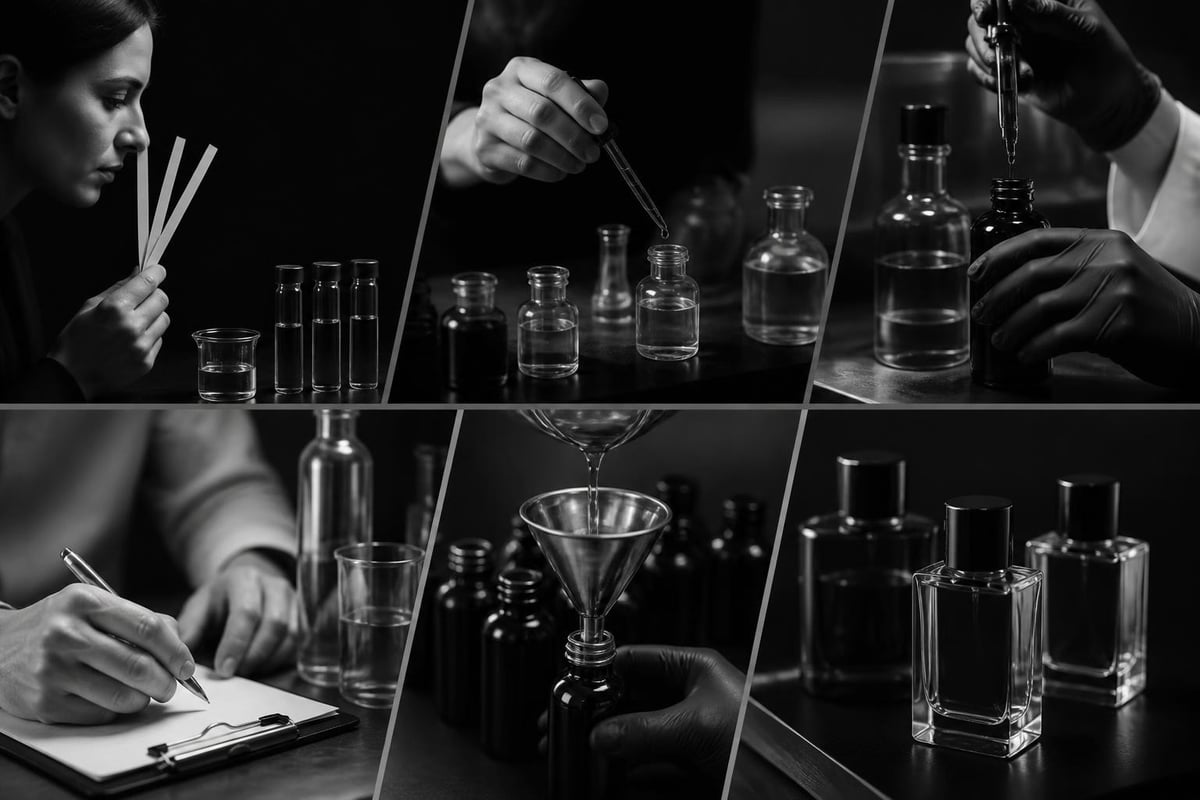
Typical class formats include brief theoretical overviews followed by extended practical sessions where students work directly with ingredients. Instructors often begin with scent strip testing, allowing participants to experience raw materials before blending. This approach builds olfactory literacy and helps students identify their preferences before committing ingredients to a formula.
Standard class components include:
- Introduction to fragrance pyramid structure (top, heart, base)
- Safety guidelines and dilution ratios
- Hands-on blending with 15-50 ingredients
- Personal formula documentation
- Take-home bottle (usually 5-15ml)
- Optional follow-up consultation
Class sizes vary considerably, from intimate four-person sessions to larger groups of twenty. Smaller classes allow more individualized feedback but cost more per person. Larger workshops reduce per-student pricing but limit direct instructor interaction.
How long do most NYC perfume workshops last?
Most perfume making classes nyc schedules run between 90 minutes and three hours for single-session workshops, while comprehensive courses span four to twelve weeks with weekly meetings of two to three hours each. Single-session classes focus on creating one signature scent, whereas extended programs cover multiple fragrance families and advanced techniques.
Duration directly impacts depth of instruction and complexity of final products. A two-hour class typically covers one fragrance type with pre-selected ingredient palettes. Extended courses allow exploration of alcohol-based versus oil-based formulations, natural versus synthetic materials, and seasonal or occasion-specific scent design.
Multi-week programs often include assignments between sessions, such as scent journaling or testing formulas in different environments. This practice period helps students understand how fragrances evolve on skin and how environmental factors affect perception.
Where can you find the best perfume making classes NYC has available?
The best perfume making classes nyc locations concentrate in Manhattan, particularly in neighborhoods with established artisan retail and creative studio spaces such as NoMad, Chelsea, SoHo, and Tribble. Independent botanical perfumers, beauty specialty schools, and experiential retailers host most offerings.
Manhattan's NoMad district has emerged as a hub for natural perfumery education, with several botanical-focused businesses offering workshops that emphasize plant-based ingredients and alcohol-free formulations. These classes align with growing consumer interest in vegan and synthetic-free personal care products. For those exploring things to do in NoMad Manhattan, perfume workshops provide both education and a tangible product.
Which types of venues host perfume workshops?
Perfume making classes nyc venues include dedicated fragrance schools, boutique perfumery shops, creative studio spaces, and occasionally hotel event rooms or culinary schools expanding into scent education. Each venue type offers distinct advantages in terms of ingredient access, instructor credentials, and post-class support.
Boutique perfumeries that sell their own lines often provide the most authentic industry insight, as instructors actively formulate commercial products. These businesses typically maintain extensive ingredient libraries and professional-grade equipment. Students benefit from seeing working production spaces and understanding commercial viability considerations.
Creative studio spaces and shared workshop facilities offer flexibility in scheduling and often partner with guest instructors from various fragrance backgrounds. This variety exposes students to different philosophies, from classical French perfumery to modern botanical approaches.
| Venue Type | Typical Class Size | Price Range | Ingredient Focus |
|---|---|---|---|
| Boutique perfumery | 4-10 students | $150-$300 | Natural or house specialties |
| Fragrance school | 8-20 students | $200-$450 | Varied, comprehensive |
| Creative studio | 6-15 students | $85-$200 | Instructor-dependent |
| Specialty retailer | 10-25 students | $95-$175 | Product-line focused |
What ingredients do NYC perfume classes typically use?
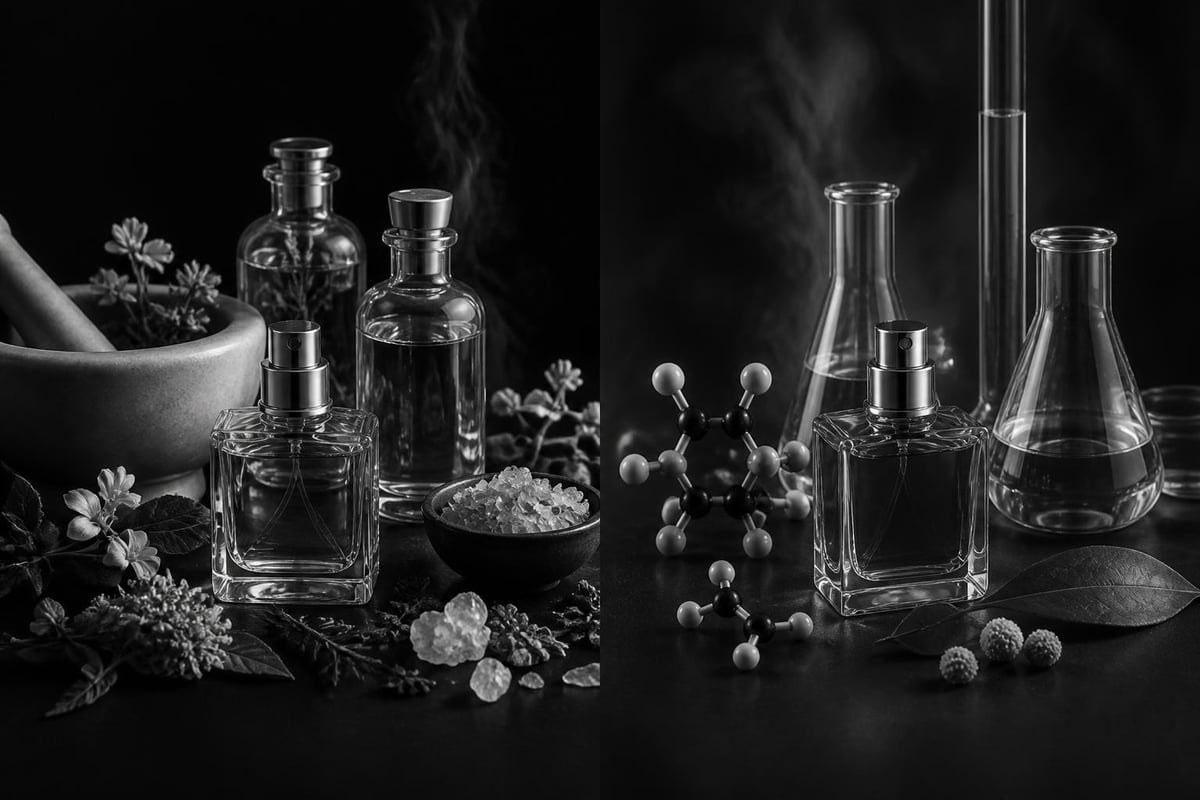
Perfume making classes nyc typically work with either botanical essential oils and absolutes or a combination of natural and synthetic aroma chemicals, depending on the instructor's philosophy and the workshop's educational focus. Botanical-focused classes emphasize plant resins, steam-distilled oils, and carrier bases, while conventional programs introduce lab-created molecules alongside naturals.
Ingredient quality varies significantly across classes and directly affects both learning outcomes and final product longevity. Professional-grade materials from reputable suppliers provide clearer scent profiles and better demonstrate blending principles than craft-store alternatives. Students should inquire about ingredient sourcing before enrolling.
Common botanical ingredients include:
- Citrus oils (top notes)
- Floral absolutes (heart notes)
- Wood and resin extracts (base notes)
- Fixatives like benzoin or labdanum
- Carrier oils or alcohol bases
Safety considerations around ingredient handling receive varying emphasis across programs. Reputable classes address dilution requirements, skin sensitization potential, and proper storage. The IFRA Standards documentation provides essential guidelines that professional instructors should reference, particularly regarding allergen declaration and usage limits.
Do botanical perfume classes differ from synthetic fragrance workshops?
Botanical perfume classes focus exclusively on plant-derived materials and natural extraction methods, emphasizing the aromatic properties of real botanical matter, while synthetic fragrance workshops incorporate lab-created aroma molecules that replicate or invent scents unavailable in nature. The philosophical and practical differences significantly impact formula possibilities, longevity, and ethical considerations.
Natural perfumery instruction typically covers extraction methods, terroir effects on scent profiles, and the limitations inherent in working without synthetic fixatives or amplifiers. Students learn to accept shorter wear times and subtler projection in exchange for material transparency and environmental considerations.
Classes incorporating synthetics can recreate a broader scent palette, including marine, ozone, or specific fruit notes difficult to capture naturally. Understanding both approaches provides complete fragrance education. The Research Institute for Fragrance Materials maintains science-based safety assessments relevant to both natural and synthetic ingredients.
How much do perfume making classes in NYC cost?
Perfume making classes nyc pricing ranges from $85 for basic two-hour introductory workshops to $450 or more for comprehensive multi-session courses or private instruction, with most single-session experiences averaging $150 to $250 including materials and a take-home fragrance. Pricing reflects instructor expertise, ingredient quality, class size, and venue overhead.
Budget considerations should account for the complete value proposition beyond just the class fee. Higher-priced options often include premium natural ingredients, smaller student-to-instructor ratios, extended class time, and larger take-home quantities. Some programs offer ingredient samples for future independent work.
Group rates and seasonal promotions periodically reduce costs. Private group bookings for events like birthdays or corporate team building typically cost $1,200 to $3,000 for eight to twelve participants, averaging $100 to $150 per person with minimum attendance requirements.
What factors influence class pricing?
Perfume making classes nyc costs vary based on ingredient quality and quantity, instructor credentials, class duration, student capacity, venue location, and whether formulas use naturals or include synthetic materials. Manhattan real estate costs significantly impact pricing compared to outer borough offerings.
Premium botanical materials substantially increase class costs. Rare absolutes like jasmine, rose, or iris cost hundreds of dollars per ounce at wholesale, making their inclusion in student palettes expensive. Workshops featuring these materials justify higher fees through ingredient access alone.
Instructor background matters. Classes taught by perfumers with industry experience at established fragrance houses or those holding certifications from recognized institutions command premium pricing. Their expertise includes not just blending instruction but industry context, reformulation strategies, and professional development guidance.
| Pricing Factor | Impact Level | Typical Cost Addition |
|---|---|---|
| Rare natural ingredients | High | +$50-$150 |
| Professional perfumer instructor | High | +$75-$200 |
| Private or semi-private format | Very High | +$100-$300 |
| Multi-week comprehensive program | Medium | +$200-$400 total |
| Premium Manhattan location | Medium | +$25-$75 |
What skills will you learn in a perfume making class?
Perfume making classes nyc teach olfactory vocabulary, fragrance structure principles, blending ratios, ingredient safety protocols, and formula documentation methods through progressive hands-on practice with guidance from experienced instructors. Students develop scent memory, learn to identify fragrance families, and understand how individual components interact in finished compositions.
Basic classes focus on creating one wearable fragrance using simplified ingredient palettes and pre-determined structure templates. This approach ensures successful outcomes for beginners while introducing fundamental concepts. Intermediate and advanced workshops expand ingredient options and encourage experimental formulation.
Beyond technical blending skills, quality programs develop sensory awareness through structured smelling exercises. Students learn to isolate individual notes within complex blends, recognize quality differences in similar materials, and articulate scent perceptions using industry-standard terminology.
Core competencies developed include:
- Identifying fragrance families and subfamilies
- Understanding evaporation rates and note classification
- Calculating dilution ratios and safe usage levels
- Documenting formulas for replication
- Evaluating scent evolution over time
- Adjusting formulas based on skin chemistry
The Cosmetic Ingredient Review provides independent safety assessments relevant to perfumery ingredients, information that advanced classes should incorporate when discussing formulation safety and regulatory compliance.
Can beginners create professional-quality fragrances?
Beginners can create personally satisfying and well-constructed fragrances in their first class, though achieving commercial-level complexity and performance typically requires extensive practice, ingredient familiarity, and technical knowledge developed over months or years. Initial student work often succeeds within simplified parameters but lacks the refinement of professional formulations.
Realistic expectations enhance the learning experience. First-time students should aim for balanced, wearable scents rather than attempting to recreate complex commercial fragrances. Success metrics include formula documentation accuracy, appropriate dilution, and personal satisfaction rather than comparison to established perfume houses.
Some naturally gifted students demonstrate immediate blending aptitude, creating surprisingly sophisticated compositions in introductory sessions. Most participants require several attempts to understand how ingredients behave in combination and how initial impressions differ from dry-down characteristics.
Who teaches perfume making classes in NYC?
Perfume making classes nyc instructors include professional perfumers with industry experience, aromatherapy practitioners, botanical product makers, and scent enthusiasts who have developed teaching curricula around fragrance creation. Instructor backgrounds significantly influence teaching philosophy, ingredient selection, and career guidance quality.
The most valuable instructors combine technical expertise with effective teaching methods and current industry knowledge. Former or current employees of fragrance houses bring insider perspectives on commercial formulation, regulatory requirements, and market trends. Botanical perfumers emphasize natural material sourcing, sustainability, and the philosophical dimensions of scent work.
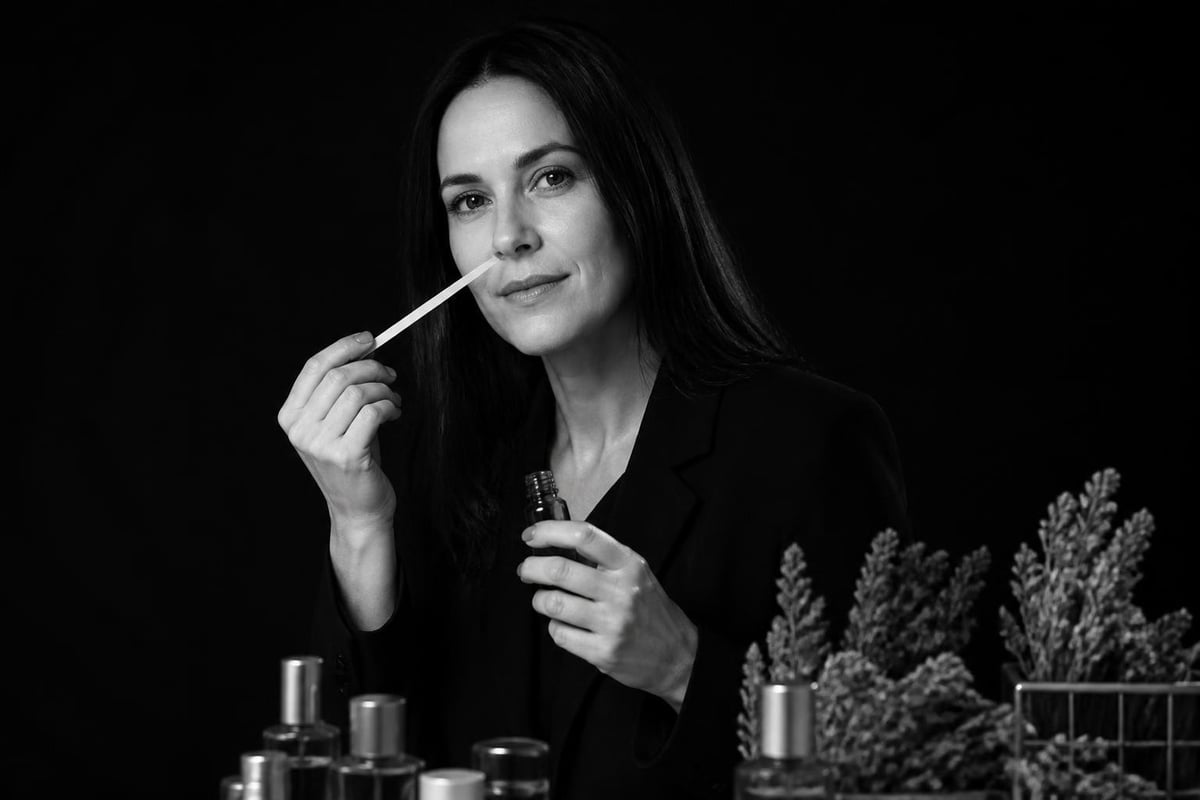
Prospective students should research instructor credentials before enrolling. Relevant backgrounds include formal perfumery training from institutions like Grasse Institute of Perfumery, aromatherapy certifications, chemistry or cosmetic science degrees, or demonstrated commercial success with fragrance products. The Fragrance Foundation education programs outline industry-recognized training pathways and professional development opportunities.
What questions should you ask potential instructors?
Before enrolling in perfume making classes nyc, students should ask instructors about their professional background, ingredient sourcing practices, class size limits, formula documentation methods, post-class support availability, and whether they work with natural or synthetic materials or both. These questions reveal teaching quality and value alignment.
Specific helpful inquiries include how long instructors have worked with fragrance, whether they currently formulate commercially, what their ingredient budget per student is, and whether students receive written formulas to recreate scents at home. Instructors confident in their expertise welcome detailed questions.
Ask whether classes cover safety considerations and regulatory basics. Professional instructors address allergen awareness, proper dilution for different applications, and storage requirements. Understanding how IFRA Standards are written and used demonstrates instructor seriousness about safe formulation practices.
How do NYC perfume classes compare to online fragrance courses?
Perfume making classes nyc provide immediate instructor feedback, hands-on experience with professional-grade materials, real-time scent evaluation, and peer interaction unavailable in online fragrance courses, while virtual programs offer scheduling flexibility, lower costs, and self-paced learning suited to students outside the metropolitan area. Each format serves different learning styles and practical constraints.
In-person classes excel at developing olfactory skills because scent cannot be transmitted digitally. Students smell ingredients directly, observe how others perceive the same materials, and receive immediate correction on blending techniques. This sensory immersion accelerates learning compared to theoretical online instruction.
Online courses compensate for lack of physical scent access by shipping ingredient kits to students. While convenient, these kits typically include smaller quantities of fewer materials than in-person classes provide. Video instruction cannot replicate the experience of watching an expert blend in real time or having formulas adjusted on the spot.
| Format | Advantages | Limitations | Best For |
|---|---|---|---|
| In-person NYC | Hands-on, immediate feedback, full ingredients | Fixed schedule, higher cost | Serious learners, local residents |
| Online course | Flexible timing, lower price, repeat viewing | No scent transmission, delayed feedback | Remote students, budget-conscious |
| Hybrid model | Combines flexibility with materials | Requires self-discipline, partial interaction | Intermediate learners, busy schedules |
What career opportunities exist after taking perfume classes?
Perfume making classes nyc serve as introductions to potential career paths including independent perfume line creation, fragrance consulting, aromatherapy practice, cosmetic product formulation, and employment with fragrance houses or beauty brands, though professional success typically requires extensive additional training and business development beyond introductory workshops. Classes provide foundation knowledge and industry networking opportunities.
Most students take classes for personal enrichment rather than career development, but some discover professional passion through workshops. Transitioning from student to working perfumer demands years of practice, substantial material investment, business planning, and often formal chemistry or cosmetic science education.
Independent perfumers who create and sell their own lines face challenges including ingredient costs, regulatory compliance, marketing, and retail placement. Success stories exist but require entrepreneurial skills beyond fragrance creation. For those interested in the botanical approach, exploring services like custom botanical perfume creation demonstrates how established makers structure personalized scent offerings.
Fragrance industry employment opportunities in NYC include positions with flavor and fragrance corporations headquartered in the metropolitan area, beauty brands with in-house perfumers, and suppliers serving the cosmetics trade. The Fashion Institute of Technology fragrance program materials document academic pathways into professional perfumery and related cosmetic science careers.
FAQ
How long does homemade perfume last?
Homemade perfume longevity depends on base type, storage conditions, and ingredient stability, typically lasting six months to two years for oil-based formulas and one to three years for alcohol-based scents when stored properly in dark glass away from heat and light. Natural perfumes generally have shorter shelf lives than synthetic formulations due to oxidation susceptibility.
Can you make perfume without alcohol?
You can make perfume without alcohol using oil bases like jojoba or fractionated coconut oil, creating solid perfumes with wax bases, or formulating water-based sprays with solubilizers and preservatives. Oil-based perfumes offer different application methods and scent evolution compared to traditional alcohol formulas but work effectively for personal fragrance needs.
What is the difference between perfume and eau de parfum?
The difference between perfume and eau de parfum lies primarily in fragrance concentration, with perfume (parfum or extrait) containing 20-30% fragrance oils and eau de parfum containing 15-20%, affecting intensity, longevity, and price. These distinctions apply mainly to commercial products, while handmade perfumes in classes may not follow strict commercial concentration standards.
Do NYC perfume classes provide certificates?
Some perfume making classes nyc provide completion certificates documenting participation and basic skills learned, particularly multi-session courses or programs affiliated with professional aromatherapy or cosmetic formulation organizations, while single-session workshops typically do not offer formal certification. Certificates from introductory classes hold limited professional value but demonstrate commitment to fragrance education.
What should you wear to a perfume making class?
You should wear unscented clothing and avoid applying perfume, scented lotions, or strongly fragranced products before attending perfume making classes to prevent olfactory fatigue and ensure accurate scent perception during blending exercises. Comfortable clothing suitable for sitting and working with small bottles is appropriate, with hair tied back if long.
How many perfume samples can you make in one class?
Most single-session perfume making classes nyc allow creation of one primary fragrance formula in a take-home bottle, though some programs include additional scent strip experiments or small sample vials for testing variations. Multi-week courses typically produce three to six distinct formulas as students explore different fragrance families and techniques throughout the program.
Perfume making classes in NYC offer accessible entry points into fragrance creation, whether for personal enrichment or potential professional development. The hands-on learning experience, ingredient access, and expert guidance available in Manhattan workshops provide value that extends beyond the final bottled scent. If you are drawn to botanical perfumery emphasizing natural, vegan formulations, Haus of Smell offers handmade botanical scents crafted in Manhattan that embody the same plant-based philosophy taught in quality natural perfume workshops.