
Perfume making is the art and science of extracting aromatic compounds from natural materials and blending them into harmonious fragrances. This craft involves multiple techniques including distillation, maceration, and solvent extraction, followed by careful formula balancing and aging periods that can last weeks or months before the final product reaches a bottle.
The creation of botanical fragrances represents one of humanity's oldest artistic practices. From ancient Egyptian temples to modern Manhattan studios, perfume making has evolved from crude infusions to sophisticated extraction methods. Yet the fundamental principle remains unchanged: capturing the essence of living plants and resins, then composing them into something greater than their individual parts. This process demands both technical precision and sensory intuition.
What Are the Main Techniques Used in Perfume Making?
The primary techniques in perfume making include steam distillation, solvent extraction, enfleurage, expression, and maceration. Each method suits different botanical materials based on their chemical composition and heat sensitivity. Steam distillation works best for hardy plant materials like roots and woods, while delicate flowers often require gentler approaches such as solvent extraction or enfleurage to preserve their volatile compounds.
Steam Distillation
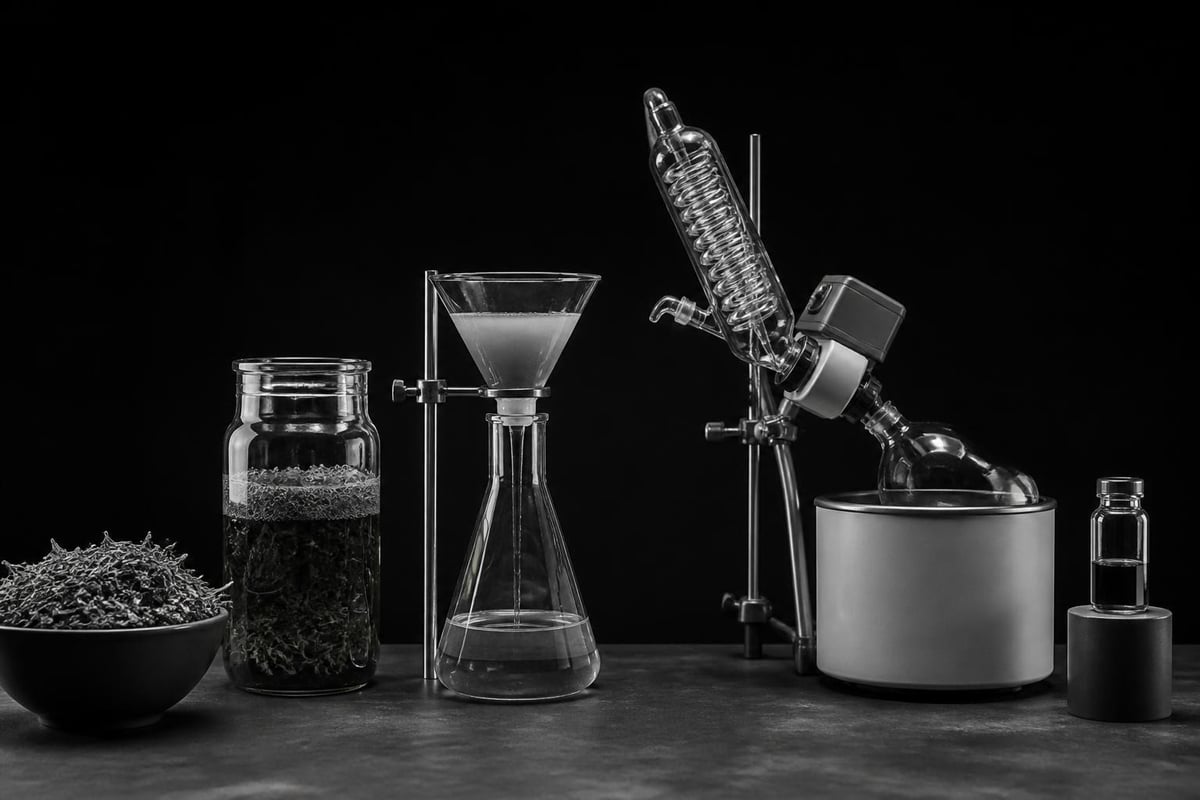
Steam distillation passes hot vapor through plant materials, releasing essential oils that condense back into liquid form. This ancient technique remains the workhorse of modern botanical extraction. The process involves placing raw materials in a still, introducing steam at controlled temperatures, and collecting the condensed mixture of water and essential oils.
The key variables include:
- Temperature control (typically 100-150°C)
- Steam pressure and flow rate
- Duration of extraction
- Plant material preparation and particle size
Different botanicals require different distillation parameters. Delicate materials need lower temperatures and shorter extraction times to prevent degradation of aromatic compounds.
| Material Type | Temperature Range | Typical Duration | Yield Rate |
|---|---|---|---|
| Citrus peels | 100-110°C | 2-4 hours | 0.5-2% |
| Woody materials | 130-150°C | 6-12 hours | 1-6% |
| Herbaceous plants | 100-120°C | 3-6 hours | 0.3-1% |
Solvent Extraction
Solvent extraction uses chemical solvents to dissolve aromatic compounds from plant materials. This method yields what perfumers call "absolutes," which contain a broader spectrum of aromatic molecules than distilled oils. The process involves washing botanical materials with solvents like hexane or ethanol, evaporating the solvent, and collecting the concentrated aromatic residue.
Modern extraction prioritizes purity and minimal processing. The choice of solvent affects both the aromatic profile and the environmental footprint of the final product.
How Do You Create a Perfume Formula?
Creating a perfume formula requires understanding fragrance structure, selecting compatible materials, and balancing proportions through iterative testing. The formulation process begins with a concept or inspiration, translates into a three-tiered structure of top, heart, and base notes, then develops through multiple trials until the desired effect emerges.
Understanding Fragrance Architecture
Perfume formulas follow a pyramid structure where materials evaporate at different rates. Top notes appear immediately but fade within minutes. Heart notes develop after the initial impression and last several hours. Base notes provide depth and longevity, persisting for many hours or even days on skin.
This temporal architecture shapes how people experience a fragrance:
- Initial spray delivers volatile top materials
- First 15-30 minutes reveal the heart composition
- Following hours showcase the base foundation
- Final dry-down shows the formula's lasting character
Each tier requires careful selection of compatible materials that enhance rather than compete with each other. The proportions typically allocate 15-20% to top materials, 30-40% to heart materials, and 40-50% to base materials, though these ratios vary based on the desired effect.
Material Selection and Compatibility
Selecting materials for a formula involves understanding both individual characteristics and how they interact. Some botanical extracts amplify each other, while others clash or muddy the overall impression. Experienced perfumers develop this knowledge through years of testing and smelling materials in combination.
Key compatibility factors:
- Chemical family relationships (terpenes, aldehydes, phenols)
- Volatility rates and evaporation curves
- Natural versus synthetic origin
- Geographic and botanical relationships
Testing combinations involves creating small trials, usually 5-10ml, and evaluating them over multiple days. The formula often requires 10-30 revisions before reaching final form.
What Equipment and Materials Do You Need for Perfume Making?
Essential perfume making equipment includes precision scales, mixing vessels, pipettes, storage bottles, and depending on the scale, distillation or extraction apparatus. Materials encompass botanical extracts, carrier oils or alcohol, filtering supplies, and accurate record-keeping tools. The investment ranges from modest home setups to professional laboratories with climate control and specialized instrumentation.
Basic Tools and Workspace
A functional perfume making workspace requires temperature stability, good ventilation, and organized storage. Even small-scale operations benefit from professional-grade tools that ensure consistency and safety.
| Equipment Category | Basic Level | Professional Level |
|---|---|---|
| Measuring | 0.01g scale | 0.001g analytical balance |
| Mixing | Glass beakers, stirrers | Magnetic stirrers, temperature-controlled vessels |
| Storage | Amber glass bottles | Climate-controlled cabinet, UV-protected vessels |
| Testing | Paper blotters, notes | GC-MS analysis, aging chambers |
| Safety | Gloves, basic ventilation | Fume hood, spill containment, proper disposal |
The workspace should maintain temperatures between 15-20°C to prevent degradation of volatile compounds. Humidity control matters less for oil-based formulas but becomes critical when working with alcohol-based compositions.
Sourcing Quality Botanicals
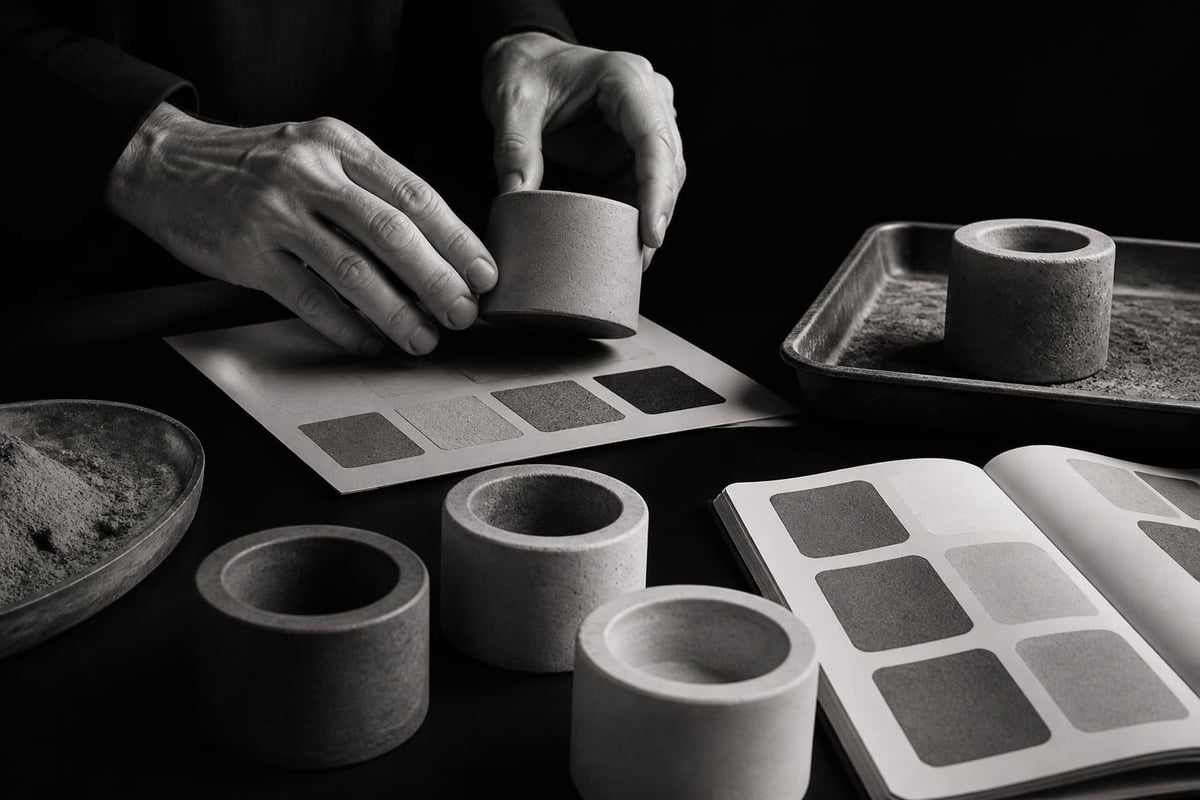
Raw material quality determines the ceiling of what any formula can achieve. Sourcing botanical materials requires verifying purity, understanding harvest practices, and building relationships with reliable suppliers. For those exploring botanical ingredients, transparency about origin and extraction methods provides crucial context for material selection.
Quality indicators include:
- Clear botanical and geographic origin
- Extraction method documentation
- Batch-specific chemical analysis
- Ethical and sustainable harvesting practices
- Proper storage and handling by the supplier
Professional perfumers often maintain relationships with multiple suppliers for each material, ensuring consistency when one source experiences crop variations or supply interruptions.
How Long Does the Perfume Making Process Take?
The complete perfume making process typically requires four to twelve weeks from initial concept to finished product. This timeline includes formula development (1-3 weeks), initial blending (1-2 days), maceration or aging (2-8 weeks), and final filtering and bottling (1-3 days). Aging periods vary significantly based on formula complexity and whether the base uses oil or alcohol.
Maceration and Aging Requirements
Maceration allows the aromatic molecules to integrate and harmonize. During this period, chemical interactions occur between different compounds, creating new aromatic nuances that weren't present in the freshly mixed formula. The process resembles aging wine or curing cheese, where time produces complexity that immediate blending cannot achieve.
Standard aging timelines:
- Simple formulas with few materials: 2-3 weeks minimum
- Complex compositions with many botanicals: 4-8 weeks
- Resin-heavy or dense base formulas: 6-12 weeks
- Vintage or premium releases: 6-12 months
Temperature stability during aging prevents unwanted chemical reactions. Periodic evaluation throughout the aging process helps determine optimal maturation points. Some formulas reach peak complexity at 4 weeks, while others continue improving for months.
Production Scaling Considerations
Small-batch production allows for experimentation and refinement. Larger-scale production introduces new variables including mixing efficiency, filtration capacity, and quality consistency across batches. For instance, the custom botanical perfume service at Haus of Smell demonstrates how made-to-order production maintains quality while offering personalization within a structured botanical framework.
Scaling from test batches to production volumes requires:
- Proportional adjustment calculations
- Mixing method standardization
- Consistent aging conditions across multiple vessels
- Quality control testing for each batch
- Documentation systems for traceability
What Are the Differences Between Oil-Based and Alcohol-Based Perfumes?
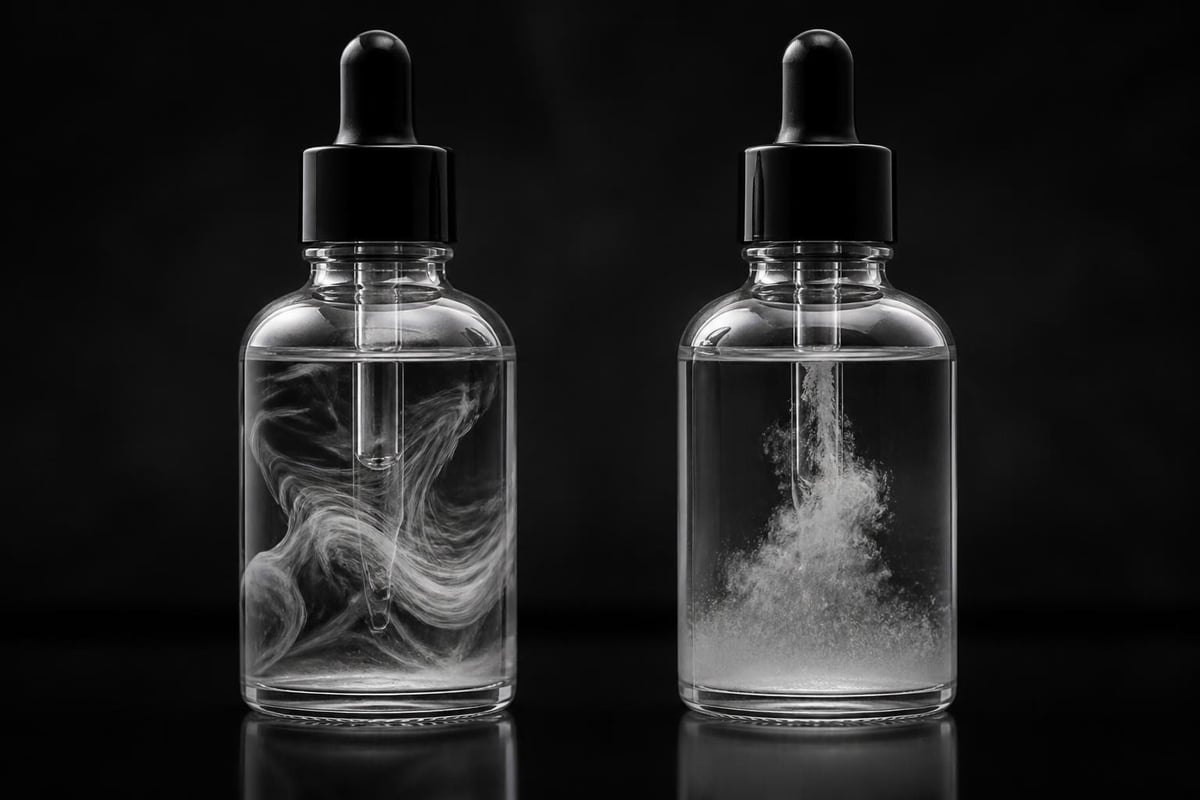
Oil-based perfumes use carrier oils as the dilution medium and wear close to the skin with gradual development, while alcohol-based perfumes use ethanol as the carrier and project more strongly with faster evolution. Oil-based formulas typically contain 15-30% aromatic materials in jojoba or fractionated coconut oil, whereas alcohol-based perfumes range from 15-40% aromatics in high-proof ethanol. Each approach offers distinct advantages in longevity, projection, and skin compatibility.
Performance Characteristics
The carrier medium fundamentally shapes how a fragrance behaves on skin. Oil-based compositions develop slowly, staying close to the body and evolving subtly over many hours. Alcohol-based fragrances burst initially with strong projection, then gradually soften as the alcohol evaporates.
| Characteristic | Oil-Based | Alcohol-Based |
|---|---|---|
| Initial projection | Low to moderate | Strong |
| Longevity | 6-12 hours | 4-8 hours |
| Sillage (scent trail) | Intimate | Noticeable |
| Development speed | Gradual | Rapid |
| Skin sensitivity | Generally gentle | Can be drying |
Neither approach is objectively superior. The choice depends on desired performance and personal preference. Oil-based formulas suit those seeking subtle, long-lasting scents that remain personal. Alcohol-based formulas appeal to those wanting noticeable projection and dynamic evolution.
Formulation Adjustments
Translating a formula between oil and alcohol bases requires more than simple carrier substitution. Some botanical materials behave differently in oil versus alcohol, requiring proportion adjustments to achieve similar effects.
How Do You Ensure Consistency in Handmade Perfume Batches?
Ensuring consistency requires precise measurement, standardized procedures, detailed record-keeping, and quality control testing. Each batch should follow documented formulas with weights recorded to 0.01g or better, using the same suppliers and extraction batches when possible. Environmental controls for temperature and humidity during mixing and aging prevent batch-to-batch variations that arise from external conditions.
Documentation and Record Systems
Professional perfume making demands meticulous records. Each formula should exist as a written recipe with exact proportions, specific material batch numbers, and procedural notes. Production logs track mixing dates, aging conditions, and any deviations from standard practice.
Essential documentation includes:
- Master formula with material percentages
- Supplier and batch information for each ingredient
- Mixing procedures and equipment used
- Aging timeline and storage conditions
- Sensory evaluation notes at key intervals
- Any adjustments made and reasons why
This documentation serves multiple purposes: recreating successful batches, troubleshooting problems, meeting regulatory requirements, and training additional staff as operations grow. For those interested in the craft, exploring fragrance notes and structure provides foundational knowledge about how formulas work.
Quality Control Testing
Quality control in small-batch perfume making relies primarily on sensory evaluation, though larger operations may employ analytical testing. Experienced perfumers develop calibrated noses that detect subtle variations between batches. Each new batch should smell identical to the reference standard when evaluated under consistent conditions.
Testing protocols include:
- Immediate post-mixing evaluation
- Weekly aging progression checks
- Final pre-bottling approval
- Periodic stability testing of bottled product
Systematic evaluation catches problems early, before large batches reach customers. Some variations stem from natural fluctuations in botanical materials themselves, which is why maintaining relationships with consistent suppliers matters.
What Safety Considerations Apply to Perfume Making?
Safety considerations include proper ventilation, eye and skin protection, material toxicity awareness, fire prevention, and proper disposal of solvents and waste. Many botanical extracts are potent skin sensitizers requiring dilution before skin contact. Alcohol-based formulas present fire hazards during mixing and storage. Professional production follows established safety protocols that protect both makers and end users.
Material Handling Protocols
Each botanical material and chemical requires specific handling procedures. Essential oils are highly concentrated and can cause skin irritation or allergic reactions at full strength. Solvents used in extraction are often flammable and require spark-free environments. Even seemingly benign materials like fixed oils can become slip hazards.
Standard safety equipment:
- Chemical-resistant gloves for handling concentrates
- Safety glasses to prevent eye contact
- Lab coat or protective clothing
- Fire extinguisher rated for chemical fires
- First aid supplies including eyewash station
- Proper ventilation or fume hood for solvent work
Material Safety Data Sheets (MSDS) for each ingredient provide critical information about hazards, first aid measures, and disposal requirements. Maintaining current MSDS documentation is both a safety practice and a regulatory requirement in most jurisdictions.
Regulatory Compliance
Perfume making for commercial sale involves compliance with cosmetic regulations, labeling requirements, and allergen disclosure rules. In the United States, the FDA regulates perfumes as cosmetics, requiring proper labeling and good manufacturing practices. The International Fragrance Association (IFRA) provides usage guidelines for aromatic materials based on safety research.
Key compliance areas include:
- Ingredient listing and allergen warnings
- Concentration limits for certain materials
- Child-resistant packaging for alcohol-based products
- Batch coding and traceability
- Adverse event reporting systems
Even small-scale operations benefit from understanding these requirements early, as retrofitting compliance into established processes proves more difficult than building it in from the start.
Frequently Asked Questions
Can you make perfume at home without special equipment?
Yes, basic perfume making requires only a precision scale, glass containers, and quality botanical materials. Simple oil-based formulas need just essential oils or absolutes, a carrier oil like jojoba, and storage bottles. Start with small 10ml test batches to learn material behavior before investing in specialized equipment or larger quantities of expensive botanicals.
How much does it cost to start making perfume?
Starting costs range from $200-500 for basic supplies including a 0.01g scale, glass mixing vessels, pipettes, bottles, and a starter collection of botanical materials. Professional setups with distillation equipment, analytical tools, and extensive material libraries require $5,000-50,000. Most beginners start small, expanding their material collection and equipment gradually as skills develop.
What is the shelf life of handmade botanical perfumes?
Oil-based botanical perfumes typically last 1-2 years when stored properly in dark glass bottles away from heat and light. Oxidation gradually changes the scent profile, particularly in formulas with high citrus content. Alcohol-based perfumes often remain stable for 3-5 years. Proper storage in cool, dark conditions and using antioxidants like vitamin E extend longevity significantly.
Do you need formal training to make perfume professionally?
Formal training is not legally required but provides valuable knowledge and credibility. Many successful perfumers are self-taught through books, workshops, and extensive experimentation. Professional programs teach chemistry, material knowledge, and formulation techniques that accelerate learning. Business success requires both technical skill and understanding of marketing, regulations, and customer preferences regardless of educational background.
How many ingredients should a beginner perfume formula contain?
Beginner formulas should contain 3-8 ingredients to allow learning how materials interact without overwhelming complexity. Start with simple accords focusing on one or two dominant materials supported by complementary botanicals. As pattern recognition develops, gradually increase complexity. Even professional formulas rarely exceed 20-30 ingredients, with many elegant compositions using fewer than fifteen carefully selected materials.
What makes botanical perfumes different from synthetic fragrances?
Botanical perfumes use only plant and resin extracts, while synthetic fragrances incorporate lab-created aroma chemicals. Botanical materials offer complexity with hundreds of compounds per ingredient, creating depth and naturalistic qualities. Synthetics provide consistency, specific effects unavailable in nature, and often lower costs. Botanical perfume making prioritizes natural sourcing, though this limits certain scent possibilities available through synthetic chemistry.
Perfume making combines technical precision with artistic sensibility, transforming raw botanicals into wearable compositions through extraction, formulation, and aging. The craft rewards patience and careful observation, with each batch teaching new lessons about how materials behave and interact. For those drawn to botanical fragrances crafted without synthetics or alcohol, Haus of Smell creates handmade perfumes in Manhattan using only plant and resin extracts, demonstrating how traditional methods produce modern scents with depth and character.