
Making perfume at home requires three essential components: botanical extracts or essential oils, a carrier base (alcohol or oil), and proper dilution ratios. Start by selecting 3-5 fragrance materials across top, middle, and base categories, blend them in precise proportions, dilute to your desired strength, and allow the mixture to mature for several weeks before use.
The craft of creating personalized fragrances has become increasingly accessible to those seeking alternatives to mass-produced scents. Understanding perfume how to make opens possibilities for crafting unique compositions that reflect individual preferences while controlling exactly what touches your skin. This process combines chemistry, artistry, and patience.
Natural botanical perfumery differs significantly from synthetic fragrance creation. Plant-based materials offer complexity and depth that evolve uniquely on each wearer's skin. The methods outlined here focus on botanical approaches using real extracts, resins, and oils.
What Materials Do You Need to Make Perfume?
Creating botanical perfumes requires specific materials categorized into fragrance components, carriers, and tools. The foundation starts with your scent materials, which include essential oils, absolutes, resins, and CO2 extracts derived from plants.
Essential oils form the backbone of most natural perfumes. These concentrated plant essences capture the aromatic compounds from flowers, leaves, woods, and roots. Absolutes offer richer, more complex profiles from delicate botanicals like jasmine or rose. Resins such as frankincense or benzoin provide fixative qualities that help compositions last longer on skin.
Your carrier base determines whether you create an oil-based or alcohol-based perfume. Jojoba oil serves as an excellent carrier for oil perfumes because it absorbs well and remains stable. Fractionated coconut oil offers another lightweight option. For alcohol-based formulations, perfumer's alcohol or high-proof ethanol works best, though these create different sensory experiences than oil bases.
Essential tools for perfume creation:
- Glass bottles with tight seals (amber or cobalt protects from light)
- Pipettes or droppers for precise measurement
- Small beakers or mixing vessels
- Testing strips or paper blotters
- Journal for recording formulas
- Scale accurate to 0.01 grams for professional results
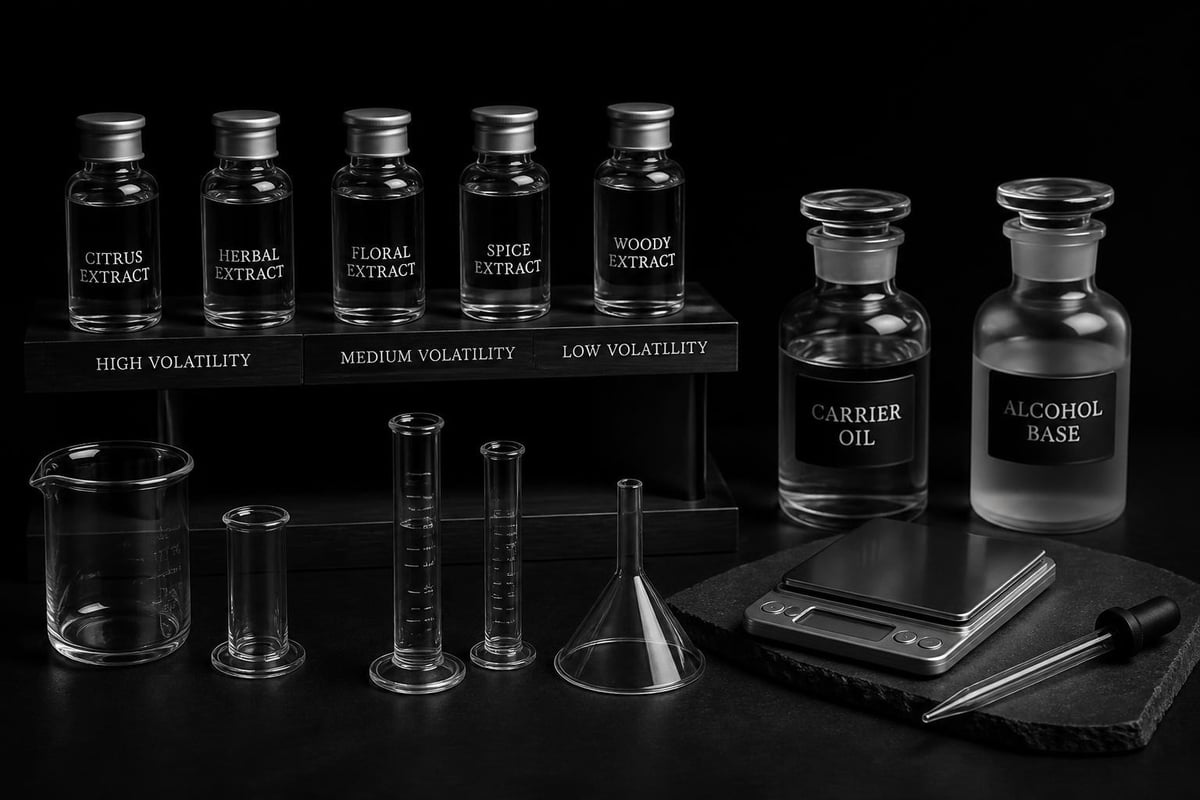
Additional supplies include dilution materials, fixatives, and aging vessels. Vitamin E oil helps preserve oil-based perfumes. Dark storage areas maintain fragrance integrity during maturation. Understanding natural ingredients builds knowledge about botanical properties and how different materials interact.
How Do You Structure a Perfume Formula?
Perfume structure follows a three-tier architecture: top notes, heart notes, and base notes. This pyramid design creates fragrances that evolve over time, revealing different facets as hours pass. Understanding this framework is essential when learning perfume how to make.
Top notes provide the initial impression, lasting approximately 15-30 minutes. These volatile compounds evaporate quickly but define first impressions. Citrus oils, light herbs, and fresh green materials typically occupy this category. They comprise roughly 15-25% of your formula by drop count.
Heart notes form the perfume's character, emerging after top notes fade and lasting 2-4 hours. These middle-tier aromatics create the composition's personality. Florals, spices, and aromatic herbs dominate this layer. Heart notes usually represent 30-40% of the total formula.
Base notes anchor the composition, providing depth and longevity lasting 5-8 hours or longer. Woods, resins, mosses, and thick absolutes fall into this category. They slow evaporation of lighter materials and comprise 40-50% of most formulas. According to comprehensive perfume-making resources, proper base note selection determines overall wear time.
| Note Category | Evaporation Time | Formula Percentage | Common Botanicals |
|---|---|---|---|
| Top Notes | 15-30 minutes | 15-25% | Citrus, mint, light herbs |
| Heart Notes | 2-4 hours | 30-40% | Florals, spices, aromatics |
| Base Notes | 5-8+ hours | 40-50% | Woods, resins, thick absolutes |
The ratios above serve as starting guidelines. Personal preference and specific materials may require adjustment. Some perfumers use a 30-50-20 ratio, others prefer 20-40-40 depending on desired intensity and longevity.
What Are the Steps to Make Oil-Based Perfume?
Oil-based botanical perfumes offer gentle, long-lasting fragrance that sits close to the skin. The process differs from alcohol-based creation in dilution ratios and maturation requirements. This method suits those preferring subtle, personal scents.
Step-by-step oil perfume creation:
-
Calculate your total formula: Decide on final volume (typically 10ml for testing). Plan for 20-30% fragrance materials, 70-80% carrier oil.
-
Select and measure base notes: Start with your heaviest materials. Add 8-10 drops of base note materials to your mixing vessel. These anchor everything else.
-
Add heart notes: Layer in 6-8 drops of middle notes. Blend gently by swirling, not shaking, which can create bubbles.
-
Incorporate top notes: Finish with 3-5 drops of volatile top materials. These should be added last to preserve their delicate character.
-
Dilute with carrier: Add your measured carrier oil (jojoba, fractionated coconut, or similar). The dilution creates wearable concentration from pure materials.
-
Age the blend: Seal tightly and store in a dark, cool location for minimum 3-4 weeks. This maturation period allows molecular bonding and scent integration.
Professional perfumers at Experimental Perfume Club emphasize that patience during aging dramatically improves final results. The molecular marriage that occurs during maturation cannot be rushed.
Testing throughout the process remains critical. Apply small amounts to skin, not just smelling from the bottle. Body heat and skin chemistry reveal how formulas truly perform. Keep detailed notes about drop counts and materials used.
For those in Manhattan interested in hands-on guidance, custom perfume experiences offer opportunities to learn blending techniques while creating personal botanical fragrances under expert supervision.
How Do You Make Alcohol-Based Perfume?
Alcohol-based perfumes project further from the body and deliver more immediate scent impact. The alcohol acts as both carrier and delivery system, evaporating to release aromatic molecules into the air around the wearer. Learning perfume how to make with alcohol requires understanding concentration levels.
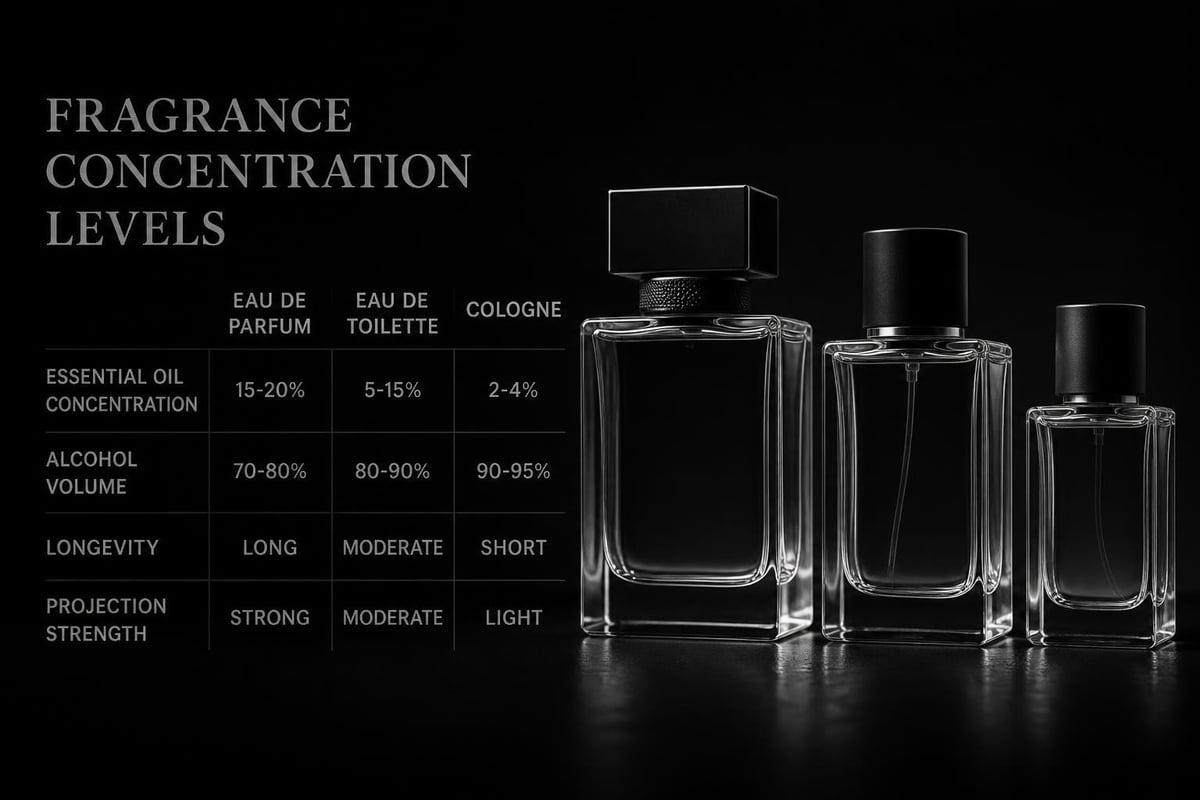
Standard concentration categories define alcohol perfume strength. Eau de parfum contains 15-20% fragrance oils, eau de toilette holds 5-15%, and cologne uses 2-5%. Higher concentrations cost more in materials but last longer and smell richer.
The blending process mirrors oil-based creation with key differences. Use perfumer's alcohol or 190-proof grain alcohol as your base. These high-proof spirits dissolve aromatic compounds effectively without adding competing scents. Never use rubbing alcohol, which contains additives that interfere with fragrance.
Mix your concentrated fragrance blend first, combining all essential oils and botanical extracts in desired proportions. This concentrate should represent your final scent profile before dilution. Most beginners find 15-20% concentration ideal, balancing intensity with material costs.
Alcohol perfume dilution guide:
- For eau de parfum: 20 drops concentrate per 5ml alcohol
- For eau de toilette: 10 drops concentrate per 5ml alcohol
- For cologne: 5 drops concentrate per 5ml alcohol
Add the concentrate to alcohol slowly while stirring gently. Avoid introducing air bubbles. Seal immediately after mixing to prevent alcohol evaporation. The creative process of fragrance composition involves iterative refinement and testing.
Aging requirements for alcohol perfumes extend 4-6 weeks minimum. Some complex formulas improve for 2-3 months. During maturation, check weekly for changes in scent profile. The alcohol facilitates molecular integration differently than oil carriers.
What Common Mistakes Should You Avoid?
Beginners learning perfume how to make frequently encounter preventable errors that compromise results. Recognizing these pitfalls saves materials, time, and frustration. Most mistakes stem from impatience or imprecise measurement.
Over-blending ranks among the most common errors. Adding too many different botanicals creates muddy, confused fragrances rather than harmonious compositions. Start with 3-5 materials maximum until you develop blending intuition. Each addition should serve a specific purpose in the structure.
Inadequate aging ruins potentially excellent formulas. The temptation to wear immediately after mixing produces disappointing results. Botanical materials need weeks to marry and mature. Professional fragrance creation methods always incorporate extended maturation periods. Mark your calendar and resist premature testing.
Measurement inconsistency prevents replicating successful formulas. Drops vary significantly in size depending on viscosity and dropper design. Graduating to weight-based measurement using a precision scale produces repeatable results. Record everything in grams or milligrams.
| Mistake | Consequence | Solution |
|---|---|---|
| Using too many materials | Muddy, unfocused scent | Limit to 3-5 botanicals initially |
| Insufficient aging time | Harsh, unintegrated fragrance | Age minimum 3-4 weeks for oil, 4-6 for alcohol |
| Inconsistent measurement | Cannot replicate successes | Use precision scale, record in grams |
| Poor quality materials | Weak or off-putting results | Source from reputable botanical suppliers |
| Wrong carrier choice | Skin irritation or poor performance | Match carrier to skin type and desired effect |
Ignoring skin safety testing causes problems. Always perform patch tests with new botanicals before creating full bottles. Some essential oils cause photosensitivity or irritation at high concentrations. Proper dilution protects skin while delivering fragrance.
Storage mistakes accelerate degradation. Heat, light, and air exposure damage delicate botanical compounds. Store works-in-progress and finished perfumes in dark glass bottles, away from windows and heat sources. Amber and cobalt glass filter damaging UV rays.
How Do You Test and Refine Your Perfume?
Systematic testing transforms initial attempts into refined personal fragrances. The evaluation process requires multiple assessment methods over extended timeframes. How scent develops on skin over hours reveals more than immediate impressions.
Begin with blotter testing before skin application. Dip paper testing strips into your creation, wave gently to accelerate evaporation, and smell at intervals: immediately, after 5 minutes, 30 minutes, and several hours later. This reveals the evolution sequence without committing to wearing.
Skin testing follows successful blotter evaluation. Apply small amounts to pulse points on your inner wrist. Body chemistry dramatically alters how botanical materials smell. What smells perfect on paper may transform on skin due to pH, temperature, and individual chemistry variations.
Record observations systematically using a fragrance journal. Note initial impressions, evolution timing, longevity, and overall balance. Describe what works and what needs adjustment. These records become invaluable references when refining formulas or creating new variations.
Testing multiple times in different conditions provides comprehensive understanding. Morning versus evening wear produces different experiences. Seasonal temperature variations affect evaporation rates and projection. Comprehensive testing across scenarios ensures consistent performance.
Adjustment strategies address specific issues. If fragrances fade too quickly, increase base note percentages or add fixative resins. Overly heavy compositions benefit from additional top note brightness. Sharp, harsh openings need more heart note buffering between top and base layers.
How Do Botanical Perfumes Differ From Synthetic Ones?
Botanical and synthetic perfumes represent fundamentally different philosophical and chemical approaches to fragrance. Understanding these distinctions helps when learning perfume how to make using natural materials. The differences extend beyond ingredient sourcing to performance characteristics and skin interaction.
Natural botanical perfumes use materials extracted directly from plants through distillation, expression, or solvent extraction. These complex mixtures contain hundreds of aromatic compounds working synergistically. The cultural evolution of perfume composition shows increasing appreciation for botanical complexity in recent decades.
Synthetic fragrances employ laboratory-created aroma chemicals. These single molecules or simple combinations offer consistency, potency, and access to scents unavailable naturally. Most commercial perfumes blend both synthetic and natural materials to achieve specific effects.
Performance differences manifest in multiple ways. Botanical perfumes typically sit closer to skin with softer projection. They evolve more dramatically over wear time as different plant compounds evaporate at varying rates. Synthetic fragrances often project further and maintain more consistent scent profiles throughout wear.
Key distinctions between botanical and synthetic perfumes:
- Botanical complexity versus molecular simplicity
- Skin-intimate wear versus room-filling projection
- Dynamic evolution versus stable consistency
- Potential for skin sensitivity with either type
- Environmental and ethical considerations
Longevity varies by specific materials rather than natural versus synthetic categories. Some botanical base notes outlast many synthetics. Fixative resins like labdanum or myrrh provide exceptional staying power. The belief that all natural fragrances fade quickly represents a misconception based on poorly formulated products.
Skin compatibility requires individual assessment. Natural does not automatically mean hypoallergenic. Essential oils contain potent compounds that may irritate sensitive skin. Proper dilution matters more than ingredient source for skin safety. Products emphasizing vegan and botanical formulations appeal to those seeking transparent ingredient sourcing, but personal patch testing remains essential.
Many creators choose botanical ingredients for philosophical reasons beyond performance. Supporting sustainable plant harvesting, avoiding petroleum-derived chemicals, and connecting with traditional perfumery practices drive these choices. Natural fragrance categories explore different botanical profiles and their characteristics.
For skincare enthusiasts interested in complementary natural products, resources like White Rabbit Skin Care offer botanical alternatives across multiple product categories, demonstrating broader movement toward plant-based personal care formulations.
What Advanced Techniques Improve Homemade Perfume?
Beyond basic blending, advanced techniques elevate homemade fragrances from simple mixtures to sophisticated compositions. These methods require practice but dramatically improve results. Mastering perfume how to make involves progressive skill development.
Tincturing creates custom materials unavailable commercially. This process involves macerating botanical materials in high-proof alcohol for weeks or months. Vanilla beans, tonka beans, dried flowers, and resins all tincture successfully. The resulting extracts provide unique aromatic signatures.
Enfleurage represents the traditional method for capturing delicate flower fragrances. While labor-intensive, this cold-fat extraction produces unmatched floral complexity. Modern practitioners use simplified versions with jojoba oil replacing traditional animal fats. Suitable for jasmine, tuberose, and other precious florals.
Blending by facet rather than note category adds sophistication. Group materials by character: green, floral, woody, resinous, spicy. Create mini-accords within these facets before assembling into complete compositions. This layered approach builds depth and interest.
Advanced perfumery techniques worth exploring:
- Creating signature accords to use across multiple formulas
- Working with CO2 extracts for cleaner, more complete plant profiles
- Incorporating tinctures of unusual botanicals for unique effects
- Studying classical perfume structures to understand successful compositions
- Experimenting with maceration times and their effects on final scent
Seasonal adjustments optimize performance. Summer formulas benefit from lighter concentrations and increased top notes for refreshing qualities. Winter compositions can handle richer, heavier structures with emphasized base notes. Climate affects both how fragrances project and how they are perceived.
Documentation evolves from simple notes to complete formula records with batch numbers, aging dates, and performance observations. Professional systems track material sources, costs, and reformulation experiments. This rigor enables consistent reproduction and continuous improvement.
The art of thinking like a perfumer involves developing your nose through deliberate practice. Smell individual materials repeatedly, noting subtle characteristics. Compare materials within categories. Train your olfactory memory through systematic exposure.
Material quality significantly impacts results. Source botanical extracts from reputable suppliers specializing in aromatherapy or natural perfumery. Cheap essential oils often contain synthetic extenders or inferior plant sources. Investment in quality materials yields proportional improvements in finished fragrances.
How Do You Store and Preserve Homemade Perfume?
Proper storage extends the life of botanical perfumes from months to years. Natural materials remain vulnerable to degradation from light, heat, oxygen, and time. Implementing preservation strategies protects your creative investments.
Container selection forms the first defense against deterioration. Dark glass bottles (amber, cobalt, or violet) filter harmful UV rays that break down aromatic compounds. Never store finished perfumes in clear glass unless kept in complete darkness. Roll-on bottles work well for oil-based formulas, while spray bottles suit alcohol versions.
Temperature control prevents molecular breakdown. Store perfumes in cool, stable environments between 60-70 degrees Fahrenheit. Avoid bathrooms where temperature and humidity fluctuate dramatically. Bedroom drawers or closet shelves away from exterior walls provide suitable locations.
Oxygen exposure accelerates oxidation, causing fragrance deterioration. Fill bottles as completely as possible to minimize air space. Once opened regularly, perfumes begin degrading faster. Smaller bottles that can be used within months perform better than large containers.
Preservation best practices:
- Use dark glass bottles exclusively
- Store in cool, dark locations away from heat sources
- Minimize air space in bottles
- Add vitamin E oil (1-2%) to oil-based formulas as antioxidant
- Keep lids tightly sealed when not using
- Label with creation and aging dates for tracking
Shelf life varies by formula composition. Oil-based botanical perfumes typically last 1-2 years when properly stored. Alcohol-based versions extend to 3-5 years due to alcohol's preservative properties. Citrus-heavy formulas degrade faster due to volatile terpene instability.
Signs of deterioration include color changes, off-odors, and diminished scent strength. If fragrance develops sour, rancid, or otherwise unpleasant characteristics, discard it. Trust your nose more than expiration estimates.
Travel considerations require additional protection. Decant small amounts into leak-proof travel atomizers rather than carrying full bottles. Temperature extremes in vehicles or luggage compartments accelerate degradation. Protective cases cushion against breakage while providing light barriers.
Frequently Asked Questions
How long does homemade perfume last on skin?
Homemade botanical perfumes typically last 4-8 hours depending on concentration and base note selection. Oil-based formulas wear closer to skin with gradual evolution, while alcohol versions project more initially then fade. Resin-rich base notes significantly extend longevity. Individual skin chemistry, humidity, and activity levels all affect wear time considerably.
Can you make perfume without alcohol?
Yes, oil-based carriers like jojoba, fractionated coconut, or sweet almond oil create alcohol-free perfumes that work beautifully. These formulations offer gentler skin contact and slower fragrance evolution. Oil perfumes sit intimately on skin rather than projecting into surrounding space. They require similar aging time as alcohol versions for proper maturation and scent integration.
How much does it cost to make homemade perfume?
Initial investment for basic materials and tools ranges from fifty to one hundred fifty dollars, including essential oils, carrier base, and bottles. Individual 10ml bottles cost approximately ten to twenty dollars in materials once supplies are acquired. Premium botanical materials increase costs significantly. Equipment lasts indefinitely with proper care, making subsequent batches more economical as skills develop.
What is the best carrier oil for perfume?
Jojoba oil serves as the ideal carrier for most botanical perfumes due to its stability, long shelf life, and excellent skin absorption. It closely mimics skin's natural sebum and remains liquid at room temperature. Fractionated coconut oil offers a lighter alternative that absorbs even faster. Both provide neutral scent profiles that do not compete with fragrance materials.
How do you make perfume smell stronger?
Increase overall fragrance concentration by raising the percentage of essential oils relative to carrier base. Add more base notes and fixative resins which anchor lighter materials and slow evaporation. Layer same scent in multiple products like applying scented oil then alcohol spray. Allow longer aging time for better molecular integration. Reapply to pulse points throughout day rather than single heavy application.
Do natural perfumes go bad?
Yes, botanical perfumes degrade over time through oxidation and evaporation of volatile compounds. Proper storage in dark glass bottles away from heat extends life to one to three years typically. Citrus-dominant formulas deteriorate faster than resin-heavy compositions. Signs of spoilage include color changes, off-odors, and weakened scent strength. Adding vitamin E oil as antioxidant helps preserve oil-based formulas longer.
Creating botanical perfumes connects you with centuries of fragrance tradition while producing truly personal scents. The skills of measuring, blending, and aging develop through practice and experimentation. Whether crafting subtle skin scents or complex compositions, the process rewards patience and attention to detail. In Manhattan, Haus of Smell offers both finished botanical perfumes and hands-on experiences where you can explore natural fragrance creation in a dedicated NoMad studio space.