
Parfum and perfume often appear interchangeable, but they denote distinct concepts in fragrance terminology. Parfum refers specifically to the highest concentration level of fragrance oils in a composition, typically 20-30%, while perfume serves as an umbrella term for any scented product regardless of concentration. Understanding this distinction helps consumers make informed choices about longevity, intensity, and value when selecting botanical or synthetic formulations.
The confusion between these terms has practical implications. When you examine a bottle label or shop for fragrance, recognizing whether you're purchasing parfum concentration or a lighter formulation affects how the scent performs throughout your day.
What Is the Difference Between Parfum and Perfume?
Parfum represents the most concentrated form of fragrance, containing the highest percentage of aromatic compounds diluted in carrier substances. Perfume functions as a general term encompassing all fragrance products, from light colognes to intense extraits. The International Fragrance Association (IFRA) provides guidance on these concentration categories and their industry standards.
This distinction matters beyond semantics. When a product states "parfum" on its label, it signals specific characteristics about performance and formulation.
Concentration Levels Define the Categories
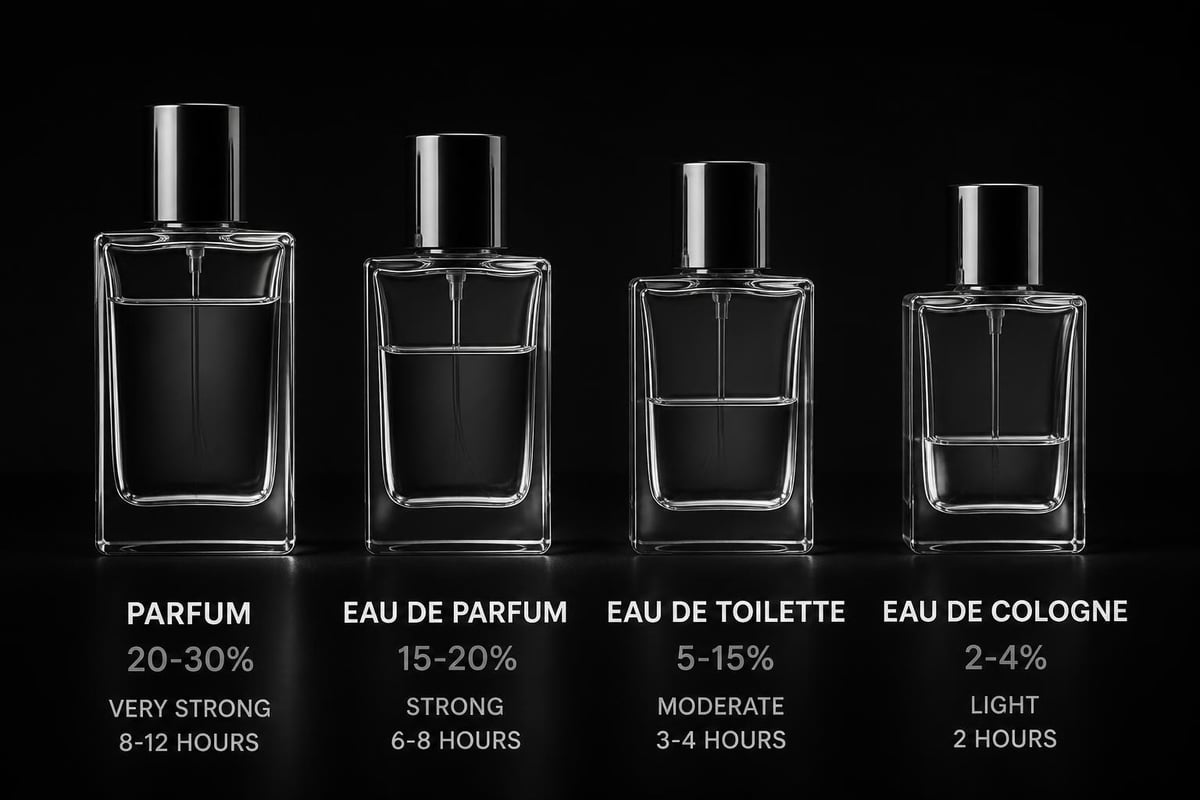
The fragrance industry classifies products by their aromatic oil concentration:
- Parfum (Extrait de Parfum): 20-30% concentration
- Eau de Parfum (EDP): 15-20% concentration
- Eau de Toilette (EDT): 5-15% concentration
- Eau de Cologne (EDC): 2-5% concentration
These percentages directly impact how a scent behaves on skin. Higher concentrations deliver more intense projection and extended wear time, sometimes lasting 8-12 hours. Lower concentrations offer subtlety and shorter duration, typically 2-4 hours.
Terminology Across Markets
European regulations use "parfum" on ingredient lists to indicate the presence of fragrance compounds, regardless of concentration. The European Commission's 2023 amendment to cosmetics labeling requires clearer allergen disclosure when "parfum" appears on ingredients. This regulatory usage differs from marketing language, where "parfum" signals concentration strength.
American markets more commonly employ "perfume" as the general descriptor. This regional variation adds complexity when comparing products across borders or shopping international brands.
How Does Concentration Affect Fragrance Performance?
Higher concentration produces stronger initial projection and longer skin retention because aromatic molecules remain present in greater density. Research documented by the U.S. National Library of Medicine examines how concentration influences olfactory perception and duration. Parfum-strength formulations require fewer reapplications throughout the day.
The carrier substance also plays a role. Traditional alcohol-based perfumes evaporate to release scent, while oil-based formulations like those found in botanical perfume oils absorb into skin and release fragrance through body heat.
| Concentration Type | Typical Duration | Reapplication Frequency | Intensity Level |
|---|---|---|---|
| Parfum/Extrait | 8-12 hours | Once daily | Strong |
| Eau de Parfum | 6-8 hours | 1-2 times daily | Moderate-Strong |
| Eau de Toilette | 3-5 hours | 2-3 times daily | Moderate |
| Eau de Cologne | 2-3 hours | 3-4 times daily | Light |
Botanical vs Synthetic Formulations
The parfum vs perfume distinction applies to both botanical and synthetic compositions. Botanical formulations derive aromatic compounds from plant materials, resins, and essential oils. Synthetic formulations employ laboratory-created molecules designed to replicate or invent scent profiles.
Concentration percentages work similarly across both approaches. A botanical parfum at 25% concentration will generally last as long as a synthetic parfum at the same percentage. The difference lies in scent character and ingredient sourcing rather than performance metrics.
Natural plant-based formulations often develop differently on skin as they interact with individual body chemistry. These variations can make botanical scents more personal and distinctive.
Why Do Labels Use Different Terms?
Marketing preferences and regional regulations shape how brands present their products. Some houses favor French terminology to convey luxury heritage, listing "parfum" or "eau de parfum" prominently. Others choose English equivalents like "perfume" or "cologne" for accessibility.
The word "parfum" carries specific legal meaning in ingredient declarations. When listed among components, it indicates the presence of fragrance compounds without specifying individual aromatic ingredients. The Perfume Society explains how this umbrella term on ingredient lists protects proprietary formulas while meeting disclosure requirements.
Reading Labels Accurately
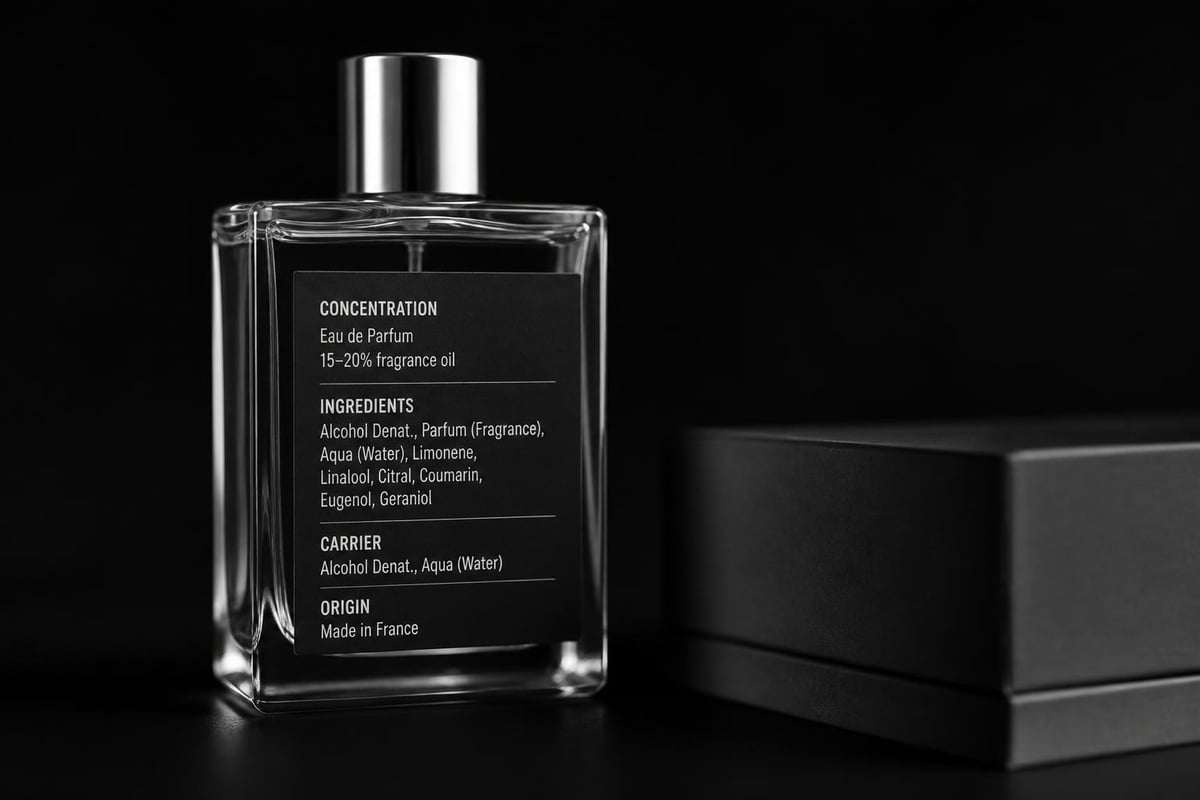
Understanding label language helps you decode what you're purchasing:
- Check for concentration descriptors (extrait, EDP, EDT, EDC)
- Review ingredient lists for "parfum" or specific botanical extracts
- Note carrier substances (alcohol, oil, water-based)
- Examine origin and production details when seeking artisanal products
Manhattan-based producers often highlight local craftsmanship on their labels. When shopping for handmade fragrances in NoMad or other NYC neighborhoods, labels typically emphasize small-batch production and ingredient transparency.
What Are the Price Differences?
Parfum concentrations command higher prices per volume because they contain more expensive aromatic materials. A 15ml bottle of pure parfum may cost as much as 50ml of eau de toilette from the same line. This pricing reflects both ingredient density and manufacturing complexity.
Cost per wearing tells a different story. Because parfum requires less product per application and lasts longer, the actual cost per day of wear often proves comparable to lighter concentrations despite higher upfront prices.
Value Considerations for Botanical Formulations
Natural botanical ingredients fluctuate in cost based on harvest quality and availability. Plant-based parfums may show greater price variation year to year compared to synthetic formulations with stable supply chains.
When evaluating botanical options, consider these factors:
- Ingredient sourcing: Wild-harvested versus cultivated materials
- Extraction methods: Cold-pressed, steam-distilled, or solvent-extracted
- Production scale: Small-batch artisanal versus commercial volume
- Formulation base: Oil, alcohol, or hybrid carriers
The custom botanical perfume experience offered by some Manhattan ateliers allows you to select concentration levels and vessel sizes, providing transparency in how formulation choices affect final pricing.
Is Parfum Better Than Other Concentrations?
"Better" depends entirely on your usage context and preferences. Parfum offers maximum longevity and intensity, ideal for special occasions or when you want a scent to last through long workdays. Lighter concentrations suit situations requiring subtlety or frequent scent changes throughout the day.
Some wearers find high concentrations overwhelming in warm weather or small spaces. Others prefer the assertive presence that only parfum delivers. Neither approach is objectively superior.
Matching Concentration to Context
Consider these scenarios when choosing concentration:
| Situation | Recommended Concentration | Reason |
|---|---|---|
| Office environment | EDT or light EDP | Considerate to colleagues in shared spaces |
| Evening events | Parfum or strong EDP | Maintains presence through long duration |
| Hot weather | EDT or cologne | Less cloying in heat |
| Cold weather | Parfum or EDP | Scent projects less in cold, needs intensity |
| Layering fragrances | EDT or cologne | Allows controlled blending without overpowering |
The parfum vs perfume choice also intersects with personal scent philosophy. Some individuals build signature scents through consistent use of one parfum. Others prefer variety and rotation, making lighter concentrations more practical for frequent changes.
How Do Skin Sensitivity and Allergies Factor In?
Concentration level affects potential for skin reactions, though individual ingredients matter more than overall percentage. DermNet NZ's medical guidance notes that fragrance sensitivity can occur at any concentration, with common allergens like certain floral absolutes or synthetic musks triggering reactions regardless of dilution.
Higher concentrations mean more potential allergens per application. Someone sensitive to specific compounds may tolerate them better in EDT formulations than in parfum strength.
Testing Before Committing
Responsible testing helps identify sensitivities:
- Apply a small amount to inner wrist or elbow crease
- Wait 24-48 hours to observe any redness, itching, or irritation
- Test during different seasons, as skin sensitivity varies with temperature and humidity
- Consider patch testing individual components if you know specific trigger ingredients
Botanical formulations eliminate synthetic molecules that cause some reactions, but plant-derived compounds can also trigger allergies. Natural doesn't automatically mean hypoallergenic. The ingredient transparency provided by artisanal producers helps sensitive individuals make informed decisions.
What Role Does Carrier Substance Play?
The parfum vs perfume distinction intersects with carrier choice. Traditional parfums use alcohol to suspend aromatic oils, allowing rapid evaporation that releases scent. Oil-based parfums absorb into skin, releasing fragrance through warmth rather than evaporation.
Alcohol carriers provide immediate projection and noticeable sillage, the scent trail you leave. Oil carriers offer intimate, close-to-skin wear with gradual development throughout the day.
Alcohol-Free Alternatives
Oil-based formulations eliminate alcohol entirely, appealing to those avoiding it for religious, health, or preference reasons. These products concentrate aromatic compounds in neutral carrier oils like jojoba or fractionated coconut oil.
Performance differs from alcohol versions:
- Slower initial release
- Closer skin adherence with less projection
- Potential for longer ultimate duration
- No drying effect on skin
- Different application techniques (rolling or dabbing versus spraying)
The botanical eau de parfum category now includes both alcohol-based and oil-based options, expanding choices for consumers seeking specific carrier preferences while maintaining concentration standards.
How Has the Parfum vs Perfume Distinction Evolved?
Historical fragrance production recognized fewer categories. The 20th century brought standardization as the industry formalized concentration ranges and terminology. Wikipedia's comprehensive overview traces how commercial perfumery developed these classifications for consumer clarity and competitive positioning.
Contemporary trends blur traditional boundaries. Niche and artisanal producers experiment with unconventional concentrations, creating extraits above 30% or hybrid formulations combining alcohol and oil carriers. The rise of botanical perfumery has introduced additional variables around ingredient types and extraction methods.
Modern Consumer Expectations
Today's fragrance buyers often seek more information than previous generations. They want to understand concentration, ingredient sourcing, production methods, and environmental impact. This shift has pushed brands toward greater transparency in how they describe their products.
The parfum vs perfume conversation now extends beyond concentration to encompass broader questions about formulation philosophy, ingredient ethics, and production sustainability. Manhattan shoppers visiting Flatiron or Murray Hill boutiques increasingly ask about these dimensions alongside traditional performance metrics.
FAQ
What does parfum mean on an ingredient list?
On ingredient lists, parfum indicates the presence of fragrance compounds without specifying individual aromatic ingredients. This umbrella term allows manufacturers to protect proprietary formulas while meeting regulatory disclosure requirements. It may include synthetic molecules, natural extracts, or combinations, regardless of the product's overall concentration type. European regulations require allergen disclosure when certain compounds exceed threshold levels within that parfum notation.
Can you use parfum and perfume interchangeably when shopping?
You cannot reliably use these terms interchangeably when shopping because parfum specifically indicates high concentration products while perfume broadly describes any scented product. Asking for "perfume" in a store may yield products across all concentration ranges, from cologne to extrait. Requesting "parfum" should direct you toward the highest concentration offerings, though some retailers may not distinguish precisely. Always verify concentration percentages or category designations like EDP or extrait when purchasing.
Does parfum last longer than perfume?
Parfum concentration lasts significantly longer than lighter perfume categories because it contains 20-30% aromatic compounds versus 5-15% in eau de toilette or 2-5% in cologne. This higher density means more scent molecules remain on skin after initial evaporation, extending wear time from 2-3 hours for light concentrations to 8-12 hours for parfum. However, skin chemistry, climate, and carrier substance also affect duration, so individual results vary even within the same concentration category.
Are botanical parfums different from synthetic parfums?
Botanical parfums differ from synthetic versions in ingredient origin rather than concentration structure. Both achieve parfum concentration by suspending 20-30% aromatic compounds in carriers, but botanical versions derive those compounds exclusively from plant materials and resins while synthetic versions employ laboratory-created molecules. Performance similarities include comparable longevity and intensity at equivalent concentrations. Differences emerge in scent character, ingredient sourcing ethics, and how formulations interact with individual body chemistry over wear time.
Why is parfum more expensive than other concentrations?
Parfum costs more because it contains significantly higher percentages of expensive aromatic materials, requiring two to six times more raw ingredients per bottle than lighter concentrations. Production complexity increases with concentration as formulators must balance intense compounds without creating harsh or unbalanced compositions. Additionally, parfum bottles typically feature premium packaging to match the luxury positioning. However, cost per wearing often proves economical since parfum requires smaller applications and lasts longer, reducing how frequently you need to purchase replacements.
How do I choose between parfum and lighter concentrations?
Choose based on your wearing context, scent intensity preference, and budget considerations. Select parfum for occasions requiring all-day longevity, when you want strong projection, or for cold weather when scent evaporates less readily. Opt for eau de toilette or cologne for office environments, hot weather, frequent scent changes, or when testing new fragrances before committing to concentrated versions. Consider starting with lighter concentrations to evaluate how a scent develops on your skin before investing in parfum strength of the same composition.
The parfum vs perfume distinction shapes how you experience and select fragrances, from daily wear to special occasions. Understanding concentration levels, carrier substances, and terminology helps you match products to your needs and preferences. If you're seeking botanical alternatives crafted with transparency and artisanal attention, explore what Haus of Smell creates in Manhattan, where every formulation prioritizes plant-based ingredients and vegan principles without compromise to concentration or performance.