
Women in New York City are redefining perfume culture in 2026 by prioritizing botanical formulations, alcohol-free compositions, and locally crafted fragrances over mass-market synthetics. The shift reflects a broader demand for transparency in ingredients, sensory authenticity, and support for small-batch makers working in neighborhoods like NoMad and the Lower East Side.
The city's fragrance landscape has evolved significantly since 2020. Manhattan now hosts dozens of independent perfumers who emphasize plant-derived materials and vegan practices. Women shopping for perfume in NYC today ask different questions than they did five years ago. They want to know where a scent was made, what extracts comprise the formula, and whether the product aligns with their values around sustainability and ingredient safety.
What are women in NYC looking for in perfume today?
Women in NYC are seeking perfumes that offer ingredient transparency, botanical authenticity, and a direct connection to the maker or the neighborhood where it was crafted. This search extends beyond brand recognition into material composition and production ethics.
The fragrance market in 2026 shows that consumers prioritize personal expression over trend-following. Women want scents that feel unique to their identity rather than ubiquitous across subway cars and offices. This has driven demand for niche and indie perfumes, especially those available only in specific retail locations.
Botanical versus synthetic: the composition question
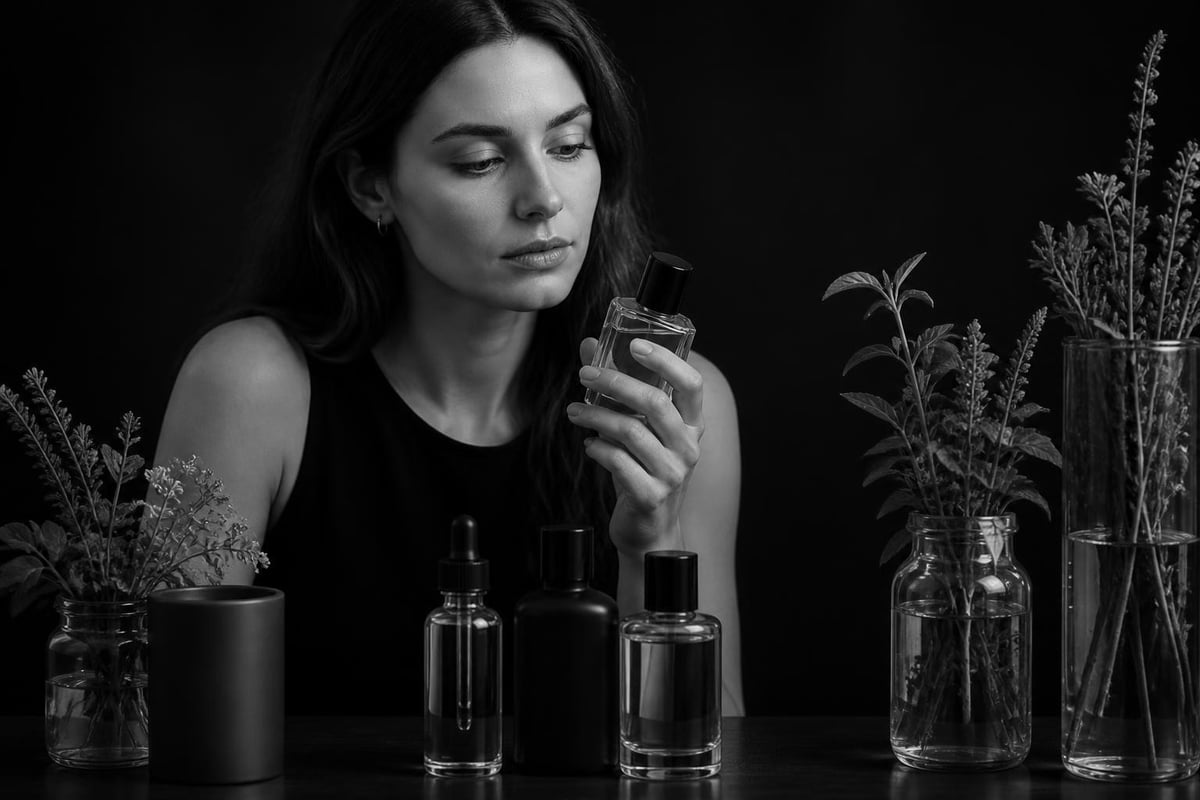
The distinction between botanical and synthetic fragrances sits at the center of many purchasing decisions for nyc perfume women. Botanical perfumes use plant extracts, resins, and essential oils as their foundation. Synthetic fragrances rely on lab-created molecules, some derived from petrochemicals.
Women increasingly ask about these differences during in-store consultations at perfume stores in Manhattan. The conversation often centers on skin sensitivity, longevity, and environmental impact. Botanical formulations tend to evolve on the skin in ways that synthetics do not, creating a more personalized scent profile over hours of wear.
| Botanical Formulation | Synthetic Formulation |
|---|---|
| Plant and resin extracts | Lab-created molecules |
| Often alcohol-free or oil-based | Typically alcohol-based |
| Evolves uniquely on each wearer | More consistent across wearers |
| Vegan verification simpler | May contain animal-derived fixatives |
| Limited by seasonal harvests | Unlimited production capacity |
The trade-off involves availability and price. Botanical materials face harvest limitations and require more careful sourcing. This makes them more expensive and occasionally subject to seasonal variation in scent profile.
Where do women in New York City buy perfume?
Women in New York City buy perfume through independent boutiques in Manhattan, Brooklyn, and Queens, with a strong preference for stores offering sampling experiences and maker stories over department store counters.
The retail landscape for nyc perfume women has shifted away from legacy department stores toward curated, experience-driven shops. Time Out's guide to NYC perfume stores highlights this trend, noting that women now seek personalized consultations and opportunities to understand fragrance construction.
Manhattan neighborhoods for fragrance discovery
Certain neighborhoods have emerged as hubs for independent perfume retail. NoMad, SoHo, and the Lower East Side concentrate the highest number of botanical and indie fragrance boutiques. These areas attract women who want to spend an afternoon exploring scent rather than making a quick transaction.
- NoMad: Known for artisan makers who produce on-site
- SoHo: Mix of established indie brands and pop-up experiences
- Lower East Side: Younger brands with experimental formulations
- West Village: Classic perfume houses alongside new botanical studios
- Williamsburg: Brooklyn-based makers with a focus on sustainability
The shopping experience in these neighborhoods differs from conventional retail. Many boutiques offer consultation appointments, fragrance layering workshops, and opportunities to meet the perfumers. Women value this direct access to information and expertise.
How do women choose between oil-based and alcohol-based perfumes?
Women choose between oil-based and alcohol-based perfumes based on skin sensitivity, desired longevity, scent projection needs, and daily routine compatibility, with oil-based formulations gaining ground among those seeking alcohol-free options.
Oil-based perfumes sit directly on the skin and release scent through body heat. They tend to last longer in close-range perception but project less aggressively than alcohol-based versions. Alcohol-based perfumes offer immediate projection and a lighter initial feel but evaporate more quickly.
For many nyc perfume women, the decision comes down to lifestyle factors. Women commuting on packed subways often prefer oil-based formulations that create a personal scent radius without overwhelming shared spaces. Those working in offices with scent-sensitive colleagues appreciate the subtlety of oil application.
Application and longevity considerations
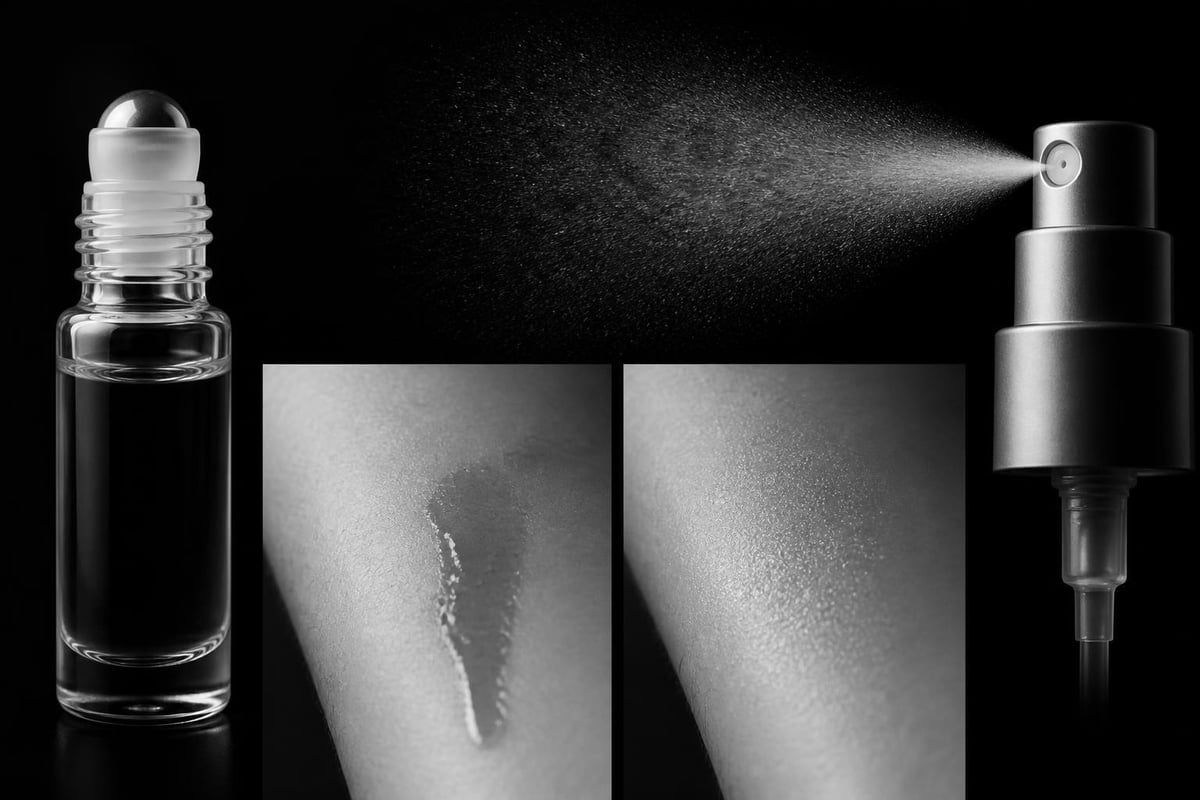
Oil-based perfumes require different application techniques than alcohol sprays. Women typically apply oil formulations to pulse points using rollerball applicators or fingertips. The warmth of wrists, neck, and inner elbows activates the scent gradually throughout the day.
Alcohol-based perfumes disperse through spray mechanisms, covering more skin surface instantly. The alcohol evaporates within minutes, leaving the fragrance molecules on the skin. This creates a burst of scent that softens over time.
| Oil-Based Perfume | Alcohol-Based Perfume |
|---|---|
| 6-12 hour longevity | 4-8 hour longevity |
| Close-range projection | Medium to far projection |
| Rollerball or dropper application | Spray application |
| Gradual scent development | Immediate scent presence |
| Better for sensitive skin | May dry sensitive skin |
Women who layer fragrances throughout the day often combine both formats. An oil base provides foundation while an alcohol spray adds midday refreshment. This approach has become popular among professionals who move between meetings and social events.
What seasonal fragrance patterns do NYC women follow?
NYC women follow seasonal fragrance patterns that shift from lighter, green botanicals in spring and summer to deeper, resinous compositions in fall and winter, with many maintaining a signature scent while adjusting supporting layers.
The climate variation in New York drives these seasonal adjustments more than pure trend-following. Summer heat intensifies scent projection, making lighter formulations more appropriate for subway commutes and outdoor dining. Winter's dry air requires richer bases that maintain presence through coat layers and indoor heating systems.
Spring and summer selections
Women in NYC gravitate toward botanical compositions with higher proportions of citrus, green leaf, and aquatic plant materials during warmer months. These formulations feel refreshing in humidity and complement the sensory environment of parks, rooftop bars, and waterfront areas.
The trend toward natural scented products extends beyond personal fragrance into home and workspace environments. Women coordinate their perfume choices with candles and diffusers, creating a cohesive scent identity across contexts.
Fall and winter preferences
Cooler months bring demand for resins, woody materials, and amber bases. These heavier compositions layer well under clothing and maintain presence in heated indoor spaces. Women often describe their fall scents as "cocooning" or "grounding" compared to summer's "energizing" profiles.
According to Circana's analysis of fragrance gifting trends, prestige fragrance sales peak in November and December, with women purchasing both for themselves and as gifts. This seasonal surge influences which products boutiques stock and promote during the final quarter.
How are vegan and cruelty-free standards changing the market?
Vegan and cruelty-free standards are fundamentally changing the perfume market for NYC women by eliminating animal-derived fixatives and testing protocols, pushing both indie makers and established brands toward plant-based alternatives and transparent sourcing documentation.
The shift affects ingredient availability and formulation techniques. Traditional perfumery relied on materials like ambergris, musk, and castoreum. Modern botanical perfumers achieve similar effects through plant resins and synthetic alternatives that replicate molecular structures without animal sources.
Women shopping for nyc perfume increasingly ask about certification and verification. They want to see documentation that extends beyond marketing claims into supply chain practices. This demand has elevated brands that maintain complete transparency about ingredient origins and production methods.
Certification and verification landscape
Multiple organizations provide vegan and cruelty-free certification for fragrances. Leaping Bunny, PETA, and Vegan Society offer different standards and audit processes. Women familiar with these certifications use them as initial filters when exploring new brands.
However, many small-batch makers in Manhattan do not pursue formal certification due to cost and administrative requirements. Instead, they offer direct communication about their practices and invite customers to visit production spaces. This transparency often satisfies women seeking ethical products without relying on third-party seals.
The IFRA standards provide industry-wide safety guidelines that affect both botanical and synthetic formulations. Women concerned about allergens and sensitizers reference these publications when evaluating ingredient lists. Understanding IFRA classifications helps shoppers make informed decisions about skin compatibility.
What role does local production play in purchasing decisions?
Local production plays a significant role in purchasing decisions for NYC women buying perfume, with Manhattan-made products commanding premium interest due to reduced transportation impact, support for local artisans, and the ability to visit production spaces.
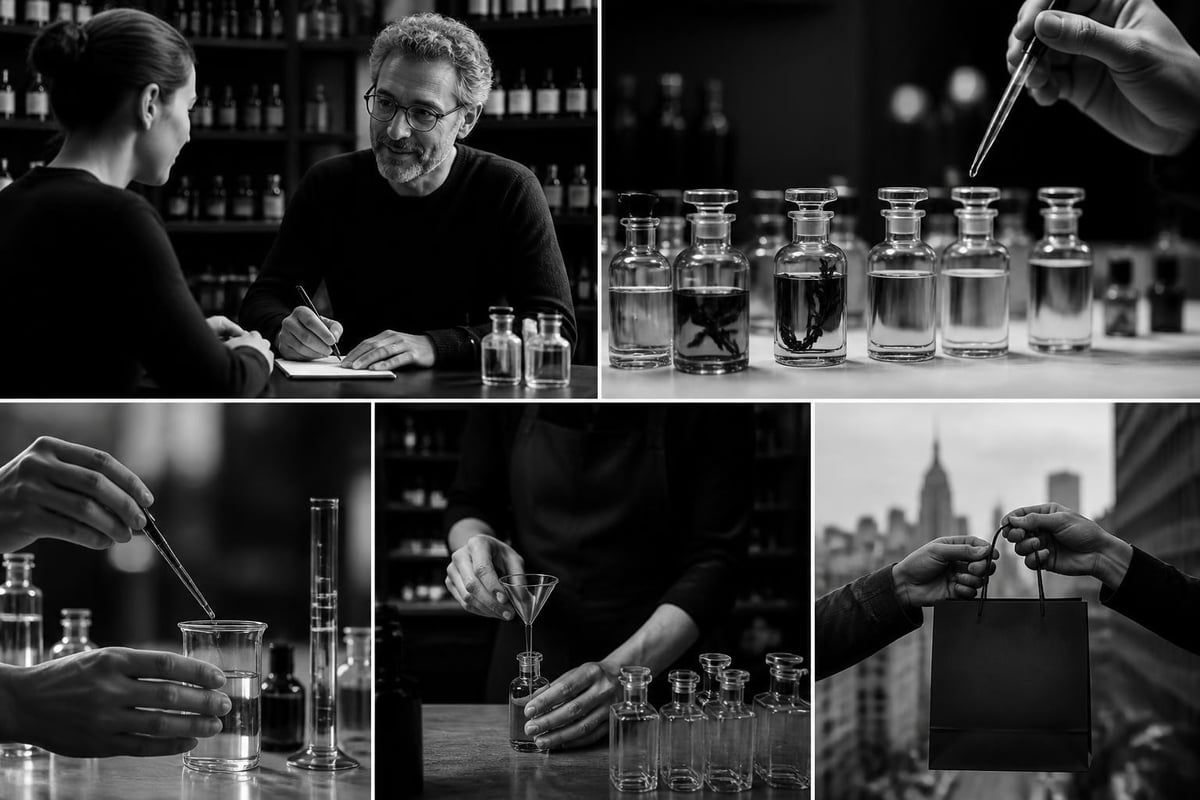
Women value knowing their perfume was crafted within the same borough where they live or work. This proximity creates opportunities for direct relationships with makers, custom formulation requests, and participation in the creative process. Some boutiques offer made-to-order services where customers select botanical ingredients and receive personalized blends within days.
The NoMad neighborhood has become particularly known for perfume production. Small studios occupy ground-floor retail spaces where customers can observe mixing and bottling processes. This visibility builds trust and education simultaneously.
Custom and made-to-order options
Botanical Eau de Parfum offerings in Manhattan now include extensive customization options. Women can select from curated botanical extracts, choose vessel styles, and adjust concentration levels based on their preferences for projection and longevity.
Custom formulation sessions typically run 30 to 60 minutes. Perfumers guide customers through scent families, discuss skin chemistry considerations, and create test samples. The final product arrives within a week, handmade in small batches specific to each order.
This personalized approach contrasts sharply with mass-market purchasing. Women describe the experience as collaborative rather than transactional, often forming ongoing relationships with their perfumer for future adjustments and seasonal variations.
How do women discover new perfumes in NYC?
Women discover new perfumes in NYC through word-of-mouth recommendations, Instagram accounts of local boutiques, fragrance workshops and events, beauty editorial coverage, and in-person browsing at neighborhood shops rather than traditional advertising channels.
Social proof drives much of the discovery process. Women trust recommendations from friends who share similar taste profiles more than influencer endorsements or magazine advertisements. This creates tight-knit fragrance communities within neighborhoods and professional circles.
Digital discovery and physical experience
Who What Wear's 2026 fragrance trend coverage highlights how editorial content shapes awareness, but actual purchasing happens in person. Women read about trends online, then visit boutiques to experience scents on their skin before committing.
Instagram serves as a primary discovery platform for independent perfumers. Women follow local makers, see behind-the-scenes production content, and learn about limited releases and workshop events. This digital connection often precedes an in-store visit where the actual product evaluation occurs.
YouGov's analysis of perfume buying factors confirms that scent remains the dominant decision factor, but discovery increasingly happens through visual and community channels before the olfactory experience.
Workshops and educational events
Many Manhattan perfume boutiques host monthly workshops covering topics like fragrance layering, botanical ingredient identification, and scent memory creation. Women attend these events to expand their knowledge and discover new products in a low-pressure environment.
The Fragrance Foundation's New York programming includes public events during certain times of year, providing access to industry professionals and trend forecasts. These gatherings attract both enthusiasts and professionals working in beauty, fashion, and hospitality sectors.
What price ranges do NYC women expect for quality perfume?
NYC women expect to pay between seventy and two hundred fifty dollars for quality botanical perfume in 2026, with price correlating to ingredient sourcing, batch size, and whether the formulation is ready-made or custom-blended.
Price sensitivity varies by purchase motivation. Women buying for daily wear often select mid-range options around one hundred to one hundred fifty dollars. Those seeking signature scents or special occasion fragrances accept higher price points, particularly for custom formulations or rare botanical extracts.
The relationship between price and quality is not always linear in fragrance. Some expensive perfumes reflect marketing budgets and packaging design more than material costs. Women familiar with botanical formulations learn to assess value based on ingredient quality and concentration rather than brand prestige alone.
Value assessment factors
Educated consumers evaluate several factors when determining whether a price represents fair value:
- Ingredient transparency: Full disclosure of botanical extracts used
- Concentration level: Percentage of fragrance materials versus carrier
- Batch size: Small-batch production versus mass manufacturing
- Vessel quality: Durability and functionality of the container
- Maker accessibility: Ability to contact the perfumer with questions
Women willing to invest in higher-priced perfumes often cite longevity as justification. A well-formulated botanical perfume lasting eight to twelve hours provides better value per wear than a cheaper option requiring multiple applications throughout the day.
How does skin chemistry affect perfume selection?
Skin chemistry affects perfume selection by altering how botanical and synthetic molecules interact with individual body chemistry, pH levels, moisture content, and natural skin oils, creating unique scent profiles that vary significantly between wearers.
Two women can apply the same perfume and experience entirely different results after thirty minutes of wear. Factors including diet, medication, hormonal cycles, and stress levels influence how fragrance develops on skin. This variability makes sampling essential before purchasing.
Many boutiques in Manhattan offer sample programs where women can test perfumes for several days before committing to full-size purchases. This approach reduces buyer's remorse and ensures compatibility between formulation and individual chemistry.
Testing protocols for accurate assessment
Professional perfumers recommend specific testing protocols for accurate scent evaluation:
- Apply to clean, unscented skin in the morning before other products
- Test only two to three fragrances per session to avoid olfactory fatigue
- Wait thirty minutes for alcohol to evaporate and base to develop
- Move through different environments to assess projection and longevity
- Evaluate at multiple time points throughout the day
Women serious about finding compatible scents often maintain testing journals documenting how different formulations perform on their skin across various conditions. This systematic approach helps identify patterns in which botanical families work best with their chemistry.
What are the most common mistakes women make when buying perfume?
The most common mistakes women make when buying perfume include purchasing based on initial spray without allowing development time, choosing fragrances on paper strips rather than skin, buying full sizes without samples, and selecting scents in stores with competing fragrance interference.
Impulse purchasing represents the primary error. Women smell a fragrance, enjoy the top notes, and buy immediately without experiencing the heart and base development that dominates the wearing experience. This leads to bottles sitting unused after the first few wears reveal incompatibility.
Environmental interference during testing
Department stores present particular challenges for accurate scent evaluation. Competing fragrances from nearby counters, air fresheners, and other shoppers' perfumes create olfactory noise that makes individual assessment nearly impossible. Women seeking accurate testing results visit dedicated fragrance boutiques or request samples for home evaluation.
Time of day also affects scent perception. Morning testing when olfactory receptors are fresh provides more accurate reads than evening shopping after exposure to subway smells, food aromas, and workplace scents. Professional perfumers recommend scheduling fragrance appointments during late morning hours.
The mistake of ignoring personal style in favor of trends leads to purchases that never integrate into daily routines. Women who buy the "fragrance of the moment" without considering whether it matches their aesthetic often abandon these bottles quickly.
Frequently Asked Questions
What makes botanical perfumes different from conventional options for women in NYC?
Botanical perfumes use plant extracts and resins as their primary ingredients rather than synthetic molecules, creating formulations that evolve more dynamically on skin. They typically avoid alcohol, making them suitable for sensitive skin, and align with vegan practices. NYC women appreciate their transparency and locally-made availability in neighborhoods like NoMad.
How long should women expect botanical perfumes to last throughout a day in New York?
Botanical perfumes in oil-based formulations typically last six to twelve hours on skin, depending on application location and individual body chemistry. Heat, humidity, and physical activity affect longevity. Women commuting and working in NYC often find oil-based versions outlast alcohol-based alternatives, particularly during summer months when heat intensifies projection.
Are botanical perfumes suitable for women with sensitive skin or allergies?
Botanical perfumes often suit sensitive skin better than conventional options because they eliminate alcohol and many synthetic irritants. However, plant materials can still trigger allergies in susceptible individuals. Women with known sensitivities should test formulations on small skin areas before full application and review ingredient lists carefully for specific botanical allergens.
Where can women in Manhattan sample botanical perfumes before purchasing?
Manhattan offers numerous independent boutiques in NoMad, SoHo, and the Lower East Side where women can sample botanical perfumes through in-store consultations. Many makers provide sample programs allowing multi-day testing at home before committing to full-size purchases. This ensures compatibility with individual skin chemistry and lifestyle requirements.
Do botanical perfumes project as strongly as alcohol-based fragrances for NYC women?
Botanical perfumes in oil-based formulations project more subtly than alcohol-based versions, creating a personal scent radius rather than room-filling presence. This suits many NYC women who prefer intimate projection during subway commutes and office environments. Women seeking stronger projection can layer oil bases with complementary alcohol sprays for adjustable intensity.
What seasonal adjustments should women make to their perfume choices in New York?
NYC women typically shift toward lighter botanical compositions with green and citrus elements during spring and summer, when heat intensifies projection. Fall and winter call for deeper resinous formulations that maintain presence through clothing layers and dry indoor air. Many maintain a signature base scent while adjusting supporting fragrances seasonally.
Finding the right perfume in New York City means navigating botanical authenticity, local production, and personal skin chemistry while avoiding mass-market synthetics. Women prioritizing transparency and vegan formulations discover that Manhattan's independent boutiques offer experiences far beyond conventional retail transactions. Haus of Smell creates botanical perfumes handmade in NoMad using plant extracts and oil-based formulations designed for NYC women who value ingredient honesty and local craftsmanship.