
NYC perfume for women has evolved beyond department store counters and designer labels. Manhattan now hosts a growing collection of boutiques specializing in botanical fragrances, where natural ingredients replace synthetic compounds and artisan craftsmanship takes precedence over mass production. These spaces offer women an alternative to alcohol-based perfumes, focusing instead on oil-based formulations made from real plant and resin extracts.
The city's fragrance landscape reflects broader consumer shifts toward transparency, sustainability, and sensory authenticity. Women seeking perfume in New York today have access to handcrafted options that prioritize ingredient integrity and local production over global marketing campaigns.
Where Can You Find NYC Perfume for Women Made from Natural Ingredients?
You can find NYC perfume for women made from natural ingredients at specialty boutiques throughout Manhattan, particularly in NoMad, Flatiron, and the Lower East Side, where independent perfumers craft botanical formulations without synthetic compounds. These neighborhoods host artisan shops that produce small-batch perfumes using plant extracts, resins, and essential oils.
Manhattan's fragrance scene has shifted noticeably over the past five years. Women who once relied on department stores now seek out independent NYC perfumeries for their personal scent wardrobes. The difference lies in approach and ingredient philosophy.
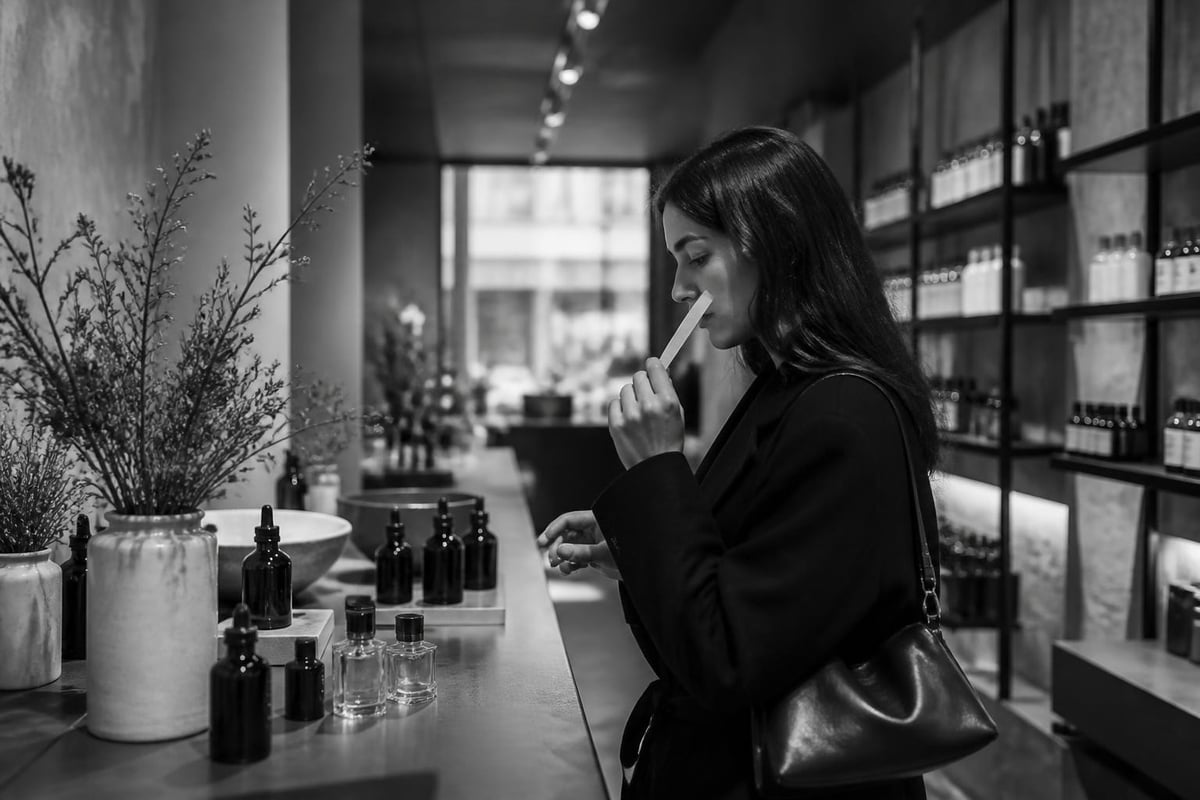
What Makes Botanical Perfume Different from Conventional Options
Botanical perfumes use only plant-derived ingredients. No synthetic musks, no laboratory-created aldehydes, no petroleum-based fixatives. The construction relies on essential oils, absolutes, resins, and CO2 extracts harvested from flowers, bark, roots, and leaves.
This ingredient constraint creates a distinct olfactory character. Botanical scents evolve differently on skin compared to alcohol-based perfumes. Oil-based formulations absorb slowly, releasing fragrance gradually rather than projecting immediately. The scent sits closer to the body, creating an intimate rather than broadcast experience.
Key differences include:
- Base medium: oils versus alcohol
- Ingredient sourcing: plant extracts versus synthetic compounds
- Sillage pattern: close-to-skin versus projecting
- Longevity curve: slow evolution versus quick dissipation
Women accustomed to conventional perfumes often notice the subtlety first. Botanical fragrances require proximity. They reward the wearer more than passersby.
How Do You Choose the Right NYC Perfume for Women?
Choose the right NYC perfume for women by testing on your skin rather than paper strips, allowing at least two hours for the scent to develop through top and base phases, and considering how the fragrance interacts with your natural body chemistry. Skin pH, diet, and even hormonal cycles affect how botanical oils express themselves.
The selection process differs significantly from shopping at department stores. Artisan perfumeries encourage extended testing periods. Many offer sample programs or discovery sets specifically designed for women exploring botanical options.
Understanding Your Scent Preferences
Start by identifying scent families that resonate with you. Botanical perfumes typically fall into several categories:
| Scent Family | Character | Best For |
|---|---|---|
| Green | Fresh, vegetal, herbaceous | Daytime wear, warm weather |
| Woody | Grounding, earthy, meditative | Evening wear, cooler seasons |
| Resinous | Rich, amber-like, warm | Special occasions, winter |
| Floral | Delicate, romantic, layered | Versatile, year-round |
Your existing preferences offer clues. Women who gravitate toward fresh laundry scents often appreciate green botanicals. Those drawn to incense or meditation spaces typically respond well to resinous formulations.
Testing methodology matters significantly. Apply a small amount to your inner wrist and the inside of your elbow. These pulse points generate warmth that activates the oils. Wait through the initial impression. True character emerges after 30 minutes, and base notes reveal themselves only after two hours.
What Are the Benefits of Choosing Vegan Perfume Options?
Vegan perfume options eliminate all animal-derived ingredients including ambergris, castoreum, civet, and musk, offering women ethical formulations that align with plant-based values while maintaining complex scent profiles through botanical alternatives. These perfumes use plant resins and extracts to achieve depth and longevity traditionally associated with animal-derived fixatives.
The ethical dimension resonates with many women shopping for NYC perfume for women. Vegan formulations extend beyond avoiding animal testing to excluding all animal-sourced materials from the ingredient list. This commitment shapes the perfumer's palette entirely around botanical resources.
Botanical Eau de Parfum from local Manhattan artisans demonstrates how vegan constraints can drive creative solutions. Perfumers working within these parameters have developed sophisticated techniques for building complexity using only plant materials. Labdanum resin substitutes for animalic musk. Oakmoss provides earthy depth. Benzoin and styrax add warmth and persistence.
Performance concerns often arise when women first consider vegan options. The assumption that animal ingredients are necessary for longevity stems from conventional perfumery training. Modern botanical perfumers have thoroughly disproven this limitation.
Vegan perfume advantages:
- No ethical compromise on animal welfare
- Often paired with sustainable harvesting practices
- Transparent ingredient lists without obscure terms
- Compatible with vegan lifestyle choices across categories
The fragrance industry's transparency initiatives have made ingredient verification easier. Women can now confirm vegan status through detailed disclosure lists that many artisan brands publish voluntarily.
Why Is Alcohol-Free Formulation Important for Some Women?
Alcohol-free formulation is important for women with sensitive skin, dry skin conditions, or fragrance sensitivities because alcohol can cause irritation, dehydration, and exacerbate existing skin issues while also altering how the fragrance develops over time. Oil-based perfumes eliminate these concerns while offering a different application experience.
Alcohol serves primarily as a delivery vehicle in conventional perfumes. It allows fragrance to project forcefully upon initial application, then evaporates rapidly. This volatility creates the characteristic perfume cloud but also means the scent dissipates quickly, requiring reapplication throughout the day.
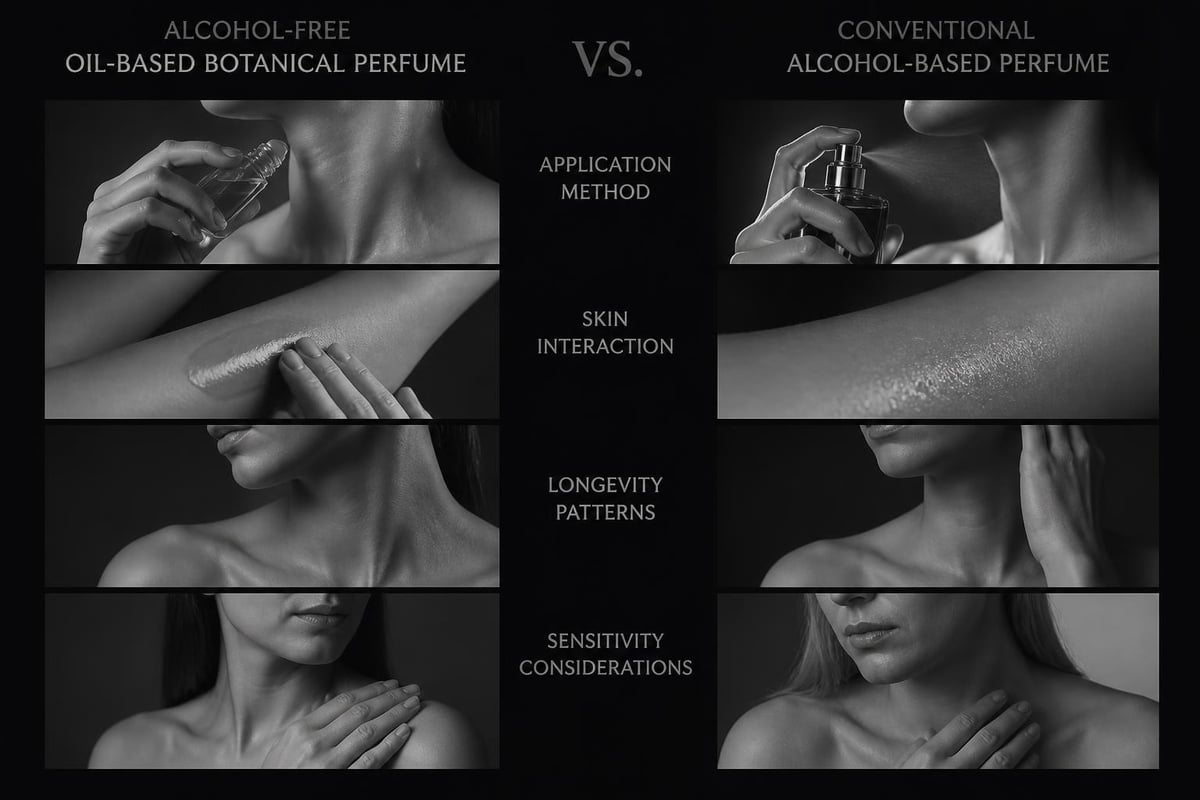
How Oil-Based Perfumes Perform Differently
Oil-based formulations absorb into skin rather than evaporating off it. The fragrance molecules bind with skin lipids, creating a sustained release pattern. This mechanism produces subtler initial impact but significantly extended wear time.
Women with conditions like eczema, rosacea, or general sensitivity often find alcohol-free options more comfortable. The oils themselves can provide moisturizing benefits, particularly when crafted with jojoba, fractionated coconut oil, or other skin-friendly carrier bases.
Application technique shifts with oil-based perfumes. Rather than spraying from a distance, women typically apply small amounts to pulse points using rollerball applicators or daubers. The intimate application method suits the close-to-skin sillage pattern.
How Has NYC's Fragrance Scene Evolved for Women Shoppers?
NYC's fragrance scene has evolved from department store dominance to embrace artisan boutiques, with neighborhoods like NoMad and the Lower East Side becoming destinations for women seeking handcrafted, botanical, and personalized scent experiences rather than mass-market options. This shift reflects broader consumer demand for transparency, local production, and ingredient integrity.
The transformation accelerated notably after 2020. Women began questioning ingredient lists more critically. The desire for local, traceable products intensified. Manhattan responded with new boutiques specializing in natural perfumery and customization experiences.
The Fragrance Foundation's annual awards now include categories recognizing artisan and independent brands alongside traditional luxury houses. This institutional acknowledgment reflects the segment's growing influence.
Neighborhood Shopping Experiences
Different Manhattan neighborhoods offer distinct fragrance shopping experiences for women:
NoMad hosts boutiques emphasizing craft and customization. The area's creative energy attracts perfumers who view fragrance as an art form. Women shopping NoMad fragrance stores encounter hands-on experiences, from blending workshops to bespoke creation sessions.
Flatiron balances established niche brands with emerging independents. The neighborhood's retail mix provides women with both curated selections and discovery opportunities. Knowledgeable staff guide customers through extensive catalogs of botanical and natural options.
Lower East Side leans experimental. Boutiques here often carry the most unconventional botanical compositions. Women comfortable with olfactory adventure find fragrances that challenge conventional categories.
The independent perfumery scene continues expanding. New boutiques open regularly, each contributing a distinct perspective on what NYC perfume for women can represent.
What Should Women Know About Perfume Ingredient Safety?
Women should know that perfume ingredient safety is regulated through industry standards established by IFRA, which sets usage limits and restrictions based on scientific research, though artisan botanical perfumers often exceed these standards by using only plant-derived ingredients with long histories of safe topical use. Understanding ingredient sources empowers informed purchasing decisions.
The IFRA Standards provide baseline safety guidelines for the global fragrance industry. These protocols address allergen management, usage concentrations, and restricted materials. Compliance is technically voluntary but widely adopted by responsible manufacturers.
Botanical perfumes crafted from pure plant extracts generally present fewer safety concerns than synthetic formulations. The ingredients have established traditional use patterns spanning centuries. Women familiar with aromatherapy often recognize many components from essential oil applications.
Safety considerations for botanical perfumes:
- Patch test new fragrances on a small skin area first
- Review ingredient lists for known personal allergens
- Consider pregnancy-safe options if applicable
- Store oils away from direct sunlight to prevent oxidation
- Replace opened bottles within recommended timeframes
Transparency distinguishes many NYC artisan perfumers. Complete ingredient disclosure allows women to make informed choices based on their individual sensitivities and preferences. This openness contrasts sharply with conventional fragrance marketing, where "fragrance" often appears as a single catch-all term on ingredient lists.
How Do Seasonal Changes Affect Perfume Selection in NYC?
Seasonal changes affect perfume selection in NYC by influencing how fragrances project and evolve on skin, with winter's dry cold preserving delicate scents longer while summer's heat and humidity amplify projection but accelerate evaporation, prompting women to adjust their choices throughout the year. Temperature and humidity directly impact oil-based formulations.
Manhattan's climate swings create distinct seasonal perfume considerations. July humidity intensifies every scent molecule. January wind strips fragrance quickly from exposed skin. Women who wear the same perfume year-round miss opportunities to harmonize with environmental shifts.
Winter Perfume Strategy
Cold weather suits richer, more substantive botanical compositions. Resinous elements gain prominence. The dry air allows layered complexity to unfold slowly without overwhelming.
Women often select deeper formulations during winter months. The heavy coats and indoor heating create a cocoon effect that holds fragrance close. Oil-based perfumes particularly excel in these conditions, as the oils don't freeze or become viscous until extreme temperatures.
Application patterns shift in winter. Scenting scarves, coat linings, and hair becomes more effective than skin application in freezing conditions. The fabric holds fragrance longer and releases it gradually as you move between outdoor cold and indoor warmth.
Summer Perfume Strategy
Heat demands restraint. Summer in NYC means subway platforms, crowded sidewalks, and close quarters. Women typically choose lighter botanical compositions that refresh rather than overwhelm.
Green, herbaceous formulations suit warm weather particularly well. They evoke garden freshness without the cloying sweetness that heat can amplify. Oil-based application allows precise control over intensity, letting women apply sparingly to pulse points without creating fragrance clouds in confined spaces.
Reapplication becomes easier with summer's lighter choices. A small rollerball in a purse allows midday refreshment without the projection concerns that spray bottles create in shared spaces.
What Are Current Trends in NYC Perfume for Women?
Current trends in NYC perfume for women emphasize customization, transparency, and botanical formulations, with 2026 fragrance trends pointing toward personalized scent experiences and ingredient-conscious choices that reflect individual identity rather than designer brand allegiance. Women increasingly view perfume as self-expression requiring active participation.
The shift toward bespoke fragrance experiences has transformed how Manhattan boutiques serve women customers. Rather than selecting from finished perfumes exclusively, women now engage in creation processes. They choose base formulations, adjust concentrations, and blend personal combinations.
This participatory approach reflects broader consumer expectations around customization. Women accustomed to personalized skincare, tailored nutrition plans, and curated wardrobes now expect similar agency in fragrance selection. The one-size-fits-all department store model no longer satisfies this desire for individual expression.
| Trend | Description | Appeal |
|---|---|---|
| Made-to-order | Custom blending based on preferences | Unique personal scent |
| Ingredient transparency | Full disclosure of all components | Informed purchasing |
| Local production | Manhattan-made with neighborhood identity | Community connection |
| Refillable packaging | Reusable vessels with refill options | Sustainability |
| Workshop experiences | Hands-on perfume creation classes | Education and engagement |
The global fragrance market's growth demonstrates sustained consumer interest, but the distribution of that growth increasingly favors independent and artisan brands over traditional luxury houses. Women shopping in NYC particularly drive this shift toward smaller, specialized producers.
How Can You Build a Versatile Perfume Wardrobe?
You can build a versatile perfume wardrobe by selecting three to five botanical fragrances across different scent families and intensity levels, allowing rotation based on season, occasion, and mood while avoiding redundancy in your collection. Strategic curation creates options without overwhelming storage or budget.
The concept of a perfume wardrobe mirrors thoughtful clothing curation. Rather than accumulating dozens of bottles randomly, women benefit from intentional selection that covers various needs and contexts. Botanical perfumes particularly suit this approach because their subtle character allows layering and combination.
Foundation wardrobe structure:
- Daily signature – A versatile botanical that suits most situations and seasons, comfortable enough for regular wear without causing scent fatigue
- Professional option – A subtle, sophisticated choice appropriate for workplace environments and formal settings
- Evening selection – A richer, more substantial fragrance for social occasions and special events
- Seasonal variation – Either a light summer choice or deep winter option depending on your primary need
- Experimental piece – Something unconventional that challenges your usual preferences and expands olfactory horizons
Starting with samples allows exploration without commitment. Many NYC boutiques offer discovery sets specifically designed for women building botanical wardrobes. Testing each option over several days reveals how it performs in real conditions rather than idealized shopping moments.
Storage affects longevity. Keep botanical perfumes away from direct sunlight, temperature fluctuations, and humidity. Dark glass bottles protect oils from light degradation. Cool, consistent environments preserve integrity. Women with extensive collections often dedicate a drawer or cabinet specifically to fragrance storage.
Rotation prevents boredom and extends each bottle's useful life. Alternating between perfumes maintains appreciation for each one's distinctive character. It also accommodates the natural tendency for scent preferences to shift with seasons, life phases, and personal evolution.
What Role Does Local Production Play in NYC Perfume Quality?
Local production plays a significant role in NYC perfume quality by enabling artisan perfumers to control every aspect of creation, from ingredient sourcing through bottling, while reducing supply chain complexity and allowing rapid iteration based on direct customer feedback from Manhattan shoppers. Proximity between maker and customer creates accountability and refinement opportunities impossible at industrial scale.
Manhattan's small-batch perfumers work differently than multinational fragrance houses. They source ingredients directly, often building relationships with specific botanical suppliers. They test formulations personally. They hand-pour every bottle. This intimate involvement with materials and process shapes the final product's character.
Women shopping for locally made perfumes can often meet the actual perfumer who crafted their fragrance. This connection transforms the purchase from transaction to relationship. It allows questions about ingredients, inspiration, and application. It creates community around shared appreciation for botanical scents.
The transparency that local production enables addresses growing consumer demand for traceable products. Women want to know where ingredients originate, how they're processed, and who benefits from the purchase. Small Manhattan perfumeries can answer these questions completely because they manage the entire creation chain.
Quality control at boutique scale operates through different mechanisms than corporate quality assurance. Rather than statistical sampling and standardized testing protocols, artisan perfumers rely on sensory evaluation and hands-on assessment. Each batch receives individual attention. Variations that would be smoothed out in industrial production become distinctive characteristics in small-batch work.
FAQ
What is the difference between botanical perfume and essential oil?
Botanical perfume is a carefully composed fragrance using multiple plant extracts blended in specific proportions to create top, middle, and base notes, while essential oil is typically a single-plant extraction used for aromatherapy or as a perfume component. Botanical perfumes combine multiple oils in carrier bases, designed for skin application and olfactory complexity rather than therapeutic purposes.
How long does oil-based NYC perfume for women typically last?
Oil-based NYC perfume for women typically lasts six to eight hours on skin with proper application to pulse points, though longevity varies based on individual skin chemistry, activity level, and environmental conditions. Botanical oils absorb into skin and release fragrance gradually rather than evaporating quickly like alcohol-based perfumes, often requiring less frequent reapplication throughout the day despite subtler initial projection.
Can you layer different botanical perfumes together?
You can layer different botanical perfumes together effectively because oil-based formulations blend on skin without the clash that alcohol-based perfumes sometimes create when combined. Start with the heavier, base-note-rich perfume first, allow it to settle for several minutes, then apply the lighter fragrance. Layering works best with perfumes from the same maker using compatible ingredient philosophies and formulation approaches.
Where in Manhattan can you test botanical perfumes before buying?
You can test botanical perfumes before buying at specialty boutiques in NoMad, Flatiron, and throughout Manhattan where artisan perfumers offer sampling experiences, often with knowledgeable staff who guide you through scent families and application techniques. Many shops provide sample programs, allowing you to take test amounts home for extended wear trials before committing to full bottles, which helps you assess how fragrances develop on your specific skin chemistry.
Are botanical perfumes safe during pregnancy?
Botanical perfumes require the same caution during pregnancy as essential oils, with some plant extracts considered safe and others best avoided depending on concentration and specific ingredients used in the formulation. Pregnant women should consult healthcare providers before using any new perfumes and look for pregnancy-safe formulations specifically labeled as such. Many perfumers offer gentler options using ingredients with established safety profiles for expectant mothers.
How do you properly apply oil-based perfume?
You properly apply oil-based perfume by placing small amounts on pulse points including inner wrists, behind ears, and inside elbows, using gentle pressing motions rather than rubbing which can bruise the fragrance and alter its development. Apply to clean, moisturized skin for best absorption and longevity. Because oils don't project like alcohol-based perfumes, you can also apply to hair ends, clothing hems, or scarf edges for sustained release throughout the day.
Finding the right perfume requires understanding your preferences, testing thoughtfully, and recognizing how botanical formulations differ from conventional options. NYC's artisan fragrance scene offers women unprecedented access to natural, locally made perfumes that prioritize ingredient integrity and personal expression. Whether you're exploring NoMad's boutique offerings or building a versatile botanical wardrobe, the city's perfumers provide guidance and options that honor both craft and individuality. Discover handcrafted, vegan botanical fragrances made in Manhattan at Haus of Smell.