
NYC fragrance culture has evolved into a thriving ecosystem of botanical perfumeries, artisan candle makers, and niche scent boutiques concentrated in Manhattan neighborhoods. The city's fragrance scene now emphasizes natural ingredients, vegan formulations, and small-batch production methods that prioritize transparency over mass-market synthetic blends, offering consumers access to unique olfactory experiences crafted by local artisans.
The intersection of New York's creative energy and botanical perfumery has created a distinct approach to scent that favors transparency, craftsmanship, and locally-made formulations. This shift reflects broader consumer preferences documented in recent fragrance industry research, which shows increasing demand for personalized, natural fragrance options. Understanding where to find these products and what sets NYC's botanical scene apart requires examining the city's unique retail landscape and production methods.
What Makes NYC Fragrance Different From Mainstream Perfume?
NYC fragrance distinguishes itself through emphasis on botanical ingredients, small-batch production, and direct maker-to-consumer relationships that eliminate traditional perfume industry intermediaries. Manhattan-based perfumeries often craft products in-house using plant and resin extracts rather than synthetic aromachemicals, creating scents that reflect local artisan values. The city's fragrance makers typically offer transparency about sourcing and ingredient lists, contrasting sharply with mass-market brands that protect formulations as proprietary secrets.
This approach aligns with regulatory frameworks established by organizations like the International Fragrance Association, though many NYC botanical makers exceed standard safety requirements by excluding synthetic materials entirely. The geographic concentration of makers in neighborhoods like NoMad, SoHo, and the West Village creates an accessible retail experience where customers can meet creators and understand production processes.
The emphasis on natural formulations extends beyond marketing claims. Botanical perfumes use oil bases rather than alcohol, which affects how scent develops on skin and how long it lasts. These formulations require different application techniques and storage methods compared to conventional eau de parfum.
Where Can You Buy Botanical NYC Fragrance in Manhattan?
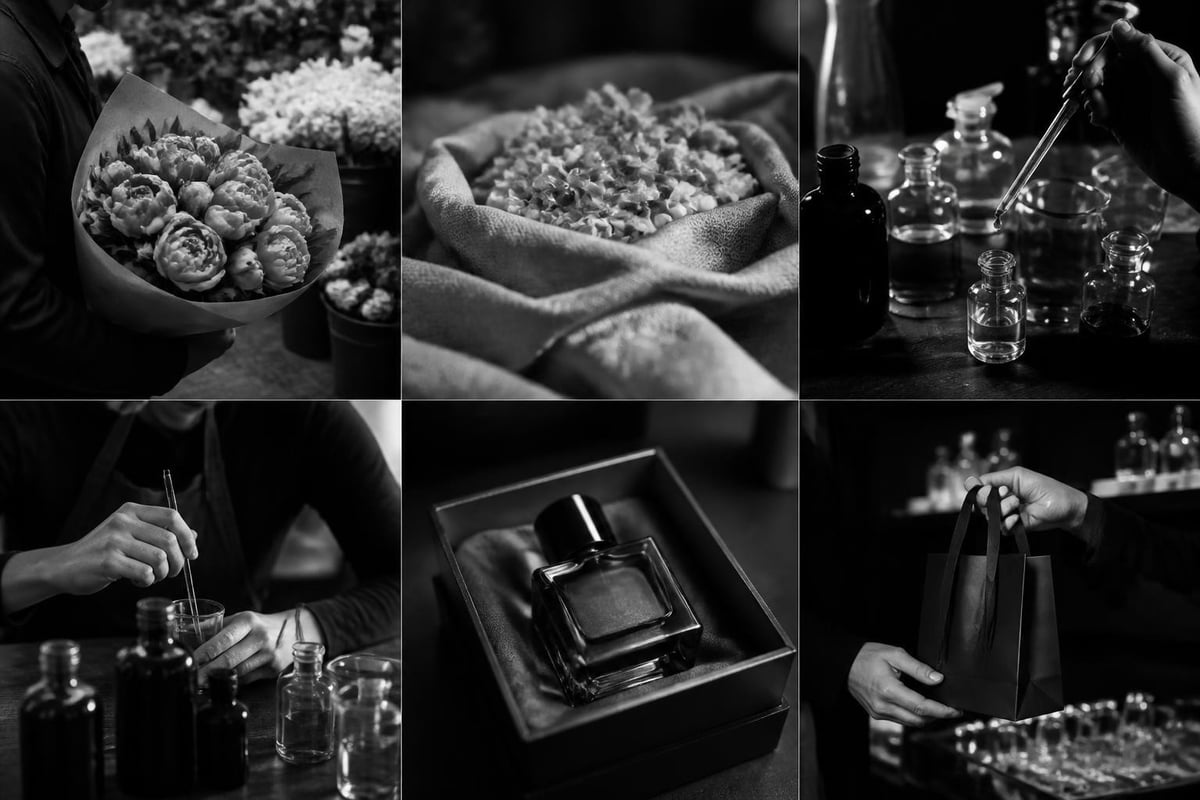
Manhattan offers botanical fragrance options through specialty boutiques concentrated in NoMad, SoHo, Greenwich Village, and the Lower East Side, with many makers operating workshop-retail hybrid spaces. Time Out New York's guide to perfume stores highlights niche fragrance destinations, though the landscape shifts frequently as new artisan makers establish storefronts. Visitors seeking NYC fragrance with botanical formulations should prioritize shops that disclose full ingredient lists and offer maker-direct purchasing.
Key shopping approaches include:
- Workshop visits: Many Manhattan perfumeries operate production facilities alongside retail spaces, allowing customers to observe handcrafting processes
- Maker consultations: Boutique owners often provide personalized scent guidance based on individual preferences and skin chemistry
- Sample programs: Testing botanical formulations before purchasing full sizes proves essential due to how plant-based oils interact differently with each person's skin
- Neighborhood exploration: Clustering multiple visits in areas like NoMad maximizes exposure to diverse maker philosophies
The New York Flower District has historically supplied aromatic raw materials to the city's scent industry, though modern botanical perfumers increasingly source directly from specialized suppliers. This supply chain evolution reflects growing emphasis on ingredient provenance and quality verification.
For those seeking fully customizable experiences, some makers offer build-your-own options where customers select from botanical scent profiles. The 212 custom fragrance concept at certain Manhattan workshops exemplifies this approach, allowing selection from dozens of plant-based formulations crafted specifically to reflect New York neighborhoods and experiences.
How Do You Choose Quality Botanical Fragrance in NYC?
Quality botanical NYC fragrance demonstrates transparent ingredient sourcing, consistent scent profile development, and appropriate oil concentration that delivers lasting wear without synthetic fixatives. Evaluating quality requires examining both formulation details and maker credentials, as the botanical perfume category lacks standardized certification beyond general cosmetic safety requirements. Customers should request full ingredient disclosure and verify vegan and natural claims through direct conversation with makers.
Assessment criteria for botanical fragrance quality:
| Quality Factor | What to Look For | Red Flags |
|---|---|---|
| Ingredient transparency | Full botanical extract list, sourcing information | Vague terms like "fragrance" or "parfum" |
| Formulation base | Plant oils, jojoba, or fractionated coconut oil | Alcohol, synthetic carriers, undisclosed solvents |
| Scent development | Distinct top, heart, and base progression over hours | One-dimensional scent, rapid fade, chemical undertones |
| Production method | Hand-poured, small-batch, local workshop | Mass production, drop-shipped, white-labeled |
| Maker accessibility | In-person consultations, workshop tours available | No physical location, anonymous production |
The Fragrance Safety Panel provides technical guidance on ingredient safety, though botanical makers using exclusively plant materials operate under different risk profiles than synthetic perfume manufacturers. Understanding these distinctions helps consumers make informed choices aligned with their preferences.
Testing methodology matters significantly with botanical formulations. Unlike alcohol-based perfumes that project scent through evaporation, oil-based botanical fragrances develop slowly on skin and create more intimate scent experiences. Proper testing requires applying product to pulse points and evaluating development over several hours rather than making immediate judgments.
What Are the Benefits of Choosing NYC-Made Botanical Fragrance?
NYC-made botanical fragrance offers direct maker relationships, verifiable local production, and formulations tailored to urban lifestyles that balance scent presence with professional environments. Choosing locally-crafted products supports Manhattan's artisan economy while providing access to makers who understand regional preferences and seasonal scent needs. The proximity between production and purchase enables customization impossible with products manufactured overseas or through traditional retail chains.
Direct benefits include:
- Production transparency: Visiting Manhattan workshops allows customers to observe handcrafting processes and ingredient handling
- Immediate customization: Local makers can adjust formulations based on customer feedback without long development cycles
- Sustainable practices: Reduced shipping distances and small-batch production minimize environmental impact compared to mass-market alternatives
- Community connection: Building relationships with makers creates ongoing dialogue about scent preferences and new releases
- Quality consistency: Local oversight ensures batch-to-batch reliability that suffers when production occurs remotely
Economic considerations extend beyond individual purchases. Supporting NYC fragrance makers sustains specialized skills and knowledge within the city's artisan community. This ecosystem includes not just perfumers but also suppliers, packaging designers, and retail partners who collectively maintain New York's position as a fragrance innovation center.
The Fragrance Foundation, headquartered in New York, organizes industry events that showcase both established houses and emerging botanical makers. These programming initiatives strengthen connections between consumers and creators while elevating public understanding of fragrance as craft rather than commodity.
How Does Botanical NYC Fragrance Fit Into Daily Life?
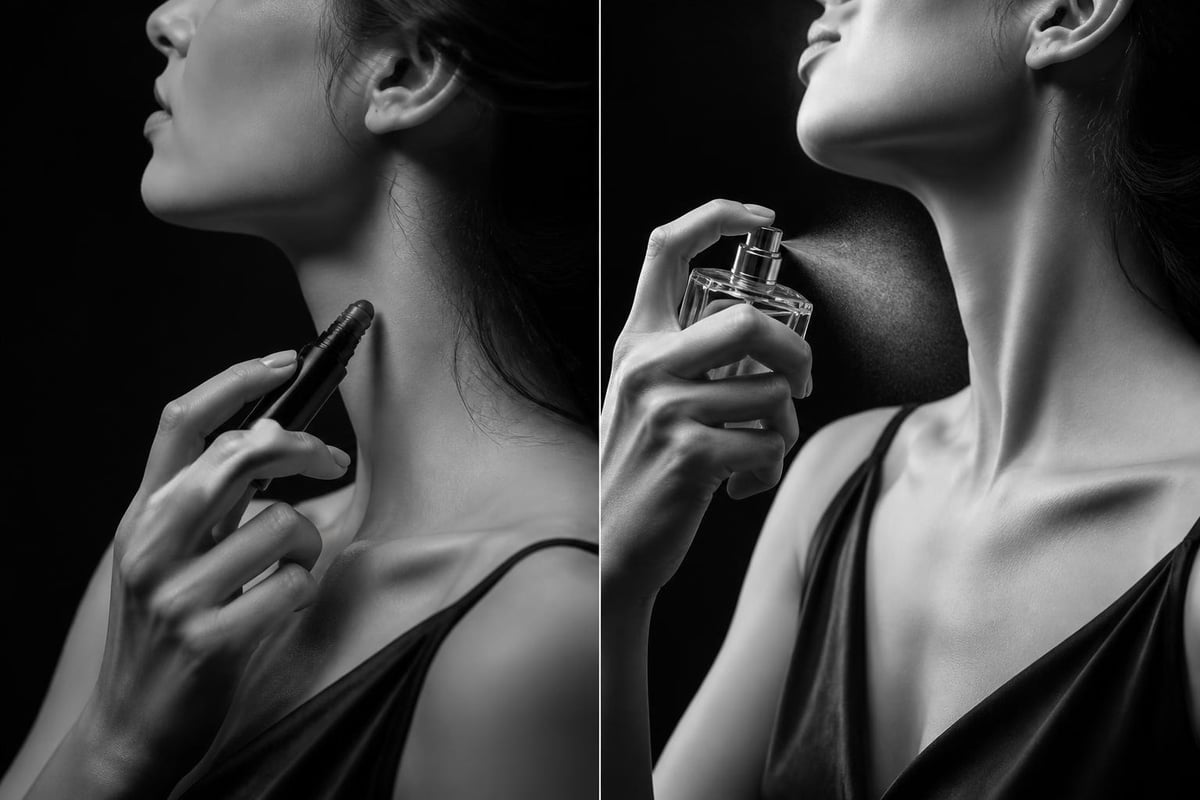
Botanical NYC fragrance integrates into daily routines through strategic application timing, layering with unscented personal care products, and understanding how plant-based oils interact with body chemistry throughout the day. Unlike synthetic fragrances designed for maximum projection, botanical formulations create personal scent experiences that evolve subtly with skin temperature and activity level. Urban professionals often prefer this intimate scent presence for workplace appropriateness while maintaining olfactory interest.
Daily integration strategies:
- Morning application to pulse points provides foundation that develops through workday temperature fluctuations
- Midday refreshment using solid perfume formats offers portable reapplication without liquid spills
- Evening layering combines perfume with botanical candles to create cohesive home scent environments
- Weekend experimentation tests new formulations during relaxed schedules when scent performance can be fully observed
The absence of alcohol in botanical formulations affects both application technique and storage requirements. Oil-based perfumes should be stored away from direct sunlight and extreme temperatures to preserve ingredient integrity. Glass roller bottles and solid compacts offer practical formats for maintaining product quality while enabling convenient application.
Creating cohesive scent environments extends beyond personal fragrance. Many who appreciate botanical perfumes also seek natural methods to fragrance living spaces, using candles, wax melts, and room sprays crafted from similar plant-based materials. This integrated approach builds consistent olfactory identity across personal and environmental scent choices.
What Should You Know Before Visiting NYC Fragrance Boutiques?
Before visiting NYC fragrance boutiques, understand that botanical perfume testing requires time for scent development, prepare questions about ingredient sourcing and production methods, and schedule visits during less crowded periods for meaningful maker consultations. Manhattan fragrance shops vary widely in their approach to customer interaction, from hands-off browsing environments to intensive guided experiences. Clarifying your preferences and knowledge level helps makers provide appropriate support.
Preparation steps maximize boutique visits:
- Research maker philosophy: Review websites and social media to understand each boutique's approach to botanical formulation
- Avoid competing scents: Skip scented lotions or conventional perfumes on visit days to ensure clean olfactory baseline
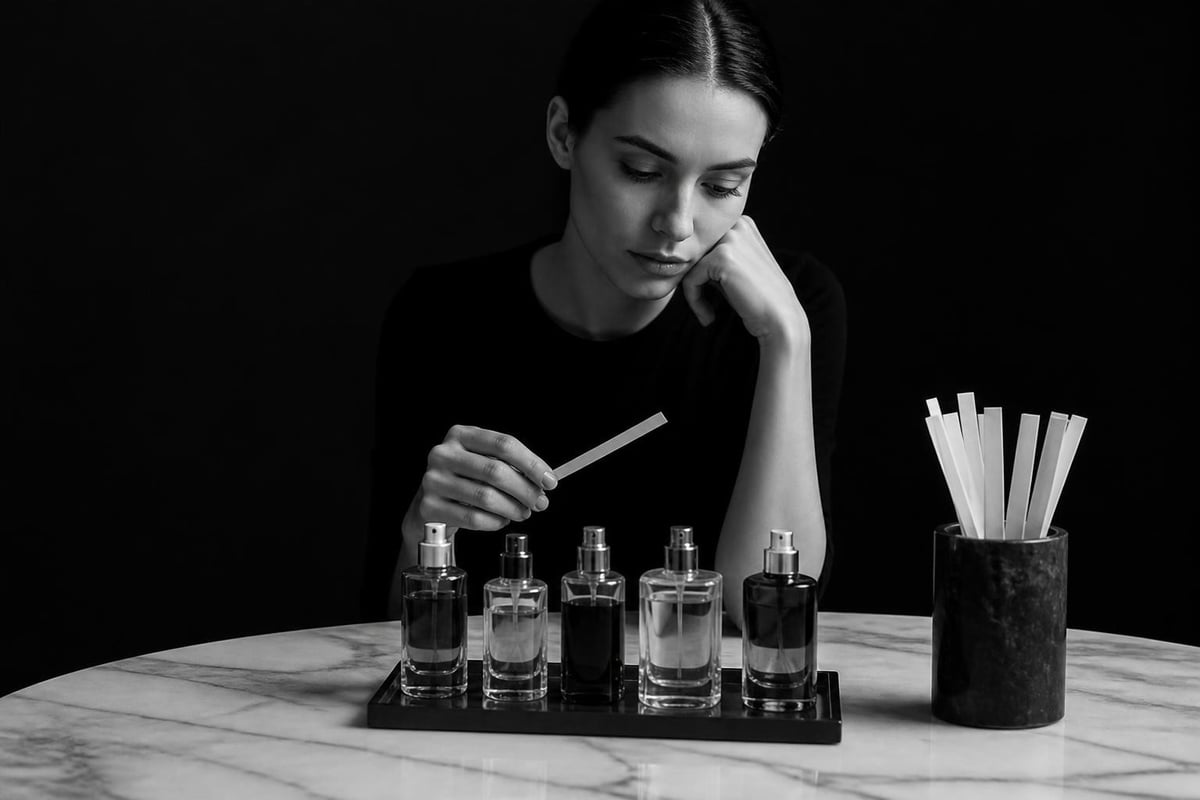
- Plan testing capacity: Limit skin testing to three or four formulations per visit to avoid overwhelming your sensory system
- Bring questions: Prepare specific inquiries about vegan verification, ingredient sourcing, and production location
- Schedule appropriately: Contact boutiques in advance to confirm hours and arrange consultations if desired
- Allow development time: Plan to spend thirty minutes minimum per shop to properly evaluate how scents evolve on your skin
Local health regulations govern retail fragrance operations in New York City, though botanical makers using natural ingredients typically face fewer restrictions than those working with synthetic materials. Understanding this regulatory context helps consumers appreciate the additional safety margins built into plant-based formulations.
Geographic clustering of boutiques in neighborhoods like NoMad enables efficient multi-shop visits. Walking between locations provides olfactory rest periods that reset sensory receptors between testing sessions. This approach proves more effective than attempting to evaluate numerous fragrances in rapid succession.
How Are NYC Fragrance Trends Evolving in 2026?
NYC fragrance trends in 2026 emphasize hyper-local ingredient narratives, zero-waste packaging systems, and made-to-order customization that eliminates overproduction and unsold inventory. The botanical segment continues expanding as consumers prioritize transparency and natural formulations over traditional prestige marketing. Manhattan makers increasingly collaborate with other local artisans to create integrated lifestyle products that extend beyond standalone fragrance offerings.
Current trend movements include:
| Trend Category | 2026 Manifestation | Consumer Driver |
|---|---|---|
| Customization | Build-your-own scent selection from botanical libraries | Desire for unique, personal fragrance identity |
| Sustainability | Refillable containers, bulk purchasing, package-free options | Environmental consciousness, waste reduction |
| Transparency | Full ingredient disclosure, maker accessibility, production tours | Skepticism of marketing claims, authenticity seeking |
| Local sourcing | Partnership with regional botanical suppliers, seasonal releases | Support for local economy, ingredient freshness |
| Format innovation | Solid perfumes, wax-based applications, layering systems | Portability, travel compliance, alcohol-free preferences |
Consumer research from Mintel's fragrance insights documents these shifts toward personalization and botanical claims, validating what NYC makers observe through direct customer interactions. The acceleration of these trends reflects broader cultural movements toward conscious consumption and maker transparency.
The role of physical retail experiences grows more important as consumers seek verification of natural claims through direct maker contact. Workshop tours, scent-building classes, and behind-the-scenes production access differentiate NYC fragrance boutiques from online-only retailers. This experiential component builds customer confidence in product authenticity.
Why Do Consumers Choose Botanical Over Synthetic NYC Fragrance?
Consumers choose botanical over synthetic NYC fragrance due to ingredient transparency concerns, skin sensitivity considerations, and philosophical alignment with natural wellness approaches that extend beyond scent to encompass broader lifestyle choices. The decision often reflects cumulative dissatisfaction with conventional perfume industry practices rather than single motivating factors. Many customers report transitioning to botanical options after experiencing skin reactions, questioning undisclosed synthetic ingredients, or seeking vegan-certified personal care products.
Primary motivating factors:
- Health consciousness: Eliminating synthetic materials addresses concerns about long-term exposure to aromachemicals
- Ethical alignment: Vegan and cruelty-free certifications match values already applied to food and skincare choices
- Sensory preferences: Plant-based scents offer different olfactory experiences than synthetic recreations
- Skin compatibility: Oil-based formulations often work better for sensitive skin than alcohol-based alternatives
- Production values: Supporting small-batch makers aligns with preferences for artisan goods over mass production
The learning curve associated with botanical fragrance adoption requires adjusting expectations formed by conventional perfume experiences. Plant-based oils develop differently on skin, last through different mechanisms than alcohol evaporation, and create more subtle scent presence than synthetic fixatives enable. Consumers who understand these distinctions appreciate botanical formulations on their own terms rather than comparing them unfavorably to synthetic benchmarks.
Educational content plays crucial roles in successful transitions to botanical fragrance. Resources explaining ingredient properties and application techniques help consumers maximize their investment in premium natural products. This knowledge foundation transforms botanical fragrance from expensive experiment to informed lifestyle choice.
What Role Does Manhattan Geography Play in NYC Fragrance?
Manhattan geography concentrates fragrance makers in walkable neighborhoods that enable boutique-hopping experiences and foster creative communities sharing resources, knowledge, and customer bases. The density of artisan producers within limited geographic areas creates natural collaboration opportunities and competitive pressures that drive innovation. Neighborhoods like NoMad, with their mix of residential and commercial spaces, provide ideal conditions for workshop-retail hybrid operations that characterize botanical fragrance production.
Specific geographic advantages include:
- Foot traffic patterns: High pedestrian volume in areas like SoHo and Greenwich Village provides discovery opportunities for new boutiques
- Real estate diversity: Mix of storefront and studio spaces accommodates various business models from pure retail to production-focused operations
- Cultural infrastructure: Proximity to design schools, galleries, and creative agencies attracts talent and sophisticated customer bases
- Supply access: Centralized distribution networks enable small-batch ingredient procurement without minimum order barriers
- Media presence: Concentration of lifestyle publications and influencers facilitates press coverage and brand building
The historical significance of Manhattan's fragrance industry, including connections to the flower district's aromatic supply chain, continues influencing contemporary botanical makers. This institutional knowledge persists through mentor relationships and shared supplier networks that newcomers access by establishing Manhattan presence.
Retail clustering benefits consumers by reducing travel time between boutiques and creating natural comparison shopping opportunities. A single afternoon in NoMad can include visits to multiple botanical perfume makers, each offering distinct approaches to natural formulation. This efficiency proves impossible in cities where artisan fragrance makers operate in dispersed suburban locations.
How Do You Care for Botanical NYC Fragrance Products?
Caring for botanical NYC fragrance products requires cool, dark storage away from temperature fluctuations, proper sealing after each use, and awareness that natural formulations have shorter shelf lives than synthetic alternatives stabilized with preservatives. Oil-based perfumes oxidize when exposed to air and light, gradually shifting scent profiles and reducing potency. Proper storage extends product life and maintains intended fragrance character from purchase through final application.
Essential care practices:
- Store bottles in drawers or cabinets away from windows and heat sources
- Keep caps tightly sealed between uses to minimize air exposure
- Avoid bathroom storage where humidity and temperature fluctuate significantly
- Use products within twelve to eighteen months of opening for optimal scent quality
- Transfer remaining product to smaller containers as bottles empty to reduce air contact
- Monitor for scent shifts or oil separation indicating oxidation or degradation
Glass containers protect botanical formulations better than plastic alternatives, which can interact with plant oils over time. Amber or cobalt glass provides additional light protection beyond clear containers. These material considerations influence both product longevity and scent integrity.
Application tools also require maintenance. Roller ball applicators should be cleaned periodically to prevent oil buildup that impedes smooth application. Solid perfume compacts benefit from keeping lids clean and avoiding contamination from fingers or other products.
The investment in premium botanical fragrance justifies proper care protocols. Products handcrafted in Manhattan workshops using quality plant materials represent significant value that extends beyond initial purchase price. Maximizing longevity through appropriate storage respects both the maker's effort and the customer's financial commitment.
NYC fragrance culture offers unique access to botanical perfumers who craft transparent, plant-based formulations with Manhattan's creative energy and artisan values. Understanding where to find quality makers, how to evaluate botanical products, and what distinguishes natural formulations from synthetic alternatives enables informed choices aligned with personal preferences and values. Whether you're seeking vegan perfumes, exploring neighborhood boutiques, or building custom scent profiles, Haus of Smell provides handcrafted botanical options made in Manhattan that embody the transparency and natural formulation philosophy defining NYC's evolving fragrance scene.
FAQ
What is NYC fragrance and how does it differ from designer perfume?
NYC fragrance refers to scents crafted by artisan makers in New York, emphasizing botanical ingredients, small-batch production, and direct maker-to-consumer relationships. Unlike designer perfumes with synthetic formulations and proprietary ingredient lists, NYC botanical fragrance prioritizes transparency, natural plant extracts, and often vegan oil-based formulations crafted in Manhattan workshops.
Where can I buy authentic botanical fragrance in Manhattan?
Authentic botanical fragrance is available through specialty boutiques in NoMad, SoHo, Greenwich Village, and the Lower East Side, with many makers operating workshop-retail spaces. Look for shops offering full ingredient disclosure, in-house production, and maker consultations. Visiting multiple boutiques in walkable neighborhoods allows comparison of different botanical approaches and formulation philosophies.
How long does botanical NYC fragrance last compared to alcohol-based perfume?
Botanical fragrance lasts four to eight hours depending on oil concentration and individual skin chemistry, developing more subtly than alcohol-based perfumes that project through rapid evaporation. Oil-based formulations create intimate scent experiences that evolve with body temperature rather than dispersing into surrounding air. Proper application to pulse points and strategic reapplication extends wear time throughout the day.
Are botanical fragrances better for sensitive skin than synthetic perfumes?
Botanical fragrances often work better for sensitive skin because they eliminate synthetic aromachemicals and use plant oils instead of drying alcohol bases. However, individual reactions vary based on specific botanical ingredients, as natural materials can still cause sensitivities in some people. Testing products on small skin areas before full application helps identify any personal sensitivities to particular plant extracts.
What should I expect to pay for quality botanical NYC fragrance?
Quality botanical NYC fragrance typically ranges from forty to one hundred twenty dollars for standard sizes, reflecting handcrafted production, premium natural ingredients, and small-batch manufacturing costs. Custom or build-your-own options may cost more due to personalization labor and individual formulation. This pricing reflects true production costs rather than inflated prestige marketing common in conventional perfume industry pricing structures.
How do I know if a NYC fragrance boutique uses truly natural ingredients?
Verify natural ingredients by requesting full botanical extract lists, asking about sourcing and production methods, and visiting workshop spaces if available. Reputable makers readily disclose complete formulations and can explain each ingredient's origin and purpose. Vague terms like fragrance or parfum on labels indicate undisclosed synthetic materials rather than transparent botanical formulations.