
NY fragrance is defined by botanical craft and independent retail, particularly in Manhattan neighborhoods like NoMad, Flatiron, and Murray Hill. The city's scent culture emphasizes natural ingredients, vegan formulations, and alcohol-free options that reflect New York's demand for authenticity and transparency in personal care products.
New York has always been a fragrance capital. The industry's regulatory bodies and creative communities are rooted here, shaping how Americans discover and wear scent. But the real story of ny fragrance today is not in department stores. It is in small-batch botanical workshops, neighborhood boutiques, and storefronts that prioritize plant extracts over synthetic compounds.
What makes NY fragrance different from fragrance sold elsewhere?
NY fragrance is distinguished by its emphasis on transparency, botanical sourcing, and local craft production. Unlike mass-market perfumes distributed nationally, ny fragrance often comes from independent makers who formulate in Manhattan and prioritize vegan, alcohol-free ingredients.
The difference is rooted in access and culture. New York's fragrance ecosystem includes The Fragrance Foundation, which has shaped industry standards and events since its founding in the city. This institutional presence creates a baseline of expertise that filters down to consumers who expect more from their perfumes.
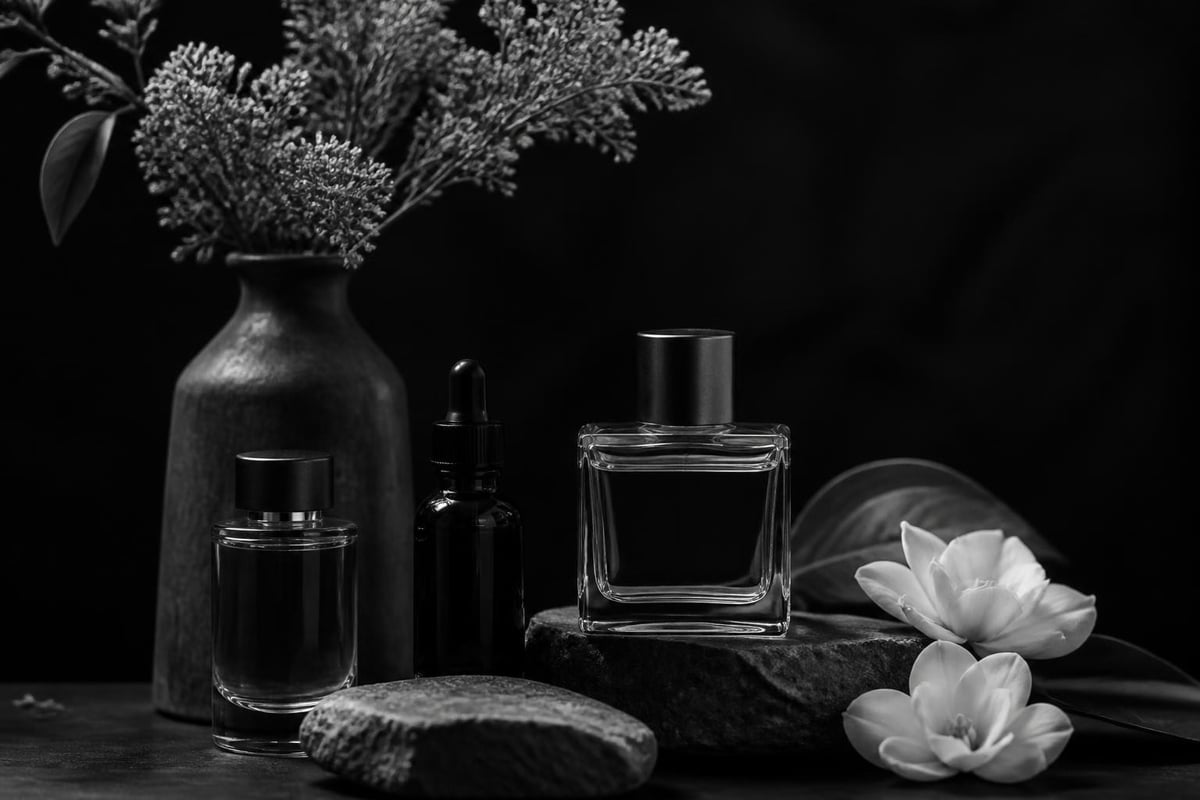
Manhattan neighborhoods like NoMad and Flatiron are home to boutiques that reject the conventional fragrance model. These shops stock perfumes made from real plant and resin extracts, without the alcohol base common in designer brands. The result is a scent that wears differently on skin and reflects a commitment to ingredients you can trace.
The botanical shift in New York perfumery
Botanical perfumery is not new, but its resurgence in New York reflects consumer demand for clean, vegan, and transparent products. Traditional perfumes rely on synthetic aroma chemicals and alcohol carriers. Botanical alternatives use oil bases and plant-derived extracts.
This shift matters because synthetics can trigger sensitivities and because consumers increasingly want to know what they are putting on their skin. The EPA's Safer Choice criteria outline environmental and safety benchmarks for fragrance ingredients, reflecting broader regulatory awareness of what goes into scent formulations.
In practice, this means ny fragrance is increasingly handmade, small-batch, and built on recognizable ingredients. Botanical perfumes are crafted to evolve on skin without the sharp alcohol evaporation that defines conventional sprays. They last longer in base oil form and interact with body heat in a way that feels personal rather than broadcast.
Where can you buy authentic botanical NY fragrance in Manhattan?
Authentic botanical ny fragrance is available in Manhattan neighborhoods known for independent retail, particularly NoMad, Murray Hill, and Kips Bay. These areas host boutiques and workshops where perfumes are made on-site and sold directly to customers.
NoMad is a center for this activity. The neighborhood's proximity to Midtown and the Flatiron District makes it accessible while maintaining the independent character that supports small makers. Here, you can visit studios where perfumes are poured by hand and purchase directly from the people who formulate them.
The advantage of buying in person is immediacy and education. You can smell formulations, ask about sourcing, and understand the difference between alcohol-based and oil-based perfumes. Many botanical perfumers in New York also offer custom options, allowing you to choose vessel and scent profile in a way that reflects your preferences.
Retail trends shaping NY fragrance access
New York's retail landscape is shifting. Department stores are consolidating, and traditional fragrance counters are losing ground to independent shops. This change benefits botanical perfumers, who thrive in neighborhood storefronts rather than big-box environments.
For customers, this means fragrance discovery is becoming more localized. Instead of visiting a department store, you might walk into a Murray Hill or Kips Bay boutique and encounter scents you cannot find anywhere else. This geographic specificity is part of what defines ny fragrance in 2026.
| Retail Model | Fragrance Type | Customer Experience |
|---|---|---|
| Department store | Designer, synthetic | Limited education, mass distribution |
| Independent boutique | Botanical, handmade | Direct maker access, custom options |
| Online only | Variable | No scent testing before purchase |
The table above illustrates why location matters. Botanical perfumes benefit from in-person discovery because scent is sensory. Online shopping works for restocking, but initial exploration requires smell.
How is NY fragrance regulated and what does that mean for safety?
NY fragrance follows the same federal regulations as all US-sold perfumes, but New York-based makers often exceed baseline compliance by adhering to IFRA Standards and voluntarily restricting allergens. This is particularly true for botanical perfumers who prioritize transparency.
The International Fragrance Association publishes technical limits on ingredient use, categorized by product type and exposure level. While compliance is voluntary in the United States, many New York perfumers reference these standards to ensure customer safety. Botanical formulations naturally avoid many restricted synthetics, but responsible makers still test for allergens present in plant extracts.
Safety in botanical perfumery also means ingredient disclosure. Many small-batch ny fragrance makers list every plant and resin extract used, which is uncommon in conventional perfumery. This transparency allows customers with sensitivities to make informed choices.
What to look for in vegan and alcohol-free formulations
Vegan fragrance excludes animal-derived ingredients like musk, ambergris, and castoreum. Alcohol-free formulations use oil or wax bases instead of ethanol. Both choices affect how a perfume smells and wears.
Vegan certification is straightforward but requires diligence. Some plant extracts are processed using animal products, so truly vegan perfumes require supply chain verification. Alcohol-free perfumes are gentler on skin and do not evaporate as quickly, meaning the scent evolves more slowly and lasts longer.
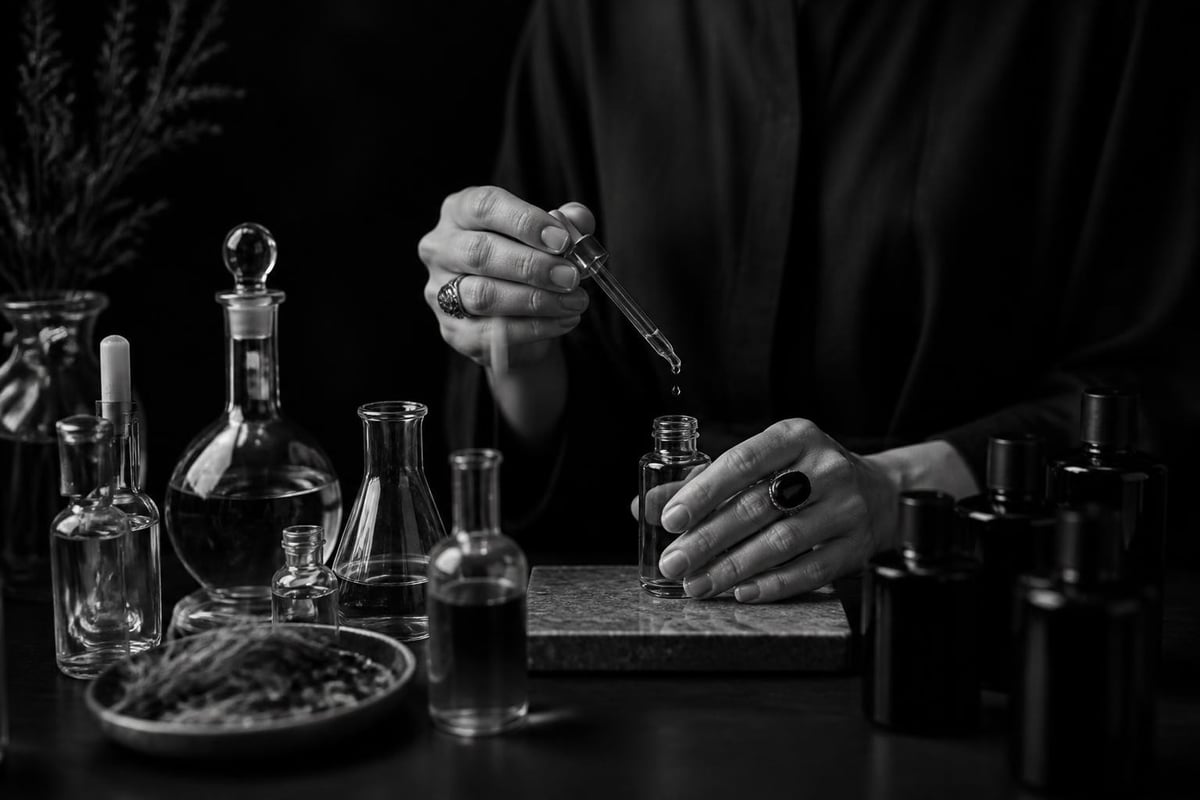
For those interested in crafting a personalized scent, options like custom botanical perfume allow you to select from a range of vegan, alcohol-free formulations handmade in Manhattan. This approach ensures you know exactly what you are wearing and can adjust the profile to your preferences.
What are the signature scent profiles of NY fragrance?
NY fragrance profiles tend toward resinous, earthy, and green compositions that reflect urban botanicals and a preference for complexity over sweetness. These scents are built to layer and evolve, rather than project a single dominant impression.
The preference for earthy complexity is cultural. New Yorkers value authenticity and nuance, which translates into perfumes that do not announce themselves from across a room. Instead, they reveal themselves gradually and interact with the wearer's skin chemistry.
This is distinct from the sweet, fruity profiles common in mass-market perfumes. NY fragrance makers draw on resins, mosses, and wood extracts to create scents that feel grounded. The result is a perfume that smells like memory rather than marketing.
How botanical ingredients define New York scent identity
Botanical ingredients are central to ny fragrance identity because they connect scent to place. New York-based makers source plant extracts from suppliers who prioritize sustainable harvesting and transparent sourcing. This creates a direct line from garden to bottle.
The industry guidance available through IFRA publications helps makers navigate allergen management and best practices, ensuring botanical perfumes meet safety standards without sacrificing ingredient integrity. This technical foundation supports the creative work of blending.
In practical terms, this means ny fragrance is built on real plant matter. The scents are denser, more textured, and longer-lasting than alcohol-based sprays. They require patience to understand but reward attention with complexity.
How do you choose an NY fragrance that fits your lifestyle?
Choosing an ny fragrance starts with understanding how you want to wear scent. Botanical, oil-based perfumes work best for people who prefer subtle, evolving fragrances that stay close to the skin. Alcohol-based sprays project further but evaporate faster.
Consider your environment and routine. If you work in close quarters or have scent sensitivities, an alcohol-free botanical perfume minimizes projection and irritation. If you want a scent that announces your presence, a spray might serve you better.
Testing is essential. Smell the perfume on your skin, not a card. Give it at least an hour to develop. Botanical perfumes change as they warm and interact with your body chemistry. What smells sharp at first may soften into something entirely different.
Steps for testing and purchasing botanical perfume
Testing botanical perfume requires time and method. Follow these steps to make an informed choice.
- Apply to clean skin. Wash your wrist or inner elbow to remove competing scents. Avoid areas with lotion or other fragrances.
- Wait 15 minutes. Initial impressions are not final impressions. Botanical perfumes need time to settle and reveal their base.
- Move and smell. Walk around, let your body heat activate the oils. Notice how the scent changes with movement and time.
- Test in your environment. What smells good in a boutique may smell different in your apartment or office. Take a sample if possible.
- Ask about ingredients. If you have sensitivities, request a full ingredient list. Reputable makers provide this without hesitation.
This process takes longer than grabbing a bottle off a shelf, but it ensures you are choosing a scent that genuinely fits your life.
Why does NY fragrance emphasize handmade and small-batch production?
NY fragrance emphasizes handmade and small-batch production because quality control and ingredient integrity are easier to maintain at smaller scales. Mass production requires shortcuts. Small batches allow for precision.
Handmade perfumes are mixed, poured, and bottled by the same people who formulate them. This creates accountability and allows for adjustments based on ingredient variability. Natural plant extracts differ from harvest to harvest, and small-batch production accommodates these shifts.
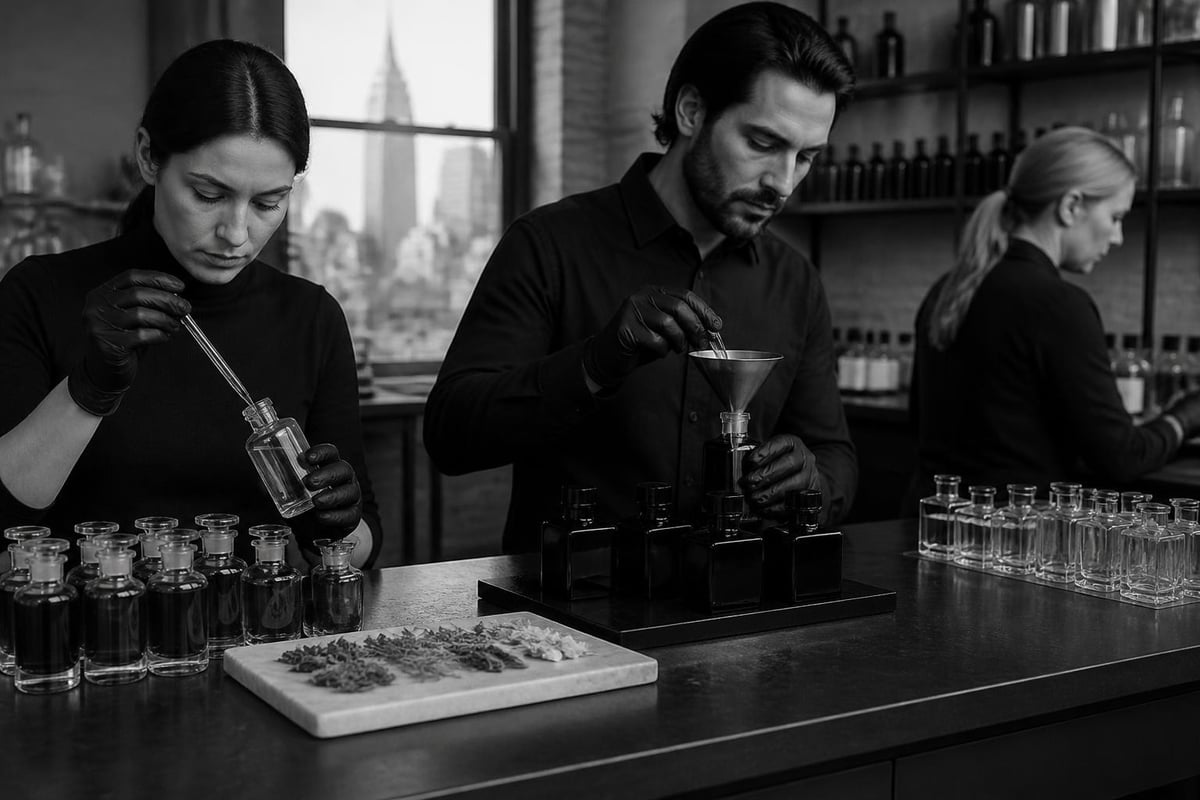
The Manhattan-based craft ecosystem supports this model. Studios in NoMad and surrounding neighborhoods operate on direct-to-consumer models that eliminate the need for distributors and retailers. This keeps costs reasonable while maintaining quality.
The economics of independent NY fragrance makers
Independent makers operate on tighter margins than corporate brands, but they retain creative control and customer relationships. The trade-off is scale. A small workshop cannot compete with factory output, but it can offer customization and transparency.
For customers, this means access to perfumes that are not available in chain stores. It also means supporting local craft and contributing to New York's independent retail ecosystem. The Fragrance Foundation's Accords editorial often covers how independent makers are reshaping the industry, particularly in New York.
| Production Model | Advantages | Limitations |
|---|---|---|
| Handmade, small-batch | Quality control, customization, transparency | Limited inventory, higher per-unit cost |
| Mass production | Wide availability, lower cost | Less ingredient flexibility, less accountability |
The choice between these models is personal. Some customers prioritize access and price. Others prioritize craft and ingredient integrity.
What role does New York play in the future of botanical fragrance?
New York plays a central role in the future of botanical fragrance because the city combines regulatory influence, creative talent, and consumer demand for clean products. As botanical perfumery grows, New York-based makers set standards that ripple outward.
The presence of industry organizations and a customer base that values transparency creates a testing ground for new models. What works in Manhattan often influences broader trends. This is already visible in the shift toward vegan and alcohol-free formulations.
New York's density also supports in-person retail, which is critical for scent discovery. As online shopping dominates other product categories, fragrance remains stubbornly physical. You need to smell it. This gives neighborhood boutiques an advantage that will likely persist.
How to support botanical fragrance in your neighborhood
Supporting botanical fragrance means shopping locally and asking questions. Visit boutiques in Flatiron, NoMad, and surrounding areas. Ask makers about their ingredients and process.
Share your discoveries. Word of mouth sustains small businesses, particularly in competitive urban markets. If you find a perfume you love, tell others. Write reviews. Tag makers on social platforms.
Consider how you use scent at home as well. Botanical options are not limited to personal perfumes. Candles, room sprays, and wax melts made from natural ingredients bring the same transparency to your living space. Resources like making your apartment smell good naturally offer practical guidance on incorporating botanical scents into daily life.
FAQ
What is NY fragrance?
NY fragrance refers to perfumes and scented products made in New York, particularly Manhattan, with an emphasis on botanical ingredients, vegan formulations, and alcohol-free bases. These fragrances are often handmade in small batches by independent makers who prioritize transparency and natural sourcing over mass production.
Where can I buy botanical NY fragrance in Manhattan?
Botanical ny fragrance is available in Manhattan neighborhoods like NoMad, Flatiron, Murray Hill, and Kips Bay. Independent boutiques and workshops in these areas sell handmade perfumes directly to customers, often with custom options. In-person shopping allows you to test scents and learn about ingredients before purchasing.
How is botanical perfume different from conventional perfume?
Botanical perfume uses plant and resin extracts in an oil base, avoiding synthetic aroma chemicals and alcohol. Conventional perfumes rely on synthetics and ethanol carriers. Botanical options are vegan, gentler on skin, and evolve more slowly, creating a scent that stays close and lasts longer without sharp evaporation.
Is NY fragrance regulated for safety?
Yes, ny fragrance follows federal cosmetic regulations, and many Manhattan-based makers voluntarily adhere to IFRA Standards for ingredient safety and allergen management. Botanical perfumers often exceed baseline compliance by disclosing full ingredient lists and testing for plant-derived allergens, ensuring transparency and customer safety.
Why is handmade fragrance more expensive than mass-market perfume?
Handmade fragrance costs more because it is produced in small batches with quality control at every step. Natural plant extracts are more expensive than synthetics, and labor-intensive processes like hand-pouring and custom formulation add cost. The trade-off is ingredient integrity, customization, and direct support for independent makers.
Can I create a custom NY fragrance?
Yes, many Manhattan-based botanical perfumers offer custom fragrance services where you select vessel and scent profile from a range of natural, vegan, alcohol-free options. These perfumes are handmade to order and reflect your preferences, offering a personalized alternative to off-the-shelf products. Custom options are often available for pickup in neighborhoods like NoMad.
NY fragrance represents a shift toward transparency, botanical integrity, and local craft in an industry long dominated by mass production. For those seeking vegan, alcohol-free perfumes made from real plant extracts, Haus of Smell offers handmade botanical scents crafted in Manhattan with a commitment to natural ingredients and neighborhood retail.