
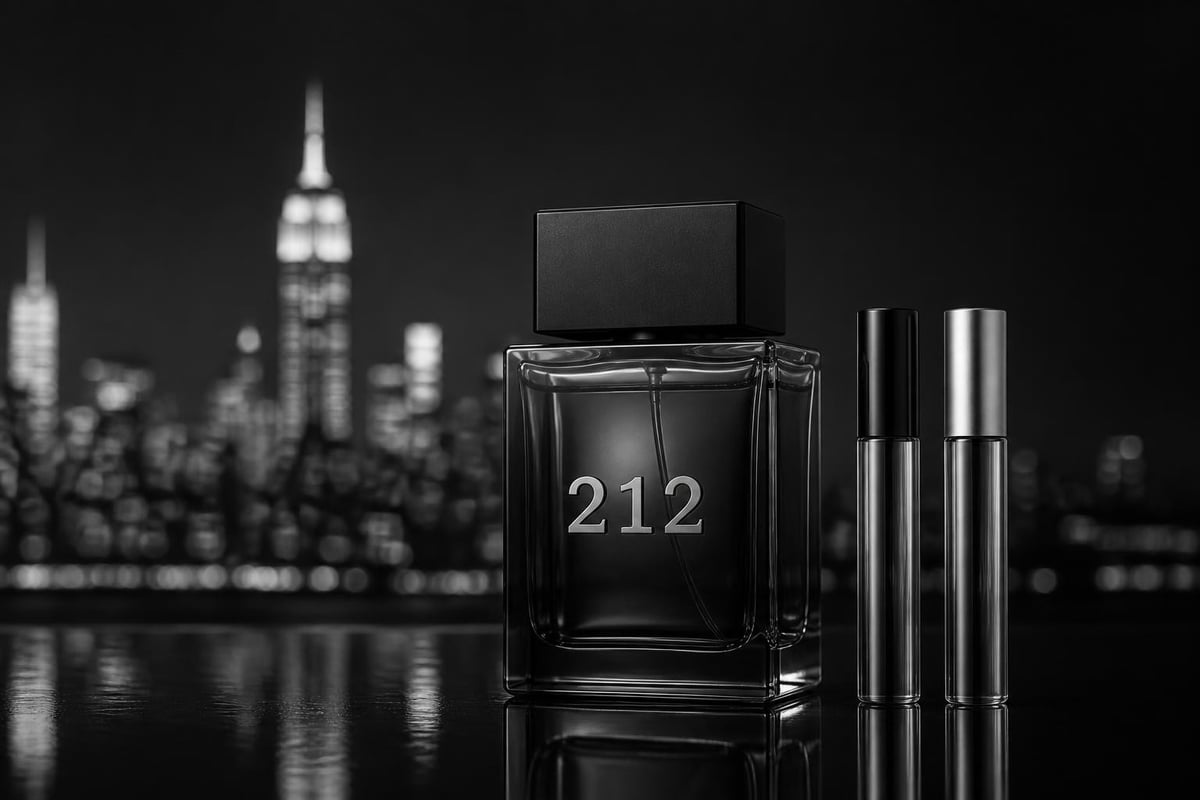
New york 212 perfume is a modern floral fragrance launched by Carolina Herrera in 1997, designed to capture the energy and sophistication of Manhattan's urban landscape. The scent embodies a cosmopolitan aesthetic through its composition, reflecting the designer's vision of New York as a cultural and style capital. It has remained a recognizable presence in the fragrance market for nearly three decades.
The perfume emerged during a period when fragrance houses sought to bottle the spirit of specific cities, transforming geographic identity into olfactory experience. Carolina Herrera's connection to New York informed the creative direction, establishing a product line that would eventually expand into multiple variations and concentrations. The original formulation positioned itself as accessible luxury, bridging the gap between haute couture and everyday wear for an audience drawn to urban elegance.
What makes New York 212 perfume distinctive in the fragrance market?
New York 212 perfume distinguishes itself through its deliberate association with Manhattan's metropolitan character and its positioning as a modern floral scent that avoids overly traditional structures. The fragrance was conceived as a departure from heavier, more ornate compositions that dominated the 1980s and early 1990s. Instead, it embraced a lighter, more transparent approach aligned with the minimalist aesthetic gaining traction in the late 1990s.
Carolina Herrera's fragrance development reflects the designer's broader philosophy of refined simplicity, translating her fashion sensibility into a wearable scent profile. The perfume's identity centers on the idea of a confident, contemporary individual navigating city life with ease. This conceptual framework has allowed the line to maintain relevance across multiple decades, even as fragrance trends have shifted toward increased projection, niche formulations, and greater ingredient transparency.
The product line has evolved to include various concentrations and flankers, each targeting slightly different market segments while maintaining the core identity. Eau de toilette, eau de parfum, and intense formulations provide options for those seeking different levels of longevity and presence. This tiered approach reflects broader industry trends in fragrance concentration and performance, as consumers in 2026 increasingly prioritize scents that deliver consistent wear throughout long workdays and social engagements.
How has the formulation of 212 changed since its launch?
The formulation of 212 has undergone subtle modifications over its nearly thirty-year history, primarily driven by evolving safety regulations, raw material availability, and manufacturing optimization. Like most commercial fragrances, the scent profile remains recognizable to longtime wearers, but analytical testing would reveal differences in specific molecular compositions between batches from different decades. These changes are neither unusual nor necessarily indicative of quality decline; they reflect the reality of large-scale perfume production.
IFRA standards and transparency requirements have tightened significantly since 1997, requiring reformulation of many classic perfumes to comply with updated allergen restrictions and concentration limits. Ingredients that were standard in late-1990s formulations may now face usage restrictions or require replacement with alternative molecules that deliver similar olfactory effects. These regulatory shifts aim to reduce sensitization risk while maintaining the overall character of established products.
Manufacturing advances have also influenced formulation consistency. Modern synthetic chemistry techniques allow for more precise replication of natural materials and greater batch-to-batch uniformity. Flow chemistry approaches used in contemporary fragrance production enable manufacturers to create specific molecules with tighter specifications than were achievable through earlier methods. For a mass-market product like 212, these technologies ensure that bottles purchased in different years or regions deliver a consistent experience, even if the underlying molecular composition has shifted.
| Formulation Factor | 1997 Launch Period | 2026 Current State |
|---|---|---|
| Regulatory framework | Earlier IFRA standards | Comprehensive safety limits |
| Manufacturing precision | Traditional batch methods | Flow chemistry and advanced synthesis |
| Ingredient sourcing | Less transparent supply chain | Greater traceability requirements |
| Allergen disclosure | Minimal labeling | Mandatory allergen lists |
Consumer perception of reformulation varies widely. Some longtime users report minimal noticeable difference, while others claim the scent has become weaker or less complex. These subjective assessments are difficult to verify without historical reference samples and analytical testing. Factors such as individual skin chemistry changes, olfactory adaptation, and memory bias complicate direct comparisons across decades.
Who is the target audience for New York 212 perfume in 2026?
The target audience for new york 212 perfume has evolved since launch, now encompassing both original fans who have aged with the product and younger consumers discovering it as a modern classic. The primary demographic remains urban professionals between ages 25 and 45 who value versatile scents appropriate for both workplace and social settings. This group seeks fragrances that project confidence without overwhelming, fitting seamlessly into environments where scent etiquette matters.
Manhattan-based consumers represent a significant portion of the audience, drawn to the geographical association and the idea of wearing a scent that references their own city. The perfume appeals to those who view fragrance as an extension of personal style rather than a bold statement. It functions as a signature scent for individuals who prefer consistency over constant rotation, offering enough complexity to remain interesting through repeated wear.
The market has fragmented considerably since 1997, with niche perfumery, artisanal production, and botanical formulations gaining substantial share among fragrance enthusiasts. Those exploring perfume stores in Manhattan today encounter a vastly expanded landscape that includes both commercial brands and independent makers emphasizing transparency, natural ingredients, and customization. This diversification has not eliminated demand for accessible designer fragrances, but it has created a more discerning consumer base that evaluates products across multiple criteria beyond brand recognition.
Price point positioning remains a key factor. New york 212 perfume occupies the moderate luxury tier, making it accessible to consumers who want designer credentials without ultra-premium pricing. This positioning has proven resilient, as economic uncertainty in recent years has driven some consumers down from prestige brands while others trade up from mass-market offerings. The availability across multiple retail channels, both physical and online, ensures broad distribution that supports steady sales volume.
What are the practical considerations when wearing 212?
Practical considerations when wearing 212 center on application technique, longevity management, and environmental appropriateness. As a floral composition with moderate sillage, the fragrance benefits from strategic placement on pulse points where body heat helps diffuse the scent throughout the day. Wrists, neck, and behind ears remain standard application zones, though some wearers find that applying to clothing or hair extends wear time.
Longevity varies by concentration and individual skin chemistry. The eau de toilette formulation typically delivers four to six hours of noticeable presence, while eau de parfum versions extend this to six to eight hours. Skin type influences performance significantly; those with drier skin often experience faster dissipation and may need to reapply or layer with complementary scented products such as body lotion or oil to create a longer-lasting base. Hydrated skin holds fragrance molecules more effectively than dehydrated skin.
Environmental factors also affect how the scent develops and projects. Heat amplifies intensity, making summer wear potentially overwhelming if applied with the same generosity as in cooler months. Office environments with recirculated air can concentrate fragrance, requiring lighter application than would be appropriate for outdoor settings. Awareness of scent sensitivity among colleagues and social contacts has increased in recent years, making restraint a valuable practice in professional contexts.
Storage practices directly impact longevity and quality. Exposure to light, heat, and air accelerates degradation of fragrance molecules, particularly top notes that provide initial freshness. Keeping the bottle in its original packaging, away from windows and heat sources, preserves the composition longer. Once opened, most fragrances maintain optimal quality for two to three years, though this varies based on formulation and storage conditions.
Application best practices include:
- Starting with one to two sprays and assessing projection before adding more
- Allowing fragrance to dry naturally rather than rubbing wrists together, which crushes molecules
- Avoiding application immediately before exercise, which can amplify scent unpleasantly
- Testing on skin before purchasing, as fragrance evolves differently on paper than on body chemistry
- Rotating fragrances to prevent olfactory fatigue and maintain appreciation for each scent
How does commercial fragrance differ from botanical alternatives?
Commercial fragrance like new york 212 perfume differs from botanical alternatives primarily in formulation philosophy, ingredient sourcing, and performance characteristics. Mass-market perfumes rely heavily on synthetic molecules that provide consistency, longevity, and projection at a scale that natural ingredients cannot economically match. These synthetics are not inherently inferior; many replicate natural materials with greater purity and less environmental impact than extraction from plants would require.
Botanical fragrances prioritize ingredients derived directly from plant matter, resins, and essential oils. For those exploring alternatives to commercial options, Botanical Eau de Parfum offerings emphasize transparency in sourcing and formulation, avoiding synthetic fragrance compounds entirely. This approach appeals to consumers concerned about ingredient lists, vegan certification, and minimal processing. The trade-offs include different performance profiles, as natural materials often deliver softer projection and shorter wear time than synthetic compositions designed for maximum longevity.
The alcohol content represents another fundamental difference. Most commercial perfumes use high-percentage alcohol as a carrier, which creates the immediate diffusion and evaporation gradient that characterizes traditional perfume structure. Botanical alternatives often use oil-based formulations that sit closer to the skin, creating an intimate scent experience rather than a projecting cloud. This distinction suits different wearing preferences and social contexts.
Transparency has become a significant differentiator. Consumers in 2026 increasingly demand detailed ingredient disclosure, particularly regarding potential allergens and synthetic additives. Commercial brands must comply with minimum labeling requirements but often provide limited formulation details to protect proprietary blends. Botanical producers, especially small-batch makers, frequently offer complete ingredient lists and sourcing information, appealing to those who view transparency as a purchasing criterion.
| Aspect | Commercial Fragrance | Botanical Alternative |
|---|---|---|
| Primary ingredients | Synthetic molecules and naturals | Plant extracts, essential oils, resins |
| Carrier base | High-percentage alcohol | Oil or minimal-alcohol base |
| Projection | Designed for notable sillage | Intimate, skin-close presence |
| Longevity | 6-12 hours typical | 4-8 hours typical |
| Batch consistency | Highly uniform | Natural variation possible |
| Ingredient disclosure | Minimum regulatory requirements | Often comprehensive lists |
| Price per milliliter | Economies of scale | Higher due to natural sourcing |
Neither approach is universally superior; the choice depends on individual priorities around performance, ingredients, and values. Someone seeking maximum projection and longevity in a recognizable designer scent will find commercial fragrances better suited to those needs. Consumers prioritizing natural formulations, vegan certification, and ingredient transparency may prefer botanical options despite different performance characteristics.
Where can you purchase 212 in New York City?
You can purchase 212 at major department stores, dedicated fragrance retailers, and specialty boutiques throughout Manhattan and the broader New York metropolitan area. Department stores such as Bloomingdale's, Macy's, and Saks Fifth Avenue carry the full Carolina Herrera fragrance line, including multiple concentrations and sizes. These locations offer the advantage of in-person testing and immediate purchase, along with sales associate guidance for those less familiar with the product range.
Dedicated fragrance chains maintain significant presence in Manhattan shopping districts. These retailers stock extensive designer collections and often run promotions that make purchase more economical than department store pricing. The concentration of fragrance retail in areas like Midtown, SoHo, and the Upper East Side reflects the competitive market for perfume sales in one of the world's densest luxury retail environments.
Online purchasing has grown substantially, with the official Carolina Herrera site offering direct purchase and periodic exclusives not available through third-party retailers. Major e-commerce platforms provide competitive pricing and customer reviews that can inform purchase decisions. However, buying fragrance online eliminates the ability to test before purchase, which remains important for many consumers given the subjective nature of scent preference and skin chemistry interaction.
For those interested in exploring beyond commercial options, visiting independent perfumeries in Manhattan provides exposure to alternative approaches. These smaller operations often emphasize education, customization, and ingredient transparency that mass-market retail cannot match. The experience differs significantly from department store fragrance counters, focusing on consultation and discovery rather than high-volume sales.
Key purchase considerations include:
- Testing on your own skin rather than paper strips when possible
- Allowing at least 30 minutes for the scent to develop before deciding
- Comparing prices across retailers, as promotions vary significantly
- Verifying authenticity when purchasing from third-party online sellers
- Checking return policies, especially important for online purchases
What role does geographic identity play in fragrance marketing?
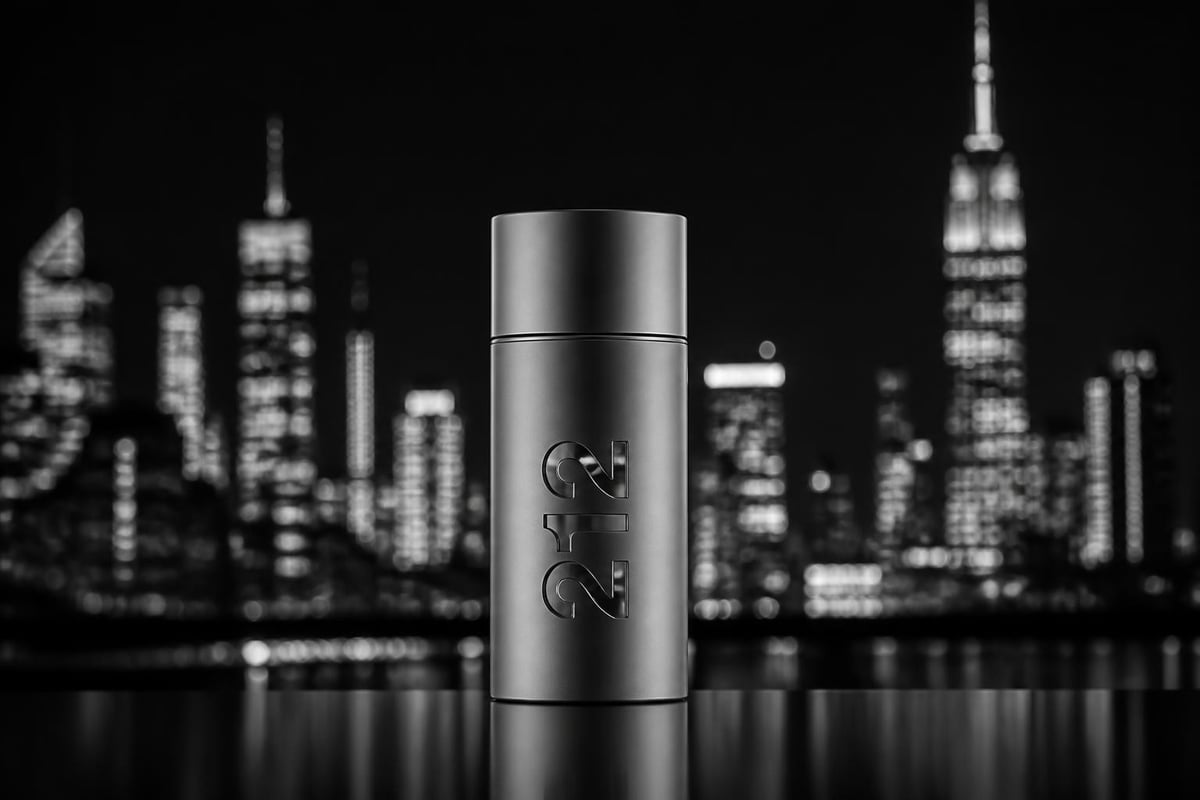
Geographic identity plays a crucial role in fragrance marketing by creating emotional associations and lifestyle aspirations that transcend the physical product. New york 212 perfume leverages Manhattan's global reputation as a center of fashion, finance, and culture to position itself as sophisticated, modern, and cosmopolitan. This strategy works because cities carry accumulated meanings that brands can borrow to communicate complex messages quickly and efficiently.
The number 212 itself references Manhattan's area code, functioning as shorthand for the entire New York identity. This specificity creates exclusivity even within a mass-market product, suggesting insider knowledge and connection to a particular place. For consumers who live in or frequently visit New York, wearing the fragrance can reinforce self-concept and signal affiliation. For those elsewhere, it offers vicarious participation in an aspirational lifestyle.
Geographic positioning differentiates products in a crowded market where actual scent differences may be subtle. When hundreds of floral fragrances compete for attention, associating with a specific city provides a narrative hook that pure olfactory description cannot match. Marketing materials, packaging design, and retail placement all reinforce the geographic connection, creating a cohesive brand experience that extends beyond the liquid in the bottle.
However, geographic identity can also limit appeal. Some consumers reject fragrances explicitly tied to cities they don't identify with or actively dislike. The association that attracts New York enthusiasts may alienate those who view the city negatively or simply feel no connection to it. This trade-off is inherent in specific geographic positioning versus more universal or abstract brand identities.
The success of geographically positioned fragrances has inspired numerous imitators, creating a crowded sub-category within commercial perfumery. Cities from Paris to Dubai now have fragrances claiming to capture their essence, though few achieve the market penetration that 212 established early. The strategy works best when the brand creating the fragrance has authentic connection to the place being referenced, as Carolina Herrera's ties to New York provided credibility that purely opportunistic geographic marketing lacks.
How do you evaluate whether a fragrance suits your needs?
You evaluate whether a fragrance suits your needs by assessing it across multiple dimensions including scent preference, performance characteristics, appropriateness for intended contexts, and alignment with personal values. The evaluation process begins with direct olfactory experience but extends well beyond initial impression. A fragrance that smells appealing on a test strip may develop differently on skin, and a scent that works beautifully in one season or setting may feel inappropriate in another.
Testing methodology significantly affects evaluation accuracy. Sampling on your own skin for at least four to six hours reveals how the composition evolves through its development stages and how it interacts with your individual chemistry. Wearing a fragrance through various activities and environments provides insight into its versatility. A scent that feels perfect during weekend leisure might project too strongly for professional settings, or vice versa.
Performance expectations matter. If you need a fragrance that maintains presence through a twelve-hour day, evaluating longevity becomes critical. If you prefer scents that stay close to the skin and require proximity to detect, projection levels require different assessment. Understanding your own priorities around these characteristics helps focus evaluation on relevant criteria rather than abstract quality judgments.
Values alignment increasingly influences purchasing decisions. Consumers concerned about ingredient sourcing, animal testing, synthetic components, or manufacturing practices evaluate fragrances through these lenses alongside olfactory and performance factors. A scent that scores high on traditional criteria may not suit someone whose purchasing decisions prioritize vegan formulation or local production. Haus of Smell addresses these considerations through botanical formulations crafted in Manhattan using exclusively plant-derived, vegan ingredients.
Evaluation framework:
- Initial impression - Does the fragrance appeal immediately, or does it require adjustment period?
- Development trajectory - How does the scent evolve over four to six hours of wear?
- Skin chemistry interaction - Does your body chemistry enhance or distort the intended composition?
- Contextual appropriateness - Will the fragrance work in your typical environments and activities?
- Longevity and projection - Do performance characteristics match your needs and preferences?
- Value alignment - Does the product meet your standards for ingredients, sourcing, and production?
- Cost per wear - Does the price justify the frequency and occasions for which you'll use it?
Honest self-assessment proves more valuable than external validation. A fragrance favored by critics, influencers, or sales associates may not suit your specific needs and preferences. Conversely, a scent that others dismiss might work perfectly for your circumstances. Evaluation requires tuning out marketing messages and social pressure to focus on your actual experience and requirements.
What alternatives exist for those seeking New York-themed fragrances?
Alternatives for those seeking New York-themed fragrances range from other commercial designer scents with urban positioning to artisanal botanical options that capture specific aspects of the city's character. Several fragrance houses have released New York-inspired compositions, each interpreting the city through different olfactory lenses. These vary in accessibility, price point, and creative approach, providing options for diverse preferences and budgets.
Niche perfumery offers more conceptual interpretations of New York, moving beyond tourist-friendly representations to explore specific neighborhoods, subcultures, or moments in the city's history. These fragrances often carry higher price points and limited distribution but provide olfactory experiences unavailable in mass-market products. The trade-off involves accessibility; while commercial options like 212 are readily available across numerous retail channels, niche alternatives may require specialized retailers or online ordering.
For those drawn to the idea of a personalized New York scent rather than a specific commercial interpretation, custom fragrance services provide the most tailored approach. These offerings allow direct participation in formulation decisions, creating a unique composition that reflects individual associations with the city. The 212 build-your-own option exemplifies this approach, offering 212 distinct botanical New York-inspired scents in a made-to-order format that emphasizes natural ingredients and local Manhattan production.
The botanical fragrance category presents a philosophically different alternative, prioritizing ingredient sourcing and formulation transparency over the performance characteristics that define commercial perfumery. These products appeal to consumers who view fragrance choice through the lens of health, environmental impact, and values alignment rather than purely olfactory or aspirational criteria.
| Alternative Type | Example Characteristics | Best For |
|---|---|---|
| Other designer NYC fragrances | Commercial accessibility, tested formulas | Those wanting different takes on urban sophistication |
| Niche New York interpretations | Conceptual depth, limited production | Fragrance enthusiasts seeking unusual perspectives |
| Custom/bespoke services | Personalized composition, direct involvement | Individuals wanting unique, personal scent signatures |
| Botanical New York scents | Natural ingredients, local production | Values-driven consumers prioritizing transparency |
Geographic specificity in fragrance exists on a spectrum from literal representation to abstract evocation. Some New York-themed fragrances attempt to capture specific smells associated with the city, while others use the location as inspirational framework for compositions that bear no literal connection to New York's actual olfactory landscape. Understanding where a product falls on this spectrum helps set appropriate expectations and guides selection based on what aspect of "New York scent" appeals most.
New york 212 perfume represents a particular approach to commercial fragrance that has sustained market presence for nearly three decades through geographic positioning and accessible luxury branding. Whether it suits individual needs depends on priorities around scent profile, performance characteristics, and values alignment. For those exploring fragrance options in New York who prioritize botanical ingredients, transparent sourcing, and local Manhattan craftsmanship, Haus of Smell offers an alternative approach to scent that emphasizes natural materials and customization over mass-market formulation.
Frequently Asked Questions
Does new york 212 perfume work for daily office wear?
Yes, new york 212 perfume works for daily office wear due to its moderate projection and floral composition that avoids heavy intensity. The eau de toilette concentration provides presence without overwhelming in professional environments. Apply conservatively and monitor feedback, as scent sensitivity varies widely across workplaces and colleagues in 2026.
How long does 212 typically last on skin?
212 typically lasts four to six hours in eau de toilette concentration and six to eight hours in eau de parfum formulation, varying by individual skin chemistry and environmental conditions. Drier skin types experience faster dissipation, while hydrated skin extends longevity. Reapplication may be necessary for all-day presence through evening activities.
What is the price range for new york 212 perfume?
The price range for new york 212 perfume spans approximately forty to ninety dollars depending on size, concentration, and retailer. Smaller eau de toilette bottles start at the lower end, while larger eau de parfum formats reach higher price points. Promotional periods and online retailers sometimes offer discounts below standard department store pricing.
Can you layer 212 with other fragrances?
You can layer 212 with other fragrances, though results depend on composition compatibility and personal scent preferences. Layering works best when combining fragrances that share common characteristics or when adding lighter scents that complement rather than compete. Start with minimal application of each to avoid overwhelming projection and adjust based on development.
Is new york 212 perfume suitable for sensitive skin?
New york 212 perfume may or may not be suitable for sensitive skin depending on individual allergen responses and sensitivities. The formulation contains fragrance allergens required to be listed under current regulations. Those with known sensitivities should review ingredient lists, conduct patch testing, and consider alcohol-free botanical alternatives if commercial fragrances consistently cause irritation.
Where is Carolina Herrera 212 manufactured?
Carolina Herrera 212 is manufactured through licensed production agreements with major fragrance houses that operate facilities globally, not exclusively in New York despite the brand's geographic positioning. Commercial fragrance production occurs at industrial scale in specialized facilities, contrasting with small-batch, location-specific production methods used by artisanal makers in Manhattan.