
Manhattan hosts a growing number of natural perfume shops that prioritize botanical ingredients, vegan formulations, and transparent sourcing. These boutiques reject synthetic compounds in favor of plant-based extracts, resins, and oils, offering customers an alternative to mass-market fragrances. The shift reflects broader consumer demand for clean beauty products and artisan craftsmanship rooted in local communities.
The natural fragrance landscape in Manhattan has evolved significantly over the past five years. Shoppers increasingly seek out stores that can articulate ingredient origins, explain formulation methods, and provide personalized consultations. A natural perfume shop Manhattan offers more than products on shelves. It creates educational experiences that connect scent to botany, chemistry, and personal memory.
What Makes a Natural Perfume Shop Different from Conventional Retailers?
A natural perfume shop Manhattan distinguishes itself through ingredient transparency and formulation philosophy. Unlike department store counters that stock designer brands built on synthetic aromachemicals, natural boutiques curate selections based on botanical purity. Every component derives from plant matter, tree resins, or cold-pressed oils.
The formulation process differs fundamentally. Conventional perfumes rely on alcohol bases and aroma molecules synthesized in laboratories. Natural alternatives use oil bases or hydrosols, blending extracts that retain the complexity of living plants. This approach aligns with IFRA Standards while prioritizing ingredients that occur in nature.
Key distinctions include:
- No synthetic musks, aldehydes, or petroleum-derived fixatives
- Vegan formulations that exclude animal-derived materials like civet or ambergris
- Small-batch production with hand-blended batches
- Direct relationships with ingredient suppliers and distillers
Transparency extends to allergen disclosure. Natural shops openly discuss potential sensitivities associated with botanical materials. Recent research on fragrance contact allergy demonstrates that essential oils and natural complex substances can trigger reactions in sensitive individuals. Reputable retailers provide full ingredient lists and patch-test recommendations.
Where Are the Best Natural Perfume Shops Located in Manhattan?
Manhattan's natural perfume shops cluster in neighborhoods known for independent retail and artisan culture. NoMad, SoHo, the West Village, and parts of the Lower East Side host the highest concentration of botanical fragrance boutiques. These areas attract customers who value craftsmanship and are willing to invest time in discovery.
NoMad has emerged as a particularly strong hub for natural scent retail. The neighborhood's mix of design studios, specialty food shops, and wellness-focused businesses creates an ecosystem where botanical perfumery thrives. Foot traffic includes both local residents and visitors seeking alternatives to mainstream shopping corridors.
| Neighborhood | Retail Character | Typical Customer Profile |
|---|---|---|
| NoMad | Design-forward, artisan-focused | Professionals, creative industries, design enthusiasts |
| SoHo | Established luxury mixed with indie brands | Tourists, fashion-conscious locals, collectors |
| West Village | Heritage boutiques, community-oriented | Longtime residents, students, cultural visitors |
| Lower East Side | Emerging brands, experimental retail | Younger demographics, trend-aware shoppers |
Time Out New York's guide to perfume stores highlights several natural-focused retailers across these neighborhoods. The guide underscores how location shapes the shopping experience. A natural perfume shop Manhattan in NoMad offers a different energy than one in the West Village, even when ingredient philosophies align.
Accessibility matters for serious shoppers. Stores near subway hubs see higher walk-in traffic, while those on quieter side streets cultivate appointment-based clientele. Many natural perfume shops balance both models, maintaining regular hours while offering private consultations by arrangement.
How Do You Choose Quality Natural Perfumes in Manhattan Stores?
Choosing quality natural perfumes requires understanding extraction methods, base materials, and formulation integrity. When visiting a natural perfume shop Manhattan, start by asking about ingredient sourcing. Reputable retailers can trace oils back to specific distillers or farms. This transparency indicates quality control throughout the supply chain.
Evaluation criteria for quality assessment:
- Ingredient list completeness: Full botanical names, not vague terms like "fragrance" or "parfum"
- Base material clarity: Oil-based, alcohol-free, or hydrosol formulations clearly stated
- Batch information: Date codes or batch numbers that enable traceability
- Allergen disclosure: Transparent communication about potential sensitivities
- Formulator credentials: Information about who creates the scents and their training
Oil-based formulations deserve particular attention. These perfumes use carrier oils like jojoba or fractionated coconut oil to suspend botanical extracts. The result sits closer to skin, evolves more slowly, and often lasts longer than alcohol-based alternatives. Quality oil perfumes feel silky, never greasy, and absorb within minutes.
Scent complexity indicates formulation skill. Natural perfumes should reveal different facets over time, just as conventional fragrances move through top, heart, and base notes. A flat, one-dimensional scent suggests poor blending or low-quality extracts. The best natural perfumes unfold across hours, showing botanical depth without synthetic amplification.
What Should You Expect During a Natural Perfume Shopping Experience?
A natural perfume shop Manhattan typically offers consultation-driven experiences rather than self-service browsing. Staff members function as educators, guiding customers through scent families, ingredient stories, and application techniques. Expect to spend 20 to 45 minutes in a thoughtful first visit.
The consultation begins with questions about scent preferences, daily routines, and skin chemistry. Natural perfumes interact differently with individual body chemistry than synthetic fragrances. What smells green and herbaceous on one person may turn earthy and warm on another. This variability makes testing essential.
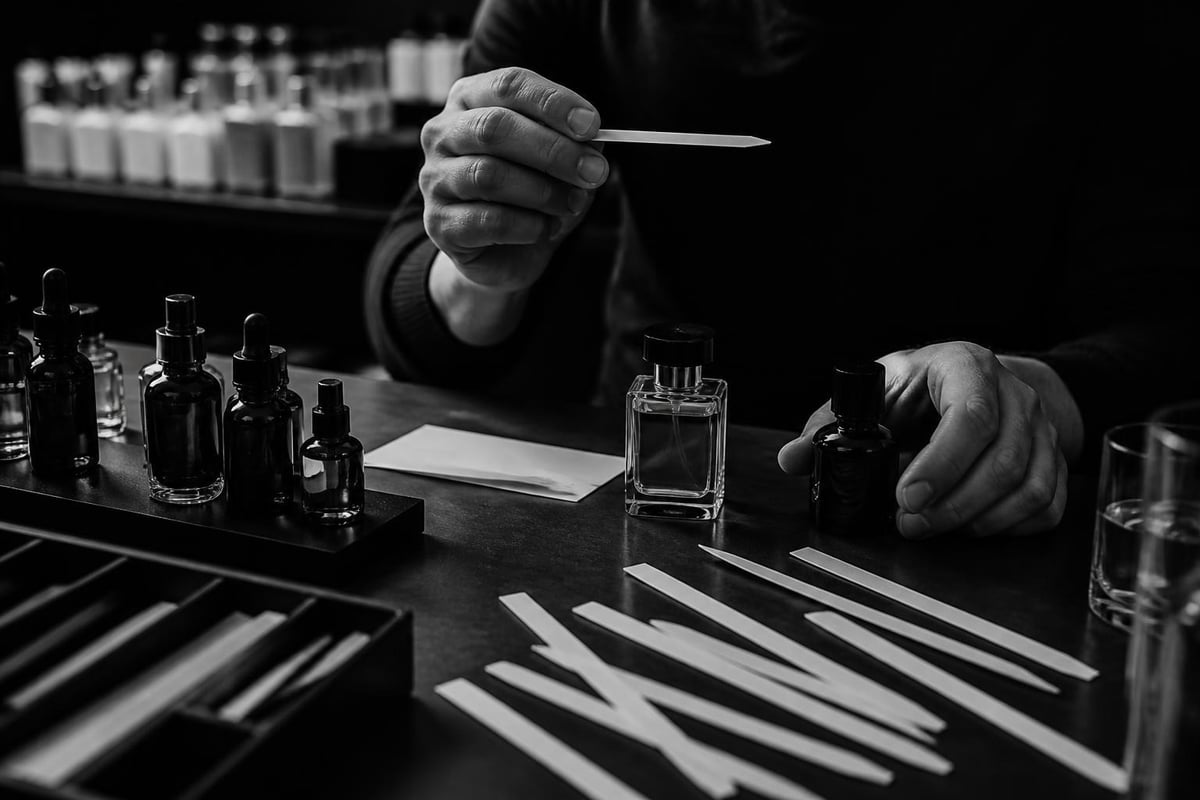
Testing protocols in natural shops differ from conventional retailers. Instead of spraying multiple scents on paper strips in rapid succession, consultants introduce one or two perfumes at a time. You'll apply a small amount to pulse points and wait several minutes to assess how the scent develops. This slower pace respects the botanical materials and prevents olfactory fatigue.
Many Manhattan natural perfume shops have introduced custom fragrance services. For example, building your own botanical perfume allows customers to select from a curated palette of botanical scents and create a personalized fragrance. These services transform shopping from transaction to creative collaboration.
| Service Type | Typical Duration | Price Range | Best For |
|---|---|---|---|
| Standard consultation | 20-30 minutes | Complimentary | First-time visitors, gift shoppers |
| Extended scent profiling | 45-60 minutes | Complimentary to $50 | Serious collectors, repeat customers |
| Custom fragrance creation | 60-90 minutes | $100-$300 | Special occasions, signature scent seekers |
| Workshop or class | 90-180 minutes | $150-$400 | Enthusiasts, groups, educational experiences |
Sample programs support thoughtful purchasing. Quality natural perfume shops offer sample vials or discovery sets that let customers test scents at home over several days. This practice acknowledges that natural perfumes reveal themselves slowly and deserve evaluation beyond a 15-minute store visit.
Why Is the Natural Perfume Market Growing in Manhattan?
The natural perfume market in Manhattan grows because consumer priorities have shifted toward transparency, sustainability, and wellness. Fragrance trends for 2024 identified clean ingredients and artisan production as key drivers in the premium fragrance sector. These trends have intensified in 2026 as customers scrutinize product formulations across all personal care categories.
Manhattan's demographic composition accelerates this growth. The borough concentrates educated, high-income consumers who prioritize health and environmental impact. These shoppers research ingredients, read labels, and seek out brands that align with their values. A natural perfume shop Manhattan attracts precisely this audience.
Growth factors specific to Manhattan:
- High concentration of wellness-oriented consumers
- Strong independent retail culture supporting small brands
- Tourist traffic seeking authentic New York experiences
- Social media influence amplifying niche fragrance discoveries
- Growing awareness of synthetic fragrance sensitivities
The wellness movement has reframed fragrance from cosmetic luxury to personal care necessity. Customers who eliminated parabens from skincare and sulfates from haircare now question synthetic musks in perfume. Natural alternatives offer a logical extension of existing clean beauty commitments.
Cultural conversations about scent have also expanded. Vogue's fragrance coverage explores how younger consumers approach perfume as identity expression rather than status signaling. Natural botanical scents support this shift by offering unique olfactory signatures that differ from ubiquitous designer fragrances.
Manhattan's real estate dynamics influence the market too. Small-footprint boutiques can operate profitably in neighborhoods like NoMad where rent, while substantial, remains lower than Madison Avenue. These shops cultivate loyal local followings while drawing destination shoppers from across the metropolitan area.
How Do Natural Perfume Shops Source Their Botanical Ingredients?
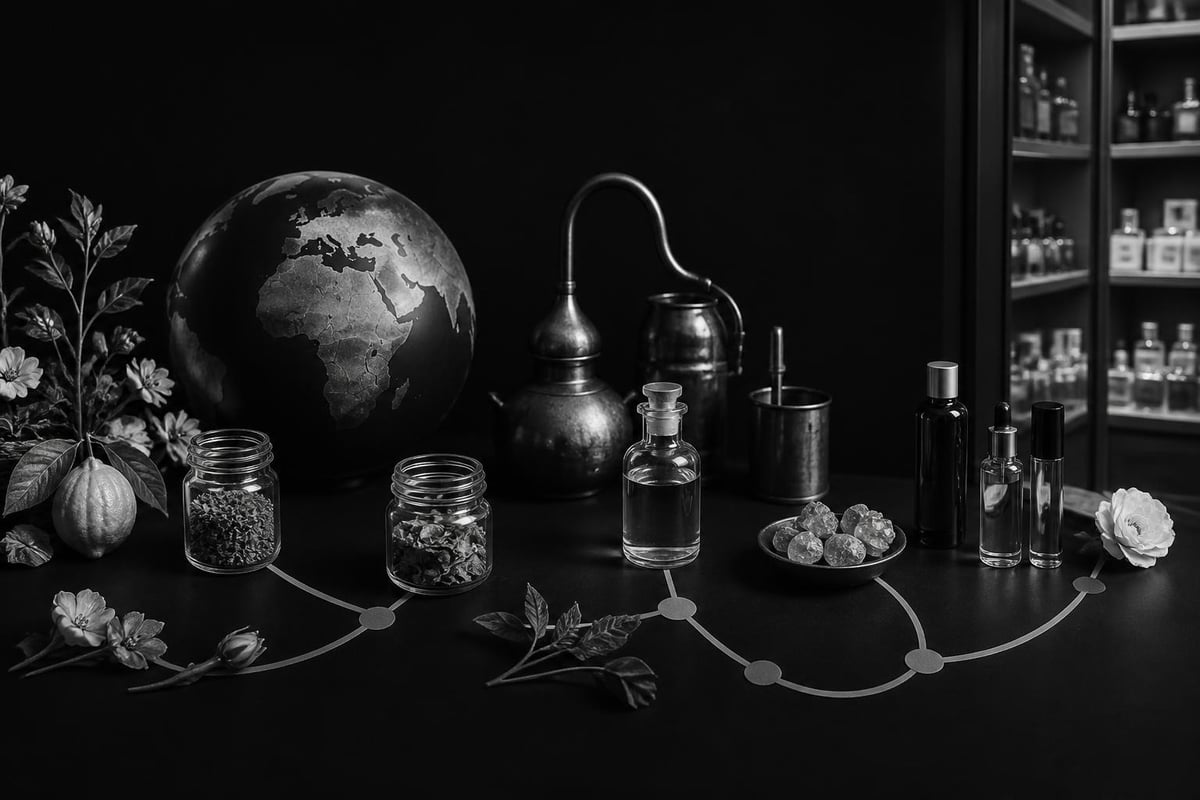
Natural perfume shops source botanical ingredients through networks of distillers, absolute producers, and specialty suppliers worldwide. Quality retailers establish direct relationships with producers in regions known for specific botanicals. Lavender from Provence, sandalwood from Australia, and vetiver from Haiti each come from cultivators who specialize in those materials.
Traceability defines responsible sourcing. When you visit a natural perfume shop Manhattan and inquire about ingredient origins, staff should provide specific answers. Vague responses like "from France" or "organic sources" suggest superficial supply chain knowledge. Detailed answers citing producer names, extraction methods, and harvest seasons indicate genuine expertise.
Sourcing considerations for botanical materials:
- Wildcrafted versus cultivated sources and sustainability implications
- Extraction method (steam distillation, CO2 extraction, solvent extraction, enfleurage)
- Organic certification status and third-party verification
- Fair trade practices and producer compensation
- Environmental impact of harvesting and production
The allergen management resources provided by IFRA help retailers understand testing and disclosure requirements for natural materials. Even botanical ingredients can trigger sensitivities, making transparent communication essential for customer safety and satisfaction.
Seasonal availability affects natural perfume production in ways synthetic fragrance never experiences. Rose absolute production peaks after spring harvest. Certain tree resins require specific climate conditions for collection. Skilled formulators work within these natural rhythms rather than demanding year-round uniformity.
What Price Range Should You Expect at Manhattan Natural Perfume Shops?
Natural perfume pricing in Manhattan reflects ingredient costs, small-batch production, and neighborhood retail economics. Expect to invest between $85 and $250 for a standard-size botanical perfume. Custom or rare-ingredient formulations may reach $300 to $500. These prices align with premium conventional perfumes but deliver fundamentally different value propositions.
Botanical ingredients cost significantly more than synthetic alternatives. A kilogram of genuine rose absolute requires processing tons of fresh petals and commands prices above $8,000. Synthetic rose costs a fraction of that amount. When a natural perfume shop Manhattan uses real botanical extracts, ingredient costs alone justify premium pricing.
Production scale also impacts price. Artisan perfumers create batches measured in dozens or hundreds of bottles, not thousands. This small-scale approach enables quality control and creative flexibility but prevents the economies of scale that large fragrance houses achieve. Hand-blending, hand-filling, and hand-labeling add labor costs that mass production avoids.
| Product Type | Typical Size | Price Range | Cost per ml |
|---|---|---|---|
| Sample vial | 1-2 ml | $8-$15 | $7-$8 |
| Travel size | 5-10 ml | $35-$65 | $6-$7 |
| Standard bottle | 15-30 ml | $85-$180 | $5-$6 |
| Large format | 50-100 ml | $200-$400 | $4-$5 |
| Custom creation | Varies | $150-$500 | Varies |
Manhattan retail rent adds another cost layer. A boutique in NoMad pays substantially more per square foot than an online-only operation. Customers essentially subsidize the in-person experience, consultations, and neighborhood presence through retail pricing. Many shoppers consider this worthwhile for the education and discovery that physical stores enable.
Value assessment should consider longevity and application. Oil-based natural perfumes often require less product per application than alcohol-based alternatives. A 15ml bottle might provide six months of daily wear. When calculated as cost per wearing, natural perfumes become more competitive with conventional options.
How Does Skin Chemistry Affect Natural Perfume Performance?
Skin chemistry profoundly influences how natural perfumes develop and last. Variables including pH levels, moisture content, diet, and hormonal cycles all affect scent evolution. A natural perfume shop Manhattan staff can explain these dynamics, but personal testing remains the only reliable evaluation method.
Oil-based natural perfumes interact with skin lipids differently than alcohol-based conventional fragrances. They absorb into the skin rather than sitting on top of it, creating intimate scent experiences that hover close to the body. This proximity means wearers smell their perfume more consistently than others do. Natural perfumes become personal rather than projecting into surrounding space.
Factors influencing natural perfume performance:
- Skin pH (more alkaline skin can amplify certain botanical notes)
- Hydration levels (well-moisturized skin holds scent longer)
- Body temperature (warmer areas like wrists and neck intensify projection)
- Diet and metabolism (certain foods affect body chemistry and scent interaction)
- Medication and hormones (can alter skin pH and oil production)
Application technique matters more with natural perfumes than conventional fragrances. Rather than spraying, oil-based perfumes are dabbed onto pulse points. The warmth of these areas gently warms the oils, releasing scent molecules gradually. Rubbing wrists together after application disrupts molecular structure and should be avoided.
Layering extends longevity. Many natural perfume shops sell complementary products like unscented body oils or balms. Applying these before perfume creates a moisturized base that holds scent longer. Some customers apply natural perfume to clothing or hair, though oils can stain certain fabrics.
What Role Do Vegan and Cruelty-Free Standards Play?
Vegan and cruelty-free standards define the ethical foundation of most Manhattan natural perfume shops. These commitments exclude animal-derived ingredients and animal testing, aligning with values that many customers consider non-negotiable. A natural perfume shop Manhattan that emphasizes these standards attracts shoppers who evaluate products through ethical as well as olfactory criteria.
Traditional perfumery relied heavily on animal materials. Ambergris from whales, musk from deer, civet from civets, and castoreum from beavers all appeared in classic fragrances. Modern natural perfumers achieve similar olfactory effects using plant-based alternatives. Labdanum resin can approximate ambergris. Botanical musks derived from seeds replace animal sources.
Vegan certification requires ingredient verification throughout the supply chain. It's insufficient for the final formulation to exclude animal products if processing agents or clarifying materials involve animal derivatives. Reputable natural perfume shops work with suppliers who certify vegan status at every production stage.
Vegan and cruelty-free verification points:
- No animal-derived ingredients in formulation
- No animal testing of finished products or ingredients
- Vegan-certified processing agents and carriers
- Ethical sourcing that respects wildlife habitats
- Transparency in supply chain practices
Cruelty-free standards extend beyond ingredient testing to ecological impact. Overharvesting sandalwood or depleting wild plant populations causes environmental harm even when no animals are directly involved. Leading natural perfume shops consider sustainability and habitat preservation as components of their cruelty-free commitments.
These standards influence product availability at natural boutiques. Customers shopping at Haus of Smell know that every product meets strict vegan criteria, eliminating the need to research individual ingredients. This certainty simplifies decision-making for ethically-motivated shoppers.
How Can You Identify Authentic Natural Perfumes Versus Greenwashing?
Identifying authentic natural perfumes requires scrutiny of ingredient lists, certifications, and brand transparency. Greenwashing, the practice of making misleading environmental or natural claims, pervades the beauty industry. A legitimate natural perfume shop Manhattan provides verifiable information that customers can independently confirm.
Start with the ingredient list. Authentic natural perfumes list specific botanical ingredients by their common and scientific names. Terms like "fragrance," "parfum," or "aroma" without further specification often hide synthetic components. If a brand claims natural status but obscures its ingredient list, skepticism is warranted.
Certifications provide third-party verification but require understanding. Organic certification applies to agricultural ingredients, not finished perfumes. A perfume might contain organic botanicals while including non-organic components. Natural certification from organizations like NSF or COSMOS sets standards for ingredient percentages and processing methods.
| Red Flag | What It Indicates | Green Flag | What It Indicates |
|---|---|---|---|
| Vague ingredient terms | Likely synthetic content | Complete botanical names | Transparency and authenticity |
| "Inspired by nature" language | Marketing, not formulation claim | "100% botanical ingredients" | Clear compositional standard |
| No preservative listed | Incomplete disclosure | Specific preservative named | Honest formulation transparency |
| Unrealistic longevity claims | Synthetic fixatives likely present | Honest performance description | Realistic expectations |
Education and transparency separate authentic natural perfumers from opportunistic brands. Shops that offer classes, publish ingredient sourcing stories, or maintain educational content demonstrate genuine commitment. Those focusing primarily on aesthetic marketing without substantive information may prioritize image over integrity.
Price can signal authenticity but isn't foolproof. Extremely low prices for "natural" perfumes suggest synthetic padding or misleading claims. Botanical ingredients cost more, and pricing should reflect that reality. Conversely, high prices don't guarantee natural status. Luxury conventional brands charge premium prices for synthetic formulations.
What Seasonal Considerations Affect Natural Perfume Shopping?
Seasonal considerations influence both natural perfume selection and shopping patterns in Manhattan. Summer heat intensifies scent projection and alters how botanicals develop on skin. Winter dryness affects longevity and absorption. A natural perfume shop Manhattan often guides customers toward seasonally appropriate choices.
Warm weather favors lighter botanical compositions. Green, citrus, and aquatic-leaning natural perfumes feel refreshing when temperatures climb. These scents also perform better in humidity, maintaining clarity rather than becoming cloying. Oil-based formulations prove particularly suitable for summer since they project less aggressively than alcohol-based alternatives.
Cold weather accommodates richer, more resinous botanicals. Deep wood, spice, and balsam-heavy perfumes feel appropriate against winter's backdrop. Dry indoor heating can cause perfumes to evaporate more quickly, making oil-based formulations advantageous for their tenacity and skin-nourishing properties.
Seasonal shopping patterns:
- Spring (March-May): Customers seek fresh, floral botanicals and lighter compositions
- Summer (June-August): Demand shifts to portable sizes, travel formats, and refreshing scents
- Fall (September-November): Interest in woody, spicy, and transitional fragrances increases
- Winter (December-February): Gift shopping peaks, custom creation services see high demand
Holiday shopping transforms natural perfume shops between Thanksgiving and New Year. Gift purchases drive traffic, with many customers seeking distinctive presents that conventional department stores don't offer. Custom fragrance services become particularly popular as shoppers look for personalized gifts.
January through March represents discovery season. Post-holiday shoppers explore personal purchases rather than gifts. This period sees higher engagement with consultation services and educational workshops. Natural perfume shops often introduce new releases or limited editions during these months to capture renewed customer attention.
FAQ
What defines a natural perfume shop in Manhattan?
A natural perfume shop in Manhattan specializes in fragrances made exclusively from botanical ingredients like plant extracts, resins, and essential oils. These retailers exclude synthetic aromachemicals and typically emphasize vegan, cruelty-free formulations. The shops provide ingredient transparency, educational consultations, and often feature locally-made or small-batch products. Manhattan's natural perfume boutiques distinguish themselves through ingredient sourcing stories and personalized shopping experiences.
How long do natural perfumes typically last on skin?
Natural perfumes typically last four to eight hours depending on formulation, skin chemistry, and application method. Oil-based natural fragrances generally offer better longevity than alcohol-free sprays because oils absorb into skin and release scent gradually. Proper application to pulse points, well-moisturized skin, and avoiding rubbing extends wear time. Natural perfumes evolve differently than synthetic fragrances, with subtler projection that stays closer to the body throughout the wearing period.
Are natural perfumes safe for sensitive skin?
Natural perfumes can be suitable for sensitive skin but require individual testing since botanical ingredients may trigger reactions in some people. Essential oils and plant extracts contain compounds that can cause contact dermativity or allergic responses. Reputable natural perfume shops provide sample sizes for patch testing and disclose potential allergens. Oil-based formulations without alcohol often prove gentler than conventional perfumes. Consultation with shop staff about specific sensitivities helps identify appropriate options for individual skin types.
Can you find custom fragrance services at Manhattan natural perfume shops?
Many Manhattan natural perfume shops offer custom fragrance services where customers work with perfumers to create personalized scents. These services range from selecting pre-composed blends in custom ratios to building entirely original compositions from botanical ingredients. Sessions typically last sixty to ninety minutes and cost between one hundred and three hundred dollars. Custom services provide unique signature scents unavailable in standard product lines and often include consultation about scent preferences and ingredient education.
What price range is typical for natural perfumes in Manhattan?
Natural perfumes in Manhattan typically range from eighty-five to two hundred fifty dollars for standard sizes between fifteen and thirty milliliters. Travel sizes cost thirty-five to sixty-five dollars, while larger formats or custom creations may reach three hundred to five hundred dollars. Prices reflect botanical ingredient costs, small-batch production, and Manhattan retail economics. Sample vials usually cost eight to fifteen dollars. Quality natural perfumes deliver value through ingredient purity and longevity despite higher upfront costs compared to mass-market alternatives.
How do you test natural perfumes properly in a store?
Proper natural perfume testing involves applying small amounts to pulse points and allowing several minutes for scent development before evaluation. Visit shops when you have time for unhurried exploration, test no more than three scents per visit to avoid olfactory fatigue, and apply perfumes to skin rather than relying solely on paper strips. Wait at least five to ten minutes between applications. Request sample vials to test perfumes at home over multiple days since natural fragrances reveal complexity gradually and interact uniquely with individual body chemistry.
Navigating Manhattan's natural perfume landscape requires understanding botanical ingredients, ethical sourcing, and how plant-based formulations perform on skin. The city's independent boutiques offer alternatives to synthetic mass-market fragrances through transparent ingredient practices and personalized consultation experiences. Whether you're seeking vegan perfumes crafted in NoMad or exploring the breadth of botanical scent collections, Manhattan's natural perfume shops provide access to artisan fragrances that prioritize both olfactory pleasure and ingredient integrity. Discover handmade botanical perfumes and candles at HAUS OF SMELL, where every product is crafted in Manhattan using 100% natural, vegan ingredients.