
Natural perfume ingredients are materials derived directly from plants, resins, and botanical sources without synthetic modification. These include essential oils extracted through distillation, absolutes obtained via solvent extraction, concretes from delicate flowers, and raw materials like balsams and resins harvested from trees. Unlike synthetic compounds created in laboratories, natural ingredients retain the complex molecular structures found in living plants.
The distinction between natural and synthetic fragrance materials extends beyond simple chemistry. Natural perfume ingredients carry the full spectrum of compounds present in their source plants, creating depth and evolution that synthetic alternatives struggle to replicate. When you encounter a truly botanical scent, you experience hundreds of molecular constituents working together, each contributing to the whole.
What Makes Perfume Ingredients Natural?
An ingredient qualifies as natural when it originates from botanical, animal, or mineral sources and undergoes only physical extraction processes. Standards for natural personal care products require that materials remain unaltered by chemical synthesis. This means distillation, expression, extraction, and fermentation are acceptable methods, while laboratory creation of aromatic molecules is not.
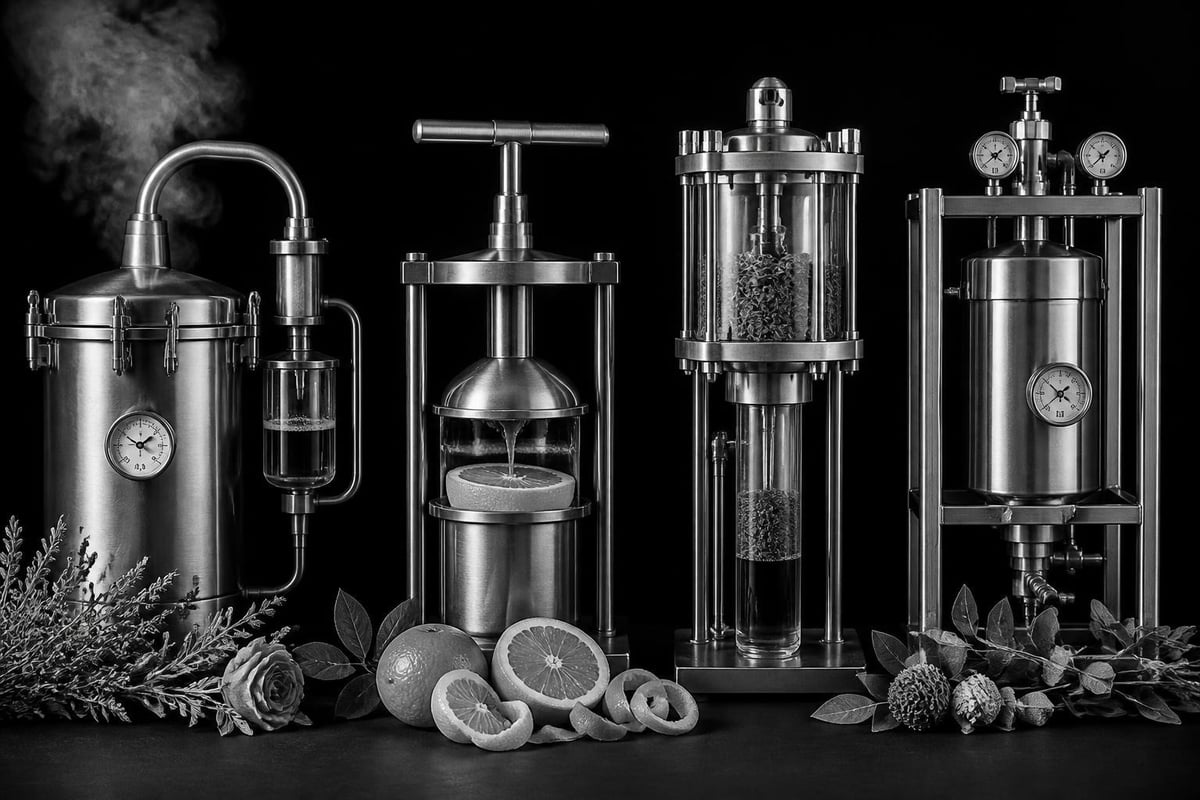
The definition becomes nuanced when examining processing techniques. Cold pressing citrus peels yields natural essential oils. Steam distillation of lavender flowers produces natural lavender oil. Solvent extraction of jasmine petals creates natural jasmine absolute. Each method extracts aromatic compounds from their botanical matrix without fundamentally changing their chemical nature.
Modern consumers increasingly seek transparency about ingredient sourcing. Certified master natural perfumers adhere to strict protocols ensuring every component meets natural criteria. The verification process examines not just the final material but the entire supply chain from cultivation through extraction.
What Are the Main Types of Natural Perfume Ingredients?
Essential oils represent the most common category of natural perfume ingredients, obtained primarily through steam distillation. These volatile compounds evaporate readily, carrying the characteristic scent of their source material. Citrus oils come from cold-pressed rinds, while herb and flower oils result from distilling plant matter with steam.
Absolutes offer greater concentration and complexity than essential oils. The extraction process begins with creating a concrete using hydrocarbon solvents, then treating that concrete with alcohol to isolate the pure aromatic material. This labor-intensive method captures delicate floral scents that would be destroyed by heat.
Common natural ingredient categories include:
- Essential oils from distillation and expression
- Absolutes from solvent extraction
- Resins and balsams harvested directly from trees
- CO2 extracts using supercritical carbon dioxide
- Tinctures from alcohol maceration of botanicals
Resins like frankincense and myrrh provide fixative properties, anchoring lighter materials and extending their longevity. These natural fixatives emerge as tears or sap from specific tree species, then solidify and concentrate over time. Their molecular weight slows evaporation, creating the base structure in botanical formulations.
| Ingredient Type | Extraction Method | Typical Sources | Primary Use |
|---|---|---|---|
| Essential Oil | Steam distillation | Herbs, wood, roots | Top to middle notes |
| Absolute | Solvent extraction | Flowers, leaves | Heart notes |
| Resin | Direct harvest | Tree sap, bark | Base notes, fixation |
| CO2 Extract | Supercritical CO2 | Delicate botanicals | All note positions |
For those exploring botanical aroma oils, understanding these distinctions helps identify quality and authenticity. Each extraction method yields different aromatic profiles from the same source plant.
How Are Natural Perfume Ingredients Extracted?
Steam distillation pushes heated vapor through plant material, causing aromatic molecules to vaporize and rise with the steam. The vapor passes through a cooling system where it condenses back to liquid, separating into essential oil and hydrosol layers. This ancient technique remains the primary method for extracting oils from hardy plant materials.
Cold expression applies mechanical pressure to citrus peels, releasing oil from tiny sacs near the surface. The fruit gets rolled over abrading surfaces that puncture oil glands, then the mixture of oil, juice, and peel matter gets centrifuged to separate components. This simple process preserves the bright, fresh character of citrus oils.
Solvent extraction employs food-grade hydrocarbons to dissolve aromatic compounds from delicate flowers that cannot withstand heat. The solvent permeates the plant material, absorbing fragrant molecules, then evaporates to leave behind a waxy concrete. Treating this concrete with alcohol isolates the pure absolute, removing waxes and remaining solvent traces.
The newest extraction technology uses supercritical carbon dioxide in a state between liquid and gas. CO2 at specific temperature and pressure penetrates plant cells, extracting aromatic compounds without heat or chemical residue. When pressure releases, the CO2 returns to gas and evaporates completely, leaving pure botanical extract.
Extraction process selection depends on:
- Heat sensitivity of the source material
- Desired concentration and purity level
- Chemical composition of target compounds
- Economic viability and scale
- Environmental impact considerations
Why Choose Natural Perfume Ingredients Over Synthetic?
Natural perfume ingredients contain hundreds of molecular constituents that work synergistically, creating complexity impossible to replicate with single-molecule synthetics. A natural rose absolute contains over 300 identifiable compounds, each contributing subtle nuances to the overall scent. This molecular diversity produces fragrance that evolves and changes throughout wear.
The environmental argument for natural ingredients centers on biodegradability and renewable sourcing. Plant materials regrow, while petroleum-based synthetics deplete finite resources. Research into sustainable ingredient combinations demonstrates that natural formulations can match synthetic performance while reducing environmental burden.
Health considerations drive many consumers toward botanical options. Natural perfume ingredients avoid controversial synthetic musks and phthalates linked to endocrine disruption. While natural materials can still trigger sensitivities, their transparency allows informed decision-making impossible with proprietary synthetic blends.
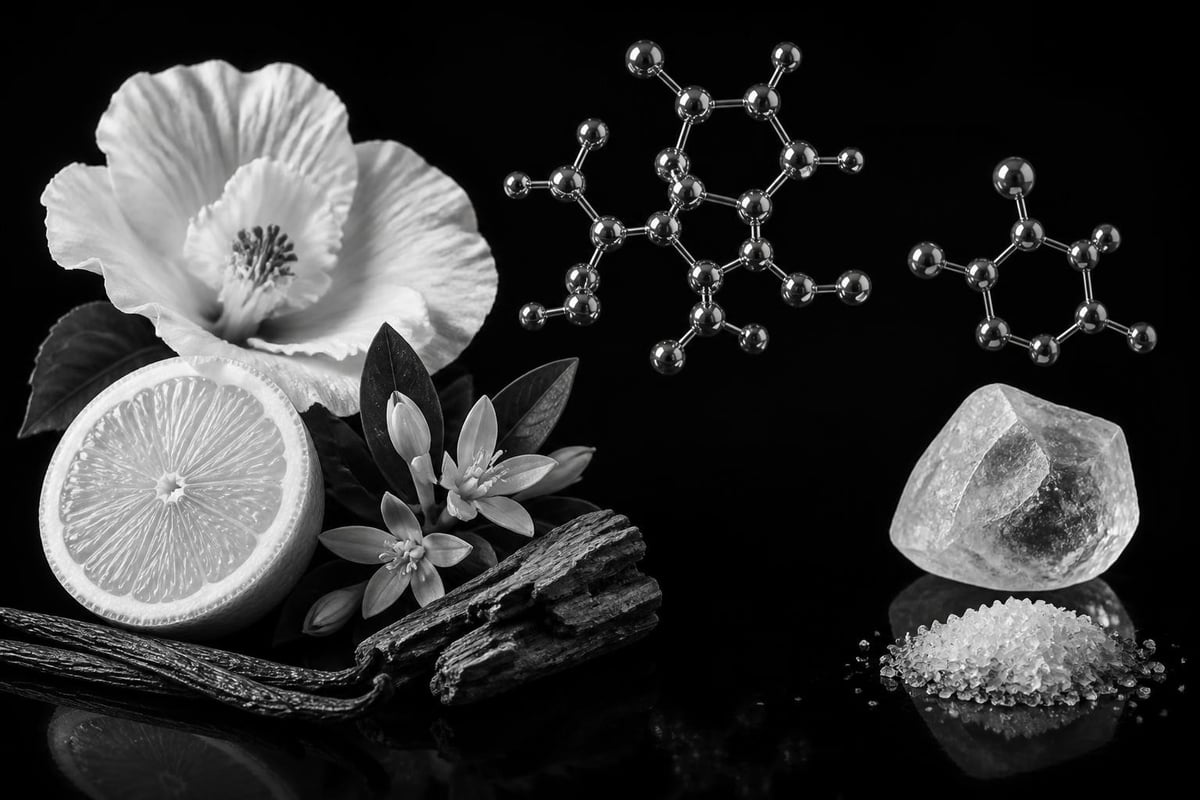
The sensory experience differs markedly between natural and synthetic compositions. Natural materials possess texture, depth, and subtle imperfections that feel authentic. They interact with skin chemistry, creating personalized scent signatures. Synthetics offer consistency and projection but lack the nuanced evolution that characterizes botanical perfumery.
What Should You Look for in Quality Natural Perfume Ingredients?
Sourcing transparency indicates ingredient quality and ethical production. Reputable suppliers provide botanical names, geographic origin, extraction method, and harvest date for every material. This information allows perfumers to trace ingredients back to specific farms or wild-harvest areas, ensuring sustainable practices.
Purity testing through gas chromatography and mass spectrometry verifies that natural ingredients contain expected chemical constituents without adulteration. Pure lavender oil shows specific ratios of linalool and linalyl acetate. Deviations suggest dilution with cheaper materials or synthetic enhancement. Steffen Arctander's comprehensive reference remains the standard for evaluating natural material authenticity.
Quality indicators include:
- Clear botanical identification with Latin names
- Documented extraction method and solvent type
- Batch-specific testing results available
- Traceability to cultivation or harvest location
- Certifications for organic or wildcrafted status
Sensory evaluation remains crucial despite analytical testing. High-quality natural ingredients smell vibrant and complete, with perceptible top, middle, and base aspects even in raw form. Poor quality materials smell flat, harsh, or demonstrate off-notes from improper storage or extraction. Experienced perfumers develop olfactory memory that recognizes authentic versus degraded or adulterated materials.
How Do Natural Perfume Ingredients Perform in Formulations?
Blending natural perfume ingredients requires understanding their volatility rates and aromatic profiles. Materials with low molecular weight evaporate quickly, creating initial impressions. Heavier molecules persist for hours or days, forming the foundation. Successful formulations balance these evaporation curves to create smooth transitions from opening through drydown.
Natural materials interact chemically within formulations, sometimes creating unexpected results. Certain combinations amplify each other, while others muddy or cancel aromatic properties. The high resin content in some absolutes can cloud oil-based formulations unless properly diluted or sequenced during blending.
Stability challenges arise with natural ingredients more frequently than synthetics. Light exposure degrades citrus oils rapidly. Oxidation alters the scent of coniferous materials over time. Temperature fluctuations can cause natural waxes in absolutes to precipitate. Proper formulation accounts for these tendencies through protective base oils, antioxidants like vitamin E, and appropriate packaging.
| Performance Factor | Natural Ingredients | Considerations |
|---|---|---|
| Longevity | Variable, 2-8 hours typical | Requires careful base note selection |
| Projection | Generally moderate | Depends on dilution and carrier |
| Stability | Sensitive to light, heat, oxygen | Needs proper storage and antioxidants |
| Skin Feel | Rich, often moisturizing | Oil-based formulations common |
| Evolution | Complex, multi-stage | Molecular diversity creates development |
Those interested in experiencing how natural perfume ingredients perform can explore oil-based botanical perfumes that demonstrate the full aromatic journey these materials provide. The alcohol-free format allows the botanical complexity to emerge without volatile solvents altering the experience.
Where Do Natural Perfume Ingredients Come From?
Geographic origin profoundly influences the aromatic character of natural perfume ingredients. Lavender from Provence differs chemically and olfactorily from lavender grown in Bulgaria or Tasmania. Soil composition, elevation, rainfall patterns, and sunlight exposure all affect the plant's production of aromatic compounds.
Many precious natural materials come from specific microclimates or traditional cultivation regions. Particular tree species yielding valuable resins grow only in limited areas. Some flowers produce aromatic compounds only when grown in their native habitat. This geographic specificity creates supply constraints and explains price variations among seemingly similar materials.
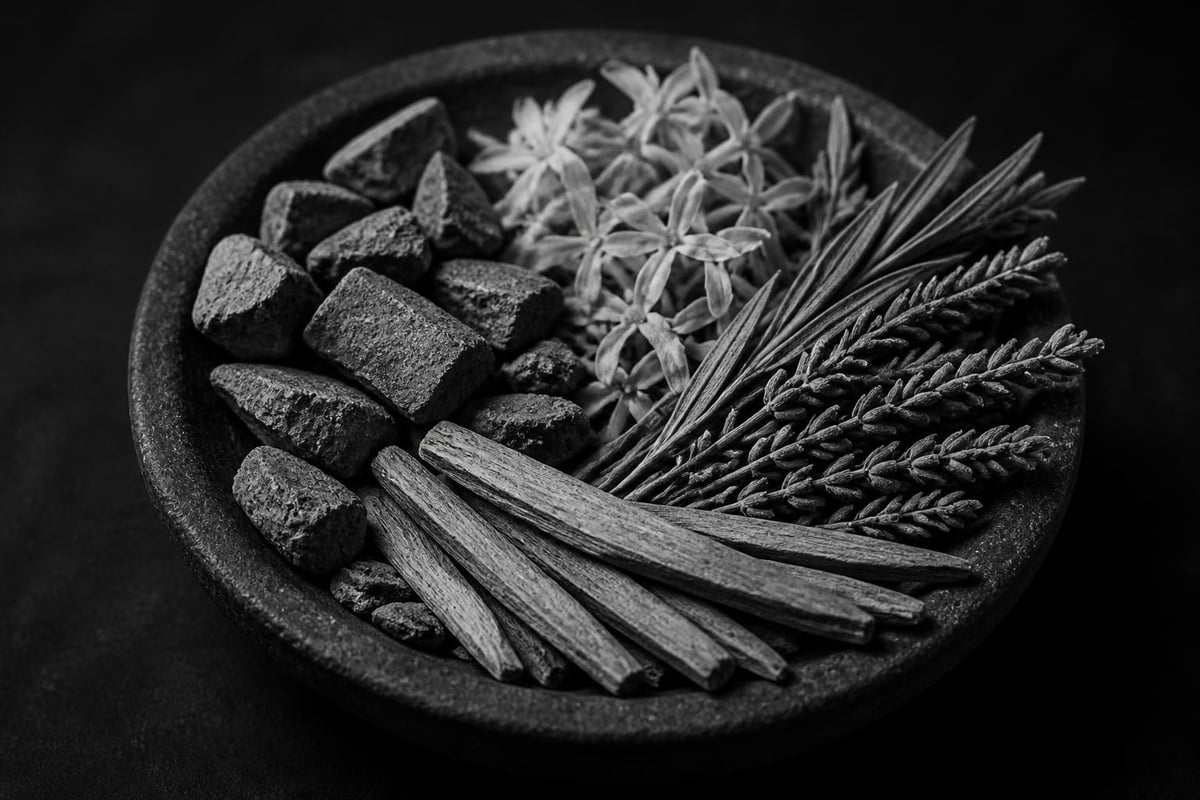
Wild harvesting provides certain ingredients unavailable from cultivation. Lichens yielding oakmoss grow slowly in old-growth forests. Specific tree resins emerge only from naturally occurring wounds or stress responses. Sustainable wild-harvest practices ensure material availability for future generations while supporting traditional gathering communities.
The perfume industry increasingly emphasizes direct relationships between ingredient buyers and source communities. Fair trade arrangements ensure farmers and harvesters receive appropriate compensation. These partnerships often include agricultural training, infrastructure investment, and preservation of traditional knowledge about botanical materials.
How Can You Identify Authentic Natural Perfume Ingredients?
Label reading provides the first authentication step. Natural perfume standards require listing actual botanical ingredients rather than vague terms like "fragrance" or "parfum." Complete transparency about every material signals commitment to natural formulation.
Price often indicates authenticity, as genuine natural ingredients cost substantially more than synthetic alternatives. A jasmine absolute retailing near synthetic prices likely contains nature-identical compounds rather than true plant extract. The labor-intensive extraction and limited supply of natural materials justifies higher costs.
Authentication methods include:
- Reviewing ingredient lists for botanical names
- Checking for third-party natural certifications
- Researching brand sourcing practices
- Comparing prices against known natural ingredient costs
- Testing scent evolution and complexity over time
Scent behavior reveals much about ingredient authenticity. Natural compositions evolve continuously as different molecular weights evaporate at varying rates. They interact with skin chemistry, creating personalized variations. Synthetic fragrances tend toward linear development, smelling similar from application through fadeout.
The olfactory profile itself provides clues. Natural materials possess subtle irregularities and secondary notes that synthetics lack. Real rose absolute carries green, earthy aspects alongside floral sweetness. Pure vetiver oil shows smoky, woody facets beyond its primary earthiness. These complexities emerge from the hundreds of compounds present in botanical extracts.
What Are the Sustainability Considerations for Natural Perfume Ingredients?
Cultivation practices determine the environmental impact of farmed botanical materials. Organic agriculture avoids synthetic pesticides and fertilizers that contaminate soil and water. Regenerative farming builds soil health while producing aromatic crops. Monoculture plantations, even of natural materials, reduce biodiversity and require intensive inputs.
Wild-harvested ingredients face different sustainability challenges. Overharvesting threatens certain species, particularly slow-growing trees and lichens. Responsible wild-harvest follows quotas based on population assessments, allows adequate regeneration time, and diversifies collection areas. Some traditional harvest communities maintain sophisticated systems ensuring long-term material availability.
Water usage in extraction processes represents a significant environmental concern. Steam distillation requires substantial water inputs, though modern systems recycle cooling water. Solvent extraction generates chemical waste requiring proper disposal. CO2 extraction offers environmental advantages through complete solvent recovery and lower energy requirements.
Sustainability criteria for natural ingredients:
- Renewable sourcing from managed cultivation or sustainable harvest
- Minimal processing with low energy and water requirements
- Biodegradable materials that don't persist in ecosystems
- Fair compensation for growers and harvesters
- Preservation of traditional knowledge and practices
Supporting brands committed to sustainable sourcing encourages industry-wide improvement. Asking questions about ingredient origins, visiting ingredient transparency pages, and choosing companies with documented sustainable practices drives market transformation.
How Do Natural Perfume Ingredients Affect Scent Longevity?
The molecular weight of natural perfume ingredients determines their evaporation rate and persistence on skin. Light molecules in citrus and herb oils volatilize within one to two hours. Medium-weight florals last three to five hours. Heavy resins and woods remain perceptible for eight hours or longer.
Building longevity into natural formulations requires careful base note selection. Resins like benzoin and labdanum provide substantive foundation. Certain absolutes with high molecular weight anchor lighter materials. The ratio of top to base notes dramatically affects overall wear time, with base-heavy compositions lasting longest.
Carrier oils influence how natural perfume ingredients release from skin. Jojoba absorbs readily, allowing faster scent development. Fractionated coconut oil sits on skin surface longer, extending release time. The viscosity and absorption rate of the carrier medium becomes part of the formulation strategy.
| Longevity Factor | Impact on Wear Time | Formulation Strategy |
|---|---|---|
| Molecular Weight | Heavier = longer lasting | Balance light and heavy materials |
| Concentration | Higher = more persistent | Adjust dilution ratio |
| Carrier Selection | Affects absorption rate | Match carrier to desired release |
| Fixatives | Anchor volatile materials | Include appropriate resin content |
| Application Method | Influences surface area | Consider delivery format |
Application technique also affects longevity. Applying to pulse points where warmth releases aromatics extends perception time. Layering on moisturized skin helps scent adhere. Reapplication throughout the day becomes part of the ritual with natural perfumes, reconnecting the wearer with the scent experience.
What Role Do Natural Perfume Ingredients Play in Aromatherapy?
The overlap between perfumery and aromatherapy centers on the bioactive compounds present in natural perfume ingredients. Essential oils contain terpenes, esters, and phenols that interact with olfactory receptors and enter the bloodstream through dermal absorption. These interactions can influence mood, stress response, and cognitive function.
Different natural materials demonstrate distinct effects based on their chemical composition. Some promote relaxation through sedative compounds. Others stimulate alertness and focus. The therapeutic dimension adds another layer to scent selection beyond pure aesthetic preference.
Aromatherapy applications require higher concentrations than typical perfumery dilutions. While a perfume might contain 10-20% aromatic materials, aromatherapy protocols often use 2-5% in carrier oils for topical application. The therapeutic window exists between effective concentration and potential skin sensitization.
Therapeutic considerations include:
- Specific bioactive compounds and their effects
- Appropriate dilution for intended use
- Contraindications for certain populations
- Quality and purity of source materials
- Application method and frequency
Combining aesthetic and therapeutic goals requires balancing aromatic beauty with beneficial compound ratios. A composition designed for evening wear might emphasize calming materials. Morning scents could incorporate stimulating elements. This intentional approach to natural perfume ingredients creates multi-dimensional experiences.
FAQ
Are natural perfume ingredients better for sensitive skin?
Natural perfume ingredients are not inherently safer for sensitive skin, as botanicals can trigger allergies and reactions just like synthetics. However, natural formulations offer complete transparency about components, allowing individuals to identify and avoid specific sensitizers. The absence of synthetic musks and phthalates eliminates certain common irritants, though natural allergens like citral and linalool still require attention for reactive individuals.
How long do natural perfume ingredients remain stable?
Most natural perfume ingredients maintain optimal quality for one to three years when stored properly in dark glass bottles at stable, cool temperatures. Citrus oils oxidize fastest, degrading within six to twelve months of opening. Resins and some absolutes improve with age, developing richer character over several years. Adding natural antioxidants and minimizing air exposure extends shelf life significantly.
Can natural perfume ingredients match synthetic perfume performance?
Natural perfume ingredients create equally compelling fragrances with different performance characteristics than synthetics. They offer superior complexity and evolution but typically provide moderate rather than intense projection. Longevity ranges from four to eight hours depending on formulation, comparable to many synthetic fragrances. The sensory experience differs in texture and depth rather than overall quality or wearability.
What percentage of natural perfume ingredients should a formula contain?
Authentic natural perfumes contain 100% natural perfume ingredients with no synthetic additives or nature-identical compounds. The concentration of aromatic materials in the carrier typically ranges from 15-30% for oil-based formulations. Lower percentages create lighter compositions suitable for daily wear, while higher concentrations deliver more intense, long-lasting scents. The specific ratio depends on intended strength and material selection.
Do natural perfume ingredients cost more than synthetic ones?
Natural perfume ingredients cost substantially more than synthetic alternatives due to labor-intensive extraction, limited supply, and agricultural variables. A kilogram of jasmine absolute requires processing several tons of hand-picked flowers, while synthetic jasmine costs a fraction through chemical synthesis. This price difference explains why genuine natural perfumes command higher retail prices than mass-market synthetic fragrances.
How can beginners learn to work with natural perfume ingredients?
Learning to work with natural perfume ingredients begins with studying individual materials through smell, understanding extraction methods, and practicing simple blends. Starting with a basic palette of ten to fifteen common oils allows development of blending skills before expanding to rare materials. Resources like perfumery guides, certification courses from organizations such as the International Perfume Foundation, and hands-on workshops provide structured learning paths for aspiring natural perfumers.
Natural perfume ingredients offer unmatched complexity and authenticity for those seeking botanical scents that evolve naturally on skin. Understanding extraction methods, quality indicators, and performance characteristics empowers informed choices about the fragrances you wear. Whether you prefer ready-made compositions or want to explore custom creation, Haus of Smell provides handcrafted botanical perfumes made in Manhattan using 100% natural, vegan, alcohol-free ingredients that demonstrate the full potential of plant-based perfumery.