
Natural ingredients for perfume include essential oils, absolutes, resins, and plant extracts sourced from flowers, woods, leaves, roots, and barks. These materials are extracted through steam distillation, solvent extraction, or cold-pressing and serve as the building blocks of botanical fragrances that contain no synthetic compounds or alcohol-based carriers.
The practice of using plant-based materials in scent creation stretches back thousands of years, yet the science behind selecting and blending these ingredients has evolved considerably. Modern perfumers who work exclusively with natural materials face unique challenges related to sourcing, composition variability, and regulatory compliance. Understanding which materials deliver the most reliable performance helps creators build fragrances that are both beautiful and stable over time.
What Are the Most Common Natural Ingredients for Perfume?
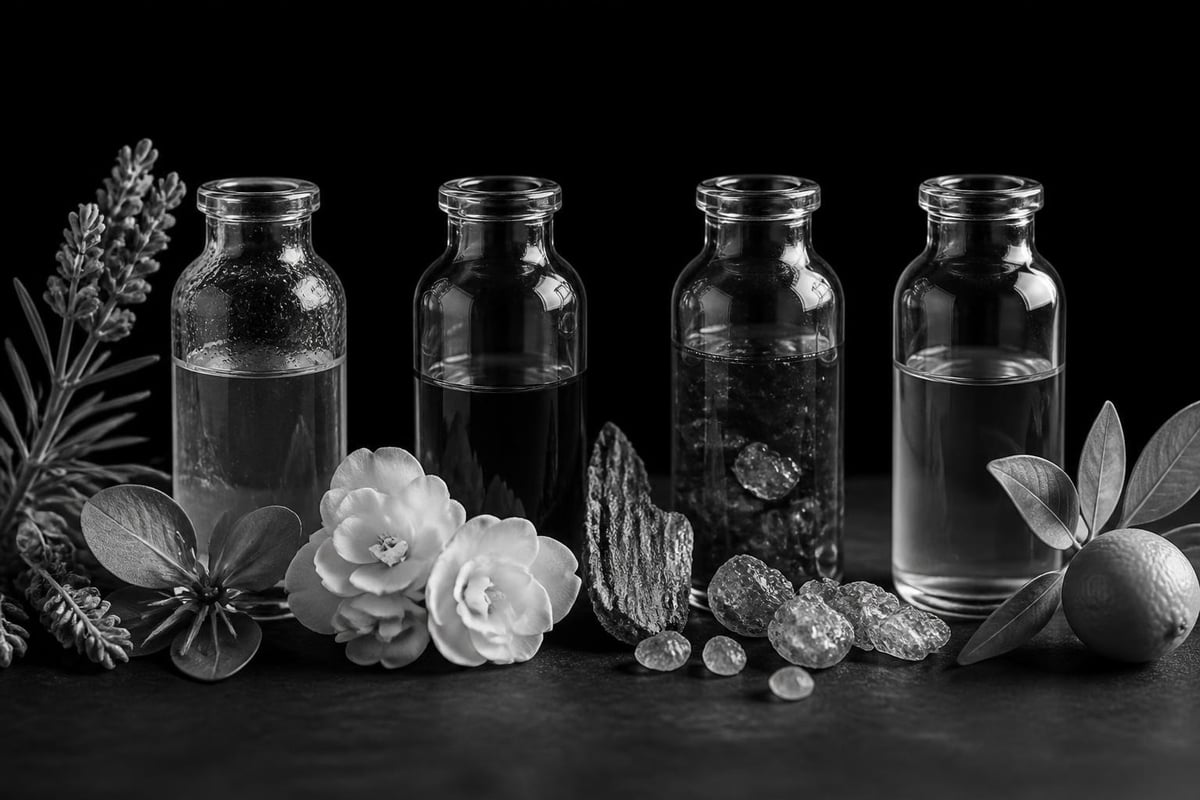
The most common natural ingredients for perfume are essential oils (citrus, lavender, eucalyptus), absolutes (rose, jasmine, tuberose), resins (frankincense, myrrh, labdanum), and CO₂ extracts (vanilla, coffee, ginger). Each category offers distinct aromatic properties and extraction methods that influence both scent profile and formulation behavior.
Essential oils represent the largest category of natural perfume materials. Steam distillation pulls volatile aromatic compounds from plant matter, yielding concentrated oils that range from light citruses to dense woods. Citrus oils like bergamot and sweet orange offer bright top notes but require careful handling due to photosensitivity concerns outlined in IFRA Standards. Lavender and eucalyptus provide herbaceous middle notes with excellent stability.
Absolutes are extracted using solvents to capture delicate floral scents that cannot withstand steam distillation. Rose absolute, jasmine absolute, and tuberose absolute deliver rich, complex floral profiles that form the heart of many natural perfumes. The extraction process yields heavier, more viscous materials with greater concentration than their essential oil counterparts.
Resins and Balsams
Resins such as frankincense, myrrh, benzoin, and labdanum provide depth and longevity to natural fragrances. These materials act as fixatives, slowing the evaporation of lighter top notes and anchoring the overall composition. Labdanum, derived from rockrose shrubs, offers an amber-like warmth that works particularly well in oil-based formulations.
Balsams like Peru balsam and tolu balsam contribute vanilla-like sweetness with resinous undertones. Both materials contain natural allergens and are subject to usage restrictions, requiring careful measurement and documentation in commercial formulations.
How Do You Extract Natural Ingredients for Perfume?
Natural ingredients for perfume are extracted through steam distillation, solvent extraction, cold-pressing, enfleurage, or supercritical CO₂ extraction. The chosen method depends on the plant material's chemical composition, heat sensitivity, and desired aromatic outcome, with each technique producing materials of varying purity and concentration.
Steam distillation remains the most widely used extraction method for natural perfume materials. Plant matter is placed in a still where steam passes through, carrying volatile aromatic molecules into a condensation chamber. The resulting mixture of water and essential oil separates naturally, allowing collection of pure essential oil. This method works well for woods, leaves, stems, and some flowers that can withstand heat without degrading their aromatic compounds.
| Extraction Method | Best For | Yield Type | Advantages | Limitations |
|---|---|---|---|---|
| Steam Distillation | Woods, herbs, citrus peels | Essential oils | Cost-effective, pure | Heat can alter delicate materials |
| Solvent Extraction | Delicate flowers, resins | Absolutes, resinoids | Captures full scent profile | Trace solvent residue possible |
| Cold-Pressing | Citrus peels | Essential oils | No heat required | Limited to citrus fruits |
| CO₂ Extraction | Spices, delicate materials | CO₂ extracts | No heat, no solvent residue | Expensive equipment |
Solvent extraction uses hexane or ethanol to dissolve aromatic compounds from plant materials that are too delicate for steam distillation. The solvent is then evaporated, leaving behind a concentrated aromatic mass called a concrete. Washing the concrete with alcohol removes plant waxes and yields the final absolute. This method captures a fuller representation of the living plant's scent but requires rigorous testing to ensure solvent removal meets safety standards outlined by RIFM assessment protocols.
Modern Extraction Technologies
Supercritical CO₂ extraction represents the newest advancement in natural perfume material production. Carbon dioxide is pressurized until it reaches a state between liquid and gas, acting as a solvent that extracts aromatic compounds without leaving residue. When pressure is released, the CO₂ evaporates completely, leaving behind pure plant extract. The process yields materials with exceptional clarity and fidelity to the source plant, though equipment costs limit its widespread adoption.
Cold-pressing applies exclusively to citrus fruits. Mechanical pressure ruptures oil glands in the peel, releasing essential oil without heat or solvents. The method preserves the bright, fresh character of citrus but yields oils with shorter shelf lives due to the presence of non-volatile compounds that can oxidize.
What Makes Natural Perfume Ingredients Different from Synthetic Ones?
Natural perfume ingredients differ from synthetic ones in their chemical complexity, batch-to-batch variability, sourcing constraints, and regulatory considerations. Natural materials contain hundreds of molecular compounds while synthetics are typically single molecules, resulting in greater depth but less predictability in natural formulations.
A single drop of rose absolute contains over 300 distinct aromatic molecules, each contributing to the overall scent impression. This complexity creates a depth and evolution that single-molecule synthetics cannot replicate. The same complexity, however, introduces variability. Factors including soil composition, weather patterns, harvest timing, and extraction parameters all influence the final product's aromatic profile, as detailed in research on essential oil composition.
Natural ingredients face sourcing challenges that synthetics avoid. Climate change, crop failures, political instability in growing regions, and overharvesting can disrupt supply chains and drive price fluctuations. Sandalwood, for instance, has become increasingly expensive and difficult to source sustainably, pushing some perfumers toward plantation-grown alternatives or synthetic substitutes.
Regulatory and Safety Considerations
Both natural and synthetic perfume ingredients must comply with safety regulations, but natural materials present unique testing challenges. The global regulatory frameworks governing fragrance safety treat natural complex substances differently from single molecules, requiring more extensive documentation and testing protocols.
Many natural ingredients contain allergens that must be declared on product labels. Citronellol, geraniol, linalool, and limonene appear naturally in essential oils but trigger labeling requirements when present above threshold concentrations. Oak moss absolute, once a staple of classic perfumery, now faces severe restrictions due to allergen content.
Natural materials also carry photosensitivity concerns. Certain citrus oils and some absolutes increase skin's sensitivity to UV radiation, requiring usage limits in products applied to exposed skin. These restrictions do not apply to synthetics engineered without photosensitive compounds.
How Do You Choose Quality Natural Ingredients for Perfume?
Quality natural ingredients for perfume are chosen based on botanical accuracy, extraction method, batch testing documentation, supplier transparency, and aromatic integrity. Verification through gas chromatography-mass spectrometry (GC-MS) testing confirms identity and purity while revealing adulterants or dilution.
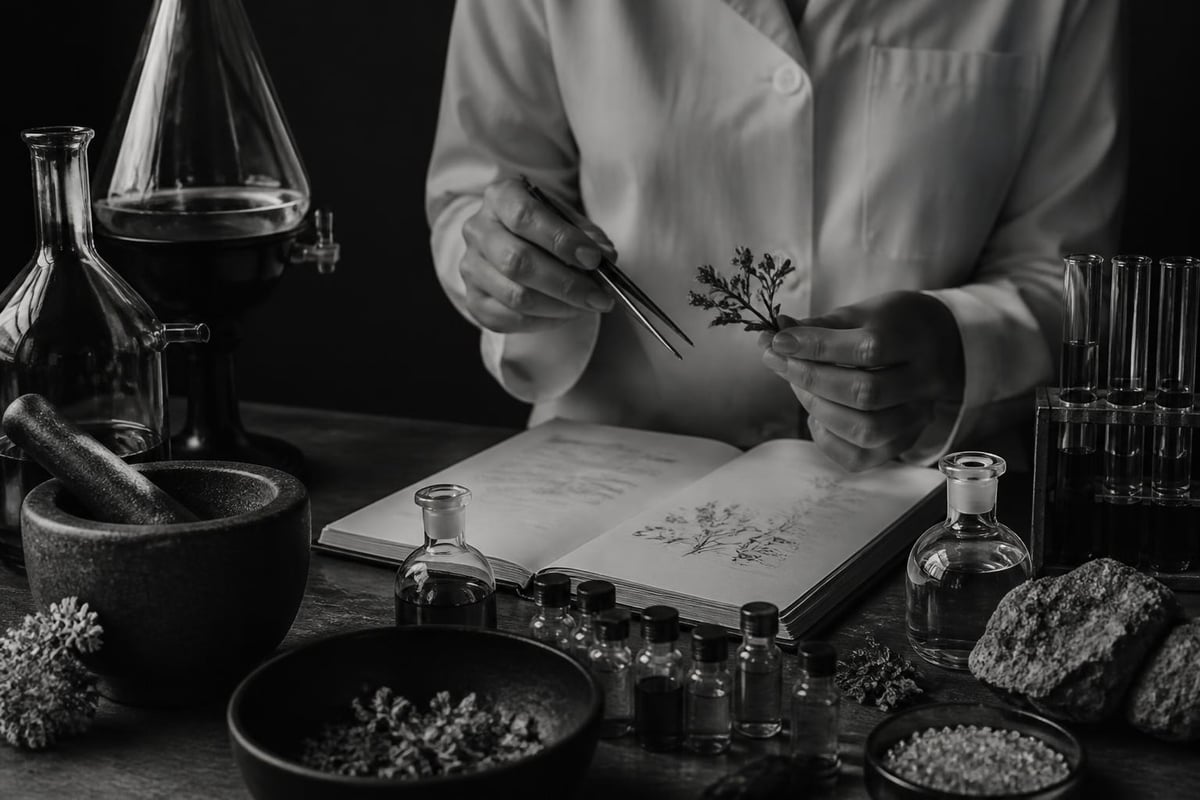
Botanical accuracy begins with correct species identification. Lavandula angustifolia produces a different essential oil than Lavandula latifolia, despite both being lavender. Reputable suppliers provide complete botanical names, country of origin, and chemotype information when relevant. For example, rosemary essential oil exists in multiple chemotypes (cineole, camphor, verbenone), each with distinct aromatic and therapeutic properties.
GC-MS testing provides a molecular fingerprint of an essential oil, revealing its chemical composition and identifying adulterants. This testing detects synthetic extenders, dilution with carrier oils, or blending of expensive materials with cheaper substitutes. The Fragrance Material Safety Resource offers peer-reviewed safety data that can be cross-referenced with supplier documentation.
- Request GC-MS reports for each batch of material purchased
- Verify extraction method matches expected output (absolute vs. essential oil)
- Check for organic certification if avoiding pesticide residues
- Confirm proper storage conditions (dark glass, cool temperatures, nitrogen flushing for oxidation-prone oils)
- Evaluate color, viscosity, and aromatic character against established standards
Working with Suppliers
Building relationships with transparent suppliers ensures consistent access to quality materials. The best suppliers provide detailed documentation including country of origin, harvest date, extraction date, storage recommendations, and shelf life estimates. They should be willing to discuss their sourcing practices, quality control procedures, and testing protocols.
Small-batch suppliers often offer superior materials compared to large commodity brokers. These specialized vendors work directly with distillers and farmers, maintaining shorter supply chains that preserve aromatic quality. For perfumers crafting botanical aroma oils, establishing these direct relationships can mean the difference between generic and exceptional materials.
Price serves as one quality indicator, though not the only one. Genuine rose absolute commands high prices due to the massive quantity of flowers required for extraction. Suspiciously inexpensive rose absolute likely contains extenders or substitutes. Conversely, premium pricing does not guarantee quality without supporting documentation.
How Do Natural Ingredients Behave in Oil-Based Perfume Formulations?
Natural ingredients for perfume in oil-based formulations demonstrate excellent stability, slower evaporation rates, and enhanced skin compatibility compared to alcohol-based perfumes. The absence of alcohol prevents oxidation of sensitive materials and allows the full aromatic profile to develop gradually on skin over several hours.
Oil-based carriers like jojoba oil, fractionated coconut oil, or grapeseed oil create an environment where natural perfume materials bloom differently than in alcohol. Evaporation slows, extending the perceptible lifespan of volatile top notes. The oils also enhance skin adherence, reducing sillage while increasing longevity. This quality makes oil-based natural perfumes particularly suitable for personal scent experiences rather than room-filling projection.
The hydrophobic nature of oil carriers means water-soluble aromatic compounds do not fully integrate. This limitation rarely affects natural perfume creation since most essential oils, absolutes, and resins are already oil-soluble. The exceptions, such as certain hydrosols or water-based tinctures, require different formulation approaches.
Blending Ratios and Dilution
Most natural perfume ingredients require dilution before incorporation into final formulations. Neat essential oils and absolutes can irritate skin or overwhelm the composition's balance. Standard dilution ratios range from 2% to 20% depending on the material's potency and intended use.
Resins and thick absolutes may need gentle warming to facilitate blending with carrier oils. A double boiler or warm water bath liquifies solid materials without damaging heat-sensitive compounds. Once liquid, they disperse evenly throughout the carrier oil with thorough stirring or gentle shaking.
Aging improves oil-based natural perfumes significantly. Allowing blends to rest for two to four weeks permits the various aromatic molecules to marry, creating a more cohesive scent impression. This maturation period softens rough edges and reveals nuances not apparent in freshly mixed formulations. Those exploring essential oil perfume creation should build aging time into their development process.
What Are the Sustainability Considerations for Natural Perfume Ingredients?
Sustainability considerations for natural ingredients for perfume include ethical wildcrafting practices, cultivation methods, fair compensation for growers, renewable harvesting, and carbon footprint of transportation. Responsible sourcing ensures plant populations remain viable while supporting communities dependent on aromatic plant cultivation.
Wildcrafted materials harvested from natural habitats face the greatest sustainability challenges. Sandalwood, rosewood, and certain tree mosses have been harvested to near-extinction in some regions. Ethical suppliers work with conservation programs, use plantation-grown alternatives, or source from carefully managed wild populations with documented renewal rates.
Cultivation-based sourcing offers more control over sustainability outcomes. Organic farming practices avoid pesticides and synthetic fertilizers that degrade soil health and contaminate water supplies. Regenerative agriculture goes further, actively improving soil carbon content and biodiversity while producing aromatic crops. Lavender, geranium, and many citrus oils come from established agricultural systems that can be managed sustainably.
- Verify supplier sustainability certifications (organic, fair trade, Rainforest Alliance)
- Choose plantation-grown alternatives for endangered wild species
- Support suppliers who pay fair wages to harvesters and distillers
- Consider carbon footprint when selecting between similar materials from different regions
- Prioritize local or regional materials when aromatic quality permits
- Request information about water usage and waste disposal in extraction facilities
Fair compensation ensures the economic viability of aromatic plant cultivation. When farmers receive fair prices, they can maintain their land properly and avoid converting aromatic crop fields to more profitable but environmentally damaging uses. Fair trade certification provides third-party verification of equitable payment and working conditions.
How Do You Store and Preserve Natural Perfume Ingredients?
Natural ingredients for perfume require storage in dark glass bottles, cool temperatures, minimal air exposure, and protection from light to prevent oxidation, polymerization, and aromatic degradation. Proper storage extends shelf life from months to years depending on the material's chemical stability.
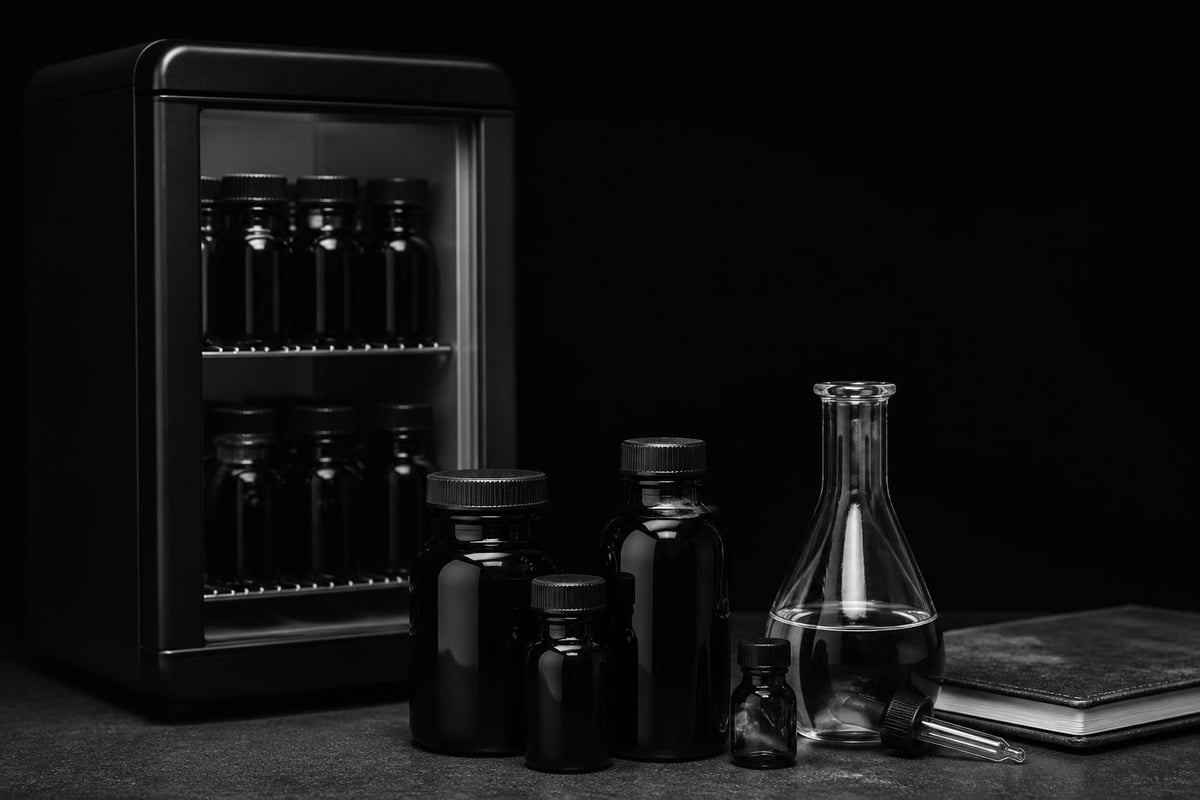
Oxidation represents the primary threat to natural perfume ingredients. When aromatic molecules react with oxygen, they form new compounds that smell different from the original material. Citrus oils are particularly vulnerable, developing harsh turpentine-like notes as terpenes oxidize. Amber glass bottles block UV light that accelerates oxidation, while keeping bottles tightly capped minimizes air exposure.
Temperature fluctuations destabilize natural materials. Storage in a cool, dark cabinet or refrigerator slows chemical reactions and extends shelf life. Refrigeration works especially well for citrus oils, delicate florals, and materials prone to cloudiness or solidification at room temperature. Allow refrigerated materials to return to room temperature before opening to prevent condensation inside the bottle.
| Material Type | Shelf Life | Storage Temperature | Special Requirements |
|---|---|---|---|
| Citrus oils | 6-12 months | Refrigerated | Nitrogen flushing, frequent turnover |
| Wood oils | 4-5 years | Cool, dark | Minimal special handling |
| Floral absolutes | 2-3 years | Cool, dark | Avoid temperature fluctuations |
| Resins | 5+ years | Room temperature | May solidify when cool |
| Herb oils | 2-3 years | Cool, dark | Check regularly for off-notes |
Nitrogen flushing displaces oxygen from bottles containing partially used materials. Professional perfumers use wine preservation systems or purchase small nitrogen canisters to blanket valuable ingredients with inert gas. This simple step dramatically extends the usable life of oxidation-prone materials.
Inventory rotation prevents waste from expired materials. Dating bottles upon receipt and using older stock first maintains freshness. Small quantities purchased more frequently often prove more economical than large volumes that degrade before use.
Can You Create a Complete Perfume Using Only Natural Ingredients?
You can create a complete perfume using only natural ingredients by balancing top, middle, and base notes with materials extracted from plants and resins. The process requires understanding evaporation rates, aromatic intensity, and blending ratios to achieve a composition that develops gracefully over time without synthetic fixatives or extenders.
Building a natural perfume begins with selecting materials across the evaporation spectrum. Top notes from citrus oils or light herbs provide immediate impact but dissipate within one to two hours. Middle notes from flowers, spices, and some woods form the composition's heart and remain perceptible for three to five hours. Base notes from resins, heavy woods, and thick absolutes anchor the blend and extend longevity beyond six hours.
The challenge in all-natural perfumery lies in achieving the performance characteristics consumers expect from conventional fragrances. Synthetic musks and fixatives provide tenacity that natural materials struggle to match. Resins like labdanum and benzoin serve as natural fixatives, but they bring their own aromatic signatures rather than acting as odorless extenders.
For those interested in experiencing how natural materials create complete fragrances, handmade botanical perfumes demonstrate the depth and evolution possible with plant-based ingredients in oil-based formulations.
Formulation Strategies
Successful natural perfume formulations often rely on higher concentrations than alcohol-based perfumes. Where a conventional eau de parfum might contain 15-20% fragrance materials, an oil-based natural perfume might use 20-30% to achieve comparable presence and longevity.
Blending in stages allows proper evaluation of the composition's development. Create an initial blend of base notes and allow it to rest for several days. Add middle notes and evaluate again. Finally, incorporate top notes shortly before the final aging period. This approach reveals how the composition evolves and allows adjustments before committing to the full formula.
Documentation proves essential in natural perfume creation. Record exact quantities, sources, batch numbers, and blending dates for every formulation. This practice enables replication of successful formulas and identification of variable materials that may need substitution or adjustment in future batches.
What Challenges Do Perfumers Face with Natural Ingredients?
Perfumers working with natural ingredients for perfume face challenges including batch variation, limited color palettes, allergen management, supply chain disruptions, higher costs, and restricted aromatic ranges compared to synthetic alternatives. These constraints require creative problem-solving and flexible formulation approaches.
Batch variation stems from the agricultural nature of natural materials. The same species grown in different regions, harvested at different times, or processed by different distillers yields oils with noticeable aromatic differences. A lavender oil harvested in Provence differs from one distilled in Bulgaria, even when the botanical species matches. Perfumers must either reformulate for each new batch or blend multiple batches to achieve consistency.
The color palette available from natural ingredients skews toward amber, yellow, brown, and green tones. Achieving clear or pale formulations requires careful material selection or acceptance that natural perfumes will display the inherent colors of their ingredients. This aesthetic differs markedly from the crystal-clear presentation of many synthetic fragrances.
- Managing allergen declarations for materials containing natural sensitizers
- Sourcing rare or endangered materials ethically
- Navigating price volatility from crop failures or geopolitical disruptions
- Achieving specific aromatic effects impossible with available natural materials
- Maintaining consistency across production batches
- Educating consumers about the differences between natural and synthetic perfumes
Supply chain resilience requires maintaining relationships with multiple suppliers for critical materials. When a single source experiences disruptions, having pre-qualified alternatives prevents production delays. Some perfumers maintain strategic stockpiles of essential materials, though this approach requires careful inventory management to prevent spoilage.
Cost pressures affect natural perfumery significantly. Rose absolute, jasmine absolute, and other precious materials command prices that can exceed several thousand dollars per kilogram. These costs translate directly to retail pricing, positioning natural perfumes in premium market segments. Balancing quality with affordability requires thoughtful material selection and efficient production processes.
FAQ
What is the difference between essential oils and absolutes in natural perfume?
Essential oils are extracted through steam distillation and contain only volatile aromatic compounds that can withstand heat. Absolutes are extracted using solvents and capture the complete aromatic profile of delicate flowers and resins that would be damaged by steam, resulting in richer, more complex scents with heavier consistency and higher concentration.
How long do natural perfumes made from botanical ingredients typically last?
Natural perfumes in oil-based formulations typically last four to eight hours on skin, with base notes from resins and woods remaining perceptible longer than lighter top notes. Longevity depends on ingredient selection, concentration levels, skin chemistry, and environmental factors, with natural perfumes generally offering more intimate sillage than synthetic alternatives.
Are natural perfume ingredients safer than synthetic fragrance chemicals?
Natural perfume ingredients are not inherently safer than synthetic chemicals, as both categories include allergens and sensitizers requiring regulatory oversight and safety testing. Many natural materials contain compounds restricted by fragrance safety standards, and comprehensive safety assessment examines both natural and synthetic ingredients using identical protocols to ensure consumer protection.
Can natural perfume ingredients create the same scents as synthetic materials?
Natural perfume ingredients cannot replicate certain synthetic aromatic molecules, particularly marine notes, some fruits, and modern synthetic musks. However, natural materials offer complexity and depth that single-molecule synthetics cannot match, creating different but equally sophisticated scent experiences that evolve more organically on skin over time.
Why are natural perfume ingredients more expensive than synthetic ones?
Natural perfume ingredients cost more due to agricultural requirements, labor-intensive harvesting, extraction equipment and energy costs, lower yields per unit of plant material, crop failures affecting supply, and geographic limitations on where aromatic plants grow. A kilogram of rose absolute requires processing several tons of fresh petals, illustrating the economic reality.
How do you know if a perfume truly contains natural ingredients?
Verify natural ingredients through ingredient lists showing botanical names, certifications from organic or natural product organizations, transparency about extraction methods, GC-MS testing documentation from the producer, and realistic pricing that reflects the cost of genuine natural materials. Suspiciously low prices or vague ingredient declarations suggest synthetic substitutes or adulterants.
Working with natural ingredients for perfume demands knowledge, patience, and respect for the materials themselves. The variability and complexity that make natural perfumery challenging also create its greatest rewards: scents that evolve, surprise, and connect wearers to the living world. If you are drawn to fragrances built entirely from botanical sources, Haus of Smell crafts vegan, alcohol-free perfumes using only plant and resin extracts in their NoMad studio.