
You can make your apartment smell good naturally by opening windows regularly for fresh air circulation, using botanical ingredients like herbs and citrus peels in simmer pots, placing natural wax candles strategically, and incorporating live plants that filter air while adding subtle fragrance. These methods eliminate synthetic chemicals while creating lasting, authentic scents.
Creating a naturally fragrant living space starts with understanding that air quality and scent management work together. Most commercial air fresheners contain synthetic compounds that mask odors rather than eliminate them. Natural alternatives address the root causes of stale air while introducing plant-based fragrances that evolve throughout the day.
What Are the Most Effective Natural Methods to Freshen Apartment Air?
The most effective natural methods include daily ventilation, botanical simmer pots, natural wax candles, live plants, and fabric refreshing with plant-based solutions. Each method works differently: ventilation removes stale air particles, simmer pots release volatile aromatic compounds, candles provide controlled fragrance release, plants filter toxins through photosynthesis, and fabric treatments neutralize trapped odors in textiles.
Daily Ventilation Strategies
Cross-ventilation transforms indoor air quality within minutes. Open windows on opposite sides of your apartment to create airflow that pushes out accumulated cooking odors, carbon dioxide, and airborne particles.
Morning ventilation works best because outdoor air contains fewer pollutants before traffic builds. Even five minutes makes a measurable difference in air freshness. In winter, brief ventilation prevents moisture buildup without significantly affecting room temperature.
Natural air circulation techniques combined with strategic furniture placement maximize airflow patterns throughout your space.
Botanical Simmer Pot Techniques
Simmer pots release essential oils from fresh botanicals into your apartment air. Fill a small pot with water, add citrus peels, herbs like rosemary or thyme, and whole spices such as cinnamon sticks or star anise. Keep the mixture at a low simmer on your stovetop.
The heat volatilizes aromatic compounds without burning them. Refill water as needed to maintain consistent scent release. A single simmer pot fragrances an entire apartment for hours.
Change ingredients seasonally for variety: mint and lemon in summer, clove and orange in fall, pine needles and vanilla in winter.

How Do Natural Candles Compare to Synthetic Air Fresheners?
Natural candles made from plant-based waxes burn cleaner than synthetic air fresheners because they contain no petroleum derivatives, phthalates, or artificial fragrance molecules. Paraffin-based synthetic products release potentially harmful compounds when heated, while botanical candles emit only the aromatic compounds present in their plant-derived ingredients. Natural options provide authentic scent profiles that change as different volatile compounds evaporate at varying temperatures.
| Feature | Natural Botanical Candles | Synthetic Air Fresheners |
|---|---|---|
| Ingredient source | Plant waxes, botanical extracts | Petroleum derivatives, lab-created compounds |
| Combustion byproducts | Minimal, primarily water vapor and CO2 | May include volatile organic compounds |
| Scent authenticity | Complex, evolving fragrance profiles | Static, uniform scent delivery |
| Allergen concerns | Lower risk with pure botanicals | Higher risk from synthetic molecules |
| Environmental impact | Biodegradable components | Persistent chemical residues |
The botanical candles at specialized boutiques use natural wax bases combined with real plant and resin extracts to create fragrances that fill rooms without overwhelming them.
Placement and Usage Guidelines
Position candles away from air vents to prevent uneven burning. Multiple small candles distribute fragrance more evenly than single large ones. Burn candles in the room you currently occupy rather than lighting them throughout your apartment.
Trim wicks to one-quarter inch before each use. This prevents smoking and ensures clean combustion. Allow the entire top surface to melt during each burn session to prevent tunneling.
Never leave candles unattended. Extinguish them when leaving a room or before sleep.
Which Plants Actually Improve Indoor Air Quality and Scent?
Plants that improve indoor air quality include snake plants, pothos, spider plants, peace lilies, and Boston ferns through their ability to absorb toxins and release oxygen. For natural fragrance, eucalyptus, lavender, jasmine, gardenias, and scented geraniums emit aromatic compounds without requiring blooms. NASA research confirms certain plants remove formaldehyde, benzene, and trichloroethylene from indoor environments while contributing subtle botanical scents.
Air-Purifying Varieties
Snake plants convert carbon dioxide to oxygen at night, making them ideal for bedrooms. They require minimal water and tolerate low light conditions. A single mature plant can service approximately ten square feet of floor space.
Pothos vines remove formaldehyde from air while growing rapidly in various light conditions. Their trailing habit makes them suitable for hanging planters or elevated shelves. Using natural materials for home fragrance extends beyond traditional potpourri to include living botanical elements.
Spider plants produce oxygen continuously and multiply through offsets, creating additional purifying units.
Fragrant Plant Options
Eucalyptus branches release aromatic oils without soil or ongoing care. Hang fresh stems in your shower where steam activates their medicinal scent. Replace every two to three weeks as oils dissipate.
Lavender plants thrive on windowsills with direct sunlight. Brush leaves gently to release their calming fragrance. They require well-draining soil and infrequent watering.
Jasmine vines produce intensely fragrant white flowers when given adequate light and humidity. Their scent intensifies in evening hours, making them perfect for living areas where you relax after work.
What DIY Solutions Work for Fabric and Carpet Freshening?
Baking soda mixed with dried lavender or other botanical powders effectively freshens fabrics and carpets by absorbing odors at the molecular level while leaving subtle plant-based scents. Sprinkle the mixture on surfaces, allow it to sit for thirty minutes minimum, then vacuum thoroughly. Vinegar-based sprays with essential oils neutralize odors in upholstery without leaving residue. These solutions cost significantly less than commercial products while avoiding synthetic chemicals.
Step-by-Step Carpet Treatment
- Vacuum carpet thoroughly to remove surface debris and hair.
- Mix one cup baking soda with two tablespoons dried lavender or crushed rosemary.
- Sprinkle mixture evenly across carpet using a flour sifter for uniform distribution.
- Work powder into fibers gently using a soft brush in high-traffic areas.
- Leave treatment for one to two hours, or overnight for stubborn odors.
- Vacuum slowly and thoroughly, making multiple passes in different directions.
- Repeat monthly to maintain freshness and prevent odor accumulation.
This method works equally well on area rugs, bath mats, and carpet runners.
Upholstery Refresh Spray
Combine one part distilled white vinegar with three parts water in a spray bottle. The vinegar smell dissipates as it dries, taking trapped odors with it. Add ten to fifteen drops of preferred essential oils per cup of solution for lasting fragrance.
Test on inconspicuous areas first to ensure colorfastness. Mist lightly rather than saturating fabric. Open windows to accelerate drying and prevent moisture buildup.
For delicate fabrics, reduce vinegar concentration or use vodka as an alternative base. The alcohol evaporates rapidly while neutralizing odor-causing bacteria.
How Can You Maintain Consistent Natural Fragrance Throughout the Year?
Maintain consistent natural fragrance by rotating seasonal botanicals, establishing cleaning routines that prevent odor buildup, using linen and room sprays made from plant extracts, and addressing moisture issues that create mustiness. Winter requires different approaches than summer because humidity levels and ventilation patterns change. Creating a maintenance schedule ensures your apartment smells fresh regardless of weather or season.
Seasonal Rotation Strategy
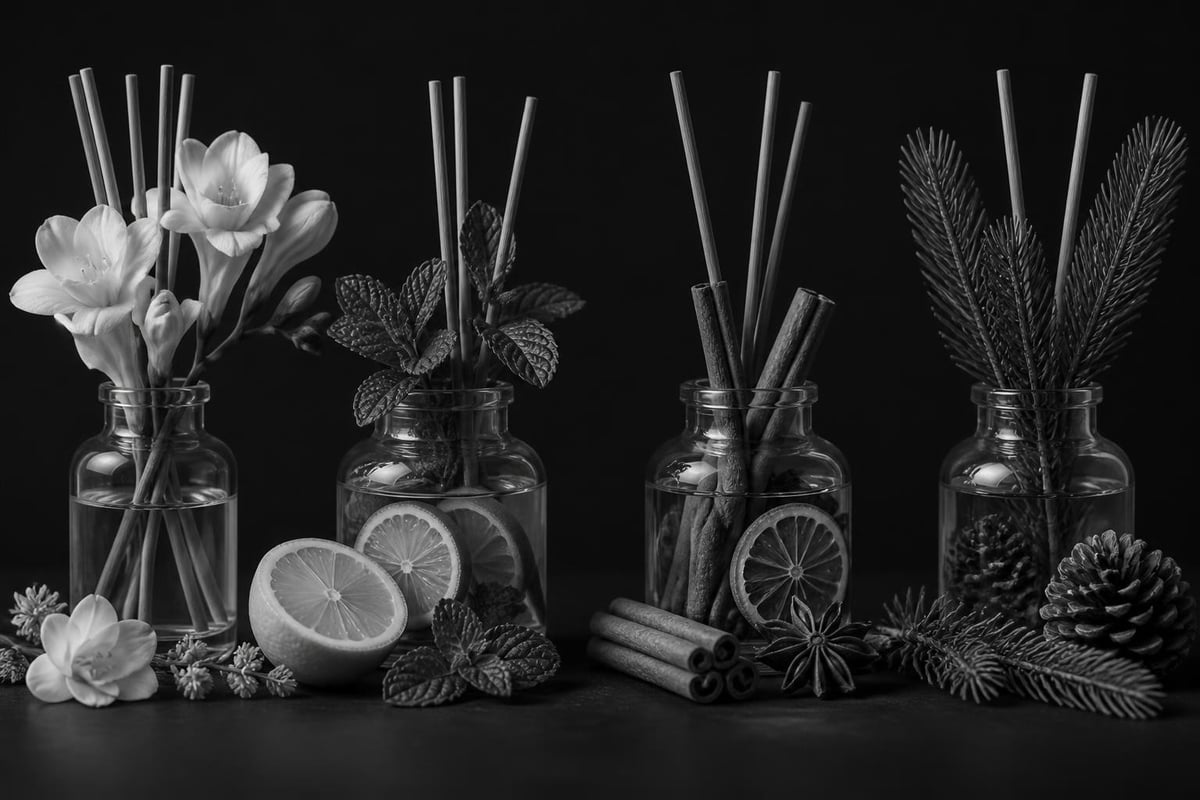
Spring fragrances should emphasize renewal with light floral notes and green herbs. Place small vases of fresh mint, basil, or lemon verbena in frequently used areas. These herbs grow easily on kitchen windowsills and provide both visual interest and subtle fragrance.
Summer calls for citrus-based solutions that feel refreshing in heat. Simmer lemon and lime peels with mint leaves. The bright, clean scent counteracts stuffiness from running air conditioning. Consider adding citrus peels to your garbage disposal weekly, following advice from these practical freshening tips.
Autumn transitions to warming spices and dried botanicals. Cinnamon sticks, cloves, and apple peels create cozy atmospheres. Dried orange slices studded with cloves make natural pomanders that last for weeks.
Winter demands stronger, longer-lasting scents because windows stay closed. Pine boughs, cedar chips, and evergreen wreaths maintain freshness. Simmer pots with vanilla extract, nutmeg, and orange peel replicate the comfort of baked goods without added calories.
Preventive Maintenance Schedule
Weekly Tasks:
- Empty all trash receptacles and wash bins with vinegar solution
- Wipe kitchen and bathroom surfaces with plant-based cleaners
- Wash dish towels and replace hand towels
- Check refrigerator for expired items
Monthly Tasks:
- Vacuum upholstered furniture including cushion undersides
- Wash curtains or steam clean if heavy
- Deep clean garbage disposal with ice cubes and lemon
- Replace potpourri or dried botanicals in display bowls
- Rotate candle selection to prevent scent fatigue
Quarterly Tasks:
- Shampoo area rugs or send out for professional cleaning
- Wash mattress covers and pillow protectors
- Clean air vents and replace HVAC filters
- Audit closets for items needing laundering
What Natural Solutions Address Specific Odor Sources?
Kitchen odors respond to baking soda in drains and refrigerators, coffee grounds for absorbing cooking smells, and immediate ventilation during meal preparation. Bathroom mustiness requires improved air circulation, vinegar for mold prevention, and natural deodorizing techniques like eucalyptus bundles in showers. Pet odors demand enzyme-based botanical cleaners, frequent bedding washing, and strategic plant placement. Each odor type requires targeted approaches because different compounds cause them.
Kitchen-Specific Approaches
Garbage disposals develop odors from trapped food particles. Create ice cubes from vinegar and lemon juice, then grind them monthly. The ice sharpens blades while citric acid cuts through grease and vinegar neutralizes bacteria.
Refrigerator smells concentrate in produce drawers and meat compartments. Place an open container of baking soda on each shelf, replacing it monthly. Activated charcoal bags work faster but cost more. Wipe spills immediately to prevent bacterial growth.
Range hoods accumulate grease that turns rancid and releases stale cooking odors. Remove and wash metal filters in hot soapy water monthly. For stubborn buildup, soak filters in a solution of baking soda and hot water.
Bathroom Moisture Management
Bathrooms without windows require mechanical ventilation after every shower. Run exhaust fans for at least twenty minutes to remove moisture that feeds mold and mildew. The potential downsides of synthetic clean scents make botanical alternatives even more important in enclosed spaces with poor air exchange.
Spray shower curtains and tile grout with vinegar solution weekly. This prevents mold establishment while eliminating soap scum that traps odors. For existing mold, apply undiluted vinegar and scrub with a stiff brush.
Place moisture-absorbing products in cabinets under sinks where humidity concentrates. Rechargeable silica gel containers work indefinitely when dried periodically in a warm oven.
How Do You Create Custom Natural Scent Blends for Your Space?
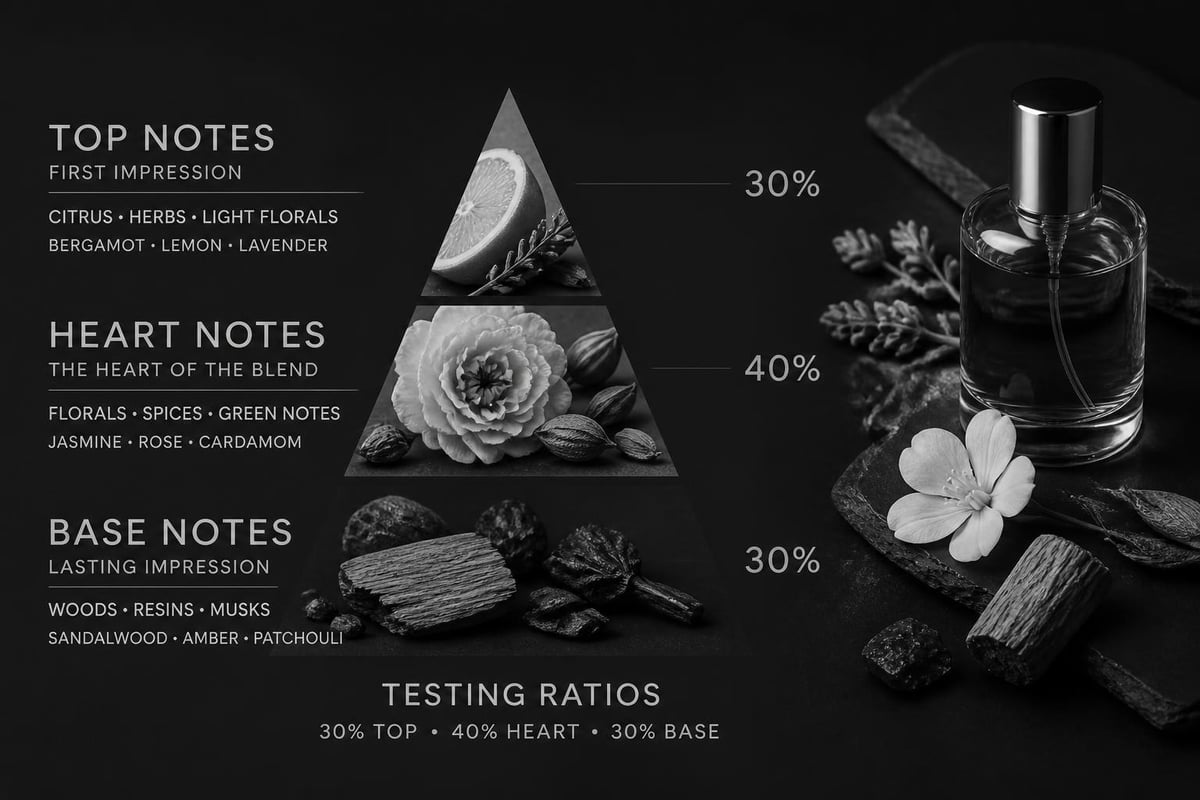
Create custom natural scent blends by understanding fragrance structure (top notes that hit immediately, heart notes that develop over time, and base notes that linger), selecting complementary botanicals, and testing ratios before committing to large batches. Document successful combinations for future replication. Many prefer personalized scents over commercial options because they can adjust intensity and character to match their preferences and space requirements.
Understanding Scent Architecture
Top notes include citrus peels, mint, and eucalyptus that provide immediate impact but dissipate within an hour. They create first impressions and add brightness to blends.
Heart notes from lavender, rosemary, and geranium develop as top notes fade. They form the core character of your blend and typically last two to four hours.
Base notes like vanilla, cedar, and cinnamon provide depth and longevity. They anchor lighter elements and can persist for six to eight hours or longer in enclosed spaces.
Balanced blends contain all three layers in roughly equal proportions. Adjust based on personal preference and desired effect.
Testing and Refinement Process
- Start with single ingredients to understand their individual characteristics and strength.
- Combine two complementary scents in equal parts to observe interaction.
- Add third element gradually, testing with small amounts before committing.
- Record ratios precisely using measuring spoons or digital scales.
- Allow blends to mature for twenty-four hours before final evaluation.
- Adjust proportions based on how scent evolves over time.
The botanical expertise required for creating balanced natural fragrances develops through experimentation and sensory awareness. Those interested in exploring sustainably sourced botanical ingredients might find inspiration from retailers like Tinc, which curates eco-friendly products that align with natural living principles.
Store custom dried botanical blends in glass jars away from direct sunlight. Label with ingredients and creation date for future reference.
What Role Does Regular Cleaning Play in Natural Fragrance Maintenance?
Regular cleaning prevents odor accumulation by removing the organic matter, dust, and moisture that create unpleasant smells, making it the foundation of how to make your apartment smell good naturally. Surfaces harbor bacteria, mold spores, and particle buildup that neutralize even the strongest natural fragrances. Deep cleaning soft furnishings like curtains and upholstery eliminates trapped odors that resist surface treatments. A clean baseline allows botanical scents to perform optimally without competing against existing odor sources.
Priority Cleaning Zones
Soft surfaces absorb and retain odors more than hard ones. Curtains, upholstered furniture, rugs, and bedding require frequent attention. Wash curtains every three months minimum, more often in kitchens where cooking vapors concentrate.
Upholstery benefits from monthly vacuuming with upholstery attachments that extract deep particles. Steam cleaning quarterly removes embedded oils and skin cells that feed bacteria. Consider professional cleaning annually for pieces that receive heavy use.
Rugs and carpets trap more dirt than any other household surface. Budget-friendly freshening methods include regular vacuuming combined with natural deodorizing powders rather than expensive commercial treatments.
Hard Surface Maintenance
Kitchen and bathroom surfaces need daily wiping with vinegar-based solutions. Hard water deposits in bathrooms create rough surfaces where bacteria colonize. Vinegar dissolves mineral buildup while killing odor-causing microorganisms.
Floors accumulate tracked-in dirt that breaks down into dust particles circulating through your apartment. Vacuum or sweep daily in high-traffic areas, mop weekly with plant-based cleaners. Microfiber mops trap particles more effectively than traditional string mops.
Dust accumulation on horizontal surfaces creates musty smells as it absorbs moisture. Wipe shelves, tops of door frames, and ceiling fan blades weekly. Use slightly damp cloths to capture rather than redistribute particles.
How Can You Maximize Airflow Without Compromising Energy Efficiency?
Maximize airflow by using strategic window opening schedules, ceiling fans set to appropriate seasonal directions, and interior door positioning that creates cross-breezes without running heating or cooling systems constantly. Winter ventilation works best in short, intensive bursts rather than prolonged window opening. Summer cooling improves with nighttime air exchange when outdoor temperatures drop. These approaches maintain fresh air circulation while minimizing energy waste.
Seasonal Ventilation Timing
Winter mornings offer the cleanest outdoor air before pollution builds from traffic and industrial activity. Open windows wide for five to ten minutes rather than leaving them cracked for hours. This rapid air exchange replaces stale indoor air without cooling walls and floors that take significant energy to reheat.
Close windows before indoor temperature drops more than two degrees. Monitor with a thermometer to develop timing instincts for your specific apartment layout and insulation quality.
Summer evenings reverse the pattern. Outdoor air cools after sunset while your apartment retains heat from the day. Create cross-ventilation by opening windows on opposite walls after outdoor temperature drops below indoor readings.
Mechanical Air Movement
Ceiling fans consume minimal electricity while moving large air volumes. Summer operation requires counterclockwise rotation when viewed from below, pushing air downward to create cooling breeze effect. Winter clockwise rotation pulls air upward, distributing warm air trapped near ceilings.
Box fans in windows accelerate air exchange. Position one blowing outward to exhaust stale air, creating negative pressure that draws fresh air through other openings. This directed flow clears apartments faster than passive ventilation alone.
Standing fans aimed at doorways between rooms extend air circulation to spaces without windows. Oscillating models distribute air more evenly than fixed-position units.
Why Do Some Natural Scent Methods Work Better in Small Spaces?
Some natural scent methods work better in small spaces because fragrance concentration builds faster in limited cubic footage, requiring less botanical material to achieve noticeable results. Reed diffusers and small candles that might seem weak in large homes provide adequate scenting in apartments. Simmer pots fragrance entire studios within minutes but need hours to perfuse multi-room houses. Understanding this relationship between space volume and scent delivery prevents over-fragrancing that causes headaches or sensory fatigue.
Volume-Appropriate Scenting
Calculate your apartment's cubic footage by multiplying length times width times ceiling height for each room. Most natural scent sources fragrance approximately 200 to 400 cubic feet effectively. Studios under 500 square feet need only single-scent sources at a time.
One-bedroom apartments benefit from room-specific scenting rather than whole-space approaches. Use different botanical profiles in bedroom versus living areas to create distinct atmospheres. Lighter, fresher scents suit bedrooms while warmer, richer options work well in social spaces.
Two-bedroom layouts support multiple concurrent scent sources if chosen thoughtfully. Avoid competing fragrances in adjacent rooms by selecting complementary botanical families. Citrus in kitchens pairs well with herbaceous scents in nearby living rooms.
Avoiding Scent Overload
Natural fragrances seem weaker than synthetic options initially because they lack the chemical amplification of commercial products. Resist the urge to over-apply. Allow botanical scents thirty minutes to develop fully before adding more sources.
Sensory adaptation means you stop noticing constant scents after fifteen to twenty minutes. Visitors smell what you cannot. Trust your initial impression when entering from outside rather than continuously intensifying fragrance levels.
Rotate scent sources daily rather than running them simultaneously. Morning simmer pots, afternoon candles, and evening reed diffusers provide variation that prevents adaptation while maintaining consistent background fragrance.
What Storage Methods Preserve Natural Botanical Ingredients?
Dark glass containers stored in cool, dry locations preserve natural botanical ingredients by blocking light that degrades volatile compounds, preventing moisture absorption that causes mold, and minimizing temperature fluctuations that accelerate degradation. Dried herbs maintain potency for six to twelve months when properly stored. Essential oils last two to three years in amber bottles kept below seventy degrees. Fresh botanicals require refrigeration and use within one week for optimal fragrance release.
Dried Botanical Storage
Transfer purchased dried herbs from plastic bags into glass jars with tight-fitting lids. Label with contents and purchase date. Store in pantry or cupboard away from stove heat and direct window light.
Whole dried items like cinnamon sticks and star anise retain potency longer than ground versions. Purchase whole spices and break pieces as needed for simmer pots. This preserves aromatic oils that volatilize rapidly once protective structures break.
Dried citrus peels store well in sealed containers after thorough drying. Ensure no moisture remains to prevent mold. Properly dried peels snap cleanly rather than bending.
Fresh Ingredient Management
Purchase fresh herbs in quantities you will use within days. Woody herbs like rosemary and thyme last longer than soft varieties like basil and cilantro. Stand cut stems in water like flowers, changing water daily.
Citrus fruits provide peels for immediate use while flesh serves culinary purposes. Remove peels in large strips with minimal white pith attached. Use within twenty-four hours for maximum fragrance.
Fresh eucalyptus and other foraged botanicals benefit from immediate use. Their aromatic oils begin dissipating as soon as branches are cut. Refrigerate in sealed bags if you cannot use them immediately, but quality declines rapidly.
How Do Natural Fragrance Preferences Vary by Apartment Type?
Natural fragrance preferences vary by apartment type based on architectural features, room proportions, and lifestyle factors that influence scent distribution and perception. Loft spaces with high ceilings require stronger scent sources or elevated placement because warm air rises, carrying fragrances upward. Garden-level apartments benefit from earth-toned botanicals like cedar and vetiver that complement their connection to outdoor spaces. Upper-floor units with extensive windows support lighter, airier scents that work with natural ventilation patterns.
Architectural Considerations
Studios demand unified scent approaches because they lack physical barriers between functional zones. Select botanical profiles that transition appropriately from cooking to sleeping to working areas. Neutral green scents like herbs work better than heavily floral or spicy options that might overwhelm combined spaces.
Railroad apartments create scent corridors where fragrances drift through connected rooms. Position scent sources in middle rooms to distribute evenly, or use different complementary scents in terminal rooms to create beginning and ending experiences.
Open-plan layouts benefit from zoned scenting that defines areas without walls. Place different botanical profiles near seating areas versus dining spaces to subtly reinforce functional distinctions. For those who appreciate artisanal grooming products alongside home fragrance, retailers like Onesociety offer naturally formulated options that align with botanical lifestyle principles.
Lifestyle-Based Selection
Home offices within apartments need focus-supporting scents like peppermint, rosemary, and citrus that enhance mental clarity. Avoid heavy, relaxing fragrances in work zones that might reduce productivity.
Fitness areas benefit from eucalyptus and mint that open airways and create refreshing atmospheres. These scents pair well with the physical exertion and increased breathing associated with exercise.
Meditation or yoga spaces call for calming botanicals like lavender, chamomile, and sandalwood that support relaxation practices. These areas work best with subtle, non-intrusive fragrance levels that enhance rather than distract from contemplative activities.
Natural apartment fragrance relies on understanding botanical properties, maintaining cleanliness, and matching scent methods to your specific living space characteristics. When you are ready to explore professionally crafted botanical scents that bring these principles together, Haus of Smell offers handmade, vegan fragrances created in Manhattan from real plant and resin extracts without synthetic additives.
Frequently Asked Questions
How long do natural apartment fragrances typically last compared to synthetic options?
Natural botanical fragrances last two to eight hours depending on the method used, while synthetic air fresheners can persist for days or weeks due to chemical stabilizers. Simmer pots provide fragrance for three to four hours of active heating. Natural wax candles scent rooms for their entire burn time, typically two to three hours per session. Reed diffusers and potpourri offer continuous low-level fragrance for weeks but require occasional refreshing.
Can natural fragrance methods trigger allergies or sensitivities?
Natural fragrance methods can trigger allergies in sensitive individuals, though reactions occur less frequently than with synthetic compounds. Common allergens include strong florals like jasmine, certain essential oils applied topically, and mold from improperly dried botanicals. Start with small amounts of new ingredients and monitor responses. Those with diagnosed plant allergies should avoid botanical families that affect them. Well-ventilated spaces reduce concentration levels that might cause reactions.
What is the most cost-effective natural method for continuous apartment fragrance?
Homemade simmer pots offer the most cost-effective natural fragrance because they use kitchen scraps like citrus peels and herb stems that would otherwise be discarded. A single lemon, orange peels from breakfast, and dried herbs from your spice rack cost under two dollars and provide four to six hours of fragrance. Reuse ingredients for second batches until scent weakens. This approach costs approximately ten to fifteen dollars monthly for daily use.
How often should you replace or refresh natural scent sources?
Replace dried potpourri and botanical sachets every four to six weeks as volatile oils dissipate. Refresh weekly by crushing or shaking to release remaining fragrance. Simmer pot ingredients work for one to two sessions before exhausting aromatic compounds. Natural candles burn completely, requiring replacement when depleted. Reed diffusers need new reeds every four weeks and oil refills every six to eight weeks depending on room size and ventilation.
Do certain apartment layouts prevent effective natural fragrance distribution?
Long, narrow apartments with single-loaded corridors challenge natural fragrance distribution because scent cannot easily reach distant rooms. Multiple closed doors between spaces also impede airflow necessary for scent travel. Apartments with poor air circulation from inadequate ventilation or tightly sealed windows concentrate fragrances unevenly. Solutions include placing multiple small scent sources throughout rather than relying on single strong sources, and opening interior doors during scenting sessions to improve circulation.
What natural methods work best for eliminating rather than masking cooking odors?
Ventilation during and immediately after cooking eliminates rather than masks odors by exhausting odor molecules before they settle into fabrics and surfaces. Run range hoods on highest settings, open windows to create cross-breezes, and use fans to direct air toward exits. Simmer vinegar water after cooking neutralizes airborne grease particles chemically. Baking soda placed in bowls absorbs residual odors overnight. These active removal methods work better than attempting to cover cooking smells with competing fragrances.