
To make a small apartment smell luxurious, layer botanical scents strategically across zones, rotate fragrances seasonally, eliminate odor sources through deep cleaning, and choose complex plant-based compositions with woody or resinous depth rather than simple florals. Quality botanical materials outperform synthetic air fresheners in creating lasting impressions of refinement.
The olfactory experience defines spatial perception more powerfully than visual elements in compact environments. A studio can feel spacious and serene or cramped and stale based entirely on its scent profile. Understanding how to make a small apartment smell luxurious requires abandoning conventional air freshening approaches in favor of intentional fragrance architecture.
Why Does Scent Matter More in Small Spaces Than Large Ones
Scent concentration intensifies in confined areas, making fragrance choices more impactful and more obvious. Poor selections amplify quickly, overwhelming inhabitants and visitors within minutes. Conversely, thoughtful scent layering transforms limited square footage into an immersive sensory environment that feels curated and expensive.
Small apartments offer advantages for scent design that larger homes cannot match. Every corner remains within fragrance reach, eliminating dead zones. Lower ceilings trap aromatic molecules closer to nose level, extending perception time. Temperature variations prove less dramatic, maintaining consistent diffusion rates throughout the day.
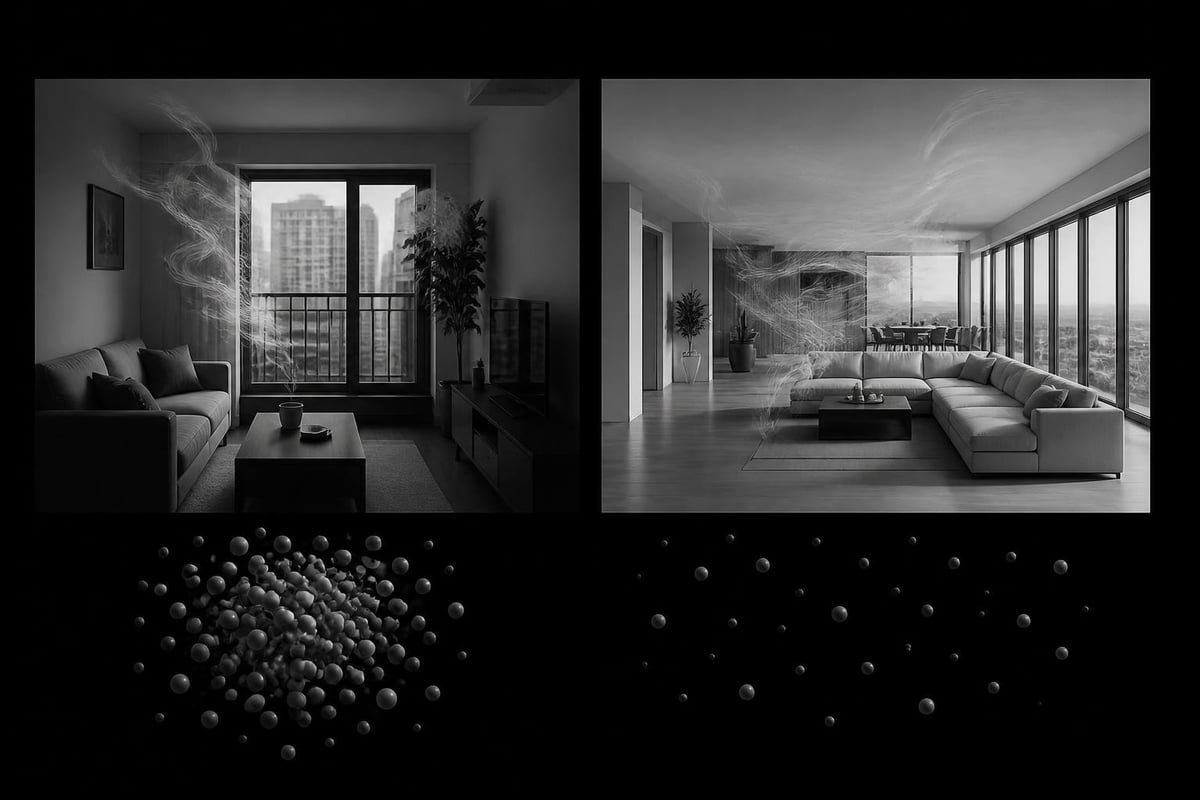
Research on luxury perception shows complex scent profiles trigger associations with quality and expense more effectively than simple fragrances. The difference lies in composition depth rather than price point.
What Are the Core Principles of Luxury Scent Design
Luxury scent design prioritizes natural complexity, seasonal rotation, and zoned application over uniform fragrance throughout a space. The goal involves creating a subtle progression as someone moves through rooms, not masking odors with overpowering artificial sweetness.
Natural Complexity Creates Perceived Value
Plant-based materials contain hundreds of aromatic compounds that evolve over hours. Synthetic alternatives typically feature three to five aroma chemicals, creating flat, unchanging scents that quickly tire the nose. This complexity gap explains why certain fragrances make homes smell expensive while others read as budget options regardless of actual cost.
Botanical compositions reward attention. Initial impressions shift as deeper elements emerge, creating the perception of discovery that defines luxury experiences. Visitors notice the scent changes between entry and bedroom, registering thoughtfulness even when unable to articulate the specific mechanism.
Seasonal Rotation Prevents Olfactory Fatigue
Inhabitants become nose-blind to constant scents within days, losing the ability to perceive their own environment. Rotating fragrances every six to eight weeks maintains sensory awareness and reflects the seasonal cycles found in high-end hospitality settings.
Winter months call for warming resins and woods. Spring benefits from green and herbaceous profiles. Summer demands lighter, cleaner compositions. Fall transitions back toward depth with earthy and spiced combinations. This rhythm mirrors natural cycles, creating subconscious comfort.
Zoned Application Builds Spatial Narrative
Different areas serve different functions and deserve tailored scent profiles. Entryways establish first impressions with welcoming, confident compositions. Bedrooms require calming, intimate fragrances. Bathrooms benefit from clean, fresh profiles that complement rather than compete with personal care products.
| Zone | Scent Character | Diffusion Method | Rotation Frequency |
|---|---|---|---|
| Entry | Welcoming, bold | Candle or diffuser | Every 6 weeks |
| Living Area | Complex, evolving | Multiple sources | Every 8 weeks |
| Bedroom | Calming, intimate | Subtle diffusion | Every 10 weeks |
| Bathroom | Clean, refreshing | Quick-burning candle | Every 4 weeks |
How Do You Eliminate Odor Sources Before Adding Fragrance
Adding luxury scent over existing odors creates unpleasant combinations rather than elevated experiences. Deep cleaning forms the foundation of how to make a small apartment smell luxurious, addressing sources rather than symptoms.
Textiles absorb and release odors more than any other household element. Curtains, upholstery, rugs, and bedding require regular washing or professional cleaning. Baking soda applied to carpets and fabric furniture for thirty minutes before vacuuming neutralizes embedded smells without adding competing fragrances.
Kitchen and bathroom drains harbor bacterial growth that produces persistent unpleasant odors. Monthly treatments with boiling water followed by baking soda and vinegar eliminate buildup. Garbage disposals benefit from citrus peels and ice cubes, which clean blades while releasing fresh oils.
Air circulation prevents stagnant pockets where odors concentrate. Opening windows for fifteen minutes daily, even in winter, exchanges indoor air and reduces moisture that enables mildew growth. Ceiling fans set to rotate counterclockwise push air downward, improving circulation without creating drafts.
Proper laundry solutions ensure clean fabrics actually smell clean rather than masking dirt with artificial fragrances. Eco-friendly commercial-grade products remove odors at the molecular level, creating neutral baselines for intentional scenting.
What Types of Scent Delivery Work Best in Compact Spaces
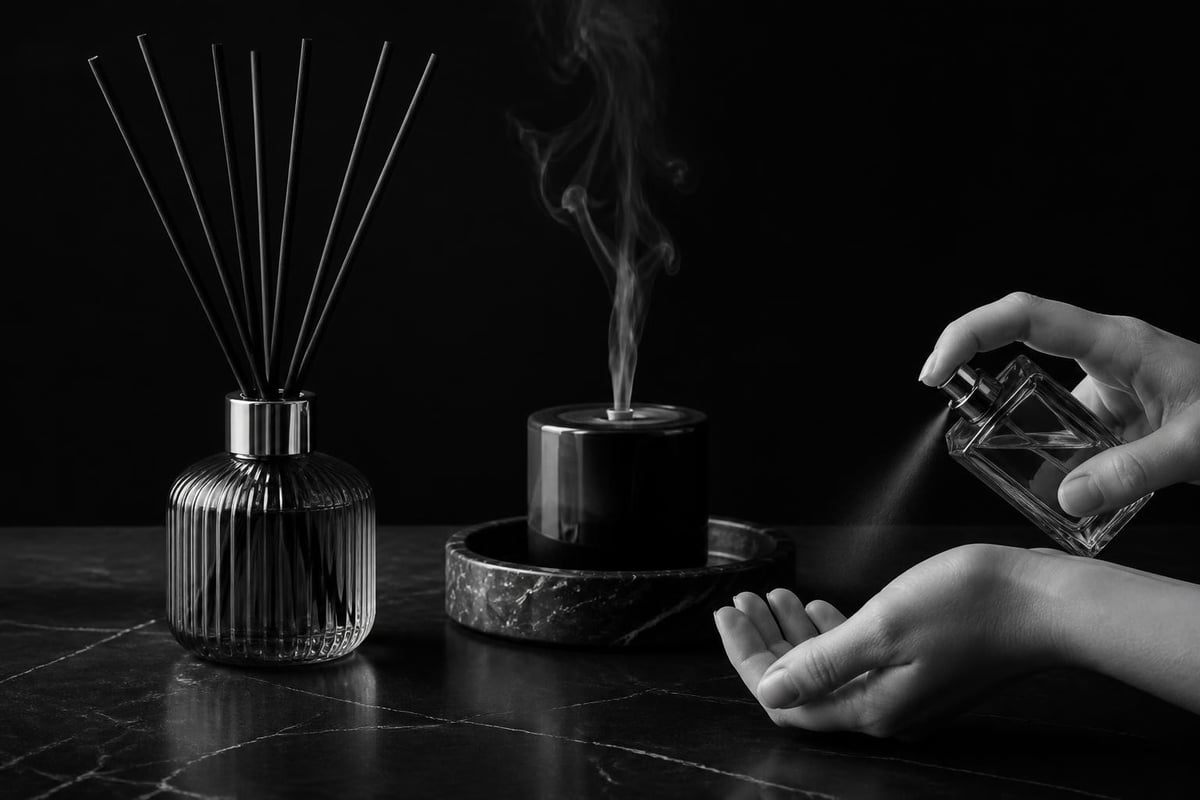
Candles, diffusers, and botanical oils each offer distinct advantages for small apartment scenting. Selection depends on room function, ventilation, and desired intensity. Combining methods across zones creates layered complexity without overwhelming any single area.
Hand-Poured Botanical Candles Provide Controlled Intensity
Quality candles from natural wax release fragrance gradually as the melt pool expands. Burn time control allows precise scent intensity adjustment. Smaller rooms need only thirty to sixty minutes of burn time to establish presence, while extended burns risk overwhelming the space.
Placement affects diffusion patterns significantly. Candles positioned near air returns distribute scent throughout connected areas. Those placed on low surfaces create intimate scent clouds in seating areas. Never burn candles in enclosed spaces without ventilation, as combustion consumes oxygen regardless of wax type.
Reed Diffusers Offer Constant Low-Level Presence
Oil-based diffusers release fragrance continuously without heat or electricity. This consistency works well in bathrooms and entryways where quick scent establishment matters. Flip reeds weekly to refresh oil contact and maintain diffusion rates.
Diffuser placement requires consideration of air currents. Locations near windows or air vents accelerate evaporation, intensifying scent but shortening product life. Sheltered spots extend duration while reducing projection. Small apartments rarely need more than two diffusers operating simultaneously.
Botanical Perfume Oils Enable Personal Scenting
Applying fragrance to skin rather than environment creates mobile scent clouds that follow inhabitants through spaces. This approach proves particularly effective in studios where room separation does not exist. The botanical eau de parfum approach layers personal and environmental scenting for cohesive olfactory experiences.
Oil-based formulations last longer than alcohol-based alternatives, releasing fragrance gradually as body heat warms the application sites. Pulse points provide the most projection, while clothing application creates subtler, longer-lasting effects.
How Should You Layer Scents Without Creating Overwhelming Combinations
Scent layering follows compositional principles similar to music, building harmony through complementary elements rather than competing solos. The process requires restraint, with each layer supporting rather than dominating the overall impression.
Start with the lightest, most subtle layer as your foundation. This might be linen spray on curtains and bedding, establishing a clean baseline throughout the space. Allow this layer to settle for several hours before adding additional elements.
Add your primary scent source in the most-used area, typically the living space. This becomes your signature, the scent visitors associate with your home. Choose compositions complex enough to sustain interest over extended periods without becoming tiresome.
Accent scents in secondary spaces should relate to your primary choice without duplicating it. If your living area features woody resins, your bedroom might emphasize green herbaceous notes that share earthy undertones. Bathroom scents can provide cleaner contrast while maintaining tonal relationships.
Timing Creates Dynamic Experience
All scent sources operating simultaneously create flat, monotonous experiences. Strategic timing builds rhythm and variation throughout the day. Morning showers might release one profile, afternoon candle burning introduces another, evening diffusion provides a third layer.
This approach mimics how luxury hotels manage scent, creating distinct but related olfactory moments rather than uniform fragrance blankets. Inhabitants perceive thoughtfulness without necessarily understanding the mechanism creating that impression.
What Mistakes Do Most People Make When Scenting Small Spaces
Over-scenting represents the most common error, reflecting the mistaken belief that more fragrance equals more luxury. The opposite proves true, as restraint and subtlety define refined scent experiences. Overwhelming spaces with multiple strong sources creates sensory fatigue rather than pleasure.
Choosing synthetic air fresheners for their intensity rather than botanical options for their complexity undermines luxury perception. Making homes smell amazing requires quality over quantity, natural complexity over chemical brightness.
Ignoring scent interactions with existing household products creates unintentional combinations. Heavily fragranced cleaning products, laundry detergents, and personal care items compete with intentional scenting efforts. Switching to unscented or lightly scented versions of these products allows chosen fragrances to shine without interference.
Failing to account for visitor sensitivity represents another frequent oversight. What smells luxurious to inhabitants may overwhelm guests unaccustomed to the concentration levels. Reducing intensity before hosting and providing well-ventilated spaces ensures comfort for all sensory preferences.
Common Pitfall Comparison
| Mistake | Why It Fails | Better Approach |
|---|---|---|
| Uniform scent throughout | Creates monotony, no spatial narrative | Zone different areas with related profiles |
| Constant high intensity | Causes olfactory fatigue | Rotate sources, control burn times |
| Mixing too many sources | Produces muddy, confusing combinations | Limit to 2-3 complementary layers |
| Ignoring seasonal shifts | Misaligned with environmental context | Rotate profiles every 6-8 weeks |
How Does Ventilation Affect Luxury Scent Perception
Air circulation patterns determine how fragrances disperse, concentrate, and evolve within confined spaces. Poor ventilation allows scents to stagnate and intensify beyond comfortable levels. Excessive ventilation strips fragrance before it develops, wasting product and reducing impact.
Balanced airflow moves scent molecules without dispersing them completely. Cracking windows on opposite sides of an apartment creates gentle cross-breezes that refresh air while maintaining fragrance presence. This technique works particularly well after cooking, removing food odors while preserving ambient scenting.
HVAC systems require special consideration in apartment settings. Central air returns located near fragrance sources can distribute scent throughout connected units, potentially bothering neighbors. Placement away from vents contains fragrance within intended spaces while still allowing natural diffusion.
Humidity levels interact with scent perception significantly. Dry winter air causes fragrance molecules to evaporate quickly and remain airborne longer, intensifying perception. Humid summer air holds molecules closer to surfaces, reducing projection. Adjusting source quantity with seasonal humidity maintains consistent luxury experiences year-round.
What Role Does Personal Scent Play in Small Space Luxury
Individual fragrance choices interact with environmental scenting to create cohesive or conflicting experiences. Coordinating personal and spatial scents amplifies luxury perception, while mismatched choices create confusion and reduce the impact of both.
Wearing fragrances that share tonal qualities with room scents builds reinforcing layers. If your apartment features woody botanical compositions, personal scents with similar depth create harmonious experiences. This does not require exact matching, merely tonal relationships that support rather than compete.
The relationship between perfume smell categories and spatial fragrances matters more in compact environments where personal and ambient scents occupy the same airspace constantly. Large homes allow separation, but studios and one-bedrooms merge these layers continuously.
How Can You Create Luxury Scent Experiences on Limited Budgets
Understanding how to make a small apartment smell luxurious does not require extensive spending. Strategic choices and proper technique with modest investments outperform expensive products used incorrectly.
Focus investment on one or two high-quality sources rather than many mediocre options. A single exceptional candle used strategically provides more luxury perception than a dozen synthetic alternatives. Quality botanical materials offer complexity that inexpensive synthetics cannot replicate regardless of quantity.
Rotate rather than replace. Storing fragrances between uses extends their life and prevents olfactory fatigue. Three modest candles rotated every six weeks creates more dynamic experiences than one expensive option burned continuously until exhausted.
Natural scenting methods supplement purchased products effectively. Simmering water with herbs, citrus peels, and spices creates temporary luxury scents for special occasions without ongoing cost. This approach works well for dinner parties and gatherings when heightened scent presence suits the event.
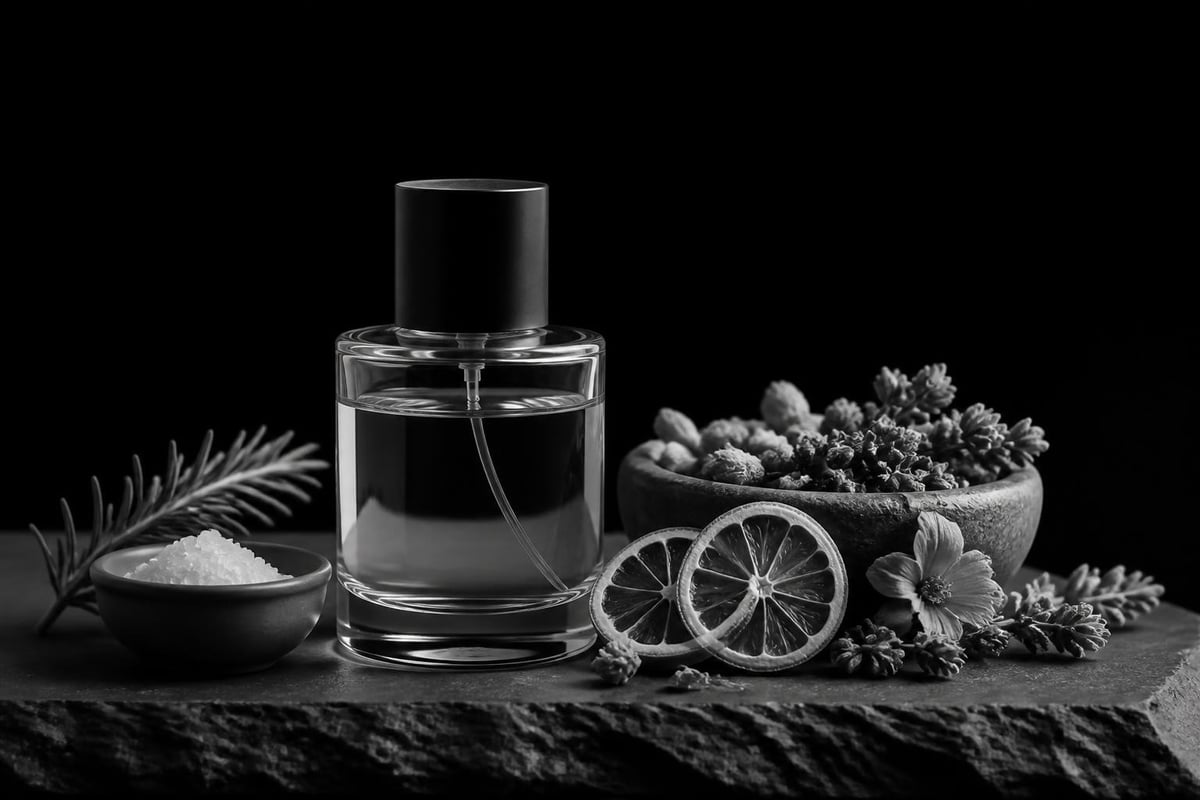
DIY approaches offer engagement opportunities. Learning how to make perfume or creating custom blends develops understanding of fragrance composition while reducing costs. The educational value compounds the financial benefits.
What Seasonal Adjustments Enhance Year-Round Luxury Perception
Aligning scent profiles with seasonal environmental changes creates subconscious comfort and demonstrates attention to detail that defines luxury experiences. The same fragrance year-round reads as static rather than curated.
Winter scenting emphasizes warmth and depth to counter cold, dark conditions. Woody, resinous compositions create cozy refuges from harsh weather. Increased burn times for candles compensate for dry air that disperses scent more quickly. Homes & Gardens notes that making small apartments look expensive involves seasonal adjustments across design elements, including scent.
Spring transitions introduce lighter, greener profiles that mirror natural renewal. Reducing scent intensity as weather warms prevents overwhelming experiences as windows open more frequently. Fresh, herbaceous compositions replace heavy winter choices, creating psychological alignment with seasonal shifts.
Summer requires the lightest touch, with minimal scenting during peak heat. Clean, simple profiles work best when competing with outdoor scents entering through open windows. Evening scenting proves more effective than daytime application as temperatures drop and air circulation decreases.
Fall bridges back toward depth gradually. Early autumn maintains some summer lightness while introducing warmer undertones. Late fall preparation for winter involves bringing back richer, more complex compositions in measured progression.
Seasonal Scent Rotation Guide
- Assess current fragrance inventory and sort by seasonal appropriateness
- Store off-season products in cool, dark locations to preserve integrity
- Deep clean space before introducing new seasonal profile
- Start with reduced intensity, increasing gradually over two weeks
- Monitor visitor reactions and adjust concentration accordingly
- Document preferences to refine future seasonal transitions
How Do Scented Products Integrate Into Overall Apartment Design
Fragrance containers and diffusion tools function as design elements that either support or undermine luxury perception. Visible products require aesthetic consideration beyond scent quality alone. The best scented products combine olfactory excellence with visual appeal.
Vessel selection matters particularly for candles displayed prominently. Simple, elegant containers in neutral tones integrate seamlessly across design styles. Ornate or brightly colored options demand careful placement to avoid visual clutter in already-compact spaces.
Concealed scenting through hidden diffusers or strategically placed oils creates mysterious luxury, where visitors notice exceptional scent without identifying obvious sources. This technique requires understanding air current patterns and molecular diffusion rates but produces sophisticated results.
Custom fragrances elevate personalization to its highest expression. The 212 Build Your Own Botanical Perfume service allows creation of signature scents unavailable elsewhere, ensuring your apartment smells unlike any other space visitors experience. This level of customization defines true luxury in 2026, where mass production dominates retail fragrance.
Storage of fragrance products affects both longevity and visual appeal. Dedicated shelving in closets or cabinets protects products from light and temperature fluctuations while reducing visible clutter. Rotation becomes simpler when inventory remains organized and accessible.
What Advanced Techniques Separate Good Scenting From Luxury Experiences
Mastering how to make a small apartment smell luxurious requires progression beyond basic product use into sophisticated scent choreography. These advanced approaches demand more attention but deliver dramatically elevated results.
Scent mapping involves documenting how different fragrances perform in specific locations under varying conditions. Track which candles project well from corner shelves versus central tables. Note how diffusers near windows behave compared to those in sheltered alcoves. This data enables precision placement for maximum impact.
Intensity modulation throughout the day creates dynamic experiences that mirror natural environmental rhythms. Morning scenting might be barely perceptible, building gradually toward evening peaks when relaxation and entertaining occur. This approach prevents olfactory fatigue while maintaining presence.
Signature scent development establishes identity beyond purchased products. Combining specific candles with particular diffusers in consistent ratios creates recognizable profiles that visitors associate exclusively with your space. This technique mirrors how luxury hotels develop proprietary fragrances that become brand signatures.
Temperature consideration affects diffusion significantly. Placing oil diffusers near radiators accelerates release during winter. Summer placement should avoid direct sunlight and heat sources. Candles perform differently at various temperatures, requiring seasonal burn time adjustments for consistent results.
FAQ
What is the fastest way to make a small apartment smell luxurious?
Light a high-quality botanical candle in your main living area and let it burn for forty-five to sixty minutes. This creates immediate impact while you address deeper odor sources through cleaning. Follow with strategic placement of a complementary oil diffuser in your bedroom for extended presence.
How many scent sources should a studio apartment have?
One to three sources maximum, depending on square footage and ventilation. A single exceptional candle often suffices for studios under four hundred square feet. Larger spaces benefit from two complementary sources in different zones. More than three creates competing layers that reduce rather than enhance luxury perception.
Can you make cheap candles smell more expensive?
Not effectively. Inexpensive candles use synthetic fragrances and inferior waxes that produce flat, chemical scents regardless of technique. Investment in fewer high-quality botanical options delivers better results than attempting to enhance poor products. Quality materials cannot be replicated through clever usage of inferior alternatives.
How often should you change scents in a small apartment?
Every six to eight weeks for primary scents, with accent scents rotating every four to six weeks. More frequent changes prevent olfactory adaptation while reducing product waste. Seasonal transitions provide natural opportunities for major scent profile shifts. Monthly evaluation ensures alignment with current preferences and environmental conditions.
Does apartment size affect what scents work best?
Yes, smaller spaces require lighter application of any fragrance to avoid overwhelming concentration. Compact apartments also benefit from simpler compositions, as complexity can become muddled in confined areas. Larger studios and one-bedrooms accommodate richer, more elaborate scent profiles without risk of sensory overload.
What time of day is best for scenting small apartments?
Evening hours prove most effective, as reduced activity and closed windows contain scent better. Morning scenting often dissipates quickly through doors opening and increased air circulation. Timing scent application two hours before desired peak intensity allows proper diffusion. Weekend mornings work well when inhabitants remain home to enjoy the results.
Creating luxurious scent experiences in compact spaces requires understanding botanical complexity, strategic layering, and seasonal adaptation rather than simply adding products. The techniques transform studios and one-bedrooms into refined environments that rival larger homes through intentional olfactory design. Haus of Smell offers handmade botanical candles and perfumes crafted in Manhattan from natural, vegan ingredients that provide the complexity and quality essential for genuine luxury perception in any size space.