
How do you make beeswax? You render it by melting raw honeycomb in water, straining out impurities like propolis and debris, then cooling the liquid to form solid blocks. The process transforms cappings and old comb into pure wax through controlled heat, filtration, and settling that removes bee parts, honey residue, and plant matter while preserving the wax's natural properties.
The question itself reveals a common misunderstanding about beeswax origins. Bees produce this material through specialized glands, secreting tiny flakes that harden into the structural foundation of their hives. Humans don't manufacture beeswax from scratch; we process what bees have already made. The real craft lies in transforming crude honeycomb into clean, usable wax suitable for candles, cosmetics, and protective coatings. Understanding this distinction matters for anyone working with natural materials, from urban makers in Manhattan workshops to rural beekeepers processing their harvest.
What Is the Source Material for Beeswax Rendering?
The primary source is honeycomb cappings and old brood comb harvested during honey extraction or hive maintenance. Worker bees secrete beeswax from four pairs of glands on their abdomen, using it to build hexagonal cells for honey storage and brood rearing. When beekeepers uncap frames to extract honey, those thin wax sheets become the cleanest, lightest-colored raw material. Old brood comb accumulates cocoons, propolis, and pollen over seasons, yielding darker wax that requires more intensive cleaning.
Cappings represent the gold standard for rendering because they contain minimal contamination. Fresh from the uncapping knife, these delicate sheets carry only trace amounts of honey. Dark comb from brood chambers contains layers of larval casings and propolis, resulting in amber or brown wax even after processing. Most beekeepers separate these sources, rendering cappings for premium applications and saving old comb for utility purposes.
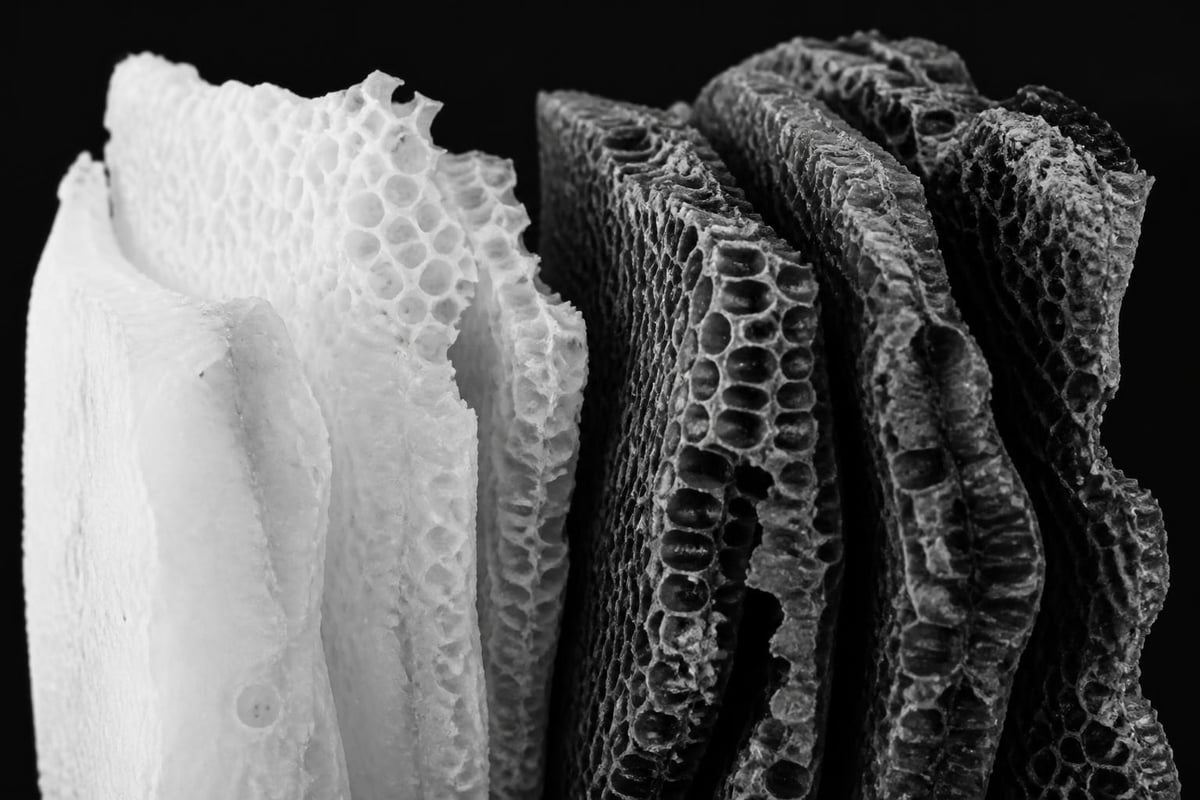
Wild comb and bur comb (excess wax bees build in hive gaps) also contribute to raw material supplies. These irregular pieces often contain higher debris levels but still yield usable wax after thorough filtering.
How Do You Make Beeswax Using the Solar Melter Method?
Solar melters use sunlight to passively render beeswax without electricity or fuel. You place raw comb in a slanted, glass-topped box with a collection pan at the low end; solar heat melts the wax, which flows through a screen into the pan while debris stays behind. This method works best for small batches in sunny climates, producing exceptionally clean wax when temperatures reach 145–150°F inside the enclosure. University of Florida researchers recommend solar melters for beekeepers processing cappings because the gentle heat preserves color and prevents scorching.
Construction requires basic carpentry skills and materials:
- Build a wooden box 24–36 inches long with a 15–20 degree slope
- Install a fine-mesh stainless screen across the interior, slanted toward the drain
- Mount a glass or polycarbonate top to create a greenhouse effect
- Position a removable collection pan beneath the drain hole
- Paint the interior black to maximize heat absorption
The process demands patience and favorable weather. On clear summer days, internal temperatures climb high enough to melt wax within 2–3 hours. Debris accumulates on the screen and must be scraped out between batches. Nighttime cooling solidifies the wax in the collection pan, making removal simple.
Solar melters excel for cappings but struggle with propolis-heavy brood comb. The passive heat cannot overcome the adhesive properties of aged propolis, leaving significant wax trapped in the residue.
What Is the Double-Boiler Rendering Process?
The double-boiler method provides controlled heat for larger quantities and dirtier comb. You nest a wax pot inside a larger water-filled vessel, heating the outer pot to melt the inner contents without direct flame contact. Water temperature caps at 212°F, preventing wax from reaching its 400°F flash point while maintaining sufficient heat to liquefy everything. This technique allows continuous monitoring and adjustment, making it the preferred choice for processing mixed sources including old brood comb.
Required equipment includes:
- Large stockpot or dedicated wax melter (10+ gallon capacity)
- Smaller stainless pot or aluminum pan for holding comb
- Heat source with adjustable temperature control
- Straining cloth or paint filters rated for hot liquids
- Heat-resistant stirring implements
- Molds or containers for cooled wax
The rendering sequence follows these steps:
- Fill the outer pot with water to 3–4 inches below the rim
- Place comb pieces in the inner vessel and nest it in the water bath
- Heat gradually until wax fully liquefies (30–60 minutes depending on volume)
- Pour melted wax through layered filters into a settling container
- Allow 24 hours for impurities to settle before removing the solidified block
New Westminster Beekeeper's Association training materials emphasize gentle heating and multiple filtration passes for premium results. Rushing the process or using excessive heat darkens the wax and destroys aromatic compounds.
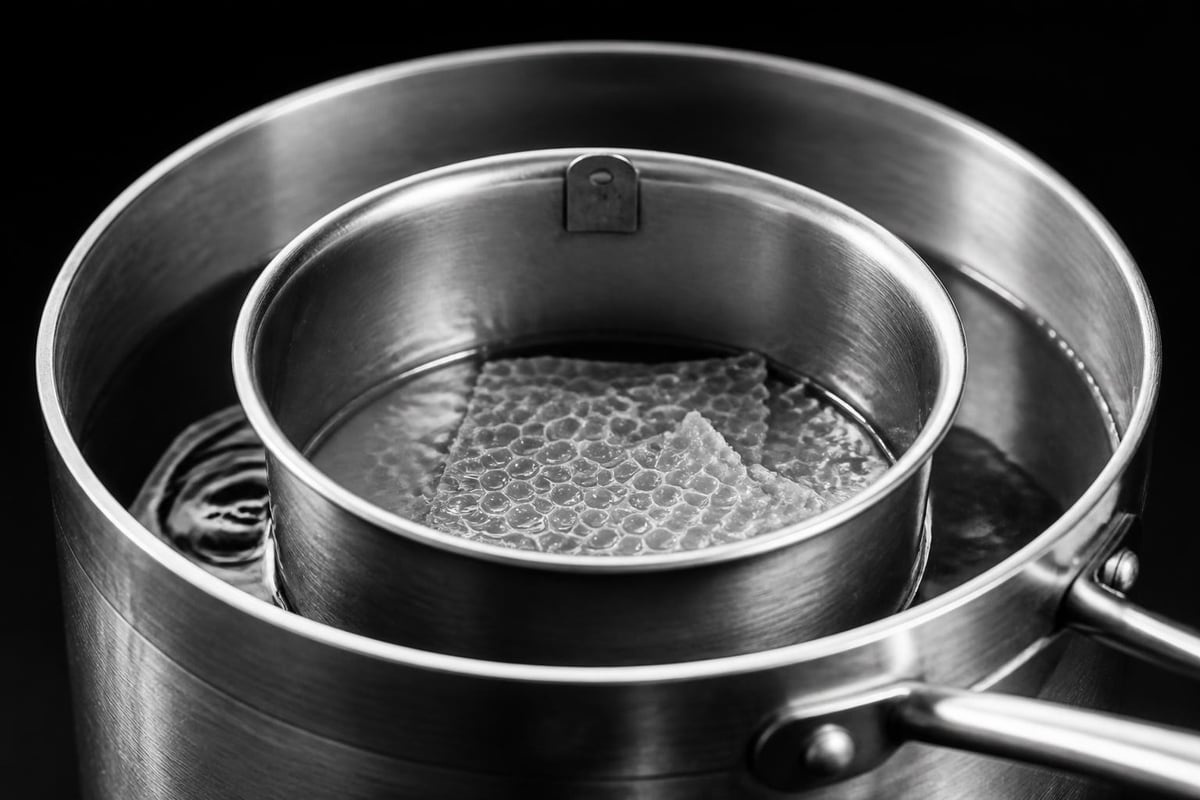
Water separation naturally occurs during cooling. Honey, proteins, and water-soluble debris sink below the wax layer, forming a dark sludge that peels away from the clean block. Some processors add fresh water to the melted wax before cooling, enhancing this natural clarification.
How Does Filtration Remove Impurities From Raw Beeswax?
Filtration physically separates particles suspended in liquid wax through progressively finer barriers. Start with coarse straining to remove large debris like bee parts and comb fragments, then follow with fine cloth or synthetic filters to capture pollen, propolis particles, and microscopic contaminants. Multiple passes through clean filters yield increasingly pure wax, though diminishing returns set in after three or four cycles for most applications.
Filter media options span a wide quality spectrum:
| Filter Type | Particle Size | Best For | Considerations |
|---|---|---|---|
| Stainless mesh | 40–100 microns | First-pass straining | Reusable, handles hot wax well |
| Cheesecloth | 100–200 microns | General filtering | Inexpensive, disposable, variable quality |
| Paint strainers | 50–100 microns | Mid-grade filtration | Synthetic mesh, good heat tolerance |
| Paper filters | 10–25 microns | Final polish pass | Single-use, slow flow rate |
Gravity filtration works for most small-scale operations. Position the filter over your collection container and pour slowly, allowing wax to pass through without overwhelming the media. Hot wax flows more readily than warm wax, but excessive temperature can degrade paper filters or char cloth.
Pressure filtration speeds the process for larger batches. Simple press setups using weighted plates or screw mechanisms push wax through filters faster than gravity alone. Commercial operations employ heated filter presses with pumps and temperature control, but these systems exceed the needs and budgets of most small producers.
Pre-filtering through water helps remove honey and water-soluble contaminants before fine filtration. Add boiling water to melted wax in a 1:1 ratio, stir vigorously, then allow the mixture to cool and separate. The aqueous layer carries away sugars and proteins that would otherwise clog fine filters.
What Temperature Range Works Best for Beeswax Processing?
Optimal rendering occurs between 145°F and 165°F, hot enough to liquefy wax completely without degrading its chemical structure. Beeswax melts at 144–147°F depending on purity and floral source, while temperatures above 185°F begin breaking down beneficial esters and hydrocarbons. Research published by the European Commission demonstrates that prolonged exposure to high heat alters color, scent, and physical properties, reducing commercial value.
Temperature control proves especially critical for products requiring light color and subtle aroma. Candle makers prize pale yellow wax with honey-sweet undertones, characteristics that darken and diminish when exposed to excessive heat. For those crafting scented products with natural ingredients, maintaining low processing temperatures preserves the wax's compatibility with botanical additions.
Different processing stages demand specific temperature management:
- Initial melting: 150–160°F for complete liquefaction
- Filtering: 155–165°F to maintain flow through fine media
- Settling: 145–150°F to keep wax liquid while allowing particles to settle
- Pouring molds: 160–170°F for smooth surface finish
Never exceed 185°F during active processing. Flash points above 400°F mean open flames pose minimal ignition risk under normal conditions, but hot wax can cause severe burns and creates fire hazards if spilled near heat sources.
Cooling rate affects final block quality. Rapid cooling traps air bubbles and can cause cracking, while controlled gradual cooling produces dense, uniform blocks. Insulating molds with towels or moving them to a warm room slows the solidification process, improving cosmetic appearance.
How Do You Purify Beeswax to Remove Remaining Contaminants?
Purification beyond basic filtration employs water washing, chemical treatment, or activated carbon to eliminate stubborn impurities. Water washing, the gentlest method, involves melting wax with fresh water, stirring thoroughly, and cooling to allow separation. Repeat three to five times until the water layer remains clear after cooling, indicating removal of water-soluble residues. This technique addresses honey, pollen, and protein contamination without chemicals.
Activated carbon adsorption removes color and odor compounds through chemical attraction. Add 1–2% food-grade activated carbon to melted wax, maintain temperature at 160°F for 30 minutes while stirring occasionally, then filter through fine media. The carbon binds to pigments and aromatic molecules, lightening dark wax and neutralizing strong odors. Excessive carbon use can strip desirable honey notes, so conservative dosing suits most applications.
Acid washing with citric or oxalic acid solutions removes mineral deposits and oxidized compounds but requires careful safety protocols. This advanced technique belongs to industrial processing rather than small-scale operations, as improper handling creates hazardous conditions and chemical residues.
FDA regulations on beeswax for food contact applications specify purity standards that guide processing choices. While most handcrafted products don't require pharmaceutical-grade purity, understanding these benchmarks helps producers assess their own quality levels.
Sun bleaching offers natural lightening for cosmetic improvement. Pour thin layers of melted wax onto clean surfaces and expose to direct sunlight for several days. UV radiation gradually lightens color, though the effect remains subtle compared to carbon treatment. This passive method suits makers who prioritize minimal intervention.
What Storage Conditions Preserve Beeswax Quality Long-Term?
Store processed beeswax in cool, dry, dark locations away from strong odors and temperature fluctuations. Properly stored blocks remain usable for decades without significant degradation. Ideal conditions include temperatures between 50°F and 70°F, relative humidity below 60%, and protection from direct sunlight. Beeswax readily absorbs volatile compounds from its environment, meaning storage near paint, gasoline, or pungent foods imparts unwanted odors.
Container selection impacts preservation outcomes:
- Food-grade plastic bins: Lightweight, moisture-proof, stackable
- Wooden boxes: Breathable, traditional, requires dry environment
- Metal containers: Excellent moisture barrier, avoid galvanized steel
- Vacuum-sealed bags: Maximum protection, prevents aroma absorption
Wrapping individual blocks in kraft paper or cotton cloth before containerization adds another protective layer. Avoid plastic wrap directly against wax, as some formulations can interact over time, creating surface residues.
Temperature stability matters more than absolute temperature. Repeated melting and solidification cycles create internal stress fractures and surface blooming (white haze from separated compounds). Garage storage works in mild climates but creates problems in regions with extreme seasonal swings. Basements generally provide more stable conditions than attics or outbuildings.
Light exposure gradually bleaches color and degrades aromatic esters. Even indirect natural light causes measurable changes over months. Opaque containers or cabinet storage eliminates this concern entirely. If displaying blocks, position them away from windows and rotate stock to minimize cumulative exposure.
Insect pests, particularly wax moths, pose the primary biological threat. Their larvae tunnel through stored wax, leaving behind webs and frass. Prevention requires sealed containers and periodic inspection. Freezing suspect blocks at 0°F for 48 hours kills eggs and larvae without harming wax quality.
How Does Beeswax Quality Vary by Hive Management and Floral Source?
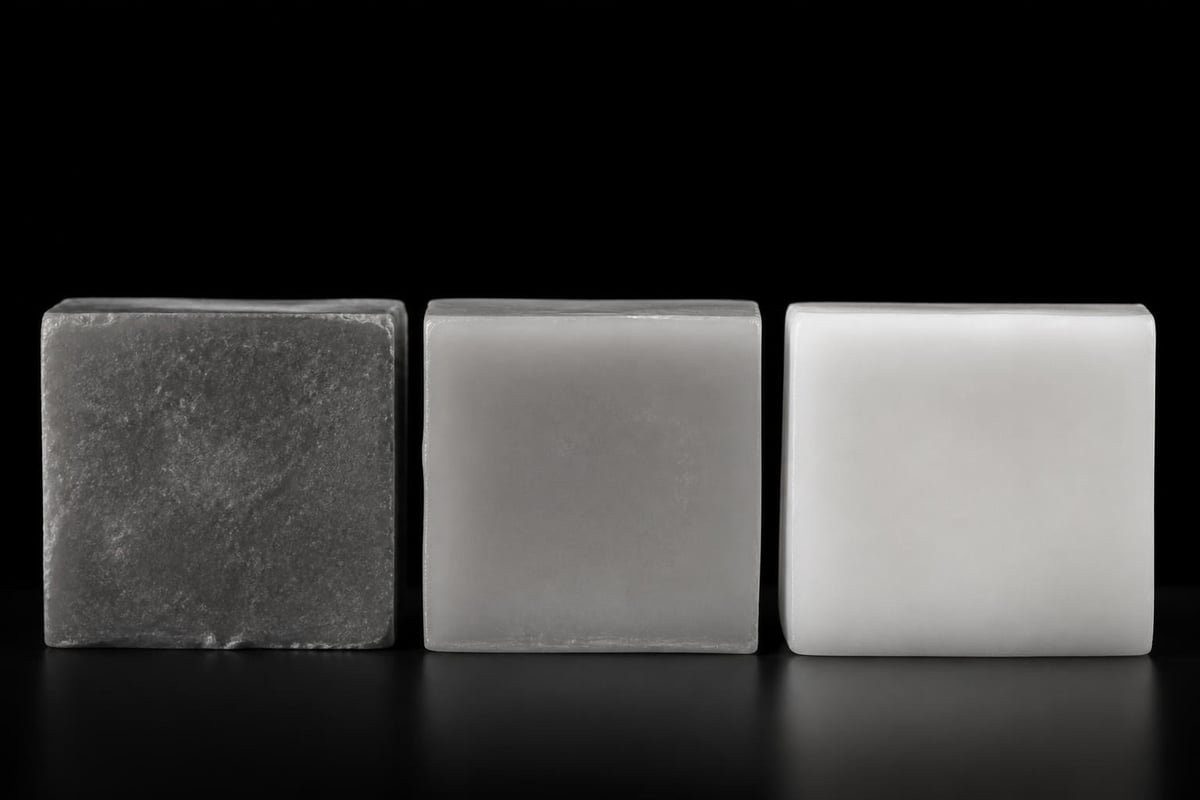
Beeswax characteristics reflect hive age, bee genetics, and the flowers bees visit for nectar and pollen. Fresh cappings from hives in areas with diverse wildflowers produce lighter, more aromatic wax than monoculture agricultural regions. Dark wax typically comes from old brood comb where generations of larvae have added cocoon layers and propolis accumulation has increased. These differences affect both processing requirements and final product applications.
Floral source influences wax color and scent in subtle but measurable ways. Bees foraging on buckwheat or dark-flowered plants sometimes produce slightly darker wax, while those working clover or fruit blossoms yield lighter material. Scientific analysis documented in pharmaceutical research shows variations in ester ratios and hydrocarbon profiles between geographic regions, though these differences rarely affect handcraft applications.
Hive management practices create more dramatic quality variations:
- Foundationless frames: Bees build natural comb, producing purer wax
- Plastic foundation: Minimal wax to harvest from frames
- Chemical treatments: Pesticides and medications can accumulate in wax
- Feeding practices: Sugar syrup feeding doesn't directly contaminate wax but may affect overall hive health
Organic and treatment-free beekeeping operations generally yield cleaner wax with fewer chemical residues. Urban beekeepers in places like Manhattan often find their bees produce exceptionally clean wax due to diverse rooftop and park forage, though proximity to pollution sources requires consideration.
Age matters significantly. First-year comb from new hives produces the lightest, most pristine wax. Each subsequent year adds layers of cocoons, propolis, and absorbed hive materials. Most beekeepers rotate out brood comb after three to five years, processing it separately from premium cappings. This darker wax suits utility candles, foundation sheets, and applications where color matters less.
Genetic variation between bee subspecies affects productivity but has minimal impact on wax chemistry. Italian bees tend to build more burr comb than Carniolans, potentially increasing renderable material, while Russian bees use more propolis, requiring more thorough filtering.
What Equipment Do Small-Scale Makers Need for Beeswax Processing?
Essential equipment for processing under ten pounds per batch costs between $100 and $300 for new items. Prioritize heat source control, adequate vessel size, and effective filtration over specialized tools. Many successful makers start with repurposed kitchen equipment before investing in dedicated gear. A reliable thermometer proves more valuable than an expensive melter, and patience substitutes for powered filtration in small batches.
Basic starter kit includes:
- Double boiler setup: $40–$80 for quality stockpots
- Thermometer: $15–$25 for accurate candy/oil thermometer
- Filters: $20–$40 for assorted mesh and cloth supplies
- Molds: $15–$30 for silicone or metal forms
- Stirring tools: $10–$15 for long-handled stainless spoons
Upgrading to mid-scale processing (ten to fifty pounds) justifies dedicated equipment investments. Electric turkey fryers provide consistent heat and large capacity for $80–$150. Heated five-gallon buckets with spigots simplify pouring and reduce handling risks. Professional-grade paint filters outlast bargain options, saving money over time despite higher upfront costs.
Safety equipment deserves equal budget priority. Heat-resistant gloves prevent burns when handling hot vessels. Safety glasses protect against splashes during filtering. Fire extinguisher and first-aid supplies belong in every processing area, regardless of scale. These items cost under $100 total but prevent injuries and property damage.
Avoid cheap aluminum cookware that dents easily and heats unevenly. Stainless steel costs more initially but lasts indefinitely with proper care. Glass vessels allow visual monitoring but require careful handling to prevent thermal shock cracks. Cast iron retains heat well but proves difficult to clean between batches.
For makers creating botanical candles or similar products in small urban spaces, compact equipment that stores easily matters more than production capacity. Countertop setups work well in Manhattan kitchens where storage space comes at a premium. Prioritize tools that serve multiple purposes and clean quickly.
What Are Common Mistakes When Processing Beeswax?
Overheating ranks as the most frequent error, causing color darkening and aroma loss that cannot be reversed. Beginners often assume hotter temperatures mean faster processing, but wax melts completely at 147°F and gains no benefit from higher heat. Using candy thermometers or instant-read probes prevents this problem entirely, while relying on visual cues leads to overheating. Dark, scorched wax suits only utility applications and loses value for cosmetic uses.
Inadequate filtration leaves debris that appears in finished products. Single-pass straining through coarse mesh catches visible chunks but allows fine particles through. These contaminants become obvious in clear candles or translucent cosmetics, creating unprofessional results. Adding just one additional filtering step through finer media eliminates most complaints about particle inclusion.
Three more common processing errors:
- Mixing water into hot wax: Creates dangerous splatter and steam explosions
- Pouring into cold molds: Causes surface cracking and poor adhesion
- Storing damp wax: Promotes mold growth and odor development
Rushing the cooling process traps air bubbles and creates internal voids. These defects weaken blocks mechanically and create cosmetic flaws. Controlled cooling in an insulated environment produces superior results even though it extends overall processing time by hours.
Using contaminated equipment introduces off-odors and foreign materials. Thoroughly clean all vessels between batches, especially when switching from dark brood comb to light cappings. Residual propolis hardens onto pot surfaces and requires solvent cleaning to remove completely. Dedicated processing equipment eliminates cross-contamination concerns but increases initial investment.
Ignoring safety protocols creates burn risks and fire hazards. Hot wax causes severe skin injuries that heal slowly. Spilled wax near heat sources can ignite, spreading fire rapidly. Working alone without emergency plans compounds these dangers. Simple precautions like clearing work areas, having water nearby, and informing others of processing activities prevent most accidents.
How Is Commercial Beeswax Different From Small-Batch Processing?
Commercial processors handle thousands of pounds annually using automated equipment, chemical purification, and standardized quality control. Industrial melters with temperature regulation and continuous filtering produce uniform blocks that meet pharmaceutical and cosmetic specifications. These operations purchase raw material from multiple apiaries, blending sources to achieve consistency. Small-batch makers work with dozens or hundreds of pounds, using manual methods that preserve individual characteristics but require more labor per pound.
Quality testing differentiates professional operations from hobbyist rendering. Commercial facilities measure acid value, saponification value, ester content, and hydrocarbon ratios to verify purity. European regulatory standards require these tests for food and pharmaceutical applications, pushing industrial processors toward strict quality control. Small makers rely on visual inspection, scent assessment, and performance testing in finished products.
Scale advantages include:
| Aspect | Commercial | Small-Batch |
|---|---|---|
| Processing speed | 500+ lbs/day | 10–50 lbs/day |
| Quality consistency | Tight specifications | Natural variation |
| Equipment cost | $10,000–$100,000+ | $100–$1,000 |
| Testing requirements | Laboratory analysis | Sensory evaluation |
Bulk purchasing power allows commercial operations to source premium raw materials at lower per-pound costs. They can afford specialized equipment for specific tasks like bleaching, deodorizing, or pelletizing. Smaller makers offset higher material costs with premium pricing for handcrafted products and local market appeal.
Artisan processing preserves terroir characteristics that industrial blending eliminates. Single-apiary wax carries distinct color, aroma, and handling properties reflecting local flora and beekeeper practices. Urban makers in Manhattan processing rooftop hive wax create unique products impossible to replicate at industrial scale. This authenticity supports premium positioning and connects customers to specific places and producers.
Environmental footprint differs significantly between scales. Small operations generate minimal waste, often composting slumgum (rendering residue) or using it for fire starters. Industrial plants produce concentrated waste streams requiring specialized disposal. Energy use per pound favors larger operations due to efficiency of scale, though absolute consumption remains higher.
Frequently Asked Questions
Can you make beeswax without bees?
No, only honeybees produce genuine beeswax through specialized glands. Synthetic waxes like paraffin, soy, or plant-based alternatives serve similar functions but lack beeswax's unique chemical composition. Some products labeled "vegan beeswax" use combinations of plant waxes formulated to mimic properties. True beeswax requires bee production followed by human processing of honeycomb material harvested from hives.
How much beeswax do you get from one pound of cappings?
Rendering cappings yields approximately 0.85 to 0.95 pounds of clean beeswax per pound of raw material. Cappings contain minimal debris and high wax concentration compared to other comb sources. Old brood comb returns only 0.50 to 0.70 pounds per pound due to accumulated propolis, cocoons, and pollen. Efficiency varies with processing method; solar melters typically recover less than double-boiler techniques.
Does beeswax expire or go bad over time?
Properly stored beeswax remains usable indefinitely without expiring. Archaeological discoveries have recovered functional beeswax from ancient shipwrecks and tombs spanning millennia. Color may fade and surface bloom can develop, but core properties persist. Contamination from moisture, mold, or absorbed odors causes quality degradation rather than inherent expiration. Store in cool, dry, dark conditions in sealed containers.
Can you mix different colors of beeswax together?
Yes, blending different shades creates intermediate colors through simple physical mixing. Combining light cappings wax with darker brood comb produces medium tones. The mixture remains permanently blended once cooled. Achieving specific target colors requires experimentation with ratios, as results vary based on starting material darkness. Most makers standardize by separating sources and processing them independently for consistent batch colors.
What causes white film on stored beeswax blocks?
Bloom, a harmless crystalline haze, forms when fatty acids migrate to wax surfaces during temperature fluctuations. This natural process affects appearance without compromising quality or function. Gentle heating to 140°F melts bloom back into the wax, restoring surface clarity. Preventing bloom requires stable storage temperatures and minimal handling. Cosmetic issue only; bloomed wax performs identically to clear wax in all applications.
Is filtered beeswax safe for food contact uses?
Clean, properly rendered beeswax meets food safety standards for direct contact with edibles. The FDA recognizes beeswax as generally safe for food use, coating applications, and chewing gum production. Ensure processing equipment remains food-grade and avoid chemical purification methods if intending food contact. Source wax from hives free of pesticide treatments and medications. Testing through certified laboratories confirms safety for commercial food applications.
Transforming raw honeycomb into purified beeswax requires controlled heat, patience, and attention to filtration quality. Whether using solar melters for small batches or double-boiler systems for larger volumes, the core principles remain consistent: gentle temperatures preserve natural properties, multiple filtering passes remove contaminants, and proper storage maintains quality indefinitely. For those exploring botanical ingredients in candle making or cosmetic applications, understanding how do you make beeswax from hive to finished block builds appreciation for this remarkable natural material. If you're in Manhattan and want to experience handcrafted products made with natural waxes and pure botanical ingredients, visit Haus of Smell to discover vegan candles and perfumes created without synthetics in NoMad.