
Home scent refers to the intentional use of fragrances throughout living spaces to create atmosphere, evoke emotion, and establish a sensory identity. Through candles, oils, or plant-based materials, home scent transforms ordinary rooms into spaces with character and memory, allowing inhabitants to control the invisible dimension of their environment.
The practice of scenting a home has evolved from simple air freshening to a deliberate design choice. Where previous generations relied on synthetic sprays or heavy perfumes, contemporary approaches favor botanical materials and thoughtful placement. This shift reflects growing awareness of indoor air quality and the desire for fragrances that feel rooted in nature rather than chemistry. According to comprehensive industry data, consumer preferences increasingly favor natural ingredients and transparent sourcing.
What Makes a Good Home Scent?
A good home scent balances presence with subtlety, creating atmosphere without overwhelming the senses or causing discomfort. The fragrance should complement the space rather than dominate it, revealing itself gradually as inhabitants move through rooms. Quality depends on ingredient purity, proper concentration, and the ability to maintain consistency over time without causing headaches or respiratory irritation.
Key characteristics of effective home fragrance include:
- Natural composition that respects indoor air quality
- Appropriate intensity for room size and ventilation
- Longevity without rapid deterioration or smell fatigue
- Compatibility with existing household materials and furnishings
The difference between intrusive and inviting fragrance often lies in source material. Botanical extracts tend to disperse more gently than synthetic compounds, creating layers rather than walls of scent. When selecting products, examine ingredient lists for plant and resin extracts rather than generic "fragrance" listings, which often mask undisclosed chemical combinations.
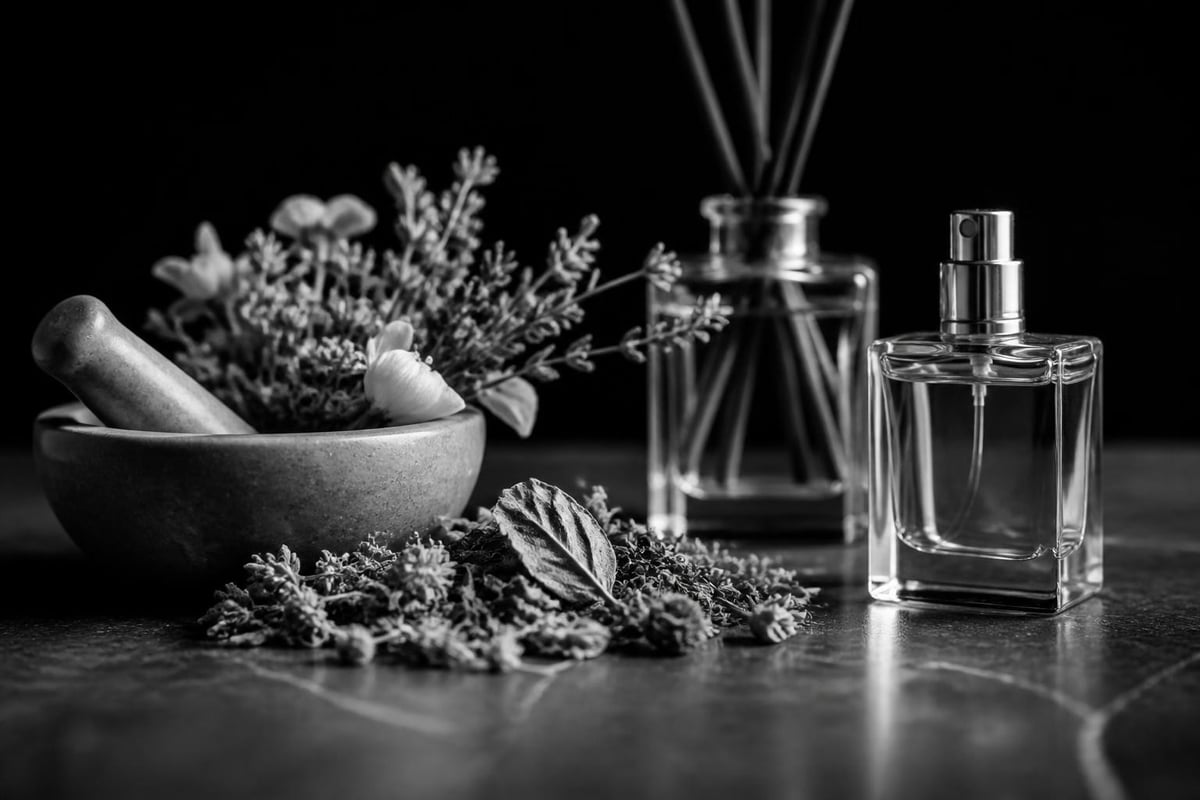
Professional perfumers describe home fragrance in terms of throw and sillage. Throw refers to how far a scent travels from its source, while sillage describes the trail left behind. Both qualities matter when establishing home scent, as rooms require different projection levels based on size, function, and occupancy patterns.
How Do You Choose Home Scent for Different Rooms?
Choose home scent for different rooms by matching fragrance character to room function, considering factors like moisture, temperature, and time spent in each space. Kitchens benefit from clean, herbal profiles that complement cooking aromas, while bedrooms require calming materials that support rest without stimulating alertness or memory. Living areas accommodate more complex compositions that can evolve throughout the day.
Room-Specific Scenting Strategies
The bathroom demands consideration of humidity and ventilation. Steam accelerates fragrance dispersal, meaning lighter concentrations work better than in dry environments. Materials like eucalyptus, mint, and citrus peel handle moisture well and provide clarity rather than heaviness.
Bedrooms respond to grounding materials that slow mental activity. The goal involves creating sensory calm rather than stimulation. Many find success with resinous bases and wood extracts that feel enveloping without cloying. Temperature also matters, as warmth from sleep and body heat can intensify fragrance overnight.
| Room Type | Ideal Character | Intensity Level | Placement Strategy |
|---|---|---|---|
| Kitchen | Clean, herbal, citrus | Low to medium | Away from cooking surfaces |
| Bedroom | Grounding, woody, calming | Low | Bedside or dresser |
| Living Room | Complex, evolving, welcoming | Medium | Central location with air flow |
| Bathroom | Fresh, moisture-tolerant | Medium to high | Near ventilation |
| Workspace | Clarifying, non-distracting | Low | Peripheral placement |
Entryways and hallways deserve special attention as transitional zones. These spaces establish first impressions and benefit from signature scenting approaches that create identity. Consider these areas as olfactory introductions to the rest of your home.
What Are the Best Methods for Distributing Home Scent?
The best methods for distributing home scent include candles, diffusers, wax melts, and direct application of botanical oils to porous materials. Each delivery system offers distinct advantages in terms of intensity control, longevity, and spatial coverage. Candles provide warmth and visual appeal alongside fragrance, while diffusers offer continuous dispersal without combustion. The choice depends on lifestyle, safety considerations, and desired scent experience.
Candle Placement and Burning Techniques
Candles remain among the most popular home scent methods due to their dual sensory appeal. The flicker of flame adds visual warmth while heat volatilizes fragrance molecules. Proper burning technique extends candle life and ensures even scent distribution.
Best practices for candle use:
- Trim wicks to one-quarter inch before each lighting
- Allow full surface melt on first burn to prevent tunneling
- Burn for two to four hours maximum per session
- Place away from drafts to prevent uneven burning
- Extinguish when wax pool reaches container edge
Hand-poured botanical candles made from natural wax and plant extracts deliver fragrance without synthetic additives, allowing the pure character of ingredients to emerge as the wax liquefies. These products burn cleaner than petroleum-based alternatives and support better indoor air quality.
Oil Diffusion and Reed Systems
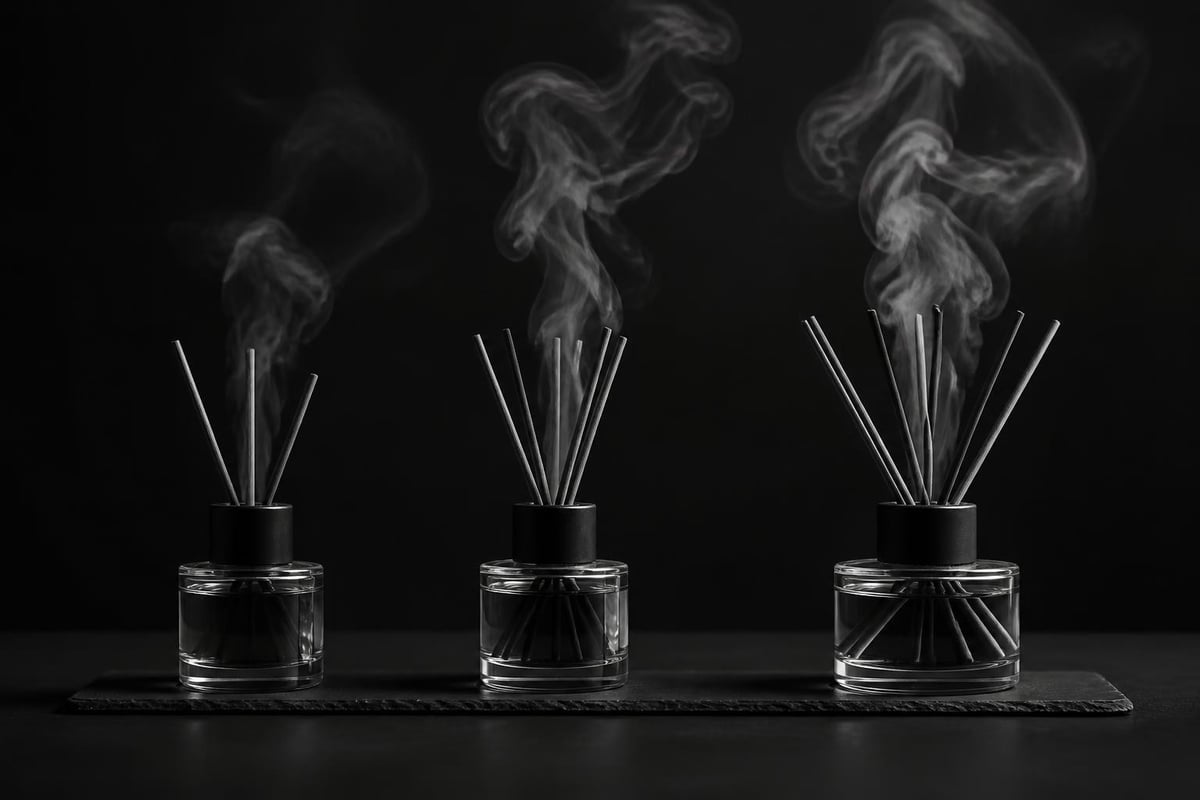
Oil-based diffusion relies on evaporation rather than heat, preserving the integrity of volatile compounds. Reed diffusers draw oil through porous wood channels, releasing fragrance continuously. The number of reeds controls intensity, allowing customization based on room size.
Direct oil application to textiles, wood, or ceramic creates subtle, lasting home scent. A few drops on pillow corners, drawer liners, or wooden furniture add dimension without visible residue. This method works particularly well with alcohol-free formulations that do not stain or evaporate rapidly.
How Do You Layer Home Scent Without Overwhelming Spaces?
Layer home scent by using complementary fragrance families in different rooms and varying delivery methods to create dimension without competition. Start with a base scent in communal areas, then introduce related but distinct profiles in private spaces, ensuring each fragrance occupies its own territory. Intensity should decrease as you move from public to intimate zones, preventing olfactory fatigue.
The concept of layering extends beyond simply using multiple products. It involves understanding how fragrances interact as they drift through doorways and hallways. Rather than attempting perfect harmony, seek compatible coexistence where scents enhance rather than erase each other.
Building a Cohesive Scent Profile
Begin by identifying your primary home scent, the fragrance that represents your space most authentically. This becomes the anchor around which other selections revolve. In most homes, this anchor occupies living rooms or entryways where guests first encounter your environment.
Secondary scents should share characteristics with the anchor without duplicating it. If your primary choice emphasizes green, herbaceous materials, secondary options might explore woody or earthy territories. Avoid direct opposites like heavy florals against sharp citrus, as these create dissonance rather than dialogue.
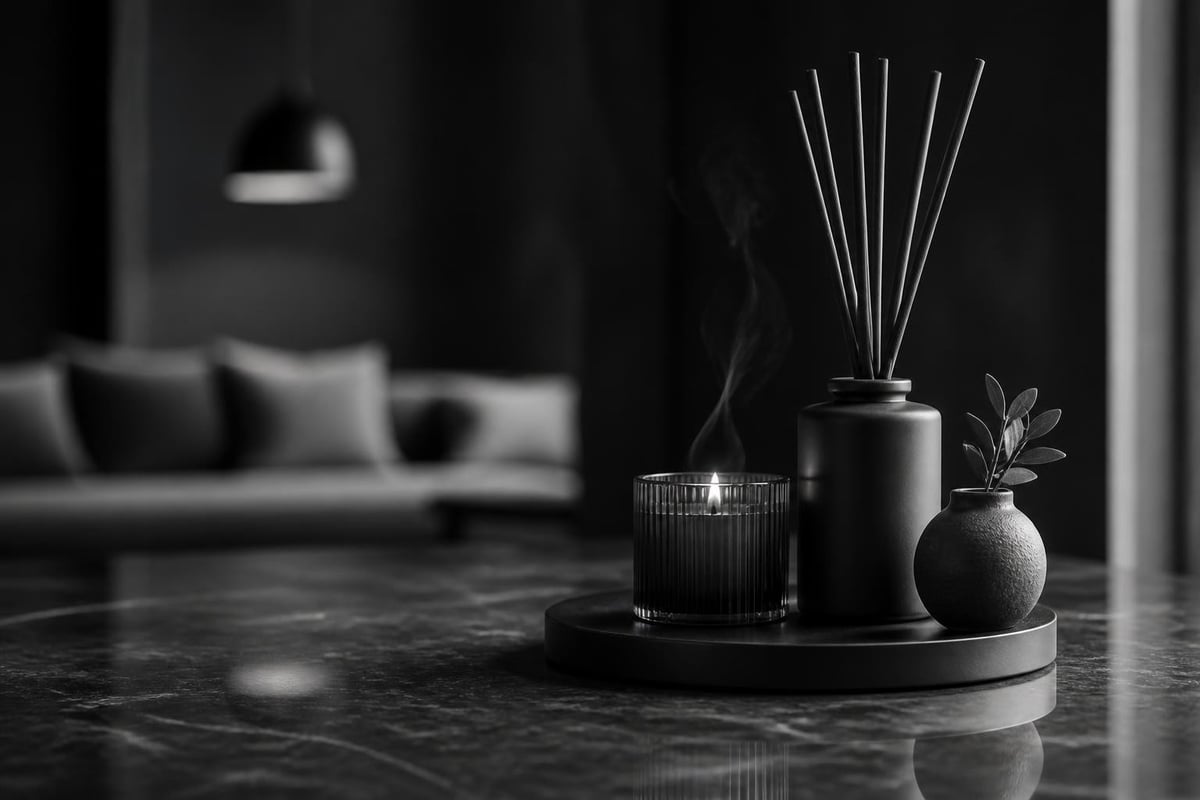
Expert guidance on home scenting emphasizes the importance of negative space, rooms or areas left intentionally unscented. These zones provide olfactory rest, preventing nose blindness and allowing appreciation when entering fragranced areas. Consider leaving bedrooms or workspaces scent-free if other areas carry strong profiles.
What Natural Ingredients Work Best for Home Scent?
Natural ingredients that work best for home scent include plant resins, wood extracts, dried botanicals, and essential oils derived from leaves, bark, and roots. These materials offer complexity and evolution that synthetic compounds cannot replicate, changing subtly as they interact with air, temperature, and time. Resins like labdanum and benzoin provide lasting base notes, while wood extracts offer grounding middle tones that anchor more volatile top materials.
Understanding Botanical Fragrance Sources
Plant-based home scent derives from various extraction methods, each preserving different aromatic compounds. Steam distillation captures volatile oils from leaves and flowers, while resin tapping collects sticky exudates from tree bark. Cold pressing releases oils from citrus peels, and solvent extraction preserves delicate materials that cannot withstand heat.
The distinction matters because extraction method influences fragrance character and longevity. Steam-distilled materials tend toward brightness and clarity, while resin extracts offer depth and persistence. A well-composed botanical home scent often combines multiple extraction types to achieve balance between immediacy and staying power.
| Botanical Category | Common Sources | Character Profile | Typical Longevity |
|---|---|---|---|
| Resins | Tree saps, bark exudates | Warm, amber, grounding | 6-12 hours |
| Woods | Cedar, pine, cypress | Dry, earthy, stable | 8-14 hours |
| Leaves | Herbs, aromatic plants | Green, fresh, clean | 3-6 hours |
| Roots | Vetiver, ginger, orris | Deep, soil-like, anchoring | 10-16 hours |
| Citrus | Peel oils, fruit extracts | Bright, uplifting, crisp | 2-4 hours |
Understanding these categories helps predict how home scent will develop over time. A composition heavy in citrus will feel vibrant initially but fade faster than one built on woody or resinous foundations. For all-day fragrance, seek products that incorporate longer-lasting base materials.
How Often Should You Change Home Scent?
Change home scent every four to eight weeks to prevent olfactory adaptation and maintain sensory interest throughout your space. Regular rotation keeps your environment from becoming invisible to your nose while allowing seasonal adjustments that reflect changing light, temperature, and mood. Some practitioners prefer more frequent changes in high-traffic areas while maintaining consistent profiles in private spaces.
The phenomenon of nose blindness occurs when constant exposure to a fragrance diminishes perception. Your olfactory system adapts to familiar stimuli, effectively filtering them from conscious awareness. This explains why homeowners often cannot smell their own home scent while visitors notice it immediately upon entry.
Seasonal Rotation Strategies
Aligning home scent with seasons creates natural transition points and connects indoor environments with outdoor rhythms. Winter accommodates heavier, warming materials that feel appropriate against cold and darkness. Summer calls for lighter, more transparent profiles that do not compete with heat and humidity.
Seasonal scent considerations:
- Winter: Resinous, woody, deep profiles that feel enveloping
- Spring: Green, fresh, awakening materials that suggest renewal
- Summer: Light, airy, transparent compositions with good diffusion
- Fall: Earthy, grounding, harvest-inspired character
Beyond seasonal changes, consider rotating based on household events or personal milestones. New scent can mark occasions, creating olfactory memories that anchor specific periods. This practice transforms home scent from background detail to active participant in life's narrative.
What Are Common Mistakes When Using Home Scent?
Common mistakes when using home scent include over-concentration, neglecting air circulation, mixing incompatible fragrance families, and choosing synthetic products that degrade air quality. Many people assume stronger fragrance equals better results, leading to overwhelming spaces that cause headaches rather than comfort. Ignoring ventilation traps stale fragrance molecules, creating buildup that dulls even high-quality materials. Poor product selection introduces volatile organic compounds that harm rather than enhance indoor environments.
Over-Scenting and Intensity Errors
The temptation to maximize fragrance intensity undermines the goal of creating pleasant atmosphere. Subtlety allows home scent to enhance rather than dominate, providing background enrichment that supports rather than demands attention. When fragrance announces itself from adjacent rooms, concentration likely exceeds appropriate levels.
Professional perfumers recommend starting with minimal product and increasing gradually. With candles, burn one at a time initially to gauge throw. With diffusers, begin with fewer reeds than provided, adding more only if scent remains imperceptible after several hours. This conservative approach prevents waste and discomfort while establishing baseline intensity.
Synthetic Ingredient Concerns
Many conventional home fragrances contain undisclosed chemical compounds that compromise indoor air quality. Generic "fragrance" listings often mask phthalates, parabens, and petroleum derivatives that volatilize into breathing space. These materials can trigger respiratory irritation, headaches, and allergic responses in sensitive individuals.
Reading ingredient lists carefully protects household health while supporting better home scent experiences. Look for specific plant and resin names rather than vague descriptors. Products emphasizing natural, botanical, or plant-based formulations typically provide more transparent sourcing, though verification requires examining actual ingredients rather than trusting marketing language.
How Do You Maintain Consistent Home Scent?
Maintain consistent home scent by establishing regular product replacement schedules, storing unused materials properly, and monitoring environmental factors that affect fragrance dispersal. Candles require attention to burning technique and wick maintenance, while diffusers need periodic reed replacement and oil replenishment. Temperature, humidity, and airflow all influence how fragrance moves through spaces, demanding seasonal adjustments to maintain desired intensity.
Product Care and Storage
Unused fragrance products degrade when exposed to light, heat, and air. Essential oils oxidize over time, developing off-notes that diminish quality. Candles accumulate dust that interferes with even burning. Proper storage extends product life and ensures consistent home scent performance.
Storage best practices:
- Keep oils in dark glass bottles away from sunlight
- Store candles in cool, dry locations with lids
- Seal diffuser bottles when not actively in use
- Rotate stock to use older products first
- Monitor for scent changes indicating degradation
Quality botanical products maintain integrity longer than synthetic alternatives due to the stability of natural compounds. However, even premium materials benefit from thoughtful storage that protects against environmental damage.
Environmental Monitoring
Room conditions significantly impact home scent dispersal and longevity. Dry air carries fragrance differently than humid air, while cold temperatures slow molecular movement. Understanding these relationships allows adjustment of product placement and concentration to maintain consistent experience across seasons.
Ventilation patterns matter more than many realize. Air returns and heating ducts create invisible currents that carry scent throughout structures. Placing fragrance sources near these pathways maximizes distribution, while positioning them in dead zones limits reach. Observe how air moves through your space by noting temperature variations and draft patterns.
What Role Does Air Quality Play in Home Scent?
Air quality determines how home scent disperses, how long it persists, and whether it enhances or degrades the breathing environment. Clean, well-circulated air allows fragrance to move naturally without trapping stale molecules or concentrating irritants. Poor air quality amplifies the negative effects of synthetic fragrances while preventing even natural materials from expressing their full character. Proper ventilation, filtration, and humidity control create conditions where home scent can perform optimally.
The relationship between fragrance and air quality runs both directions. Scent products affect air composition while existing air conditions influence fragrance performance. This interdependence requires holistic thinking about indoor environments rather than treating scent as an isolated concern.
Comprehensive guidance on air quality and fragrance emphasizes the importance of ventilation even when using natural products. Sealed homes trap all airborne particles, including beneficial botanical compounds, eventually creating density that feels heavy rather than pleasant. Regular air exchange refreshes the environment and prevents buildup.
Ventilation Strategies
Opening windows remains the simplest and most effective air quality intervention. Even brief periods of outdoor air introduction flush accumulated particles and reset olfactory perception. In climates where weather permits, cross-ventilation creates natural circulation that carries home scent throughout spaces without mechanical assistance.
Mechanical ventilation systems require filter maintenance to support both air quality and fragrance performance. Dirty filters restrict airflow and accumulate particles that absorb scent molecules, diminishing throw and longevity. Regular replacement ensures systems enhance rather than hinder home scent goals.
How Does Home Scent Affect Mood and Wellbeing?
Home scent affects mood and wellbeing by triggering emotional responses, influencing stress levels, and creating environmental associations that shape daily experience. Certain botanical materials promote relaxation while others support alertness and focus, making fragrance selection a tool for supporting desired mental states. The consistency of home scent also provides psychological comfort, establishing olfactory continuity that signals safety and familiarity within domestic space.
Research into aromatherapy and environmental psychology demonstrates measurable effects of fragrance on physiological markers like heart rate, cortisol levels, and sleep quality. While individual responses vary based on personal history and associations, patterns emerge around certain material families. Woody and resinous scents generally promote calm, while citrus and herbaceous materials tend toward energizing effects.
Creating Intentional Atmosphere
Deliberate home scent selection transforms passive air freshening into active environmental design. Rather than masking unwanted odors, this approach establishes positive sensory identity that supports household rhythms and values. Morning spaces might emphasize clarifying materials that ease waking, while evening areas could feature grounding profiles that support transition toward rest.
The psychological impact extends beyond immediate sensory pleasure. Consistent home scent creates olfactory landmarks that anchor memory and define space. Years later, encountering similar fragrances can trigger vivid recall of specific homes and periods, demonstrating scent's unique relationship with memory formation.
| Mood Goal | Supportive Materials | Application Areas | Timing Considerations |
|---|---|---|---|
| Relaxation | Resins, woods, roots | Bedrooms, baths | Evening, pre-sleep |
| Focus | Clean herbs, subtle citrus | Workspaces, studies | Morning, work hours |
| Social Energy | Complex, layered blends | Living rooms, dining areas | Entertaining periods |
| Grounding | Earth-based, stable profiles | Meditation spaces | As needed |
Understanding these relationships allows purposeful home scent choices that support rather than randomly influence daily life. The goal involves creating environments that feel intentional and responsive to human needs.
Frequently Asked Questions
How long does home scent typically last in a room?
Home scent duration varies by delivery method and product quality, typically ranging from two to twelve hours of noticeable presence. Candles provide fragrance while burning and for one to two hours afterward as wax cools. Reed diffusers offer continuous low-level scent that can persist for weeks with proper oil levels. Oil-based applications to textiles may last days depending on fabric type and air circulation.
Can home scent trigger allergies or sensitivities?
Home scent can trigger allergic responses or sensitivities, particularly when products contain synthetic fragrances, alcohol, or undisclosed chemical compounds. Natural botanical materials generally cause fewer reactions, though individual sensitivities vary based on personal biology and exposure history. Those with respiratory conditions should prioritize products with transparent ingredient lists and start with minimal concentrations to assess tolerance before increasing intensity.
What is the difference between home scent and air fresheners?
Home scent creates intentional atmosphere through quality fragrance materials chosen for character and composition, while air fresheners typically mask odors using synthetic chemicals and strong concentrations. Home scent emphasizes enhancement and layering, treating fragrance as environmental design. Air fresheners focus on odor elimination through overpowering scents rather than complementary additions. The distinction reflects different philosophies about indoor environments and sensory experience.
How do you remove unwanted home scent?
Remove unwanted home scent through ventilation, activated charcoal placement, and time allowing natural dissipation. Opening windows creates air exchange that flushes fragrance molecules outdoors within thirty minutes to two hours. Charcoal absorbs airborne particles including scent compounds, accelerating clearance in sealed spaces. Avoid masking with competing fragrances, as this creates confusion rather than resolution. Patient ventilation remains most effective for complete removal.
Should every room have different home scent?
Every room does not require different home scent, and many successful approaches use one signature fragrance throughout or leave certain spaces unscented. Varying scent by room creates complexity and prevents olfactory fatigue but demands careful coordination to avoid clashing profiles. Consider household size, time spent in each space, and personal preference when deciding between unified or varied scenting strategies. Both approaches work when executed thoughtfully.
How much should you spend on home scent products?
Home scent spending depends on values, budget, and product quality priorities, with effective options ranging from fifteen dollars for basic candles to several hundred for premium botanical formulations. Natural ingredients and artisanal production typically cost more than mass-produced synthetic alternatives but offer superior longevity and air quality benefits. Calculate cost per use rather than initial price, as concentrated botanical products often deliver better value despite higher upfront investment.
Establishing thoughtful home scent transforms living spaces into environments that reflect personal values and support daily rhythms through botanical materials that respect both inhabitants and air quality. When you are ready to explore handmade, vegan fragrances crafted from pure plant and resin extracts, Haus of Smell offers Manhattan-made products that bring natural complexity to your home without synthetic additives or alcohol.