
Good wax melts are defined by their ingredient purity, scent throw strength, and burn cleanliness. Quality melts use natural waxes like soy or coconut, contain concentrated botanical extracts rather than synthetic fragrances, and release consistent aroma without smoke or residue. The best performers maintain their scent for hours while remaining safe for indoor use and vegan-friendly.
The wax melt market has evolved significantly over the past few years, with consumers increasingly demanding transparency about ingredients and production methods. As homes become sanctuaries for wellbeing, the products we bring inside matter more than ever. Understanding what separates mediocre melts from exceptional ones helps you make informed choices that align with both your sensory preferences and values.
What Should You Look for in Good Wax Melts?
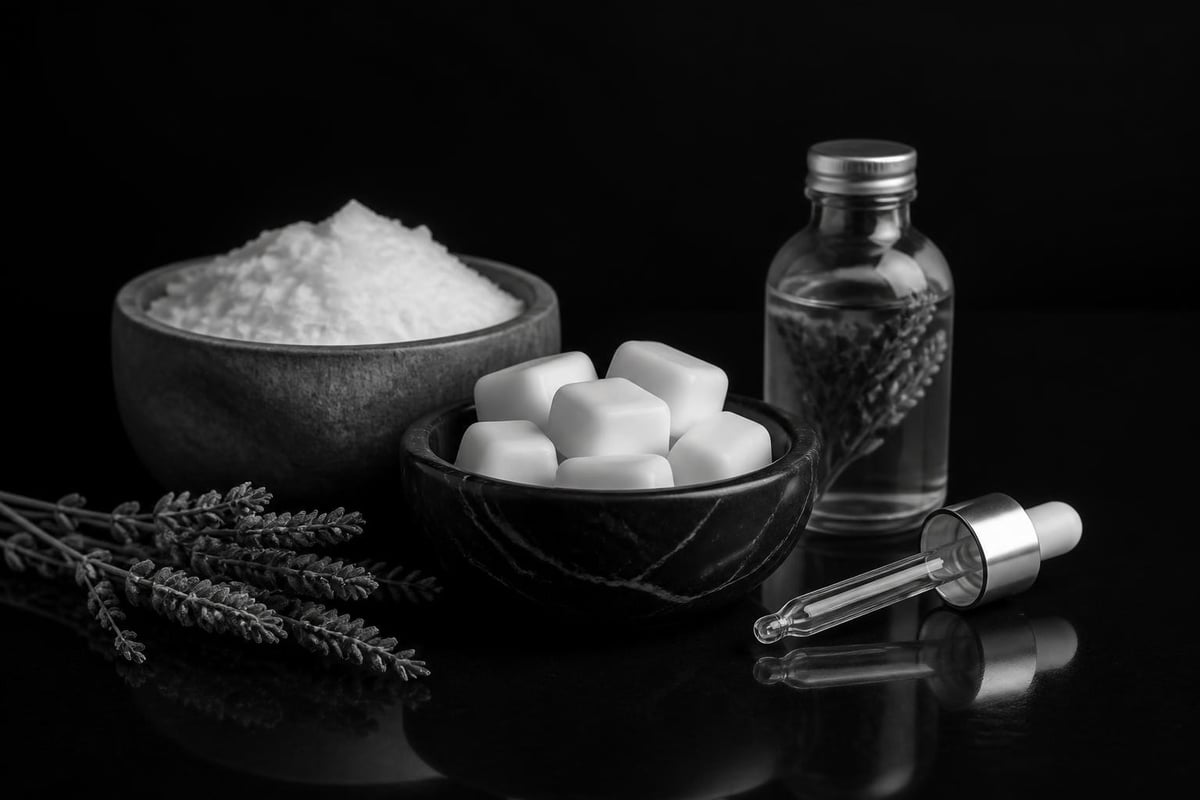
Good wax melts should demonstrate three core qualities: clean ingredient lists, powerful scent distribution, and consistent performance. The wax base matters tremendously because it determines how fragrance molecules release into your space. Natural waxes like soy, coconut, or beeswax melt at lower temperatures than paraffin, which means gentler scent diffusion and longer-lasting performance.
The fragrance concentration should be substantial enough to fill a room without overwhelming it. Professional-grade melts typically contain 8-12% fragrance load, though this varies based on the oils used. Botanical extracts often require higher concentrations than synthetic alternatives because natural materials have more complex molecular structures that release gradually.
Manufacturing quality reveals itself in the details. Hand-poured melts show attention to craft that mass production cannot replicate. Consistency in color, shape, and weight indicates controlled production standards. The surface should be smooth without excessive frosting or wet spots, which suggest improper cooling or incompatible ingredient combinations.
How Do Natural Ingredients Improve Wax Melt Quality?
Natural ingredients create a fundamentally different sensory experience compared to synthetic alternatives. Botanical extracts contain hundreds of aromatic compounds that work together to produce depth and nuance. Synthetic fragrances typically replicate only the dominant notes, resulting in flat, one-dimensional scents that fatigue the nose quickly.
The health implications matter as much as the aesthetic ones. Natural waxes burn cleaner because they lack petroleum-derived compounds. When you heat paraffin-based melts, they can release volatile organic compounds into your air. Soy and coconut waxes produce minimal soot and no toxic byproducts, making them safer for homes with children, pets, or sensitive individuals.
Environmental considerations extend beyond the product itself. Natural waxes come from renewable resources and biodegrade completely. The agricultural systems that produce soy and coconut also support biodiversity when managed responsibly. Choosing natural ingredients supports a supply chain that values sustainability over cost-cutting.
Why Does Scent Throw Matter More Than Fragrance Intensity?
Scent throw describes how fragrance disperses through physical space, while intensity refers only to strength at the source. Good wax melts balance these two properties to create ambient fragrance without concentration hot spots. Proper scent throw fills a room evenly, allowing the aroma to reach corners and circulation patterns naturally.
Cold throw and hot throw perform different functions in the overall experience. Cold throw is what you smell before melting begins, which helps you preview the fragrance family. Hot throw activates when heat releases volatile compounds, revealing the full aromatic profile. Quality melts maintain consistency between these two states rather than promising one thing and delivering another.
Room size and air circulation dramatically affect performance. A melt with excellent throw in a small bathroom might barely register in an open-plan living area. Testing melts in your actual space helps you calibrate the amount needed. Most standard melts work well for 150-200 square feet, though botanical formulations often perform better in smaller, enclosed areas where their subtle complexity can be appreciated.
| Quality Factor | Good Wax Melts | Poor Quality Melts |
|---|---|---|
| Ingredient Base | Natural soy, coconut, or beeswax | Petroleum-based paraffin |
| Fragrance Source | Botanical extracts and essential oils | Synthetic fragrance compounds |
| Scent Duration | 6-12 hours per use | 2-4 hours before fading |
| Residue | Minimal, clean removal | Heavy buildup, difficult cleaning |
| Production Method | Hand-poured in small batches | Mass-produced automated lines |
What Makes Botanical Wax Melts Different from Commercial Options?
Botanical wax melts prioritize ingredient integrity over shelf stability and profit margins. Commercial manufacturers often use synthetic stabilizers, dyes, and fragrance extenders to reduce costs and extend product life. Botanical producers accept shorter shelf lives and higher ingredient costs in exchange for purity and complexity. The difference shows immediately in both scent quality and burn characteristics.
The extraction methods used for botanical fragrances preserve volatile compounds that would be destroyed by synthetic replication. Steam distillation, CO2 extraction, and cold-pressing retain the full aromatic profile of plants. These methods cost significantly more than laboratory synthesis, but the resulting scents carry depth that synthetic versions cannot match.
Manhattan-based producers like those at Haus of Smell craft botanical candles and wax melts using hand-poured methods with natural wax and real plant and resin extracts, ensuring every piece is 100% vegan and synthetic-free. Small-batch production allows for quality control that industrial operations cannot achieve. Each pour can be adjusted based on ambient temperature, humidity, and ingredient variations.
How Do You Choose Between Soy and Coconut Wax?
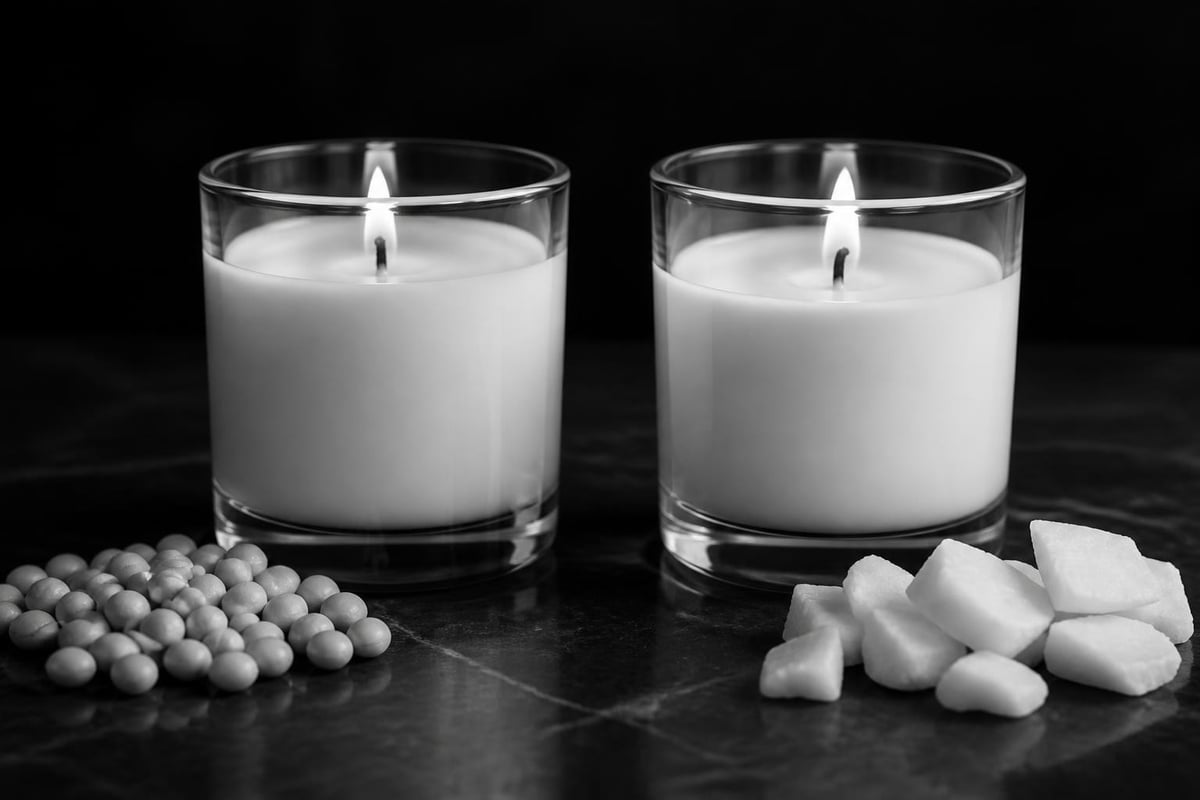
Soy wax offers excellent scent retention and a creamy appearance that many users prefer aesthetically. It melts at a slightly higher temperature than coconut wax, which means slower fragrance release but longer overall burn time. Soy also holds color better if dyes are used, though quality botanical melts typically avoid artificial coloring.
Coconut wax burns cleaner and produces virtually no soot, making it ideal for users with respiratory sensitivities. It has superior scent throw because its molecular structure allows fragrance oils to disperse more readily. The texture is harder than soy, which helps melts maintain their shape in warmer climates or during shipping.
Blended waxes combine the benefits of both materials. A soy-coconut blend might use 60% soy for structure and 40% coconut for throw. Some producers add small amounts of beeswax for hardness and a subtle honey undertone. The best non-toxic candles use similar blending strategies to optimize performance.
How Should You Use Wax Melts for Optimal Performance?
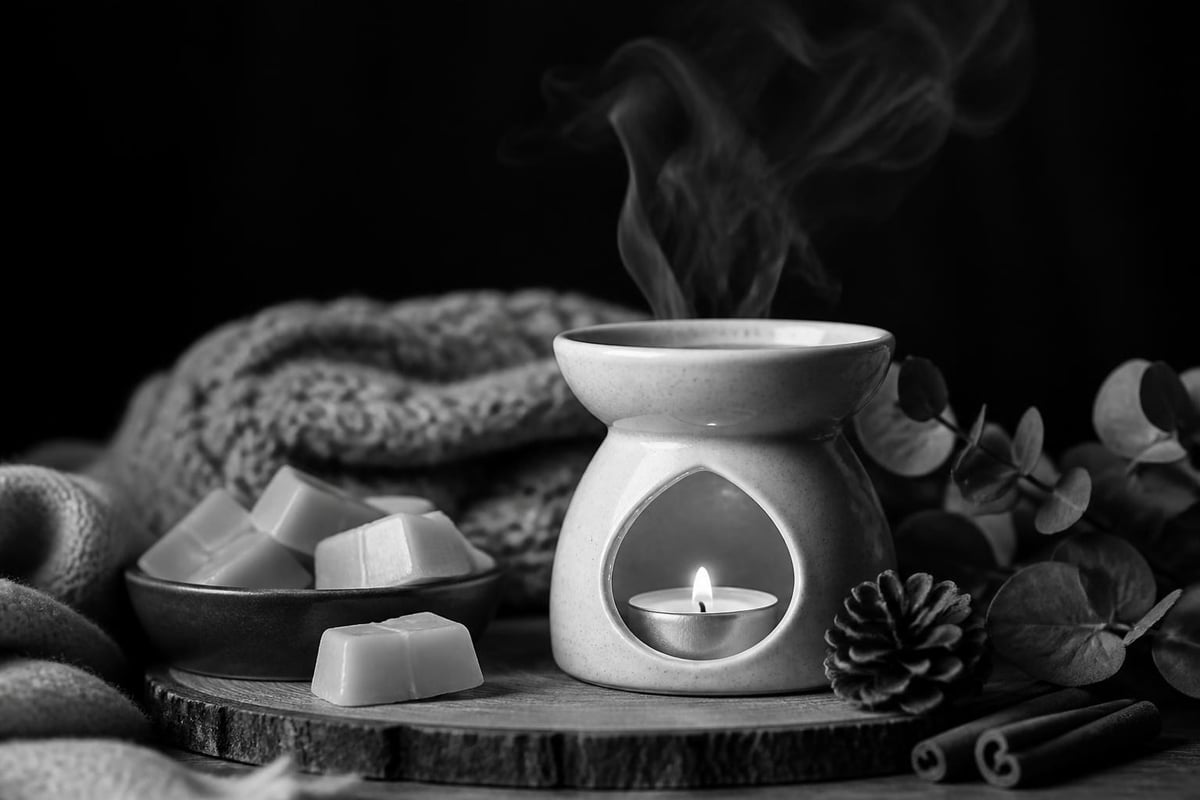
Step 1: Select an appropriate warmer for your space size and aesthetic preferences. Electric warmers provide consistent heat without open flames, while tea light warmers offer portability and ambiance. Electric warmers typically heat more evenly, preventing hot spots that can burn off fragrance too quickly.
Step 2: Place one to three melt cubes in the warmer dish depending on room size. Start with one cube and add more if needed. Overloading the warmer does not increase scent throw proportionally and wastes product. Most standard rooms need only one or two cubes for adequate fragrance distribution.
Step 3: Allow the wax to melt completely before evaluating scent strength. Partial melting releases fragrance unevenly and gives false impressions of throw. Full liquefaction typically takes 15-30 minutes depending on warmer type and wax composition.
Step 4: Monitor the scent duration and replace melts when fragrance fades. Quality melts maintain scent for 6-12 hours of continuous use. When the aroma dissipates, turn off the warmer and let the wax cool completely before removal.
Step 5: Clean the warmer dish between scent changes to prevent blending. Proper wax melt care includes regular cleaning to maintain optimal performance. Let wax solidify, then pop it out or warm slightly to pour into waste containers.
Where Should You Place Warmers for Maximum Effect?
Central locations with good air circulation distribute fragrance most effectively. Placing warmers near doorways allows scent to travel into adjacent rooms as people move through. Avoid corners or behind furniture where air stagnates and fragrance pools without dispersing.
Height matters more than most users realize. Warmers positioned at mid-room height on shelves or tables distribute scent better than floor-level placement. Heat rises, carrying fragrance molecules upward, so higher placement extends the reach.
Safety considerations override aesthetic preferences. Keep warmers away from curtains, papers, and flammable materials. Ensure cords are secured and out of traffic paths. Never leave warmers unattended for extended periods, even though electric models are generally safer than candles.
What Are the Drawbacks of Synthetic Fragrance Oils?
Synthetic fragrances often contain phthalates, which stabilize scents but may disrupt endocrine function. These chemicals help fragrances last longer on shelves but introduce compounds that many users actively avoid. The lack of ingredient disclosure requirements means consumers cannot always identify which specific synthetics a product contains.
Olfactory fatigue occurs more rapidly with synthetic scents. The simplified molecular structure triggers receptor adaptation faster than complex botanical blends. Within 20-30 minutes, your nose stops registering the scent even though it continues permeating your space. Botanical melts maintain their perceptibility longer because the varied compounds stimulate different receptors.
Environmental persistence creates problems beyond individual use. Synthetic fragrance molecules do not break down readily in water systems. They accumulate in waterways and affect aquatic ecosystems. Natural botanical extracts biodegrade completely, eliminating this environmental burden.
| Synthetic Fragrances | Botanical Extracts |
|---|---|
| Single dominant note | Complex aromatic profiles |
| May contain phthalates | Phthalate-free naturally |
| Causes faster olfactory fatigue | Sustained scent perception |
| Does not biodegrade readily | Fully biodegradable |
| Lower production cost | Higher ingredient investment |
| Limited by chemistry | Reflects natural variations |
How Do Seasonal Preferences Affect Wax Melt Choices?
Winter preferences tend toward warming, grounding scents that create cozy atmospheres. Users gravitate toward spice-forward and resinous botanicals that evoke comfort during cold months. Heavier base notes perform well because closed windows and heating systems contain and circulate the fragrance effectively.
Summer demands lighter, fresher profiles that do not overwhelm in heat and humidity. Citrus, mint, and green botanicals provide uplift without the cloying heaviness that warm weather amplifies. Open windows and increased ventilation require melts with stronger throw to maintain presence.
Transitional seasons allow experimentation with layered scents. Spring invites floral and herbaceous combinations that mirror outdoor renewal. Autumn welcomes earthy, foliage-inspired blends that complement the changing environment. Scented products can be rotated seasonally to maintain novelty and match environmental cues.
Can You Layer Different Wax Melt Scents?
Layering works best when combining complementary fragrance families rather than competing profiles. Citrus pairs well with herbal notes, while woody bases support floral top notes. Avoid combining more than two scents initially until you understand how they interact in your specific space.
Sequential layering provides more control than simultaneous melting. Start with a base scent and allow it to establish, then add a complementary accent in a second warmer. This approach lets you adjust proportions and remove elements that clash.
Professional perfumers spend years learning how botanicals interact. Amateur layering benefits from studying basic perfume smell categories to understand which families harmonize. Start with simple combinations and expand as your nose develops discrimination.
What Storage Practices Maintain Wax Melt Quality?
Cool, dark storage locations prevent premature fragrance degradation. Light and heat accelerate the breakdown of volatile compounds, especially in botanical extracts. Closets, drawers, and cabinets away from windows and heating vents provide ideal conditions.
Airtight containers protect against fragrance loss and contamination. Even when solid, wax melts slowly release volatiles into surrounding air. Sealed storage prevents this dissipation and keeps scents from mingling. Glass jars or sealed bags work better than open containers.
Shelf life varies dramatically between synthetic and botanical melts. Commercial synthetic products may remain stable for years, while botanical versions peak within 6-12 months of production. Purchase quantities you can use within this window to experience melts at their optimal performance.
- Store in cool, dark locations away from direct sunlight
- Use airtight containers to prevent fragrance loss
- Keep different scents separated to avoid blending
- Label containers with purchase dates for rotation
- Avoid basements or attics with extreme temperature fluctuations
- Check periodically for discoloration or texture changes
How Do Production Methods Impact Final Quality?
Hand-poured production allows real-time adjustments that automated systems cannot make. Artisans can modify pour temperature based on ambient conditions, adjust cooling rates for optimal crystallization, and inspect each piece for defects. This attention to detail produces superior consistency compared to high-speed manufacturing.
Small-batch production reduces waste and maintains freshness. Large manufacturers produce months of inventory at once, meaning products sit in warehouses losing volatile compounds before reaching consumers. Boutique producers often make melts to order or in small quantities that move quickly through distribution.
Local production eliminates the environmental costs of long-distance shipping. Manhattan-based operations serve regional markets without cross-country transportation. Shorter supply chains mean fresher products and reduced carbon footprints. Supporting local makers strengthens community economies while delivering better products.
Why Does Vegan Certification Matter for Wax Melts?
Vegan certification guarantees that no animal-derived ingredients appear in the formulation. Beeswax, while natural, comes from insect labor. Some fragrance fixatives traditionally used animal musks or ambergris. Vegan products eliminate these components entirely, using plant-based alternatives.
Ethical sourcing extends beyond animal welfare to encompass labor practices and environmental stewardship. Vegan certification bodies often require transparency about ingredient origins and production methods. This scrutiny benefits consumers by ensuring responsible business practices throughout the supply chain.
The vegan market has grown substantially, driving innovation in botanical extraction and formulation. Producers develop new techniques to achieve performance previously dependent on animal products. Learning how to make perfume with only botanical ingredients requires creativity and technical skill that elevates the entire industry.
What Questions Should You Ask Before Purchasing?
What wax base does the product use? This single question reveals more about quality than any marketing claim. Natural waxes indicate commitment to clean ingredients, while paraffin suggests cost optimization over performance.
Are fragrances synthetic or botanical? Transparency about fragrance sourcing distinguishes honest producers from those hiding inferior ingredients. Quality makers proudly disclose their botanical sources and extraction methods.
Where are the melts manufactured? Local production often correlates with higher standards and fresher products. Small-batch makers can provide details about their process that large manufacturers cannot.
How long does scent last per use? Performance claims should be specific rather than vague. Six to twelve hours represents realistic expectations for quality melts, while claims of 24+ hours often indicate synthetic fragrance boosters.
What is the recommended room size? Producers who test their products can provide guidance about appropriate coverage. This information helps you calculate how many melts you need and whether the product suits your space.
Frequently Asked Questions
How long do good wax melts typically last?
Quality wax melts maintain their scent for 6-12 hours of continuous use before fragrance noticeably fades. Botanical melts often last longer than synthetic versions because complex plant compounds release gradually rather than evaporating quickly. Total lifespan depends on storage conditions, warmer temperature, and room ventilation. Most melts can be reused 2-3 times before complete scent depletion.
Are wax melts safer than burning candles?
Wax melts eliminate open flame risks, making them safer for homes with children, pets, or restricted environments. Electric warmers produce consistent heat without combustion, preventing fire hazards associated with forgotten candles. However, warmers still get hot and require supervision. The benefits of wax melts include reduced soot production and easier scent control compared to traditional candles.
Can you use wax melts in any room?
Wax melts work well in most indoor spaces including bedrooms, bathrooms, offices, and living areas. Avoid using them in very small, poorly ventilated spaces where fragrance might become overwhelming. Kitchens require careful scent selection to avoid clashing with cooking aromas. Commercial settings like offices benefit from subtle botanical melts that create ambiance without causing headaches or allergic reactions.
How do you know when to replace wax melts?
Replace melts when fragrance becomes imperceptible even while fully melted. Quality indicators include both scent strength and visual changes. Discolored or separated wax suggests degradation. Most melts provide clear scent for 8-12 hours total across multiple uses. If warming produces no noticeable aroma within 20 minutes, the fragrance load has depleted and replacement is needed.
What makes botanical wax melts worth the higher price?
Botanical melts cost more because natural extraction processes are labor-intensive and ingredient yields are lower than synthetic production. The investment delivers superior scent complexity, cleaner burning, and environmental benefits that synthetic alternatives cannot match. Natural ingredients biodegrade completely and avoid introducing petroleum derivatives or phthalates into your home. For users prioritizing health and authenticity, the premium justifies itself through performance and peace of mind.
Do wax melts work in large open spaces?
Large open spaces require multiple warmers or melts with exceptionally strong throw to achieve noticeable fragrance. Using wax melts effectively in expansive areas means strategic placement near air circulation points and accepting that scent will be subtle rather than dominant. Botanical melts perform best in rooms under 300 square feet. For larger spaces, consider multiple warmers in different zones rather than overloading a single unit.
Good wax melts transform ordinary rooms into intentional sensory experiences through clean ingredients and thoughtful formulation. Choosing botanical options over synthetic alternatives supports both personal wellbeing and environmental responsibility. Whether you are seeking natural home fragrance for your Manhattan apartment or looking to explore artisan scent craft, Haus of Smell offers hand-poured botanical wax melts made in NoMad with real plant extracts and vegan formulations.