
To find your scent, begin by identifying which fragrance families resonate with your preferences-floral, woody, fresh, or oriental-then test potential perfumes on your skin for at least four hours to observe how they develop with your body chemistry. Understanding your lifestyle, the occasions you'll wear the fragrance, and your emotional connections to certain aromas will guide you toward a signature scent that feels authentically yours.
Discovering a fragrance that feels like an extension of yourself requires more than browsing store shelves or following trends. The right scent becomes part of your identity, triggering memories and creating new ones. This process involves understanding fragrance structure, recognizing your innate preferences, and allowing enough time for a proper evaluation. Whether you're seeking a daily signature or building a collection for different moods, the journey to find your scent is deeply personal and worth approaching with intention.
What are the main fragrance families I should know?
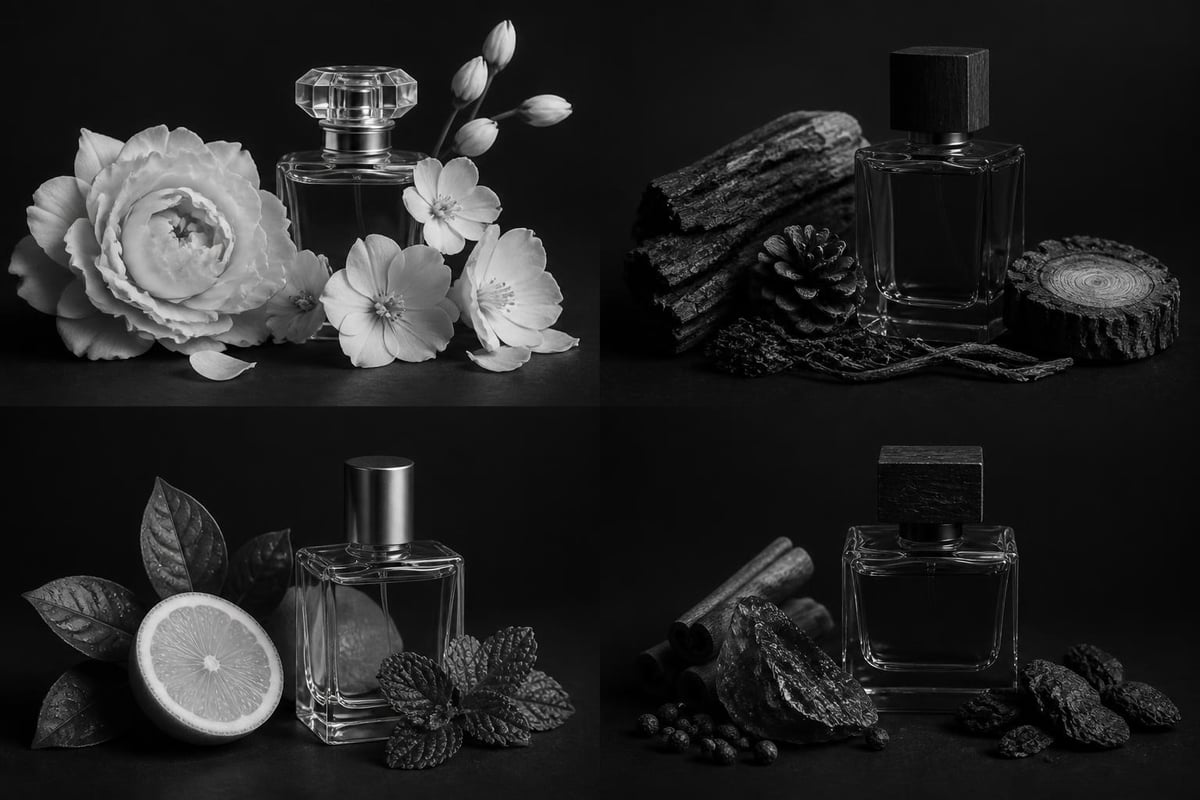
The main fragrance families include floral, woody, fresh, and oriental, each offering distinct aromatic profiles that appeal to different sensibilities. Understanding fragrance families serves as the foundation for identifying which scent categories naturally align with your preferences. Floral fragrances center on flower essences and range from delicate rose to heady jasmine, while woody scents feature earthy materials like cedar and vetiver. Fresh fragrances capture citrus, green, and aquatic qualities, and oriental fragrances deliver warm, spicy, and resinous compositions.
Each family contains numerous subcategories. Floral can be further divided into soft floral, floral oriental, and floral fresh. Woody splits into mossy woods, dry woods, and aromatic woods. These distinctions matter because two fragrances within the same family can smell remarkably different.
Breaking down the categories
The table below illustrates the primary characteristics and typical profiles within each fragrance family:
| Fragrance Family | Characteristics | Common Associations | Typical Wear |
|---|---|---|---|
| Floral | Flower-based, romantic, soft to intense | Gardens, femininity, elegance | Day to evening |
| Woody | Earthy, grounded, warm | Forests, stability, sophistication | Evening, cooler months |
| Fresh | Clean, light, energizing | Citrus groves, ocean, morning | Daytime, warm weather |
| Oriental | Spicy, warm, exotic | Incense, markets, sensuality | Evening, special occasions |
Learning to identify these families helps you communicate preferences when exploring new scents. If you know you gravitate toward woody fragrances, you can immediately focus your search rather than testing randomly. Many people find they prefer scents from two or three families depending on season or mood.
How do I test fragrances properly?
Testing fragrances properly requires applying them directly to your skin and waiting at least four to six hours to experience the full development from top to base notes. Many people make the mistake of judging a fragrance within minutes, but perfumes evolve significantly as they interact with your unique skin chemistry. Spray on pulse points like wrists and inner elbows, avoid rubbing the fragrance into your skin, and go about your day to observe how the scent transforms.
- Never test more than three fragrances in one session to avoid overwhelming your olfactory system
- Avoid wearing other scented products on testing days, including scented lotions or deodorants
- Test during different times of day, as your perception changes throughout the day
- Return to a fragrance multiple times before making a final decision
Your skin's pH level, moisture content, and natural oils all influence how a perfume smells on you versus someone else. This explains why a fragrance can smell magnificent on a friend but disappointing on your skin. Temperature also affects projection and longevity, with warmer skin amplifying scent and cooler skin muting it.
The testing timeline
- Initial spray (0-15 minutes): You smell the top notes, which are the most volatile and lightest components. These create the first impression but fade quickly.
- Heart development (15 minutes-2 hours): The middle or heart notes emerge, revealing the fragrance's character and dominant personality.
- Base revelation (2-6 hours): The base notes anchor the composition, showing you what lingers on your skin throughout the day.
- Final assessment (6+ hours): Evaluate how long the scent lasts and whether you still enjoy it after extended wear.
This timeline applies to oil-based botanical perfumes differently than alcohol-based fragrances, as oil formulations often develop more slowly and stay closer to the skin. Natural botanical scents tend to evolve in subtler waves rather than distinct stages.
What role does personal chemistry play in fragrance selection?
Personal chemistry determines how a fragrance interacts with your skin's unique composition, causing the same perfume to smell different on every individual. Your skin's pH balance, diet, hormones, medications, and even stress levels alter how fragrance molecules develop and project. This biological factor explains why finding your scent requires testing on your own skin rather than relying solely on how it smells in the bottle or on testing strips.
Skin type significantly impacts performance. Dry skin absorbs fragrance oils quickly, leading to shorter wear time, while oily skin holds scent longer and amplifies projection. Moisturizing before applying perfume creates a better base for fragrance adherence. The bacterial composition of your skin microbiome also interacts with scent molecules, creating subtle variations in how the fragrance presents itself.
Beyond physical chemistry, emotional associations shape scent perception. A fragrance that reminds you of a beloved family member or a meaningful place will resonate differently than one with no personal history. Research into personalized fragrance recommendation explores how personality types correlate with scent preferences, suggesting that your psychological makeup influences which fragrances feel authentic to you.
How can I identify my scent preferences without trying everything?
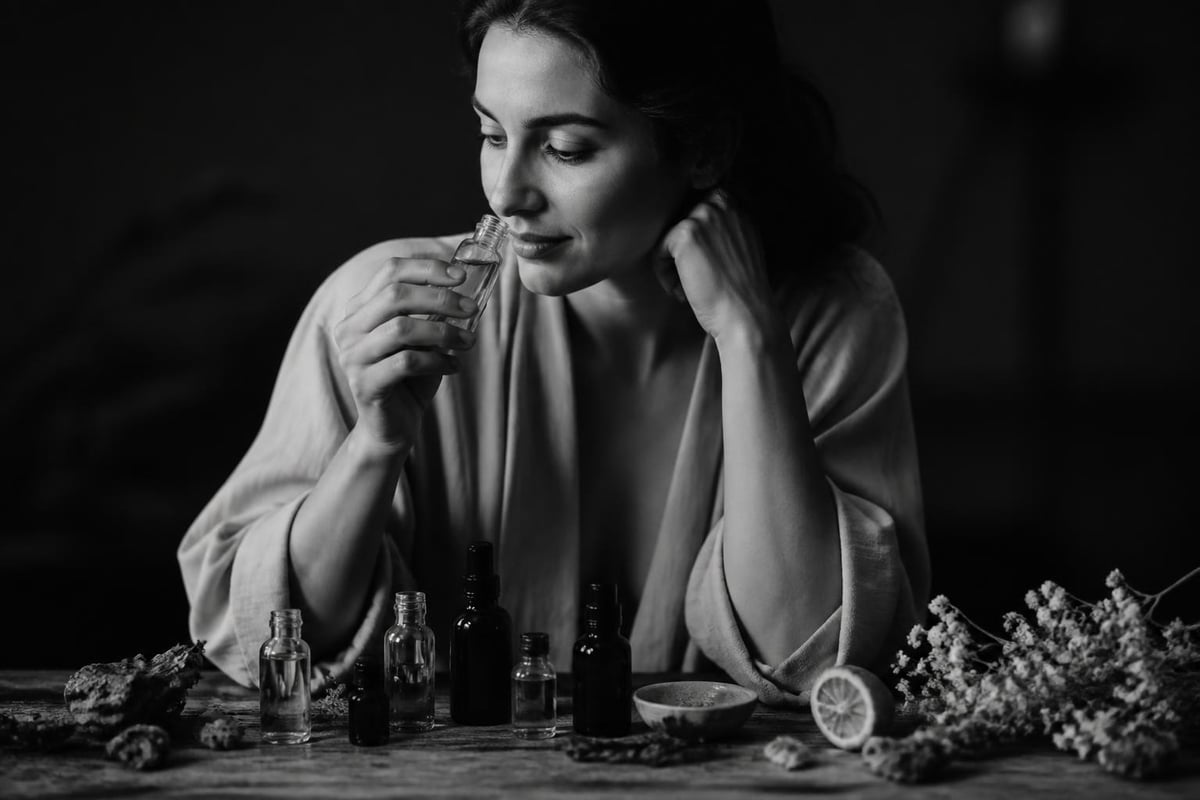
You can identify your scent preferences by reflecting on aromas you already love in daily life-foods, nature, environments-and translating those into fragrance families. Notice what scents make you feel calm, energized, or happy when you encounter them naturally. Someone who loves the smell of fresh laundry and citrus likely gravitates toward fresh fragrances, while someone drawn to incense and spices probably prefers oriental compositions.
Start by exploring scented products you use regularly. If you consistently choose lavender candles or pine-scented cleaners, those preferences indicate your natural inclinations. Your existing choices in candles, soaps, and lotions reveal patterns that translate to perfume preferences.
Self-assessment questions
- What smells make you immediately happy when you encounter them in nature or daily life?
- Which season's aromas do you most appreciate-spring flowers, summer citrus, autumn leaves, winter spices?
- Do you prefer clean and simple scents or complex and layered compositions?
- Are you drawn to sweet, fresh, earthy, or spicy aromas?
- What memories do you want your signature scent to evoke?
Your answers create a preference profile that narrows the vast fragrance landscape. Fragrance discovery sets allow you to sample multiple scents economically, providing enough experience to identify patterns without committing to full bottles. This method proves especially valuable when exploring botanical perfumes, which often present familiar natural aromas in new combinations.
Should I have one signature scent or multiple fragrances?
The decision between one signature scent and multiple fragrances depends on your lifestyle, personal expression preferences, and how you want scent to function in your daily routine. A single signature scent creates a consistent olfactory identity that becomes associated with you, while a fragrance wardrobe allows flexibility to match different moods, seasons, and occasions. Neither approach is inherently better, and many people evolve from one strategy to the other over time.
Building a signature scent offers simplicity and creates strong memory associations. People recognize you by your fragrance, and you never face decision fatigue about which perfume to wear. This approach works well for those who value consistency and have found a scent that truly represents their identity across all situations.
A curated collection provides versatility. You might wear fresh scents during summer and warm fragrances in winter, or choose lighter options for work and richer scents for evening. Some people select different fragrances for different aspects of their personality-professional, creative, romantic, adventurous.
| Approach | Benefits | Considerations |
|---|---|---|
| Single signature | Strong identity association, simplicity, cost-effective | Less flexibility, potential fatigue |
| Seasonal rotation | Matches climate and mood shifts | Requires 3-4 bottles minimum |
| Occasion-based collection | Versatility for different settings | Higher investment, decision complexity |
| Mood-based wardrobe | Emotional alignment, creative expression | Most extensive collection needed |
Where should I shop to find your scent in New York?
Finding your scent in New York offers unique advantages, particularly at specialized boutiques in Manhattan where you can experience personalized guidance and explore artisanal botanical fragrances. Independent perfumeries provide expertise that department stores cannot match, with staff who understand fragrance composition and can guide you through families and formulations. The NoMad neighborhood hosts boutiques specializing in natural perfumery, offering alternatives to synthetic mainstream fragrances.
Shopping locally allows you to smell fragrances in person rather than relying on online descriptions, which proves essential given how personal chemistry affects scent. Manhattan's fragrance scene includes both established perfume houses and emerging botanical brands that prioritize natural ingredients. The ability to return for consultations and build relationships with knowledgeable staff makes the search process more educational and enjoyable.
The custom fragrance option
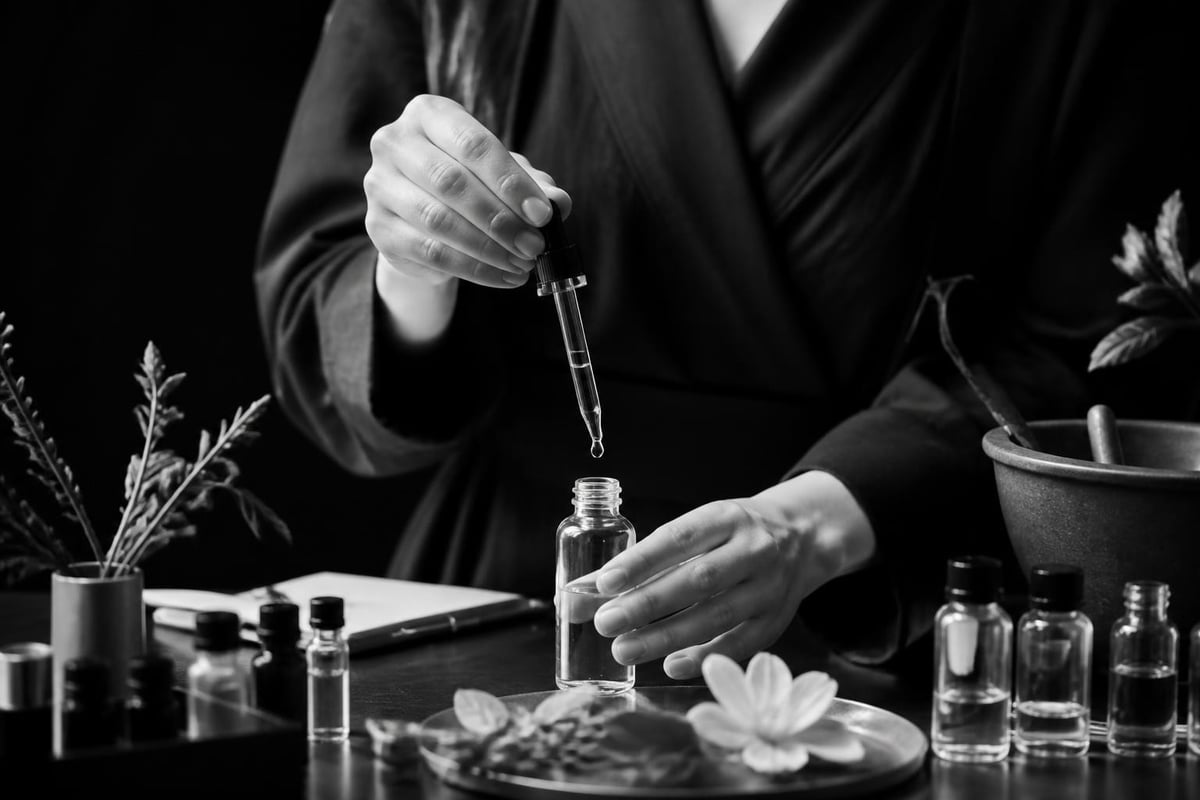
For those seeking something truly personal, custom fragrance creation offers the ultimate path to find your scent. Building your own botanical perfume allows you to work with natural plant and resin extracts, selecting from curated scent profiles that align with your preferences. This made-to-order approach ensures your fragrance is unique, crafted specifically for you in small batches using vegan, alcohol-free formulations. The process combines expert guidance with personal choice, resulting in a scent that cannot be replicated elsewhere.
Custom creation works particularly well for people who have never found a commercial fragrance that feels quite right. Rather than compromising on mass-produced options, you participate in the formulation process. This investment of time and attention produces a fragrance that reflects your exact specifications.
What makes botanical fragrances different when trying to find your scent?
Botanical fragrances differ fundamentally from synthetic perfumes in their composition, development, and interaction with skin, offering a more natural pathway to find your scent. These formulations use real plant and resin extracts rather than laboratory-created molecules, resulting in scents that evolve organically and tend to wear closer to the skin. The absence of alcohol in oil-based botanical perfumes creates a different experience, with slower development and more intimate projection rather than the immediate burst typical of alcohol-based fragrances.
Natural ingredients bring complexity that synthetic molecules cannot replicate. A botanical fragrance might contain dozens of compounds from a single plant extract, creating subtle variations as the scent develops. This complexity means botanical perfumes often reveal new facets over time, rewarding extended wear and repeated testing.
- Skin compatibility: Natural oils blend seamlessly with your skin's sebum, creating less irritation for sensitive skin
- Longevity pattern: Botanical scents fade gradually rather than dropping off suddenly
- Environmental impact: Plant-based ingredients offer sustainable alternatives to petroleum-derived synthetics
- Authenticity: Real botanical materials smell recognizably natural rather than artificial
The learning curve for botanical fragrances differs from conventional perfumery. Scents may seem subtle at first, especially if you're accustomed to the projection of synthetic fragrances. Allowing time for your nose to adjust reveals the sophistication and nuance within natural compositions. Many people who transition to botanical fragrances report that synthetic scents eventually smell harsh or artificial in comparison.
How long does it take to find your scent?
Finding your scent typically takes several weeks to months of intentional exploration, testing, and reflection rather than a single shopping trip. Expert guidance on finding a signature scent emphasizes patience in the discovery process, as understanding your preferences and how different fragrances perform on your skin requires multiple experiences. Rushing the decision often leads to purchases you later regret or fragrances that sit unused.
The timeline depends on your starting point. Someone familiar with fragrance families and their preferences might identify suitable options within a few weeks. A complete beginner benefits from two to three months of exploration, testing fragrances across different families and observing how they wear throughout full days. This extended timeframe allows you to experience scents in various contexts, temperatures, and moods.
Accelerating the process
While patience matters, you can make the journey more efficient through strategic approaches. Focus on one fragrance family at a time rather than sampling randomly across categories. Keep notes on what you like and dislike about each scent you test, building a preference vocabulary. Visit the same boutique multiple times to build rapport with staff who can remember your feedback and suggest increasingly refined options.
Understanding perfume smell categories provides a framework that speeds recognition of patterns in your preferences. Once you identify that you consistently enjoy woody-fresh combinations or floral-oriental blends, you eliminate entire categories from consideration. This focused approach transforms an overwhelming process into a manageable exploration.
What common mistakes should I avoid?
The most common mistake when trying to find your scent is purchasing based on someone else's recommendation or how a fragrance smells on them rather than testing it properly on your own skin. Personal chemistry makes every fragrance unique to the wearer, so even glowing reviews cannot predict how a scent will work for you. Other critical errors include judging a fragrance too quickly before it fully develops, testing too many scents in one session, and choosing based on packaging or marketing rather than the actual aroma.
- Ignoring seasonal variation: A heavy oriental that smells perfect in December might overwhelm in July
- Overlooking longevity: A beautiful scent that fades within an hour provides poor value and constant reapplication
- Following trends blindly: Popular fragrances appeal to mass markets but may not suit your individual chemistry or style
- Skipping the return policy check: Ensure you can exchange or return if a fragrance doesn't work after proper home testing
- Neglecting storage: Heat, light, and air exposure degrade fragrances, so proper storage preserves your investment
Another frequent error involves assuming natural or botanical automatically means weak or simple. Quality botanical fragrances offer remarkable complexity and longevity when formulated with expertise. The misconception that natural equals ineffective prevents many people from exploring what might become their perfect scent.
Budget mistakes also derail the search process. Overspending on a full bottle before adequate testing wastes money, while extreme budget constraints might prevent you from finding your ideal match. Sample sizes and discovery sets provide cost-effective exploration, allowing you to invest confidently in full sizes only after confirming compatibility.
How do lifestyle factors influence which scent to choose?
Lifestyle factors should heavily influence your fragrance choice, as the scent needs to function practically within your daily routine and professional environment. Your workplace dress code and industry norms matter-creative fields often welcome bold, distinctive scents, while conservative corporate environments may require subtlety. Physical activity levels affect fragrance performance, with exercise and heat intensifying projection and potentially making heavy scents overwhelming.
Daily schedules shape fragrance needs. Someone who works long hours benefits from scents with excellent longevity, while those with varied daily activities might prefer lighter fragrances that won't dominate every situation. Your social life influences selection too-frequent close-contact situations call for intimate, skin-close scents rather than room-filling projection.
Consider your existing routines and habits. If you use strongly scented hair products, laundry detergents, or body lotions, your fragrance needs to harmonize rather than clash. Many people find that switching to unscented personal care products allows their chosen perfume to shine without competition. Environmental factors like urban pollution, air conditioning, and heating also affect how fragrances perform and how often you need to reapply.
Climate considerations extend beyond simple seasonal changes. Humidity amplifies fragrance projection while dry air mutes it. Temperature extremes affect both performance and your comfort wearing certain scent profiles. Someone living in consistently warm climates might gravitate toward fresh and light fragrances, while those in cooler regions often prefer richer, warmer compositions.
FAQ
How many fragrances should I test before making a decision?
Most people should test between eight and fifteen fragrances across different families before committing to a signature scent, allowing enough exploration to identify clear preferences without creating overwhelming confusion. Test three to four scents per week maximum, giving each adequate skin time and recovery between sessions. This measured approach builds knowledge while preventing olfactory fatigue that clouds judgment.
Can my signature scent change over time?
Your signature scent can and often does change as your preferences evolve, life circumstances shift, and your body chemistry changes through aging, diet modifications, or hormonal fluctuations. Many people find that scents they loved in their twenties no longer resonate in their forties, or that major life transitions prompt desires for different olfactory expression. Remaining open to evolution prevents forcing attachment to a fragrance that no longer serves you.
Should I wear the same fragrance year-round?
Wearing the same fragrance year-round works for some people but most benefit from seasonal rotation, as temperature and humidity significantly affect how scents perform and feel appropriate to the environment. Heavy, warm fragrances that comfort in winter often feel suffocating in summer heat, while light fresh scents perfect for August lack presence in February cold. Building a minimal seasonal rotation of two to four fragrances provides versatility without excessive complexity.
How do I know if a fragrance suits my personality?
A fragrance suits your personality when wearing it feels natural and authentic rather than like you are playing a role or wearing a costume. The scent should enhance your self-expression and confidence without demanding constant awareness or adjustment. Pay attention to whether you forget you are wearing the fragrance yet receive compliments, indicating it has integrated seamlessly into your presence rather than dominating or contradicting it.
What if I cannot afford expensive perfumes?
Quality botanical fragrances exist across price points, and higher cost does not guarantee better compatibility with your chemistry or preferences. Focus on concentration and natural ingredients rather than brand prestige, as well-crafted botanical oils often provide better longevity and complexity than expensive alcohol-based designer fragrances. Sample programs and smaller bottle sizes allow access to quality scents without major financial commitment, making the search accessible regardless of budget constraints.
How important is fragrance longevity when choosing a scent?
Fragrance longevity matters significantly for practical daily wear, but should balance with how much you enjoy the actual scent and how it develops on your skin. A fragrance that lasts twelve hours but smells mediocre provides less value than one lasting six hours that you genuinely love. Consider your tolerance for reapplication and whether you prefer scents that evolve substantially or maintain consistency, as these factors influence how longevity impacts your overall satisfaction and daily experience.
The journey to find your scent requires patience, self-awareness, and willingness to explore beyond familiar territory. Understanding fragrance families, testing properly on your skin, and considering how scent integrates with your lifestyle creates a foundation for discovering fragrances that feel authentically yours. If you are in Manhattan and seeking botanical alternatives crafted from natural ingredients, Haus of Smell offers handmade vegan perfumes and personalized guidance in the NoMad neighborhood, where every scent is created without synthetics or alcohol to honor both your body and the environment.