
Elizabeth Arden perfume 5th Avenue NYC represents more than a fragrance. It captures a moment in Manhattan history when a pioneering businesswoman transformed American beauty culture from her iconic Fifth Avenue salon. The perfume, launched in 1996, pays homage to the address where Arden built her empire and the street that became synonymous with New York elegance and aspiration.
The story of elizabeth arden perfume 5th avenue nyc begins not with the bottle, but with the building. Florence Nightingale Graham, later known as Elizabeth Arden, opened her first salon at 509 Fifth Avenue in 1910 before moving to the landmark Aeolian Building at 689 Fifth Avenue in 1930. This address would become her headquarters and the center of an international beauty empire.
What Makes Elizabeth Arden's 5th Avenue Perfume Distinctive?
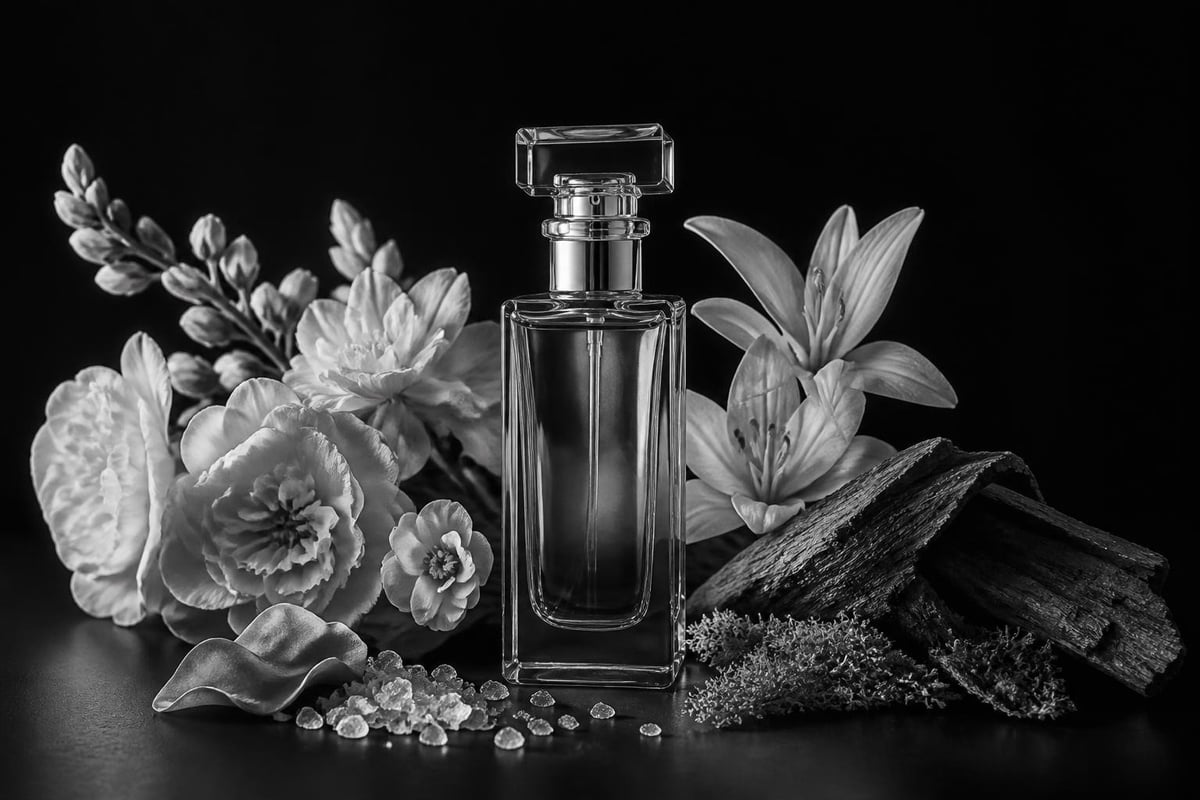
The 5th Avenue fragrance is a modern floral composition designed to evoke the sophistication and energy of Manhattan's most famous thoroughfare. Created by perfumer Ann Gottlieb and launched in 1996, it belongs to the floral bouquet family with aldehydic top notes that recall classic New York perfumery.
The scent architecture reflects the cosmopolitan character of its namesake street. Unlike minimalist botanical compositions, this is an opulent construction typical of 1990s luxury fragrances. The aldehydic opening provides sparkle and lift, while the floral heart offers complexity through multiple blossom accords.
How Does the Fragrance Relate to Fifth Avenue's History?
Fifth Avenue transformed from a residential street into the world's premier shopping destination during Elizabeth Arden's lifetime. Her business history parallels this transformation. When Arden established herself on Fifth Avenue in the early twentieth century, she joined jewelers, couturiers, and luxury goods purveyors creating what would become retail's most prestigious address.
The perfume launched decades after Arden's death in 1966, but it channels her vision of aspirational elegance. Fifth Avenue represented arrival, success, and participation in Manhattan's cultural elite. The fragrance attempts to bottle that feeling through olfactory luxury signifiers: rare materials, complex composition, and ornate presentation.
Where Did Elizabeth Arden Build Her Fifth Avenue Empire?
Elizabeth Arden's presence on Fifth Avenue spanned multiple locations and decades. Her most significant address was 689 Fifth Avenue, where the company maintained its headquarters and flagship salon for over sixty years.
The Aeolian Building, as it was originally known, was constructed in 1927. Arden moved her operations there in 1930, occupying multiple floors for salons, treatment rooms, offices, and laboratories. The building's Beaux-Arts architecture and Fifth Avenue prominence perfectly aligned with her brand positioning.
| Location | Period | Significance |
|---|---|---|
| 509 Fifth Avenue | 1910-1930 | First salon location; established Fifth Avenue presence |
| 689 Fifth Avenue | 1930-1993 | Headquarters and flagship; building later named after her |
| Various locations | 1993-present | Brand continued after company relocated offices |
The relationship between physical place and perfume identity matters in fragrance culture. Manhattan has long been home to artisans who understand that perfume stores in Manhattan serve as sensory landmarks, not just retail spaces. Location conveys meaning.
How Does the 5th Avenue Scent Fit Into Perfume Classification?
Understanding where elizabeth arden perfume 5th avenue nyc sits within fragrance taxonomy helps contextualize its design. Perfume classification systems organize scents by dominant characteristics, helping both creators and wearers navigate the vast landscape of olfactory possibility.
The floral bouquet category represents one of perfumery's oldest and most refined traditions. These compositions layer multiple flower accords to create complexity that transcends any single blossom. They often incorporate aldehydes-synthetic molecules that add effervescence and radiance-along with woody and musky base materials for depth and longevity.
What Technical Elements Define the Formula?
Fifth Avenue's structure follows classical perfume architecture: top, heart, and base working in sequence and harmony. The technical specification includes:
- Top notes: Aldehydes provide immediate lift and brightness
- Heart notes: Multiple floral accords create the composition's core identity
- Base notes: Woods and musks ensure lasting power and sensuality
This layering creates what perfumers call development. The scent evolves over hours as volatile top materials dissipate and heavier base components emerge. The experience changes from application to dry-down, offering complexity through time.
Commercial perfumes like 5th Avenue typically blend natural extracts with synthetic molecules. This combination allows perfumers to achieve effects impossible with botanicals alone while maintaining cost feasibility for mass production. In contrast, botanical eau de parfum compositions rely exclusively on plant and resin extracts, creating different olfactory profiles with their own distinct character.
Why Does Fifth Avenue Continue to Symbolize New York Luxury?
The street's symbolic power extends far beyond its geographical reality. Fifth Avenue functions as shorthand for aspiration, quality, and urban sophistication in global consciousness.
During Elizabeth Arden's era, Fifth Avenue represented the pinnacle of American commercial culture. Department stores like Bergdorf Goodman, Saks Fifth Avenue, and Henri Bendel clustered along its blocks. Jewelers including Tiffany, Cartier, and Van Cleef established flagship locations. The street became a destination where wealth performed its rituals of acquisition and display.
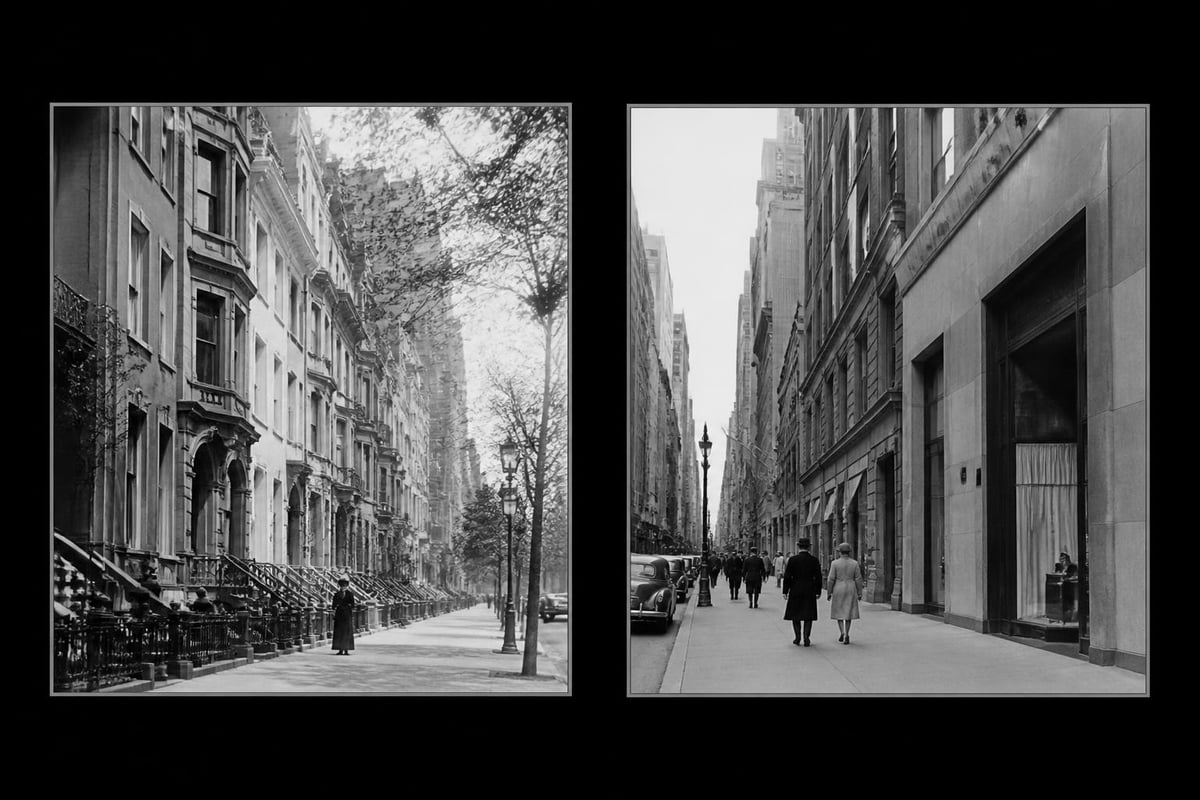
This concentration of luxury created a feedback loop. Prestigious addresses attracted prestigious tenants, which enhanced the address's prestige. Being on Fifth Avenue meant something specific about your brand positioning and target customer.
How Has the Avenue's Character Changed Since Arden's Time?
Modern Fifth Avenue differs dramatically from the street Elizabeth Arden knew. Retail consolidation, changing shopping habits, and real estate economics have transformed the corridor. Many heritage retailers have closed or relocated. International fast fashion and accessory chains now occupy spaces once held by century-old American institutions.
Yet the symbolic resonance persists. Fragrance naming conventions continue to invoke Fifth Avenue as code for New York elegance. The address remains legible as a luxury signifier even as its physical reality shifts.
What Role Did Elizabeth Arden Play in American Perfume Culture?
Elizabeth Arden's impact on American beauty extended well beyond Fifth Avenue. She pioneered the integration of skincare, cosmetics, and fragrance within a cohesive lifestyle brand decades before such vertical integration became standard industry practice.
Her salons offered what she called "total beauty care"-coordinated treatments, products, and advice. Fragrance was one element within this comprehensive system. Arden launched numerous scents throughout her career, understanding that perfume served as both product and marketing tool.
The 5th Avenue fragrance arrived thirty years after Arden's death, but it attempted to channel her aesthetic philosophy. It represented the brand's effort to reclaim heritage and relevance during the intensely competitive 1990s prestige fragrance market.
| Launch Era | Market Context | Brand Strategy |
|---|---|---|
| 1996 | Prestige fragrance boom; celebrity scents emerging | Heritage positioning; architectural bottle design |
| Late 1990s | Department store dominance; gift-set culture | Flankers and variations introduced |
| 2000s-present | Niche perfumery growth; natural/artisan movement | Continued availability as accessible luxury |
How Do Modern Botanical Perfumers Approach New York Identity?
Contemporary artisan perfumers working in Manhattan bring different perspectives to capturing New York's olfactory essence. Rather than invoking Fifth Avenue's commercial grandeur, many explore the city's botanical and architectural textures through plant-based materials.
This approach emphasizes terroir and locality. What plants grow in New York? What resins, woods, and extracts can evoke the city's parks, waterways, and seasonal rhythms? How can perfume reflect lived urban experience rather than aspirational imagery?
The distinction matters. Elizabeth arden perfume 5th avenue nyc represents top-down luxury-the view from penthouse salons and gilt-trimmed boutiques. Botanical New York perfumery often works from street level, finding beauty in community gardens, riverside vegetation, and the green resilience that persists within concrete density.
What Makes Botanical Compositions Different?
Botanical perfumery uses only plant and resin extracts. No synthetic molecules, no isolated aromachemicals, no laboratory-created accords. This constraint demands creativity. Perfumers must achieve their effects through combination, proportion, and material selection alone.
The results smell distinctly different from conventional fragrance. Botanical compositions often present earthier, more textured profiles. They evolve differently on skin because they lack synthetic fixatives and amplifiers. They connect wearers to agricultural and extraction processes in ways mass-market perfumes obscure.
Many contemporary New York perfumers work exclusively with natural materials, creating scents that reflect the city's botanical reality rather than its commercial mythology. This approach to scented products prioritizes transparency, ingredient integrity, and sensory honesty.
How Has Fragrance Consumption Changed in Manhattan?
The way New Yorkers discover, purchase, and wear fragrance has transformed dramatically since Elizabeth Arden's Fifth Avenue heyday. Department store counters once dominated prestige perfume retail. Sales associates offered guidance, application, and education. The experience was curated and directed.
Today's fragrance landscape is radically democratized. Online shopping provides access to global niche brands. Social media influencers shape taste and discovery. Consumers research compositions through databases like Parfumo, comparing pyramid structures and reading community reviews before purchasing.
Manhattan maintains a vibrant in-person fragrance culture despite these digital shifts. Boutique perfumeries, artisan workshops, and specialty retailers offer tactile, olfactory experiences that screens cannot replicate. The city's density supports specialists serving informed, curious customers.
What Do Contemporary Manhattan Perfume Buyers Value?
Current preferences reflect broader cultural shifts toward transparency, sustainability, and craft. Many Manhattan fragrance enthusiasts now prioritize:
- Ingredient disclosure: Clear information about materials and sourcing
- Artisan production: Small-batch manufacturing and maker visibility
- Unique compositions: Scents that diverge from commercial norms
- Story and context: Understanding the perfumer's vision and process
- Ethical production: Vegan formulations, fair labor, environmental responsibility
These values differ markedly from the luxury codes that elizabeth arden perfume 5th avenue nyc represented. The contemporary market segments between heritage prestige brands and artisan naturals, with each serving distinct customer communities.
What Connects Historical and Contemporary New York Perfumery?
Despite different approaches and materials, historical and modern New York fragrance makers share essential commonalities. Both understand that perfume functions as cultural artifact. Both recognize Manhattan's unique position as global commercial hub and creative laboratory. Both attempt to translate urban experience into olfactory form.
Elizabeth Arden built her business on understanding that fragrance sells aspiration. Women purchased her products to participate in a vision of sophistication and self-care. The perfumes were tools for transformation, accessories to an imagined better self.
Contemporary botanical perfumers often emphasize authenticity over aspiration, but they still trade in transformation. Their products promise connection to natural processes, alignment with personal values, and sensory experiences that transcend daily routine. The mechanism differs but the fundamental exchange remains.
FAQ
Is Elizabeth Arden's 5th Avenue perfume still made today?
Yes, 5th Avenue remains in production and widely available through department stores and online retailers. The formula has remained relatively stable since its 1996 launch, though packaging has evolved. It continues as one of Elizabeth Arden's signature fragrances, positioned as accessible luxury within the prestige market segment. The scent maintains recognition among consumers familiar with classic floral bouquet compositions.
Where was Elizabeth Arden's original Fifth Avenue salon located?
Elizabeth Arden's most significant Fifth Avenue location was 689 Fifth Avenue, where she moved her headquarters in 1930. She previously operated from 509 Fifth Avenue starting in 1910. The 689 Fifth Avenue building, originally the Aeolian Building, housed her flagship salon, offices, laboratories, and treatment rooms for over sixty years. The building was later renamed in her honor, recognizing her long association with the address.
What fragrance family does 5th Avenue belong to?
Fifth Avenue is classified as a floral bouquet with aldehydic characteristics. This places it within one of perfumery's oldest and most refined categories, featuring multiple flower accords layered for complexity. The aldehydic elements provide brightness and lift in the opening, while woody and musky base notes ensure depth and longevity. This structure was particularly popular in 1990s prestige fragrances, balancing classical elegance with modern wearability.
How do botanical perfumes differ from commercial fragrances like 5th Avenue?
Botanical perfumes use exclusively plant and resin extracts, avoiding all synthetic molecules and aromachemicals. Commercial fragrances typically blend natural materials with laboratory-created compounds to achieve specific effects, longevity, and cost efficiency. Botanical compositions present earthier, more textured profiles that evolve differently on skin. They connect wearers directly to agricultural processes and natural material characteristics, whereas synthetic elements in commercial perfumes allow greater control and consistency across batches.
Can you visit Elizabeth Arden locations on Fifth Avenue today?
The Elizabeth Arden company no longer maintains its historic headquarters at 689 Fifth Avenue, having relocated offices in the 1990s. The building itself remains a Fifth Avenue landmark, though it now houses different tenants. Elizabeth Arden products are available through various Manhattan retailers, including department stores and specialty beauty boutiques. For those interested in contemporary artisan perfumery experiences in Manhattan, several botanical fragrance ateliers offer workshops and consultations in neighborhoods like NoMad.
What makes Fifth Avenue significant in perfume naming conventions?
Fifth Avenue functions as shorthand for New York luxury, sophistication, and urban elegance in global consciousness. Fragrance names invoking the street tap into decades of cultural associations built through retail prestige, architectural grandeur, and commercial prominence. During the twentieth century, having a Fifth Avenue address signaled quality and exclusivity. Perfume names leverage these associations to communicate positioning and target customer. The street name carries meaning that transcends its geographical reality, becoming a symbol legible across markets.
Elizabeth arden perfume 5th avenue nyc captures a specific moment in Manhattan fragrance history, when commercial luxury defined the perfume landscape. Today's New York perfumery explores different territory, emphasizing botanical integrity and artisan craft. If you're drawn to plant-based fragrances that reflect contemporary Manhattan's creative energy rather than its historical commercial grandeur, explore what Haus of Smell offers through handmade botanical compositions crafted in the city.