
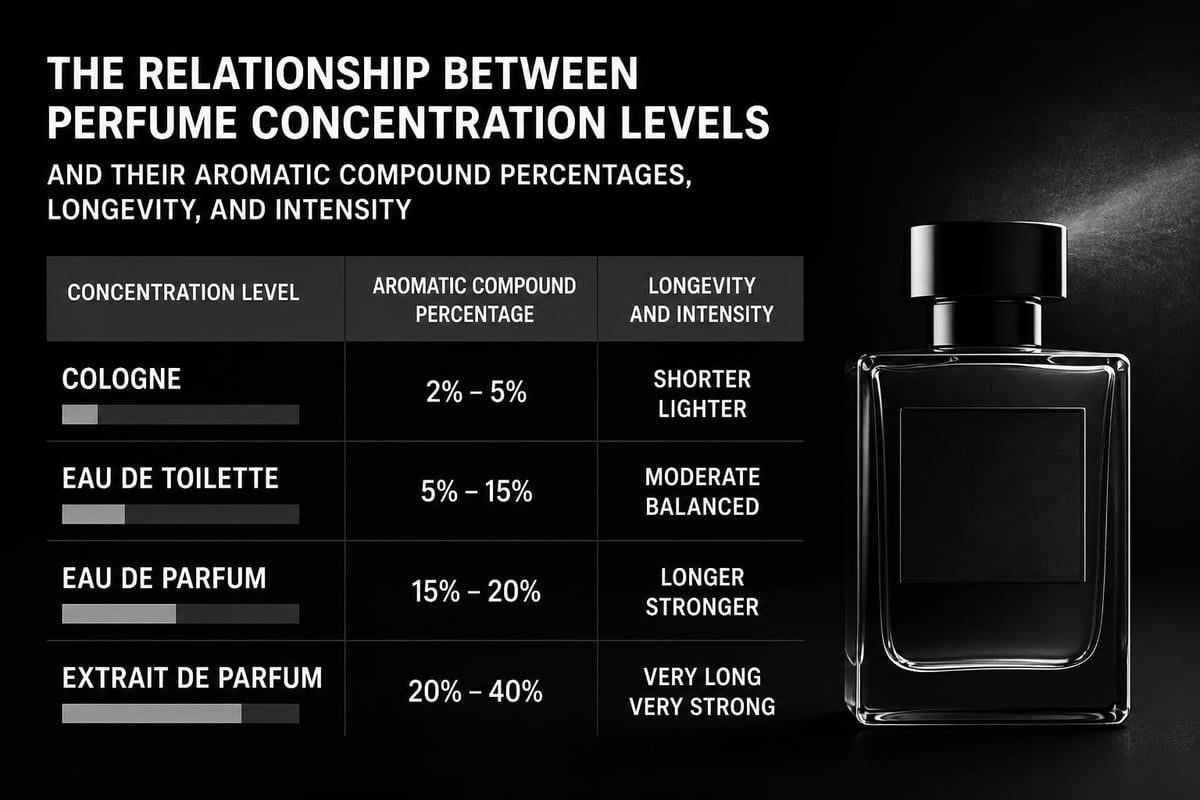
Eau perfume is a fragrance concentration that contains between five and fifteen percent aromatic compounds suspended in an alcohol or oil base. This mid-range concentration sits between eau de cologne and eau de parfum in the traditional perfume hierarchy, offering moderate sillage and longevity of three to five hours on skin. The term "eau" derives from the French word for water, referencing the dilution method used in classic perfumery.
Understanding fragrance concentration affects how you select, apply, and store scent products. The difference between eau perfume and other concentration levels determines not only price but also appropriate usage contexts, application frequency, and expected performance throughout the day. For those who seek scented products that balance presence with subtlety, concentration knowledge becomes essential.
What Exactly Is Eau Perfume?
Eau perfume is a fragrance formulation containing five to fifteen percent aromatic materials diluted in a solvent base, typically alcohol. This concentration level places it between lighter eau de toilette formulations and richer eau de parfum blends in terms of intensity and duration.
The IFRA Standards provide guidance on how fragrance concentration terms are applied across the industry, though precise percentages vary by manufacturer and regional tradition. The aromatic materials may include essential oils, absolutes, resins, and botanical extracts, which are combined according to a formula that balances top, heart, and base notes.
How Fragrance Concentration Affects Performance
Higher concentrations deliver stronger initial impact and longer wear time. Lower concentrations evaporate more quickly but offer subtlety and refresh easily throughout the day.
Eau perfume formulations typically last three to five hours on skin before requiring reapplication. This moderate longevity makes them suitable for office environments, daytime wear, and situations where overpowering fragrance would be inappropriate.
| Concentration Type | Aromatic Content | Typical Longevity | Best Use Case |
|---|---|---|---|
| Eau de Cologne | 2–5% | 1–2 hours | Post-shower refresh, gym bag |
| Eau Perfume | 5–15% | 3–5 hours | Daily wear, office, travel |
| Eau de Parfum | 15–20% | 5–8 hours | Evening, special occasions |
| Extrait de Parfum | 20–40% | 8–24 hours | Intimate settings, cold weather |
The Research Institute for Fragrance Materials collects concentration data on ingredients to establish safety thresholds. These industry efforts ensure that formulations at all concentration levels meet safety standards for skin contact.
How Does Eau Perfume Differ from Eau de Parfum?
Eau perfume contains significantly fewer aromatic compounds than eau de parfum, resulting in lighter projection and shorter wear time. While eau de parfum formulations typically range from fifteen to twenty percent aromatic concentration, eau perfume remains below fifteen percent.
This difference translates to practical considerations. Eau de parfum requires fewer applications throughout the day but commands a higher price per milliliter. Eau perfume offers affordability and versatility but needs refreshing every few hours.
The choice between concentrations depends on personal preference, budget, and intended use. Some individuals prefer building scent gradually with lighter concentrations rather than applying a single dose of stronger formulation.
Price and Value Considerations
Lower concentration directly correlates with lower production costs. Eau perfume typically costs thirty to fifty percent less than equivalent eau de parfum formulations from the same house.
For daily wear, this price difference becomes significant over time. A fifty-milliliter bottle of eau perfume might provide sixty to ninety applications, depending on how generously you spray.
Botanical eau de parfum made from real plant and resin extracts represents a different approach, using oil-based formulations without alcohol to achieve concentration through natural density rather than synthetic amplification. These vegan, alcohol-free alternatives bypass the traditional concentration hierarchy entirely, building intensity through botanical complexity.
What Are the Ingredients in Eau Perfume?
Eau perfume contains aromatic materials, solvents, fixatives, and occasionally colorants. The aromatic materials provide the actual scent, while solvents (usually alcohol) carry and distribute the fragrance.
Aromatic Components
The fragrance pyramid consists of top, heart, and base notes that evaporate at different rates. Top notes appear immediately and dissipate within fifteen to thirty minutes. Heart notes emerge as top notes fade, lasting two to four hours. Base notes provide depth and longevity, persisting for several hours.
Common aromatic materials include:
- Essential oils extracted through distillation or expression
- Absolutes obtained through solvent extraction
- Natural isolates purified from botanical sources
- Synthetic molecules that replicate or enhance natural scents
Research published in Nature Human Behaviour demonstrates that humans can discriminate odors with remarkable temporal resolution, detecting scent changes within fractions of a second. This rapid perception explains why the transition between fragrance notes matters in formulation design.
Solvent and Carrier Systems
Most commercial eau perfume uses ethanol as the primary solvent, typically at concentrations between eighty and ninety-five percent of the total formula. The alcohol evaporates quickly, dispersing aromatic molecules into the air and onto skin.
Alternative carrier systems include oils, glycerin, and water-based solutions. Oil-based formulations offer different performance characteristics, with slower evaporation rates and closer-to-skin projection that some wearers prefer.
How Should You Apply Eau Perfume?
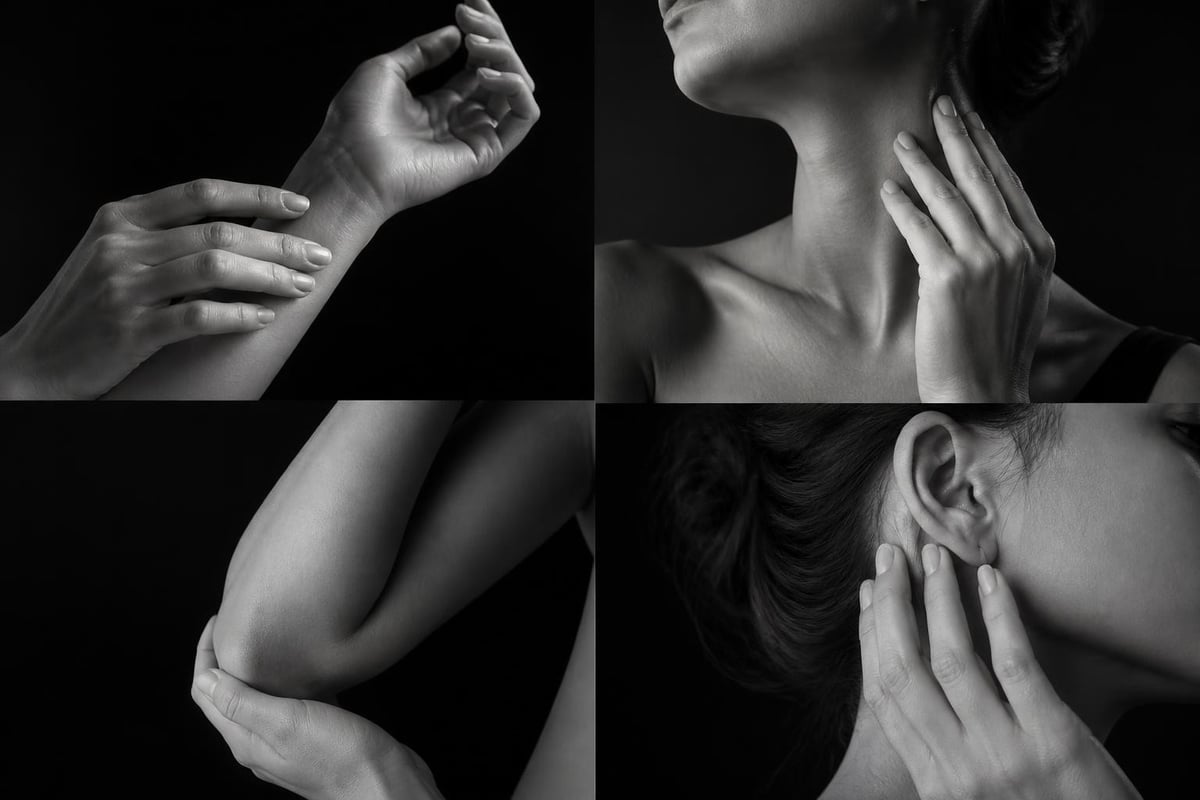
Apply eau perfume to pulse points where blood vessels sit close to the skin surface, generating warmth that helps diffuse fragrance molecules. Target the wrists, neck, behind ears, and inner elbows for optimal performance.
Application technique affects longevity and projection:
- Apply to clean, moisturized skin for better fragrance adherence
- Spray from six to eight inches away to ensure even distribution
- Avoid rubbing wrists together, which crushes fragrance molecules
- Layer with unscented lotion to create a hydrated base
- Reapply every three to four hours to maintain presence
The European Union cosmetics regulation governs perfume products sold in member states, requiring ingredient disclosure and safety assessments. Understanding these regulations helps consumers make informed choices about application safety.
Environmental Factors That Affect Wear
Temperature, humidity, and skin chemistry alter how eau perfume develops and lasts. Warm weather accelerates evaporation, reducing longevity but increasing initial projection. Cold weather slows molecular diffusion, extending wear time but diminishing sillage.
Skin pH and moisture levels also influence fragrance performance. Dry skin absorbs fragrance oils more quickly, while well-hydrated skin provides a stable platform for extended wear.
How Long Does Eau Perfume Last?
Eau perfume typically lasts three to five hours on skin before fading below perceptible levels. On clothing and hair, longevity extends to eight to twelve hours due to fiber absorption and reduced exposure to skin oils that accelerate breakdown.
Storage conditions dramatically affect shelf life. Properly stored eau perfume remains stable for three to five years after opening. Exposure to light, heat, and air degrades aromatic compounds, shortening usable life to one or two years.
Proper Storage Methods
Maximize eau perfume longevity through careful storage:
- Keep bottles in original packaging to block light exposure
- Store at consistent room temperature, avoiding bathroom heat and humidity
- Keep bottles sealed tightly to prevent alcohol evaporation
- Position upright to minimize air contact with the liquid
- Avoid direct sunlight, which breaks down aromatic molecules
Research on olfactory system function reveals how our perception of scent depends on molecular volatility and receptor interaction. As eau perfume ages, chemical changes alter these molecular structures, affecting how we perceive the fragrance.
What Occasions Suit Eau Perfume Best?
Eau perfume works well for professional environments, daytime activities, and warm weather when stronger concentrations might overwhelm. The moderate intensity makes it appropriate for close-quarters settings like offices, meetings, and public transportation.
Professional Settings
Corporate environments often have unwritten fragrance codes favoring subtlety over projection. Eau perfume provides enough presence to feel polished without dominating shared spaces.
For those working in New York business districts, a discreet fragrance supports professional presentation without triggering scent sensitivities among colleagues. Visiting a Manhattan perfume store allows you to test how different concentrations perform in your specific work environment.
Casual and Athletic Use
Lighter concentrations suit gym bags, post-workout refresh, and active lifestyles where reapplication throughout the day fits naturally into routine. The lower price point makes generous application economically feasible.
Travel also benefits from eau perfume's moderate concentration, as smaller bottles meet airline restrictions while still providing adequate fragrance for multi-day trips.
How Do Botanical Eau Perfumes Differ?
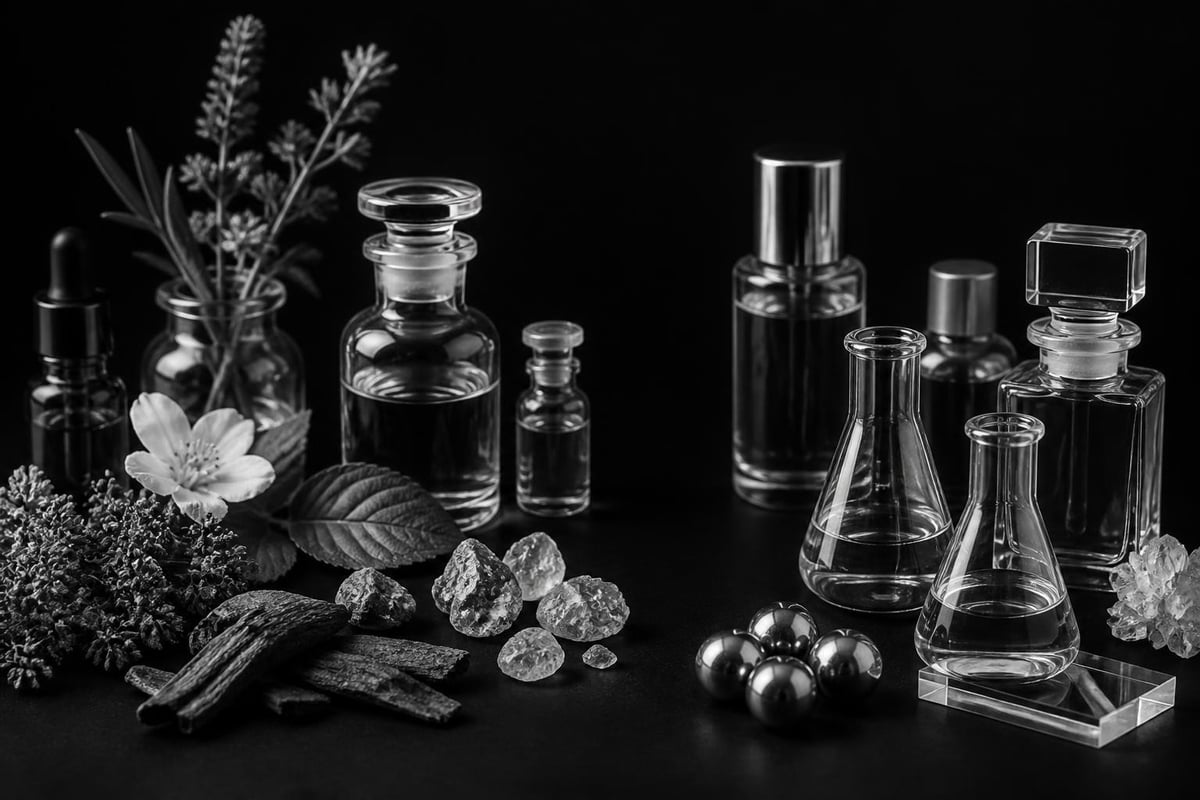
Botanical eau perfume uses plant-derived aromatic materials exclusively, avoiding synthetic molecules and animal-derived ingredients. These formulations rely on essential oils, absolutes, resins, and plant extracts to create complex scent profiles.
The absence of synthetic fixatives often results in different longevity patterns. Natural materials tend to evolve more dramatically over wear time, with distinct phases as various botanical components evaporate at their individual rates.
Characteristics of botanical formulations:
- Greater variation between batches due to natural ingredient fluctuations
- Potentially lower projection due to absence of synthetic amplifiers
- Different skin chemistry interactions compared to synthetic blends
- Vegan-friendly composition without animal musks or ambergris
Regulatory Considerations
The European Commission's fragrance allergen labeling requirements mandate disclosure of certain natural substances known to cause sensitivities. Botanical perfumes must list these materials when present above specified thresholds, just as synthetic formulations do.
Natural does not automatically mean hypoallergenic. Some individuals react to botanical materials while tolerating synthetic alternatives, making patch testing important regardless of formulation philosophy.
What Should You Look for When Buying Eau Perfume?
Evaluate eau perfume through multiple criteria beyond initial scent impression. Consider concentration percentage, ingredient transparency, packaging quality, and brand reputation when making purchasing decisions.
Ingredient Disclosure
Reputable brands provide complete ingredient lists or at minimum disclose major allergens and restricted substances. Transparency indicates quality control and regulatory compliance.
Look for clear labeling of concentration level, volume, and batch codes that enable traceability. Vague terms like "perfume blend" without specifics suggest less rigorous formulation standards.
Testing and Sampling
Always test eau perfume on your own skin before purchasing full bottles. Fragrance develops differently on each person due to individual skin chemistry, temperature, and pH variations.
Request samples or use tester bottles when available. Wear the scent for a full day to evaluate how top notes fade, heart notes emerge, and base notes settle. Morning impressions often differ significantly from afternoon and evening performance.
Frequently Asked Questions
How much eau perfume should I apply at once?
Apply two to three sprays of eau perfume for moderate coverage, targeting pulse points on wrists and neck. This quantity provides noticeable presence without overwhelming, lasting approximately three to four hours before requiring reapplication depending on activity level and environmental conditions.
Can eau perfume be layered with other fragrances?
Yes, eau perfume layers well with complementary scents when applied strategically. Start with the lighter concentration as a base and add stronger formulations sparingly. Avoid combining more than two fragrances to prevent muddled scent profiles that confuse rather than enhance your olfactory presentation.
Does eau perfume expire or go bad?
Eau perfume degrades over three to five years when stored properly in cool, dark conditions with minimal air exposure. Signs of expiration include color changes, separation, cloudy appearance, and altered scent profile. Oxidation and light exposure accelerate deterioration, especially in formulations with delicate natural ingredients.
Why does eau perfume smell different on different people?
Individual skin chemistry, pH levels, moisture content, and diet affect how eau perfume develops and projects. Medications, hormonal changes, and even stress alter body chemistry, causing identical formulations to perform differently. Testing on your own skin remains the only reliable way to predict personal performance.
Is eau perfume suitable for sensitive skin?
Eau perfume tolerability varies by formulation and individual sensitivity patterns. Alcohol-based versions may irritate reactive skin, while oil-based botanical alternatives often prove gentler. Patch test any new eau perfume on a small skin area for twenty-four hours before full application, regardless of ingredient claims.
How does seasonal weather affect eau perfume performance?
Summer heat amplifies eau perfume projection but reduces longevity through accelerated evaporation, while winter cold extends wear time but diminishes sillage. Humidity interacts with alcohol-based formulations differently than oil-based types. Adjust application quantity and frequency based on seasonal temperature and humidity patterns for consistent results.
Understanding eau perfume concentration helps you select formulations that match your lifestyle, budget, and scent preferences while maximizing performance through proper application and storage. Whether you gravitate toward traditional alcohol-based formulations or botanical alternatives, concentration knowledge empowers better purchasing decisions. Explore handcrafted botanical scents made in Manhattan without synthetics or alcohol at Haus of Smell, where vegan formulations prioritize natural complexity over conventional concentration hierarchies.