
A diy candle kit is a pre-packaged collection of materials and instructions that allows you to create handmade candles at home, typically including wax, wicks, containers, fragrance, and essential tools like a thermometer and pouring pot. These kits range from beginner-friendly sets with pre-measured components to advanced options that let you customize scent blends and vessel styles. They remove the guesswork from sourcing individual materials and provide structured guidance for safe, successful candle making.
The appeal of crafting candles at home has grown substantially over the past decade. What began as a niche hobby has evolved into a widespread practice, driven by interest in natural ingredients, personalized scent profiles, and the satisfaction of creating functional home goods from scratch. For those exploring scented products as both craft and commerce, understanding how these kits work represents the first step toward mastery.
What should I look for in a quality diy candle kit?
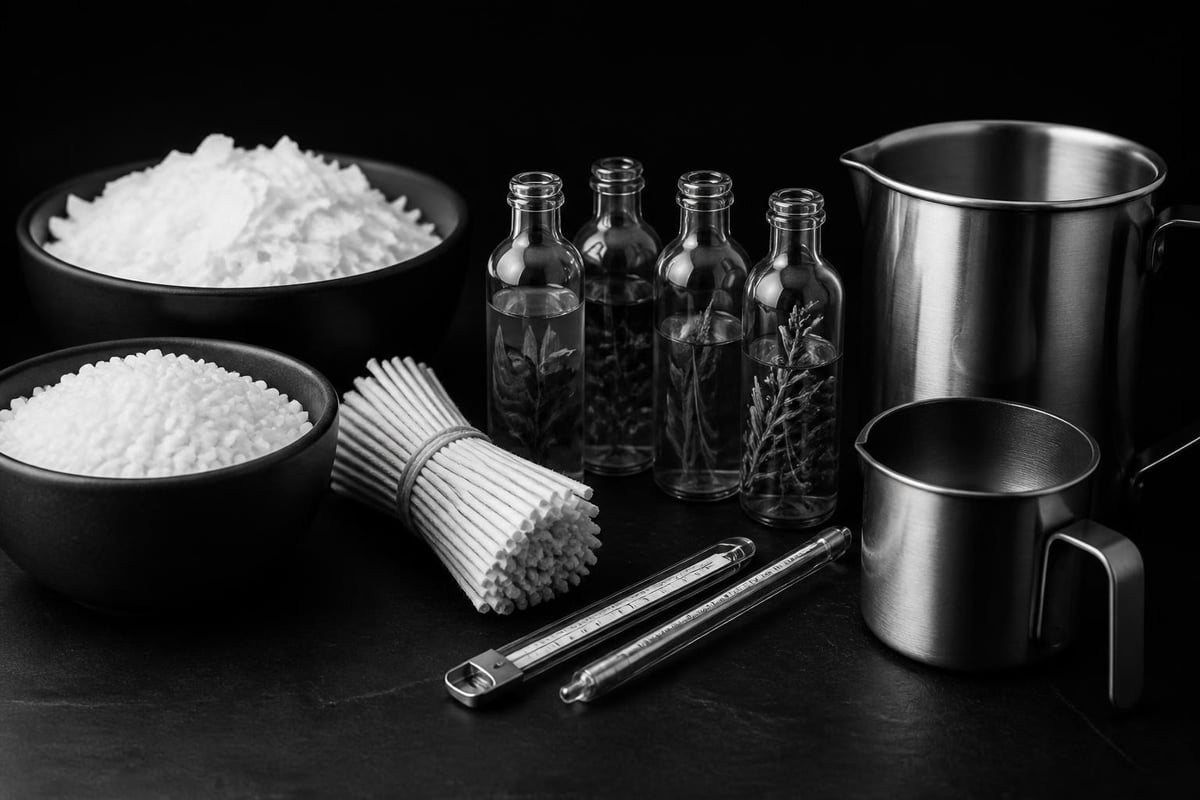
A quality diy candle kit contains accurately measured wax, pre-tabbed wicks sized for the containers, reliable fragrance or essential oils, and clear instructions that address safety and temperature management. The best kits also include a thermometer, adhesive wick stickers, and containers that match the wax type. Transparency about ingredients matters, particularly for those prioritizing natural or botanical materials.
Essential Components and Materials
Every functional kit provides wax as the foundation. Soy wax appeals to those seeking plant-based options, while beeswax offers natural fragrance and a longer burn. Paraffin remains popular for its scent throw and smooth finish, though some makers avoid petroleum-derived materials. Coconut wax and blends combine benefits from multiple sources.
Wicks must match container diameter and wax type. Too thin and the candle tunnels. Too thick and it smokes. Quality kits pre-select appropriate wicks or provide sizing charts. Pre-tabbed wicks save time and ensure proper placement.
Fragrance load varies by wax type. Most kits include fragrance oils formulated for candle use, with recommended percentages between six and ten percent. The IFRA Standards documentation outlines safe-use levels for different fragrance categories, information that responsible kit manufacturers incorporate into their formulations and instructions.
| Component | Beginner Kit | Intermediate Kit | Advanced Kit |
|---|---|---|---|
| Wax | Pre-measured, single type | Choice of 2-3 types | Multiple wax options, blending allowed |
| Wicks | Pre-tabbed, sized | Multiple sizes included | Full wick assortment |
| Fragrance | 1-2 pre-selected scents | 3-5 scent options | Custom blend capabilities |
| Containers | Included, matched to wax | Variety pack or BYO | Professional vessels or empty |
| Instructions | Step-by-step with photos | Detailed with troubleshooting | Advanced techniques |
| Tools | Basic (thermometer) | Intermediate (pouring pot, scale) | Professional-grade equipment |
Ingredient Transparency and Sourcing
The shift toward botanical and natural ingredients reflects broader consumer awareness. Kits that disclose full ingredient lists, source information, and testing protocols build trust. Many makers now seek vegan formulations free from animal-derived stearic acid or beeswax alternatives.
For those in Manhattan and Brooklyn, exploring how established makers approach ingredients offers valuable context. Haus of Smell, for instance, crafts botanical candles using natural wax and real plant extracts, providing a benchmark for what fully botanical candle-making looks like in practice.
How do I use a diy candle kit safely and effectively?
Using a diy candle kit safely requires following precise temperature guidelines, working in a well-ventilated space away from open flames, and never leaving melting wax unattended on the heat source. Effective use involves measuring fragrance accurately, pouring at the correct temperature for your wax type, and allowing proper cure time before burning.
Step-by-Step Process
- Prepare your workspace by covering surfaces with newspaper or parchment paper and gathering all materials within reach.
- Secure the wick to the container bottom using adhesive or a wick sticker, ensuring it stands centered and vertical.
- Melt the wax in a double boiler or dedicated pouring pot, monitoring temperature with a thermometer until it reaches the manufacturer's specified melting point.
- Add fragrance once wax cools to the recommended temperature, typically between 175 and 185 degrees Fahrenheit for most soy and paraffin blends.
- Pour slowly into the prepared container, leaving a quarter-inch of space at the top and keeping the wick centered.
- Allow curing for at least 24 to 48 hours before trimming the wick to one-quarter inch and burning.
Temperature control determines final quality. Pouring too hot causes frosting or adhesion problems. Too cool and you get sinkholes or poor fragrance distribution. Invest in a reliable thermometer and record temperatures for each batch.
Fire Safety and Regulatory Compliance
The National Fire Protection Association provides detailed candle-safety guidance that every kit user should review. Keep burning candles within sight, away from drafts, and at least twelve inches from anything that can burn. Never leave a candle unattended or burn it all the way down.
The U.S. Fire Administration reports that candles cause an estimated 7,600 home fires annually. Most incidents stem from leaving candles unattended, placing them too close to combustibles, or falling asleep with candles burning. Kit instructions should include these warnings prominently.
Federal regulations prohibit lead-core wicks. The Code of Federal Regulations establishes requirements for candle safety, including banned materials and labeling standards. Reputable kits use only cotton, paper, or zinc-core wicks and include clear safety labels.
What are the different types of diy candle kits available?
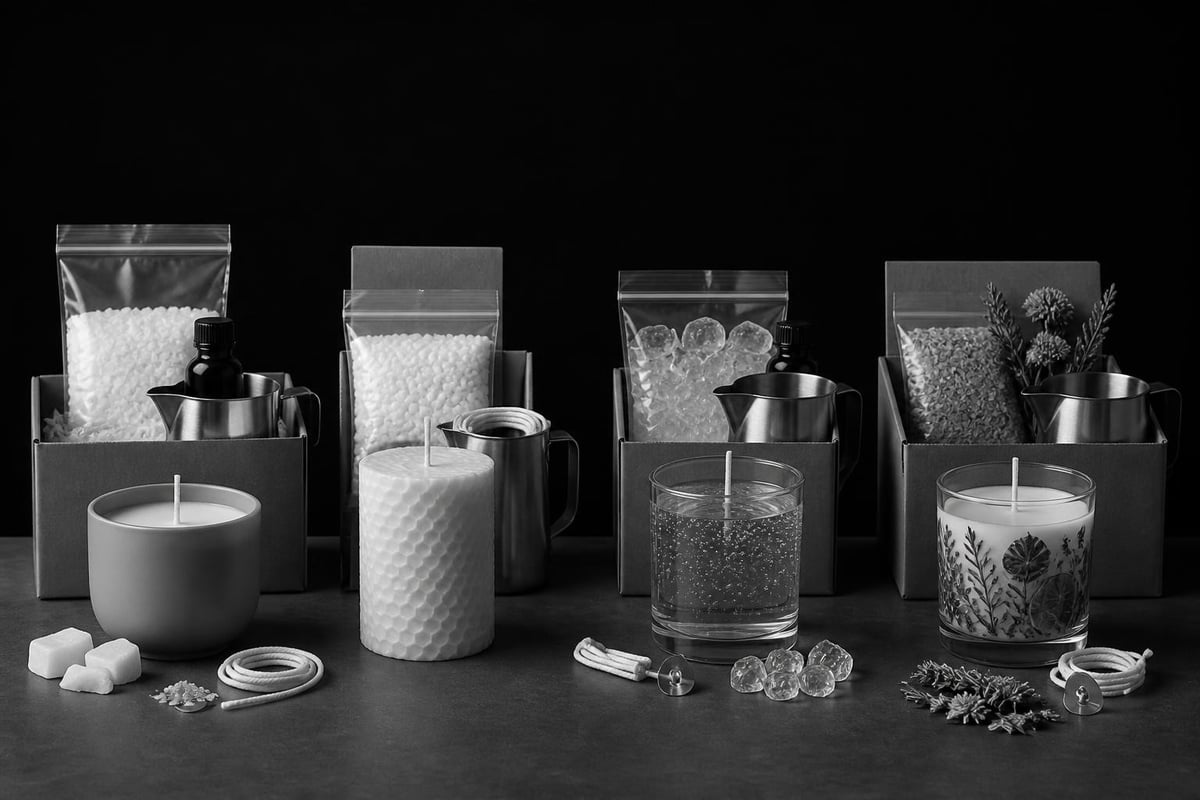
Different types of diy candle kits include soy candle kits for natural enthusiasts, beeswax kits for those seeking minimal processing, gel candle kits for decorative effects, and massage candle kits that melt into skin-safe oils. Specialty kits focus on specific techniques like layering, embedding, or botanical inclusions.
Material-Based Kit Categories
Soy-based kits dominate the natural market. Derived from soybeans, this wax burns cleanly and holds fragrance well. It requires lower pouring temperatures and may develop surface variations that some makers consider characteristic rather than flawed.
Beeswax kits appeal to those seeking unprocessed materials. The natural honey scent complements or replaces added fragrance. Beeswax burns longer than most alternatives but costs more and requires higher working temperatures.
Paraffin kits offer predictable results and strong scent throw. Despite concerns about petroleum origins, properly formulated paraffin burns cleanly. Research published in Environment International found that well-made candles, regardless of wax type, produce minimal emissions when burned correctly.
Coconut wax and blends combine properties. Coconut wax offers excellent scent throw and clean burning. Blended formulas balance cost, performance, and sustainability considerations.
Technique-Focused Kits
Container kits provide everything needed for poured candles in jars or tins. These represent the most accessible entry point, requiring minimal equipment and offering consistent results.
Pillar kits include molds and wax formulated to release cleanly and stand unsupported. They demand more attention to temperature and demolding technique but create professional-looking freestanding candles.
- Layered candle kits teach color and scent segmentation
- Embedded kits include dried flowers, shells, or decorative elements
- Rolled beeswax kits require no melting, just pressing and rolling sheets around wicks
- Taper kits use dipping or molding techniques for classic dinner candles
The RIFM safety assessment program provides scientific backing for fragrance ingredient safety, particularly relevant when kits include essential oils or botanical extracts that require different handling than synthetic fragrances.
Can beginners successfully use a diy candle kit?
Beginners can successfully use a diy candle kit if they choose appropriately simplified kits, follow instructions precisely, and accept that first attempts may have minor imperfections. Most beginner kits include pre-measured materials that eliminate the need for complex calculations and provide step-by-step guidance with visual references.
Common Beginner Challenges and Solutions
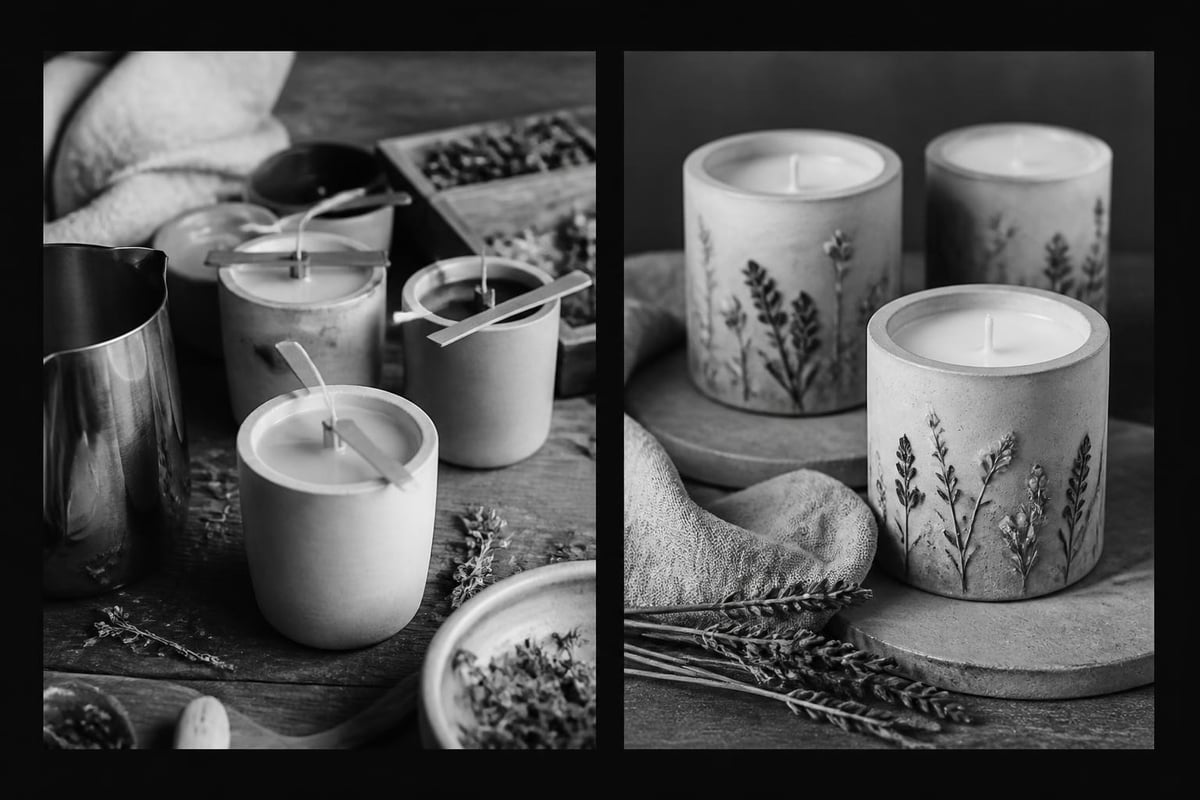
New candle makers frequently struggle with wick centering. Simple solutions include using wick centering devices, chopsticks laid across the container rim, or clothespins to hold wicks straight during cooling.
Frosting appears as a white crystalline layer on soy candles. This natural characteristic does not affect burn quality. Slower cooling, higher pouring temperatures, or adding a small amount of coconut oil can minimize appearance.
Sinkholes form when wax contracts during cooling. Poking relief holes around the wick after initial setting and topping off with reserved wax resolves this. Some makers use heat guns to smooth surfaces.
Troubleshooting quick reference:
- Wet spots (wax pulling from container sides): Pour at lower temperature or preheat containers
- Tunneling (wax burning down center only): Use larger wick or burn long enough to melt full surface
- Mushrooming (carbon buildup on wick): Trim wick to one-quarter inch before each burn
- Poor scent throw: Increase fragrance load within safe limits or cure longer
Learning Resources and Progression
Most kit manufacturers provide online tutorials, troubleshooting guides, and community forums. These resources accelerate learning and help diagnose specific problems.
Starting with a single-container kit allows focused practice. Once comfortable with basic techniques, progression to multi-candle batches or specialty techniques becomes manageable. Many makers maintain notebooks tracking temperatures, fragrance combinations, and results.
What makes botanical diy candle kits different?
Botanical diy candle kits differ by using only plant-derived waxes and natural fragrance sources like essential oils, absolutes, and CO2 extracts instead of synthetic fragrance compounds. They prioritize ingredient transparency, often listing specific botanical sources and avoiding petroleum-based materials, dyes, or additives.
Natural Fragrance Considerations
Essential oils behave differently than fragrance oils in candles. Lower flash points mean adding them at cooler temperatures. Concentration requirements differ, with some oils needing higher percentages for noticeable scent.
Not all essential oils work well in candles. Citrus oils, for example, can dissipate quickly under heat. Resins like frankincense and benzoin provide better longevity. Blending requires understanding how different botanicals interact when heated.
Safety data matters more with natural materials. Some essential oils irritate skin or respiratory systems at candle-safe concentrations. The safety information from organizations like RIFM helps formulators balance efficacy and safety.
Vegan and Synthetic-Free Formulations
Truly vegan kits exclude beeswax, stearic acid derived from tallow, and any animal-tested ingredients. Plant-based alternatives like carnauba wax or vegetable-derived stearic acid serve similar functions.
The commitment to synthetic-free formulations means accepting certain limitations. Scent throw may be subtler. Color options narrow to plant-derived pigments. Shelf stability can decrease without synthetic preservatives.
For those in New York seeking hands-on experience with botanical fragrance, visiting a perfume store in Manhattan that prioritizes natural ingredients provides valuable context for how botanical scents differ from synthetic alternatives.
How do diy candle kits compare to buying finished candles?
DIY candle kits cost more per candle initially but offer customization, skill development, and the satisfaction of creation that finished candles cannot provide. Finished candles offer convenience, consistent quality, and immediate use. The choice depends on whether you value the making process or the final product alone.
| Factor | DIY Candle Kit | Finished Candle |
|---|---|---|
| Upfront Cost | Moderate to high (kit purchase) | Low to moderate (per candle) |
| Per-Candle Cost | Decreases with volume | Fixed retail price |
| Customization | Full control over scent, color, vessel | Limited to available options |
| Time Investment | 2-4 hours including cure time | Zero (immediate use) |
| Skill Development | Builds technical knowledge | None |
| Quality Consistency | Improves with practice | Professional, consistent |
| Gift Value | High (handmade, personalized) | Standard retail gift |
Economic analysis shifts based on usage. A single kit producing four candles costs more than buying four finished candles. But someone making candles regularly reduces per-unit costs below retail prices within a few batches.
The experience factor carries value beyond economics. Creating something with your hands activates different satisfaction than purchasing. The scent you blend yourself holds more meaning than one selected from a shelf.
When to Choose Each Option
Choose a diy candle kit when you want to learn a craft, need specific customization unavailable in retail products, plan to make multiple candles, or seek a meaningful handmade gift. The process itself becomes part of the value.
Choose finished candles when time is limited, you need immediate use, prefer guaranteed professional results, or want to experience a maker's specific artistic vision. If you want to experience how a professional botanical candle maker approaches scent and craft, exploring options at Haus of Smell demonstrates what fully realized natural candle-making achieves.
Personal gifts sometimes benefit from the DIY approach. A candle you made specifically for someone, perhaps incorporating their favorite scent or using a container with personal significance, carries more emotional weight than a purchased item. Modern tools like photo booth rentals can document the making process, creating shareable memories alongside the physical product.
What regulations and safety standards apply to homemade candles?
Homemade candles sold commercially must comply with CPSC regulations prohibiting lead-core wicks, meet applicable state and local business licensing requirements, and follow proper labeling standards that include manufacturer information and safety warnings. Candles made for personal use face fewer regulatory requirements but should still follow established safety protocols.
Commercial Versus Personal Use
Creating candles for personal enjoyment or gifts operates under different rules than selling them. Once you accept payment or trade, consumer product safety regulations apply. The distinction matters for liability and legal compliance.
Canada's Candles Regulations provide a clear example of comprehensive regulatory frameworks, covering performance requirements, safety warnings, and testing protocols that inform best practices even for makers in other jurisdictions.
Business sellers must also consider:
- Product liability insurance to protect against claims
- Business licensing required by city or county
- Sales tax collection in most jurisdictions
- Accurate labeling including ingredient disclosure and warnings
- Batch tracking for recall capability
Testing and Documentation
Professional candle makers conduct burn tests measuring flame height, smoke production, container temperature, and total burn time. Documenting these tests provides liability protection and quality assurance.
Creating a consistent process ensures repeatability. Weighing ingredients precisely, recording temperatures, and noting environmental conditions allows you to reproduce successful batches and troubleshoot problems.
Some sellers voluntarily pursue third-party testing or certification, particularly when making therapeutic or wellness claims. The botanical nature of ingredients does not exempt products from accurate representation requirements.
Where can I buy quality diy candle kits in 2026?
Quality diy candle kits are available through specialty craft retailers, online marketplaces like Etsy and Amazon, direct from candle supply wholesalers, and increasingly through botanical or natural product boutiques that prioritize ingredient transparency. Local options in cities like New York often include artisan maker spaces and natural goods stores.
Online and Local Sourcing
Major online retailers offer broad selection and competitive pricing. Reviews help identify consistently successful kits. Look for detailed product descriptions, ingredient lists, and responsive customer service.
Specialty suppliers focusing on natural or botanical materials often provide higher-quality components and better educational resources. These vendors target serious hobbyists and small-scale producers rather than casual crafters.
Local sourcing offers immediate gratification and the ability to examine materials before purchase. In Manhattan, exploring neighborhoods like NoMad reveals boutiques that carry curated selections reflecting local values around natural ingredients and craft quality.
Evaluating Vendor Reputation
Check for:
- Detailed ingredient disclosure beyond basic wax type
- Safety data sheets available for fragrance materials
- Educational content like tutorials or troubleshooting guides
- Responsive customer service that answers technical questions
- Consistent positive reviews mentioning product quality and instruction clarity
Vendors who invest in education demonstrate commitment beyond simple product sales. Comprehensive instructions, video tutorials, and active communities indicate a company that wants customers to succeed.
The experience of selecting quality materials mirrors the attention to detail required in the making process. Small household upgrades can transform your workspace atmosphere. Consider adding thoughtful touches like a refillable tissue system that brings the same design-forward sensibility to everyday items that quality candle-making brings to home fragrance.
Frequently Asked Questions
How long does wax from a diy candle kit last before it expires?
Most candle wax remains usable indefinitely when stored properly in a cool, dry location away from direct sunlight. Fragrance oils degrade over time, typically maintaining quality for one to two years. Check for rancid smells or discoloration before use. Beeswax and soy wax are particularly stable, while some additives may separate or oxidize with extended storage.
Can I mix fragrances from different diy candle kits together?
You can blend fragrances from different kits if they are both formulated for candle use and you stay within the total recommended fragrance load for your wax type. Test small batches first, as some combinations create unexpected results. Keep detailed notes of proportions to replicate successful blends. Avoid mixing essential oils with unknown fragrance oils without reviewing safety data.
What temperature should I pour candles at with a diy candle kit?
Optimal pouring temperature varies by wax type. Soy wax typically pours best between 120 and 140 degrees Fahrenheit. Paraffin works well at 160 to 180 degrees. Beeswax requires 145 to 175 degrees. Always follow your specific kit's instructions, as additives and blends alter ideal temperatures. Lower temperatures reduce frosting but may cause adhesion issues or sinkholes.
How many candles can I make from a typical diy candle kit?
Most beginner kits produce two to four candles depending on container size. Standard kits include eight to sixteen ounces of wax, with each eight-ounce candle requiring roughly that amount of wax after accounting for fragrance and potential waste. Larger bulk kits may yield ten to twenty candles. Check kit specifications for exact quantities and container sizes included.
Is it safe to use a diy candle kit with children present?
Candle-making requires adult supervision due to high temperatures and open heat sources. Children over twelve can participate with close oversight, handling room-temperature tasks like wick placement or decoration. Never allow children to handle melted wax, heat sources, or pour candles. Ensure proper ventilation when working with fragrances, as some individuals experience sensitivity to concentrated scent materials.
Do botanical diy candle kits perform as well as synthetic ones?
Botanical kits using natural waxes and essential oils can perform excellently when properly formulated, though scent throw may be more subtle than synthetic alternatives. Natural materials often require longer cure times for optimal performance. Burn characteristics depend more on proper wick sizing and wax quality than whether ingredients are natural or synthetic. Well-made botanical candles from quality kits rival any synthetic formulation in burn time and consistency.
The right diy candle kit transforms raw materials into ambient light and fragrance through deliberate craft. Whether you choose soy, beeswax, or botanical blends, success comes from understanding your materials and following proven processes. If you want to experience what fully botanical, handmade candles crafted with natural ingredients can achieve, explore the collection at Haus of Smell, where every candle is hand-poured in Manhattan using vegan, plant-based formulations. The attention to natural materials and craft quality that defines good candle-making lives in every product they create.