
You can design your own perfume NYC through specialized boutiques offering custom blending workshops, made-to-order botanical fragrances, and personalized scent consultations. Manhattan hosts artisan studios where you select raw plant extracts, work with perfumers to build a signature formula, and leave with a handcrafted scent created specifically for you.
Creating a personal fragrance in New York City has evolved beyond department store counters. The city now hosts a thriving community of botanical perfumers, fragrance artists, and scent studios dedicated to personalized olfactory experiences. From NoMad to the Lower East Side, New Yorkers increasingly seek alternatives to mass-produced fragrances, turning instead to artisans who craft custom scents using natural ingredients and traditional methods.
The rise of botanical perfumery in Manhattan reflects a broader shift toward transparency in personal care products. Consumers want to know what touches their skin, where ingredients originate, and how products are made. This desire for authenticity has created space for small-batch perfumers who prioritize natural materials, ethical sourcing, and individualized service.
Where Can You Design Your Own Perfume in NYC?
You can design your own perfume NYC at specialized fragrance boutiques, artisan workshops, and custom perfume bars located throughout Manhattan. These studios range from appointment-only ateliers in Chelsea to walk-in scent labs in SoHo, each offering different approaches to personalized fragrance creation.
The landscape of custom perfumery in New York includes several distinct models. Some studios operate as educational workshops where participants learn fragrance theory before blending their own formulas. Others function as consultative experiences, pairing clients with perfumers who translate verbal descriptions and scent preferences into bespoke compositions.
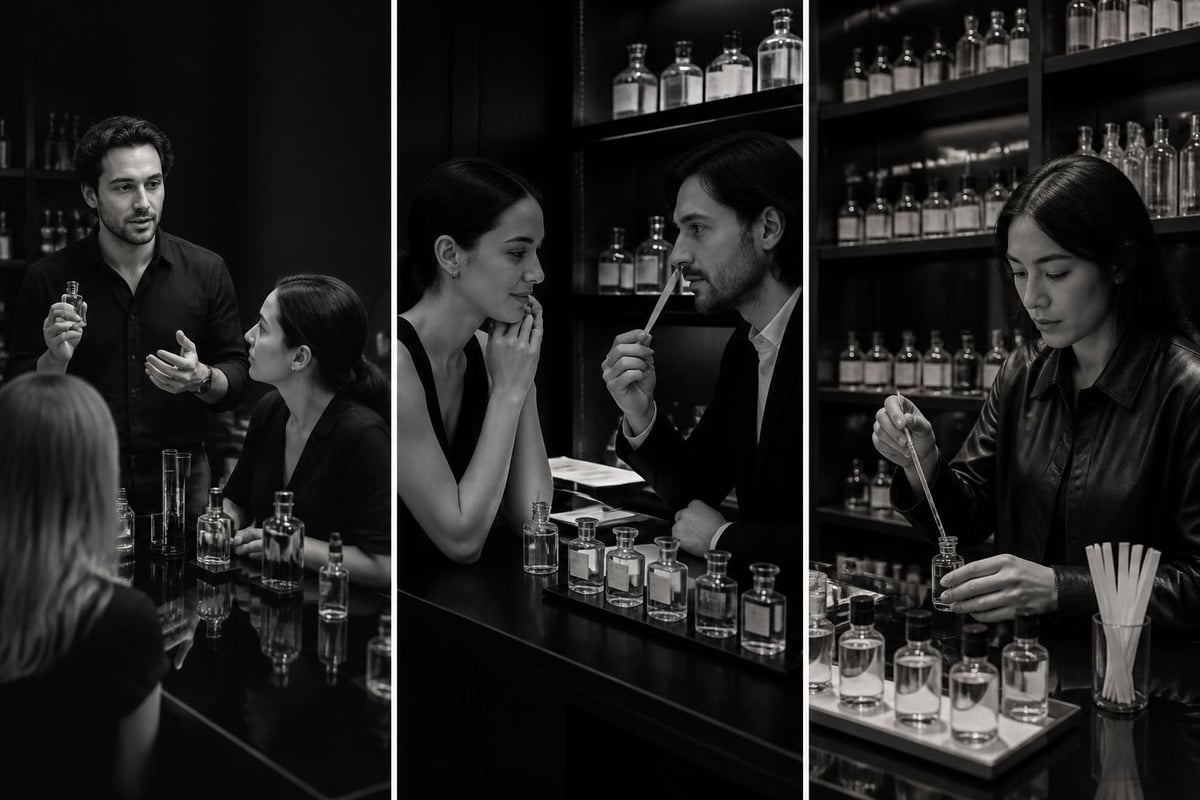
Geographic concentration matters when choosing where to create your fragrance. Manhattan neighborhoods each offer distinct advantages. NoMad provides a quieter, more intimate setting for scent exploration, while areas like Nolita attract those seeking a social, experiential approach to perfume making.
What Types of Custom Perfume Experiences Are Available?
Custom perfume experiences in NYC fall into three primary categories: guided blending sessions, made-to-order formulations, and intensive perfume-making classes. Each serves different needs, from quick personalization to deep craft education.
Guided blending sessions typically last one to two hours. Participants work with a curated selection of pre-diluted essences, combining them under expert guidance to create a wearable formula. These experiences focus on discovery and immediate gratification rather than technical skill development.
Made-to-order formulations represent a more consultative approach. Clients describe their ideal scent profile, reference fragrances they admire, and share how they want the perfume to make them feel. The perfumer then creates a custom formula, often requiring several days or weeks for development and refinement.
Intensive classes span multiple sessions, teaching extraction methods, dilution ratios, safety protocols, and composition theory. Students leave with both finished perfumes and the knowledge to continue creating at home.
| Experience Type | Duration | Price Range | Best For |
|---|---|---|---|
| Guided Blending | 1-2 hours | $75-$200 | First-time creators, gift experiences |
| Made-to-Order | Consultation + production time | $150-$500 | Signature scent seekers, special occasions |
| Intensive Workshop | 4-12 hours (multiple sessions) | $300-$800 | Serious hobbyists, aspiring perfumers |
The made-to-order custom fragrance experience offered by Haus of Smell exemplifies the middle category, allowing clients to select from botanical New York scents crafted entirely from plant and resin extracts without alcohol or synthetic compounds.
How Much Does It Cost to Design Your Own Perfume NYC?
Designing your own perfume NYC typically costs between $75 and $500 depending on the experience format, ingredient quality, and bottle size. Single-session workshops average $150 to $200, while fully bespoke formulations created by master perfumers can exceed $400 for premium botanical materials.
Price variations reflect several factors beyond simple ingredient costs. Studio location influences overhead, with prime Manhattan real estate commanding higher prices. The perfumer's experience and reputation also affect pricing, as does the level of personalization offered.
Material quality represents the most significant cost driver. Synthetic fragrance compounds cost pennies per ounce, while authentic botanical absolutes can exceed $200 per milliliter. Studios committed to natural, sustainable sourcing necessarily charge more than those using primarily synthetic bases.
What Should You Expect from the Creation Process?
The creation process when you design your own perfume NYC begins with olfactory education, progresses through scent selection, and concludes with formula documentation. Professional studios guide clients through each phase systematically, ensuring both an enjoyable experience and a wearable result.
Initial consultations establish baseline preferences. Perfumers ask about favorite flowers, memories associated with certain smells, seasons you prefer, and contexts where you'll wear the fragrance. This conversation shapes the creative direction and narrows the vast universe of possible ingredients.
The typical custom perfume session includes:
- Olfactory introduction to fragrance families and structure
- Testing of individual essences to identify preferences
- Guided blending in small test quantities
- Adjustment and refinement based on initial trials
- Final formula production and bottling
- Documentation of your unique recipe for future reproduction
Many creators discover that their initial scent vision differs significantly from what they ultimately love. This evolution forms part of the experience's value. The journey from abstract idea to physical formula teaches participants about their own preferences and how scent interacts with individual skin chemistry.
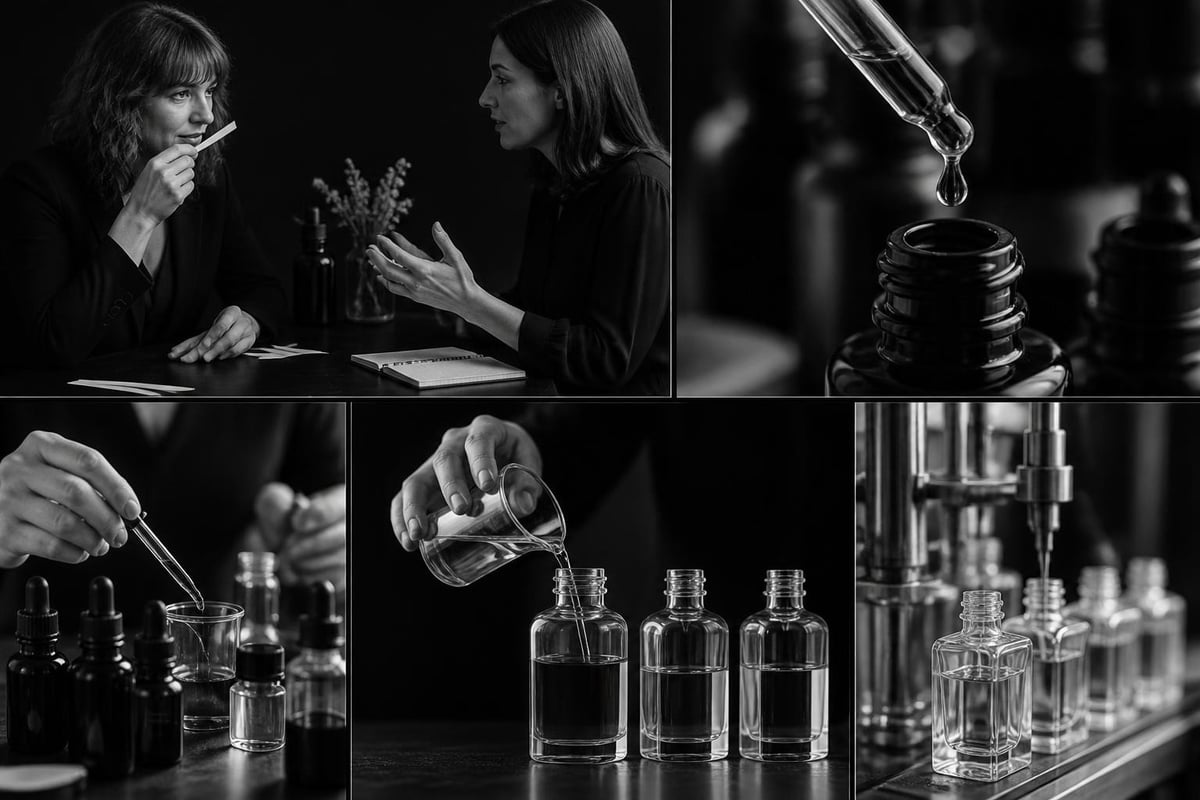
Professional perfumers typically document formulas using both common names and proportional ratios. This documentation allows for exact reproduction, whether you're reordering from the same studio or attempting to recreate the formula independently. Some studios provide detailed recipes, while others retain formulas as proprietary information while offering unlimited reorder options.
Why Choose Botanical Ingredients for Custom Fragrance?
Botanical ingredients offer superior skin compatibility, complex scent evolution, and environmental sustainability compared to synthetic alternatives when you design your own perfume NYC. Plant-based essences interact naturally with skin chemistry, creating fragrances that develop uniquely on each wearer rather than smelling identical on everyone.
The chemistry of botanical perfumery differs fundamentally from synthetic fragrance creation. Natural fragrance compounds contain hundreds of individual molecules that work synergistically, creating depth and complexity impossible to achieve with isolated aroma chemicals. This molecular diversity produces fragrances that shift and evolve throughout the day.
Environmental considerations increasingly influence material choices. Botanical extraction, when done responsibly, supports agricultural communities and biodiversity. Many plant materials used in natural perfumery come from crops that provide economic alternatives to deforestation or monoculture farming.
However, botanical perfumery also presents challenges. Natural materials vary between harvests, requiring perfumers to adjust formulas seasonally. Certain beloved scent profiles prove difficult or impossible to achieve using only plant extracts. Transparency about these limitations distinguishes ethical botanical perfumers from those making misleading natural claims.
How Do Safety Standards Apply to Custom Perfumes?
Safety standards for custom perfumes in NYC follow IFRA guidelines regarding maximum usage levels for individual fragrance materials. Reputable studios maintain comprehensive safety data for every ingredient, calculate dilution ratios carefully, and provide proper labeling for all custom creations.
The Handcrafted Soap & Cosmetic Guild offers practical resources on implementing these standards in small-batch production. Professional custom perfume studios reference these protocols when formulating client fragrances, ensuring that enthusiasm for creativity never compromises safety.
Beyond ingredient restrictions, proper dilution matters enormously. Undiluted essential oils and absolutes can cause skin sensitization or irritation. Professional perfumers use carrier oils, alcohol, or other appropriate bases to bring concentrated extracts to safe, wearable levels.
Key safety considerations include:
- Maximum usage levels for known sensitizers
- Proper dilution ratios for skin application
- Allergen disclosure on product labels
- Storage recommendations to maintain stability
- Shelf life expectations for natural materials
New York State has recently proposed legislation requiring enhanced ingredient disclosure for consumer products. While these regulations primarily target commercial manufacturers, they reflect growing consumer expectations for transparency that custom perfume studios increasingly embrace voluntarily.
What Makes NYC Custom Perfume Experiences Unique?
NYC custom perfume experiences uniquely incorporate the city's cultural diversity, botanical heritage, and artistic innovation into fragrance creation. Manhattan studios draw inspiration from neighborhood histories, seasonal changes in city parks, and the multicultural communities that define New York's olfactory landscape.
The city's fragrance scene reflects its broader creative ecosystem. Many custom perfumers collaborate with local artists, fashion designers, and wellness practitioners, creating interdisciplinary experiences that extend beyond scent alone. This cross-pollination enriches the custom perfume process with unexpected perspectives.
Geographic specificity appears in how New York perfumers conceptualize scent. Where European perfumery often emphasizes classical compositions and established fragrance houses, NYC creators embrace experimentation and individual expression. This philosophical difference manifests in studios' willingness to pursue unconventional combinations and challenge traditional fragrance hierarchies.
Can You Create Alcohol-Free Custom Perfumes?
You can absolutely create alcohol-free custom perfumes in NYC through oil-based formulations that offer longer-lasting scent with gentler skin impact. Botanical perfume studios specializing in natural materials typically offer oil-based options alongside traditional alcohol perfumes, each providing distinct wearing experiences.
Oil-based perfumes sit closer to skin, creating intimate scent experiences rather than projecting widely. They require different application methods, typically targeting pulse points and warm areas where body heat helps diffuse the fragrance. Many wearers prefer this subtlety, especially in professional or close-contact settings.
The absence of alcohol also eliminates the sharp initial blast common in conventional perfumes. Oil-based botanical fragrances reveal their character gradually, with full development occurring over fifteen to thirty minutes. This slower evolution allows wearers to experience how individual components emerge and interact.
| Perfume Base | Projection | Longevity | Skin Impact | Best For |
|---|---|---|---|---|
| Alcohol | High (3-5 feet) | 4-6 hours | Can be drying | Social events, making a statement |
| Oil | Low (intimate) | 6-10 hours | Moisturizing | Daily wear, professional settings |
| Hybrid | Medium | 5-8 hours | Balanced | Versatile everyday use |
Understanding these differences helps when you design your own perfume NYC. Discussing wearing context with your perfumer ensures the base matches your lifestyle and preferences rather than defaulting to industry conventions.
How Long Does a Custom Perfume Last?
A properly formulated custom perfume lasts six to twelve months when stored correctly away from heat and light. Botanical perfumes using natural ingredients typically show optimal scent quality for eight to ten months, after which subtle shifts in character may occur as volatile compounds continue to evolve.
Longevity depends heavily on base selection and storage practices. Alcohol-based perfumes remain stable longer than oil-based formulations, though high-quality carrier oils with natural antioxidants extend shelf life significantly. Amber glass bottles protect light-sensitive botanicals better than clear containers.
Professional studios provide storage guidance specific to each custom formula. General best practices include keeping perfumes away from bathroom humidity, avoiding direct sunlight, and maintaining consistent cool temperatures. Refrigeration extends longevity but isn't necessary for most well-formulated botanical perfumes.
What Should You Know Before Your First Custom Perfume Session?
Before your first session to design your own perfume NYC, arrive with an open mind about scent preferences, avoid wearing fragrance that day, and prepare to describe memories or emotions rather than specific ingredient names. The most successful custom perfume experiences begin with sensory exploration rather than predetermined formulas.
Many first-time creators overestimate their fragrance vocabulary. You don't need to know the difference between various botanical families or speak fluently about fragrance pyramids. Professional perfumers translate everyday language into technical formulation, so describing how you want to feel or what you want the scent to evoke works better than attempting technical precision.
Preparation tips for your custom perfume appointment:
- Skip fragrance, scented lotions, and heavily perfumed detergent that day
- Avoid scheduling immediately after meals with strong flavors
- Bring a list of perfumes you've loved or disliked in the past
- Consider contexts where you'll wear the custom scent
- Allow extra time beyond the scheduled session for formula settling
The science of fragrance creation reveals how complex even simple-seeming formulas can be. Modern perfumers balance hundreds of variables when creating custom scents, from molecular volatility to skin pH interactions. This complexity means your first custom perfume might differ from initial expectations, but the collaborative process with an experienced perfumer typically yields results that exceed what you could articulate alone.
Where Do Custom Perfume Ingredients Come From?
Custom perfume ingredients in NYC botanical studios originate from sustainable farms, ethical wildcrafters, and certified organic distilleries worldwide. Reputable perfumers source directly from producers when possible, maintaining relationships that ensure quality, fair compensation, and environmental responsibility throughout the supply chain.
Geographic origin profoundly influences botanical material character. Climate, soil composition, harvest timing, and extraction method all affect the final essence. Perfumers working with natural materials often maintain detailed provenance records, knowing not just which plant produced an essence but which region, which harvest season, and which distillation technique was employed.
Transparency in sourcing separates ethical botanical perfumers from those making superficial natural claims. Studios committed to genuine botanical work can discuss specific suppliers, show testing documentation, and explain seasonal availability variations. This openness reflects both product integrity and respect for the agricultural systems supporting natural perfumery.
How Do You Choose Between Different Custom Perfume Studios?
Choosing where to design your own perfume NYC requires evaluating ingredient philosophy, perfumer expertise, creative process, and alignment with your personal values. Visit studios in person when possible, ask detailed questions about materials and methods, and assess whether the environment feels conducive to creative exploration.
Ingredient transparency should top your evaluation criteria. Studios should readily provide complete ingredient lists, discuss sourcing practices, and explain their position on natural versus synthetic materials. Evasiveness about components suggests either lack of knowledge or deliberate concealment.
The perfumer's background and training matter significantly. While formal perfumery education isn't the only path to expertise, some combination of structured learning, apprenticeship, or extensive self-directed study should be evident. Ask about their training, how long they've practiced, and what drew them to botanical or custom perfumery specifically.
Questions to ask potential custom perfume studios:
- What percentage of ingredients are botanical versus synthetic?
- Can you provide complete ingredient disclosure for custom formulas?
- How do you ensure compliance with safety standards?
- Will I receive my formula recipe for future reproduction?
- What happens if I'm not satisfied with the initial creation?
- How long have you been creating custom perfumes professionally?
Process flexibility indicates client-centered service. The best custom perfume experiences balance expert guidance with creative freedom, neither dictating every choice nor leaving clients overwhelmed by options. Studios should adapt their approach to your experience level and comfort with scent vocabulary.
What Happens After You Create Your Custom Perfume?
After creating your custom perfume in NYC, professional studios provide formula documentation, reorder information, and wearing guidance specific to your unique composition. Many offer adjustment services if the scent develops differently on your skin than anticipated during the blending session.
The relationship between perfumer and client often extends beyond the initial creation. As you wear your custom fragrance daily, you may notice aspects that could be refined. Reputable studios welcome this feedback and typically offer complimentary minor adjustments within a specified timeframe after creation.
Reordering processes vary significantly between studios. Some maintain perpetual formula records, guaranteeing exact reproduction years later. Others provide clients with complete recipes, empowering independent recreation. Understanding these policies before your session prevents disappointment when your beloved custom scent eventually runs low.
How Can You Extend Your Custom Perfume's Lifespan?
You can extend your custom perfume's lifespan by storing it in cool, dark locations, minimizing air exposure, and decanting larger bottles into smaller containers as you use them. These practices slow oxidation and preserve volatile botanical compounds that give natural perfumes their distinctive character.
Temperature stability matters more than absolute temperature. Fluctuations cause expansion and contraction that introduces air into the bottle and accelerates degradation. A consistent cool environment like a bedroom drawer works better than a bathroom cabinet that experiences daily temperature swings.
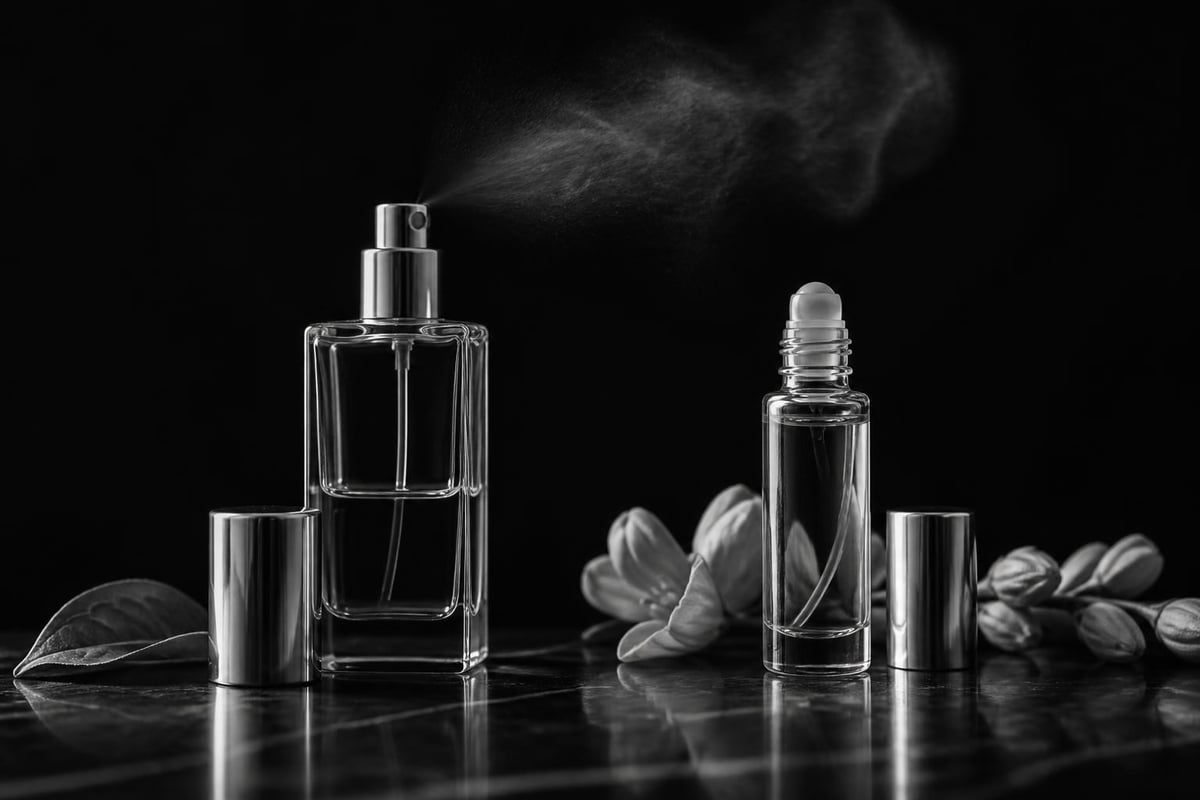
Application method also affects how long a bottle lasts. Spray atomizers introduce air with each use, while rollerball applicators minimize oxidation exposure. For precious custom botanical perfumes, rollerballs or dauber applicators extend both shelf life and usage efficiency.
Storage best practices for botanical perfumes:
- Keep bottles upright to minimize liquid contact with closures
- Store away from windows and heat sources
- Use dark glass bottles that block UV light
- Consider refrigeration for long-term storage
- Decant into smaller bottles as you use the perfume
The natural evolution of botanical perfumes differs from synthetic fragrance degradation. Where synthetic perfumes typically lose projection and become flatter over time, botanical compositions may actually deepen and mellow, with sharp top notes softening into more integrated whole. Some wearers prefer aged botanical perfumes to fresh batches.
What Role Does Personal Style Play in Custom Perfume?
Personal style fundamentally shapes successful custom perfume creation, influencing ingredient selection, concentration levels, and wearing contexts. The most satisfying results occur when fragrance aligns authentically with how you dress, carry yourself, and want to be perceived by others.
Fashion-forward New Yorkers increasingly view fragrance as an extension of wardrobe rather than a separate consideration. Custom perfume studios report clients requesting scents that complement specific clothing aesthetics, from minimalist neutrals to bold maximalist expressions. This integration reflects sophisticated understanding of personal branding.
Lifestyle factors deserve equal consideration. A custom perfume perfect for evening social events may feel overwhelming during focused work hours. Many custom perfume enthusiasts eventually create small wardrobes of personal scents, each suited to different contexts and moods.
The expert guidance offered by fragrance specialists emphasizes this contextual thinking. Rather than seeking one perfect signature scent, contemporary perfume culture embraces multiplicity and situational appropriateness. Custom perfume creation in NYC increasingly reflects this sophisticated, wardrobe-based approach.
How Do Seasonal Changes Affect Custom Perfume?
Seasonal changes in NYC significantly affect how custom perfumes develop on skin and project in different environments. Heat amplifies fragrance intensity while cold weather requires stronger application for equivalent projection, making seasonal awareness essential when you design your own perfume NYC.
Summer humidity carries scent molecules more effectively than dry winter air, meaning the same perfume performs differently across seasons. Many custom perfume enthusiasts request lighter, fresher compositions for warm months and deeper, richer formulas for cold weather wearing.
Botanical perfumes show particularly pronounced seasonal variation. Natural materials contain temperature-sensitive compounds that behave differently in July heat versus January cold. This variability represents both challenge and opportunity, as seasonal wearing reveals different facets of complex botanical formulas.
Can You Layer Custom Perfumes with Other Products?
You can layer custom perfumes with unscented or complementary scented products to enhance longevity and create more complex fragrance experiences. Professional perfumers often recommend starting with unscented moisturizers or body oils as a base, then applying custom perfume to well-hydrated skin for improved retention.
Layering extends beyond simple longevity enhancement. Combining custom perfume with specific candles, room sprays, or personal care products creates immersive scent environments. This approach, sometimes called scent wardrobing, allows for sophisticated olfactory experiences that shift throughout spaces and activities.
The key to successful layering lies in complementary rather than competing scents. When combining products, ensure they either share fragrance families or create intentional contrasts. Random combinations often produce muddled results rather than harmonious complexity.
If you're interested in exploring ways to create luxurious scent experiences in small NYC apartments, thoughtful layering of custom perfume with environmental scenting offers sophisticated solutions.
What Questions Should You Ask Your Perfumer?
Questions you should ask your perfumer when you design your own perfume NYC include inquiries about ingredient sourcing, formula ownership, adjustment policies, and their creative process. These conversations establish clear expectations and ensure alignment between your vision and the perfumer's approach.
Understanding formula ownership prevents future complications. Some studios consider custom formulas proprietary intellectual property, while others view them as belonging to the client who commissioned them. Clarifying this relationship upfront avoids disappointment when seeking formula reproduction elsewhere.
Essential questions for your custom perfumer:
- Where do your botanical ingredients originate?
- How do you ensure materials are ethically sourced?
- Will I own the rights to my custom formula?
- Can you recreate this exactly if I reorder in the future?
- What happens if botanical sourcing changes between orders?
- Do you offer reformulation if the scent doesn't work as expected?
- How do natural material variations affect formula consistency?
Process transparency builds trust and enhances the creative experience. Perfumers willing to explain their methodology, discuss challenges specific to botanical formulation, and share the reasoning behind ingredient recommendations create educational experiences alongside beautiful products.
How Does Custom Perfume Compare to Commercial Fragrance?
Custom perfumes offer personalization, ingredient transparency, and uniqueness impossible in commercial fragrances, though they require greater investment and may show natural variation between batches. Commercial perfumes provide consistency, accessibility, and extensively tested formulations at lower price points.
The commercial fragrance industry optimizes for mass appeal and shelf stability. Focus groups, marketing research, and chemical engineering create products designed to please broad demographics while remaining stable for years. This approach produces reliably pleasant fragrances that rarely offend but equally rarely feel deeply personal.
Custom botanical perfumery prioritizes individual expression and material integrity over universal appeal. The willingness to create scents that might only resonate with a single person represents a fundamental philosophical difference from commercial fragrance development.
| Aspect | Custom Botanical | Commercial Synthetic |
|---|---|---|
| Personalization | Complete individual customization | Limited to existing catalog |
| Ingredients | Transparent, often 100% botanical | Proprietary, primarily synthetic |
| Consistency | Natural variation between batches | Identical across all bottles |
| Price per ounce | $50-$200 | $3-$50 |
| Availability | Single source or formula-dependent | Widely distributed |
The choice between custom and commercial fragrance ultimately reflects personal values. Those prioritizing uniqueness, natural ingredients, and artisan relationships find custom creation worthwhile despite higher costs. Others value the convenience, consistency, and accessibility of commercial options.
Where Can You Learn More About Perfume Creation?
You can learn more about perfume creation through hands-on workshops, online fragrance communities, industry publications, and formal aromatherapy or perfumery certification programs. NYC offers particularly rich resources given its concentration of fragrance professionals, botanical suppliers, and creative educational institutions.
Informal education through experiences like perfume-bar workshops provides accessible entry points for curious beginners. These sessions balance entertainment with education, making perfume creation approachable without requiring significant prior knowledge.
For deeper engagement, consider exploring local activities in NoMad and Manhattan where artisan perfumers often host community events, open studio hours, and collaborative creation sessions. These grassroots opportunities support both learning and connection with the city's botanical scent community.
Resources for expanding perfume knowledge:
- Local workshops and custom perfume sessions
- Industry publications and fragrance chemistry primers
- Botanical gardens offering scent-focused programming
- Professional organizations like the Fragrance Foundation
- Online communities dedicated to natural perfumery
- Books on botanical extraction and perfume history
The journey from casual perfume wearer to informed creator enhances appreciation for fragrance in all its forms. Understanding what goes into custom creation deepens enjoyment even when wearing commercial fragrances, revealing the artistry and technical skill required to make scent wearable.
FAQ
How long does it take to design your own perfume NYC?
Designing your own perfume NYC typically takes one to three hours for a single blending session, though made-to-order formulations may require additional development time. Most studios schedule appointments allowing two hours for consultation, blending, and formula documentation. Complex custom creations involving multiple revision rounds can extend across several weeks.
Can beginners successfully create custom perfumes without experience?
Beginners can absolutely create successful custom perfumes without prior experience when working with professional perfumers who guide the process. Studios specializing in custom creation provide structured frameworks that make ingredient selection approachable while ensuring safe, wearable results. The collaborative nature of professional custom perfume sessions accommodates all experience levels.
Do custom botanical perfumes smell different from synthetic fragrances?
Custom botanical perfumes smell distinctly different from synthetic fragrances due to molecular complexity and natural variation in plant materials. Botanical scents typically develop more gradually on skin, showing subtle evolution throughout wearing rather than maintaining static character. They often feel softer and more intimate compared to the pronounced projection common in synthetic compositions.
How do you know if a custom perfume studio uses quality ingredients?
You know a custom perfume studio uses quality ingredients when they provide complete disclosure, discuss specific sourcing relationships, and show testing documentation for botanical materials. Reputable studios welcome detailed questions about origin, extraction methods, and quality verification. Transparency about ingredient costs and seasonal availability variations indicates genuine commitment to material quality.
What happens if you don't like your finished custom perfume?
If you don't like your finished custom perfume, professional studios typically offer complimentary adjustments within a specified timeframe after creation. Most provide opportunities to modify the formula during initial blending, and many schedule follow-up consultations after you've worn the scent for several days. Clear communication during creation minimizes dissatisfaction with final results.
Can you create custom perfumes as gifts for others?
You can create custom perfumes as gifts, though the most successful gift fragrances involve the recipient in the creation process. Some studios offer gift certificates for custom perfume experiences rather than attempting to create scents for others without their input. When creating surprise gift fragrances, provide detailed information about the recipient's preferences to guide the perfumer.
Creating a signature scent in Manhattan offers an intimate creative experience that connects you with botanical materials, artisan craftsmanship, and your own olfactory preferences. Whether you choose a guided workshop, consultative session, or made-to-order formula, the result becomes a personal expression impossible to find in commercial fragrances. If you're ready to explore custom botanical perfumery rooted in natural ingredients and New York craftsmanship, Haus of Smell creates vegan, alcohol-free perfumes handmade in NoMad using only plant and resin extracts.