
Custom perfume making NYC offers the opportunity to create a signature scent through hands-on workshops, consultations with expert perfumers, or made-to-order services. You can build a botanical fragrance tailored to your preferences at studios throughout Manhattan, where natural ingredients replace synthetic compounds and each blend becomes a personal olfactory statement rather than a mass-market product.
The desire for personalization has transformed how New Yorkers approach fragrance. Instead of choosing from preset options at department stores, more people seek custom perfume making NYC experiences that put them in control of the formula. This shift reflects broader consumer demand for products that tell individual stories. According to NewBeauty's coverage of the bespoke perfume trend, custom fragrance services have grown significantly in major cities as people look for alternatives to designer scents. Manhattan's boutique studios now offer everything from guided workshops to fully personalized consultations where a perfumer translates your memories and preferences into wearable art.
What Is Custom Perfume Making and How Does It Work?
Custom perfume making is the process of creating a personalized fragrance formula based on individual preferences, memories, or aesthetic goals. Unlike purchasing a ready-made perfume, custom creation involves selecting specific ingredients, determining concentration levels, and working with a perfumer or following a structured process to build a unique scent profile.
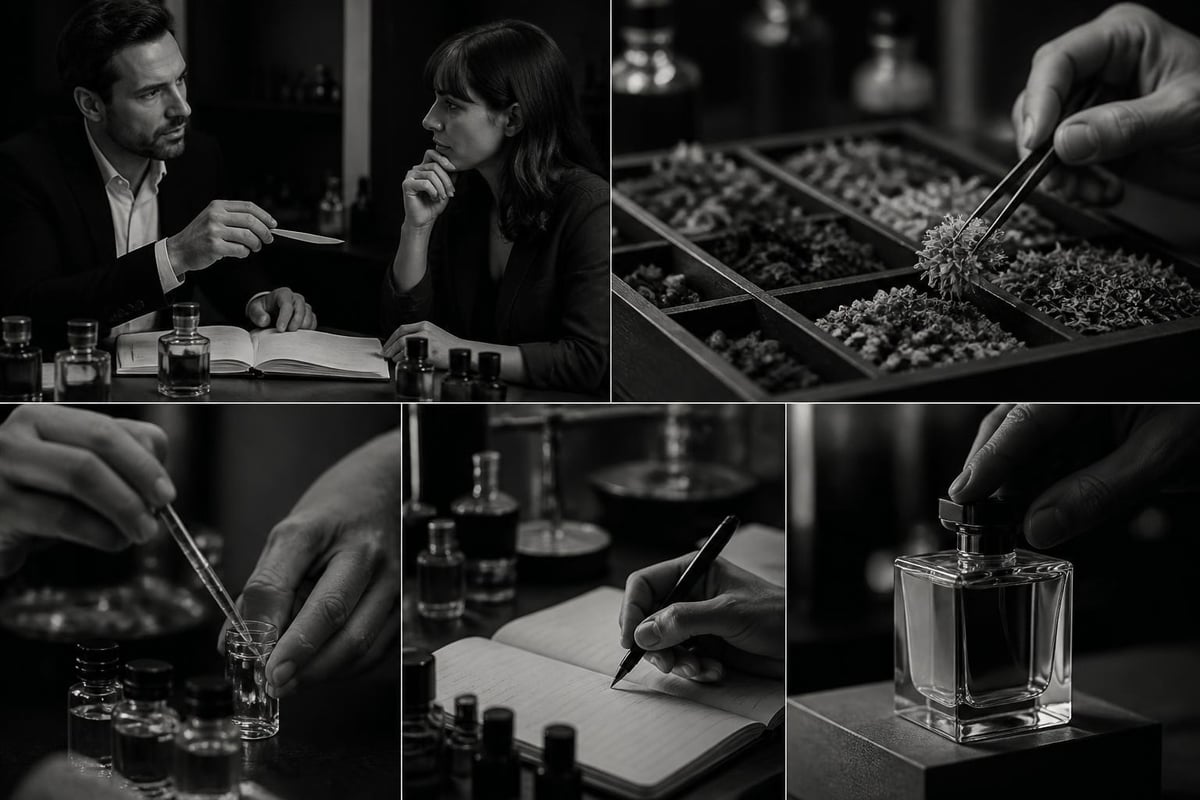
The typical custom perfume making NYC experience begins with a consultation or orientation. You'll discuss your scent preferences, the occasions when you'll wear the fragrance, and any memories or emotions you want the perfume to evoke. Some studios use scent wheels or sample libraries to help you identify ingredient families you're drawn to. Others start with broader questions about your lifestyle and aesthetic.
Once preferences are established, the blending phase begins. In workshop formats, you'll work with pre-measured concentrates and a guidance framework. In bespoke consultation models, a trained perfumer interprets your input and creates trial formulas for you to evaluate. The iterative process continues until the scent matches your vision.
Key elements of the custom perfume process:
- Initial consultation to understand preferences and goals
- Ingredient selection from available botanical or synthetic libraries
- Formula development through guided blending or expert creation
- Testing and iteration to refine the composition
- Final production in your chosen vessel and concentration
Documentation matters in custom work. Reputable studios record your formula so it can be replicated for future orders. This transforms a single experience into a long-term relationship with a signature scent.
Where Can You Make Custom Perfume in NYC?
Custom perfume making NYC services are concentrated in Manhattan, with studios in NoMad, SoHo, the West Village, and Midtown offering both scheduled workshops and private consultations. The landscape ranges from large-scale experience centers to intimate boutique ateliers where perfumers work directly with individual clients.
Time Out New York's guide to NYC perfume experiences highlights several notable options. Some venues focus on synthetic fragrance libraries with hundreds of aroma chemicals, while others specialize in botanical-only formulations. The choice between these approaches shapes not just the scent but the philosophy behind your custom creation.
Botanical-focused studios emphasize plant and resin extracts. These workshops typically offer smaller ingredient libraries but higher concentrations of natural materials. The resulting perfumes tend to be oil-based rather than alcohol-based, which affects wear time and projection. Manhattan ateliers working exclusively with natural ingredients often provide made-to-order services where you select from preset compositions that can be adjusted for intensity and balance.
For those seeking unique activities in NoMad and surrounding Manhattan neighborhoods, custom perfume making represents both a creative outlet and a practical skill. You leave with product, knowledge, and a deeper understanding of how fragrance construction works.
| Studio Type | Typical Price Range | Session Duration | Ingredient Focus |
|---|---|---|---|
| Group Workshop | $85-$150 | 1.5-2 hours | Synthetic or mixed |
| Private Consultation | $200-$500 | 2-3 hours | Varies by studio |
| Made-to-Order Service | $75-$250 | Pickup appointment | Botanical or synthetic |
| Master Class Series | $400-$800 | Multiple sessions | Comprehensive training |
How Much Does Custom Perfume Making Cost in New York City?
Custom perfume making NYC pricing typically ranges from seventy-five dollars for simple made-to-order selections to over five hundred dollars for private bespoke consultations with master perfumers. The cost reflects ingredient quality, time with the perfumer, the complexity of the formula, and the amount of finished product you receive.
Workshop-style experiences fall in the middle range. These group sessions usually cost between eighty-five and one hundred fifty dollars and include enough finished perfume to fill a small rollerball or spray bottle. You're paying for guided instruction, access to the ingredient library, and the materials needed to create and bottle your scent. Some workshops include additional products like scent journals or sample vials of your creation.
Private consultations command higher prices because they offer undivided attention from an experienced perfumer. These sessions allow for more complex formulas, deeper exploration of scent families, and multiple iterations. The perfumer becomes a translator between your abstract ideas and concrete aromatic reality. This personalized approach justifies the premium pricing for serious fragrance enthusiasts.
Made-to-order services offer a middle path. Instead of building from scratch in real time, you select from a curated menu of compositions that can be customized for vessel size and concentration. This approach reduces the time requirement while still delivering a personalized product. Studios offering this model can keep prices more accessible while maintaining quality and customization options. Build-your-own botanical perfume services exemplify this approach, letting customers choose from extensive scent libraries without the full workshop time commitment.
Additional costs to consider include specialty vessels, larger batch sizes, and formula documentation for future reorders. Some studios charge separately for ornate bottles or premium packaging. Others include these elements in the base price. Always clarify what's included before booking.
What Makes Botanical Custom Perfumes Different From Synthetic Options?
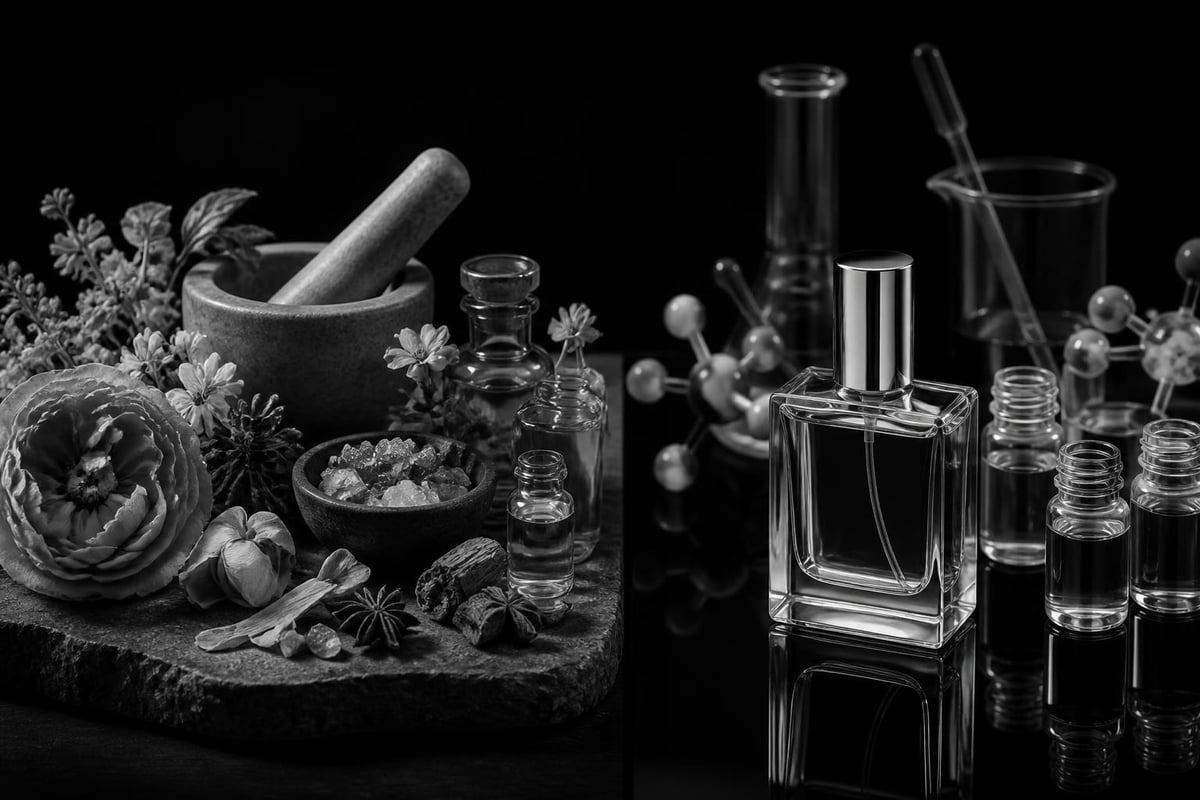
Botanical custom perfumes use exclusively plant and resin extracts rather than laboratory-created aroma chemicals, resulting in scents that evolve differently on skin and carry the complexity of natural source materials. Synthetic custom perfumes offer broader creative possibilities and more stable formulas but lack the living quality that natural ingredients provide.
The technical distinction centers on ingredient sourcing. Botanical perfumes draw from essential oils, absolutes, concretes, tinctures, and CO2 extracts harvested from flowers, woods, resins, roots, and other plant materials. Each natural extract contains hundreds of aromatic molecules that work together to create the overall scent impression. This complexity means botanical perfumes tend to shift more noticeably over time as different molecular components evaporate at varying rates.
Synthetic formulations use aroma chemicals manufactured in laboratories. These isolated molecules provide precision and consistency. A synthetic custom perfume can recreate scents that don't exist in nature or achieve specific effects impossible with natural ingredients alone. The palette available to perfumers working with synthetics vastly exceeds what botanicals can offer.
Botanical perfume characteristics:
- Ingredients derived entirely from plants and resins
- Complex, evolving scent profiles with natural variation
- Often oil-based rather than alcohol-based
- Limited but distinctive ingredient palette
- Batch-to-batch variation based on harvest quality
Synthetic perfume characteristics:
- Ingredients created through chemical synthesis
- Precise, reproducible scent profiles
- Typically alcohol-based with strong projection
- Unlimited creative palette including novel molecules
- Perfect consistency across all batches
The choice between botanical and synthetic affects more than aesthetics. Natural ingredients raise regulatory considerations covered by IFRA Standards, which set maximum use levels for potentially sensitizing materials found in some essential oils. Synthetic molecules face similar scrutiny, and the EPA's Safer Choice criteria help evaluate fragrance chemicals used in consumer products.
For custom perfume making NYC experiences, the botanical versus synthetic decision shapes which studios you'll consider. Some specialize exclusively in one approach while others offer both paths.
What Should You Expect During a Custom Perfume Workshop?
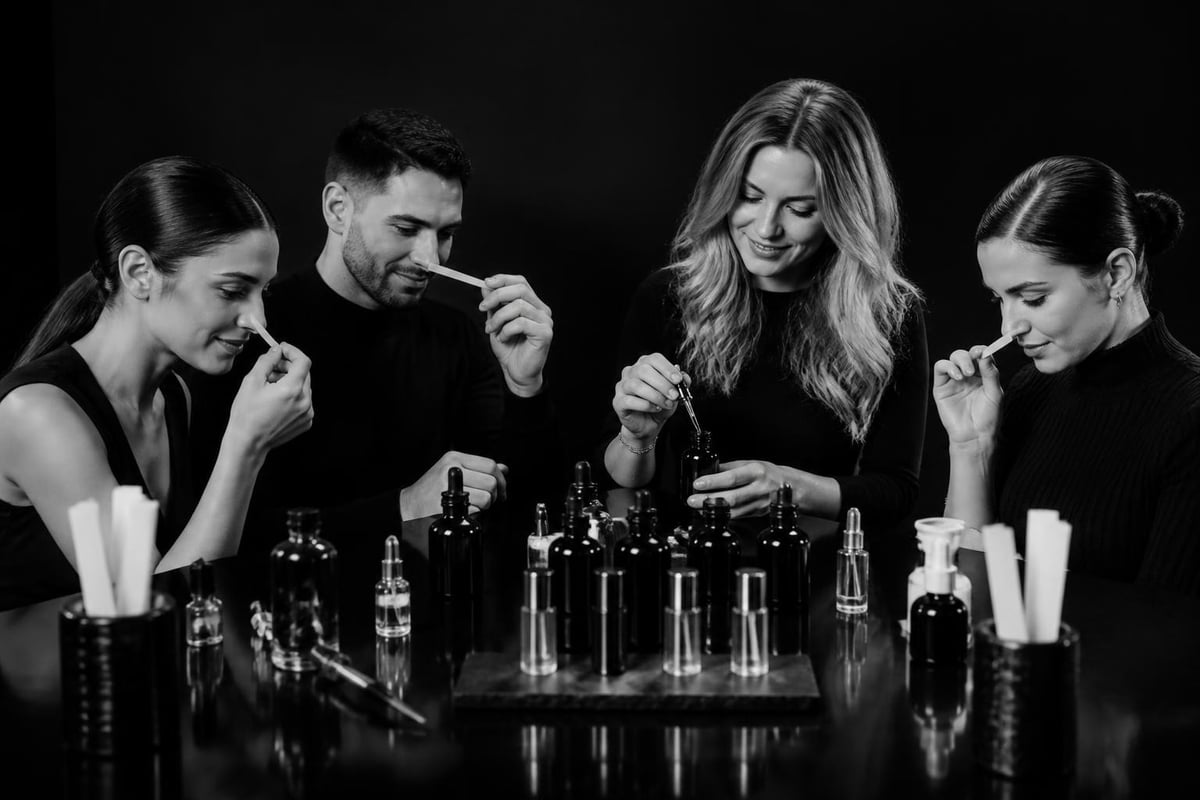
A custom perfume workshop typically lasts ninety minutes to two hours and includes scent education, guided ingredient exploration, hands-on blending with measuring tools, and bottling your finished creation to take home. You'll work individually or in small groups with instruction from a facilitator who provides structure while allowing creative freedom.
Most workshops begin with foundational education about fragrance construction. The facilitator explains how perfumes are structured, often using the traditional top-middle-base framework. You'll learn how different ingredients evaporate at different rates and how this temporal progression creates the overall scent experience. Some instructors use scent wheels or classification systems to help you understand ingredient families.
The exploration phase follows. You'll smell various ingredients available in the workshop library, usually presented on scent strips. This sampling helps you identify preferences and begin imagining combinations. Facilitators often encourage note-taking and provide worksheets to track which ingredients appeal to you. The goal is building a mental map of the available palette before you begin blending.
Blending happens with measured precision. You'll receive a base carrier (oil or alcohol depending on the studio), measuring tools, and access to concentrated ingredients. Most workshops provide formulas or ratios to guide proportions, but you'll make decisions about which ingredients to include and in what amounts. The facilitator circulates to offer advice, prevent common mistakes, and help troubleshoot formulas that aren't working.
Typical workshop timeline:
- Introduction and fragrance education (15-20 minutes)
- Ingredient exploration and selection (20-30 minutes)
- Formula planning and preparation (10-15 minutes)
- Hands-on blending and adjustment (30-40 minutes)
- Bottling and documentation (10-15 minutes)
The final stage involves bottling your creation, labeling it, and recording the formula. Reputable workshops document your blend so you can reference it later or request a reproduction. You'll leave with finished product, knowledge about how it was made, and typically some guidance about how the scent will mature over the following days and weeks.
How Do You Choose the Right Custom Perfume Studio?
Choosing a custom perfume making NYC studio requires evaluating ingredient quality, the expertise of instructors, the format that matches your goals, location convenience, and whether the studio's aesthetic philosophy aligns with your preferences. Research reviews, examine ingredient lists when available, and consider whether you want educational depth or primarily a creative experience.
Ingredient quality separates exceptional studios from mediocre ones. Studios working with high-grade natural ingredients or premium aroma chemicals will produce noticeably superior results. Ask about sourcing practices and whether ingredients meet industry safety standards. The Chemical & Engineering News feature on natural versus synthetic choices provides context for understanding these decisions and how reputable perfumers balance quality with safety.
Instructor expertise matters significantly. Look for workshops led by trained perfumers or experienced fragrance professionals rather than general craft instructors. The depth of knowledge they bring transforms the experience from simple mixing into genuine education. Studios that emphasize teaching rather than just facilitating tend to deliver more lasting value.
Format consideration centers on your goals. Do you want social interaction in a group setting or focused attention in a private session. Group workshops cost less and offer energy from other participants. Private consultations provide deeper customization and the perfumer's complete focus. Made-to-order services skip the workshop format entirely while still delivering personalized results.
Location matters for custom perfume making NYC experiences because you'll likely visit in person. Studios in easily accessible Manhattan neighborhoods make the experience more convenient. Some offer pickup options for made-to-order services, which can be more practical than dedicating several hours to a workshop.
The studio's aesthetic philosophy should match your preferences. If you prioritize natural ingredients and botanical purity, seek out studios that specialize in plant-based formulations. If you want maximum creative freedom and the broadest palette, synthetic-focused studios offer more options. Some studios bridge both worlds, but most lean toward one approach.
What Safety and Quality Standards Apply to Custom Perfume?
Custom perfume making must comply with safety regulations including IFRA Standards that limit potentially sensitizing ingredients, general cosmetic safety requirements, and facility standards for manufacturing environments where fragrances are produced and bottled. Even small-batch custom operations need to follow these protocols to protect consumer health.
The International Fragrance Association publishes standards that set maximum use levels for ingredients known to cause skin sensitization or other adverse effects. These restrictions apply to both natural and synthetic materials. Custom perfume makers must formulate within these limits even when creating one-off blends. Studios that ignore IFRA Standards put clients at risk of allergic reactions or skin irritation.
For facilities producing custom fragrances, workplace safety becomes relevant. The FEMA guidance on respiratory health in fragrance manufacturing addresses ventilation requirements and handling protocols for concentrated aromatic materials. While written for larger operations, the principles apply to smaller studios where staff and workshop participants work with potent extracts and aroma chemicals.
Essential safety considerations:
- Ingredient concentration limits per IFRA Standards
- Proper ventilation in blending areas
- Clean bottling and labeling practices
- Allergen disclosure when applicable
- Patch testing recommendations for sensitive individuals
Quality control in custom perfume making NYC settings varies by studio size and formality. Established ateliers maintain ingredient inventories with traceability, use calibrated measuring tools, and follow consistent blending protocols. Workshop environments may be less formal but should still demonstrate cleanliness and proper ingredient handling.
Consumer transparency helps you evaluate safety. Studios should willingly discuss ingredient sourcing and safety practices. If a studio seems evasive about what goes into the perfumes or how they ensure product safety, consider it a warning sign. Reputable operations view safety as foundational rather than optional.
Can You Create Custom Perfume as a Gift or Special Occasion Experience?
Custom perfume making serves as a memorable gift experience or special occasion activity, with many NYC studios offering group bookings, private events, and gift certificates for workshops or made-to-order services. The combination of creativity, personalization, and tangible product makes it particularly suitable for celebrations that deserve something beyond standard presents.
Group bookings work well for occasions like bridal showers, birthday celebrations, or team-building events. Studios typically require minimum participant numbers for private group sessions but offer the advantage of exclusive space and potentially customized instruction. The shared creative experience becomes part of the celebration while each participant leaves with an individual creation.
Gift certificates provide flexibility for recipients to choose their own timing. They work particularly well for made-to-order services where the recipient selects from available compositions without the time commitment of a full workshop. This approach suits people with unpredictable schedules or those who prefer to explore fragrance options independently.
Custom perfume also serves anniversary or milestone celebrations. Creating a signature scent to commemorate an important date gives the fragrance emotional resonance beyond its aromatic qualities. The scent becomes a wearable memory that marks the occasion each time it's applied.
Consider logistics when planning custom perfume experiences as gifts. Workshop bookings often require advance scheduling, especially during popular times like holiday seasons or wedding months. Made-to-order services usually have shorter lead times but may still need several days for preparation. Factor in these timelines when coordinating surprise gifts or specific celebration dates.
How Has Custom Perfume Making Changed in Recent Years?
Custom perfume making has expanded significantly since 2020, driven by consumer demand for personalized products, increased accessibility through boutique studios and made-to-order services, and growing awareness of ingredient transparency and natural formulations. What was once a rare luxury service has become widely available across Manhattan.
The accessibility shift transformed the landscape. Where custom perfume creation previously required connections to established perfume houses or prohibitively expensive consultations, numerous studios now offer entry points at various price levels. The workshop model democratized access by spreading costs across groups and standardizing the instruction format. Made-to-order services further reduced barriers by eliminating the time commitment while preserving personalization.
Ingredient transparency became a differentiating factor. Consumers increasingly ask about sourcing, processing methods, and the natural versus synthetic composition of their perfumes. Studios that clearly communicate their ingredient philosophy and provide detailed information gain credibility. This transparency extends to understanding what perfume truly means as both a functional product and a form of personal expression.
Technology integration enhanced the custom experience without replacing the hands-on elements. Some studios use digital scent profiles or algorithmic recommendations to help clients navigate large ingredient libraries. Others maintain formula databases that allow precise replication of previous orders. These tools support rather than supplant the core creative process.
The botanical movement gained momentum as consumers sought alternatives to synthetic-heavy designer perfumes. Studios specializing in plant-based formulations positioned themselves as both craft producers and wellness-aligned businesses. The vegan and alcohol-free aspects of botanical perfumes appealed to customers with ethical or health considerations beyond simple scent preferences.
Industry resources expanded alongside consumer interest. The Fragrance Foundation's educational programs and events in New York City created infrastructure for aspiring perfumers and custom fragrance entrepreneurs. This ecosystem development meant better-trained instructors and more sophisticated workshop offerings throughout Manhattan.
What Are the Benefits of Creating Your Own Signature Scent?
Creating your own signature scent provides complete personalization that reflects individual preferences rather than mass-market trends, ensures uniqueness that won't be duplicated by others wearing the same department store fragrance, and develops deeper understanding of how fragrance construction works. The process itself offers creative satisfaction beyond simply purchasing finished products.
Personalization reaches a level impossible with commercial perfumes. Your formula can incorporate specific memories, match particular aesthetic goals, or complement your natural skin chemistry in ways predetermined scents cannot. The consultation or creation process allows you to articulate preferences that might not fit standard fragrance marketing categories.
Uniqueness carries social value. When your perfume exists as a custom formula rather than a widely distributed product, you avoid the awkward experience of encountering your scent on strangers. This exclusivity appeals to people who view fragrance as an extension of personal identity rather than simply a grooming product.
Core benefits of custom signature scents:
- Formula tailored precisely to your preferences and skin chemistry
- Guaranteed uniqueness unavailable in commercial fragrances
- Educational value from understanding fragrance construction
- Documented formula that can be replicated for future orders
- Emotional connection to a scent you actively created
Educational depth transforms how you experience all fragrances. After creating custom perfume, you'll notice structural elements in commercial scents you previously overlooked. This knowledge enriches your relationship with fragrance generally, whether you continue creating custom formulas or simply become a more informed consumer.
The creative process itself provides satisfaction independent of the final product. Working with aromatic materials, making blending decisions, and seeing abstract ideas become physical reality engages multiple senses and cognitive processes. This multisensory creativity offers benefits similar to other artistic pursuits.
FAQ
What is the minimum age for custom perfume making workshops in NYC?
Most custom perfume making NYC workshops require participants to be at least sixteen years old due to the concentrated nature of fragrance ingredients and the precision required during blending. Some studios allow younger participants when accompanied by adults in private family sessions, but standard group workshops typically maintain age minimums for safety and instructional effectiveness.
How long does custom perfume last once created?
Custom perfumes typically last one to three years when stored properly in cool, dark locations away from heat and direct sunlight. Botanical oil-based formulations tend to have shorter shelf lives than alcohol-based perfumes because natural ingredients oxidize more readily. The scent may shift subtly over time as volatile compounds evaporate, but properly made custom perfumes remain wearable for extended periods.
Can you recreate a discontinued perfume through custom making?
Recreating discontinued perfumes through custom making is possible to varying degrees depending on the original formula's complexity and whether it relied on proprietary synthetic molecules. A skilled perfumer can create approximations that capture the spirit of discontinued scents, but exact duplication proves difficult when specific ingredients are unavailable. Most custom studios focus on creating new personal scents rather than attempting commercial perfume reproductions.
Do custom perfume studios offer refills or reorders?
Reputable custom perfume making NYC studios document formulas and offer reorder services so clients can obtain additional quantities of their signature scents. The reorder process typically costs less than the original creation session since it eliminates consultation time and formula development. Some studios maintain formula records indefinitely while others recommend periodic reorders to preserve documentation in active files.
What should you wear to a perfume making workshop?
Wear unscented or lightly scented clothing to perfume making workshops and avoid applying fragrance, scented lotions, or heavily perfumed hair products before attending. Strong competing scents interfere with your ability to accurately evaluate ingredients and test your blends. Most studios recommend comfortable clothing since you'll be standing or sitting at workstations for extended periods during the creative process.
Are custom botanical perfumes safe for sensitive skin?
Custom botanical perfumes can be suitable for sensitive skin when formulated with appropriate ingredients and proper dilution ratios, but natural does not automatically mean hypoallergenic. Some essential oils and plant extracts cause sensitization in susceptible individuals. Reputable studios follow IFRA guidelines for safe use levels and may recommend patch testing before full application for people with known fragrance sensitivities or reactive skin.
Custom perfume making in New York City offers pathways to signature scents that reflect personal aesthetic rather than mass-market trends, whether through hands-on workshops, bespoke consultations, or curated made-to-order services. The experience combines creative expression with practical knowledge while producing wearable art uniquely suited to individual preferences. For those seeking botanical formulations crafted entirely from plant and resin extracts, Haus of Smell creates handmade, vegan perfumes in Manhattan with made-to-order options that deliver personalized fragrance without synthetic compounds or alcohol.