
New York City offers dozens of exceptional candle retailers, from independent botanical boutiques in NoMad to specialty shops across Manhattan, Brooklyn, and beyond. A quality candle store nyc destination provides more than just products-it offers expertise in wax types, wick selection, and scent composition, along with the chance to experience fragrances before purchase. The best stores emphasize transparency about ingredients and sourcing, particularly for customers seeking natural, vegan, or sustainable options.
The city's candle landscape has evolved significantly since 2020. Customers increasingly prioritize botanical ingredients, local production, and brands that can articulate their sourcing practices. Manhattan remains the epicenter for high-end candle shopping, with neighborhoods like NoMad, SoHo, and the West Village hosting clusters of specialty retailers.
What makes a candle store in NYC worth visiting?
A worthwhile candle store nyc experience centers on three elements: product quality, sensory exploration, and knowledgeable guidance. The ability to smell candles before purchase remains irreplaceable, despite the growth of online shopping. Physical stores allow you to assess throw strength, fragrance evolution, and whether a scent complements your space.
Quality indicators to look for:
- Transparent ingredient lists on product labels
- Information about wax sourcing and wick materials
- Clear burn-time estimates and usage instructions
- Staff who can discuss fragrance composition and proper burning technique
The National Candle Association provides guidance on candle labels that helps consumers understand what to look for when evaluating products. Reputable stores stock candles that meet ASTM F2058 labeling specifications.
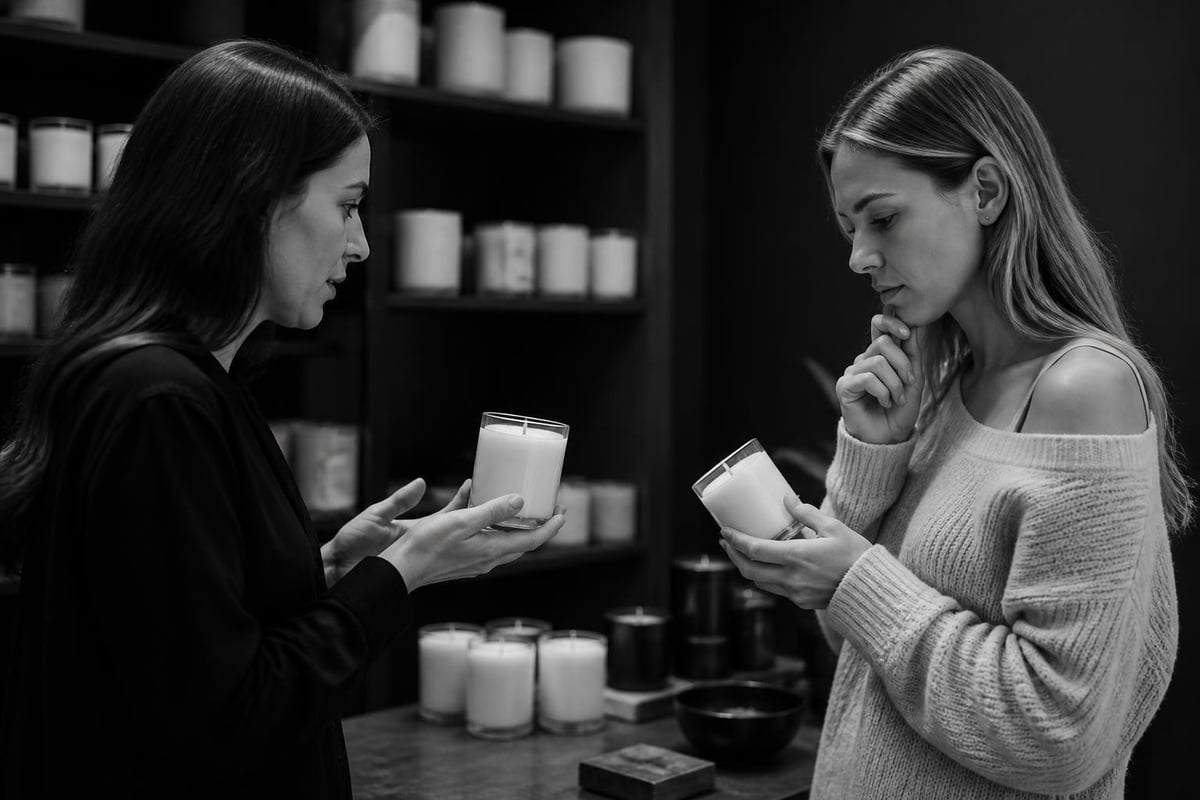
Store environment matters equally. Proper ventilation prevents sensory fatigue when sampling multiple fragrances. Well-organized displays group candles by scent family or use case rather than brand alone. The best retailers create space for conversation, offering context about materials and production methods without pressure.
Where are the best candle stores located in Manhattan?
Manhattan concentrates the highest density of specialty candle retailers, with NoMad, SoHo, and Nolita leading in boutique options. NoMad specifically has become a destination for botanical and natural fragrance seekers, with several retailers emphasizing handmade, small-batch production within walking distance of one another.
| Neighborhood | Candle Store Characteristics | Typical Price Range |
|---|---|---|
| NoMad | Botanical focus, local production, artisan | $28–65 |
| SoHo | Luxury brands, designer collaborations | $45–95 |
| West Village | Vintage aesthetics, apothecary-style | $35–75 |
| Tribeca | Minimalist design, architectural spaces | $40–85 |
The concentration of stores allows for efficient comparison shopping. A single afternoon in NoMad or SoHo can introduce you to a dozen different approaches to candle making, from traditional paraffin blends to purely botanical formulations.
Brooklyn neighborhoods like Williamsburg and Park Slope also host excellent options, often with a focus on sustainable production and community connection. These stores frequently feature local makers and may offer refill programs or container recycling.
How do botanical candle stores differ from conventional retailers?
Botanical candle stores prioritize ingredients derived from plants, resins, and essential oils rather than synthetic fragrance compounds. This approach produces candles with more subtle, complex scents that evolve as they burn. The difference becomes apparent when you compare a synthetic vanilla candle to one scented with real vanilla absolute and complementary botanicals.
Botanical store characteristics:
- Ingredient sourcing from plant materials exclusively
- Vegan formulations without animal-derived waxes or additives
- Emphasis on natural wax bases like soy, coconut, or vegetable blends
- Smaller batch sizes and handmade production
The International Fragrance Association sets standards that apply to both synthetic and natural fragrance materials, ensuring safety across all candle types. Botanical stores distinguish themselves through ingredient philosophy rather than claiming superior safety.
Natural candles often have lighter scent throw than synthetic alternatives. This reflects the physical properties of botanical extracts, which lack the molecular consistency of lab-created compounds. For customers who find conventional candles overwhelming, botanical options provide presence without domination.
Production scale differs markedly. While conventional retailers may stock mass-produced candles from large manufacturers, botanical stores often feature small-batch products made locally. Haus of Smell exemplifies this model with botanical candles handmade in Manhattan, where each wick is set by hand in their NoMad workspace.
What should you ask when visiting a candle store in NYC?
Informed questions transform a shopping trip into an educational experience. Start with wax composition, as this affects burn quality, scent distribution, and environmental impact. Ask whether the store uses soy, beeswax, coconut, paraffin, or blends, and request information about sourcing.
Wax and wick questions
Essential inquiries about materials:
- What wax base does this candle use?
- Where is the wax sourced, and is it renewable?
- What type of wick, and why was it chosen for this wax?
- Are any additives used for color, hardness, or scent retention?
Wick selection impacts burn evenness and safety. Cotton wicks suit most natural waxes, while wooden wicks create different aesthetic and auditory effects. Some wicks contain metal cores for stability, which may concern customers seeking fully natural products.
Scent composition questions
Understanding fragrance construction helps you predict how a candle will perform over time. Ask about fragrance load percentage-the ratio of scent to wax. Natural candles typically contain 6-10% fragrance, while some synthetic candles reach 12-15%.
Request information about top, middle, and base notes if the store discusses scent architecture. This framework explains why candles smell different when first lit versus after burning for an hour. However, not all retailers use this terminology, particularly those working with single botanical extracts.
Safety and maintenance questions
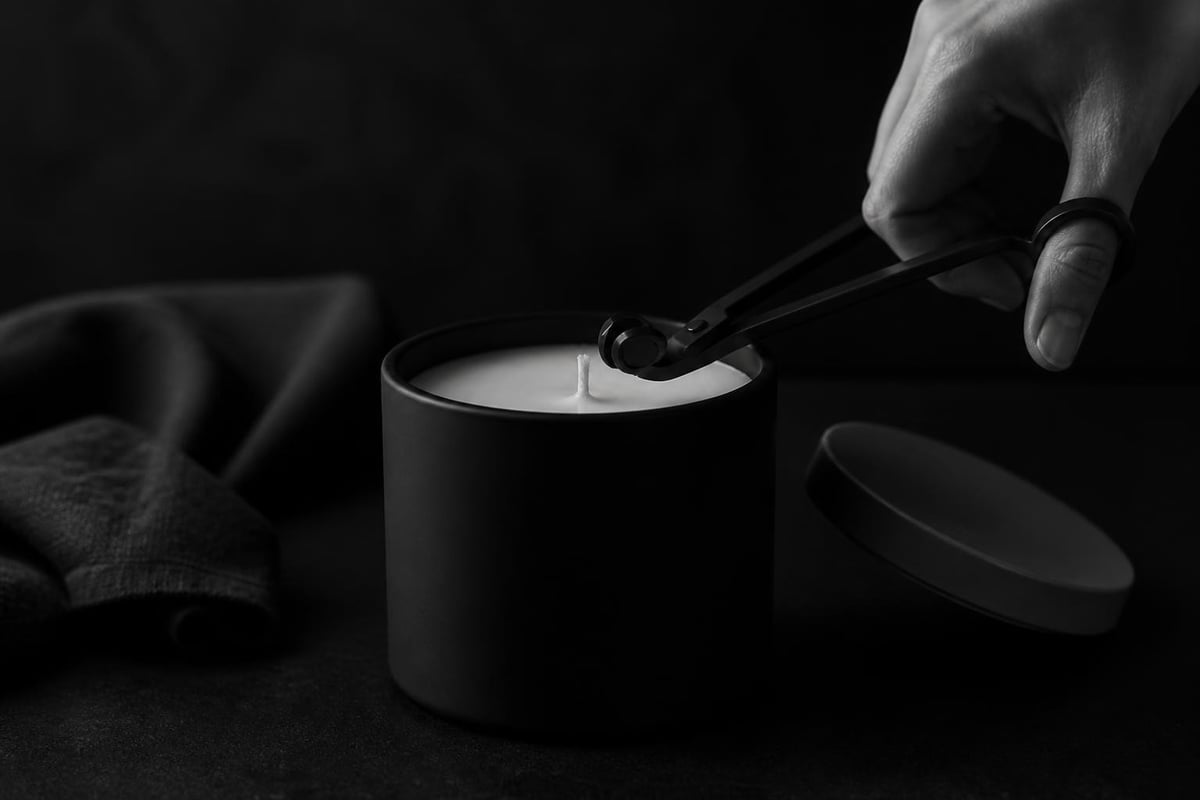
Proper burning technique extends candle life and prevents safety issues. Ask about recommended burn times, wick trimming schedules, and container care. Quality retailers provide detailed guidance rather than generic warnings.
The NYC Fire Code contains specific provisions relevant to candle use and retail operations, including requirements for open-flame displays and customer demonstrations. Knowledgeable stores understand these regulations and can discuss safe burning practices with authority.
How do you evaluate candle quality in person?
Physical inspection reveals quality markers invisible in product photos. Begin with the container, checking for cracks, chips, or manufacturing defects. Examine the wax surface for smoothness and uniform color. Frosting-a white crystalline layer on natural wax-is cosmetic rather than functional, but indicates minimal processing.
Visual quality indicators:
- Centered wick placement for even burning
- Clean wax surface without air pockets or sinkholes
- Secure wick anchor at container base
- Professional labeling with complete ingredient and safety information
Scent evaluation requires patience. Avoid smelling candles directly from the container rim, as this concentrates fragrance unnaturally. Instead, hold the candle at chest level and waft gently, or ask staff to light a tester if available. Cold throw-scent when unlit-differs markedly from hot throw during burning.
Compare the candle's weight to its size. Quality candles feel substantial because they contain more wax relative to container volume. Lightweight candles may indicate thin pours designed to reduce material costs.
Label completeness signals manufacturer confidence and regulatory compliance. Look for burn time, wax type, wick material, fragrance source, and safety warnings. The absence of this information suggests either inexperienced production or deliberate opacity.
What are the environmental considerations for NYC candle shoppers?
Candle sustainability encompasses wax sourcing, packaging materials, manufacturing energy, and end-of-life container disposal. The Nordic Swan Ecolabel research demonstrates that wax choice significantly impacts climate footprint, with vegetable-based waxes typically performing better than petroleum-derived paraffin.
| Wax Type | Renewable Source | Biodegradable | Typical Carbon Impact |
|---|---|---|---|
| Soy | Yes (soybeans) | Yes | Low-Moderate |
| Coconut | Yes (coconut meat) | Yes | Low |
| Beeswax | Yes (beehive byproduct) | Yes | Low-Moderate |
| Paraffin | No (petroleum) | No | High |
| Palm | Yes (palm oil) | Yes | Variable (deforestation concerns) |
Container reusability reduces waste substantially. Glass vessels can be cleaned and repurposed after burning, while metal tins suit container swap programs. Some candle store nyc locations accept empty containers for recycling or offer incentives for returns.
Transportation distance affects environmental impact. Locally made candles eliminate long-distance shipping emissions. Manhattan-based production, like the handmade approach at Haus of Smell, reduces the carbon footprint associated with distribution networks.
Packaging minimalism matters. Excessive boxing, plastic wrapping, and decorative elements add waste without improving product performance. The most environmentally conscious stores use recycled paper, minimal packaging, or naked products with hang tags.
Recent research on scented candle impacts to indoor air quality found that emissions vary by wax type and fragrance source. While properly made candles meet safety standards, choosing natural waxes and botanical fragrances may reduce certain particulate exposures.
What burning practices maximize candle performance?
Proper technique begins with the first burn, which establishes a memory ring that affects all subsequent uses. Light the candle and allow the entire top surface to liquify before extinguishing, typically 2-3 hours for standard containers. This prevents tunneling, where wax remains along container walls.
Wick maintenance steps
Optimal wick care sequence:
- Trim wick to 1/4 inch before each lighting
- Remove trimmed debris from wax pool
- Ensure wick remains centered during burning
- Extinguish if flame exceeds one inch in height
- Allow wax to solidify completely before relighting
Wick length directly affects flame size and soot production. Untrimmed wicks create large flames that overheat containers and produce carbon buildup. The National Candle Association provides detailed safety guidance on proper burning techniques and container placement.
Environmental factors
Room temperature, drafts, and air circulation influence burn quality. Avoid placing candles near open windows, fans, or HVAC vents. Drafts cause uneven burning and increased sooting. Maintain candles away from flammable materials with adequate clearance on all sides.
Burn duration limits prevent container overheating. Most manufacturers recommend 3-4 hour maximum burn times, followed by cooling periods. Continuous burning can compromise container integrity and alter fragrance release patterns.
Storage between uses preserves scent longevity. Keep candles away from direct sunlight and heat sources. Cover containers when not in use to prevent dust accumulation and fragrance evaporation. Proper storage extends shelf life significantly beyond manufacturing dates.
How do seasonal changes affect candle shopping in NYC?
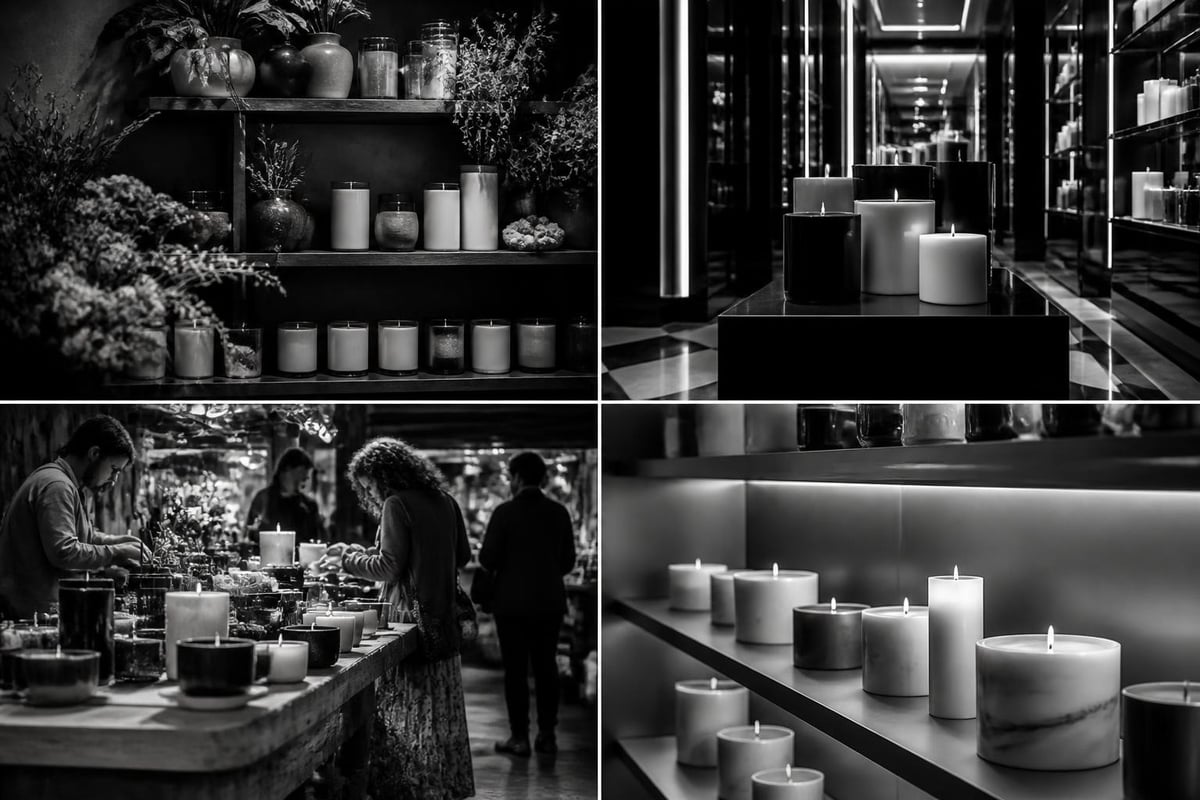
New York's seasonal rhythm influences both candle selection and shopping patterns. Winter drives demand for richer, warming scents and longer burn times as residents spend more hours indoors. Summer shifts preference toward lighter fragrances and outdoor-safe options for terraces and fire escapes.
Retailers adjust inventory accordingly, introducing seasonal collections that reflect changing customer needs. Fall typically brings candles with deeper, resinous character, while spring emphasizes fresh, green, and floral compositions. These cycles affect both scent profiles and marketing approaches.
Holiday periods transform candle store nyc traffic patterns. November through December sees concentrated shopping for gifts, host presents, and home fragrance for entertaining. Many stores offer seasonal packaging, gift sets, and limited editions during these months.
Heat affects candle stability. Summer storage requires attention to temperature, as wax can soften or separate in extreme heat. Quality retailers provide guidance about seasonal storage and may adjust formulations for improved warm-weather performance.
Natural light patterns influence when and how New Yorkers burn candles. Shorter winter days increase evening candle use, while summer's extended daylight shifts burning to later hours. These patterns affect purchase frequency and preferred container sizes.
What questions should you include in your candle store visit checklist?
Systematic evaluation prevents impulse purchases that disappoint at home. Create a mental or written checklist covering materials, performance expectations, and practical considerations before visiting stores.
Pre-purchase evaluation checklist:
- Have I smelled this candle both cold and burning?
- Do I understand what wax and fragrance materials were used?
- Does the price reflect the ingredients and production methods?
- Will this candle suit my intended space and burn-time patterns?
- Can I reuse or recycle the container after burning?
- Does the store offer guidance on proper burning technique?
Testing burn performance before committing to larger sizes prevents costly mistakes. Many stores offer smaller candles or samples that allow you to assess hot throw, burn evenness, and scent evolution in your actual living space.
Price comparison requires understanding what drives costs. Handmade botanical candles using premium ingredients justifiably cost more than mass-produced synthetic alternatives. However, price alone doesn't guarantee quality. Evaluate the complete package of materials, craftsmanship, and transparency.
Return policies matter, particularly for fragrance products where personal chemistry affects perception. Reputable stores stand behind their products with reasonable exchange or refund options if a candle performs poorly or causes unexpected reactions.
What makes NoMad an emerging destination for candle shopping?
NoMad's transformation into a botanical fragrance hub reflects broader shifts in New York retail. The neighborhood's concentration of independent makers, accessible rents compared to SoHo, and proximity to major transit create ideal conditions for specialty shops. Several botanical perfumers and candlemakers have established production and retail spaces within blocks of one another.
The area offers walkable exploration. Unlike scattered shops requiring subway transfers, NoMad allows visitors to compare multiple stores in a single afternoon. This density benefits consumers through easy comparison and encourages retailers to differentiate through quality and expertise rather than location monopoly.
Production transparency becomes possible when making and selling occur in the same space. NoMad stores often allow customers to see production areas, meet makers, and understand processes firsthand. This visibility builds trust and educates consumers about the work involved in quality candle production.
The neighborhood aesthetic aligns with botanical sensibilities. NoMad's architectural character-historic buildings, human-scale streets, tree-lined blocks-complements stores emphasizing natural materials and traditional craftsmanship. This environmental coherence enhances the shopping experience beyond transactional product acquisition.
Foot traffic patterns favor browsing and discovery. Unlike destination shopping districts where tourists rush between landmarks, NoMad attracts exploratory walkers who notice window displays and venture into unfamiliar stores. This browsing culture benefits independent retailers building customer bases through quality rather than marketing budgets.
How do handmade candles differ from commercial production?
Scale determines nearly every aspect of candle quality and character. Handmade production allows constant adjustment, ingredient selection based on seasonal availability, and attention to individual vessels. Commercial manufacturing optimizes for consistency and efficiency, often at the expense of ingredient quality and craftsmanship.
Handmade versus commercial production:
| Aspect | Handmade Production | Commercial Production |
|---|---|---|
| Batch size | 10-50 candles | 500-5,000+ candles |
| Wick placement | Hand-centered per candle | Automated centering |
| Ingredient sourcing | Direct from suppliers, seasonal | Bulk contracts, consistent supply |
| Customization | Possible per order | Limited to existing SKUs |
| Production location | Often on-site at retail | Separate facilities |
| Quality control | Visual inspection of each piece | Sample-based statistical process |
Handmade candles exhibit subtle variations between pieces-slight color differences, minor surface texture variations, individual character. Commercial products achieve uniformity through automated processes and standardized ingredients. Neither approach is inherently superior; they serve different customer priorities.
Labor intensity affects pricing. Hand-pouring, individual wick setting, and manual finishing require significantly more time per candle than automated production. This labor investment translates to higher retail prices that reflect actual production costs rather than marketing overhead.
Small-batch flexibility enables experimentation. Handmade producers can test new scent combinations, adjust wax blends for seasonal performance, and respond to customer requests. Large manufacturers require extensive planning and minimum production runs that limit responsiveness.
What role do ingredients play in candle selection?
Material transparency separates quality retailers from those obscuring formulations behind marketing language. Knowledgeable stores provide complete ingredient lists, explain sourcing choices, and discuss how materials affect performance. This transparency allows informed decision-making based on personal values and priorities.
Wax quality varies dramatically within categories. Not all soy waxes perform identically; cultivation methods, processing techniques, and additive inclusion create significant differences. The same applies to coconut, vegetable blends, and even paraffin grades. Quality retailers understand these nuances and can articulate why they selected specific wax sources.
Fragrance sourcing presents the most complex ingredient consideration. Synthetic fragrances offer consistency and intensity but may contain compounds some customers prefer to avoid. Botanical fragrances derived from plants, resins, and essential oils provide natural complexity but cost substantially more and perform differently. Neither option is inherently wrong; they represent different approaches to scent creation.
For those seeking natural ways to make apartments smell good, understanding ingredient sources becomes particularly relevant. Botanical candles complement broader natural home fragrance strategies without introducing synthetic compounds into living spaces.
Additive disclosure matters for customers with sensitivities or specific requirements. Some candles contain dyes, UV inhibitors, or hardness modifiers that affect burning but don't appear in marketing descriptions. Complete transparency about these materials enables appropriate selection.
FAQ
What is the average price for quality candles at NYC specialty stores?
Quality candles in New York specialty stores typically range from $28 to $65 for standard sizes, with handmade botanical options averaging $35-$45. Prices reflect ingredient quality, production methods, and container materials. Larger vessels, premium botanicals, or specialized waxes push prices higher, while smaller votive or travel sizes start around $18-$22.
How long should a well-made candle burn?
Burn time depends primarily on wax volume and wick size, with quality candles providing approximately 6-8 hours per ounce of wax. An 8-ounce candle should burn 48-64 hours with proper maintenance, including wick trimming and avoiding drafts. Natural wax candles sometimes burn slightly longer than paraffin equivalents due to different melting points and density.
Can you return candles if you dislike the scent after burning?
Return policies vary significantly among candle store nyc locations, with most allowing exchanges for unused products but limiting returns after burning. Some boutique stores offer store credit if candles perform poorly or produce unexpected scents when lit. Always ask about return policies before purchasing, particularly for higher-priced botanical candles where scent perception varies individually.
What is the difference between cold throw and hot throw?
Cold throw refers to a candle's scent when unlit, while hot throw describes fragrance strength during burning. Cold throw helps evaluate scent character before purchase, but hot throw determines actual room performance. Natural botanical candles often have lighter cold throw than synthetic alternatives but develop complexity when heated. Quality stores allow customers to smell both.
Are botanical candles safer than synthetic options?
Both botanical and synthetic candles meet identical safety standards when properly formulated and used correctly. The National Candle Association confirms that well-made candles of any fragrance type burn safely with proper technique. Botanical candles appeal to customers preferring plant-derived ingredients rather than offering superior safety. Material transparency matters more than botanical versus synthetic categorization.
How do you know if a candle store offers truly handmade products?
Genuine handmade production typically involves on-site manufacturing, small batch sizes, and visible production areas or detailed process descriptions. Ask specific questions about where candles are poured, who sets wicks, and how batch sizes are determined. Authentic handmade retailers can name their makers, describe their workspace, and explain production timelines. Production location within New York versus imported "handmade" products clarifies commitment to local craftsmanship.
Finding the right candle store nyc experience depends on understanding your priorities-whether ingredient transparency, local production, botanical formulations, or simply exceptional scent design. The city's diverse retail landscape offers options for every preference, from mass-market convenience to artisan craftsmanship.
For those seeking handmade botanical candles crafted in Manhattan from 100% natural, vegan ingredients, Haus of Smell produces small-batch candles in NoMad where every wick is set by hand. Their commitment to plant-based materials and transparent sourcing exemplifies the quality available when you shop local specialty stores.