
Candle making manhattan has grown into a thriving craft scene, blending artisan tradition with strict urban manufacturing standards. From NoMad studios hand-pouring botanical wax to weekend workshops teaching the fundamentals, Manhattan offers makers and enthusiasts a dense network of resources, regulatory frameworks, and botanical suppliers committed to vegan, synthetic-free formulations that honor the city's demand for quality and transparency.
Manhattan's geography and density shape every aspect of candle production. Studio spaces are compact, ventilation is regulated, and fire safety codes are non-negotiable. Yet these constraints have fostered innovation, particularly among botanical candle makers who prioritize clean-burning waxes and plant-based fragrance extracts over synthetic alternatives.
What is candle making in Manhattan and how does it work?
Candle making manhattan refers to the practice of designing, formulating, and hand-pouring candles in New York City's most densely built borough, under regulations established by the FDNY and city zoning codes. It involves selecting wax, wick, and fragrance materials, melting and blending them in controlled environments, and setting wicks by hand. Manhattan-based makers typically work in small batches, often emphasizing natural or botanical ingredients to meet the preferences of urban consumers who value transparency and sustainability.
The process begins with wax selection. Soy, coconut, beeswax, and plant-derived blends dominate the botanical segment. Each wax type burns differently and requires specific wick sizing to achieve clean combustion. Makers measure fragrance load by weight, typically between six and ten percent for botanical extracts, then pour at temperatures calibrated to prevent sinkholes or frosting.
Manhattan studios face unique logistical challenges. Storage of combustible materials triggers permit requirements from the FDNY, and many makers operate in mixed-use buildings where ventilation and fire suppression systems must meet commercial standards. These regulations ensure safety but also raise operational costs compared to suburban or rural production facilities.
Where can you learn candle making in Manhattan?
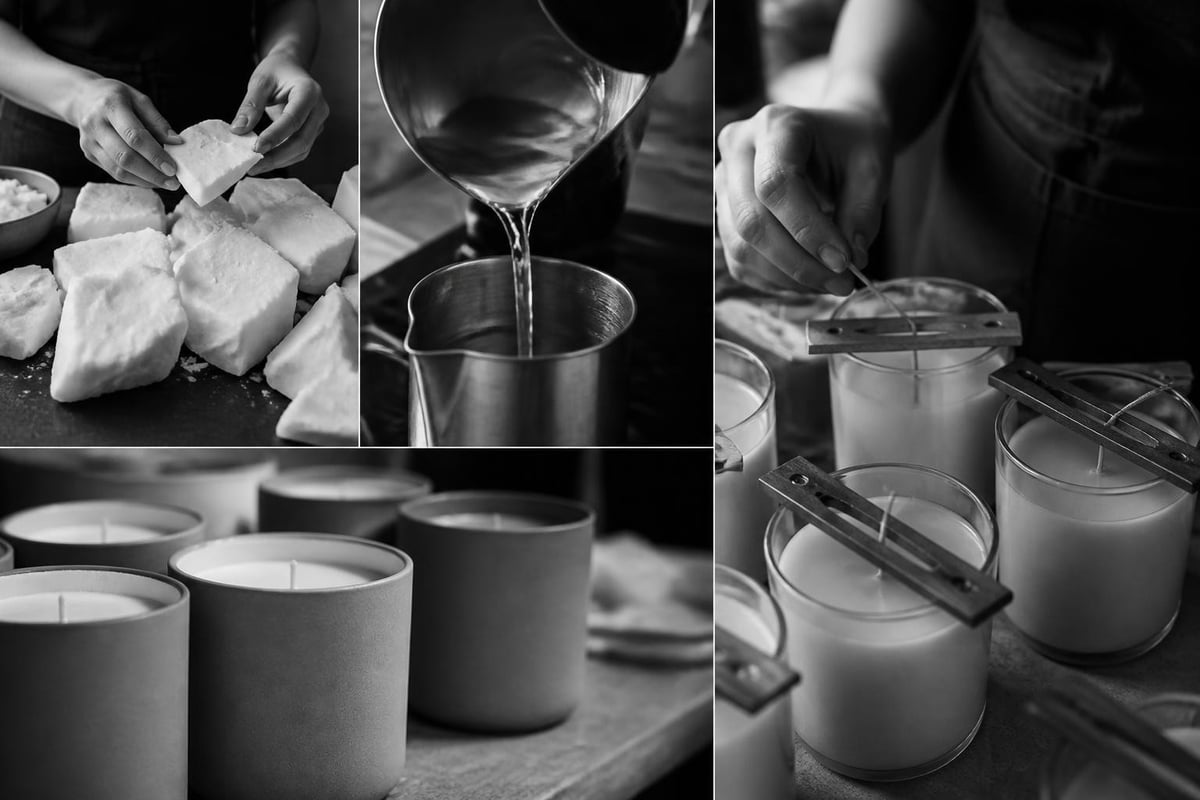
Manhattan hosts a rotating calendar of candle-making workshops, from single-session introductory classes to multi-week courses covering formulation, scent blending, and small-batch production. Independent makers and boutique studios offer hands-on instruction in neighborhoods like NoMad, the Lower East Side, and the West Village. Many workshops emphasize botanical materials and vegan formulations, reflecting the city's broader interest in clean, traceable ingredients.
Workshop formats vary widely. Some focus on basic pour techniques and container selection, ideal for hobbyists or gift makers. Others teach advanced topics such as pillar candle construction, fragrance dosage calculations, and compliance with ASTM F2417 fire safety standards. Participants typically leave with finished candles and printed guides covering wax types, wick charts, and troubleshooting common defects like tunneling or mushrooming.
Private studio sessions are also available. These one-on-one experiences allow participants to explore custom scent blending, working directly with botanical extracts and resins to build layered fragrance profiles. The instructor-to-student ratio ensures personalized feedback on technique, temperature control, and material handling.
How do you start candle making in Manhattan as a business?
Starting a candle-making business in Manhattan requires navigating city licensing, fire department permits, and zoning compliance before pouring the first batch. Makers must register with the Department of Consumer and Worker Protection, secure a Certificate of Occupancy for manufacturing use, and obtain FDNY permits if storing more than a specified quantity of combustible materials. The NYC manufacturer's guide outlines these steps in detail, including tax registration and insurance requirements.
Location is critical. Manufacturing zoning designations limit where candle production can legally occur, and many residential or mixed-use buildings prohibit industrial activity. Makers often lease space in light industrial areas or shared commercial kitchens that accommodate small-batch production. Rent per square foot in Manhattan is among the highest in the country, so efficient workspace design is essential.
What equipment and materials do you need?
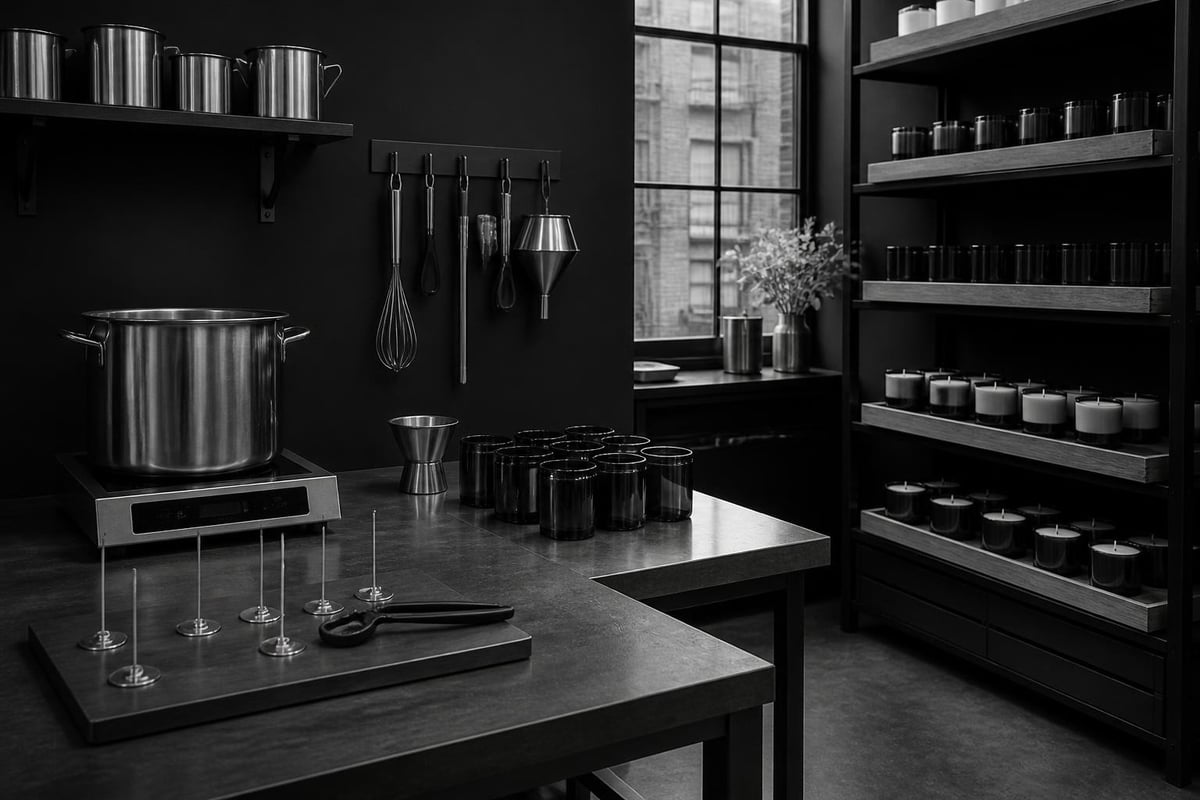
Candle making requires a controlled heat source, precision scale, thermometer, pouring pitcher, molds or containers, wicks, and wax. For botanical candle makers, the material list expands to include plant extracts, resins, and essential oils, all stored in cool, dark conditions to preserve aromatic integrity. A dedicated ventilation system is necessary to manage particulate matter and volatile organic compounds during melting and pouring.
Basic equipment checklist:
- Double boiler or dedicated wax melter with temperature control
- Digital scale accurate to 0.1 gram
- Infrared or probe thermometer
- Stainless steel pouring pitcher
- Wick centering tools and holders
- Glass or metal containers (tested for heat resistance)
- Botanical fragrance extracts or essential oils
- Natural wax (soy, coconut, beeswax, or blends)
Advanced setups may include ultrasonic fragrance blenders, vacuum degassing equipment, and label printers. Makers scaling beyond small batches often invest in automated wick-setting machines and climate-controlled curing rooms to maintain consistency across production runs.
What are the regulatory and safety requirements?
Manhattan candle makers must comply with fire safety codes, labeling laws, and environmental standards. The FDNY enforces strict limits on flammable liquid storage, requiring permits for quantities exceeding five gallons. Candle assemblages sold commercially must meet fire safety specifications, including flame height limits, stability tests, and burn time disclosures.
Labeling must include the manufacturer's name and address, net weight, safety warnings, and a list of ingredients if health or allergy concerns apply. Vegan and botanical claims require documentation, particularly when marketing to consumers who prioritize transparency. Misleading labeling can trigger enforcement actions from the Department of Consumer and Worker Protection.
Indoor air quality is an emerging concern. Research on candle emissions shows that scented candles can alter indoor microbiomes and particulate concentrations, especially in poorly ventilated spaces. Manhattan studios often install HEPA filtration and exhaust systems to protect workers and maintain compliance with occupational health standards.
What types of wax are best for candle making in Manhattan?
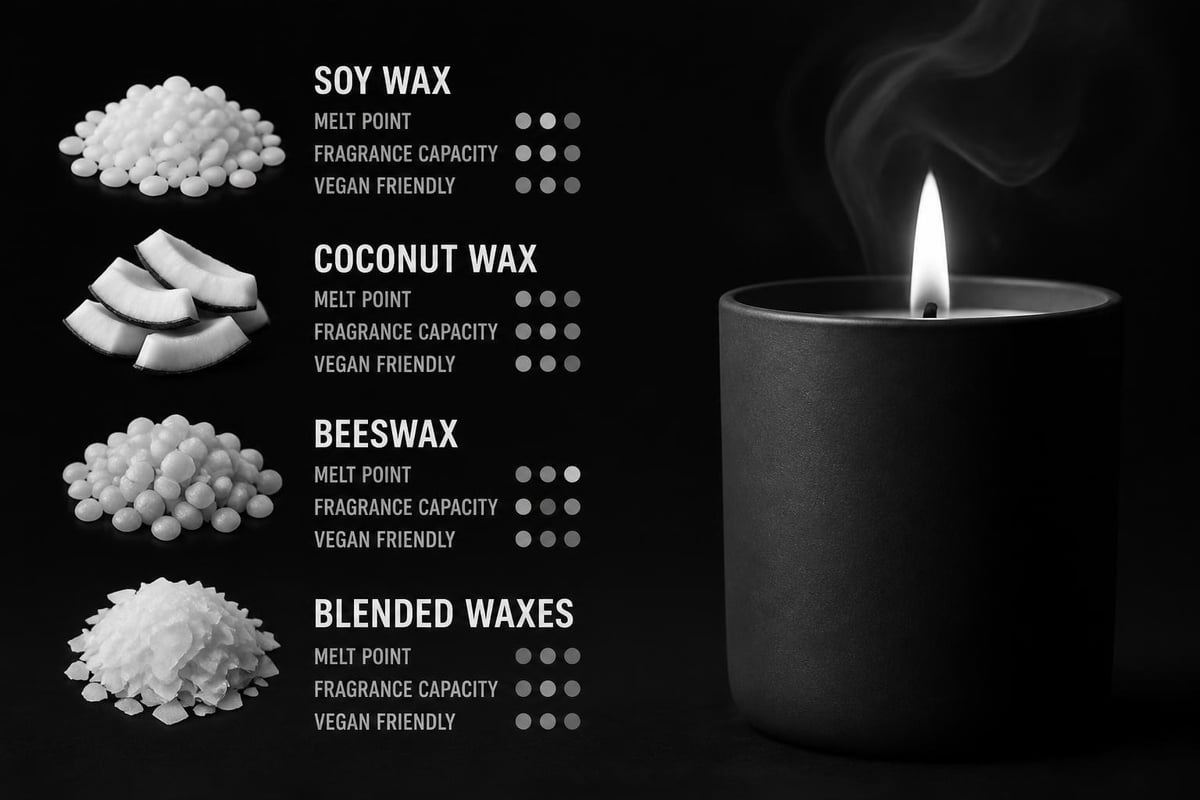
Wax selection directly impacts burn quality, scent throw, and environmental footprint. Manhattan candle makers working with botanical formulations typically choose soy, coconut, beeswax, or proprietary blends that prioritize clean combustion and vegan compatibility. Each wax type has distinct melting points, fragrance-holding capacities, and aesthetic qualities that influence the final product.
| Wax Type | Melting Point | Fragrance Load | Burn Characteristics | Vegan |
|---|---|---|---|---|
| Soy | 120-125°F | 6-10% | Slow, even burn; minimal soot | Yes |
| Coconut | 76-82°F | 8-12% | Clean burn; strong scent throw | Yes |
| Beeswax | 144-147°F | 3-6% | Natural honey aroma; bright flame | No |
| Soy-Coconut Blend | 110-120°F | 7-10% | Balanced throw; smooth finish | Yes |
Soy wax dominates the botanical segment for its affordability, ease of use, and ability to hold fragrance without synthetic additives. Coconut wax offers superior scent throw, making it ideal for larger rooms or open-plan Manhattan lofts. Beeswax, while not vegan, appeals to makers focused on natural materials and traditional techniques.
Blends allow makers to balance cost, performance, and aesthetic. A soy-coconut blend, for example, combines soy's stability with coconut's fragrance capacity, producing candles that burn cleanly and fill a room without overwhelming smaller spaces.
How do you select and size wicks for Manhattan candle making?
Wick selection determines burn performance. Too large a wick creates excessive soot and flame height, while too small a wick causes tunneling and poor scent throw. Wick sizing depends on wax type, container diameter, and fragrance load. Cotton wicks are standard for botanical candles, though wood wicks are increasingly popular for their crackling sound and aesthetic appeal.
Wick sizing process:
- Measure container diameter at the widest point
- Consult wick manufacturer charts for recommended sizes based on wax type
- Account for fragrance load, which can slow combustion
- Test burn in identical containers for at least four hours
- Adjust wick size up or down based on flame height, melt pool width, and soot production
Testing is non-negotiable. Even experienced makers run burn tests for every new formulation, as minor changes in wax blend or fragrance percentage can alter wick performance. Many Manhattan studios maintain detailed logs of wick-to-wax ratios, using data to refine future batches and ensure consistency.
Where do Manhattan candle makers source botanical materials?
Manhattan's density means most botanical suppliers operate outside the borough, but proximity to regional farms, distilleries, and import hubs gives makers access to high-quality plant extracts and resins. Suppliers in upstate New York, the Hudson Valley, and New Jersey provide fresh botanicals, while specialized importers bring in resins like benzoin, labdanum, and frankincense from Mediterranean and Middle Eastern sources.
Local sourcing supports transparency. Makers who visit farms or distilleries can verify growing practices, extraction methods, and ingredient purity. This direct relationship also allows for custom orders, such as small-batch hydrosols or infused oils tailored to specific scent profiles.
Online suppliers serve makers who prioritize convenience and variety. Reputable vendors provide certificates of analysis, batch testing data, and sourcing documentation. For botanical candle makers committed to vegan formulations, verifying that extracts contain no animal-derived processing aids is essential.
What fragrance considerations apply to Manhattan studios?
Fragrance selection in candle making manhattan reflects both aesthetic preferences and practical constraints. Botanical extracts behave differently than synthetic fragrance oils, often requiring higher pour temperatures and longer cure times to achieve full scent development. Plant-based materials also vary batch to batch, as harvest conditions and extraction methods influence aromatic profiles.
Manhattan's compact studios limit the number of fragrances makers can store and test simultaneously. Many focus on a curated palette, developing signature scents built from a core set of extracts and resins. This approach simplifies inventory management and allows for deeper exploration of scent layering and complexity.
Studies on indoor air quality have raised awareness of particulate emissions from scented candles, particularly in asthmatic populations. Botanical makers often emphasize clean-burning waxes and moderate fragrance loads to minimize respiratory irritation, a priority in densely populated Manhattan apartments where ventilation is limited.
How do you pour and cure candles in a Manhattan studio?
Pouring technique affects surface finish, scent throw, and burn consistency. Makers heat wax to the manufacturer's recommended pour temperature, typically between 120 and 140 degrees Fahrenheit for soy and coconut blends. Fragrance is added at a slightly lower temperature to preserve volatile compounds, then the mixture is poured slowly into pre-warmed containers to prevent adhesion issues and surface imperfections.
Curing is the overlooked step. Botanical candles require one to two weeks at room temperature for wax and fragrance to fully bind. Rushing this process results in weak scent throw and uneven burning. Manhattan studios with limited space often dedicate shelving units to curing, organizing batches by pour date and fragrance type.
Environmental controls matter. Humidity and temperature fluctuations can cause frosting, cracking, or fragrance migration. Climate-controlled storage maintains consistency, particularly for makers producing year-round in buildings with variable heating and cooling.
What troubleshooting techniques address common defects?
Even experienced makers encounter defects. Tunneling, where wax burns down the center leaving walls intact, signals an undersized wick or insufficient burn time. Mushrooming, where carbon builds up on the wick tip, indicates an oversized wick or excessive fragrance load. Frosting, a harmless but unsightly crystallization, occurs in soy wax due to temperature changes during cooling.
Common defects and solutions:
| Defect | Cause | Solution |
|---|---|---|
| Tunneling | Wick too small or short burn sessions | Increase wick size; instruct customers to burn 2-3 hours |
| Mushrooming | Wick too large or high fragrance load | Decrease wick size; reduce fragrance percentage |
| Frosting | Rapid cooling or temperature fluctuations | Insulate containers during cooling; accept as natural soy characteristic |
| Sinkholes | Wax cooling too quickly or pouring too hot | Pour at lower temperature; use heat gun to smooth surface |
Testing eliminates guesswork. Makers who document each batch-recording wax type, fragrance load, wick size, pour temperature, and cure time-build a reference library that speeds troubleshooting and improves future formulations.
What role does sustainability play in Manhattan candle making?
Sustainability drives material choices, packaging design, and business practices among Manhattan candle makers. Botanical formulations eliminate synthetic petrochemicals, while vegan commitments exclude beeswax and other animal-derived ingredients. Makers prioritize reusable or recyclable containers, often encouraging customers to return empties for refills or repurposing.
Waste reduction is practical and philosophical. Small-batch production minimizes overstock, and precise material measurement reduces scrap. Some studios collect wax remnants for remelting, though strict quality control limits how much recycled material can be incorporated without affecting performance.
Carbon footprint extends beyond ingredients. Manhattan's reliance on grid electricity and limited solar capacity means production energy often comes from mixed sources. Makers offset emissions through renewable energy credits, efficient equipment, and local sourcing that reduces transportation distances.
How do botanical candles compare to synthetic alternatives?
Botanical candles use plant and resin extracts instead of lab-synthesized fragrance compounds. This distinction affects scent complexity, burn quality, and ingredient transparency. Botanical fragrances tend to be subtler and more layered, evolving as the candle burns. Synthetic fragrances offer predictability and cost savings but raise concerns about volatile organic compound emissions and ingredient disclosure.
The National Candle Association's research includes data on botanical candle emissions, showing that well-formulated plant-based products can perform comparably to synthetics in terms of soot and particulate output. The difference lies in fragrance stability and cost, with botanical materials typically requiring higher investment in sourcing and testing.
For Manhattan consumers, transparency is paramount. Botanical candles align with broader trends in clean beauty and sustainable living, appealing to customers who scrutinize ingredient lists and prioritize vegan, cruelty-free products. Brands like Haus of Smell build loyalty by emphasizing hand-poured candles made from natural wax and real plant extracts, setting every wick by hand in Manhattan without synthetics or animal-derived ingredients.
How do Manhattan's neighborhoods influence candle making culture?
Neighborhood character shapes the candle-making scene in Manhattan. NoMad, with its blend of residential lofts and creative studios, hosts makers who integrate candle production into broader lifestyle brands. The Lower East Side attracts artisans focused on experimental scents and small-batch collaborations. The West Village supports traditional craftsmanship, where makers emphasize heritage techniques and artisanal presentation.
Foot traffic and retail visibility vary by neighborhood. NoMad's central location draws tourists and local shoppers exploring curated experiences beyond dining and galleries, while quieter areas like the Upper West Side cater to residential customers seeking refill services and custom orders.
Community networks support skill sharing and resource pooling. Informal maker groups organize material buys, share equipment, and troubleshoot formulation challenges. These networks strengthen Manhattan's candle-making culture, fostering innovation while maintaining standards for safety and quality.
What opportunities exist for custom and private label candle making?
Custom candle services allow individuals and businesses to develop signature scents for events, gifts, or branding. Manhattan makers offer consultations where clients select wax, container, and fragrance profile, then receive hand-poured candles tailored to their specifications. Private label services extend this model to corporate clients, hospitality brands, and retailers seeking exclusive product lines.
The process begins with scent development. Makers present botanical extracts and resin samples, guiding clients through scent families and layering principles. Once a profile is established, test batches are produced and refined based on feedback. Final production includes custom labeling, packaging, and fulfillment.
Private label candle making serves hotels, restaurants, and retailers looking to differentiate their spaces with unique aromas. Manhattan's concentration of luxury hospitality and boutique retail creates steady demand for these services, particularly from brands emphasizing local production and natural ingredients.
What are the health and safety considerations for candle burning?
Burning candles in Manhattan apartments and studios requires attention to ventilation, burn duration, and wick maintenance. Research on indoor air quality shows that scented candles can emit volatile organic compounds and particulate matter, particularly in enclosed spaces with limited air exchange. Botanical candles with clean-burning waxes and moderate fragrance loads reduce these emissions but do not eliminate them.
Best practices for safe candle burning:
- Trim wick to one-quarter inch before each use
- Burn candles in well-ventilated rooms, opening windows when possible
- Limit burn sessions to three to four hours to prevent overheating
- Place candles on stable, heat-resistant surfaces away from drafts
- Extinguish candles before leaving a room or going to sleep
- Avoid burning candles near flammable materials or in high-traffic areas
Manhattan's building codes often include fire safety provisions that restrict open flames in certain residential units. Renters should review lease agreements and building policies before burning candles, particularly in older buildings without modern sprinkler systems.
How do you store and transport candles in Manhattan?
Storage protects candles from temperature extremes, humidity, and light exposure that can degrade fragrance and alter wax texture. Makers store finished candles in climate-controlled spaces, ideally between 60 and 75 degrees Fahrenheit, away from direct sunlight. Botanical fragrances are particularly sensitive to heat and UV exposure, which can cause scent degradation and color fading.
Transportation presents logistical challenges. Manhattan's reliance on walking, subways, and bike couriers means packaging must withstand jostling and temperature variations. Makers use insulated boxes, bubble wrap, and custom-fit inserts to prevent container breakage and wax shifting during transit. Delivery services with climate-controlled vehicles are preferred for wholesale orders and corporate shipments.
Retail customers often carry candles home on foot or via public transit. Providing sturdy bags with reinforced bottoms and clear handling instructions reduces damage and enhances the unboxing experience. Some makers offer local delivery within Manhattan neighborhoods, ensuring products arrive in optimal condition.
What trends are shaping candle making in Manhattan in 2026?
Candle making manhattan in 2026 reflects broader shifts toward botanical ingredients, transparency, and hyper-local production. Makers increasingly document sourcing, share behind-the-scenes production processes on social media, and invite customers into studios for private sessions. This openness builds trust and differentiates small-batch producers from mass-market brands.
Refill programs are gaining traction. Customers return empty containers for cleaning and refilling, reducing waste and fostering repeat engagement. Some studios offer discounts on refills, incentivizing participation and building long-term customer relationships. This model aligns with Manhattan's sustainability priorities and resonates with environmentally conscious consumers.
Collaboration extends the candle-making community. Makers partner with local florists, ceramicists, and textile designers to create limited-edition collections that pair candles with complementary products. These collaborations introduce candle makers to new audiences and reinforce the interconnectedness of Manhattan's creative economy.
How does technology support candle making in Manhattan?
Technology streamlines formulation, inventory management, and customer engagement. Makers use digital scales with Bluetooth connectivity to log material usage, ensuring precise replication of successful batches. Inventory software tracks raw materials, finished goods, and supplier orders, reducing waste and preventing stockouts.
Social media platforms serve as marketing and education channels. Makers post videos demonstrating pouring techniques, share scent development processes, and announce workshop schedules. Instagram and TikTok are particularly effective for visual storytelling, showcasing the tactile and sensory aspects of candle making that resonate with Manhattan's design-conscious consumers.
E-commerce platforms enable direct-to-consumer sales, expanding reach beyond physical studio locations. Integrated shipping calculators, automated order confirmations, and customer relationship management tools professionalize operations and support scaling without sacrificing the personal touch that defines small-batch production.
FAQ
What permits do you need for candle making in Manhattan?
Candle making in Manhattan requires FDNY permits if you store more than five gallons of flammable liquids or combustible materials, a Certificate of Occupancy for manufacturing use, and registration with the Department of Consumer and Worker Protection. Zoning compliance is essential, as many residential and mixed-use buildings prohibit industrial activity. Consult the NYC manufacturer's guide for detailed steps on licensing, tax registration, and insurance requirements specific to artisanal production.
How long does it take to learn candle making in Manhattan?
Learning basic candle making takes a single workshop session, typically two to three hours, where you master pouring technique, wick placement, and container selection. Developing advanced skills in formulation, scent blending, and troubleshooting requires months of practice and experimentation. Many Manhattan makers attend multiple workshops, conduct independent testing, and seek mentorship from experienced artisans to refine their craft and build confidence in botanical material handling and regulatory compliance.
What is the cost to start candle making in Manhattan?
Starting small-batch candle making in Manhattan requires an initial investment of $500 to $2,000 for equipment, raw materials, and workspace setup. Costs include a wax melter, scale, thermometer, containers, wicks, and botanical fragrances. Regulatory expenses such as FDNY permits and business registration add several hundred dollars. Ongoing costs include rent for commercial space, utilities, insurance, and material replenishment, which vary widely based on production volume and neighborhood location.
Can you make candles in a Manhattan apartment?
Making candles in a Manhattan apartment is possible for personal use but subject to building policies and fire codes. Many leases prohibit commercial manufacturing, and FDNY regulations restrict storage of combustible materials in residential units. Hobby-scale production with minimal material storage typically falls outside commercial permits, but check your lease and consult building management. Adequate ventilation and fire safety precautions are essential regardless of production scale or intent.
What makes botanical candles different from regular candles?
Botanical candles use plant and resin extracts instead of synthetic fragrance compounds, resulting in subtler, more complex scent profiles that evolve during burning. They typically feature natural waxes like soy or coconut and exclude animal-derived ingredients, appealing to vegan consumers. Botanical formulations require careful material sourcing, longer cure times, and precise fragrance dosing. The emphasis on transparency and clean ingredients aligns with Manhattan's demand for sustainable, traceable products.
Where can you buy candle making supplies in Manhattan?
Candle making supplies in Manhattan are available through online suppliers who ship to the city, as well as regional distributors in New Jersey and upstate New York. Specialty craft stores occasionally stock basic materials like soy wax and cotton wicks, but serious makers typically source botanical extracts, resins, and specialty waxes from dedicated vendors. Visiting suppliers outside Manhattan allows for material inspection and relationship building, ensuring quality and consistency across production batches.
Candle making in Manhattan combines artisan craft with strict regulatory compliance, offering makers a vibrant community and discerning customer base. Whether you are exploring workshops, launching a botanical candle line, or seeking hand-poured candles made from real plant extracts, the city's emphasis on quality and transparency rewards those who prioritize natural materials and careful technique. Visit Haus of Smell to experience botanical candles crafted in Manhattan with vegan, synthetic-free formulations that honor both tradition and innovation.