
A candle making class Manhattan workshop typically costs between $65 and $150 per person for a two-hour session where participants hand-pour one to three candles using natural waxes, select botanical scents, and learn foundational techniques. Most studios in Manhattan neighborhoods like NoMad, SoHo, and the East Village provide all materials and equipment while teaching wick placement, temperature control, and safe handling practices in compliance with city regulations.
The demand for hands-on creative experiences in Manhattan has grown substantially since 2024, with candle making workshops becoming one of the most sought-after activities for both locals and visitors. These classes offer a tangible alternative to digital entertainment, allowing participants to engage directly with materials while learning a craft that combines chemistry, artistry, and sensory design. The intimate scale of most Manhattan studios creates opportunities for personalized instruction and experimentation that larger commercial settings cannot replicate.
What should you look for in a candle making class Manhattan studio?
The best candle making class Manhattan locations prioritize safety compliance, material quality, and instructor expertise. Studios must adhere to New York City Fire Department regulations regarding open flames, wax melting equipment, and emergency procedures, which directly impacts the quality and safety of your learning environment.
Instructor credentials and teaching approach
Professional instructors bring both technical knowledge and the ability to translate complex concepts into accessible techniques. Look for teachers who have manufactured candles commercially, understand fragrance blending principles, and can explain the chemistry behind combustion and scent throw. The most effective instructors tailor their approach to class size, adjusting demonstrations and hands-on time based on participant experience levels.
Small class sizes ensure adequate supervision during critical steps like wax pouring and wick centering. Studios that limit enrollment to six to ten participants create safer conditions and allow more individualized guidance when questions arise.
Material selection and sourcing transparency
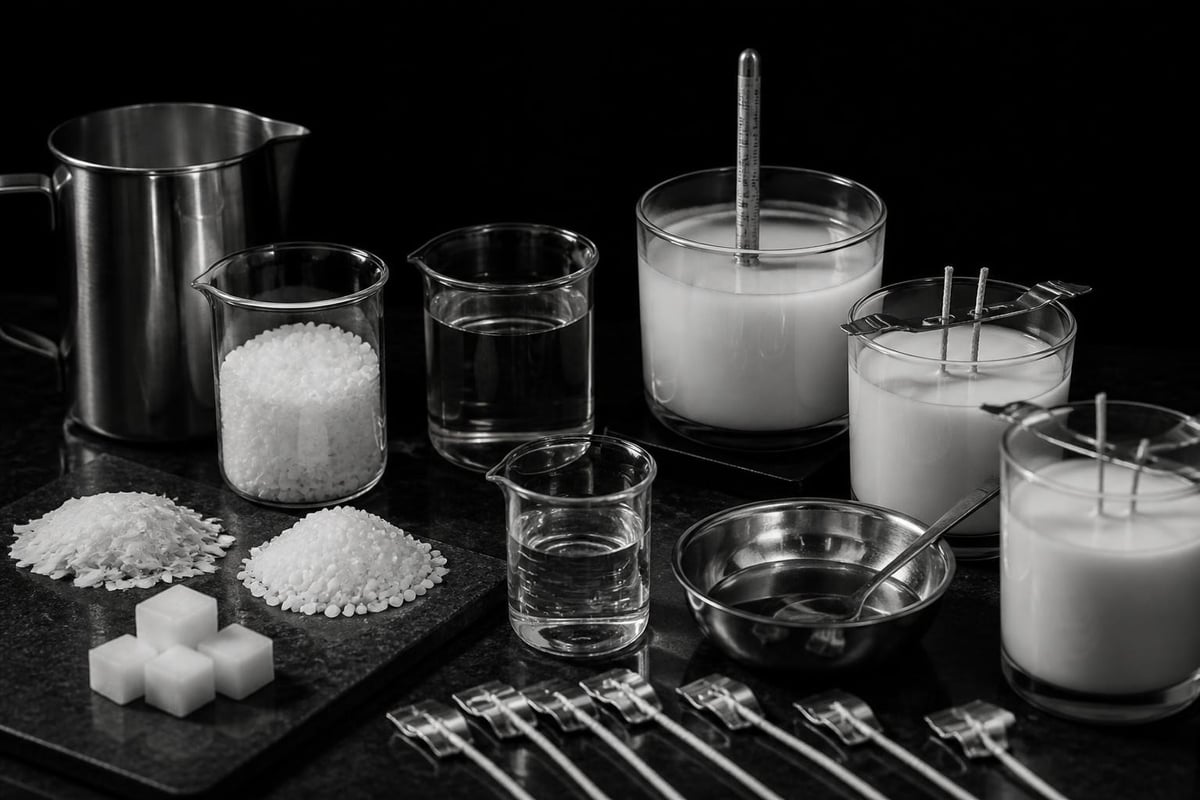
Quality studios disclose their wax sources and offer multiple options during class. According to the National Candle Association's wax guide, soy, coconut, beeswax, and palm waxes each produce distinct burn characteristics and accept fragrance differently. Understanding these differences before class helps you make informed choices about which materials align with your preferences.
Botanical-focused studios emphasize plant-derived ingredients and avoid synthetic fragrance oils. This approach mirrors the philosophy behind botanical candles crafted in Manhattan, where every component originates from natural sources rather than laboratory synthesis.
| Material Type | Burn Duration | Scent Throw | Cost Range | Best For |
|---|---|---|---|---|
| Soy wax | Medium | Strong cold, moderate hot | $$ | Clean-burning container candles |
| Coconut wax | Long | Excellent hot throw | $$$ | Luxury vessels, even burning |
| Beeswax | Very long | Light, natural honey notes | $$$ | Pillars, natural aesthetic |
| Palm wax | Long | Good hot throw | $$ | Decorative crystalline finish |
Studio location and accessibility
Manhattan studios cluster in neighborhoods with creative communities and accessible transit. NoMad, the Flatiron District, and the Lower East Side host the majority of established workshops. Consider whether the studio offers evening or weekend sessions that fit your schedule, and verify whether they provide pickup options for finished candles that require curing time before safe transport.
What does a typical candle making class Manhattan session include?
Most two-hour sessions follow a structured progression from material introduction through final production. The instructor begins with safety protocols, then demonstrates the complete process before participants begin their own work. This format ensures everyone understands proper techniques before handling hot wax or fragrance materials.
Safety briefing and equipment overview
Every responsible class opens with fire safety procedures, protective equipment requirements, and emergency protocols. Instructors explain proper handling of double boilers, thermometers, and pouring pitchers. They demonstrate how to identify wax at the correct temperature and recognize signs of overheating that could create hazards.
Understanding the science behind candle combustion helps participants make better decisions throughout the process. When you know why wick size matters or how fragrance load affects burn quality, you can troubleshoot problems independently in future projects.
Wax melting and temperature management
The instructor heats wax in controlled batches while explaining the relationship between temperature and fragrance retention. Different waxes require specific pouring temperatures to achieve proper adhesion to container walls and smooth top surfaces. Participants learn to use thermometers accurately and understand why rushing this step compromises final quality.
- Monitor wax temperature continuously during melting
- Add fragrance only within the recommended temperature window
- Allow wax to cool to pouring temperature before transferring to vessels
- Avoid stirring excessively, which introduces air bubbles
Fragrance selection and blending
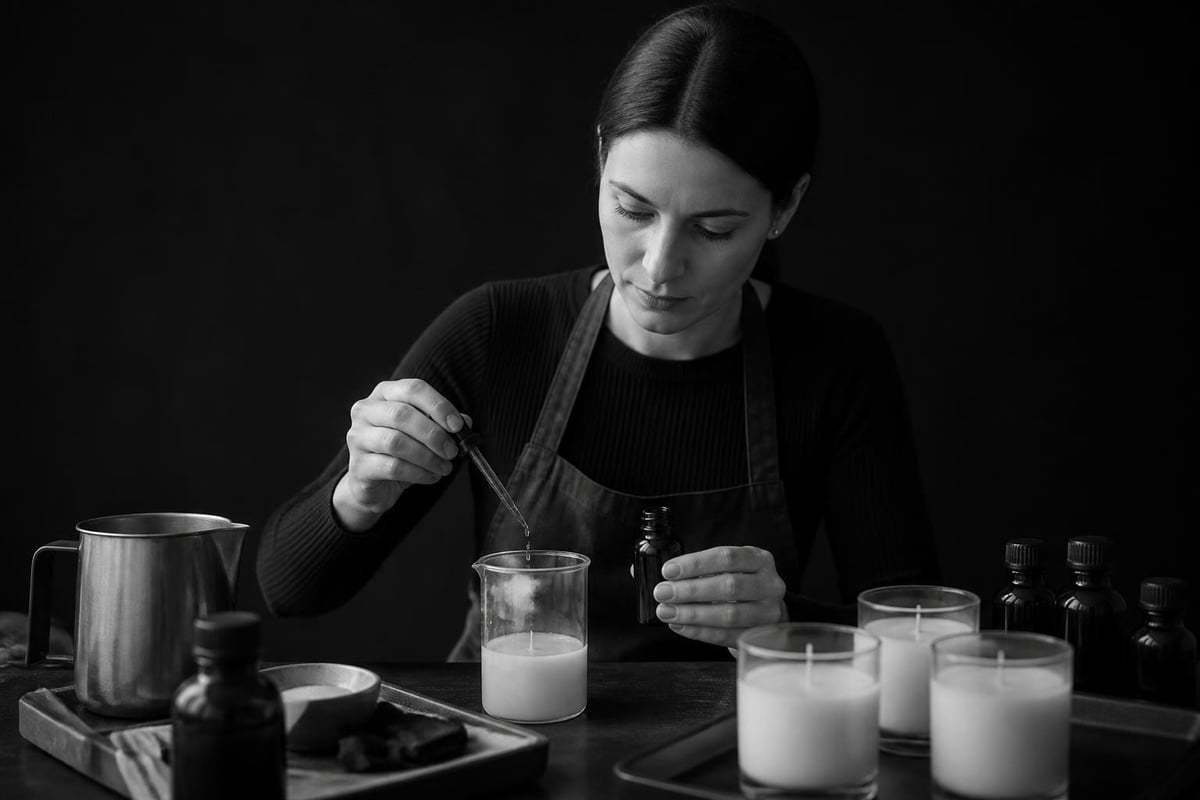
Quality studios offer both single-note and complex fragrance options. Some classes teach basic blending principles, allowing participants to create custom combinations. Botanical-focused workshops emphasize plant extracts and essential oils rather than synthetic compounds, which creates a different aromatic profile compared to commercial fragrances.
The concept of what makes candles non-toxic extends beyond wax selection to fragrance purity. Classes that prioritize health-conscious materials educate participants about fragrance load percentages, phthalate-free options, and the difference between natural and nature-identical compounds.
Container preparation and wick placement
Participants select vessels from the studio's inventory or bring their own containers if the class allows. Instructors explain how container diameter determines wick size and demonstrate proper centering techniques. Wick tabs must be secured to container bottoms before pouring, and participants learn multiple methods for keeping wicks vertical during cooling.
Glass containers require different handling than ceramic or metal vessels. Temperature shock can crack glass, so instructors teach gradual warming techniques and explain why preheating containers prevents adhesion problems.
Pouring technique and finishing
The actual pour requires steady hands and attention to detail. Instructors demonstrate how to pour from an angle to minimize air bubbles and create smooth surfaces. Participants learn to reserve small amounts of wax for topping off sinkholes that form during cooling.
After pouring, candles enter a curing period where fragrance fully bonds with wax. Most studios provide detailed instructions for this phase, including recommended cure times before first use. Some offer pickup services for candles that need additional curing, while others package them for immediate transport with care instructions.
How much does a candle making class Manhattan workshop cost?
Pricing reflects location, materials, and class duration. Manhattan studios command premium rates due to real estate costs and access to high-quality ingredients. Most classes fall between $65 and $150 per person, with variations based on several factors.
Standard pricing tiers
Entry-level classes typically cost $65 to $85 and include one container candle with limited fragrance options. Mid-tier sessions range from $90 to $120 and allow participants to make two candles with expanded scent choices. Premium workshops exceed $125 and may include specialty containers, botanical fragrance blending, or extended session times.
Private group bookings cost more per person but offer exclusive instruction and customized curriculum. Studios often require minimum group sizes of six to eight participants for private sessions.
What's included in class fees
Most Manhattan studios provide all materials and equipment within their base fee. This includes wax, fragrance, containers, wicks, and tools like thermometers and pouring pitchers. Some premium classes offer take-home kits with additional supplies for practicing techniques independently.
- All raw materials and fragrance selections
- Reusable or decorative containers
- Instruction manual or recipe cards
- Packaging for safe transport
- Post-class support via email or online resources
Additional costs to consider
Transportation to Manhattan studios varies by neighborhood and transit options. Studios in central locations near subway stations reduce travel costs compared to those requiring bus transfers or rideshares. Some workshops charge extra for specialty vessels, premium botanical fragrances, or extended session time for complex projects.
Taking home wet candles may require purchasing protective boxes or bags if not included in class fees. Factor in time for candles to cure fully, which affects when you can use or gift them.
What are the benefits of taking a candle making class Manhattan offers?
Structured instruction accelerates skill development compared to self-teaching through online tutorials. Direct feedback from experienced instructors prevents costly mistakes and builds confidence in handling materials safely. The social dimension of group classes creates networking opportunities and shared learning experiences that enhance retention.
Hands-on skill development
Working with physical materials engages muscle memory and spatial reasoning in ways that video instruction cannot replicate. Participants develop tactile sensitivity to wax consistency, temperature changes, and fragrance strength through repeated practice under supervision. These skills transfer to independent projects and enable experimentation with techniques beyond the class curriculum.
Manhattan's concentration of creative professionals means instructors often bring insights from related fields like perfumery, aromatherapy, or product design. This cross-pollination enriches the learning experience beyond basic candle construction. For those interested in botanical scents specifically, understanding how small spaces benefit from carefully selected fragrances informs both candle making and broader home scenting strategies.
Quality control and safety knowledge
Professional studios maintain equipment to manufacturer specifications and replace thermometers, pitchers, and molds regularly. Learning on well-maintained tools teaches proper technique from the start. Participants also gain exposure to safety practices required for commercial production, even if they only intend to make candles for personal use.
Understanding fire safety, proper ventilation, and material storage prevents accidents in home workshops. The recent guide to candle-making classes emphasizes how quality studios integrate safety education throughout the session rather than treating it as a preliminary formality.
Immediate problem-solving support
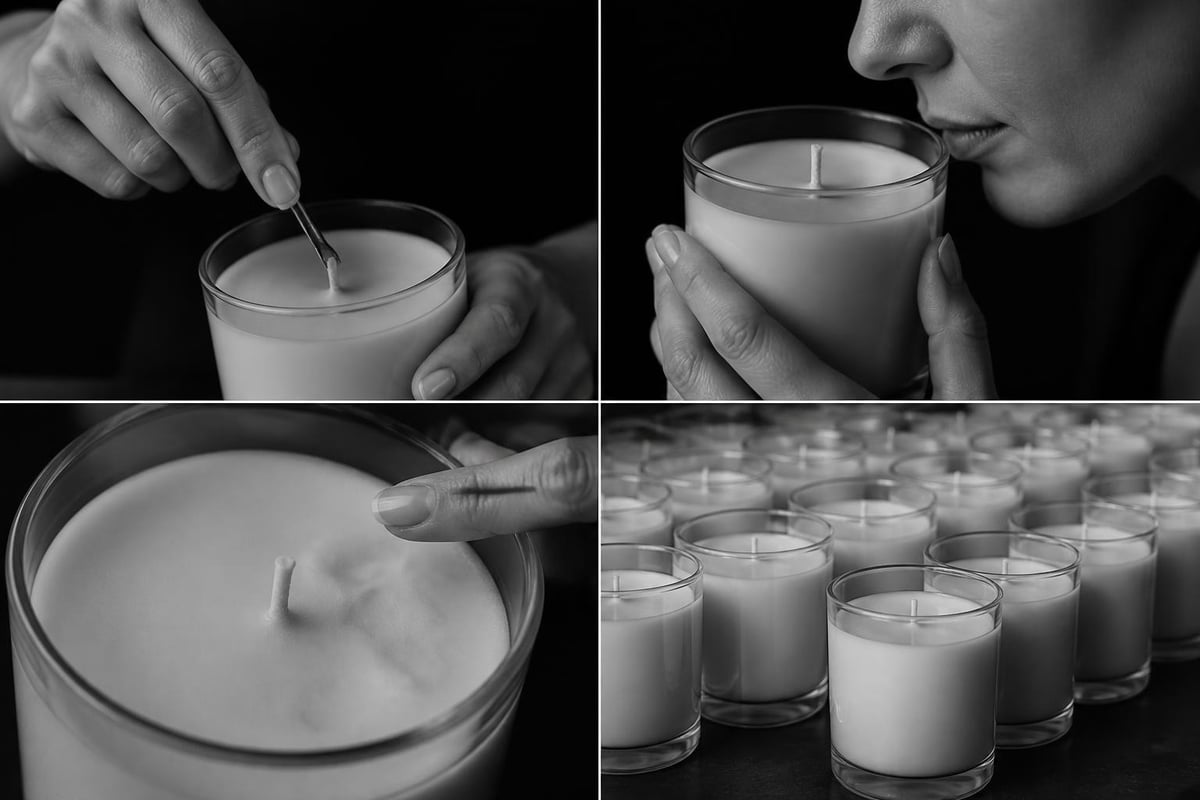
When sinkholes appear or wicks lean during cooling, instructors provide real-time solutions based on specific conditions. This troubleshooting knowledge proves invaluable for independent projects where you must diagnose and correct issues without expert guidance. Written instructions cannot anticipate every variable, but experienced teachers recognize patterns and offer targeted adjustments.
Access to professional-grade materials during class allows comparison testing that would be expensive to replicate independently. Trying multiple wax types and fragrance intensities in a single session reveals preferences that guide future purchasing decisions.
How do you choose between different candle making class Manhattan formats?
Class structures vary from single-session introductions to multi-week intensive courses. Your goals, schedule, and budget determine which format delivers the most value. Beginners benefit from comprehensive single sessions that cover fundamentals, while experienced makers may prefer specialized workshops focusing on advanced techniques.
Single-session workshops versus multi-week courses
Two-hour introductory classes provide enough time to complete one or two candles while learning core concepts. These work well for testing interest before committing to longer programs. Multi-week courses spread skill development across several sessions, allowing time to practice techniques between meetings and receive feedback on independent work.
Single sessions suit busy schedules and budget constraints. They also work for groups celebrating special occasions who want a shared activity without ongoing commitment. Multi-week formats appeal to serious hobbyists or aspiring small-batch producers who need deeper technical knowledge.
Private instruction versus group classes
Group classes cost less per person and create social energy that enhances the experience. Participants learn from each other's questions and observe different approaches to the same techniques. Private instruction allows customized curriculum focused on specific goals, whether that's mastering botanical fragrances, developing a product line, or perfecting a particular aesthetic.
Private sessions accommodate specialized needs like accessibility requirements or language preferences. They also enable flexible scheduling outside standard class times offered to the general public.
Online versus in-person learning
Manhattan studios focus primarily on in-person instruction because hands-on guidance proves essential for developing pouring technique and troubleshooting in real time. Online classes provide convenience but cannot replicate the sensory experience of working with hot wax, testing fragrance strength, or adjusting wick placement based on visual cues.
Hybrid formats combine online theory modules with in-person practice sessions. These work well for participants who benefit from self-paced learning but still need physical skill development under supervision.
What questions should you ask before booking a candle making class Manhattan studio?
Clarifying details before enrollment prevents disappointment and ensures the class matches your expectations. Studios appreciate informed questions and typically provide detailed answers through their websites or customer service channels.
Class size and student-to-instructor ratio
Smaller classes guarantee more individual attention during critical steps. Ask whether the studio caps enrollment and what ratio they maintain. Studios with multiple instructors for larger groups provide adequate supervision, while those relying on a single teacher should limit participants accordingly.
Knowing class size also helps you gauge the social atmosphere. Intimate groups of four to six feel more personal, while sessions of ten to twelve create livelier energy.
Material options and customization flexibility
Confirm which wax types and fragrance categories the studio offers. Some specialize in soy or coconut wax, while others provide multiple options for comparison. Ask whether you can bring your own containers or if the studio requires using their inventory.
Fragrance selection varies widely among studios. Those emphasizing botanical ingredients offer different experiences than workshops focused on fragrance oils. Verify whether the studio accommodates scent sensitivities or offers unscented options for participants who prefer to add their own aromatics later.
Take-home policies and curing requirements
Clarify what you receive at the end of class and any additional curing time required before use. Some candles need 24 to 48 hours to set fully, while others cure over a week. Ask whether the studio provides packaging for safe transport or offers pickup services for candles that need extended curing.
Understanding take-home policies helps you plan logistics, especially if you're attending class before traveling or need finished candles for specific events.
Refund and rescheduling policies
Review cancellation terms before booking, particularly for classes scheduled weeks in advance. Studios maintain different policies for weather-related cancellations, personal emergencies, and general schedule changes. Some offer full refunds with adequate notice, while others provide credit toward future classes.
Group bookings often have stricter cancellation terms due to the resources studios allocate for private sessions. Confirm these details when coordinating workshops for corporate events or celebrations.
What makes botanical candle making different from conventional approaches?
Botanical candle making prioritizes plant-derived ingredients throughout the production process. This includes not only waxes like soy and coconut but also essential oils, plant extracts, and natural colorants when used. The philosophy emphasizes transparency about sourcing and avoids synthetic fragrance compounds entirely.
Natural fragrance complexity
Plant-based aromatics create layered scent profiles that evolve differently than synthetic fragrances. Essential oils and botanical extracts interact with wax in unique ways, often producing subtler scent throw that develops gradually rather than overwhelming immediately. Understanding these characteristics helps participants set realistic expectations and appreciate the nuances of natural materials.
Studios focused on botanical methods teach fragrance blending using complementary plant families. This knowledge extends beyond candle making to other scenting applications and develops broader aromatherapy literacy.
Vegan and cruelty-free commitment
Botanical candle making typically excludes beeswax and animal-derived additives like stearic acid from animal fats. Studios committed to vegan production use plant waxes exclusively and verify that all components meet ethical sourcing standards. This aligns with broader consumer preferences for transparent, values-driven products.
The handmade botanical candles produced in Manhattan demonstrate how plant-based ingredients create sophisticated results without compromising performance. Classes teaching these methods equip participants with skills applicable to both personal projects and potential small-batch production.
Environmental considerations
Natural waxes from renewable resources appeal to environmentally conscious makers. Studios discuss the sustainability of different wax sources, noting that coconut and soy production carry different environmental impacts than petroleum-based paraffin. Participants learn to evaluate these tradeoffs and make informed choices based on their priorities.
Botanical studios also address packaging waste, fragrance concentration, and end-of-life disposal. These considerations influence both class curriculum and the products participants create independently.
How do you continue developing candle making skills after your first Manhattan class?
Initial classes provide foundational knowledge, but mastery requires ongoing practice and experimentation. Manhattan's creative community offers multiple pathways for continued learning, from advanced workshops to informal maker groups and supplier relationships.
Advanced technique workshops
After mastering basic container candles, participants can explore specialty formats like pillars, tapers, or sculptural designs. Advanced classes teach mold making, layered color techniques, and complex fragrance blending. Some studios offer seasonal workshops focusing on specific aesthetics or occasions.
Specialized sessions on botanical scent development appeal to participants interested in creating signature fragrances. These classes bridge candle making and perfumery, teaching how plant materials behave across different applications.
Building a home practice
Regular practice between classes reinforces techniques and builds confidence. Start with small batches to minimize waste while testing variables like fragrance percentages or wick sizes. Document results systematically to track what works and identify patterns in successful candles.
Investing in basic equipment makes home practice feasible. A double boiler, accurate thermometer, and small wax quantities allow experimentation without major expense. Many Manhattan studios sell starter kits or recommend local suppliers for ongoing material needs.
Community connections and resources
Manhattan's maker community includes both formal organizations and informal networks. Joining online groups or attending craft markets exposes you to other candle makers' techniques and approaches. These connections provide inspiration, troubleshooting support, and opportunities to share resources.
Following developments in candle chemistry and botanical sourcing keeps your knowledge current. The National Candle Association's research studies offer evidence-based insights into burn quality, emissions, and safety that inform more sophisticated candle making decisions.
Frequently Asked Questions
What is the best candle making class Manhattan offers for complete beginners?
Look for two-hour introductory sessions that limit class size to eight participants or fewer and provide all materials including botanical waxes, natural fragrances, and containers. The best beginner classes teach safety protocols thoroughly, demonstrate each step before participants begin, and include take-home instruction sheets for future reference. Studios in NoMad and the Flatiron District typically offer weekend sessions suited to first-time candle makers seeking hands-on guidance.
How long does a candle making class Manhattan workshop typically last?
Most Manhattan candle making classes run between two and three hours including safety briefing, demonstration, hands-on pouring time, and finishing work. This duration allows participants to make one to three candles depending on complexity while receiving adequate individual instruction. Some studios offer extended four-hour sessions for advanced techniques or private groups wanting more leisurely pacing. Evening classes typically start at 6:30 or 7:00 PM to accommodate work schedules.
Can you take candles home immediately after a Manhattan class?
Most candles require at least four to six hours of cooling before safe transport, though full curing takes 24 to 48 hours depending on wax type and container size. Many Manhattan studios provide secure packaging for immediate take-home but recommend waiting the full cure period before burning. Some offer next-day pickup for candles that need extended curing, particularly those using coconut wax or botanical fragrances that benefit from longer settling times.
What should you wear to a candle making class in Manhattan?
Wear comfortable clothing that covers arms and legs to protect skin from hot wax splashes, and choose closed-toe shoes rather than sandals. Avoid loose sleeves that might drag through work surfaces or knock over materials. Tie back long hair and remove dangling jewelry that could interfere with pouring. Most studios provide aprons, but bringing your own ensures proper fit and protection for clothing you want to keep wax-free.
Do Manhattan candle making classes accommodate dietary restrictions or scent sensitivities?
Reputable studios accommodate scent sensitivities by offering unscented base options or separating fragrance selection until participants indicate preferences. Inform instructors about allergies or sensitivities during booking so they can prepare appropriate alternatives. Since classes don't involve food preparation, dietary restrictions rarely apply unless refreshments are served. Studios emphasizing botanical ingredients typically avoid synthetic compounds that trigger common sensitivities, making them better choices for chemically sensitive individuals.
How much wax and fragrance do you use in a typical Manhattan candle class?
A standard eight-ounce container candle uses approximately six to seven ounces of wax and 0.5 to 0.75 ounces of fragrance oil or botanical extract, depending on desired scent strength. Manhattan classes typically provide pre-measured materials or teach participants to calculate ratios based on container volume. Learning proper fragrance load percentages prevents both weak scent throw from under-fragrancing and poor burn quality from overloading. Most natural waxes accept six to ten percent fragrance by weight as safe ranges.
Manhattan's candle making classes offer hands-on opportunities to learn botanical scent work, proper pouring techniques, and the chemistry behind clean-burning candles. Whether you're exploring a new creative outlet or developing skills for small-batch production, structured instruction from experienced teachers accelerates your progress while ensuring safety and quality. For those drawn to plant-based fragrances and natural materials, the same philosophy that guides quality classes informs the handmade botanical products at Haus of Smell, where every candle and perfume is crafted in Manhattan using vegan, alcohol-free ingredients sourced from real plants rather than synthetic compounds.