
A candle bar nyc is an experiential retail space where customers create custom candles by blending fragrances, selecting vessels, and pouring their own wax under expert guidance. These workshops combine hands-on craft with sensory education, transforming shopping into a memorable Manhattan experience that participants take home in tangible form.
The candle bar phenomenon has reshaped how New Yorkers engage with home fragrance. Rather than purchasing mass-produced products off shelves, visitors spend an hour or two building something personal while learning about wax chemistry, scent composition, and fire safety. This shift mirrors broader consumer appetite for experiential retail and sensory branding documented across metropolitan markets in 2026.
What makes a candle bar nyc different from buying candles in stores?
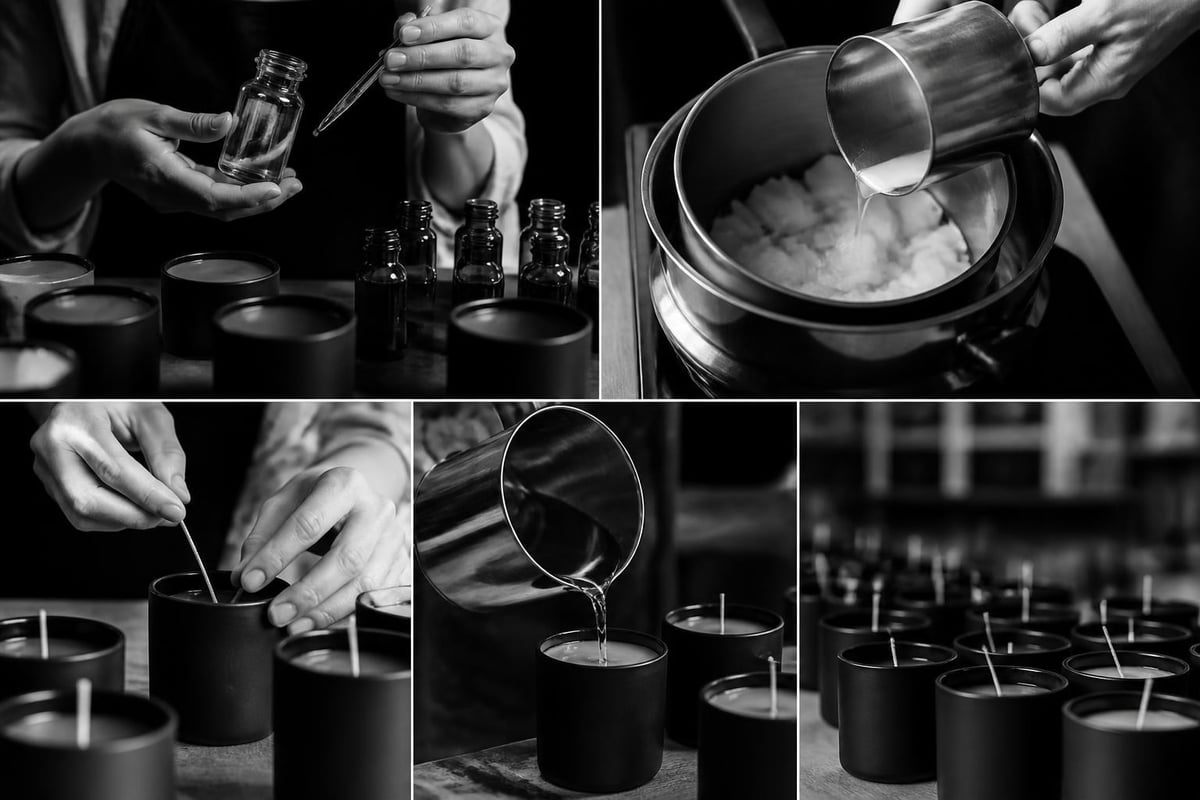
A candle bar nyc transforms purchasing into participation, offering hands-on creation rather than passive selection from finished inventory. Customers blend their own fragrance profiles, choose containers, pour molten wax, and label their finished work, which converts shopping time into skill acquisition and creative output.
Traditional retail delivers convenience and consistency. Walk into any home goods store and dozens of pre-scented candles line the shelves, each labeled with evocative names and ready for immediate purchase. The transaction takes minutes.
Candle bar experiences unfold differently:
- Education first: Instructors explain wax types, wick selection, and proper burn ratios before participants touch materials.
- Fragrance customization: Rather than choosing "vanilla" or "lavender," guests combine multiple botanical or synthetic scent components to create unique blends.
- Physical craft: Pouring hot wax, centering wicks, and monitoring temperature teach foundational candle-making skills applicable beyond the workshop.
- Social dimension: Many NYC candle bars encourage group bookings for birthdays, team events, or date nights, layering social connection onto the creative process.
The finished product carries personal history. When you light a candle you poured yourself during a Saturday afternoon in NoMad, the scent recalls not just the fragrance itself but the entire experience of making it.
Where can you find the best candle bar nyc workshops in 2026?
The best candle bar nyc workshops in 2026 are concentrated in Manhattan neighborhoods including NoMad, SoHo, and the Lower East Side, with additional options in Brooklyn's Williamsburg and Greenpoint. Quality workshops prioritize natural ingredients, transparent sourcing, and compliance with NYC fire code requirements for educational occupancies.
Manhattan hosts the highest concentration of candle bar experiences. NoMad has emerged as a hub for botanical scent exploration, with several boutiques offering both retail and hands-on sessions. These spaces typically occupy street-level storefronts with proper ventilation and fire suppression systems required for melting wax indoors.
When evaluating options, consider these criteria:
| Feature | Why It Matters | What to Ask |
|---|---|---|
| Ingredient transparency | Natural vs. synthetic impacts scent quality and indoor air | Request full ingredient disclosure |
| Class size | Smaller groups enable personalized instruction | Confirm maximum participants per session |
| Wax selection | Soy, coconut, and beeswax each burn differently | Verify wax source and sustainability |
| Fire safety compliance | NYC requires specific permits for open flames in educational spaces | Ask about FDNY permits and insurance |
Brooklyn's candle bars tend toward industrial aesthetics and often include botanical garden partnerships for locally foraged scent ingredients. Queens and the Bronx host fewer permanent locations but see periodic pop-up workshops in community centers and art spaces.
For those seeking entirely botanical formulations without synthetic fragrance oils, options narrow considerably. Haus of Smell offers custom candle creation using 100% plant-based scent compositions, handmade in Manhattan with pickup available on Lexington Avenue in NoMad.
Price points across the city range from forty dollars for basic single-wick workshops to two hundred for premium experiences including multiple vessels, rare botanical extracts, and extended instruction time.
How do you prepare for your first candle bar nyc visit?
Preparing for your first candle bar nyc visit requires confirming your reservation, wearing appropriate clothing, arriving with scent preferences in mind, and reviewing any ingredient sensitivities or allergies beforehand. Most workshops last ninety minutes to two hours and provide all necessary materials and safety equipment.
Reservation systems vary by venue. Some accept walk-ins during off-peak hours, but most require advance booking through online platforms or direct phone calls. Weekend slots fill weeks ahead, especially for prime afternoon time blocks.
What to wear and bring
Practical clothing matters when working with hot wax. Long sleeves protect arms from splashes, though loose cuffs near open flames create hazards. Closed-toe shoes prevent burns if wax spills. Tie back long hair and remove dangling jewelry before the session begins.
Most candle bars provide:
- Aprons or protective coverings
- Safety gloves rated for high temperatures
- All raw materials (wax, wicks, fragrance, vessels)
- Pouring pitchers and thermometers
- Take-home packaging
You may want to bring a notebook for recording your custom fragrance formula, especially if you hope to recreate the blend later. Photography policies differ, some workshops welcome documentation while others restrict images to protect proprietary techniques.
Choosing your scent profile
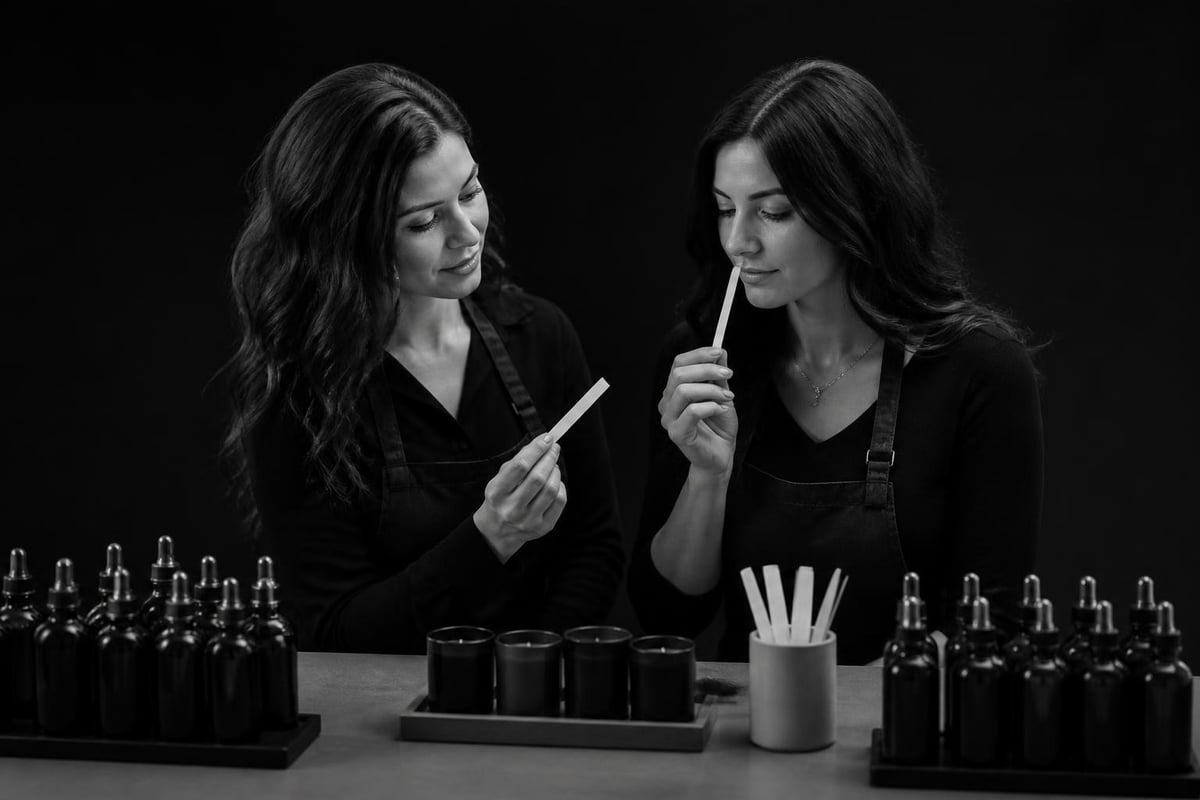
Spend time before arrival considering fragrance families you enjoy. Do woody scents appeal more than floral? Do you prefer clean and minimal or rich and complex? Many NYC candle bars send pre-session questionnaires to gauge preferences and prepare appropriate materials.
Understanding your own scent vocabulary helps instructors guide blending. Rather than saying "I want something that smells good," articulate specifics like "I enjoy the smell of rain on pavement" or "I want my apartment to smell like a forest after dark." These descriptive anchors translate into actionable ingredient choices.
What fragrance safety standards apply to candle bars in NYC?
Candle bars in NYC must follow IFRA fragrance safety standards for allergen management and consumer product safety, particularly when offering scent blending with botanical or synthetic ingredients. These guidelines establish maximum concentration levels for specific compounds and require proper labeling of known allergens in finished candles.
The International Fragrance Association maintains a Code of Practice updated annually with new research on skin sensitization, photosensitivity, and respiratory effects. While IFRA standards function as industry self-regulation rather than law, responsible candle bars adopt them to protect customers and staff.
Understanding IFRA certificates and restricted ingredients
Each fragrance component used in candle bars should carry current IFRA certification documenting safe usage levels. Understanding how to use IFRA standards matters for workshop hosts and participants alike, particularly those with chemical sensitivities or pregnancy considerations.
Certain botanical extracts face strict limits. Some essential oils contain compounds that become toxic above specific concentrations or when heated to typical candle-burning temperatures. Responsible instructors communicate these restrictions during blending sessions and may prohibit certain combinations that exceed safety thresholds.
Fully botanical candle bars using only plant and resin extracts navigate different safety considerations than those offering synthetic fragrance oils. Natural materials still require careful handling and proper ventilation, but they avoid many phthalates and synthetic musks flagged in IFRA restricted-substance lists.
What candle construction standards ensure your DIY candle burns safely?
Safe DIY candles meet ASTM F2417 specifications covering wick size relative to container diameter, wax type compatibility, and flame height during normal burning. Proper candle bars teach these ratios during workshops and pre-select materials that comply with fire safety testing protocols.
The 2023 update to ASTM F2417 tightened requirements around secondary ignition (when wax pool reaches container edge) and mandated clearer labeling of burn time and safety warnings. Quality NYC workshops incorporate these standards into instruction rather than simply handing customers materials and hoping for safe outcomes.
Wick selection and placement
Wick diameter determines burn rate and flame height. Too thin and the candle tunnels, wasting wax around the edges. Too thick and the flame grows dangerously large, potentially cracking glass containers or igniting nearby materials.
Professional candle bars pre-calculate wick size based on:
- Container diameter (measured at the wax surface)
- Wax type and density
- Fragrance load (scented candles burn differently than unscented)
- Expected burn session length
During workshops, instructors demonstrate proper wick centering using guides or clips. A wick off-center by even a few millimeters creates uneven burning and potential glass stress points.
Safe burning practices participants should learn
Every candle bar nyc session should conclude with burn safety education. FDNY consumer safety guidance recommends never burning candles longer than four hours continuously, keeping them on heat-resistant surfaces, and maintaining clearance from curtains, books, and other combustibles.
Participants leave workshops with specific instructions:
- Trim wicks to one-quarter inch before each use
- Stop burning when one-half inch of wax remains
- Never move lit candles or leave them unattended
- Keep away from children, pets, and air drafts
These guidelines apply equally to commercially produced and handmade candles, but DIY creators bear responsibility for following construction principles that enable safe burning.
How do botanical candle bars differ from synthetic fragrance workshops?
Botanical candle bars use only plant-derived and resin-based scent materials without synthetic fragrance compounds, resulting in candles that smell earthier and less uniform than those made with standardized fragrance oils. This approach requires deeper ingredient knowledge and produces variations between batches that some customers prize as authenticity while others find inconsistent.
Synthetic fragrance oils dominate most candle bars because they deliver predictable results. A "vanilla" oil smells identical batch to batch, simplifies inventory management, and blends easily without the chemical complexity of natural vanillin extracted from cured pods.
Ingredient sourcing and scent variability
Botanical workshops source materials from agricultural supply chains subject to seasonal variation and terroir effects. The same botanical extract harvested in different years or regions carries subtle scent differences, much like wine from the same vineyard changes vintage to vintage.
This variability challenges workshops aiming for replicable experiences but enriches the creative process for participants who value connection to agricultural origins. Instructors at botanical-focused candle bars often share sourcing stories about specific ingredients, linking scents to geographic places and harvest methods.
| Approach | Advantages | Considerations |
|---|---|---|
| Botanical only | Vegan-friendly, alcohol-free options; minimal synthetic exposure | Shorter shelf life; scent shifts over time |
| Synthetic oils | Consistent results; wider scent palette including fantasy notes | May contain phthalates; less transparent sourcing |
| Hybrid blends | Balances natural appeal with stability | Requires careful IFRA compliance for both categories |
Health-conscious consumers increasingly question whether candles negatively impact indoor air quality, particularly regarding particulate emissions and volatile organic compounds. Botanical formulations address some concerns by eliminating synthetic musks and certain petrochemical derivatives, though all candles release some combustion byproducts when burned.
What group experiences do NYC candle bars offer?
NYC candle bars offer private group experiences for corporate team building, birthday celebrations, bridal events, and creative date nights, typically accommodating six to twenty participants with customized instruction and extended workshop time. These sessions often include beverages, dedicated event space, and take-home products for each attendee.
Group bookings generate significant revenue for candle bars and create social media amplification as participants photograph and share their experiences. The format works particularly well for milestone celebrations where guests want both activity and keepsake.
Corporate team building and skills workshops
Companies book candle-making sessions as alternatives to traditional happy hours or trust falls. The structured creative activity requires collaboration during scent selection while allowing individual expression in final products. Teams leave with matched but personalized candles that function as desk decorations and conversation pieces.
Advanced corporate workshops integrate fragrance theory and sensory marketing principles into curriculum, exploring how scent influences workplace productivity and brand perception. These extended sessions appeal to marketing departments and product development teams seeking hands-on understanding of olfactory psychology.
Pricing for corporate groups typically includes:
- Minimum participant count (often eight to ten)
- Extended workshop time (two to three hours versus standard ninety minutes)
- Customization options like company logo vessels or branded scent profiles
- Beverage service and light refreshments
- Dedicated event coordinator
Celebrations and social gatherings
Birthday parties and bridal showers at candle bars combine craft activity with social celebration. Hosts often coordinate scent themes matching event aesthetics or seasonal timing. Winter gatherings might focus on warming spice blends while summer events explore fresh botanical combinations.
The physical output matters for party planning. Unlike painting classes where finished work varies dramatically in quality, candle workshops guarantee every participant creates a functional, attractive product regardless of artistic skill. This universality makes the format accessible and reduces performance anxiety.
Some NYC candle bars partner with local bakeries, florists, or beverage services to create comprehensive event packages. A two-hour candle workshop might include welcome cocktails, small bites, and a final half-hour for group photos and product packaging.
What should you know about taking your candle home from a NYC workshop?
Candles created at NYC workshops require four to twenty-four hours of cooling and curing before first burn, depending on wax type and vessel size. Transport them carefully in provided packaging, keep them level during subway or car travel, and store in cool locations away from direct sunlight until fully set.
The curing process matters more than many first-time makers realize. Wax continues solidifying and contracting as it reaches room temperature. Lighting too soon produces uneven burns and potential structural problems.
Optimal curing times by wax type
Different waxes require different patience:
- Soy wax: Twelve to twenty-four hours minimum, longer for heavily scented candles
- Coconut wax: Eight to twelve hours for standard vessels
- Beeswax: Twenty-four to forty-eight hours, especially in larger containers
- Blended waxes: Follow the longest cure time of component waxes
Workshop instructors should provide specific guidance based on the materials used during your session. Some candle bars include printed care cards with each finished product detailing cure times, first-burn instructions, and troubleshooting guidance.
Subway-safe packaging strategies
Transporting liquid or semi-solid wax on public transit requires care. Most workshops provide rigid boxes or bags with internal supports that prevent tipping. If your candle hasn't fully solidified, keep it absolutely level during the journey home.
Summer heat complicates transport. Wax softens in temperatures above seventy-five degrees, and subway cars regularly exceed eighty-five during July and August. Consider timing your workshop for cooler months or arranging car service if you create large-format candles during peak summer.
Store finished candles away from radiators, sunny windowsills, and other heat sources. Botanical scents particularly fade when exposed to sustained temperatures above seventy degrees or direct UV light.
How much do candle bar nyc experiences typically cost?
Candle bar nyc experiences typically cost between fifty and one hundred fifty dollars per person for standard workshops, with prices varying based on vessel size, fragrance complexity, class duration, and whether botanical or synthetic ingredients are used. Group rates and private events command premiums of twenty to fifty percent above individual session pricing.
Budget considerations extend beyond base workshop fees. Many venues encourage beverage purchases (alcoholic and non-alcoholic options) and offer retail products for additional purchase. Factor in transportation costs to and from the workshop location, particularly if traveling from outer boroughs.
Comparing value across price points
Lower-priced workshops often standardize options to streamline instruction and material costs. You might choose from six pre-blended fragrances rather than creating custom combinations from twenty individual components. Vessels lean toward simple glass tumblers rather than ceramic containers or specialty shapes.
Premium experiences expand choice:
- Access to rare botanical extracts or luxury fragrance oils
- Multiple vessel options including hand-thrown ceramics
- Smaller class sizes enabling personalized attention
- Extended workshop time for complex blending
- Included refreshments and take-home extras
The learning depth varies considerably. A forty-five dollar quick-pour session teaches basic technique in sixty minutes. A one-hundred-fifty dollar intensive covers wax chemistry, wick mathematics, scent theory, and troubleshooting across three hours.
Consider cost per wear when evaluating value. A seventy-five dollar workshop producing a candle with forty hours of burn time costs less than two dollars per hour of use, comparable to movie tickets or museum admission when calculated as entertainment expense.
What questions should you ask before booking a candle bar nyc workshop?
Before booking a candle bar nyc workshop, ask about ingredient sourcing and safety compliance, class size and instruction ratio, cancellation policies, what you can take home, and whether the space holds proper permits for open flame work. Request detailed material lists if you have allergies or chemical sensitivities.
Not all workshops deliver equivalent experiences despite similar pricing. Direct questions reveal important distinctions in quality, safety, and educational value.
Essential pre-booking questions
Contact workshops with these specific inquiries:
-
What wax types do you offer, and where are they sourced? Quality matters significantly. Look for transparent answers about soy versus paraffin, domestic versus imported materials, and sustainability certifications.
-
Are your fragrance materials IFRA certified? This confirms attention to safety standards and allergen management. Hesitation or unfamiliarity with IFRA suggests inadequate safety protocols.
-
What is your maximum class size and student-to-instructor ratio? Workshops exceeding twelve participants per instructor often rush individual attention and troubleshooting.
-
Do you hold current FDNY permits for educational occupancy with open flames? This legal requirement protects you and ensures the venue meets fire safety codes.
-
What exactly do I take home? Clarify whether your fee includes one candle or multiple, vessel size, and any additional products or materials.
-
What is your cancellation and rescheduling policy? Understand refund timelines and whether you can transfer reservations if plans change.
-
Do you accommodate fragrance sensitivities or allergies? Responsible workshops maintain scent-free zones and can adjust material selections for participants with documented sensitivities.
These questions establish baseline professionalism and help identify workshops prioritizing customer education over quick turnover.
FAQ
Can you make candles in NYC apartments legally?
You can make candles in NYC apartments legally for personal use, but selling homemade candles requires business licensing, compliance with fire codes, and proper insurance. Melting wax indoors demands adequate ventilation and fire suppression equipment regardless of whether production is commercial or recreational.
How long does a typical candle bar workshop last?
A typical candle bar workshop lasts ninety minutes to two hours, including instruction, fragrance blending, pouring, and initial cooling time. Extended workshops for advanced techniques or group events may run three hours, while express sessions compress basics into sixty minutes for time-limited participants.
Are candle bar workshops safe for pregnant women?
Candle bar workshops using 100% botanical ingredients without synthetic fragrance compounds are generally safe for pregnant women, though individual scent sensitivities may increase during pregnancy. Consult your healthcare provider before attending workshops using synthetic fragrance oils or essential oils with documented pregnancy contraindications.
What is the minimum age for candle bar nyc workshops?
The minimum age for candle bar nyc workshops varies by venue, ranging from eight to sixteen years old depending on safety protocols and supervision ratios. Most workshops require adult accompaniment for participants under eighteen due to hot wax handling and open flame exposure during instruction.
Do you need experience to attend a candle making workshop?
You do not need prior experience to attend candle making workshops, as instructors design sessions for complete beginners with step-by-step guidance through all processes. Advanced workshops exist for experienced makers seeking specialized techniques, but standard candle bar experiences assume zero previous knowledge.
Can you recreate your custom candle scent at home?
You can recreate your custom candle scent at home if you document the exact ingredients and proportions during the workshop and source identical materials independently. Most botanical and synthetic fragrance components are available through specialty suppliers, though minimum order quantities may exceed hobby-scale needs for some rare extracts.
The candle bar phenomenon has transformed fragrance shopping into immersive education, giving New Yorkers agency over scent creation while teaching practical craft skills. Whether you seek a solo creative outlet, group celebration, or deeper understanding of botanical composition, Manhattan offers workshops matching every interest and budget. Haus of Smell brings this experience to NoMad with entirely botanical formulations handmade in Manhattan, where you can explore custom scent creation using 100% plant-based ingredients. Visit to discover how vegan, alcohol-free fragrance composition translates into candles that carry your personal creative signature.