
The best wax melts for home use combine clean-burning natural wax bases like soy or coconut with real botanical extracts rather than synthetic fragrance oils. Quality wax melts should offer strong scent throw without toxic emissions, burn evenly in warmers, and contain ingredients that align with your health priorities and environmental values.
Finding the right wax melts transforms how your living space feels and smells. The market offers hundreds of options, from mass-produced synthetics to handcrafted botanical formulations. Understanding what separates quality from mediocrity helps you make choices that enhance your home without compromising air quality.
What makes wax melts better than traditional candles for home fragrance?
Wax melts provide flameless fragrance delivery with longer scent duration and easier customization than traditional candles. A single wax melt cube typically lasts 8-12 hours in a warmer, and you can blend different scents without committing to a full candle burn.
The safety advantage matters most in homes with children, pets, or small spaces where open flames pose risks. Wax melt safety guidelines emphasize that electric warmers eliminate fire hazards while still distributing fragrance effectively through gentle heat. This makes them particularly suitable for apartments, dorm rooms, and office environments where candles might be prohibited.
Cost efficiency and fragrance control
Wax melts deliver more value per dollar than equivalent candles. You control intensity by adjusting the number of cubes used, and you can switch scents instantly by changing the melt without wasting product. This flexibility allows you to match fragrances to occasions, seasons, or moods without maintaining a large candle collection.
The ability to experiment with scent combinations sets wax melts apart from scented products that lock you into a single fragrance profile. Mix florals with woods, or layer citrus over earthy bases to create custom atmospheres that reflect your preferences.
Which wax base provides the cleanest burn for home use?
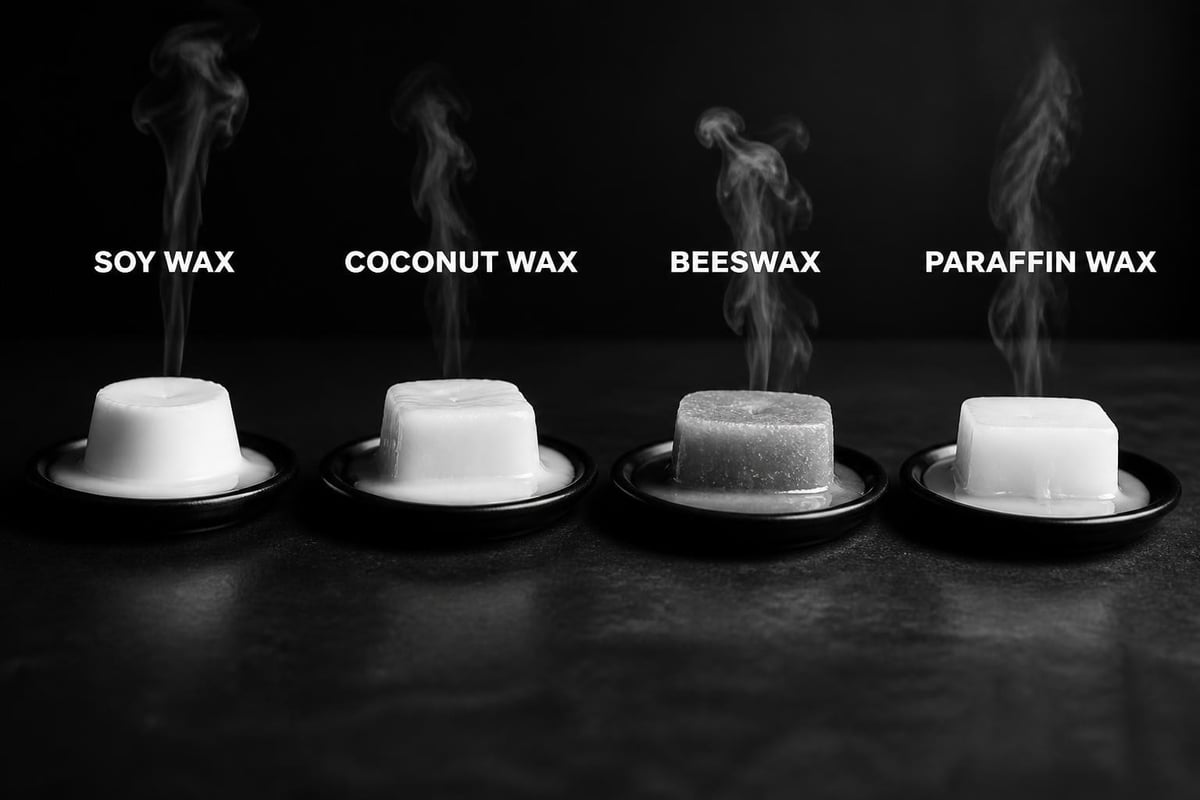
Soy wax and coconut wax blends provide the cleanest burn with minimal soot production and strong scent throw. These plant-based waxes burn at lower temperatures than paraffin, releasing fragrance gradually without producing the black residue or petroleum byproducts associated with conventional wax formulations.
Natural wax bases matter because whatever melts in your warmer eventually enters the air you breathe. A toxicologist's review of wax melt safety explains that paraffin wax, derived from petroleum, can release volatile organic compounds when heated. Plant-based alternatives avoid these concerns while often holding fragrance more effectively.
Material transparency and sourcing
The best wax melts for home environments list their wax source clearly on packaging. Look for terms like "100% soy," "coconut wax blend," or "vegetable-based wax" rather than vague descriptors like "premium wax" or "proprietary blend" that obscure the actual composition.
Beeswax offers another natural option, though it works better for candles than melts due to its high melting point and subtle honey scent that can interfere with other fragrances. Blends combining coconut and soy often perform best, balancing scent throw with clean burning characteristics.
| Wax Type | Burn Temperature | Scent Throw | Soot Production | Sustainability |
|---|---|---|---|---|
| Soy | Low | Strong | Minimal | High |
| Coconut | Low | Very Strong | None | High |
| Beeswax | High | Moderate | Minimal | Moderate |
| Paraffin | High | Strong | Heavy | Low |
| Palm | Medium | Strong | Low | Variable |
How do botanical fragrance oils differ from synthetic options?
Botanical fragrance oils derive from real plant materials through distillation or extraction, creating complex scent profiles with depth and variation. Synthetic fragrance oils replicate isolated aromatic molecules in laboratories, often producing stronger but flatter scents that lack the nuanced character of natural extracts.
The distinction extends beyond scent quality to health considerations. Natural botanical extracts contain hundreds of aromatic compounds that work together, while synthetic fragrances may include phthalates, parabens, and other chemicals linked to respiratory irritation or hormonal disruption. When selecting the best wax melts for home use, examining fragrance composition proves as important as choosing the right wax base.
Reading fragrance disclosure labels
Federal regulations do not require manufacturers to disclose specific fragrance ingredients, allowing them to list "fragrance" or "parfum" without further detail. This loophole means conventional wax melts may contain dozens of undisclosed synthetic chemicals. Seek products that specify "essential oils," "plant extracts," or "botanical fragrances" with transparent ingredient lists.
Some brands bridge the gap with "nature-identical" synthetics that replicate natural molecules without plant sourcing. While these avoid petroleum derivatives, they still lack the complexity and therapeutic properties of genuine botanical materials. For those prioritizing natural ingredients, Botanical Candles & Wax Melts offer formulations made from real plant and resin extracts with zero synthetic additives, hand-poured in Manhattan.
The sensory difference becomes apparent when comparing how natural versus synthetic scents evolve. Botanical fragrances shift and deepen as they warm, revealing different facets over hours, while synthetic versions often smell identical from start to finish.
What safety considerations matter when choosing wax melts?
Safe wax melt selection requires examining both the wax base and fragrance load to ensure products do not release harmful emissions when heated. Proper usage guidelines emphasize keeping warmers on stable surfaces away from flammable materials, never leaving them unattended for extended periods, and ensuring adequate room ventilation during use.
Fragrance concentration determines both scent strength and potential irritation. Products loaded with excessive fragrance oil (above 10-12% concentration) may produce overpowering scents that trigger headaches or respiratory discomfort. Quality manufacturers balance fragrance load to achieve strong scent throw without overwhelming enclosed spaces.
Warmer compatibility and temperature control
Different wax formulations require different warming temperatures. Soy and coconut waxes melt effectively at lower temperatures (around 120-140°F), while paraffin needs higher heat (150-170°F). Using a warmer with adjustable temperature settings allows you to optimize fragrance release for your specific wax type.
Electric warmers with automatic shut-off timers add safety layers, preventing all-day heating cycles that can degrade fragrance quality and potentially overheat wax. Tea light warmers work well for natural waxes but require monitoring since they use open flames.
Essential safety practices include:
- Using warmers designed specifically for wax melts, not makeshift alternatives
- Placing warmers on heat-resistant surfaces away from curtains and papers
- Limiting warming sessions to 4-6 hours maximum
- Allowing wax to fully solidify before removing or replacing
- Keeping warmers out of reach of children and pets
- Never adding water or other liquids to melted wax
How can you identify high-quality wax melts before purchasing?
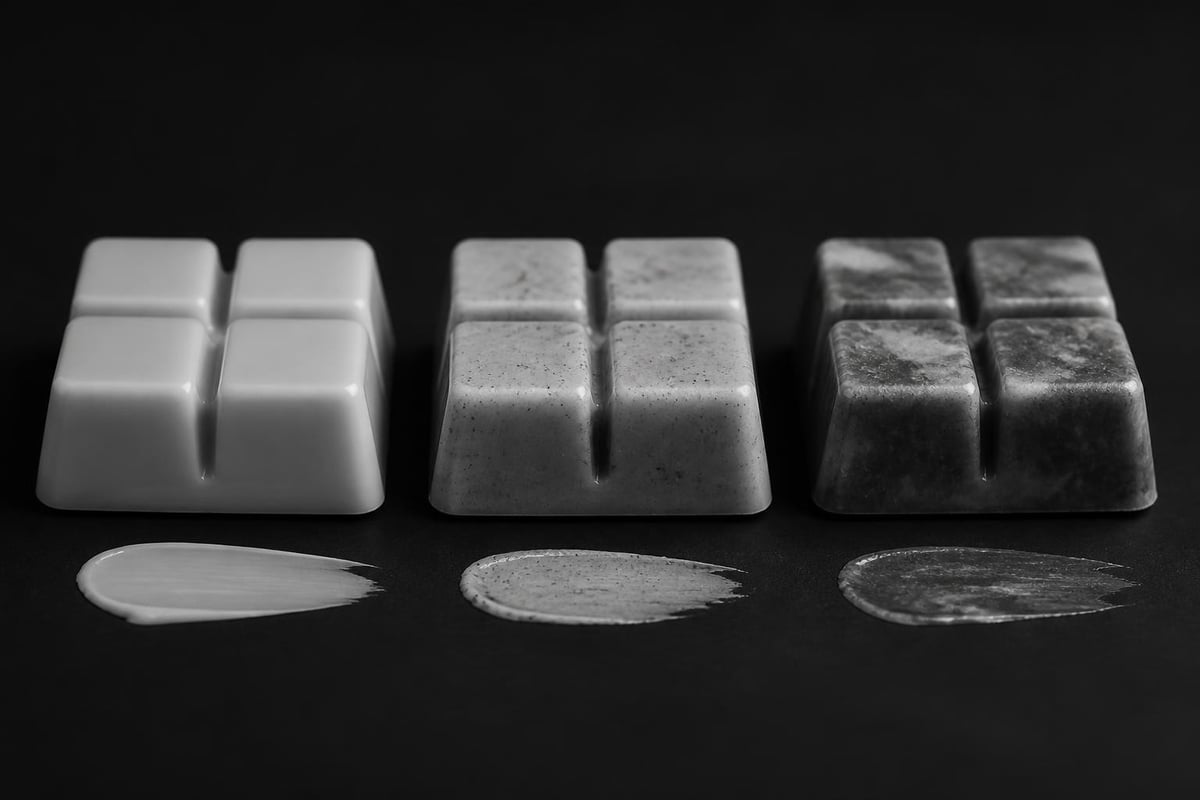
High-quality wax melts display uniform color throughout, firm texture at room temperature, and minimal oil seepage on surfaces. The best wax melts for home use release fragrance immediately when warmed but avoid overwhelming artificial intensity that suggests excessive synthetic loading.
Visual inspection reveals manufacturing quality. Hand-poured wax melts may show slight color variations or texture differences that indicate small-batch production, while machine-made versions appear perfectly uniform. Neither approach guarantees quality, but artisan production often correlates with ingredient transparency and natural formulations.
Price versus value analysis
Premium wax melts typically cost $8-15 per package containing 6-12 melts, while budget options run $3-6 for similar quantities. Price differences reflect ingredient quality, fragrance concentration, and production methods. However, expensive does not always mean better, particularly when brands charge premiums for elaborate packaging rather than superior formulations.
Calculate cost per hour of fragrance rather than price per package. A $12 package of botanical wax melts lasting 10 hours per cube (60 total hours) provides better value than $5 synthetic melts burning 4 hours each (24 total hours). The higher initial cost delivers 2.5 times more fragrance time.
| Price Range | Expected Wax Type | Fragrance Source | Burn Time per Cube | Best For |
|---|---|---|---|---|
| Under $5 | Paraffin blend | Synthetic oils | 3-5 hours | Testing scents, high-traffic areas |
| $5-$10 | Soy or mixed | Mixed natural/synthetic | 6-8 hours | Daily use, moderate budgets |
| $10-$15 | Coconut or soy | Botanical extracts | 8-12 hours | Long sessions, natural preference |
| Over $15 | Premium natural | Pure essential oils | 10-15 hours | Special occasions, luxury spaces |
Brand transparency and sourcing information
Reputable wax melt manufacturers provide detailed information about their wax sources, fragrance compositions, and production locations. Brands hiding behind vague marketing language or refusing to disclose ingredients often use cheaper synthetic materials they prefer customers not investigate. When learning how to make a small apartment smell luxurious, ingredient transparency becomes particularly important in confined spaces where air quality directly impacts daily comfort.
Third-party certifications add credibility. Look for labels indicating vegan formulation, cruelty-free testing policies, or certifications from organizations like the Sustainable Furnishings Council. These verify claims that might otherwise rely solely on marketing assertions.
Where should you place wax warmers for optimal fragrance distribution?
Central locations with good air circulation distribute fragrance most effectively throughout living spaces. Position warmers on stable furniture pieces away from walls, allowing heated air to rise and disperse naturally rather than concentrating in corners or against surfaces that absorb scent.
Room size determines warmer placement strategy. In spaces under 200 square feet, a single warmer near the center provides adequate coverage. Larger rooms benefit from multiple warmers positioned in different zones, or placing the warmer near return air vents that carry fragrance through HVAC systems to adjoining spaces.
Avoiding fragrance dead zones
Dead zones occur where air stagnates, preventing fragrance circulation. These typically form in corners behind furniture, closets, and enclosed alcoves. While you cannot eliminate all dead zones, strategic warmer placement minimizes their impact on overall scent experience.
Hallways and transitional spaces work well for warmers because air movement naturally disperses fragrance to connected rooms. This approach uses one warmer to scent multiple areas rather than requiring dedicated warmers in every space.
Optimal placement locations include:
- Coffee tables in living rooms, centered away from walls
- Kitchen counters near eating areas (avoiding cooking zones)
- Bedroom dressers at least three feet from beds
- Bathroom vanities for small enclosed spaces
- Entryway console tables for welcoming first impressions
- Home office desks for focused, pleasant work environments
What role does sustainability play in selecting wax melts?
Sustainable wax melt production considers raw material sourcing, manufacturing processes, packaging choices, and end-of-life disposal options. The best wax melts for home use align environmental responsibility with performance, avoiding the false choice between eco-friendly products and effective fragrance delivery.
Wax source sustainability varies significantly. Soy wax raises concerns about monoculture farming and GMO crops unless certified organic. Palm wax contributes to deforestation unless RSPO-certified. Coconut wax generally offers better sustainability credentials but costs more. Beeswax depends on ethical beekeeping practices that support pollinator health.
Packaging and waste reduction
Excessive packaging undermines otherwise sustainable formulations. Look for minimal packaging using recycled materials, or bulk options that reduce per-use waste. Some manufacturers offer refill programs where you return containers for reuse, eliminating single-use packaging entirely.
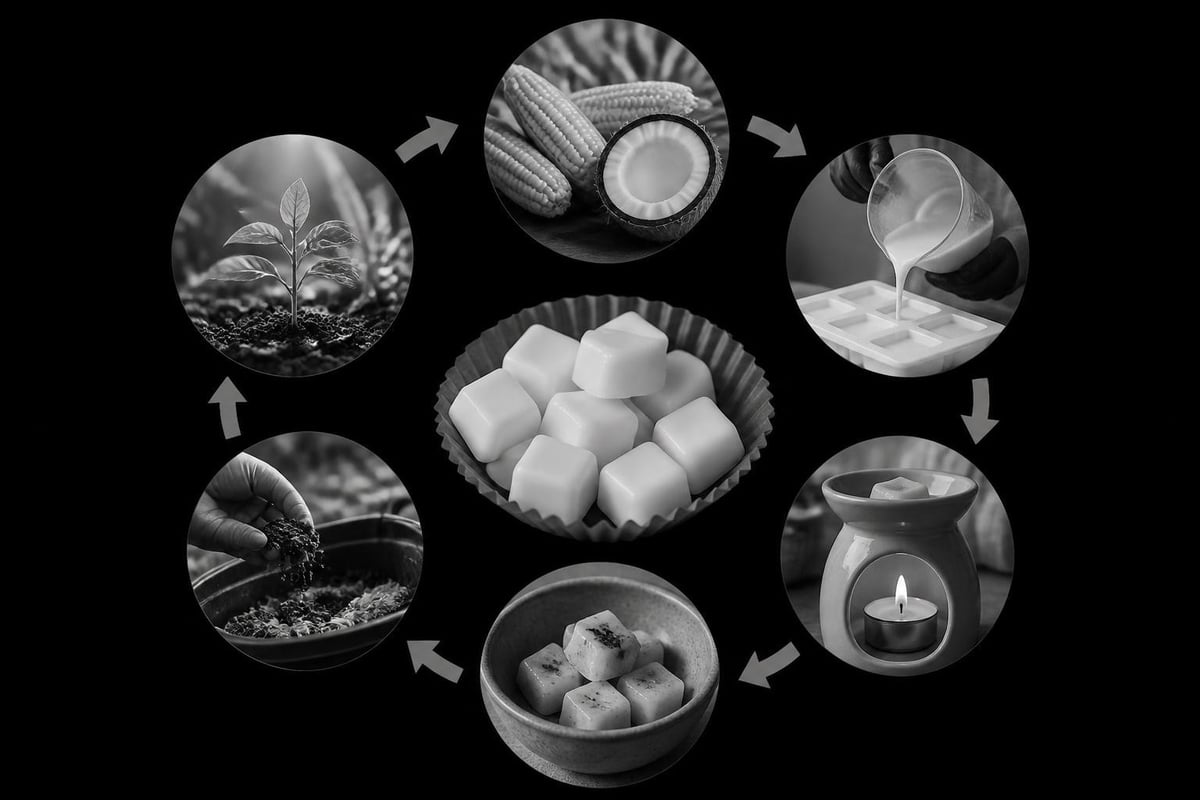
Considering waste disposal after use matters as much as initial sustainability. Natural wax melts can be composted after use (once fragrance dissipates), while paraffin-based melts require trash disposal. For environmentally conscious consumers who also prioritize clean home practices, pairing natural wax melts with compostable trash bags from GreenTuff creates a fully sustainable home fragrance routine that minimizes plastic waste from beginning to end.
How do you properly maintain wax warmers for longevity?
Regular cleaning prevents fragrance contamination and extends warmer lifespan. Allow wax to solidify completely, then remove by gently popping solid wax from ceramic or glass warmers, or by briefly reheating and pouring liquid wax into disposable containers.
Safety guidelines from Hilldale Home recommend cleaning warmers between every 3-4 scent changes to prevent muddied fragrance profiles. Cotton balls soaked in rubbing alcohol remove residual oils from warmer dishes without damaging finishes or leaving cleaning product residue.
Preventing buildup and damage
Hard water mineral deposits accumulate on warmers in humid environments or when condensation occurs. Wipe warmer surfaces weekly with a damp microfiber cloth to prevent buildup that can affect heating efficiency. Never submerge electric warmers in water, focusing cleaning efforts on the removable dish only.
Fragrance oils can stain lighter-colored ceramic warmers over time. This discoloration does not affect performance but may bother those who prefer pristine appearance. Dark-colored or patterned warmers hide staining better than white or cream options.
Can you mix different wax melt brands safely?
Mixing wax melts from different manufacturers works safely as long as both use compatible wax bases and fragrance concentrations. Combining soy-based melts creates no chemical conflicts, though fragrance notes may clash or create unpleasant combinations depending on scent profiles.
Start with small test batches when experimenting with combinations. Use half cubes of each scent initially, warming together to evaluate the blended result before committing full cubes. Some pairings enhance each other while others compete, producing muddy or contradictory scent experiences.
Creating custom scent experiences
Layering allows sophisticated fragrance customization impossible with single-scent products. Complement top-smelling candles already burning in your space by choosing wax melts that share base characteristics but add different top layers, building depth without overwhelming.
Professional perfumers use this layering technique to create signature scents. Apply the same principles at home by understanding fragrance families and selecting combinations from complementary categories rather than conflicting ones.
What seasonal considerations affect wax melt performance?
Temperature and humidity fluctuations change how wax melts perform throughout the year. Summer heat softens wax, potentially causing premature melting or oil seepage, while winter cold hardens wax and may require longer warming periods to achieve full fragrance release.
Seasonal scent preferences also shift. Lighter, fresher botanical scents suit spring and summer, while deeper, richer extracts feel more appropriate for fall and winter months. Rotating wax melt selections seasonally keeps home fragrance feeling current and intentional rather than stagnant.
Storage best practices
Store unused wax melts in cool, dark locations away from direct sunlight and heat sources. Excessive heat degrades fragrance oils over time, diminishing scent strength before use. Airtight containers prevent fragrance evaporation and protect wax from absorbing odors from storage environments.
Wax melts maintain peak fragrance for approximately one year when stored properly. After this period, scent intensity gradually diminishes though the wax remains usable. Date packages when purchased to track aging and prioritize older stock before newer acquisitions.
How does professional house cleaning impact wax melt usage?
Regular professional cleaning affects how you experience home fragrances by removing competing odors and creating neutral scent environments. When professional services like Easy Peasy Cleaning in Cary maintain your space, wax melts perform better because they fragrance clean air rather than masking existing odors.
Deep cleaning sessions temporarily disrupt fragrance routines. Cleaning products introduce their own scents that may conflict with wax melts for several hours post-service. Wait until cleaning product scents dissipate (typically 2-3 hours with good ventilation) before resuming wax melt use to avoid creating unpleasant chemical-botanical combinations.
Coordinating scents with cleaning schedules
Some homeowners time wax melt changes with cleaning appointments, using the freshly cleaned environment as an opportunity to introduce new seasonal scents or rotate fragrance selections. This practice associates particular scents with cleanliness, reinforcing positive psychological connections between fragrance and tidy spaces.
Professional cleaners often appreciate when clients avoid using wax melts during service appointments. This prevents conflicts between cleaning products and existing fragrances, allows cleaners to detect odors that might indicate problems requiring attention, and ensures cleaning product scents signal completion of thorough work.
FAQ
How long should you run a wax warmer each day?
Run wax warmers for 4-6 hour sessions maximum to preserve fragrance quality and prevent scent fatigue. Continuous all-day warming degrades fragrance oils and causes your nose to adapt, reducing scent perception. Intermittent use maintains stronger fragrance impact and extends wax melt lifespan significantly.
Are wax melts safe around pets and children?
Quality natural wax melts pose minimal toxicity risks, but warmers present burn hazards if touched while hot. Place warmers on high surfaces beyond reach of small children and curious pets. Avoid wax melts containing essential oils toxic to cats (tea tree, eucalyptus, citrus) or dogs (wintergreen, pennyroyal).
Can you reuse wax melts after the scent fades?
Reusing wax melts after fragrance depletion accomplishes nothing, as the scent cannot regenerate. Remove spent wax when you no longer detect fragrance (typically after 8-12 hours of warming). Natural waxes can be composted while synthetic versions require trash disposal.
Do expensive wax melts actually smell better?
Higher prices often reflect natural ingredients, ethical sourcing, and small-batch production rather than inherently superior scent. Expensive wax melts using real botanical extracts offer more complex, evolving fragrances than budget synthetic options, but personal preference ultimately determines what "better" means for individual users.
How many wax melt cubes should you use at once?
Start with one cube in small rooms (under 150 square feet) and two cubes in larger spaces. Add additional cubes only if initial fragrance seems weak after 30 minutes of warming. Using too many cubes wastes product and risks overwhelming scent intensity that causes headaches.
What causes wax melts to lose scent quickly?
Excessive warming temperatures, poor-quality fragrance oils, or incorrect fragrance load percentages cause rapid scent loss. Low-quality synthetic fragrances evaporate faster than natural botanical extracts. Proper warmer temperature (120-140°F for natural waxes) preserves fragrance longer than excessive heat that burns off aromatic compounds.
Selecting the best wax melts for home fragrance requires balancing natural ingredients, sustainable sourcing, and effective scent delivery. Quality botanical formulations outperform synthetic alternatives in both complexity and safety while supporting environmental responsibility.
For those in Manhattan and throughout New York seeking genuinely botanical wax melts crafted from real plant extracts without synthetics, Haus of Smell offers hand-poured formulations made in NoMad. Every product reflects a commitment to vegan, natural ingredients that transform living spaces into sensory experiences grounded in authentic botanical fragrance.