
The best non-toxic candles are made from natural waxes like soy, beeswax, or coconut, feature cotton or wood wicks, and use essential oils or botanical extracts instead of synthetic fragrances. These candles avoid paraffin wax, phthalates, and artificial scent compounds that can release harmful volatile organic compounds into your home.
Awareness around indoor air quality has transformed how consumers approach everyday products. Candles, once considered purely decorative or atmospheric, now face scrutiny for their ingredient lists and manufacturing processes. The shift toward cleaner living has created demand for transparency in what we burn in our homes, particularly as research on candle emissions continues to evolve.
What Makes a Candle Non-Toxic?
A non-toxic candle contains no ingredients that release harmful chemicals when burned. The primary concerns include paraffin wax, synthetic fragrances, and lead-core wicks, all of which can emit volatile organic compounds or heavy metals into indoor air.
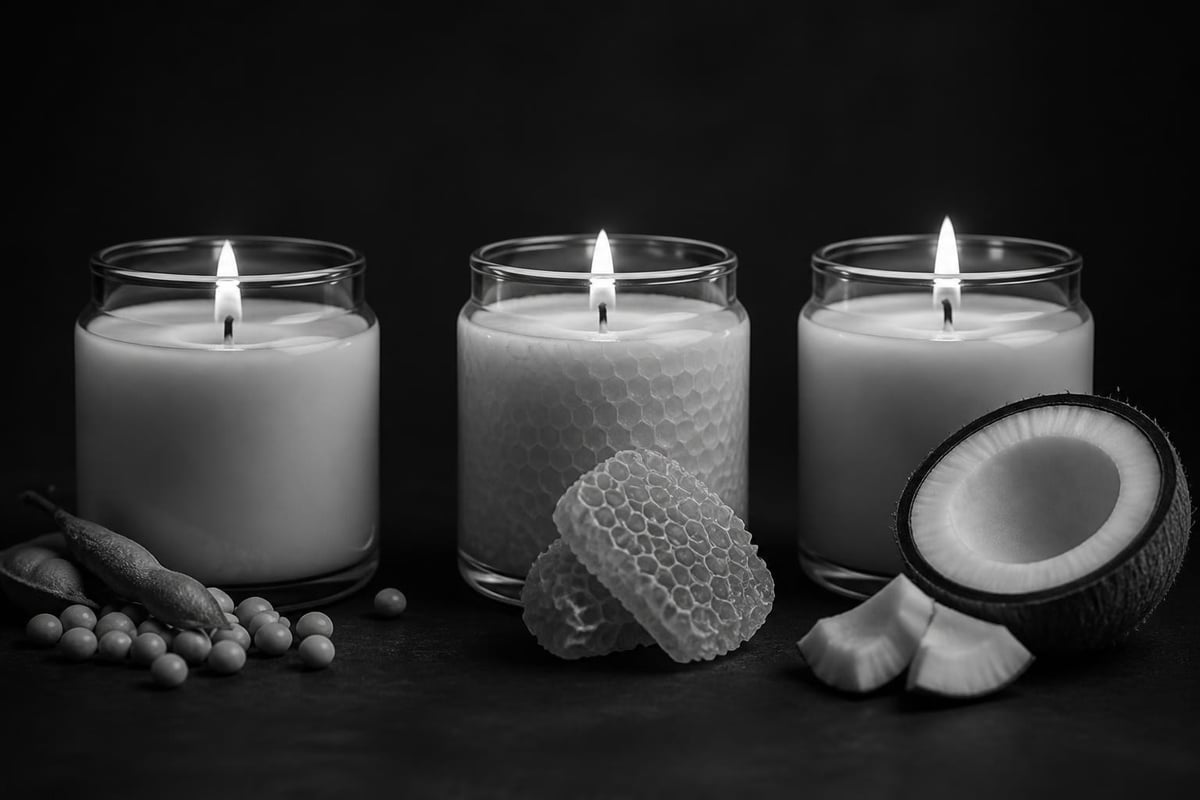
Natural wax sources form the foundation of clean candles. Soy wax, derived from soybeans, burns slower and cleaner than petroleum-based alternatives. Beeswax, a byproduct of honey production, naturally purifies air while burning. Coconut wax offers excellent scent throw and comes from renewable resources. These plant-based options produce minimal soot and avoid the toxic emissions associated with paraffin.
The fragrance component separates truly non-toxic candles from those simply marketed as natural. Synthetic fragrances often contain phthalates, chemical compounds used to extend scent longevity but linked to hormonal disruption and respiratory irritation. Cleveland Clinic research confirms that fragrance chemicals represent the most significant concern in conventional candles.
Key Ingredients to Avoid
Understanding what to exclude matters as much as knowing what to include. The following table outlines common toxic ingredients and their cleaner alternatives:
| Toxic Ingredient | Health Concern | Clean Alternative |
|---|---|---|
| Paraffin wax | Releases benzene and toluene | Soy, beeswax, coconut wax |
| Synthetic fragrance | Contains phthalates | Essential oils, botanical extracts |
| Lead-core wicks | Heavy metal exposure | Cotton, wood, hemp wicks |
| Artificial dyes | Petroleum-based chemicals | Natural colorants or no dye |
Third-party certifications provide additional assurance. Look for labels indicating products are free from specific chemicals, though the candle industry lacks comprehensive regulation compared to food or cosmetics.
How Do Natural Waxes Compare to Paraffin?
Natural waxes burn cleaner, produce less soot, and come from renewable sources, while paraffin wax derives from petroleum and releases toxic compounds like benzene and toluene when burned. The difference affects both indoor air quality and environmental impact.
Paraffin wax dominates the conventional candle market due to its low cost and ability to hold fragrance. However, its petroleum origins mean burning paraffin releases the same compounds found in diesel fuel emissions. Studies measuring indoor air quality during paraffin candle burning show elevated levels of volatile organic compounds that can trigger respiratory issues in sensitive individuals.
Natural wax alternatives offer distinct advantages:
- Soy wax burns 30-50% longer than paraffin at the same weight
- Beeswax produces negative ions that bind to pollutants
- Coconut wax provides superior scent distribution with minimal additives
- Palm wax creates beautiful crystalline patterns naturally
The burn quality differs noticeably. Natural waxes typically produce smaller, steadier flames and generate minimal black soot on container walls. Paraffin candles often create larger flames that flicker more and deposit carbon residue around the room.
Environmental Considerations
Beyond personal health, the production cycle matters. Soy and coconut waxes come from crops that regenerate annually. Beeswax supports pollinator populations through ethical beekeeping. Paraffin extraction and refinement contribute to fossil fuel dependency and cannot claim renewable status.
Some natural waxes blend multiple sources to optimize performance. A soy-coconut blend might combine soy's clean burn with coconut's fragrance retention. These combinations allow candle makers to achieve specific aesthetic and functional goals while maintaining non-toxic credentials.
What Should You Look for When Shopping for the Best Non-Toxic Candles?
Look for candles listing specific natural wax types, botanical or essential oil fragrances, cotton or wood wicks, and transparent ingredient disclosure from manufacturers committed to clean formulations. Third-party testing and certifications provide additional verification.
Brand transparency separates genuinely clean products from greenwashed alternatives. Companies producing the best non-toxic candles willingly share their ingredient sources, manufacturing processes, and testing protocols. They specify exact wax percentages and fragrance origins rather than hiding behind vague terms like "natural blend" or "eco-friendly."
Wick material deserves attention. Cotton wicks, especially those labeled "lead-free," represent the safest option. Wood wicks create an appealing crackling sound and typically contain no metal cores. Hemp and paper-core wicks also qualify as non-toxic alternatives. Avoid any wick that produces excessive smoke or seems unusually stiff, which may indicate metal reinforcement.
Container choice influences both safety and sustainability:
- Glass jars allow complete wax viewing and recycle easily
- Metal tins provide durability and travel-friendly options
- Ceramic vessels offer artistic presentation and reusability
- Concrete containers add weight and modern aesthetics
The best non-toxic candle options prioritize minimal packaging and reusable vessels that extend product lifecycle beyond the candle itself.
Scent Source Verification
Fragrance transparency proves challenging in the candle industry. "Fragrance" or "parfum" on ingredient lists can legally hide hundreds of chemical compounds. The best non-toxic candles specify essential oils by name or use terms like "botanical extracts" with supporting details about plant sources.
For those seeking hand-poured candles made from natural wax and real plant extracts, products emphasizing botanical origins over synthetic compounds provide the cleanest scent experience. These formulations rely on extraction methods that preserve plant essence without chemical manipulation.
Quality botanical candles often produce subtler scents than their synthetic counterparts. This reflects the nature of plant-based fragrances, which lack the chemical amplification of synthetic alternatives. The scent throw may be gentler but creates a more authentic, less overwhelming atmosphere.
Are Soy Candles Always Non-Toxic?
Soy candles are not automatically non-toxic because they can still contain synthetic fragrances, chemical additives, or metal-core wicks despite using soy wax. The wax base represents only one component of overall candle safety.
The soy wax label provides a starting point but requires additional investigation. Many manufacturers blend soy with paraffin to reduce costs while maintaining "soy candle" marketing claims. A candle containing 51% soy wax can legally use this descriptor even when nearly half consists of petroleum-derived wax.
Fragrance oils added to soy candles often contain the same phthalates and synthetic chemicals found in paraffin alternatives. The wax itself may be clean, but the scent compounds release harmful volatiles during burning. This creates a false sense of security around products marketed primarily on wax type.
Processing methods affect soy wax purity. Heavily refined soy undergoes chemical treatments that may leave trace residues. Guidelines for selecting truly non-toxic options emphasize seeking organic or non-GMO soy certification when possible.
Reading Between Marketing Claims
"Natural" and "eco-friendly" carry no regulated definition in the candle industry. Brands use these terms freely without third-party verification. A soy candle marketed as natural might contain natural wax but synthetic everything else.
Consumer vigilance requires examining full ingredient lists. Companies producing genuinely non-toxic soy candles provide complete transparency about fragrance sources, dye materials, and wick composition. They understand informed customers appreciate honesty over vague wellness language.
The best approach involves confirming multiple clean attributes rather than relying on wax type alone. A soy candle with essential oil fragrances, cotton wick, and no artificial dyes qualifies as non-toxic. A soy candle with undisclosed "fragrance" and colored wax does not.
How Do You Test Indoor Air Quality When Burning Candles?
Test indoor air quality by monitoring for soot deposits, observing flame characteristics, noting respiratory reactions, and using VOC detectors that measure chemical emissions during candle burning. Consistent black residue or breathing difficulty indicates problematic candle quality.
Simple observation reveals much about candle cleanliness. A properly formulated non-toxic candle produces minimal visible smoke except during lighting and extinguishing. The flame should burn steadily without excessive flickering or reaching unusual heights. Black soot on container walls or nearby surfaces signals incomplete combustion and potential toxic emissions.
Physical responses provide immediate feedback. Headaches, eye irritation, or respiratory discomfort during or after burning specific candles suggest harmful emissions. These reactions often indicate synthetic fragrance sensitivity or poor-quality wax combustion.
For more precise measurement, consider these testing approaches:
- VOC monitors detect volatile organic compounds in real-time
- Particulate matter sensors measure airborne particle concentration
- Carbon monoxide detectors identify dangerous gas buildup
- Professional air quality testing provides comprehensive analysis
Comparing readings before, during, and after burning different candles helps identify which products maintain healthier air. The best non-toxic candles show minimal change in air quality metrics throughout their burn cycle.
Proper Burning Practices
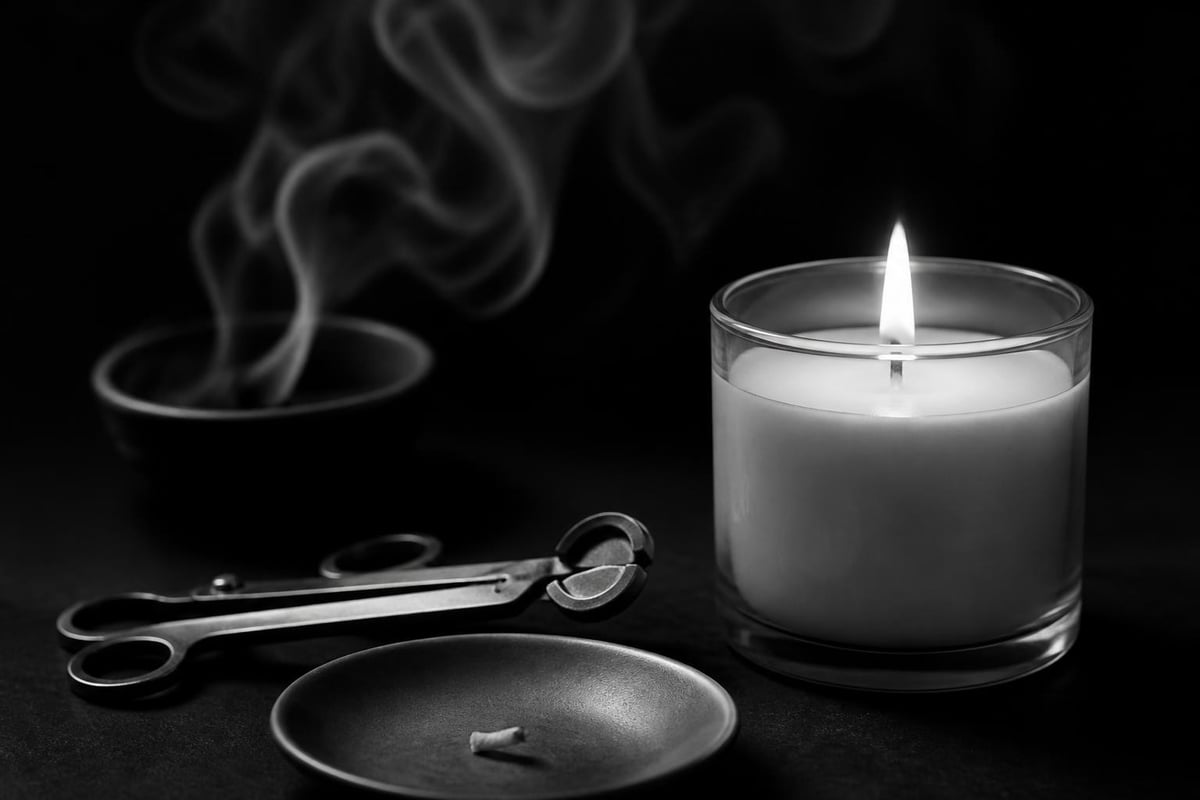
Even the cleanest candles benefit from correct usage. Trim wicks to one-quarter inch before each lighting to prevent excessive flame and soot. Allow sufficient burn time for the wax pool to reach container edges, preventing tunneling that wastes wax and creates uneven burning.
Ventilation matters but requires balance. Some airflow prevents pollutant concentration but excessive drafts cause flickering that increases soot production. Moderate ventilation in rooms where you burn candles optimizes both air quality and burn performance.
Those concerned about wellness products beyond candles might explore complementary items like natural magnesium and CBD-infused body care from Moonglow Minerals, which shares the same commitment to clean, vegan formulations free from synthetic additives.
What Are the Best Wax Options for Clean Burning?
The best wax options for clean burning are beeswax, coconut wax, and soy wax, each offering distinct advantages in burn quality, scent distribution, and environmental sustainability. Beeswax leads in natural air purification, while coconut excels in fragrance performance.
Beeswax stands apart for its air-cleaning properties. When burned, beeswax releases negative ions that attach to positive ions carrying dust, mold, and odors, pulling them from the air. This natural purification occurs alongside a long, slow burn that makes beeswax candles economical despite higher initial costs. The natural honey scent appeals to many, though it can interfere with added fragrances.
Coconut wax has gained popularity among boutique candle makers for its superior scent throw. The molecular structure allows excellent fragrance oil dispersion, creating strong cold throw (unlit scent) and hot throw (burning scent). Coconut wax also produces a creamy white appearance and smooth finish that appeals aesthetically.
The following comparison highlights key differences:
| Wax Type | Burn Time | Scent Throw | Cost | Sustainability |
|---|---|---|---|---|
| Beeswax | Longest | Low-Medium | High | Excellent |
| Coconut | Long | Excellent | High | Very Good |
| Soy | Medium-Long | Good | Low-Medium | Good |
| Rapeseed | Medium | Medium | Medium | Very Good |
Rapeseed (canola) wax offers a lesser-known alternative with promising clean-burning characteristics. European candle makers favor this option for its local sourcing potential and renewable growing cycle.
Blended Formulations
Many artisan candle makers combine waxes to optimize multiple qualities. A coconut-soy blend might deliver coconut's scent performance with soy's affordability. Beeswax additions to plant-based waxes can improve burn time and add subtle honey notes.
These blends require careful formulation. Different waxes have distinct melting points and cooling behaviors that affect how they set in containers. Skilled makers balance these properties to create candles that burn evenly from first light to final flicker.
Understanding botanical scent ingredients helps consumers appreciate how natural wax interacts with plant-based fragrances. The wax serves as a delivery system for scent molecules, and its chemical composition influences how those molecules release into air.
Why Do Synthetic Fragrances Pose Health Concerns?
Synthetic fragrances pose health concerns because they often contain phthalates and other endocrine-disrupting chemicals that become airborne when heated, potentially causing respiratory irritation, hormonal imbalance, and allergic reactions. These compounds are rarely disclosed on product labels.
The fragrance industry protects formulations as trade secrets, allowing manufacturers to list dozens of chemicals simply as "fragrance." This regulatory loophole means consumers cannot identify specific compounds in scented products. Research has found phthalates in approximately 75% of scented products tested, despite growing health concerns.
When candles burn, synthetic fragrances volatilize and disperse throughout indoor spaces. Inhaling these compounds introduces them directly into the bloodstream through lung tissue. Regular exposure to phthalates has been linked to reproductive issues, asthma development, and hormonal disruption in both animal and human studies.
Essential oils and botanical extracts offer safer alternatives with distinct advantages:
- Derived directly from plant material through distillation or extraction
- Contain recognizable chemical compounds with established safety profiles
- Provide authentic scents without synthetic amplification
- Break down more readily in the environment
However, not all natural fragrances suit everyone. Essential oils can trigger allergies or sensitivities in some individuals. The difference lies in transparency and the ability to identify and avoid specific plant materials that cause personal reactions.
Chemical Sensitivity and Scent
Multiple chemical sensitivity affects an estimated 12-30% of the population to varying degrees. For these individuals, synthetic fragrances can trigger immediate symptoms including headaches, dizziness, nausea, and respiratory distress. The best non-toxic candles minimize these reactions by using pure botanical sources without chemical enhancers.
Unscented or lightly scented options work well for chemically sensitive individuals or shared spaces. Some botanical candles rely on the subtle natural scent of the wax itself, particularly beeswax with its inherent honey notes.
Those exploring scent categories and their effects discover how different botanical families create distinct atmospheric qualities without synthetic intervention. This knowledge helps match candle selection to desired mood and environmental goals.
How Long Do Natural Wax Candles Last Compared to Conventional Options?
Natural wax candles typically last 30-50% longer than paraffin candles of equal size because plant-based waxes have higher melting points and burn more slowly. Beeswax offers the longest burn time, followed by coconut and soy waxes.
The density and molecular structure of natural waxes create this extended performance. Paraffin's lower melting point means it liquefies quickly and burns rapidly. Soy wax melts at approximately 120-180°F compared to paraffin's 99-130°F, resulting in a slower consumption rate.
Beeswax melts at even higher temperatures, around 144-147°F, and its natural firmness creates an exceptionally long burn. An eight-ounce beeswax candle might burn for 60-80 hours, while the same size paraffin candle lasts 30-40 hours.
Proper wick sizing affects burn time significantly. An oversized wick creates excessive flame and rapid wax consumption. Quality natural candle makers match wick diameter precisely to wax type and container size, optimizing both burn time and performance.
Container shape influences longevity as well. Wider containers expose more wax surface to heat, accelerating consumption. Taller, narrower vessels focus heat and promote slower, more controlled burning.
Cost Per Hour Analysis
While natural wax candles cost more initially, their extended burn time often results in comparable or better value. A $25 coconut wax candle burning 60 hours costs approximately $0.42 per hour. A $15 paraffin candle burning 30 hours costs $0.50 per hour.
This calculation excludes health and environmental considerations. Factoring in air quality benefits and reduced exposure to harmful chemicals increases the value proposition of investing in the best non-toxic candles.
Seasonal shopping and bulk purchasing can reduce costs. Many artisan makers offer discounts during slower months or for multiple candle purchases. These strategies make premium natural candles more accessible.
What Certifications Should You Look for in Non-Toxic Candles?
Look for certifications indicating clean ingredients and ethical production, including USDA Organic for wax sources, vegan certification, cruelty-free verification, and specific declarations like phthalate-free and lead-free wicks. No single comprehensive candle safety certification exists currently.
The fragmented certification landscape requires examining multiple indicators. USDA Organic certification applies to agricultural ingredients like soy or coconut wax, verifying they meet organic growing standards. This certification suggests reduced pesticide exposure and more sustainable farming practices.
Vegan certification confirms no animal-derived ingredients, which primarily affects beeswax exclusion. For those seeking plant-based options exclusively, this label provides quick verification. Cruelty-free certification indicates no animal testing occurred during development, though this matters less for simple candles than complex cosmetic formulations.
Material-specific declarations offer targeted assurance:
- Phthalate-free confirms fragrance contains no endocrine disruptors
- Lead-free wicks guarantees no heavy metal exposure
- Paraben-free indicates preservative-free formulation
- Non-GMO specifies genetically unmodified plant sources
California Proposition 65 compliance, while not a certification, indicates the product contains no chemicals known to California to cause cancer or reproductive harm. This state-level regulation often serves as a national standard given California's market size.
Third-Party Testing Transparency
Some manufacturers conduct third-party testing for volatile organic compound emissions and publish results. This level of transparency demonstrates commitment to verifiable safety beyond self-certification.
Makers highlighting their production location and methods provide additional confidence. Artisan candles handmade in Manhattan often emphasize small-batch production and direct oversight that large manufacturers cannot match.
B Corporation certification, while not candle-specific, indicates a company meets high standards of social and environmental performance, accountability, and transparency. This holistic approach to business practices often correlates with product quality and ingredient integrity.
How Do You Properly Dispose of Natural Wax Candle Containers?
Properly dispose of natural wax candle containers by removing remaining wax through freezing or hot water methods, cleaning the vessel thoroughly, and recycling glass or metal containers or repurposing them for storage and decoration. Natural waxes are compostable in small quantities.
The freezing method works well for most natural waxes. Place the empty candle in the freezer for several hours until wax contracts and hardens. The wax should pop out cleanly or release easily with gentle pressure. This technique preserves container integrity for reuse or recycling.
Hot water extraction suits heat-resistant containers. Pour boiling water into the vessel, leaving space at the top. As water cools, wax floats to the surface and solidifies, allowing easy removal. This method works particularly well for soy and coconut waxes with lower melting points.
Leftover natural wax serves multiple purposes:
- Add to compost in small amounts
- Use as fire starters for fireplaces or camping
- Melt down and create new candles
- Apply to drawer runners or sticky zippers as lubricant
Clean containers find second lives as storage for small items, planters for succulents, makeup brush holders, or bathroom organizers. Quality candle vessels often feature attractive designs worth preserving beyond their original purpose.
Sustainable Consumption Practices
Buying candles in reusable or returnable containers reduces waste from the start. Some artisan makers offer refill programs where customers return empty vessels for discounted refills. This circular approach minimizes packaging waste and rewards brand loyalty.
Choosing larger candles over multiple small ones reduces per-unit packaging waste. A single 16-ounce candle generates less overall waste than four 4-ounce candles despite equivalent total wax.
Exploring handmade candle collections reveals options designed with sustainability in mind, from minimal packaging to vessels selected specifically for reusability.
FAQ
How can you tell if a candle is truly non-toxic?
Check the ingredient list for specific natural wax types, botanical or essential oil fragrances, and cotton or wood wicks. Avoid candles listing "fragrance," "parfum," or paraffin wax. Look for transparent brands that disclose complete ingredient sources and manufacturing processes. Third-party certifications for organic, vegan, or specific chemical-free formulations provide additional verification of non-toxic status.
Are expensive candles actually safer than budget options?
Higher prices often reflect quality ingredients and small-batch production but do not guarantee safety alone. Some expensive candles contain synthetic fragrances despite premium waxes. Conversely, some affordable brands prioritize clean ingredients. Evaluate each candle on ingredient transparency and certification rather than price. Cost typically correlates with natural ingredient quality, but brand reputation and verification matter more than price point for determining true non-toxic status.
Can non-toxic candles still cause allergies or sensitivities?
Natural ingredients can trigger allergic reactions in sensitive individuals, particularly essential oils derived from plants. Someone allergic to lavender will react to lavender essential oil in candles. However, natural allergens are identifiable and avoidable once known, unlike hidden synthetic fragrance compounds. Non-toxic does not mean hypoallergenic, but botanical ingredients offer transparency that allows informed choices for those with sensitivities.
Do natural wax candles produce any smoke or soot?
All candles produce some smoke during lighting and extinguishing, but properly formulated natural wax candles generate minimal soot during burning. Excessive smoke indicates problems like oversized wicks, drafts, or contaminated wax. High-quality non-toxic candles with correctly sized cotton wicks produce nearly invisible emissions during steady burning. Trimming wicks to one-quarter inch and avoiding drafts minimizes smoke from even the best non-toxic candles.
How often can you safely burn candles indoors?
Burn non-toxic candles as often as desired with proper ventilation and reasonable burn duration. Limit sessions to 3-4 hours at a time, allowing wax to cool completely between burns. Ensure adequate airflow to prevent any pollutant concentration, even with clean-burning candles. Rotate between rooms and avoid burning multiple candles simultaneously in small, enclosed spaces. Quality natural wax candles present minimal health concerns with these basic precautions.
What is the difference between fragrance-free and unscented candles?
Fragrance-free candles contain no added scent compounds but may carry the natural aroma of their wax, like beeswax's honey scent. Unscented candles often contain masking fragrances that neutralize wax odor, potentially including synthetic chemicals. For truly non-toxic options, seek fragrance-free candles or those scented exclusively with essential oils and botanical extracts. The terminology distinction matters when avoiding all synthetic fragrance exposure.
Choosing the best non-toxic candles requires examining wax sources, fragrance origins, and wick materials while maintaining skepticism toward vague marketing claims. Natural ingredients, transparent sourcing, and proper burning practices create the safest and most sustainable candle experience. Haus of Smell crafts botanical candles by hand in Manhattan using natural wax and real plant extracts, offering a genuinely clean alternative to conventional options.