
An aromatic scent is a fragrance built from botanical sources such as herbs, resins, woods, and citrus peels that produce distinct, recognizable notes with therapeutic or sensory properties. Unlike purely floral or gourmand compositions, aromatic fragrances center on fresh, green, or earthy elements that often carry associations with wellbeing, memory, or natural environments.
The term "aromatic" in perfumery describes more than pleasant smell. It refers to a specific category of ingredients and compositions rooted in plant chemistry. Understanding what makes a scent truly aromatic helps you select fragrances that align with your preferences, environment, and values regarding natural ingredients versus synthetic alternatives.
What makes a scent aromatic?
An aromatic scent derives its character from compounds found in botanical materials, particularly those rich in volatile organic molecules that evaporate easily and stimulate olfactory receptors. These materials include herbs like rosemary and sage, resins such as frankincense and myrrh, and woody elements like cedar and cypress. The biological mechanisms of smell involve complex interactions between aromatic molecules and nasal receptors that send signals to the brain's limbic system.
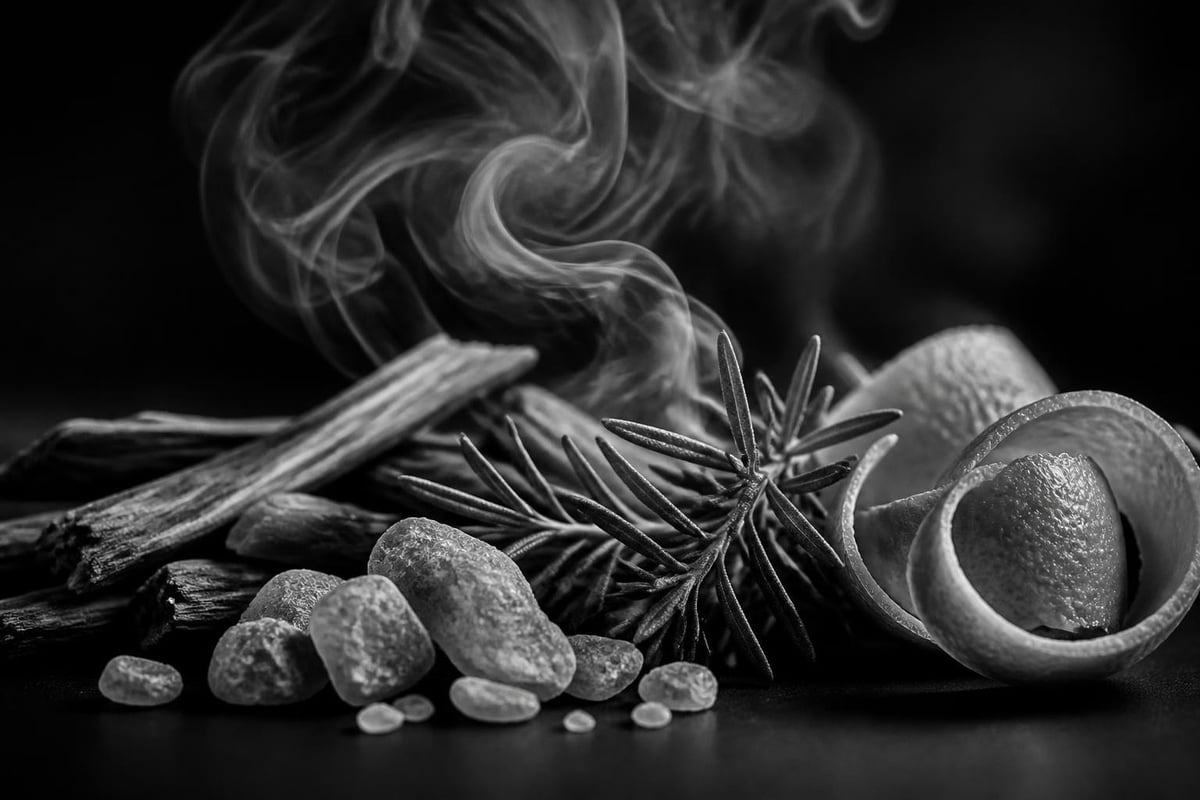
Botanical aromatic materials differ significantly from synthetic fragrance molecules. Natural extracts contain hundreds of chemical constituents working together, while synthetic versions typically isolate one or two primary compounds. This complexity contributes to the depth and evolution of an aromatic scent over time.
The chemistry behind aromatic compounds
Plant materials produce aromatic compounds as secondary metabolites, chemicals not essential for growth but valuable for defense, pollination, or communication. When extracted through distillation or infusion, these compounds retain their molecular structure and olfactory character.
The safety assessment of fragrance materials involves extensive research into how these molecules interact with human skin and respiratory systems. Natural aromatic compounds undergo the same rigorous testing as synthetic ingredients, with comprehensive evaluations published in peer-reviewed journals.
Industry standards ensure that both natural and synthetic aromatic ingredients meet safety thresholds. The IFRA Standards provide guidelines for maximum usage levels based on toxicological data and exposure scenarios.
How do aromatic scents differ from other fragrances?
Aromatic scents occupy a distinct position in fragrance classification, separate from floral, oriental, or fresh categories. They emphasize herbal, green, and camphorous notes rather than sweet, powdery, or purely citrus profiles. This distinction affects how a fragrance develops on skin and how it integrates into daily environments.
| Characteristic | Aromatic Scents | Floral Scents | Oriental Scents | |---|---|---| | Primary sources | Herbs, resins, woods | Flowers, petals | Spices, balsams, vanilla | | Olfactory profile | Fresh, green, earthy | Sweet, soft, romantic | Warm, rich, heavy | | Common associations | Clarity, focus, nature | Romance, elegance | Luxury, warmth, comfort | | Typical longevity | Moderate to long | Short to moderate | Long to very long |
The structural composition of an aromatic scent typically features prominent heart notes. While citrus or green elements may appear in the opening, the core identity rests on herbal or resinous materials that persist through the middle phase of wear. Base notes often include woods or mosses that ground the composition.
For those seeking botanical perfume oils in Manhattan, understanding these structural differences helps in selecting fragrances that match both aesthetic preferences and functional needs, whether for personal wear or environmental scenting.
The role of concentration in aromatic scents
Concentration affects how an aromatic scent performs throughout the day. Oil-based formulations deliver aromatic compounds directly to skin without alcohol evaporation, creating intimate projection that stays close to the body. Water-based or alcohol-based versions project more initially but fade faster.
Natural aromatic materials in oil suspension develop differently than those in alcohol. The warmth of skin heats the oil, releasing aromatic molecules gradually. This slow release creates layered perception as different compounds volatilize at different rates throughout wear.
Why do people choose aromatic scents?
People select aromatic scents for reasons ranging from personal preference to therapeutic intention. The psychological associations with herbs and natural environments create mental connections to outdoor spaces, meditation practices, or specific memories. Research on essential oils and anxiety reduction demonstrates measurable physiological responses to certain aromatic compounds.
Beyond psychological effects, aromatic scents serve practical purposes:
- Environmental enhancement: Aromatic materials can transform indoor spaces without overwhelming sensitivity
- Personal signature: Distinctive herbal profiles stand apart from commercial mainstream fragrances
- Wellness rituals: Integration into meditation, yoga, or self-care routines
- Professional settings: Subtle aromatic scents maintain professionalism while providing sensory interest
- Seasonal alignment: Green and herbal notes suit spring and summer environments
The growing preference for transparency in ingredient sourcing drives many consumers toward botanical aromatic scents. Knowing exactly which plants contribute to a fragrance builds trust and aligns with values around natural products and sustainability.
How can you identify quality aromatic scents?
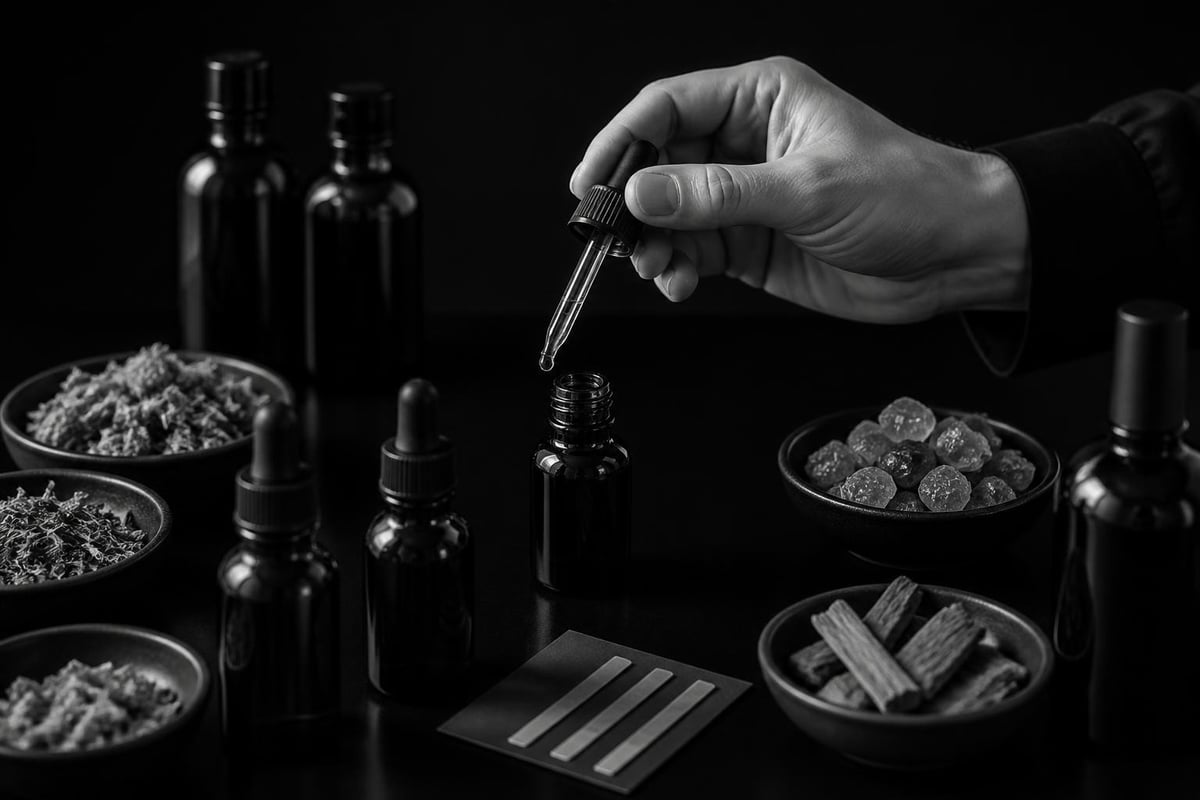
Quality assessment in aromatic scents requires attention to several factors. Natural botanical materials should smell complex rather than flat or one-dimensional. A high-quality lavender extract, for example, contains camphorous, floral, and herbaceous facets that evolve during wear, while a synthetic version might smell uniformly sweet.
Evaluating natural versus synthetic aromatic ingredients
The distinction between natural and synthetic becomes particularly relevant in aromatic fragrances. Natural extracts carry terroir, meaning their scent profiles reflect the soil, climate, and harvesting methods of their origin. Synthetic aromatic molecules offer consistency and sustainability but lack this environmental signature.
Independent safety reviews, such as those conducted by the Fragrance Safety Expert Panel, provide third-party verification of ingredient safety regardless of natural or synthetic origin. Both categories undergo rigorous assessment before approval for use in consumer products.
Transparency in labeling helps consumers make informed decisions. Brands that list specific botanical sources rather than generic "fragrance" or "parfum" demonstrate commitment to disclosure. This practice allows individuals with sensitivities to make appropriate choices based on known plant materials.
What are the main types of aromatic scents?
Aromatic scents divide into several subcategories based on their dominant botanical families. Understanding these divisions helps in selecting fragrances that align with specific preferences or occasions.
Herbal aromatic scents
These compositions center on culinary and medicinal herbs. They often carry fresh, green, slightly sharp qualities that evoke gardens or apothecaries. Common materials include sage, thyme, and basil alongside more traditional perfumery herbs.
Resinous aromatic scents
Resin-based aromatics derive from tree saps and gums. They tend toward warm, slightly sweet, and meditative qualities. These materials have historical significance in ceremonial and religious contexts across cultures.
Woody aromatic scents
Woody aromatics combine wood materials with herbal or green elements. They balance earthiness with freshness, creating grounded but not heavy compositions suitable for year-round wear.
Citrus aromatic scents
While citrus elements appear in many fragrance categories, citrus aromatic scents emphasize the green, slightly bitter aspects of peel oils rather than sweet fruit qualities. They incorporate herbal materials that complement rather than sweeten the citrus notes.
How do you choose an aromatic scent for personal use?
Selecting an aromatic scent requires consideration of personal chemistry, lifestyle, and intended context. Skin pH, temperature, and moisture levels all affect how botanical materials develop over hours of wear.
Testing methodology matters significantly:
- Apply to pulse points on clean, unscented skin
- Wait fifteen minutes for initial alcohol or carrier to settle
- Assess the heart phase after thirty to sixty minutes
- Evaluate longevity by checking scent presence after four hours
- Test in your environment to understand projection in typical settings
Environmental factors influence perception. An aromatic scent that performs beautifully in climate-controlled indoor spaces might behave differently in humid summer conditions or dry winter air. Testing across seasons provides comprehensive understanding of a fragrance's versatility.
For those in Manhattan neighborhoods like NoMad, visiting a specialized boutique allows hands-on comparison of botanical options. Direct consultation with perfumers who work with natural materials provides insight into composition and sourcing that online research cannot replicate.
Where can aromatic scents be used effectively?
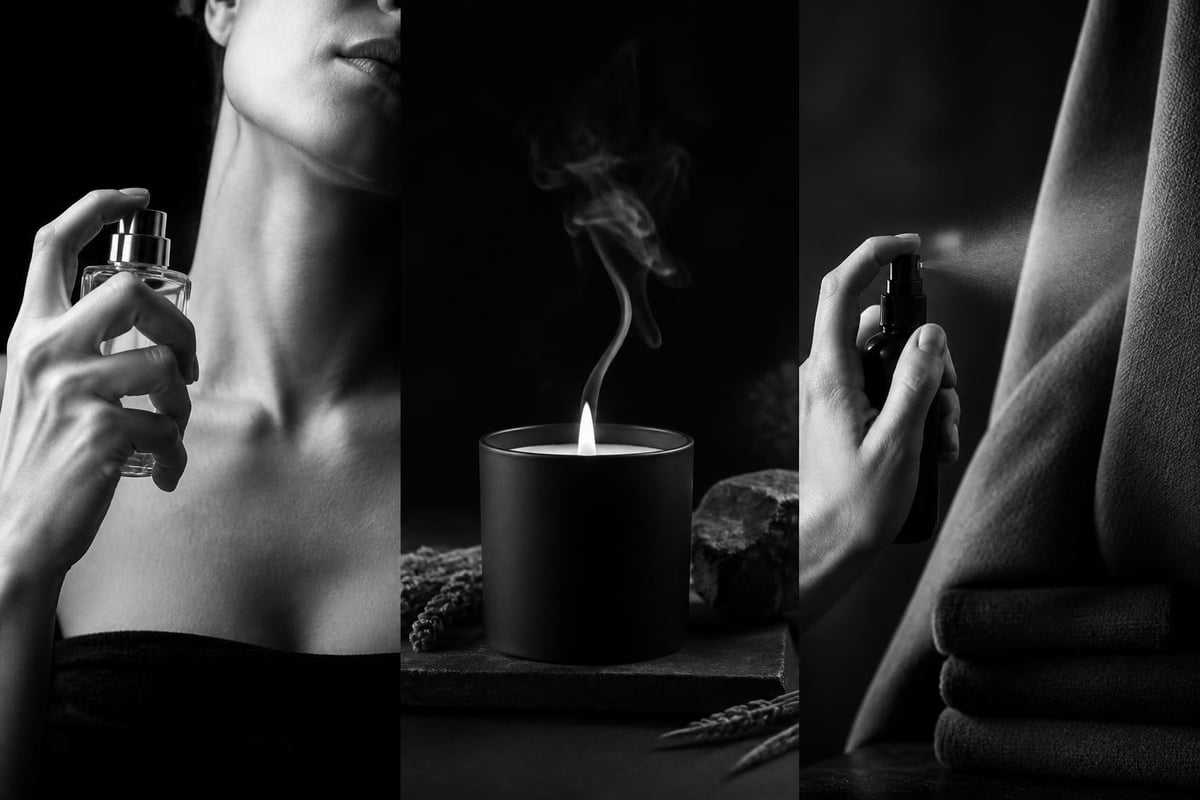
Aromatic scents serve multiple applications beyond personal fragrance. Their versatility stems from generally positive associations and moderate intensity compared to heavier oriental or intensely sweet compositions.
Personal fragrance applications
Wearing an aromatic scent creates a personal atmosphere that travels with you. Oil-based formulations work particularly well for those who prefer intimate rather than projecting fragrances. The roll-on format offers portable application for refreshing throughout the day.
Home environment scenting
Candles and diffusers using aromatic botanical materials transform living spaces without synthetic air freshener qualities. Natural wax combined with plant extracts provides clean burning and authentic scent development as the material heats.
Professional and public spaces
Aromatic scents suit professional environments where fragrance should enhance rather than dominate. Subtle herbal or woody notes create welcoming atmosphere in offices, retail locations, or hospitality settings without triggering sensitivities.
| Application | Recommended Format | Intensity Level | Duration |
|---|---|---|---|
| Personal wear | Oil-based roll-on | Low to moderate | 4-6 hours |
| Small room | Candle or wax melt | Moderate | Duration of burn |
| Large space | Reed diffuser | Low, constant | Weeks to months |
| Linens | Spray or sachet | Low | Days to weeks |
How do aromatic scents interact with individual body chemistry?
Body chemistry significantly affects how an aromatic scent develops and persists. Factors including skin pH, sebum production, diet, and hormonal fluctuations all influence fragrance performance. The same botanical extract smells noticeably different on two people due to these individual variables.
Skin moisture particularly impacts oil-based aromatic compositions. Well-hydrated skin holds fragrance longer than dry skin, as oils bind to skin lipids rather than evaporating immediately. Applying unscented moisturizer before fragrance application extends wear time without altering scent character.
Temperature zones on the body create variation in aromatic scent perception. Pulse points generate warmth that accelerates molecular volatilization, creating stronger projection. Cooler areas like forearms or clothing provide subtler, longer-lasting scent presence.
What are common misconceptions about aromatic scents?
Several misconceptions persist regarding aromatic fragrances, particularly around natural versus synthetic ingredients and therapeutic claims. Clarifying these misunderstandings helps consumers make informed decisions based on facts rather than marketing narratives.
The "natural equals safe" fallacy
While botanical sources appeal to many consumers, natural origin does not automatically guarantee safety or hypoallergenicity. Many plants produce potent compounds that can irritate sensitive individuals. Comprehensive safety assessments evaluate both natural and synthetic materials using identical protocols.
Therapeutic claim limitations
Aromatic scents may influence mood or create pleasant associations, but specific therapeutic claims require clinical evidence. While some studies demonstrate measurable effects of certain aromatic compounds on anxiety or sleep quality, individual results vary significantly. Reputable brands avoid making unsubstantiated medical claims about their fragrances.
Longevity expectations
Natural aromatic materials often have shorter wear times than synthetic musks or fixatives. This characteristic reflects molecular weight and volatility rather than quality. Understanding this trade-off helps set realistic expectations when choosing botanical fragrances over synthetic alternatives.
How can you layer aromatic scents effectively?
Layering creates personalized fragrance combinations that reflect individual preferences while extending wear time. Successful layering requires understanding which aromatic families complement rather than compete with each other.
Complementary layering principles:
- Match intensity levels: Combine similarly subtle scents rather than pairing light with heavy
- Consider scent families: Herbal aromatics layer well with citrus or woody bases
- Start with base layers: Apply longer-lasting resinous or woody scents first
- Add lighter top notes: Follow with fresher herbal or green aromatic elements
- Test combinations: Sample layered combinations before wearing publicly
The 212 custom fragrance service in Manhattan allows direct experimentation with botanical aromatic combinations under expert guidance. This hands-on approach reveals which plant materials harmonize with your skin chemistry and aesthetic preferences.
What trends are shaping aromatic scent preferences in 2026?
Current trends reflect broader cultural shifts toward transparency, sustainability, and personalization. Consumers increasingly seek fragrances that tell authentic stories about ingredient sourcing and production methods.
Minimalist aromatic compositions featuring one or two botanical stars have gained popularity over complex blends. This approach allows appreciation of individual plant materials without overwhelming complexity. Single-material showcases demonstrate quality and purity while creating distinctive signatures.
Regional and local sourcing influences aromatic scent development. Perfumers working with botanicals from specific geographic areas create fragrances that capture sense of place. This terroir-driven approach appeals to consumers interested in supporting local agriculture and reducing transportation impacts.
Gender-neutral aromatic scents continue expanding market presence. Herbal and woody aromatics avoid traditionally gendered associations with florals or musks, creating versatile options suitable for anyone regardless of identity or presentation.
FAQ
What exactly is an aromatic scent?
An aromatic scent is a fragrance built primarily from botanical materials like herbs, resins, and woods that produce fresh, green, or earthy notes with distinct olfactory profiles. These scents derive from plant compounds that evaporate easily and stimulate smell receptors. Aromatic fragrances differ from floral or sweet compositions through emphasis on natural, often therapeutic plant materials rather than romantic or gourmand elements.
Can aromatic scents cause allergic reactions?
Yes, both natural and synthetic aromatic ingredients can potentially trigger sensitivities or allergic reactions in susceptible individuals. Common sensitizers include certain plant compounds found in lavender, citrus peels, and tree resins. Patch testing new fragrances on a small skin area before full application helps identify potential reactions. Reputable manufacturers disclose known allergens and conduct safety testing on all aromatic ingredients regardless of natural or synthetic origin.
How long do natural aromatic scents typically last?
Natural aromatic scents in oil-based formulations typically last four to six hours on skin, though longevity varies based on individual body chemistry, application amount, and environmental conditions. Lighter herbal aromatics may fade within three hours, while resinous and woody materials often persist longer. Synthetic fixatives extend wear time significantly, which explains why purely botanical fragrances generally have shorter longevity than conventional perfumes containing synthetic musks or ambers.
Are aromatic scents suitable for sensitive skin?
Many people with sensitive skin tolerate aromatic scents well, particularly oil-based botanical formulations without alcohol or synthetic additives. However, individual reactions vary significantly based on specific plant materials and personal sensitivities. Choosing fragrances with disclosed ingredient lists allows avoidance of known triggers. Starting with small application amounts and monitoring skin response over twenty-four hours provides the safest introduction to new aromatic scents for those with sensitivities.
What is the difference between essential oils and aromatic scents?
Essential oils are concentrated plant extracts obtained through distillation or expression, containing volatile aromatic compounds at high concentrations typically used in aromatherapy or diluted applications. Aromatic scents are complete fragrance compositions that may include essential oils alongside other botanical extracts, carrier oils, and sometimes fixatives, formulated specifically for wearing on skin or scenting environments. While all essential oils are aromatic, not all aromatic scents consist solely of essential oils.
How should aromatic scents be stored?
Store aromatic scents in cool, dark locations away from direct sunlight and temperature fluctuations to preserve their integrity and longevity. Glass containers protect better than plastic, as some aromatic compounds can interact with certain plastics over time. Keep bottles tightly sealed when not in use to prevent oxidation and evaporation. Properly stored natural aromatic scents maintain quality for one to three years, though citrus-dominant compositions may degrade faster than resinous or woody aromatics.
Understanding aromatic scents opens possibilities for creating personal fragrance experiences rooted in botanical authenticity rather than synthetic replication. Whether you seek environmental enhancement, personal signature, or connection to natural materials, aromatic compositions offer versatile options that evolve uniquely with your body chemistry. If you're in Manhattan and want to explore handcrafted botanical fragrances made without synthetics or alcohol, visit HAUS OF SMELL in NoMad to experience truly aromatic scents created from real plant materials.