
An amazon candle making kit typically includes soy or paraffin wax, pre-tabbed wicks, fragrance oils, containers, and basic tools like a thermometer and pouring pitcher. These beginner-friendly kits range from fifteen to seventy dollars and allow you to create four to twelve candles at home, though ingredient quality and safety standards vary significantly across brands and price points.
The market for home candle making has grown steadily over the past five years, driven by interest in handmade goods and personalized scents. Amazon serves as a primary distribution channel for these products, offering hundreds of kit options from established manufacturers and lesser-known brands. Understanding what distinguishes a reliable kit from a mediocre one requires examining materials, safety compliance, and the completeness of instructions.
What Should You Look for in an Amazon Candle Making Kit?
A quality amazon candle making kit should provide food-grade or cosmetic-grade wax, properly sized wicks with metal tabs, containers that tolerate heat, a pour-safe vessel, an accurate thermometer, and clear step-by-step instructions. The wax type matters for burn quality, with soy and coconut blends offering cleaner burns than straight paraffin, while wick diameter must match container width to prevent tunneling or excessive smoking.
Material transparency separates professional-grade kits from hobby-level options. Reputable sellers specify wax origin, wick fiber composition (cotton versus paper-core), and whether fragrance oils contain phthalates or other problematic additives. Many budget kits omit these details entirely, leaving buyers uncertain about what they're melting and burning indoors.
Critical Components Every Kit Needs
The foundation of any candle kit rests on five essential elements that work together to produce a safe, consistent candle:
- Wax: Soy, coconut, beeswax, or paraffin with clear melt-point specifications
- Wicks: Pre-tabbed, sized for your container diameter, with fiber type disclosed
- Containers: Heat-resistant glass or metal vessels with adequate wall thickness
- Thermometer: Accurate to within two degrees across the 100-200°F range
- Fragrance or essential oils: With usage-rate guidelines and ingredient disclosure
Some kits include extras like dye chips, wick centering tools, and warning labels. These additions enhance the experience but don't compensate for poor-quality core materials. Making soy candles involves precise temperature control and wick selection that cheap components cannot support reliably.
How Do Amazon Candle Making Kits Compare to Professional Supplies?
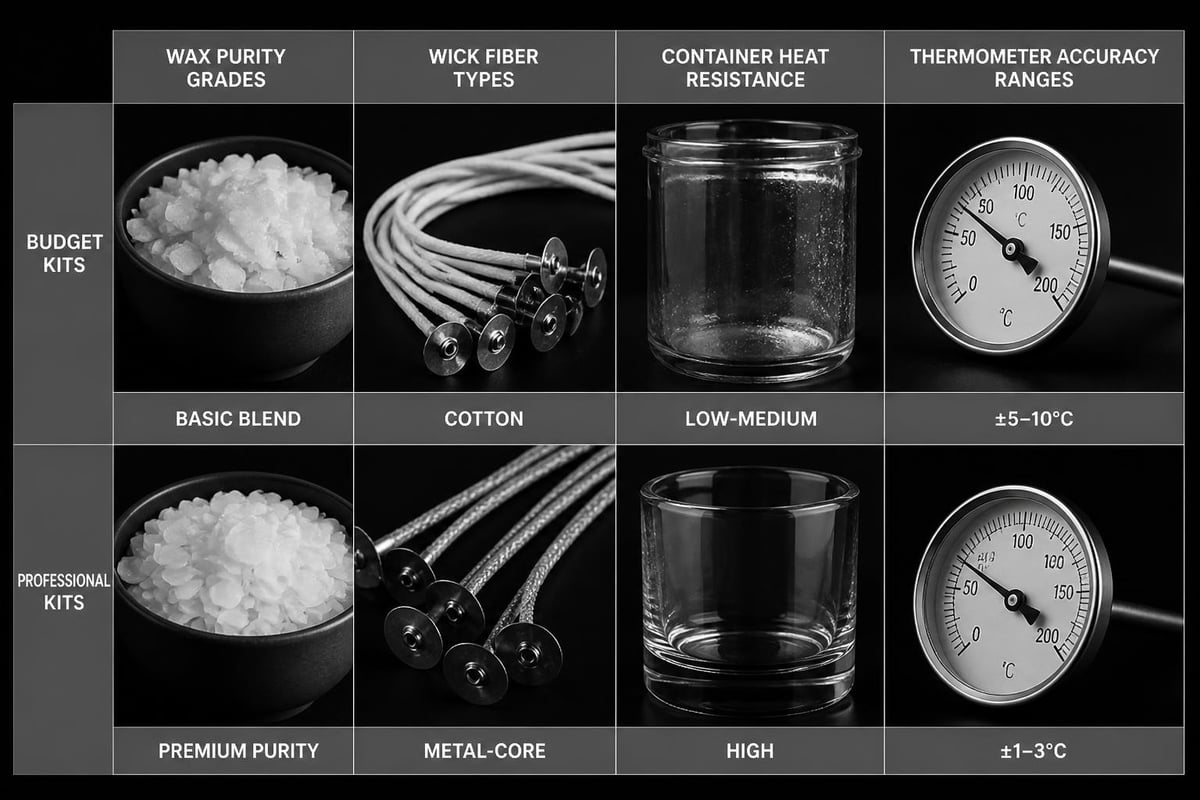
Amazon candle making kits cost thirty to fifty percent less than sourcing professional components separately but often compromise on wax purity, wick consistency, and fragrance quality. Professional suppliers provide detailed technical data sheets, batch-tested materials, and compliance documentation that most Amazon kits lack, though kits offer convenience and lower barriers to entry for beginners exploring the craft.
The convenience factor drives many first-time buyers toward bundled kits. You receive everything in one box without researching suppliers, calculating quantities, or meeting minimum-order requirements. This accessibility encourages experimentation but may limit long-term growth if you develop serious interest in candle making.
| Feature | Amazon Kit | Professional Supplies |
|---|---|---|
| Initial cost | $25-70 for starter set | $80-150 for equivalent materials |
| Wax documentation | Often minimal | Full spec sheets, batch testing |
| Wick variety | 1-2 sizes included | 20+ sizes, multiple fiber types |
| Fragrance load guidance | Generic or absent | Specific to wax type and vessel |
| Scalability | Limited by kit contents | Order quantities as needed |
| Learning curve | Simplified instructions | Requires research and testing |
Professional candle makers eventually migrate away from kits toward bulk ingredients with verifiable specifications. The transition point typically arrives after making your first dozen candles, when you understand your preferences for wax behavior, scent throw, and burn characteristics.
What Are the Safety Concerns with Budget Candle Kits?
Budget candle making kits may include untested wick-wax combinations that produce excessive smoke, fragrance oils with undisclosed synthetic compounds, and containers prone to cracking under thermal stress. These issues create fire hazards, indoor air quality problems, and injury risks that ASTM candle fire safety standards address through specific design and testing requirements that inexpensive kits often ignore.
The U.S. Fire Administration reports that candles cause an average of 7,600 house fires annually, with improper container selection and wick sizing contributing to many incidents. Cheap kits sometimes pair oversized wicks with thin glass containers, creating conditions where the vessel overheats and shatters during use.
Indoor Air Quality Considerations
Burning candles releases particulate matter and volatile organic compounds into your living space. The EPA has documented fine particulate emissions from various candle types, finding significant variation based on wax composition and additive content. Recent research on scented candle toxicology has identified oxidative stress markers in controlled exposure studies.
Particular concern surrounds synthetic fragrances in low-cost kits. Studies examining polycyclic aromatic hydrocarbon emissions from scented candles found elevated levels with certain fragrance types, especially when combined with paraffin wax. These compounds accumulate in poorly ventilated spaces, raising questions about chronic low-level exposure.
Professional-grade kits typically specify fragrance load limits (usually six to ten percent by weight) and provide oils tested for candle use. Budget kits may include concentrated oils meant for diffusers or soap, which behave unpredictably when burned and may release irritating compounds.
Which Amazon Candle Making Kit Types Work Best for Beginners?
Soy wax kits with cotton wicks and simple glass containers provide the most forgiving learning experience for beginners, offering lower melt points (around 120-140°F) that reduce burn risk and cleaner burns that make troubleshooting easier. Complete kits that include a pouring pitcher, thermometer, and wick-centering tools eliminate the need for improvised equipment, though you should verify that the kit provides enough wax for at least four candles to allow for learning mistakes.
First-time candle makers benefit from kits that focus on a single wax type rather than variety packs mixing soy, paraffin, and beeswax. Each wax requires different temperatures, cooling rates, and wick sizes. Learning one material thoroughly before experimenting with others produces better results and less frustration.
Step-by-Step Process with a Basic Kit
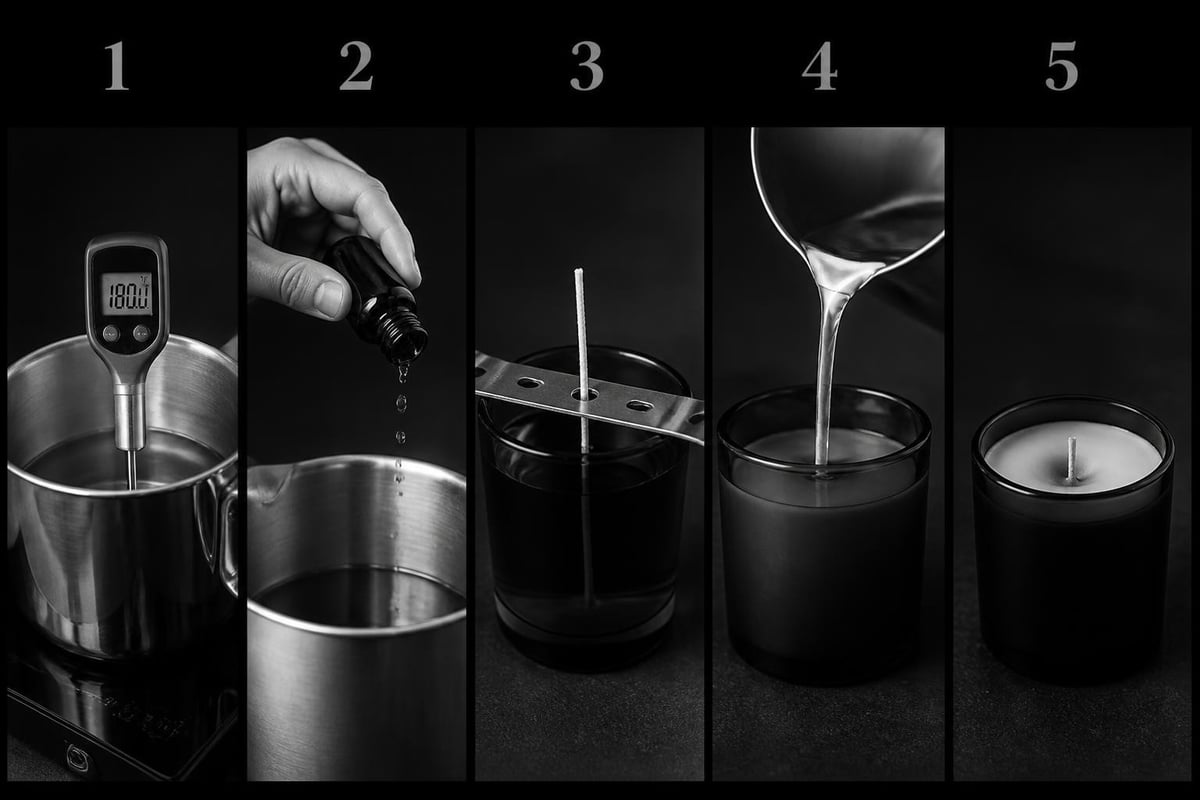
Understanding the candle-making workflow helps you evaluate whether a kit includes everything necessary:
- Measure and melt wax using the double-boiler method or microwave in short intervals
- Monitor temperature with your thermometer, targeting the melt point specific to your wax
- Prepare containers by affixing wicks with adhesive tabs and centering devices
- Add fragrance at the recommended temperature (typically 185°F for soy wax)
- Pour carefully into pre-warmed containers to prevent surface imperfections
- Allow curing for 24-48 hours before trimming wicks and testing burn
Budget kits often omit crucial details like curing time and proper wick trimming, assuming you'll discover these through trial and error. Quality kits include troubleshooting guides that explain common problems like wet spots, sinkholes, and poor scent throw.
How Can You Upgrade an Amazon Candle Making Kit?
Replace generic fragrance oils with body-safe, phthalate-free options from specialized suppliers, swap included wicks for tested varieties that match your container diameter and wax type, and add a digital scale for precise measurements that dramatically improve consistency. These three upgrades cost an additional twenty to thirty dollars but transform a basic kit into a reliable system that produces professional-quality results.
The fragrance component deserves particular attention. Most amazon candle making kit fragrances come from the same wholesale suppliers serving hobbyists. While not inherently dangerous, these oils often lack the complexity and longevity found in premium fragrance blends. If you're drawn to botanical candles with genuine plant-derived scents, you'll notice the difference immediately when comparing synthetic vanilla to real vanilla oleoresin.
Material Substitutions That Matter
Small changes to kit components yield significant improvements:
- Swap paraffin for soy or coconut wax if air quality concerns you
- Replace zinc-core wicks with pure cotton wicks for cleaner burns
- Add wooden wick options for crackling ambiance (requires different adhesive)
- Source heat-resistant containers separately if kit vessels feel thin
- Invest in a proper pouring pitcher with a spout and heat-resistant handle
The container deserves special consideration. Thin glass from budget kits may crack when exposed to the thermal stress of burning wax. Professional candle vessels feature thicker walls and heat-tempered glass that withstands repeated use. Testing a questionable container involves filling it with hot water first to check for immediate cracking or stress points.
What Mistakes Do First-Time Kit Users Make?
Overheating wax beyond recommended temperatures degrades its structure and scent-holding capacity, while adding too much fragrance creates excess smoke and poor burns. Many beginners skip the curing period, testing candles immediately after pouring when wax hasn't fully crystallized, or fail to trim wicks to one-quarter inch before each burn, leading to mushrooming and soot deposits on container walls.
Temperature management represents the most common failure point. Each wax type has an optimal range for adding fragrance (usually 180-185°F) and pouring (160-170°F for most soys). Exceeding these temperatures doesn't speed the process. It causes fragrance notes to flash off and creates adhesion problems between wax and container.
The curing period often feels unnecessary to impatient beginners. However, wax continues to crystallize and bind with fragrance molecules for days after pouring. Candles burned within hours of making produce weak scent throw and uneven consumption. Waiting 48 hours yields dramatically better results with identical materials.
Where Does Quality Matter Most in Candle Making Kits?
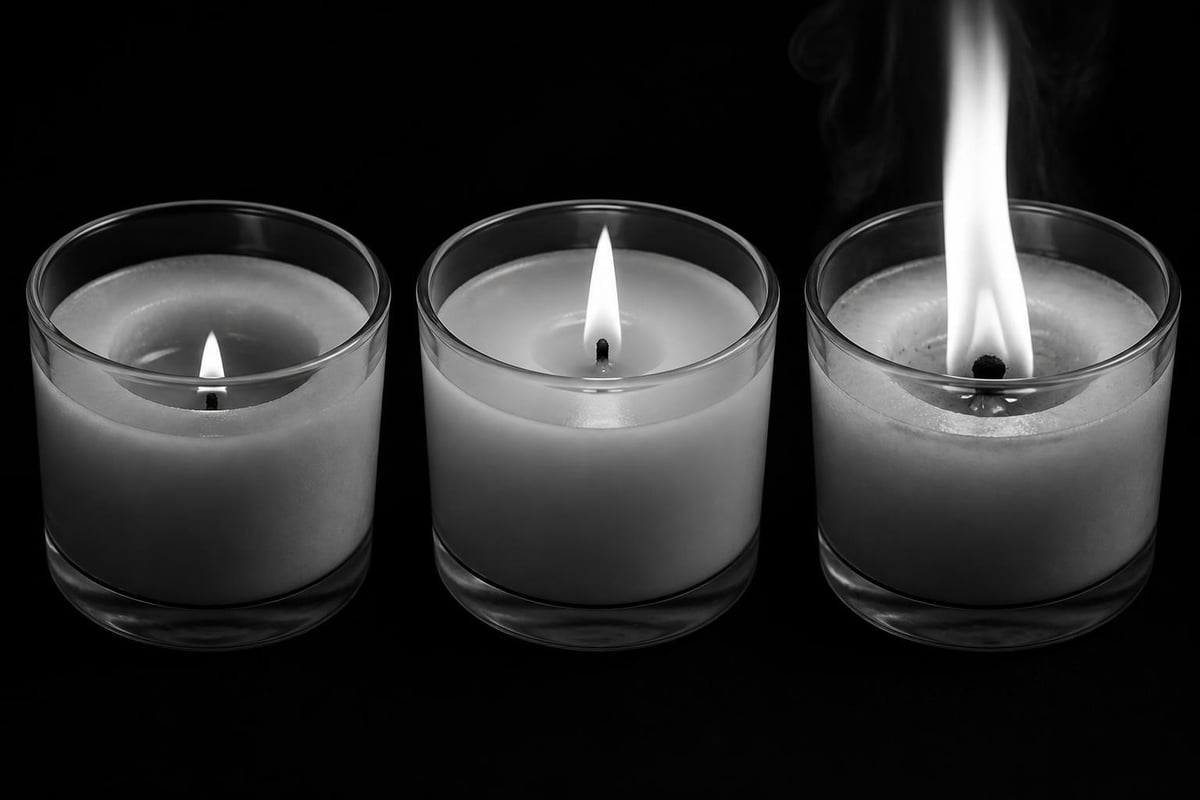
Wick selection impacts burn quality more than any other component, determining whether your candle tunnels down the center or melts evenly across the surface. An undersized wick creates a narrow burn pool that wastes wax, while an oversized wick produces excessive heat, smoke, and potential container damage. Testing multiple wick sizes with your specific wax-container-fragrance combination remains essential even with kit recommendations.
Professional candle makers maintain wick testing logs that record container diameter, wax type, fragrance load, and resulting burn characteristics for each wick variety. This systematic approach seems excessive for beginners but prevents the frustration of inconsistent results. The amazon candle making kit you choose should ideally include two wick sizes to facilitate basic testing.
Wax quality follows closely behind wicks in importance. Food-grade soy wax from American-grown soybeans burns cleaner and holds fragrance better than industrial-grade materials. Container wax blends (soy-coconut or soy-paraffin) offer advantages over pure soy for certain applications, particularly in preventing wet spots and improving glass adhesion.
Can Amazon Candle Making Kits Support a Small Business?
Using retail candle making kits from Amazon becomes cost-prohibitive beyond making twenty to thirty candles, as bulk ingredient pricing from wholesale suppliers reduces per-unit costs by sixty to seventy percent. However, kits serve as valuable low-risk testing platforms for refining your formulations, practicing techniques, and determining whether candle making suits your skills and interests before committing to larger inventory investments.
The economics shift dramatically at scale. A five-pound bag of soy wax costs twelve to fifteen dollars and produces approximately ten eight-ounce candles. Buying the same wax in fifty-pound cases drops the price to sixty-five dollars, cutting per-candle costs in half. Similar savings apply to wicks, containers, and fragrances when sourced professionally.
Testing remains the legitimate long-term use for occasional kit purchases. When evaluating new wax blends, container styles, or fragrance combinations, buying a small kit prevents waste if the combination doesn't perform. You can experiment without committing to minimum orders that might exceed your needs.
For those exploring DIY candle making as a creative outlet rather than a business, kits maintain their value proposition indefinitely. The convenience justifies slightly higher costs when you're making six candles twice yearly for personal use or gifts.
How Should You Store Candle Making Kit Materials?
Store wax in a cool, dry location away from direct sunlight, as heat cycling degrades its structure and UV exposure discolors many natural waxes. Keep fragrance oils in dark glass bottles with tight seals to prevent oxidation and evaporation. Wicks should remain in sealed containers to avoid dust accumulation and moisture absorption that affects burn characteristics.
Temperature stability matters more than absolute temperature for most materials. A basement maintaining 55-65°F year-round preserves wax better than a climate-controlled room that swings between 68°F in winter and 76°F in summer. These thermal cycles cause wax to expand and contract, creating microscopic fractures that affect finished candle quality.
Fragrance oils require particular care. Light and heat degrade aromatic compounds, sometimes rapidly. Amber or cobalt glass bottles protect light-sensitive materials. Storing oils in a cool, dark cabinet extends shelf life from months to years. Some natural extracts (citrus oils especially) oxidize quickly and should be used within six months of opening.
What Environmental Factors Affect Amazon Candle Making Kit Selection?
Soy and coconut wax kits carry smaller carbon footprints than paraffin-based options, as they derive from renewable plant sources rather than petroleum refining. However, agricultural impacts vary significantly based on farming practices, with certified organic and sustainably sourced waxes representing the most environmentally responsible choices. Container selection also matters, as reusable glass vessels reduce waste compared to disposable tins or single-use ceramics.
The sustainability question extends beyond raw materials to transportation and packaging. An amazon candle making kit shipped from overseas carries higher embedded carbon than domestically produced materials, though this calculation becomes complex when accounting for manufacturing efficiency and local energy sources.
Packaging waste represents another consideration. Some kits arrive in excessive plastic clamshells and bubble wrap, while others use minimal cardboard packaging with paper-based protection. Reading reviews often reveals packaging approaches before purchasing.
FAQ
What is the average cost of an amazon candle making kit?
Most amazon candle making kits range from twenty-five to seventy dollars, with basic soy wax kits at the lower end and comprehensive sets including multiple wax types, advanced tools, and larger quantities at the upper range. Premium kits occasionally exceed one hundred dollars when bundling specialty materials like beeswax, wooden wicks, or artisan containers with detailed instruction booklets.
How many candles can you make with a typical kit?
Standard kits contain enough wax and supplies to create four to twelve candles, depending on container size and wax quantity included. Eight-ounce containers represent the most common size, requiring approximately four ounces of wax each when accounting for fragrance additions and material loss during pouring. Larger economy kits may provide materials for up to twenty candles.
Are candle making kits safe for children?
Candle making involves hot wax at temperatures reaching 170-200°F, presenting burn hazards inappropriate for unsupervised children. Kits marketed for ages twelve and up typically include safer soy wax with lower melt points and detailed safety instructions, though adult supervision remains essential throughout the process. Some manufacturers offer cold-process candle alternatives using pre-melted wax beads that eliminate heating requirements.
Can you use essential oils instead of fragrance oils in kits?
Essential oils work in candle making but require higher usage rates (eight to twelve percent versus six to eight percent for synthetic fragrances) and may not provide adequate scent throw when burned. Many essential oils also have low flash points, creating safety concerns at standard candle-making temperatures. If using essential oils, select those specifically tested for candle applications and follow recommended maximum usage rates.
How long do candles from kits need to cure?
Most soy and coconut wax candles require 24-48 hours of curing time at room temperature before burning, allowing the wax to fully crystallize and bind with fragrance molecules. Beeswax and paraffin cure faster, often ready within 12-24 hours. Testing a candle before adequate curing results in weak scent throw and uneven burning that doesn't reflect the candle's true performance.
What causes tunneling in homemade candles?
Tunneling occurs when wicks are undersized for the container diameter, creating a narrow burn pool that descends straight down rather than melting wax to the edges. The first burn sets a candle's memory, so failing to achieve a full melt pool initially causes persistent tunneling throughout the candle's life. Proper wick sizing and burning candles long enough to melt the entire surface during first use prevents this issue.
Selecting an amazon candle making kit requires evaluating material quality, safety documentation, and component completeness against your skill level and goals. Whether you're testing the craft before committing to professional supplies or creating occasional handmade candles for personal enjoyment, prioritizing verified ingredients and proper tools over price alone yields safer, more satisfying results. For those in New York exploring botanical scent experiences beyond DIY projects, Haus of Smell offers handcrafted candles made from natural wax and genuine plant extracts in Manhattan, providing finished products that demonstrate what's possible when quality materials meet skilled craftsmanship.